

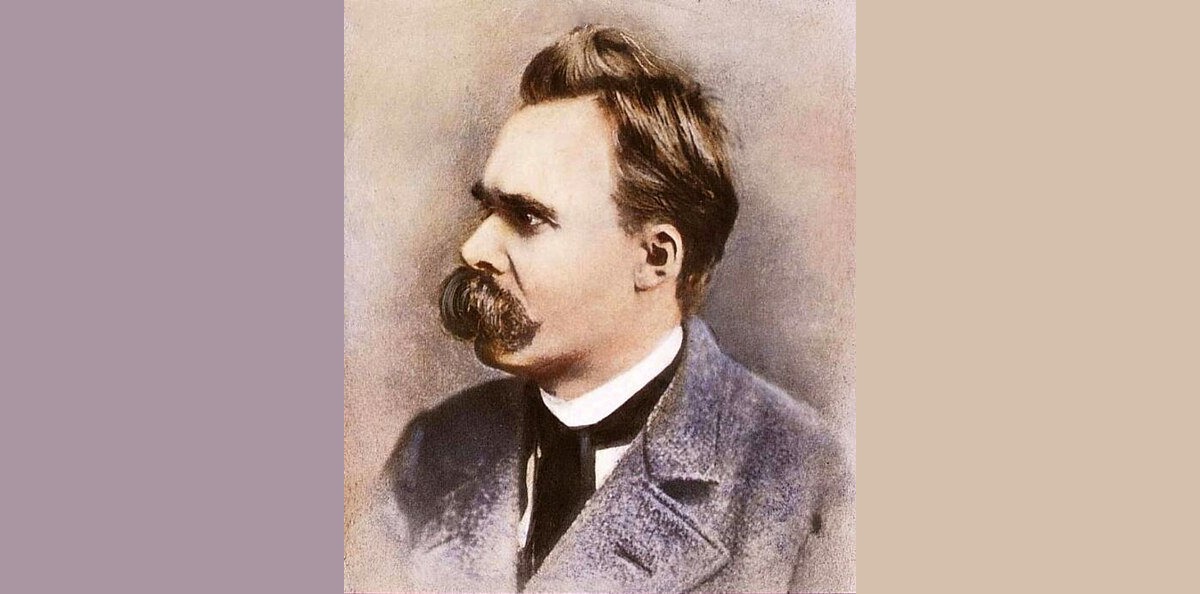
30 Philosophers, Chapter 30: Nietzsche and Nihilism.
Friedrich was born on October 15, 1844, on the 49th birthday of the Prussian King, after whom he was named. In 1869, at the age of 24, Nietzsche was appointed as a professor of classical philology at the University of Basel in Switzerland. The mustachioed-musician-philosopher Nietzsche shows us that his life was not solely confined to the rigor of intellectual quests; it also embraced the landscapes of creative artistry and a fervor for living a life well-lived.
Nietzsche was not asking everyone to throw away tradition merely because it was inherited. If you enjoy going to church every Sunday, if the rituals, people, and beliefs enrich your life, keep going. Those values may have started as your parents’ values, but that does not mean they cannot become authentically yours. His challenge is for the person quietly suffering beneath borrowed expectations. If the life handed to you feels false, empty, or unbearable, you have a responsibility to examine it. Keep what works. Challenge what does not. Then begin the difficult work of becoming.
This brings us to one of Nietzsche’s most powerful thought experiments: Eternal Recurrence. Imagine being told that you must live this exact life again and again, forever. The same joys, sorrows, routines, choices, and regrets. Would that news crush you, or would you embrace it? Nietzsche is not asking you to blow up a life you already love. He is asking you to notice the parts you would dread repeating. If something in your life makes eternity feel unbearable, change it. Live your life in a way you are willing to live forever.

