

From Baroque music and paintings to sculptures and archicture. The dawn of the 17th century witnessed the birth of the Baroque era, marking a transformative period in the history of art that spanned from circa 1600 to 1750 CE. Originating in Italy and spreading across Europe, the Baroque movement represented a significant evolution in artistic expression, characterized by its dramatic, detailed, and exuberant style. This era brought about a profound change in music, visual arts, and architecture, emphasizing motion, contrast, and a vivid sense of emotion that sought to engage the viewer or listener directly. In music, the Baroque period saw the invention of opera as a new form of musical and theatrical expression, the development of complex tonal systems, and the creation of instrumental music forms such as the concerto and sonata. Composers like Johann Sebastian Bach, Antonio Vivaldi, and George Frideric Handel epitomized the Baroque’s intricate harmonies and elaborate compositions. The Baroque era’s emphasis on blending different forms of art to evoke a heightened emotional response represented a significant evolution in the way art was conceived and experienced. It laid the groundwork for future artistic movements and continues to influence the arts profoundly, underscoring the intricate relationship between human emotion, expression, and creativity in the journey of cultural development.
STORY
The Birth of Baroque Art
☐ Read
☑ Read
You’ve read this 0 times.
You’ve listened to this 0 times.
By Michael Alan Prestwood
Sat 30 Mar 2024
Published 3 years ago.
Updated 5 months ago.
Share :
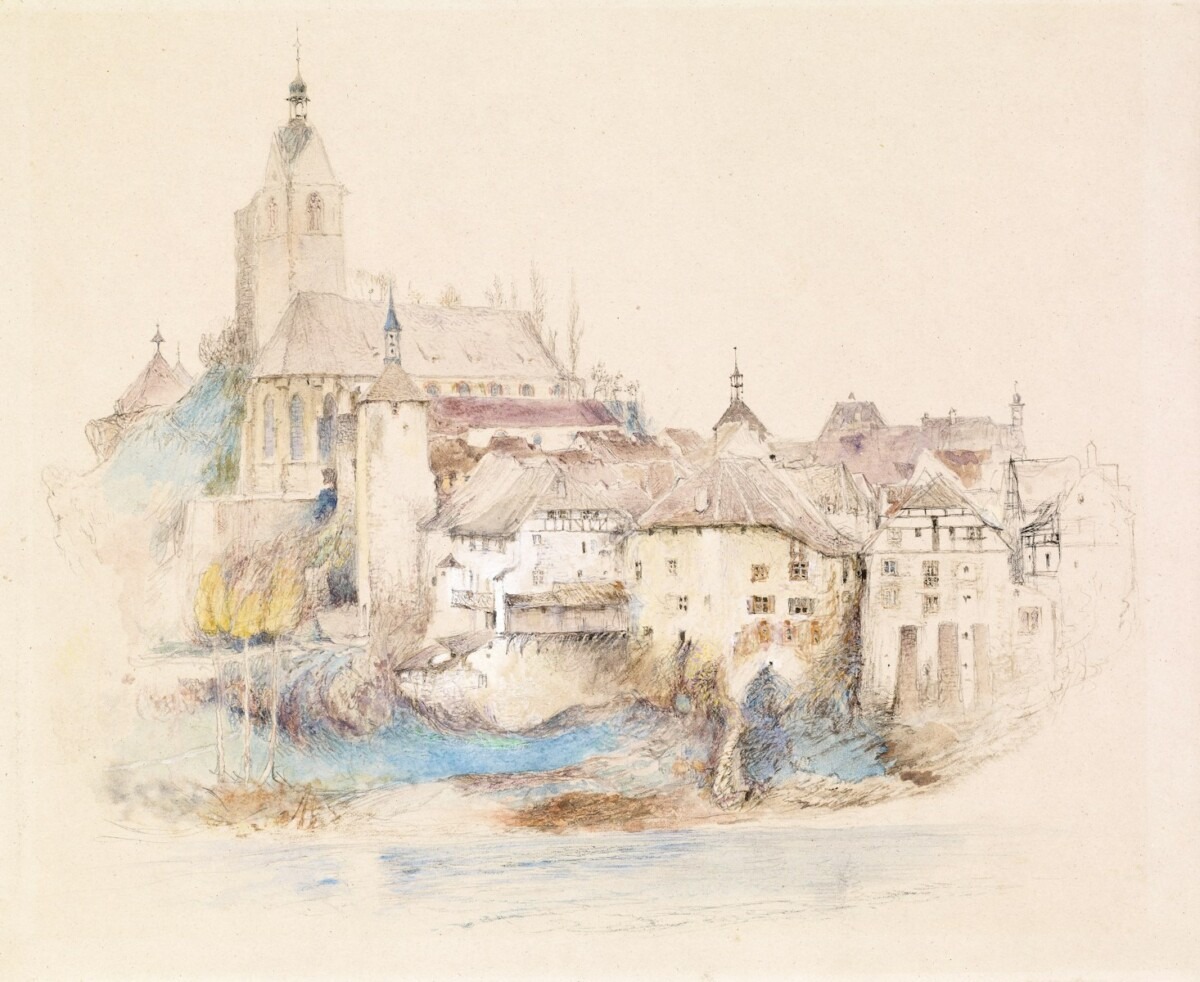
The Birth of Baroque Art
circa 1600 CE
Late 16th to Early 18th Century
- < 1 minute read

Michael Alan Prestwood
Author & Natural Philosopher
Author & Natural Philosopher
Prestwood writes on science-first philosophy, with particular attention to the convergence of disciplines. Drawing on his TST Framework, his work emphasizes rational inquiry grounded in empirical observation while engaging questions at the edges of established knowledge. With TouchstoneTruth positioned as a living touchstone, this work aims to contribute reliable, evolving analysis in an emerging AI era where the credibility of information is increasingly contested.
Email
Print
The Prestwood Column
Menu
October 2026
»COLUMN ARCHIVE
--COLUMN--
Column Research….
NEW BOOK! NOW AVAILABLE!!
30 Philosophers: A New Look at Timeless Ideas
by Michael Alan Prestwood
