

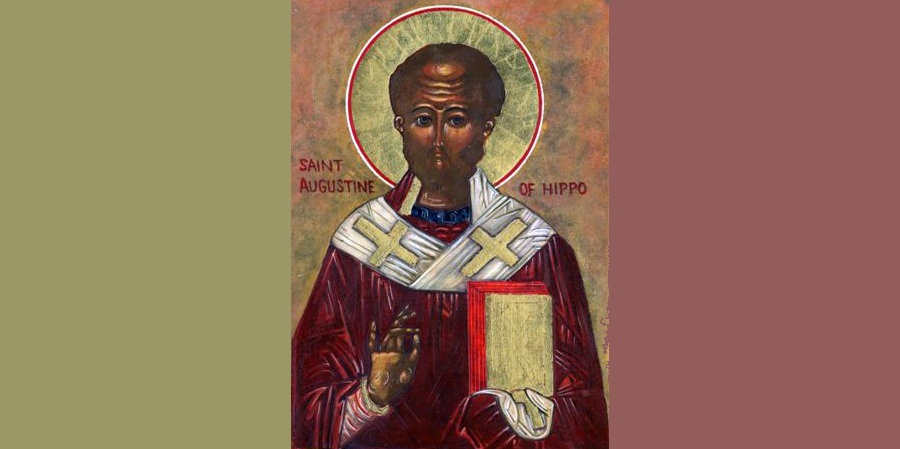
30 Philosophers, Chapter 15: Augustine, Time, and War.
Saint Augustine of Hippo was born in 354 CE in Roman North Africa, in what is now Algeria. Raised by a Christian mother and a pagan father, he spent his early years exploring rival ideas before converting to Christianity and eventually becoming bishop of Hippo. Augustine matters because he stands at the crossroads of theology, philosophy, and lived human struggle. In 30 Philosophers, his chapter is framed around time, eternity, and war, which fits him well. He was not just a church thinker. He was a builder of moral and metaphysical structure, trying to reconcile human suffering, divine order, and the realities of life in a collapsing world.
Augustine’s Just War Theory is one of his most enduring contributions to situational ethics. He faced a hard question: if Christianity calls us toward love, peace, and neighborly duty, what do we do in a violent world where war still comes? Rather than take a total “just say no” stance against all war, Augustine chose a situational path. He argued that war might be justified under limited conditions, such as self-defense, right intent, legitimate authority, and the exhaustion of peaceful alternatives. He also argued that even when war begins, it must be morally restrained. Noncombatants should not be targeted, force should be proportional, and violence should be limited to what is necessary. In that sense, Augustine was trying to place a moral leash on one of humanity’s worst instincts.
Beyond war, Augustine’s reach was much wider. He is also remembered for his reflections on time, memory, eternity, sin, grace, and the restless nature of the human soul. His Confessions helped shape inward self-examination, and The City of God helped frame the tension between earthly politics and higher moral order. Even when people disagree with his theology, they still feel his influence. He helped define how the West would think about inner life, moral struggle, and the search for meaning for centuries to come.
- The world is a book and those who do not travel read only one page.
- Right is right even if no one is doing it; wrong is wrong even if everyone is doing it.
- There is no saint without a past, no sinner without a future.

