

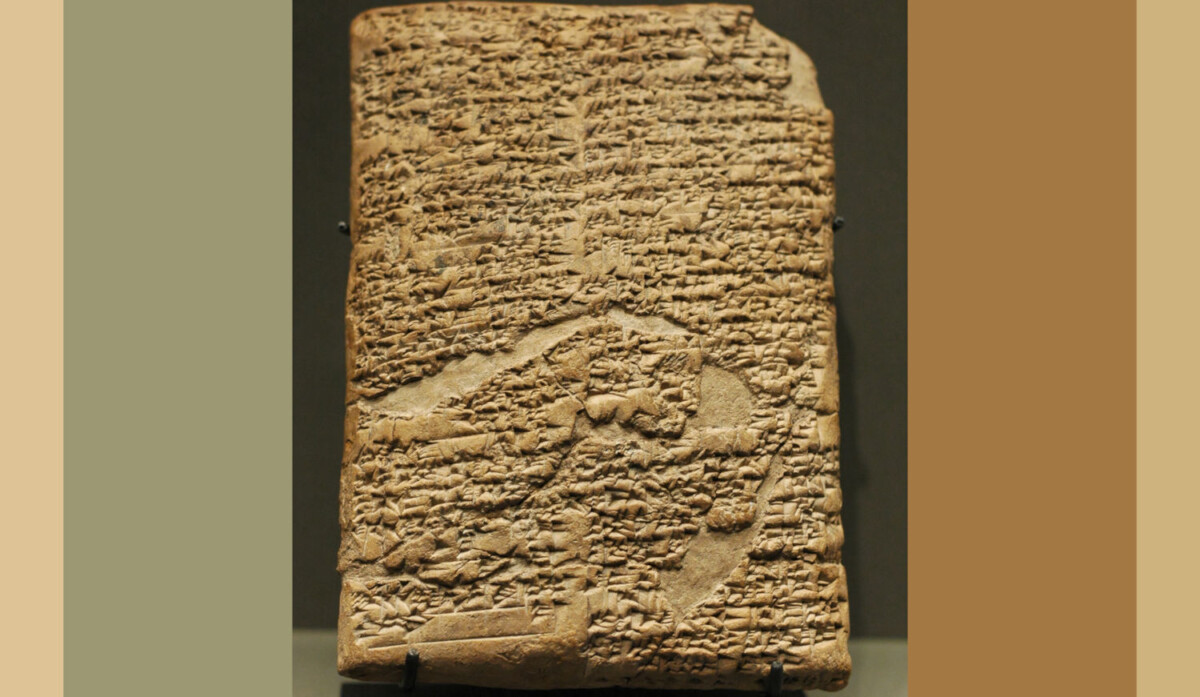
A set of about 300 legal laws written in stone from the ancient Near East that withstood the test of time. Hammurabi, the sixth king of the First Dynasty of Babylon, had it written in cuneiform in the Old Babylonian dialect of Akkadian. The text itself was copied and studied by Mesopotamian scribes for over a millennium.
Translated examples:
- If a man should blind the eye of another man, they shall blind his eye.
- If a man bears false witness in a case, or does not establish the testimony that he has given, if that case is case involving life, that man shall be put to death.
- If a man bears false witness concerning grain or money, he shall himself bear the penalty imposed in the case.
The laws covered the hard edges of civilization: property, trade, debt, wages, injury, family life, slavery, theft, farming, and punishment. Many were written as case laws: if this happens, then that penalty follows. That format gave society a predictable structure. It did not create equality as we understand it today, but it did try to replace private revenge with public order.
The Code of Hammurabi also helps us understand the world behind parts of the Bible. Some laws in Exodus and Deuteronomy sound similar because ancient Israel emerged within the same larger Near Eastern legal culture. That does not mean the Bible simply copied Hammurabi. It means Hebrew law shared older legal forms, then reshaped them through its own covenant theology, moral priorities, and view of God.
Its influence also reaches toward modern law in a broader sense. Hammurabi’s code represents an early attempt to make law public, stable, and tied to authority beyond personal whim. Modern law has outgrown much of its content, but we still value some of its deeper instincts: written laws, public standards, contracts, liability, penalties, and the idea that rulers should be accountable to a legal order.
Still, much of Hammurabi belongs to a world we have rightly left behind. Its punishments could be brutal. Its justice depended heavily on social rank, gender, and status. It accepted slavery and treated people unequally under the law. What survived was not its cruelty, but its great leap forward: the idea that society needs written rules, visible standards, and a shared structure for justice.

