
Phil • Cr. Think • Science • Hist •
TST PRACTICE

The Philosophy Website

STORY

John Locke

☐ Read
☑ Read
You’ve read this 0 times.
You’ve listened to this 0 times.

By Michael Alan Prestwood

Wed 10 Apr 2024
Published 2 years ago.
Updated 2 days ago.
Related Stories
Bill of Rights
Max Weber (1864–1920)
Liberalism
Voltaire
George Orwell
13th Amendment
Share :
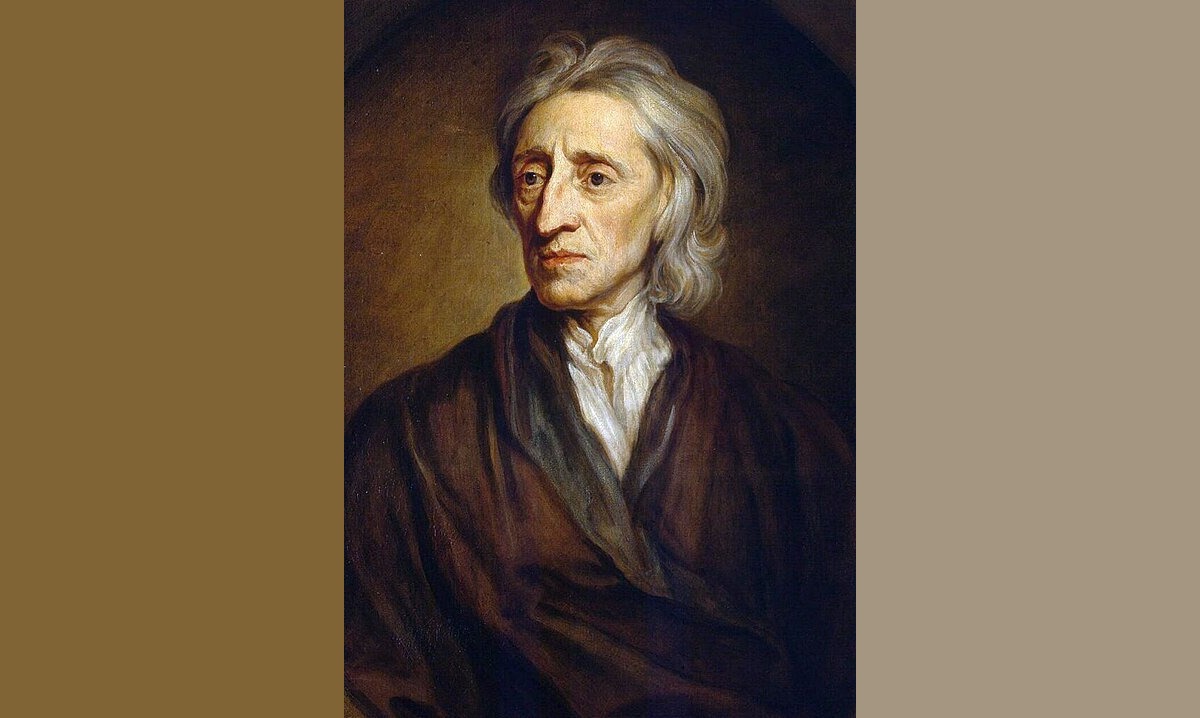
John Locke argued that we are not born with ideas already written into us—we acquire knowledge through experience. His concept of tabula rasa, developed in An Essay Concerning Human Understanding, reshaped how we think about learning, freedom, and rights. If minds begin blank, then no one is born destined to rule—or obey.

John Locke

Born 1632, died 1704.
16 Generations Ago

30 Philosophers, Chapter 24: Locke and Natural Rights. 

John was born on August 29, 1632 into a Puritan family in England. During his life, John Locke was focused on empiricism. He goes on to become a key figure in the empiricist revolution, with a dedication to the doctrine that experience is how knowledge is acquired. One of his popular ideas he published under his name was “tabula rasa,” in his work “An Essay Concerning Human Understanding.” Locke’s “tabula rasa” translates to blank slate, and this idea is central to individual rights and freedoms.

— map / TST —

TST Tracker
✓ Reading recorded.
Michael Alan Prestwood
Author & Natural Philosopher
Prestwood writes on science-first philosophy, with particular attention to the convergence of disciplines. Drawing on his TST Framework, his work emphasizes rational inquiry grounded in empirical observation while engaging questions at the edges of established knowledge. With TouchstoneTruth positioned as a living touchstone, this work aims to contribute reliable, evolving analysis in an emerging AI era where the credibility of information is increasingly contested.
Email
Print
The Prestwood Column
Menu
September 2026
Column Research….
1. Timeline Story
Hume’s Is–Ought Problem
2. Linked Quote
“I meet with no proposition that is not connected with an ought, or an ought not.”
3. Science FAQ »
Can science prove flourishing should be our goal?
4. Philosophy FAQ »
What is the difference between a normative aim and a normative directive?
5. Critical Thinking FAQ »
Is flourishing for all just utilitarianism?
6. History FAQ!
What is the history of the idea of flourishing in philosophy?
Bonus Deep-Dive Article
TST Normative Ethics: Flourishing as a Philosophical Goal

Comments

Join the Conversation! Currently logged out.

Leave a Reply

NEW BOOK! NOW AVAILABLE!!

30 Philosophers: A New Look at Timeless Ideas

by Michael Alan Prestwood
The story of the history of our best ideas!
Scroll to Top