
Chimpanzee-Bonobo Split
A river can redirect evolution. When the Congo River separated ancestral Pan populations, isolation turned one family line into two closely related but distinct ape species.
Chimpanzee-Bonobo Split Read More »


A river can redirect evolution. When the Congo River separated ancestral Pan populations, isolation turned one family line into two closely related but distinct ape species.
Chimpanzee-Bonobo Split Read More »

Gigantopithecus is believed to have gone extinct approximately 100,000 years ago. The primary evidence for their existence and extinction comes from fossilized teeth and jawbones found in caves in southern China, Vietnam, and India. About King Kong: The legend of King Kong is a modern fiction rather than an ancient tale. The character of King Kong
Extinction: Gigantopithecus Read More »

The great ape Gigantopithecus was a genus of large primates that lived in Asia, primarily during the Pleistocene epoch. Gigantopithecus is closely related to modern orangutans (genus Pongo) within the great ape family. These large primates were not direct ancestors of humans but were part of the broader family Hominidae, which includes all the great
Genus Gigantopithecus Read More »
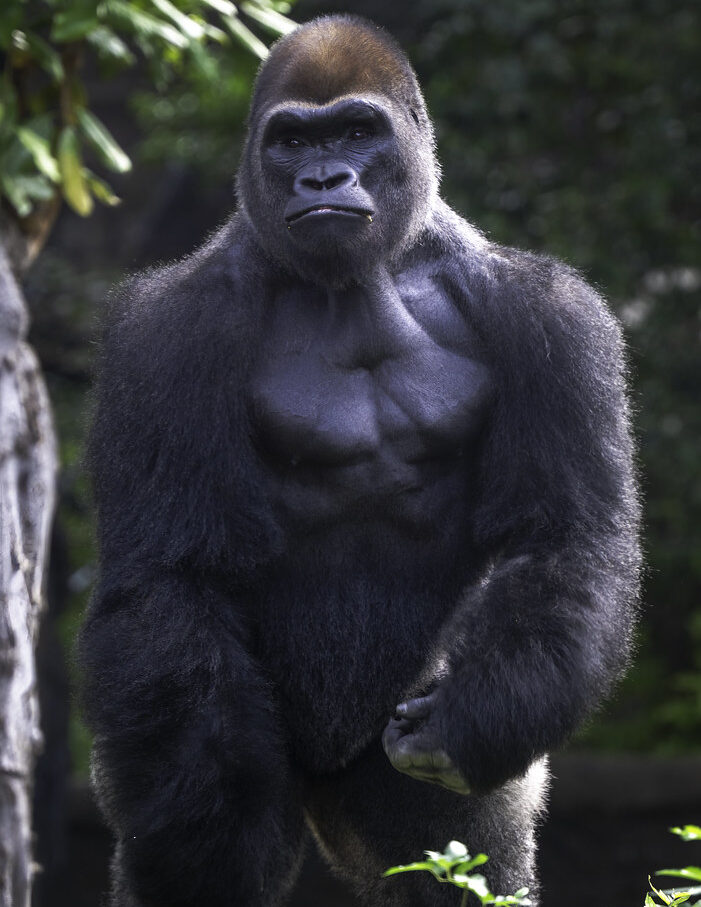
After the split of great apes and humans about 16 mya, the modern gorilla species, the western and eastern gorillas, are estimated to have diverged approximately 1.75 million years ago from other great apes. However, recent studies suggest that there was an interbreeding event between an extinct gorilla population and eastern gorillas around 40,000 years
Modern Gorilla Species Read More »
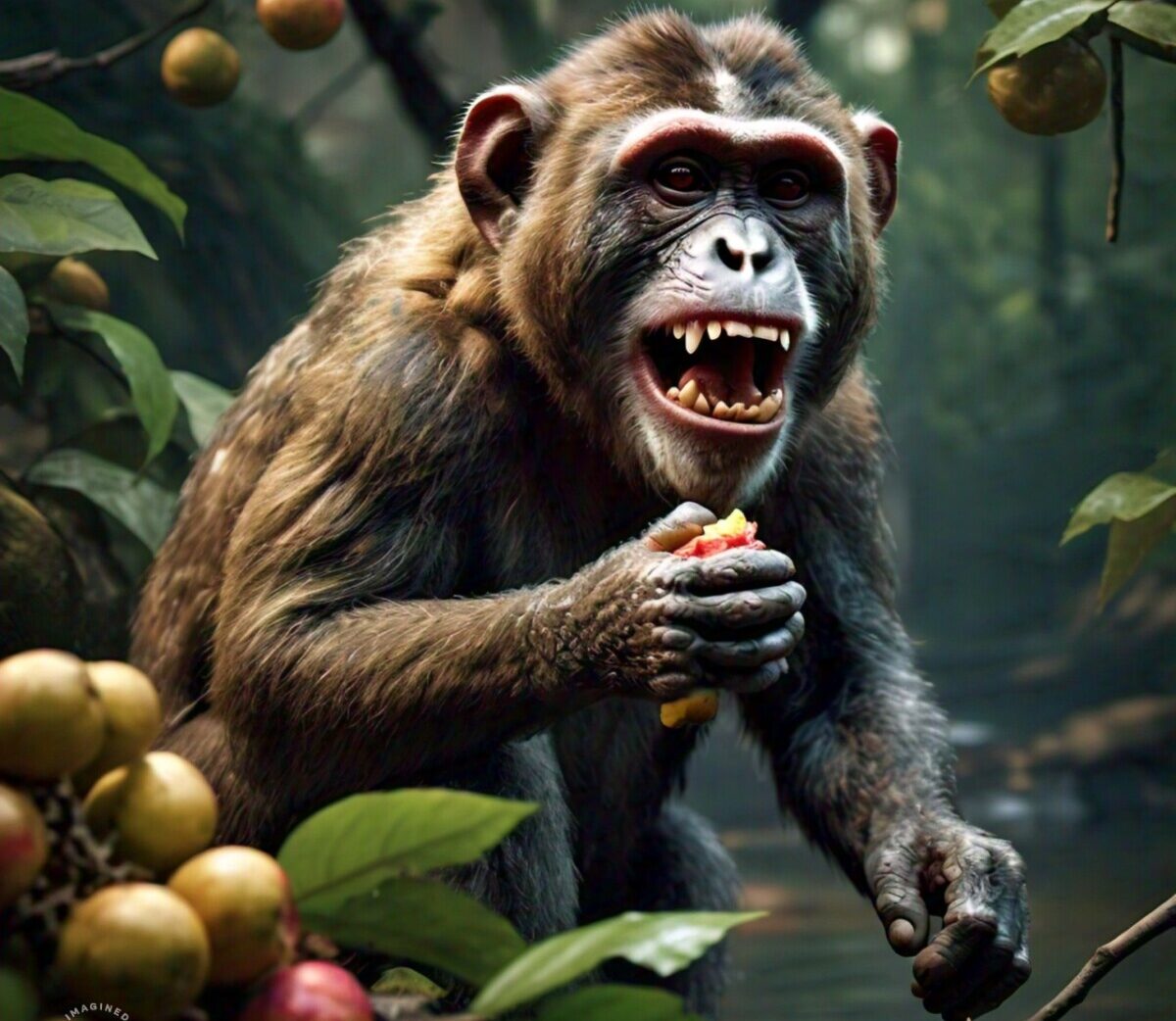
The gorilla genus is thought to have diverged from other great apes around 7 million years ago. The western gorilla and the eastern gorilla diverged around 2 million years ago. The western gorilla has two subspecies: the western lowland gorilla and the Cross River gorilla. The eastern gorilla has two subspecies as well: the eastern
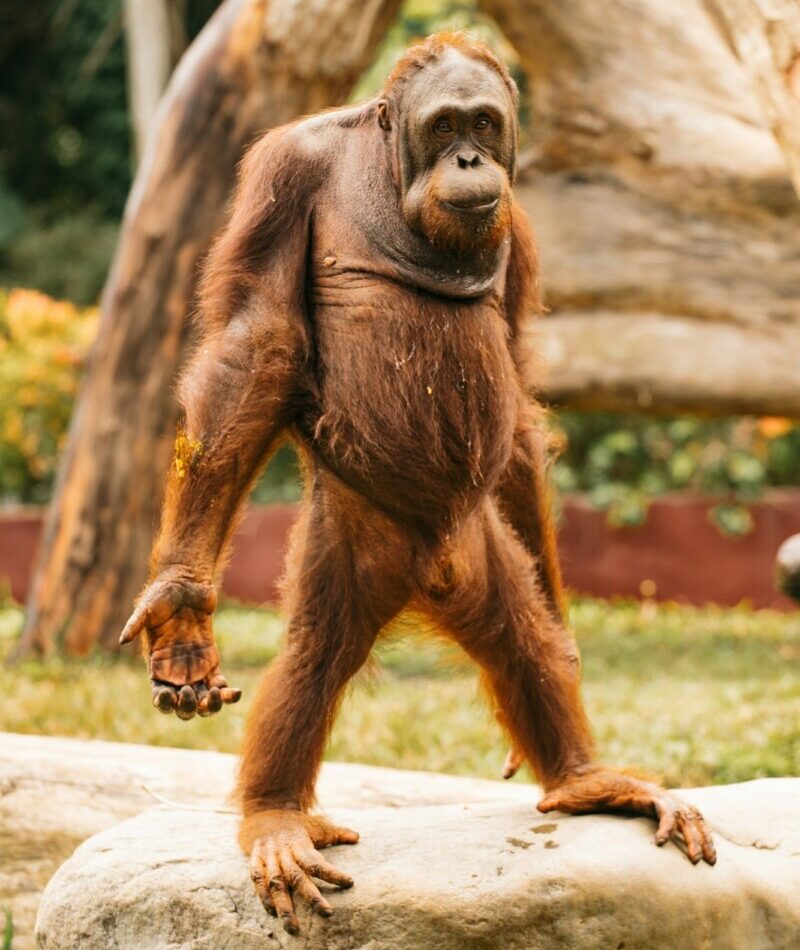
Our last comman ancestor of all known great apes lived about 16.5 mya. The orangatan branch split off about 12 mya. After that split the orangatan branch split several more tiimes. The modern orangatan species, the last split of this branch, emerged about 400,000 years ago.
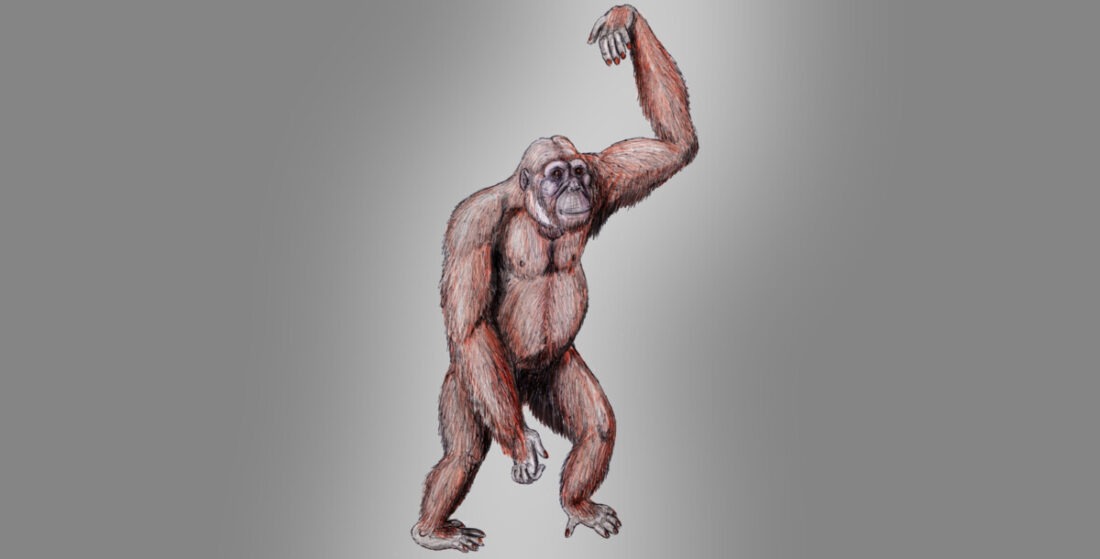
In early great apes like Dryopithecus, young apes learned survival behaviors by watching parents and group members. That’s cultural transmission. the passing of useful information.
Genus Dryopithecus: Cultural Transmission Emerges Read More »
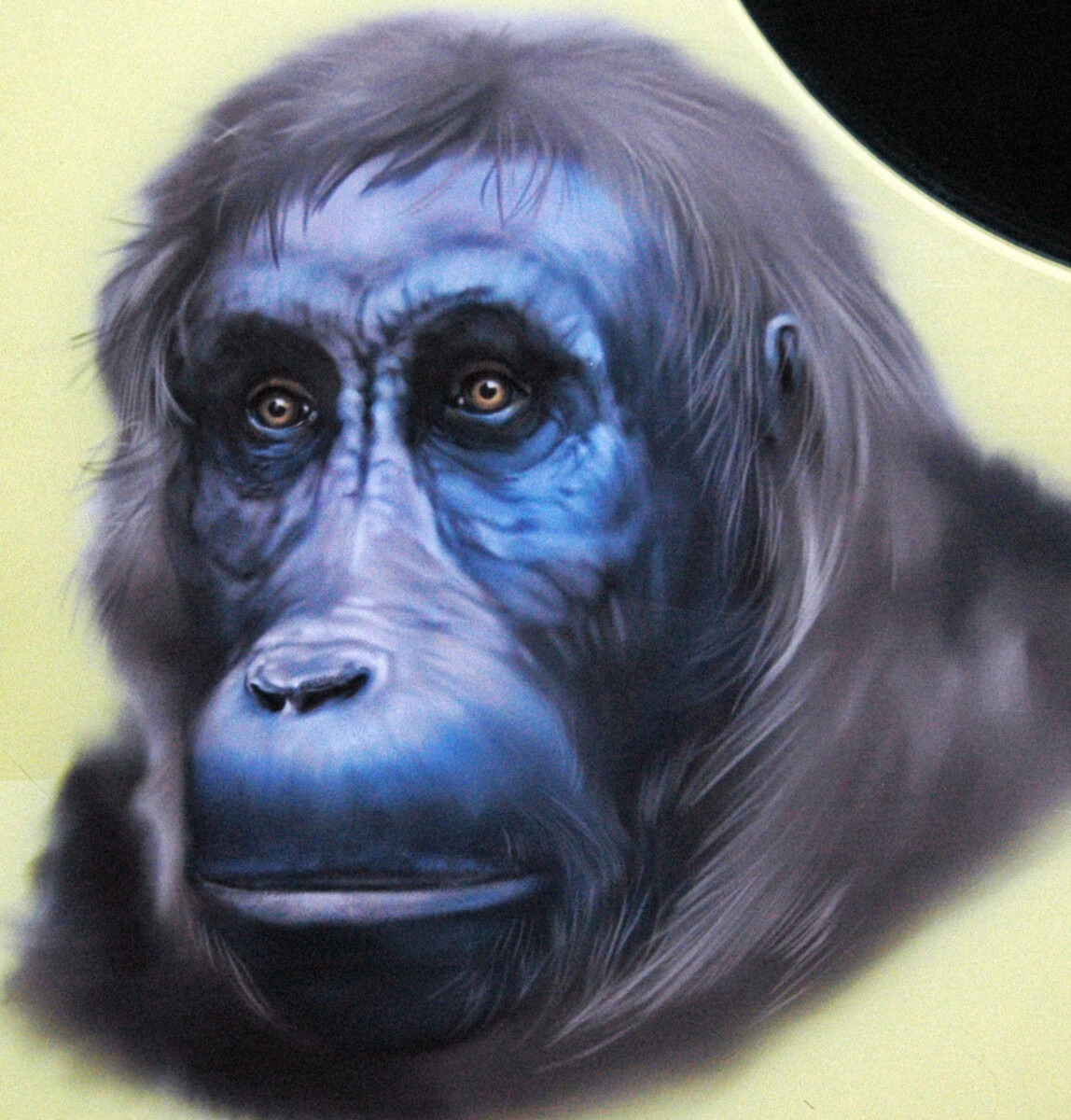
Orangutan ancestor: After the Great Apes LCA, orangutans evolved in Asia. The genus Sivapithecus represents early orangutans. An extinct species of the great apes, they lived in the Indian subcontinent from around 12 to about 8 million years ago.
Orangutans Branch Off: Genus Sivapithecus Read More »
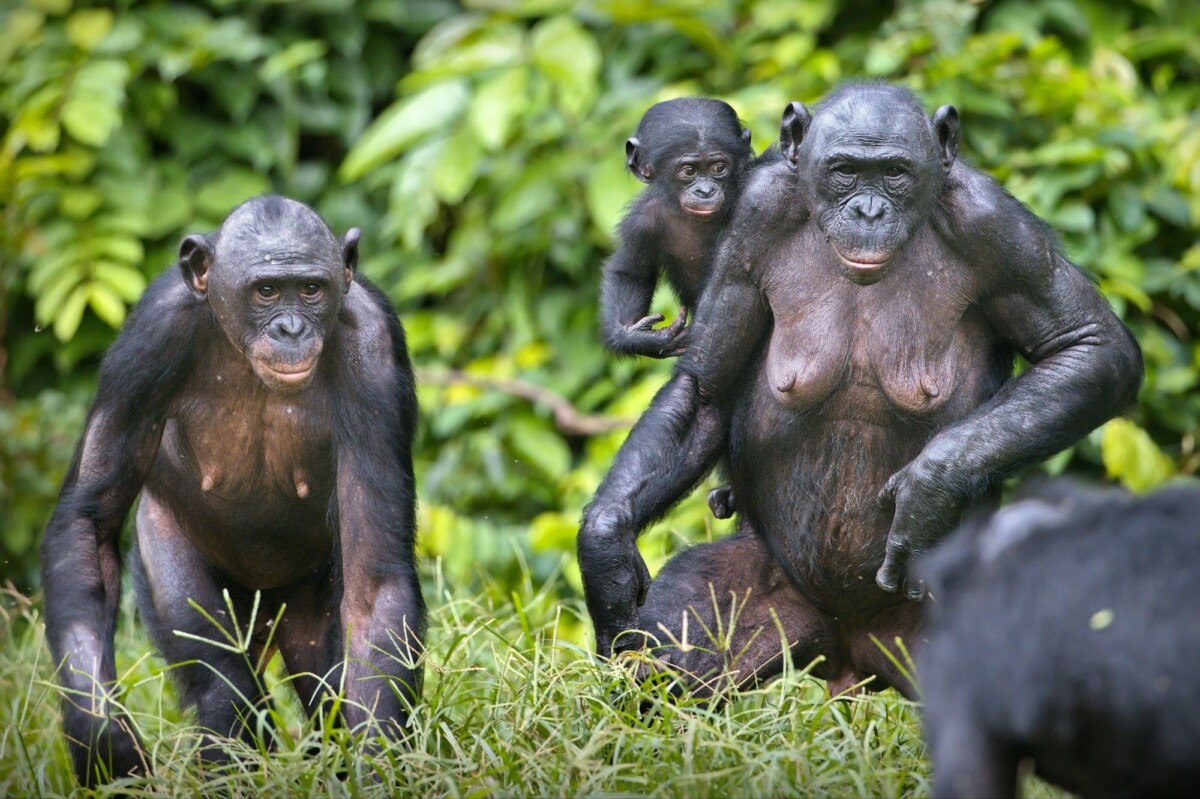
The genus Pan gave rise to two living cousins: chimpanzees and bonobos. Their split shows how one intelligent ape lineage can become two distinct evolutionary stories.
Emergence of the Chimpanzee Family Read More »