Weekly Insight for Thinkers
Science  Philosophy  Critical Thinking  History  Politics RW  AI  Physics  •  Evolution  Astronomy 30 Phil Book More…

Cosmology

big bang, black hole, supermassive star, galaxy, cosmos, physical, science fiction wallpaper.

Chapter 1 Quote Attribution Clarification

Regarding the quote in Chapter 1: “We are all connected to each other biologically, to the Earth chemically, and to the rest of the universe atomically” While I originally attributed this quote to Carl Sagan, Neil deGrasse Tyson has also spoken eloquently about the interconnectedness of our universe. Although Carl Sagan’s book Cosmos (1980) expresses […]

Chapter 1 Quote Attribution Clarification Read More »

Modern Cosmology

30 Phil, Chapter 21, Galileo, Touchstone 54: Modern Cosmology. The story of Galileo is also the story of Copernicus, and the story of modern cosmology. To properly tell the story of Copernicus, we need to mention Aristarchus of Samos, a Greek astronomer and mathematician born around 310 BCE. Aristarchus put forth a heliocentric model, proposing

Modern Cosmology Read More »

Black Holes Confirmed

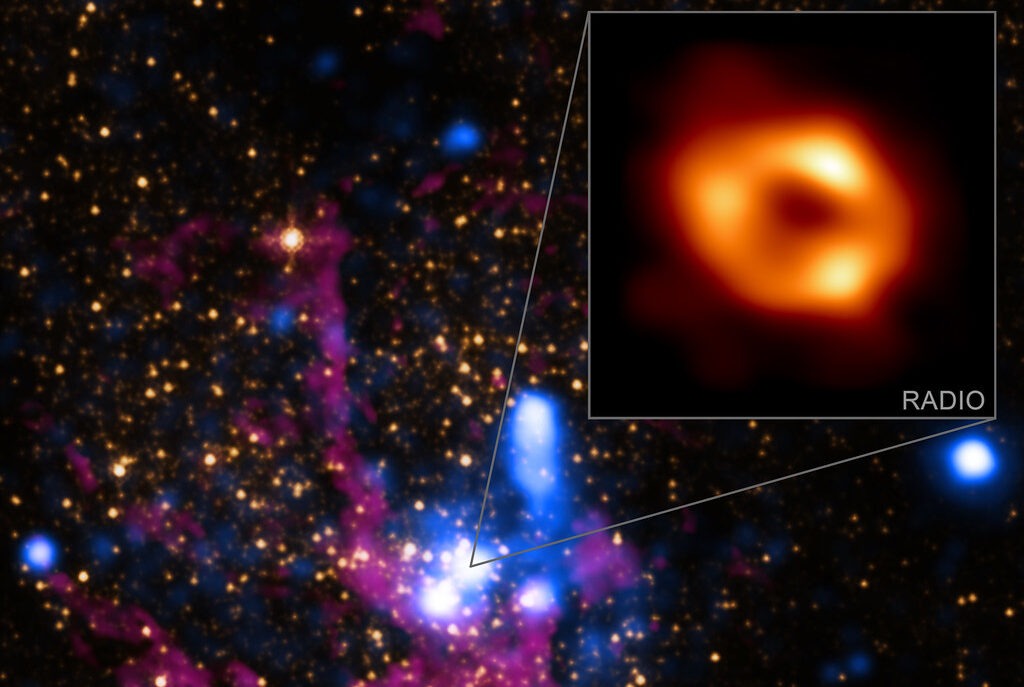
The first image of a black hole was captured in 2019 by the Event Horizon Telescope (EHT) collaboration. Before that, the first observational evidence was discovered in 1964 with the detection of the X-ray source Cygnus X-1, which was later interpreted as material accreting onto a black hole from a companion star. In 1971, Cygnus

Black Holes Confirmed Read More »

Cosmic Microwave Background (CMB)

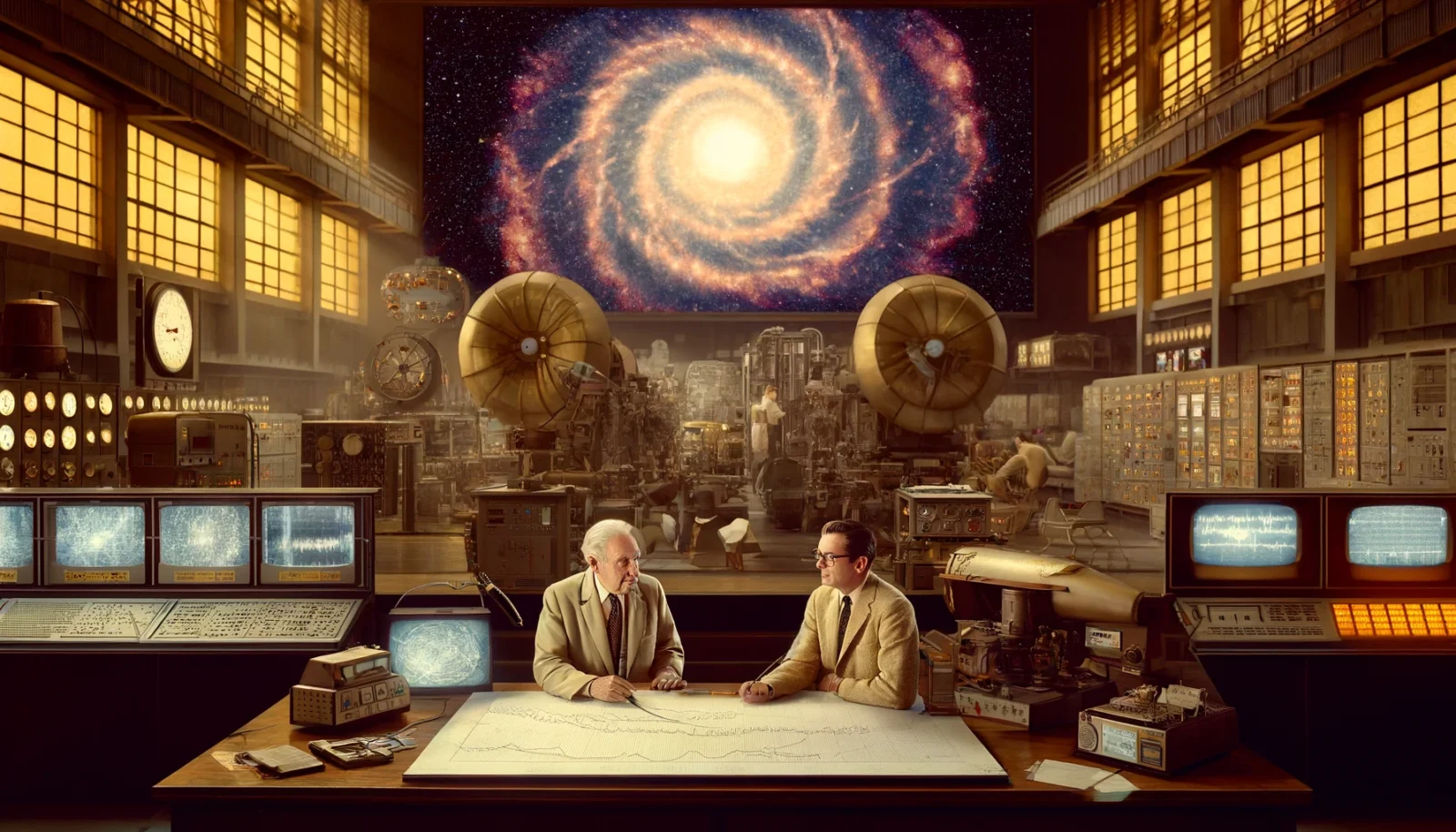
In 1965, Arno Penzias and Robert Wilson, two radio astronomers at Bell Telephone Laboratories, stumbled upon a mysterious and persistent background noise that pervaded their radio telescope. After much investigation and the elimination of potential terrestrial and instrumental sources, they concluded that this noise was cosmic in origin. Their findings, published on May 20, 1965,

Cosmic Microwave Background (CMB) Read More »

Galaxies Discovered! Doppler Effect used to measure distance!!

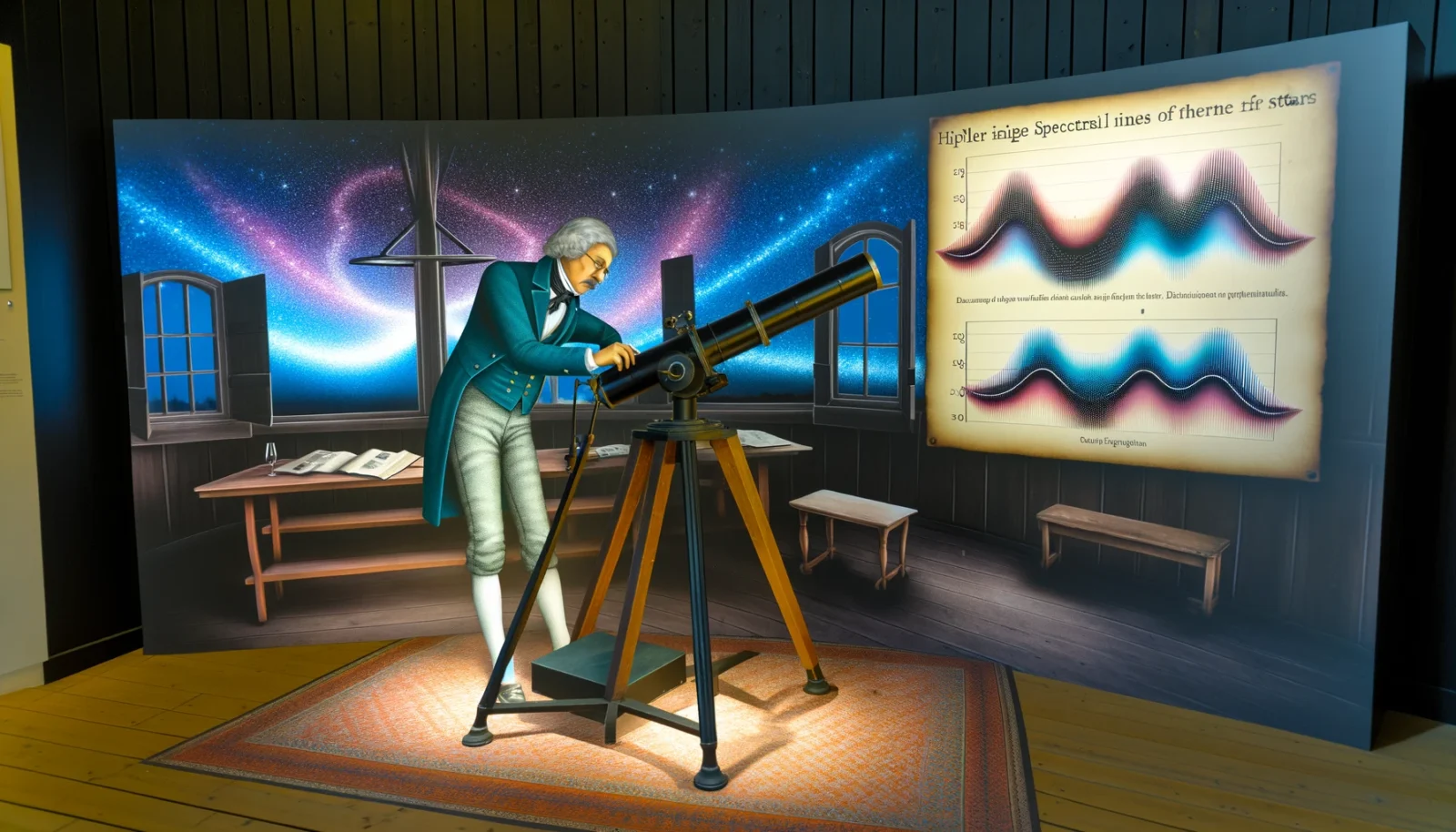
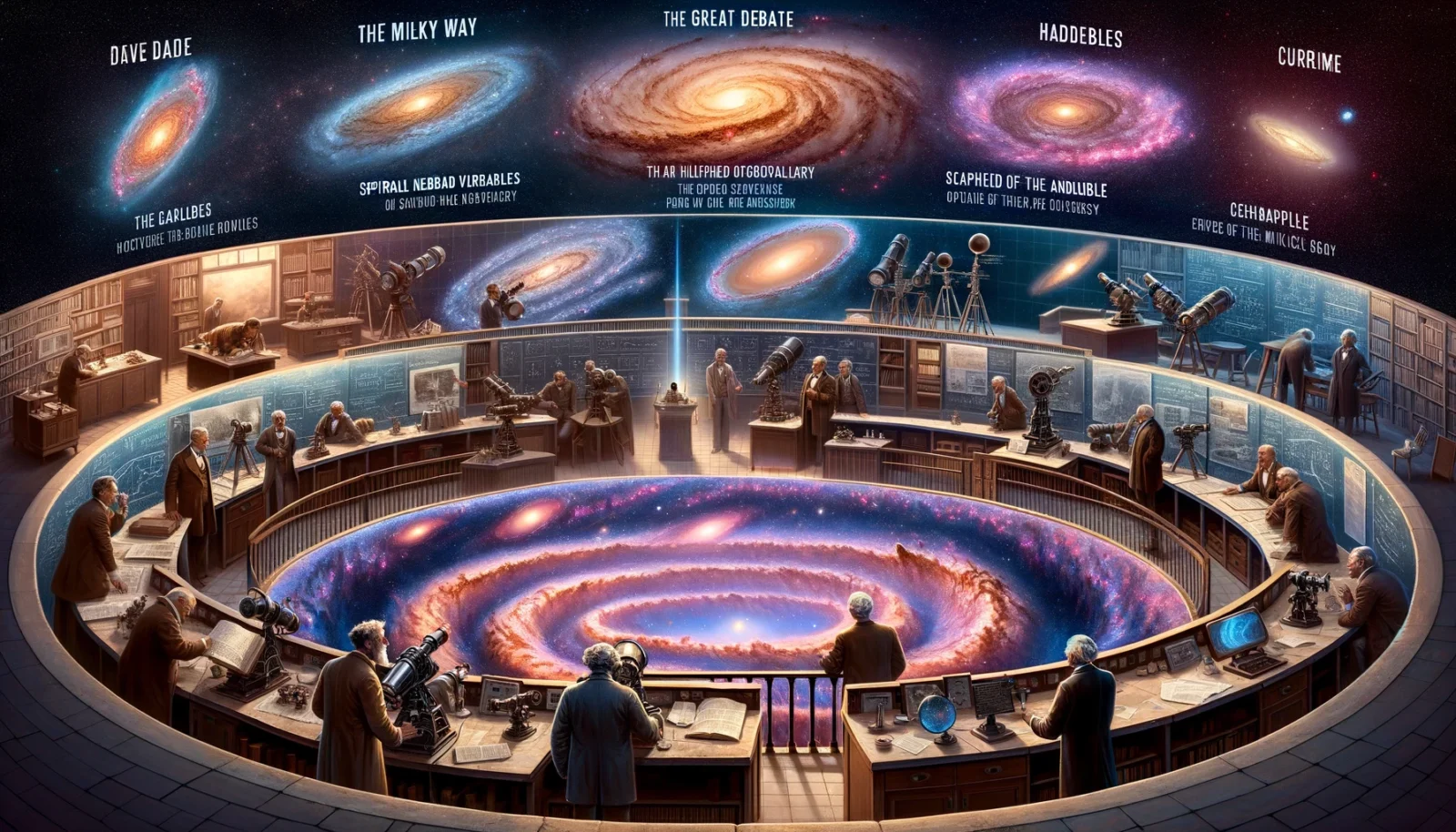
By 1929, an important time in cosmology, Edwin Hubble used the spiral nebulae data collected by Vesto Slipher from 1912 to 1925 to introduce the world to galaxies. Prior to the 20th century, astronomers debated whether spiral nebulae were merely gaseous clouds within the Milky Way, possibly forming solar systems. This view changed dramatically following

Galaxies Discovered! Doppler Effect used to measure distance!! Read More »

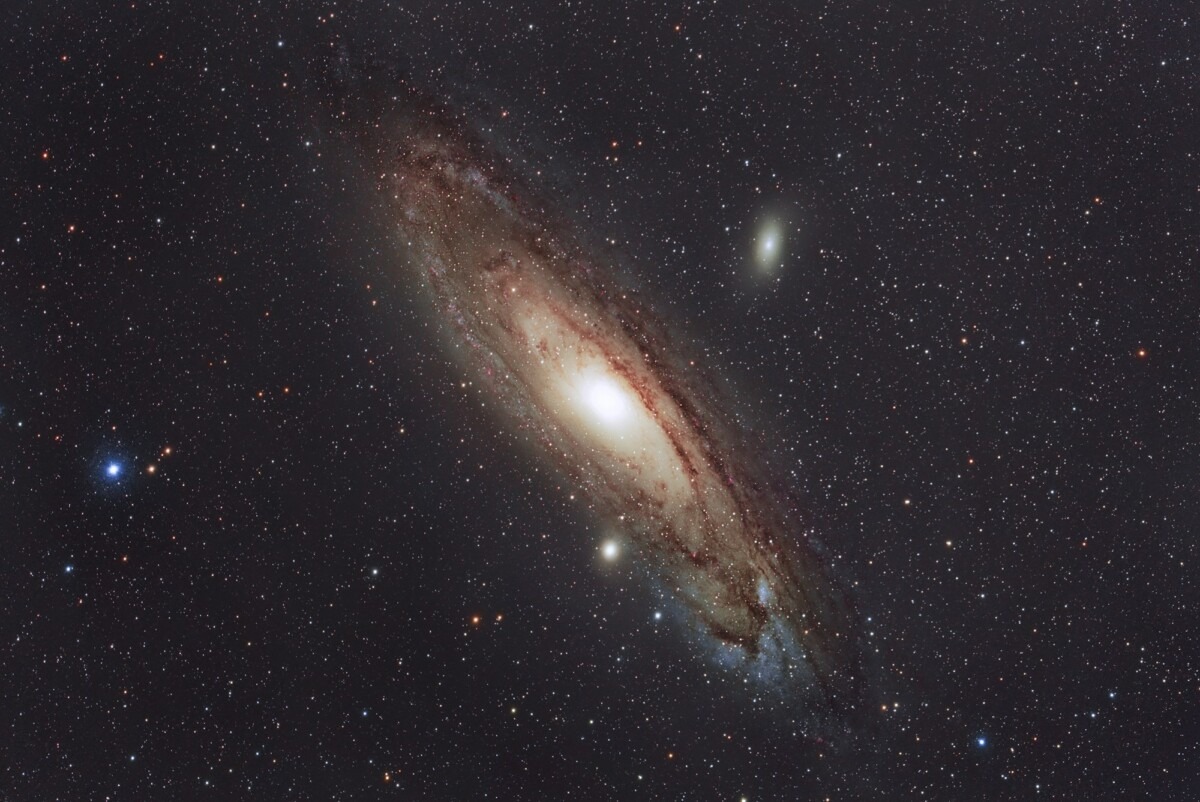
M31 Andromeda Galaxy

Galaxies are Born

Current observations, such as those of GN-z11, suggest that galaxy formation began as early as 400 million years after the Big Bang. This galaxy, observed at a redshift of z=11.09, stands as a testament to the rapidity with which the universe’s first structures began to coalesce from the primordial gas. While the detection of GN-z11

Galaxies are Born Read More »

Scroll to Top