Weekly Insights for Thinkers

Science  Philosophy  Critical Thinking  History  Politics RW  AI  Physics  •  Evolution  Astronomy 30 Phil Book More…
Science  Phil  Cr. Think  Hist 

ch02

Gilgamesh, circa 2700 BCE

Gilgamesh is the legendary figure whose exploits are immortalized in the “Epic of Gilgamesh.” Gilgamesh’s reign as king is shrouded in myth and history. The epic describes his journey from a tyrannical ruler to a wise and beloved king, highlighting his quest for immortality and the profound friendship with Enkidu, a wild man created by […]

Gilgamesh, circa 2700 BCE Read More »

Philosophy

30 Phil, Chapter 2 Touchstone 6: Philosophy. Philosophy is the systematic study of fundamental questions concerning existence, knowledge, values, and meaning. It’s a discipline guided by reason and the evaluation of evidence. A central question is “How should we live?” While there is a general agreement on overarching principles, as always, the devil is in the

Philosophy Read More »

Knowledge Framework

30 Phil, Chapter 2 Touchstone 5: Knowledge Framework. In philosophy, the study of knowledge is called epistemology. It’s important because knowledge describes reality, and understanding how we craft knowledge brings philosophical clarity. Each of us maintains a personal knowledge framework that arranges the knowledge we accumulate. You can think of it as a personalized dictionary. But

Knowledge Framework Read More »

Collective Learning Emerges

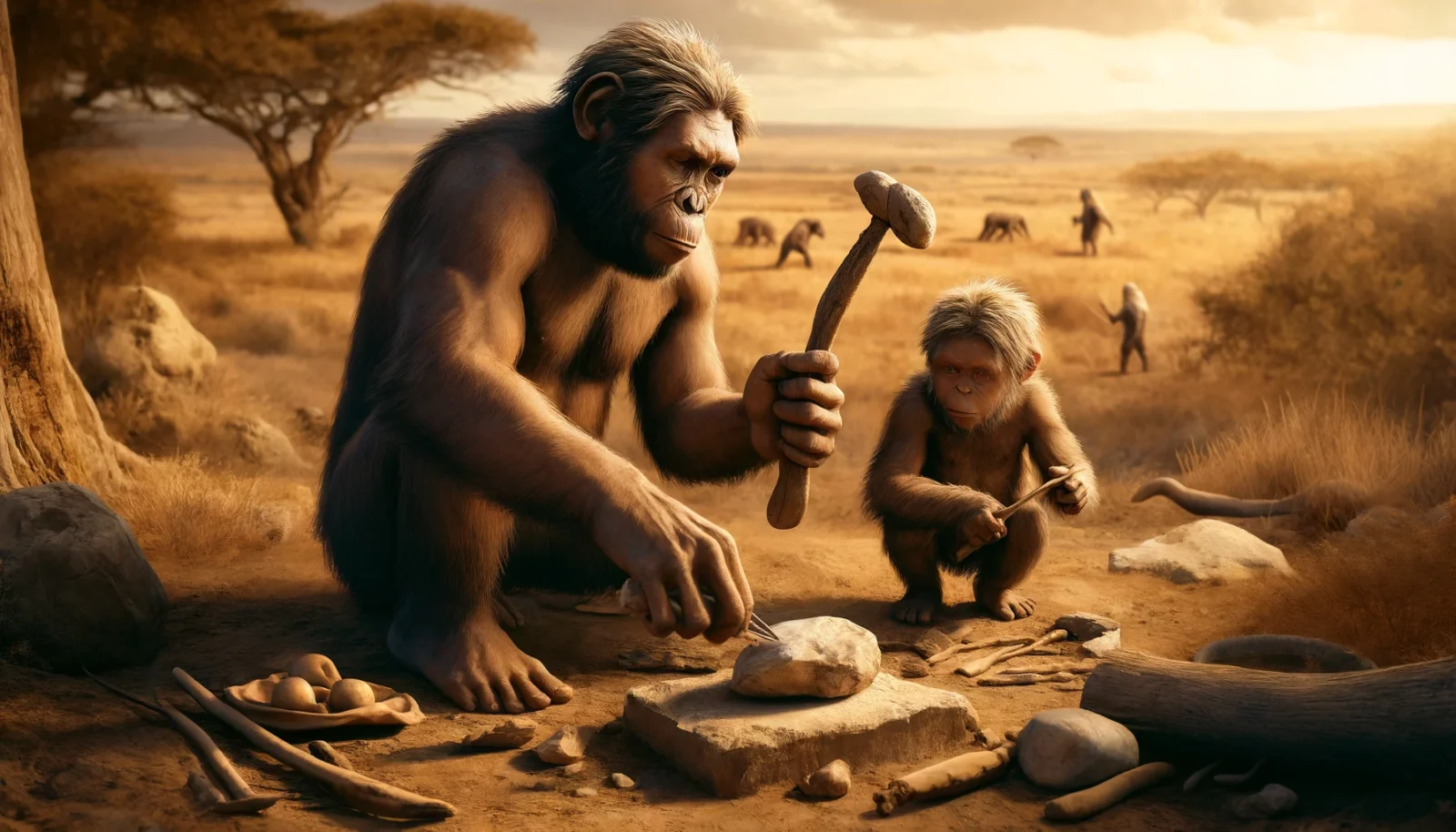
The dawn of collective learning can be traced back the oldest known stone tools, discovered at Lomekwi 3 in Kenya. The creation of these tools required more than just individual innovation; it involved the rudimentary form of collective learning, where knowledge of toolmaking was shared within groups. This early transmission of skills not only enhanced

Collective Learning Emerges Read More »

Indus Valley Script: Northwest India

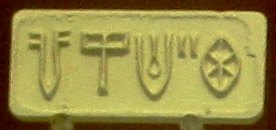
Earliest undeciphered writing in the Asian zone.  The Indus Valley script, emerging around 2600 BCE in one of the world’s earliest urban civilizations, remains one of archaeology’s greatest puzzles. Found across a vast expanse from today’s northeast Afghanistan to Pakistan and northwest India, this script comprises over 400 unique symbols, ranging from geometric shapes to

Indus Valley Script: Northwest India Read More »

King Shuruppak

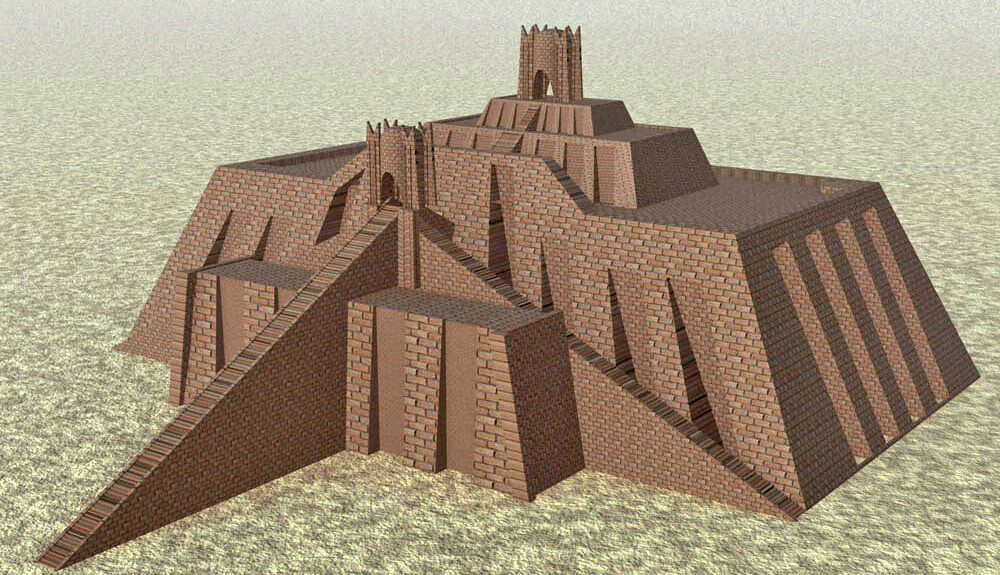
185 Generations Ago (from 2020 CE) 30 Phil, Chapter 2: Shuruppak and Paternal Wisdom Sumerian civilization consisted of over 30 city-states, among which Ur and Shuruppak were among the more prominent. We know about King Shuruppak from the Sumerian King List, an ancient text where he appears as the last king before a great flood.

King Shuruppak Read More »

Plato

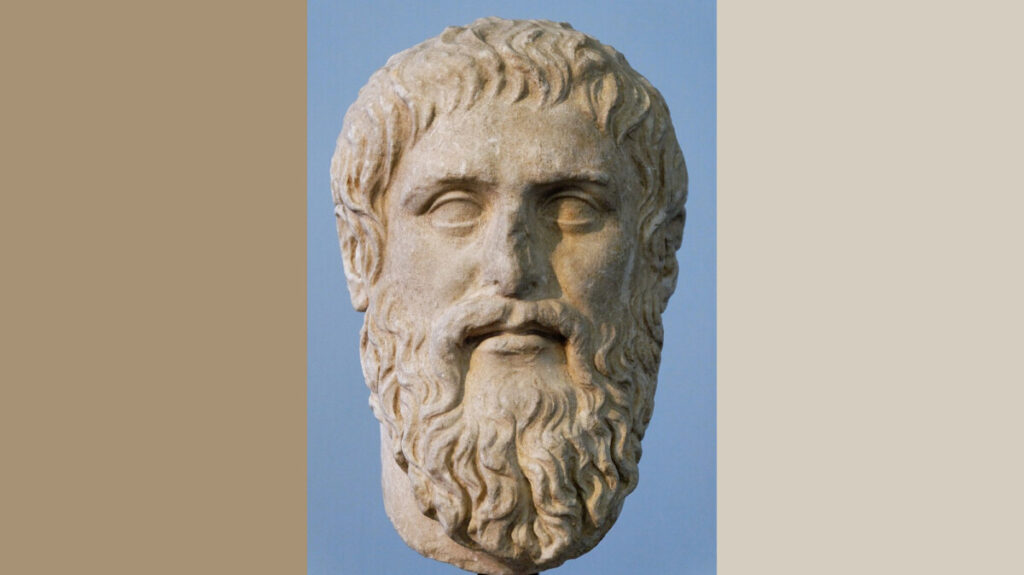
98 Generations Ago 30 Phil, Chapter 8: Plato and Rationalism Plato was a Greek philosopher born in Athens. He was a student of Socrates and a teacher of Aristotle. Plato’s Theory of Forms asserts that the reality is only a shadow, or image, of the true reality of the Realm of Forms — abstract, perfect,

Plato Read More »

Socrates (469 – 399 BCE)

99 Generations Ago Socrates was a Greek philosopher and is frequently credited as the founder of Western philosophy. He left no writings, but his student Plato documented his philosophy. Some of my favorite translated sayings attributed to Socrates: Enjoy yourself — it’s later than you think. He who is not content with what they have

Socrates (469 – 399 BCE) Read More »

Scroll to Top