- 1-Prehistory Age
- 2-Cognitive Age
- 3-Symbolic Age
- 4-Cultural Age
- 5-Fire Age
- 6-Stone Age
- Africa/Middle East
- Americas
- Amphibians
- Anchors
- Ancient History
- Ancient Humans
- Animals
- Archosaurs
- Area
- Art
- Arthropods
- Artificial Intelligence
- Asia
- Astronomy
- Bacteria
- Big Bang Big Picture
- Big Bang Predictions
- Big History Thresholds
- Big Picture
- Big Picture
- Big Picture 30
- Big Picture Philosophy
- Big-Bang-Timeline
- Bird-line Archosaurs
- Birds
- Book
- Cephlapods
- ch01
- ch02
- ch03
- ch04
- ch05
- ch06
- ch07
- ch08
- ch09
- ch10
- ch11
- ch12
- ch13
- ch14
- ch15
- ch16
- ch17
- ch18
- ch19
- ch20
- ch21
- ch22
- ch23
- ch24
- ch25
- ch26
- ch27
- ch28
- ch29
- ch30
- ch31
- City
- Classical Physics
- Consciousness Evolves
- Critical Thinking
- Crocodile-line Archosaurs
- Details
- Dinosauria
- Dinosaurs & Birds
- Docs in Book
- Document
- Earth
- Empirical
- Enlightenment
- Europe/Mediterranean
- Evolution
- Fish
- Food
- Fungi
- Futurism
- Games
- Great Apes
- Group Ethics
- HideFromCards
- History
- Hominid (Not Us)
- Hominid (us to Homo)
- Hominin: Not Us
- Homo sapiens
- HotTopicExists
- Human Ancestors
- Insects
- Irrational
- Journalism
- Land: Africa and Middle East
- Land: Americas
- Land: Asia
- Land: Europe and Mediterranean
- Land: Oceana, Australasia, and the Polar Regions
- Law
- Math
- Medical
- Medieval
- Monument
- Music
- Nature
- NewLook30
- Oceana
- Ornithischians
- Our Solar System
- Our Time
- Paper
- Particle Physics
- People
- People in Book
- Personal
- Personal Morality
- Philosophers
- Plants
- Political Theory
- Politics
- Post Medieval
- Pre-LUCA Evolution
- Pre-Sumer
- Prehistory
- Pterosaurs
- Rational
- Relativitiy
- Religion
- Reptiles
- Roger Williams
- Sauropodomorphs
- Science
- Single-celled
- Spacetime Math
- Stocks
- Synapsids & Mammals
- Theropods
- Tools
- Touchstones
- Unified
- Viruses
- ~170 MYA Crown Mammals
- ~203 MYA Mammaliaforms
- ~260 MYA Cynodonts
- ~275 MYA Therapsids
- ~320 MYA Synapsids
13.8 Billion Years Ago
Highly speculative.
Singularity
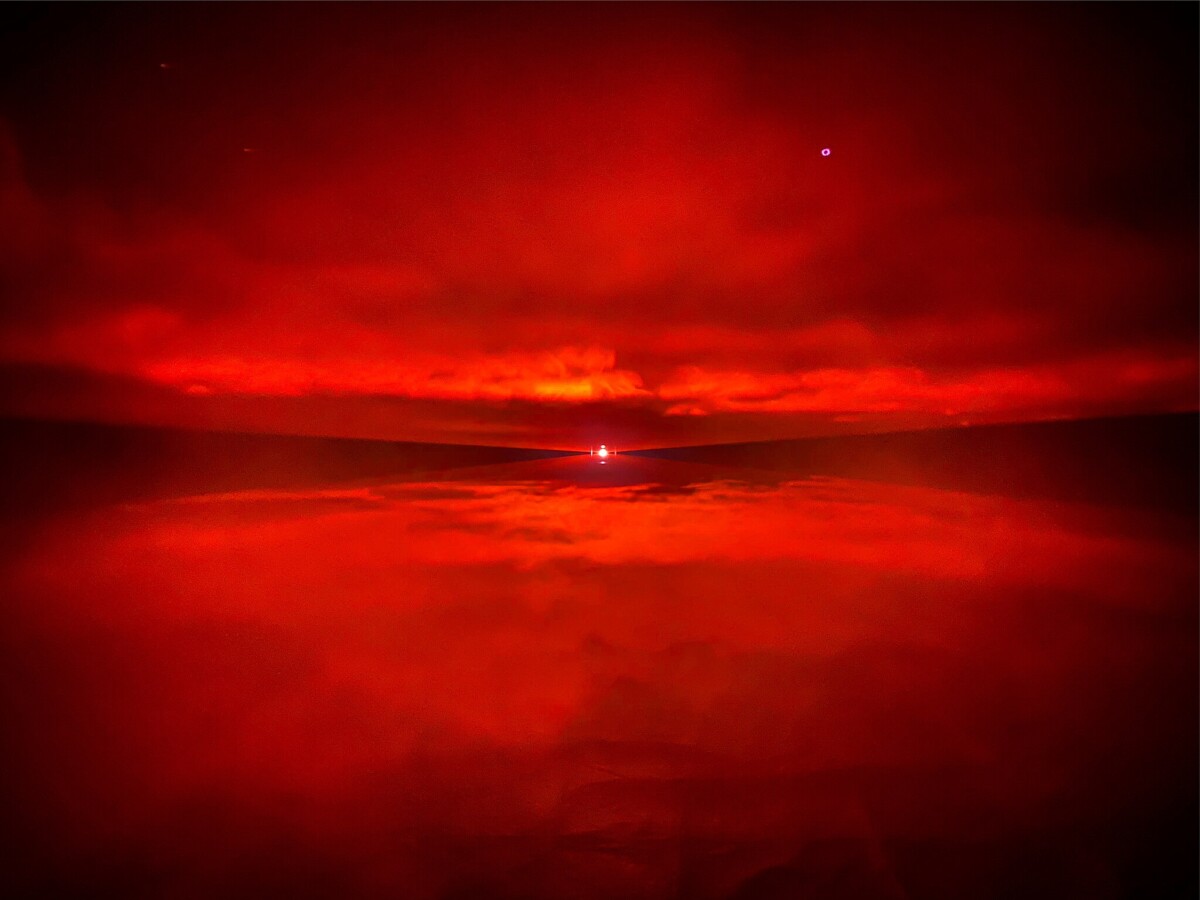
The singularity 13.8 billion years ago is speculative. We don’t know what came “before”—or if “before” even makes sense.
13.8 Billion Years Ago
Verified. Empirically supported and rationally deduced.
Big Bang Expansion
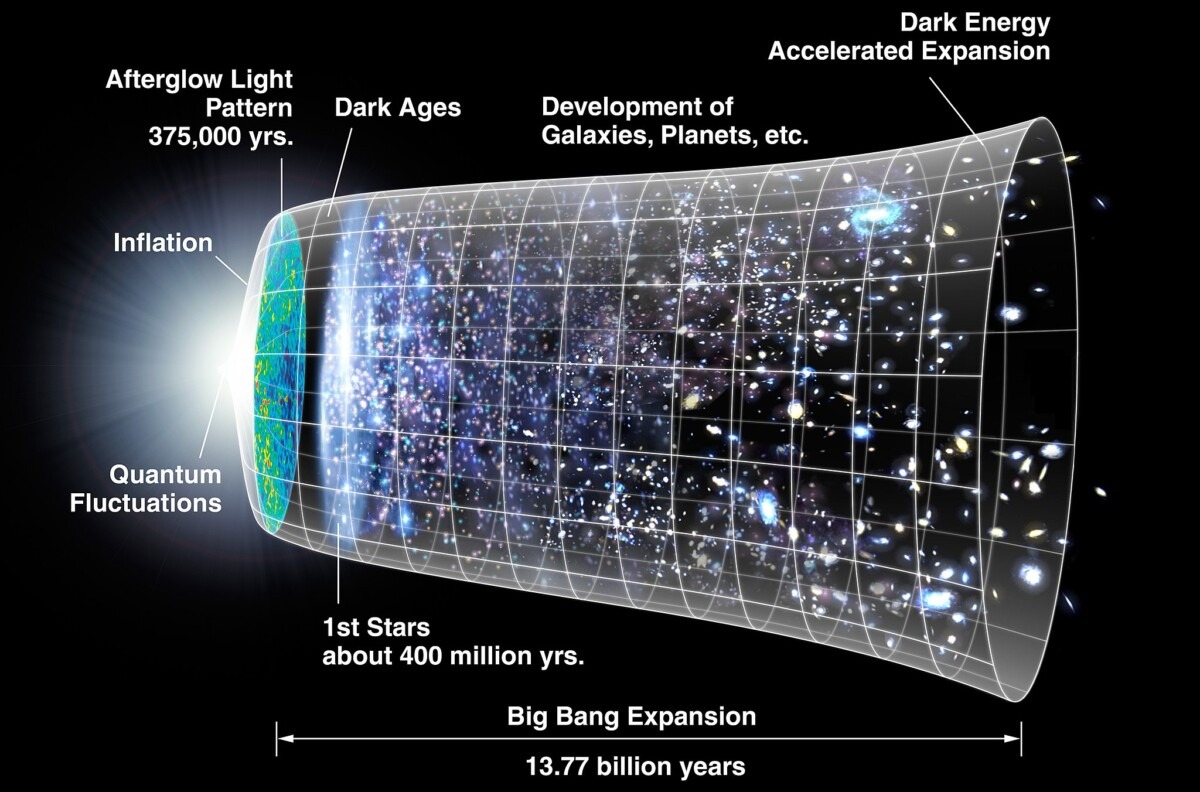
13.8 billion years ago, space itself began expanding and cooling, setting the stage for particles, atoms, stars, galaxies, planets, life, and us.
13.8 Billion Years Ago: First Millisecond
Highly Speculative. An irrational idea rationally deduced.
Planck Era

Electrostatic plasma sphere in the dark. Tesla coil - physics experiment
How predetermined are our choices?
Free Will
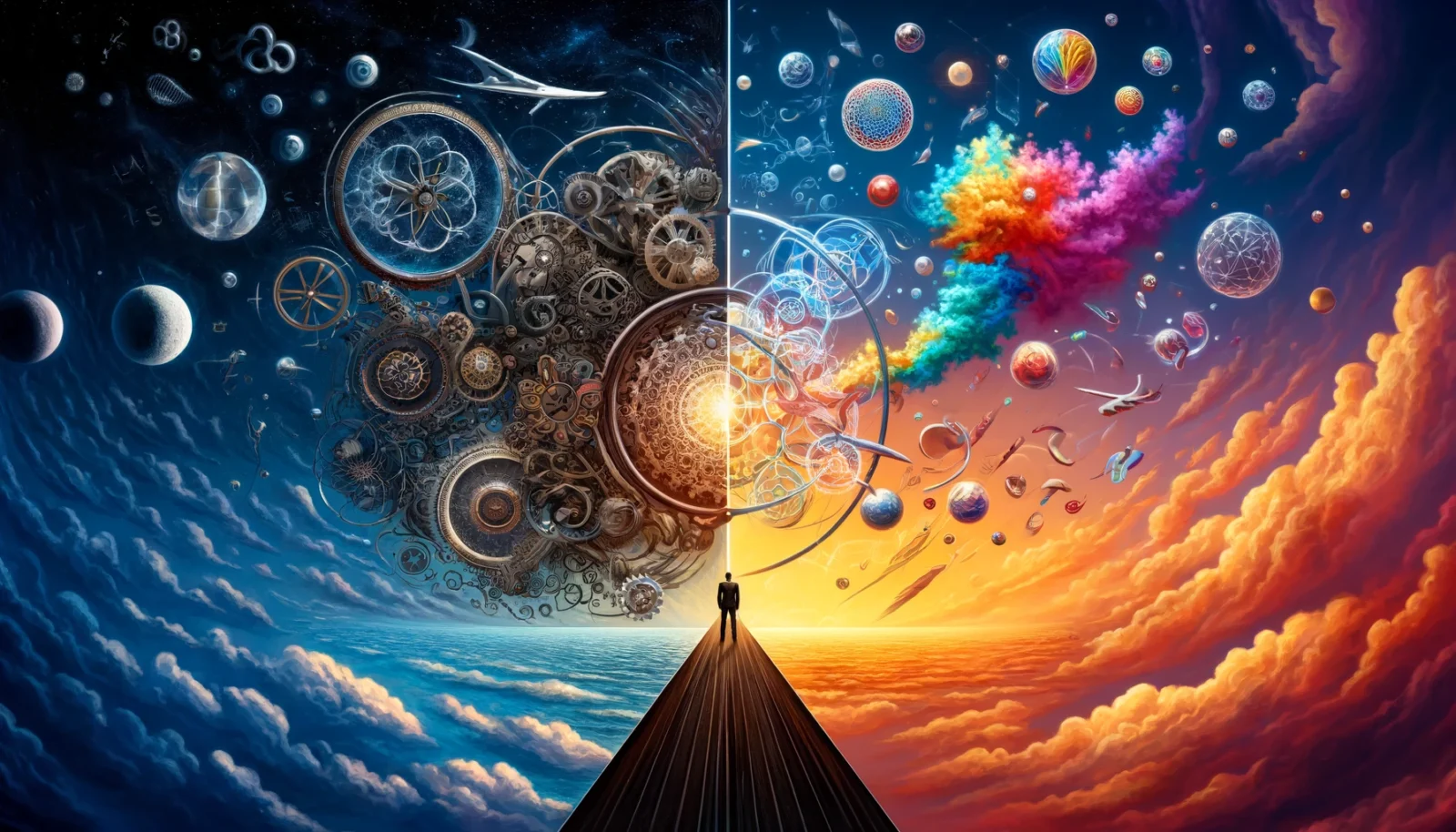
Free Will: two general types. Determinism says everything that happens is set in stone and can't be changed; in contrast, indeterminism says people and animals make choices.
13.8 Billion Years Ago: First Millisecond
Mostly speculative. Still an irrational idea rationally deduced.
Grand Unification Era

Science physics formula e=mc2, Theory of relativity composed with colored and carved stones
Our true origin story.
Evolution

Darwin identified several key categories, which are often discussed today as natural selection, sexual selection, and artificial selection.
What separates humans from animals.
Cultural Transmission
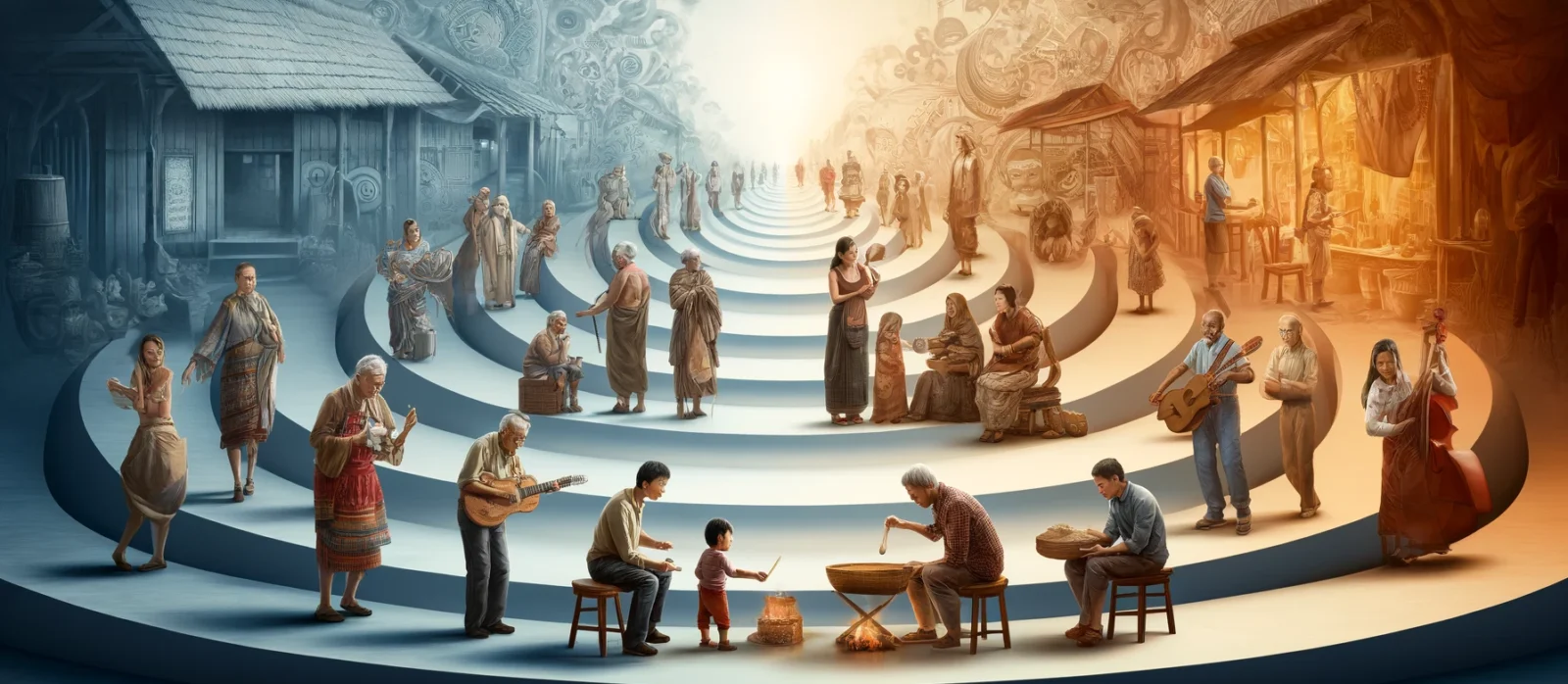
Cultural transmission fills our minds with inherited ideas, beliefs, and assumptions. You cannot control every idea you encounter, but you can influence what you repeatedly allow into your mind. Take control of your mental diet. Seek reliable sources, welcome thoughtful challenges, and question inherited assumptions before accepting them. Cultural transmission supplies the ideas; thinking well means deciding which ones deserve your belief.
13.8 Billion Years Ago: First Millisecond
A bit speculative. Still an irrational idea rationally deduced but with some empirical data.
Inflationary Epoch

Person shining a light at the sky and making the stars rapidly move in circles - fantasy concept
13.8 Billion Years Ago: First Millisecond
A bit speculative. Still an irrational idea rationally deduced but with some empirical data.
Electroweak Era

In the first fraction of a second, the universe cooled enough for the electromagnetic and weak forces to split, setting the stage for stable particles.
13.8 Billion Years Ago: First Hour
A bit speculative. Still an irrational idea rationally deduced but with some empirical data.
Nucleosynthesis Period

Closeup shot of a colorful plasma ball on a black background
13.7 Billion Years Ago
Verified. Empirically supported and rationally deduced.
First Atoms

Molecules or atom isolated on blue background
13.6 Billion Years Ago
Verified. Empirically supported and rationally deduced.
Population III Stars: Heavier Elements
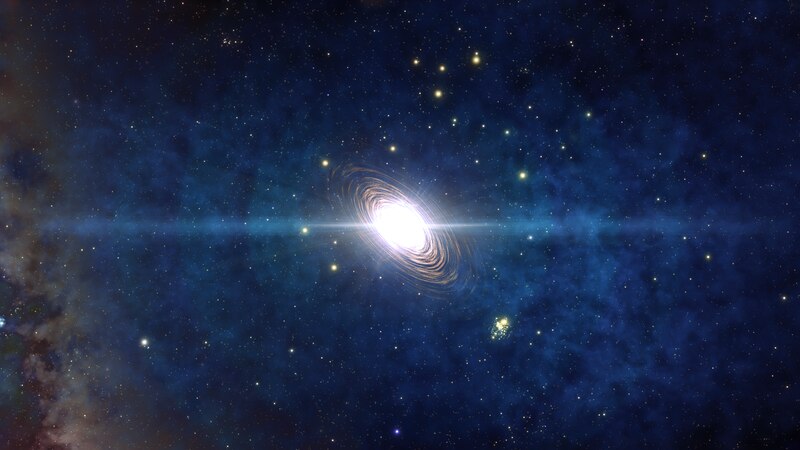
NOIRLab/NSF/AURA/J. da Silva/Spaceengine, CC BY 4.0 <https://creativecommons.org/licenses/by/4.0>, via Wikimedia Commons
13.59 Billion Years Ago
Verified. Empirically supported and rationally deduced.
Population II Stars: Heavy Element Synthesis
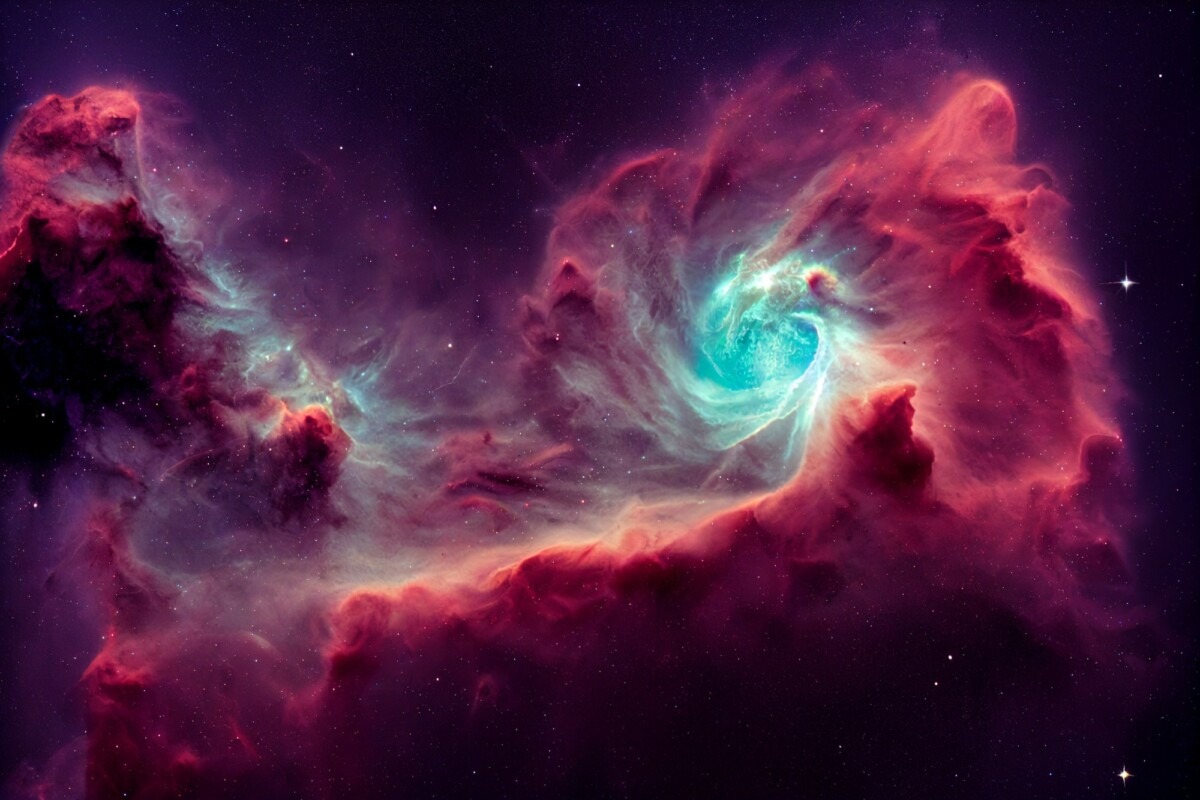
Cosmos Stars Cluster Structure Stunning Astrophotography Dramatic Celestial Wallpaper. Bright blue n
13.4 Billion Years Ago
Verified. Empirically supported and rationally deduced.
Galaxies are Born
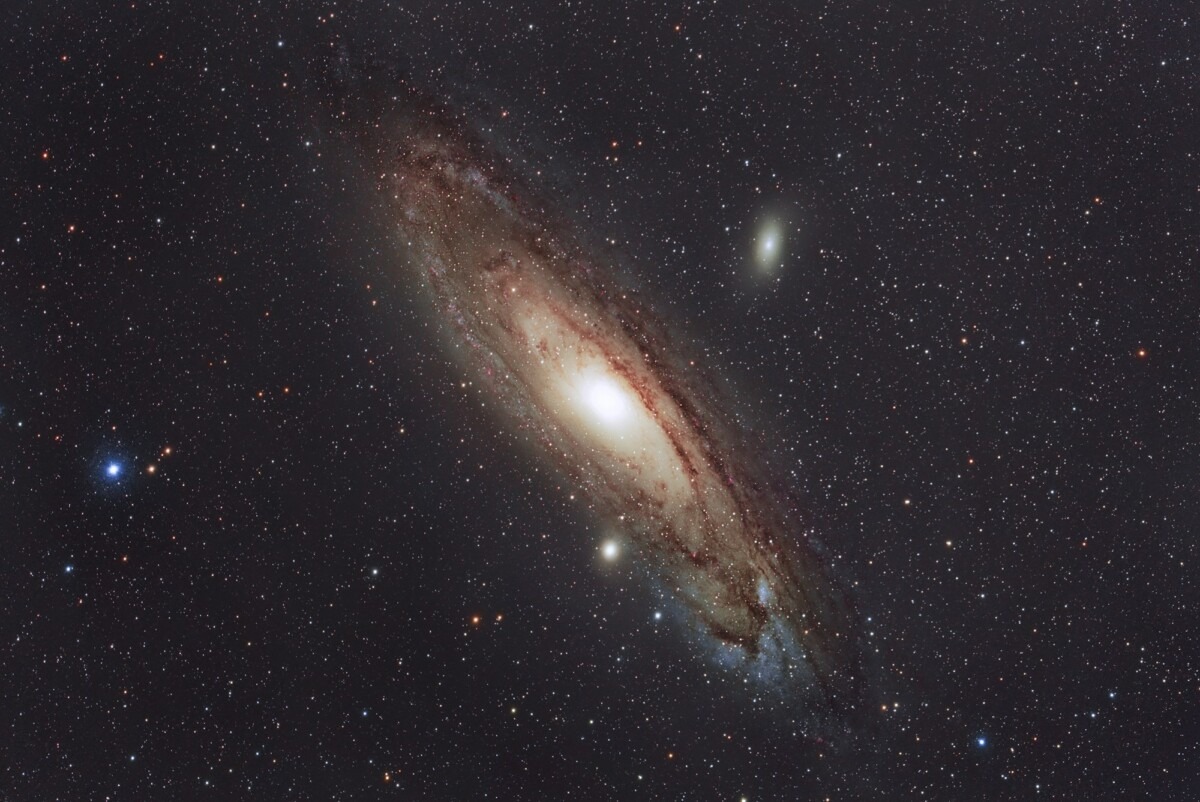
Galaxies emerged quickly from an initially simple universe. They started within a few hundred million years of the Big Bang. Observations confirm that gravity wasted little time turning primordial gas into organized systems, even before features we now consider typical. Such as central supermassive black holes commonly found in galaxies.
About 13.39 Billion Years Ago
Verified. Empirically supported and rationally deduced.
Birth of the Milky Way
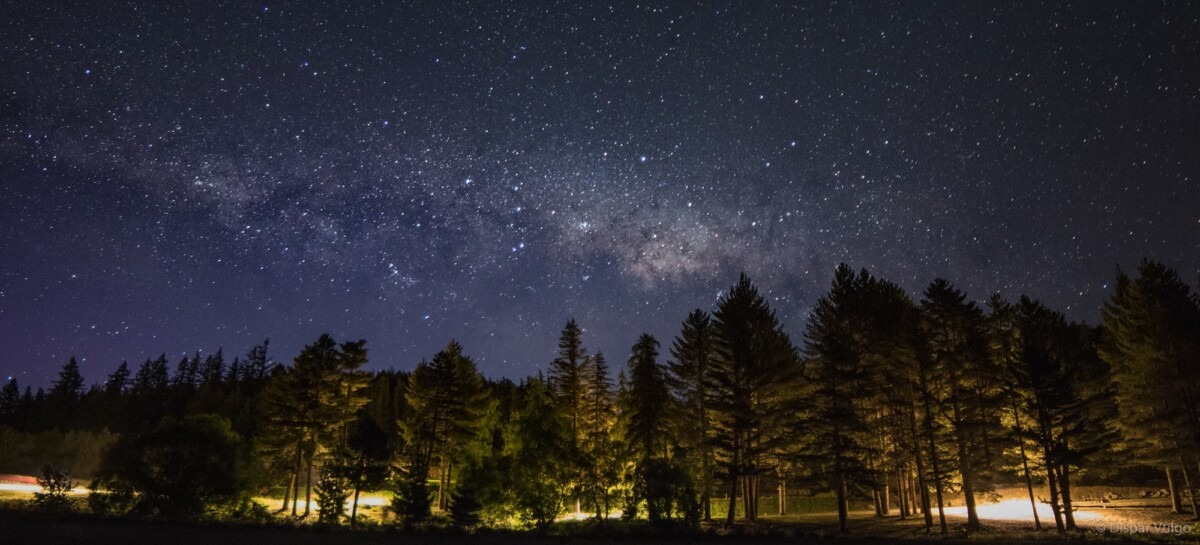
milky way forest
10 Billion Years Ago
Verified. Empirically supported and rationally deduced.
Population I Stars: Like our Sun
Stars in observatory
10 Billion Years Ago
Verified: 10 to 7 Billion Years Ago
Interstellar Clouds: Organic Molecules
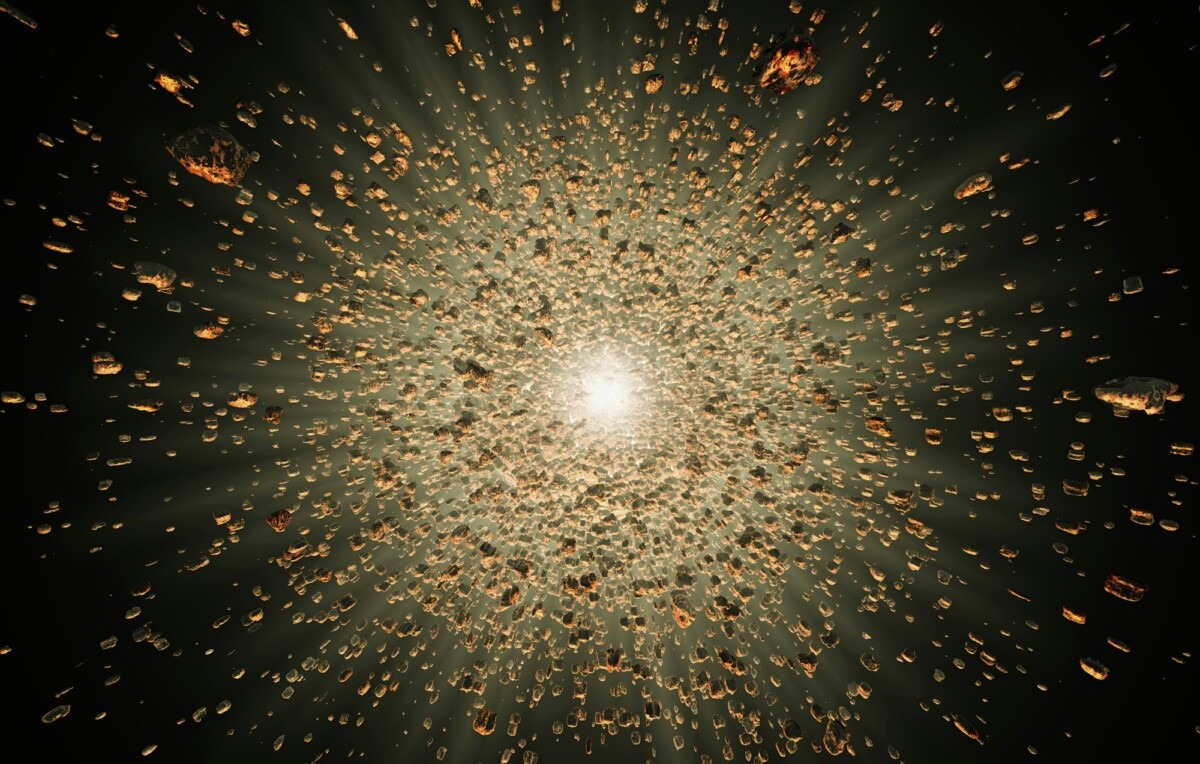
debris of a stellar explosion, 3d illustration
4.6 Billion Years Ago
Verified. Empirically supported and rationally deduced.
Birth of the Sun
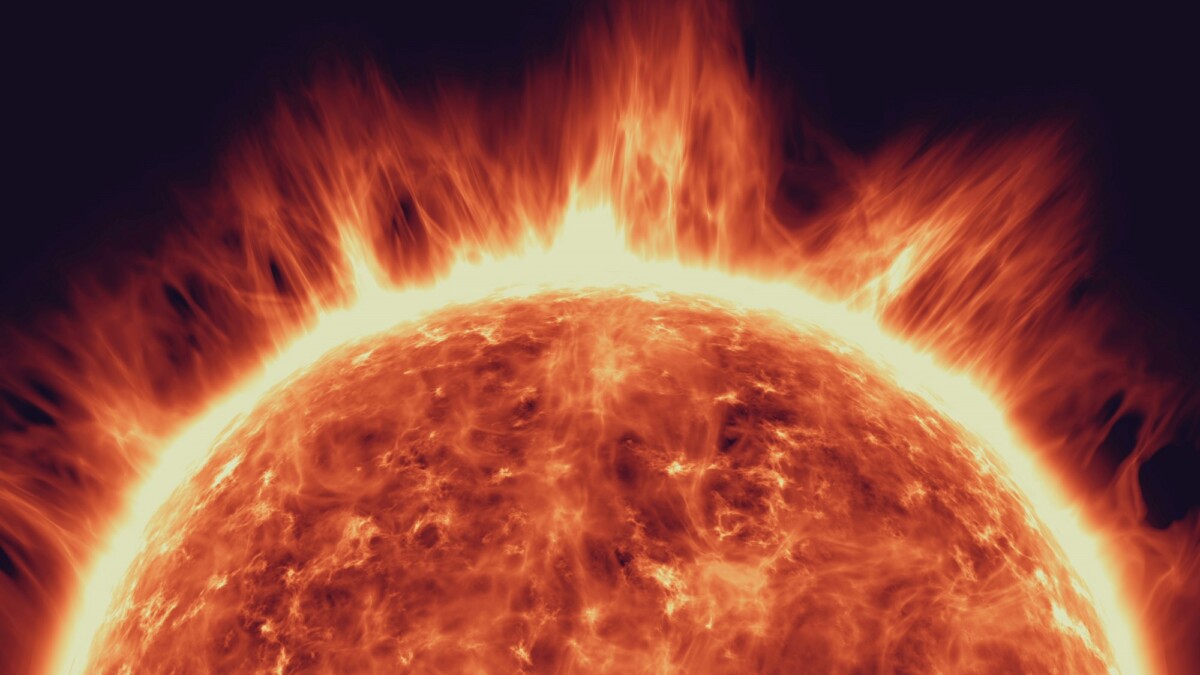
Epic sun surface flare prominence solar system
4.5 Billion Years Ago
Verified. Empirically supported and rationally deduced.
Earth is Born
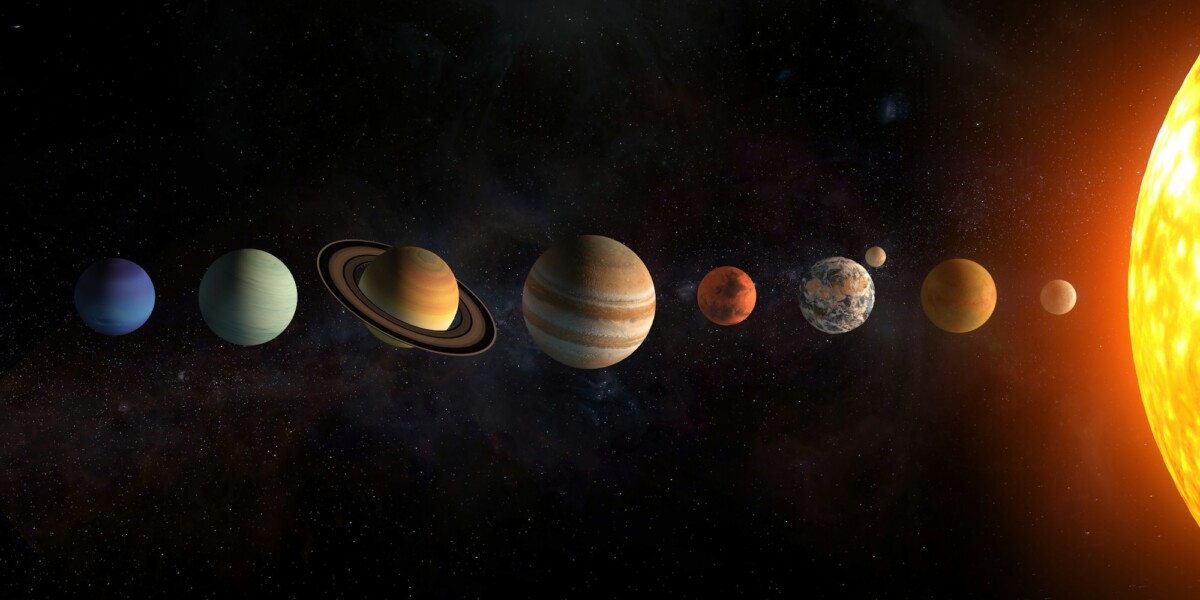
Solar system planets set. The Sun and planets in a row on univer
4.48 Billion Years Ago
4.49 to 4.6 Billion Years Ago
First Atmosphere: Hydrogen & Helium

4.45 Billion Years Ago
Spedulative guess: 4.2 to 4.4 Billion Years Ago
Inorganic Precursors to Organic Molecules
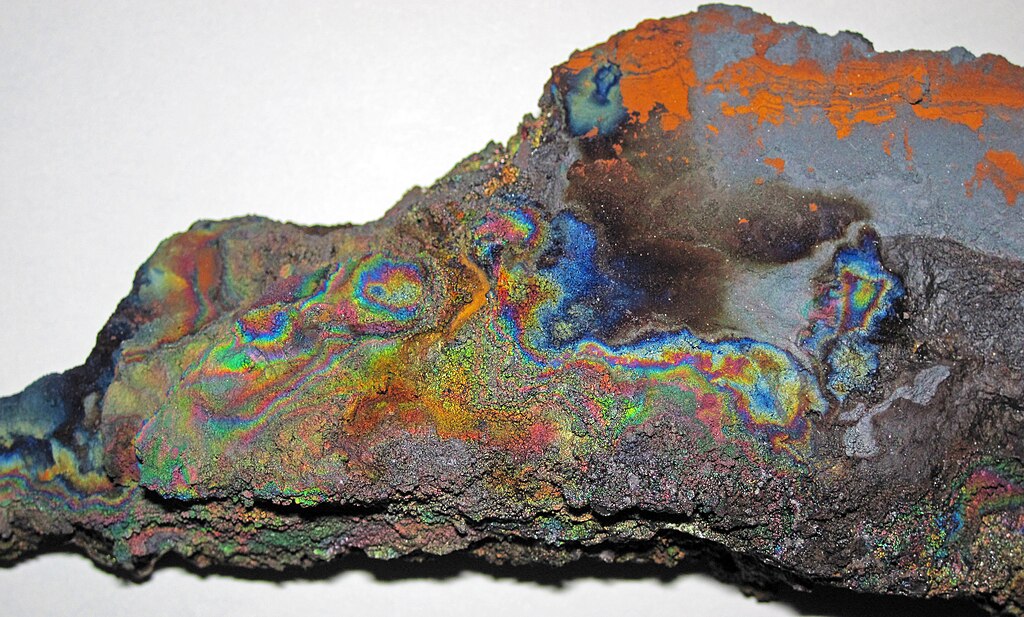
4.44 Billion Years Ago
About 60 million years after Earth forms.
Moon Formation

Imagined image depicting the formation of the Moon with Theia having a rocky and molten surface, reflecting its primordial state. This should now accurately illustrate the collision between Theia and the early Earth.
4.3 Billion Years Ago
4.5 to 4 Billion Years Ago
Second Atmosphere: Carbon Dioxide & Nitrogen

4.2 Billion years ago (+/- 200 million)
Self-replication emerges
First Life: Self-Replicating Molecules
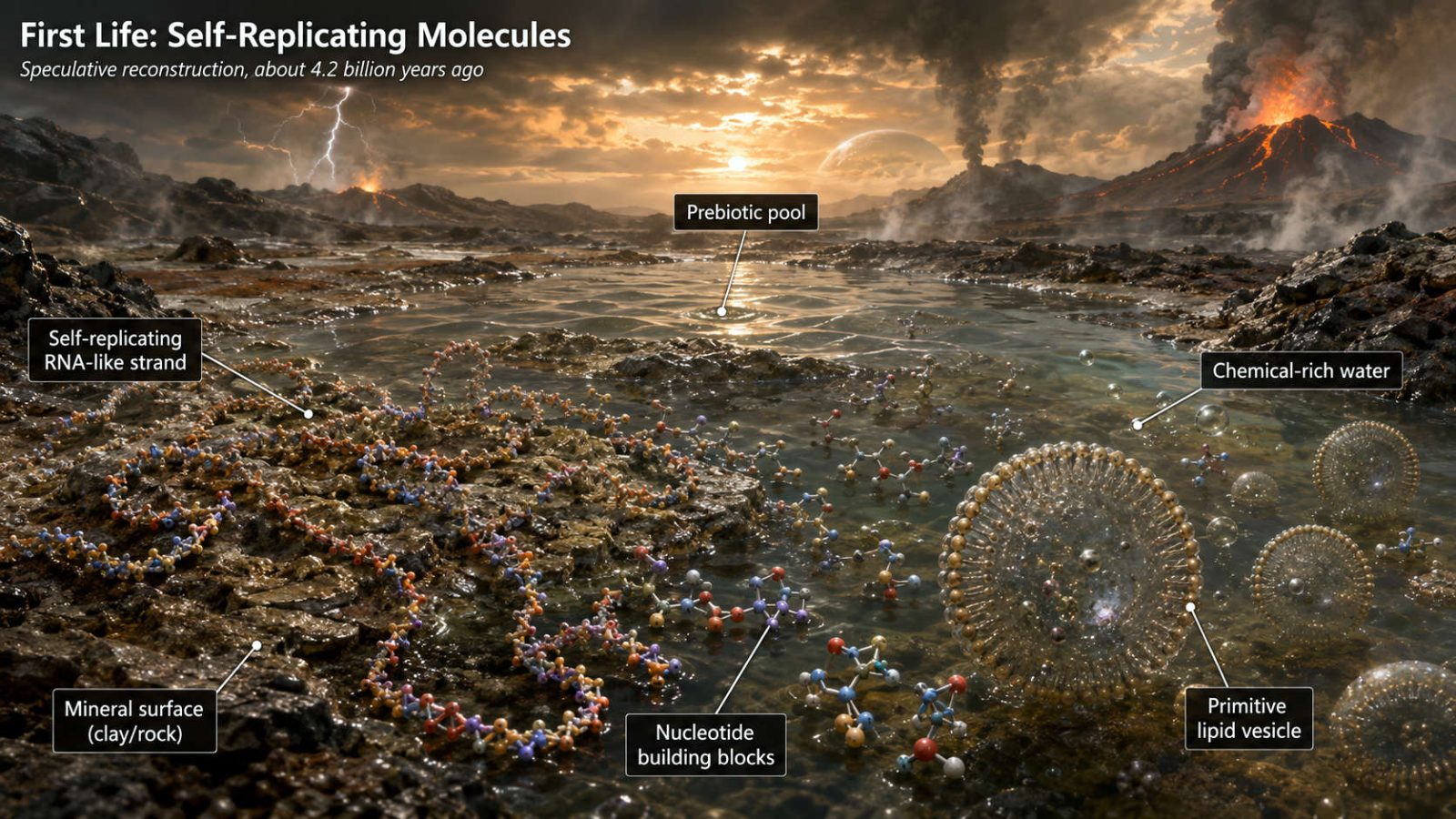
None of those first self-replicators survive today, at least not in their original form. But modern biology still carries echoes of that ancient autonomy. Viruses, plasmids, and transposons all remind us that life is full of genetic passengers, copy-makers, and molecular hitchhikers—some alive only inside cells, some not considered alive at all, but all strangely resonant with that first age of replication.
4.2 Billion Years Ago
4 to 4.4 Billion Years Ago
First Oceans: Fresh Water

sunset north sea sea 2191645
4.1 Billion Years Ago (+/- 200 milion)
Self-sustaining chemical reactions
Metabolic Pathways
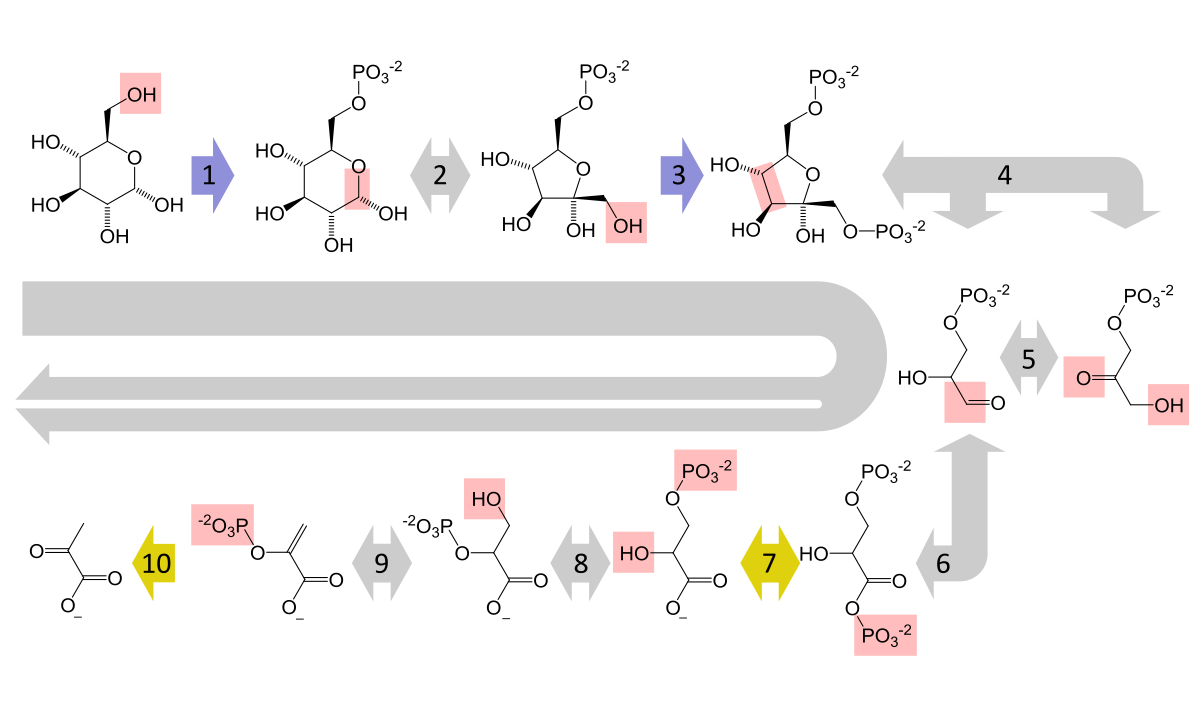
"<a href="https://commons.wikimedia.org/w/index.php?curid=39236376" target="_blank" rel="noopener noreferrer">Glycolysis metabolic pathway 3</a>" by <a href="https://commons.wikimedia.org/wiki/User:Evolution_and_evolvability" target="_blank" rel="noopener noreferrer">Thomas Shafee</a> is licensed under <a href="https://creativecommons.org/licenses/by/4.0/" target="_blank" rel="noopener noreferrer">CC BY 4.0</a>
4.1 Billion Years Ago
Spedulative guess: 4 to 4.4 Billion Years Ago
Chemical Evolution of Organic Molecules

3d illustration. Model of serotonin molecule, Hormone of Happiness
4 Billion Years Ago
Spedulative guess: 3.9 to 4.1 Billion Years Ago
Formation of Prebiotic Microenvironments
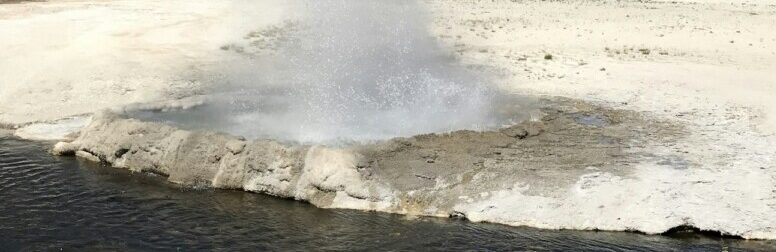
Geyser in Yellowstone National Park
3.9 Billion Years Ago
Spedulative guess: 3.8 to 4.1 Billion Years Ago
Cellular Membranes
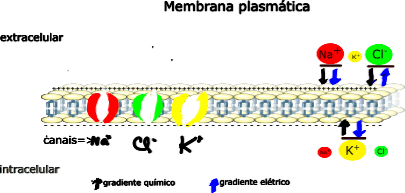
"<a href="https://commons.wikimedia.org/w/index.php?curid=97444339" target="_blank" rel="noopener noreferrer">Cell membrane - Cellular biology - adapted for ions gradient and membrane channels</a>" by <a href="https://smart.servier.com" target="_blank" rel="noopener noreferrer">Servier Medical Art by Servier, adapted for Alexandro Rocha https://smart.servier.com/</a> is licensed under <a href="https://creativecommons.org/licenses/by/3.0/" target="_blank" rel="noopener noreferrer">CC BY 3.0</a>
3.9 Billion years ago (+/- 100 million)
The engine gets wrapped in a bubble.
Assembly of Protocells
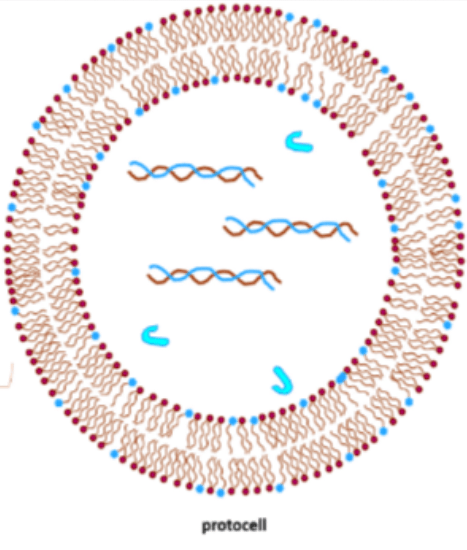
"<a href="https://commons.wikimedia.org/w/index.php?curid=99962760" target="_blank" rel="noopener noreferrer">Protocell</a>" by <a href="https://commons.wikimedia.org/wiki/User:148LENIN" target="_blank" rel="noopener noreferrer">148LENIN</a> is licensed under <a href="https://creativecommons.org/publicdomain/zero/1.0/deed.en" target="_blank" rel="noopener noreferrer">CC CC0 1.0</a>
3.85 Billion Years Ago (before LUCA)
Leading Hypothesis: Molecules drifted; Chemistry binds.
RNA World
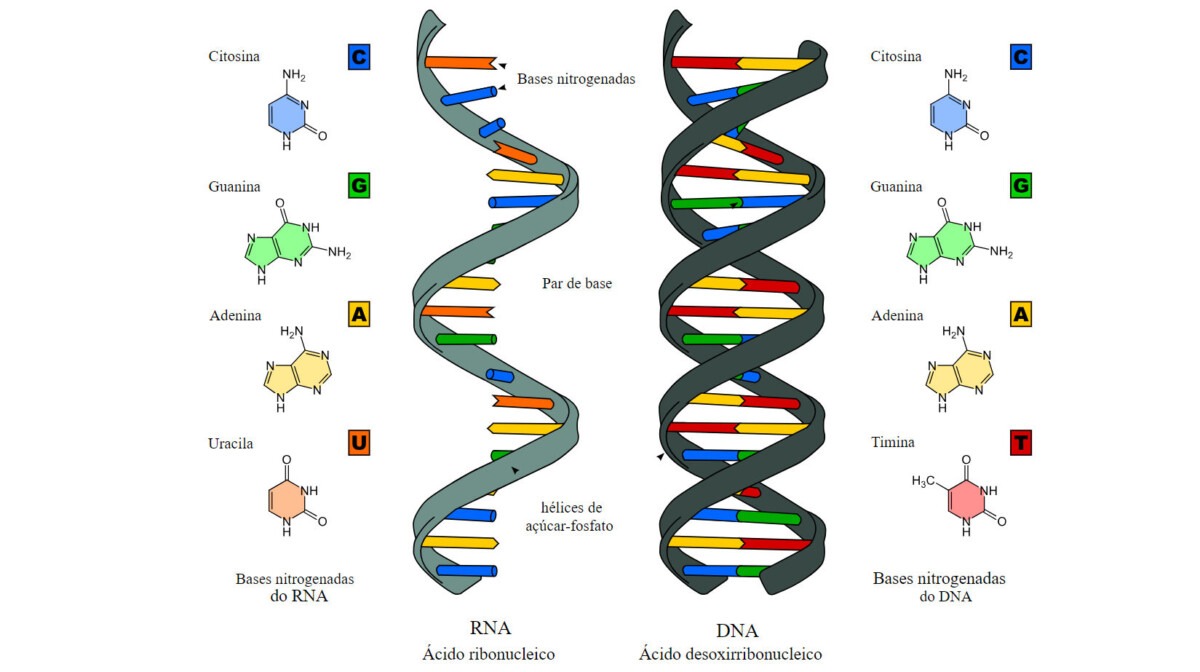
3.8 Billion Yeas Ago
From 4.6 to 3.8 bya.
Late Heavy Bombardment

3.75 Billion years ago (+/- 100 million)
DNA, Ribosomes, and ATP
LUCA: Last Universal Common Ancestor
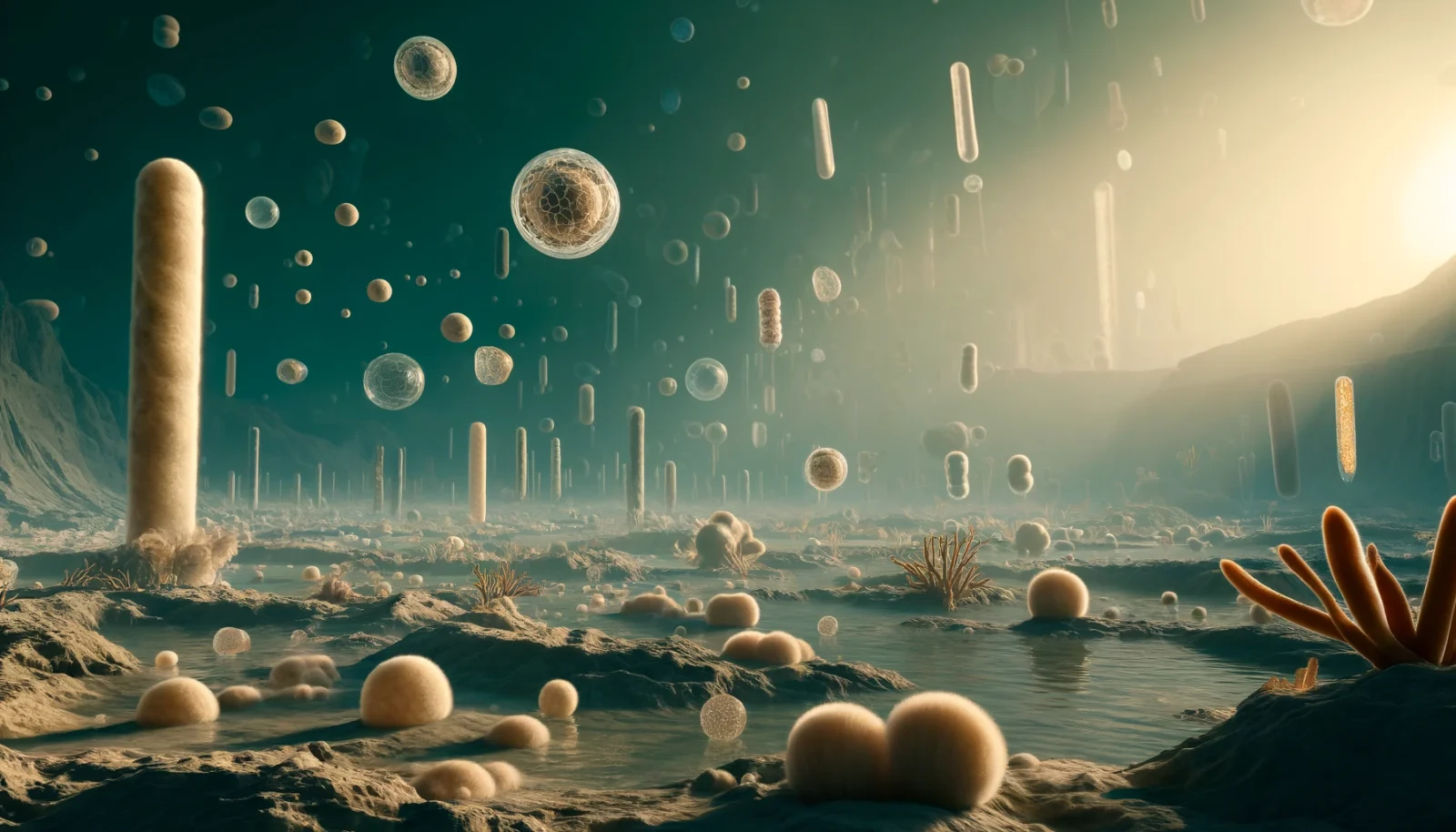
LUCA's form is unknown. Imagined image of various LUCA shapes.
3.73 Billion Years Ago (shortly after LUCA)
Ether-linked membranes and distinct genetic machinery
Archaea Diverge
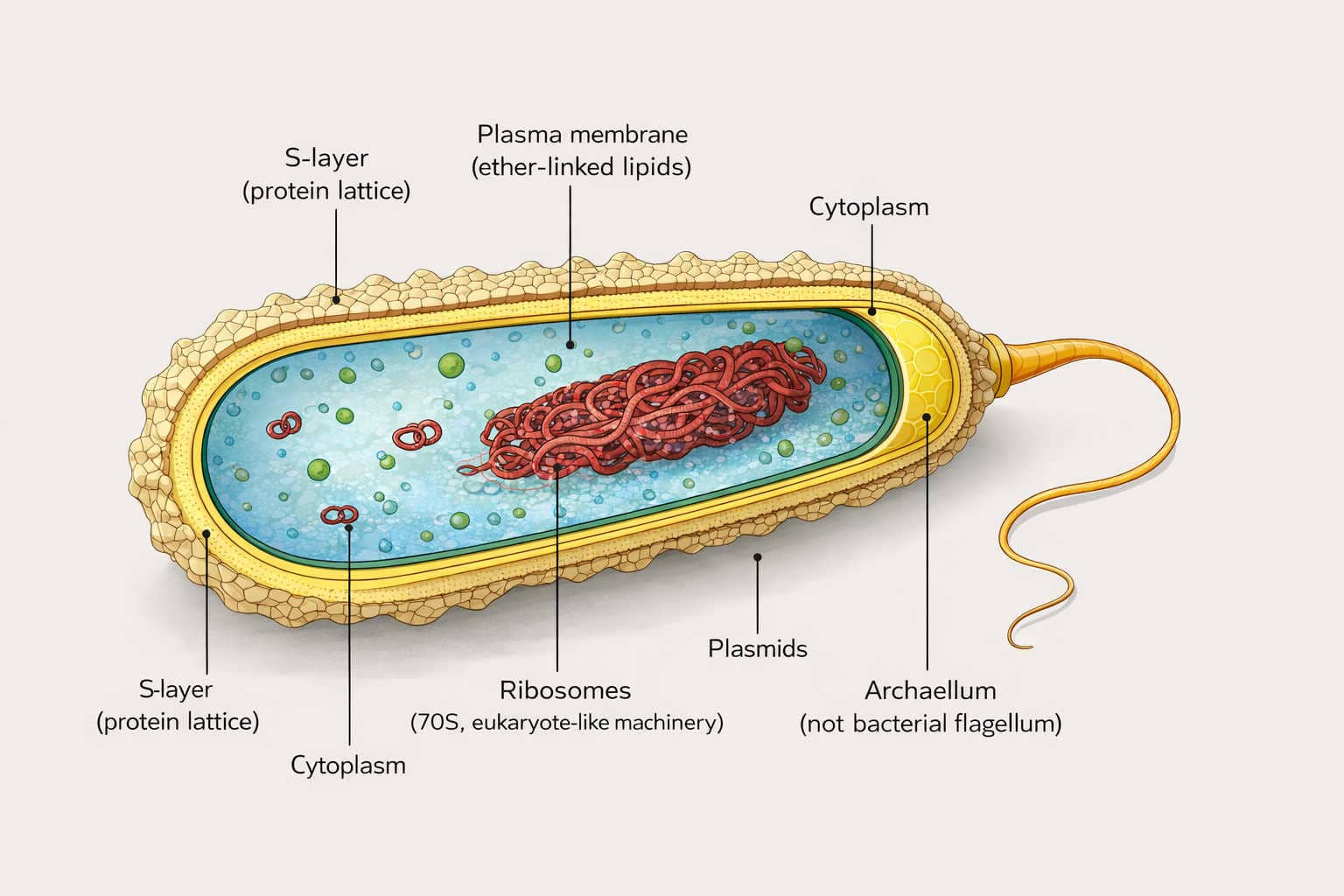
Both archaea and bacteria are prokaryotes — cells without nuclei.
3.73 Billion Years Ago (after LUCA)
Membrane and metabolic diversity.
Prokaryotic Life
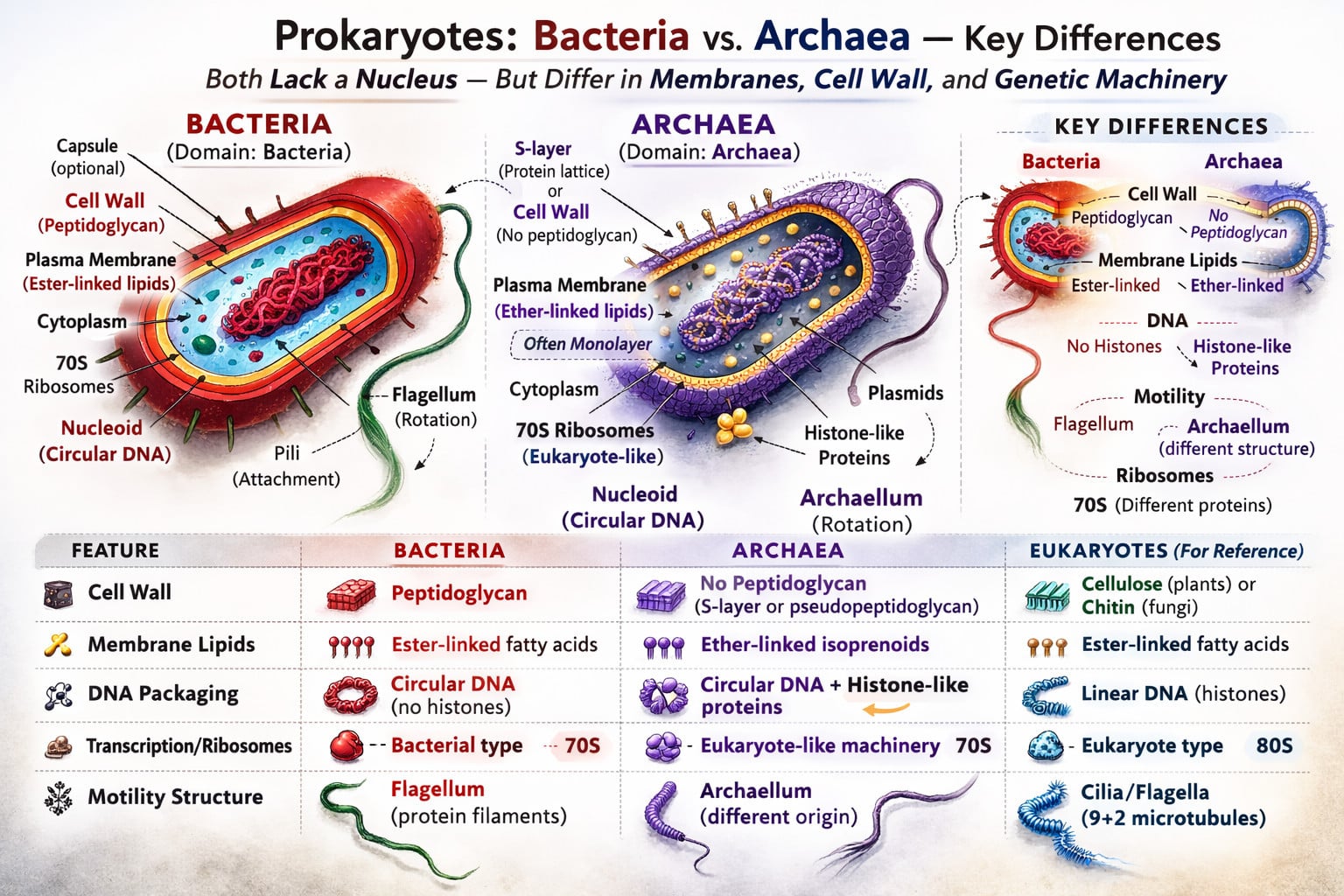
Archaea look like bacteria at first glance — small, simple, and lacking a nucleus. But they are fundamentally different.
~3.72 Billion Years Ago (after prokaryotes)
Mechanical sensitivity to pressure and membrane stretch
Touch: Life Learns to Feel Force
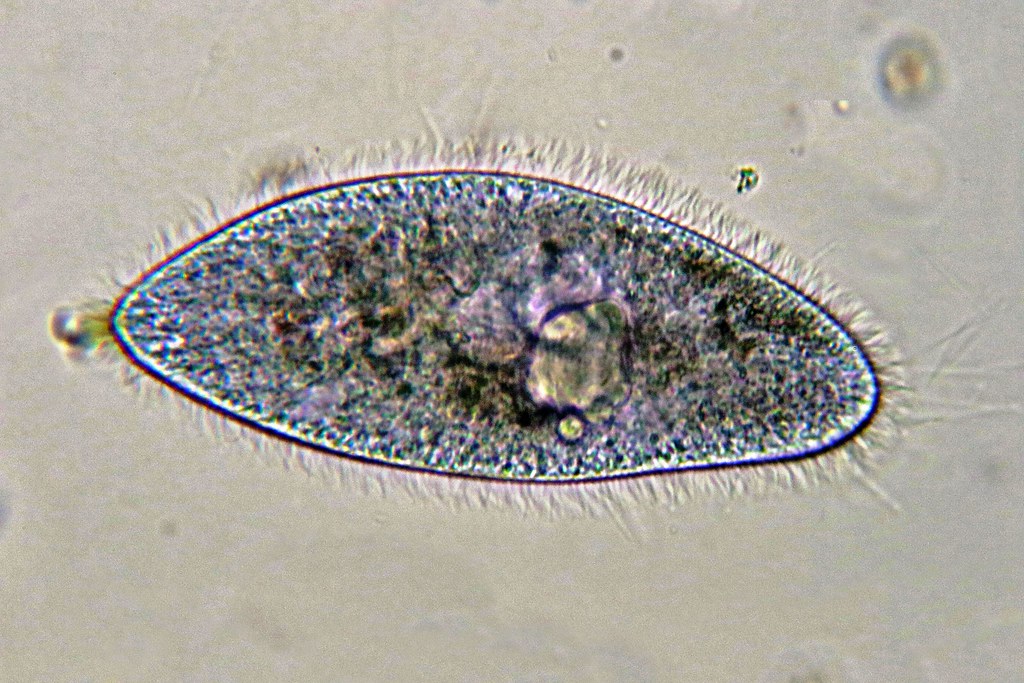
About 3.72 billion years ago, right after LUCA, when cells emerged, touch became the most ancient form of biological sensing: required to physically navigate reality.
~3.7 Billion years ago (shortly after LUCA)
Peptidoglycan cell wall and Ester-linked lipids
First True Bacteria
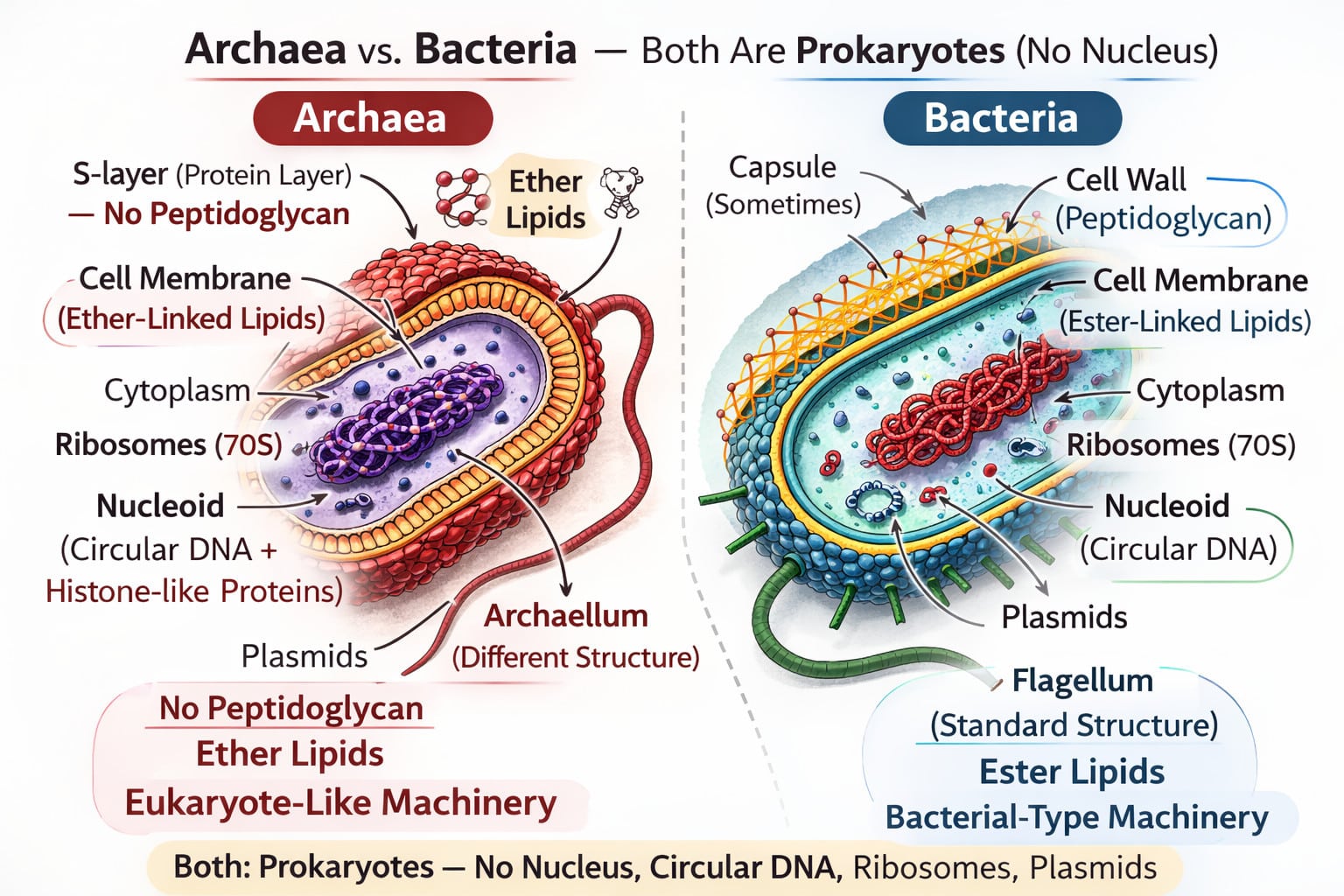
Bacteria and archaea are both prokaryotes, but archaea’s membrane chemistry and genetic machinery are fundamentally different — and archaeal ancestry gave rise to eukaryotic cells.
~3.7 Billion Years Ago (+/- 100 million)
Virus: Riboviria (Early RNA replicators)

About 3.7 billion years ago, RNA virus ancestors may trace back to the RNA world, but we can’t prove whether they predate LUCA or arose just after.
3.5 Billion Years Ago
3.5 to 2.5 Billion Years Ago
Second Oceans: From Fresh to Salty

3.42 Billion BCE
3.42 to 3.7 Billion BCE
Oldest Known Fossil-Microorganisms

micro organisms cells background
~3.2 Billion Years Ago (+/- 200 million)
The HK97-Fold (Steel Pouch)
Bacteriophage → Duplodnaviria
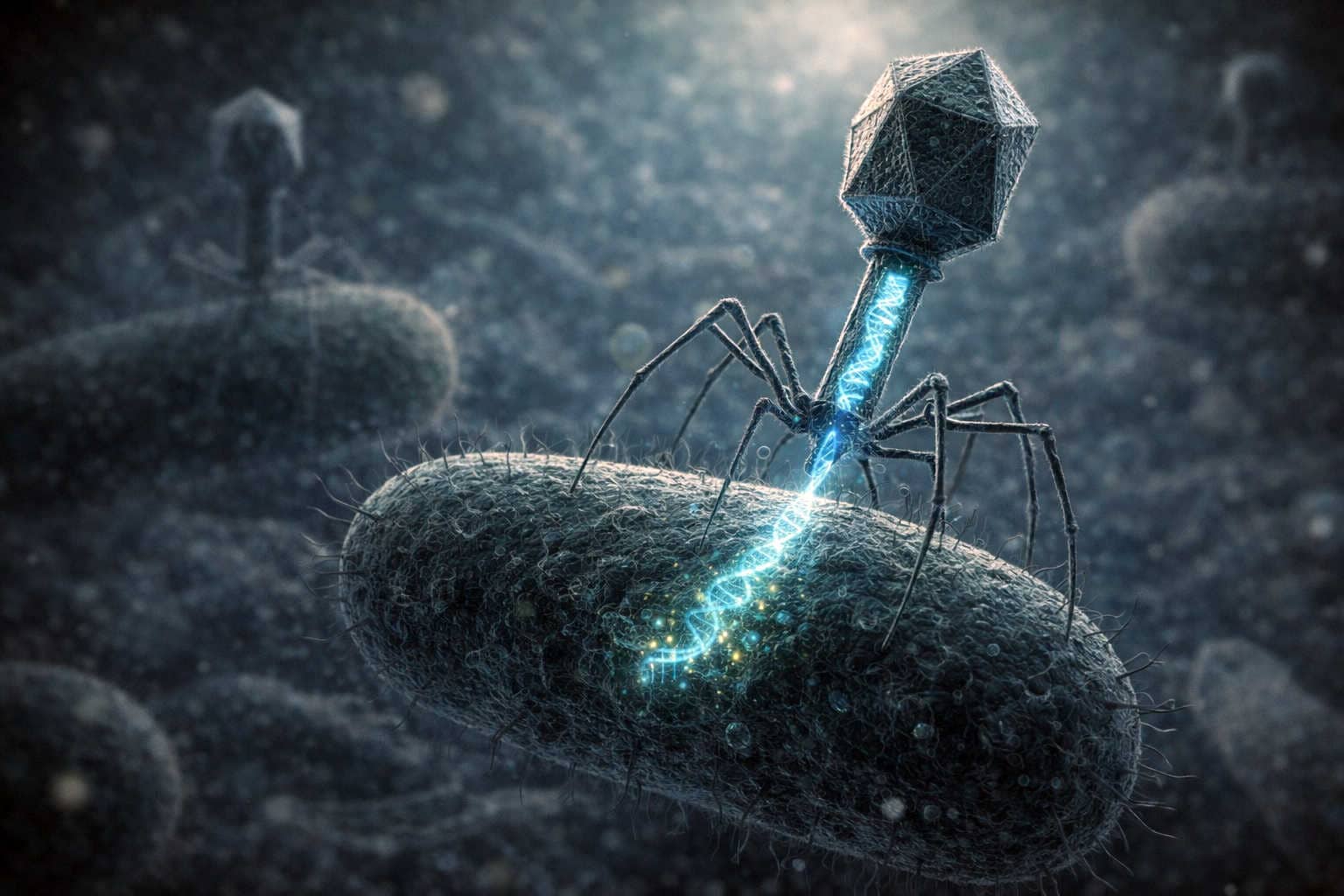
Around 3.2 billion years ago, the Duplodnaviria evolved a high-pressure, icosahedral protein armor that turned viruses into biological syringes capable of injecting DNA into any domain of life.
~2.75 Billion years ago (+/- 200 million)
double jelly-roll capsid DNA viruses
Virus: Varidnaviria

About 2.75 billion years ago, the Varidnaviria evolved a unique "Double Jelly-Roll" protein fold to build massive, diverse shells, allowing viruses to scale up from tiny parasites to "giant" viruses that mimic cells.
2.65 Billion years ago (+/- 50 million years)
Blue-Green Bacteria (Not Algae)
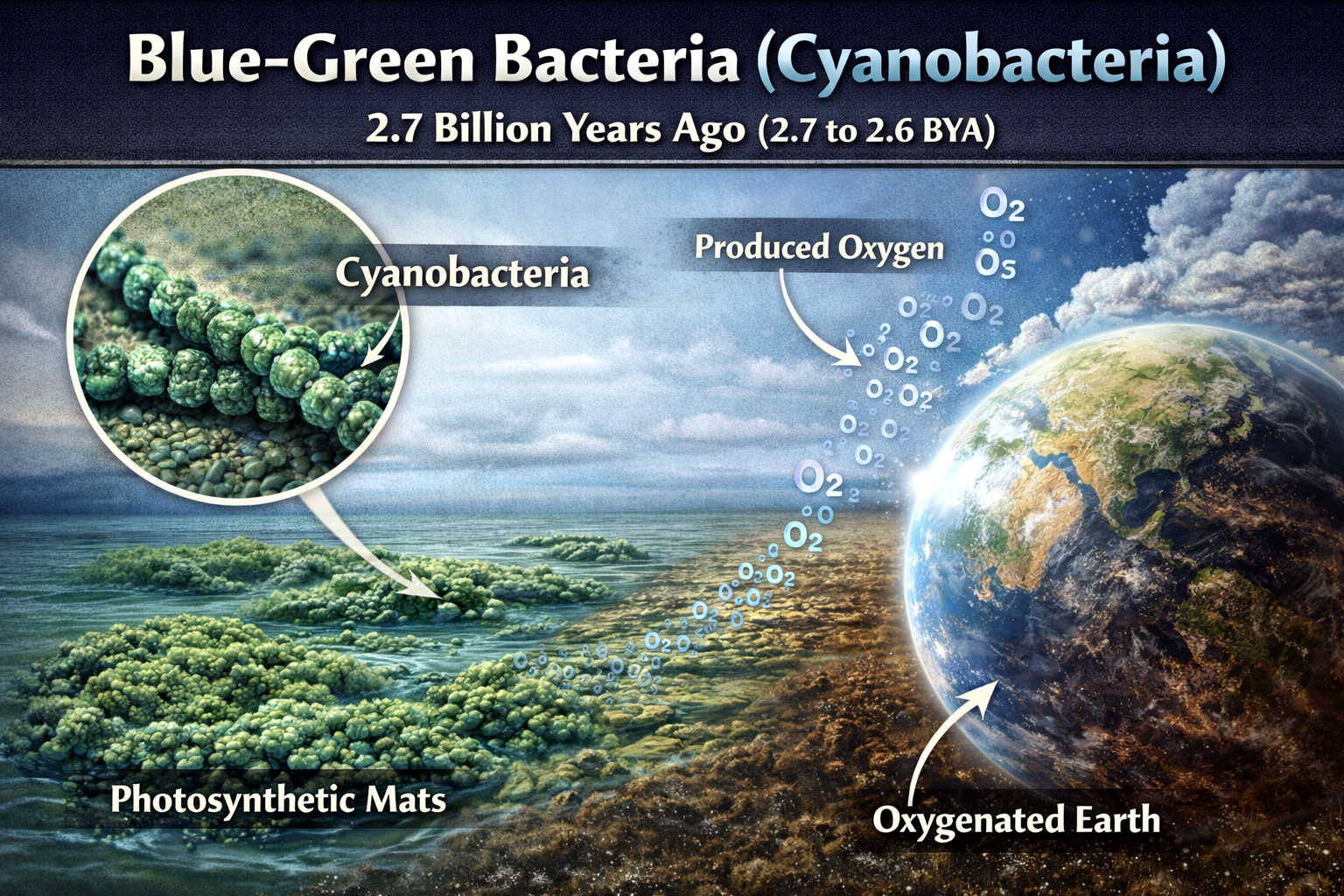
Long before plants covered the land, cyanobacteria were already harvesting sunlight. In doing so, they slowly helped change Earth’s oceans and atmosphere, preparing the way for more complex life.
2.4 Billion Years Ago (+/- 300 million years)
The First True Eukaryotes
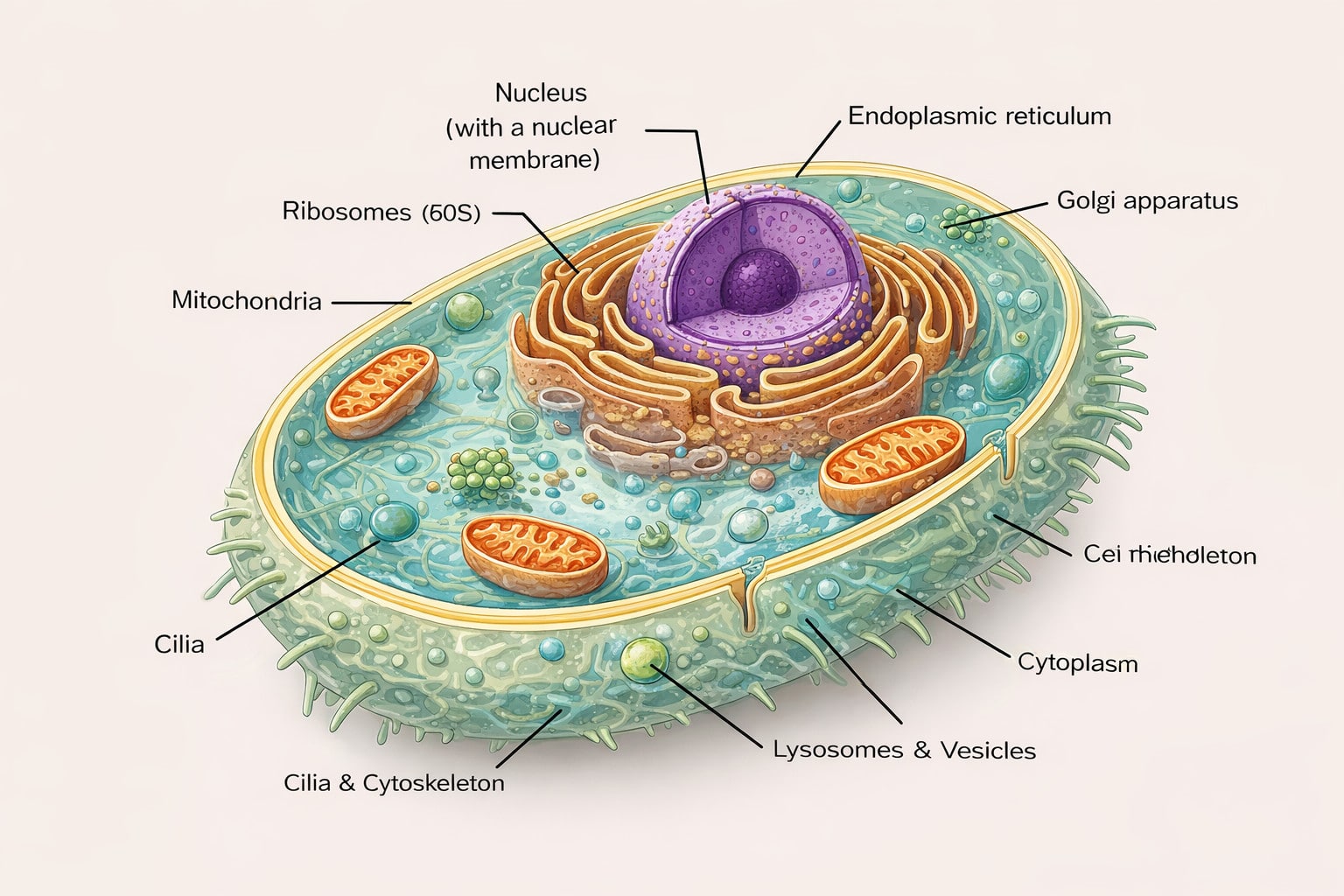
Eukaryotes divided labor within single-celled life, featuring a true nucleus and membrane-bound organelles. From them branched plants, fungi, and animals.
~2.4 Billion Years Ago
Cause: Cyanobacteria Produce Oxygen
Great Oxidation Event: Third Atmosphere

Cyanobacteria released oxygen faster than Earth could absorb it, changing the oceans, atmosphere, and future of life.
~2.2 Billion years ago (+/- 200 million)
Oxygen-respiring bacteria diversify
Bacteria Aerobic metabolism expands
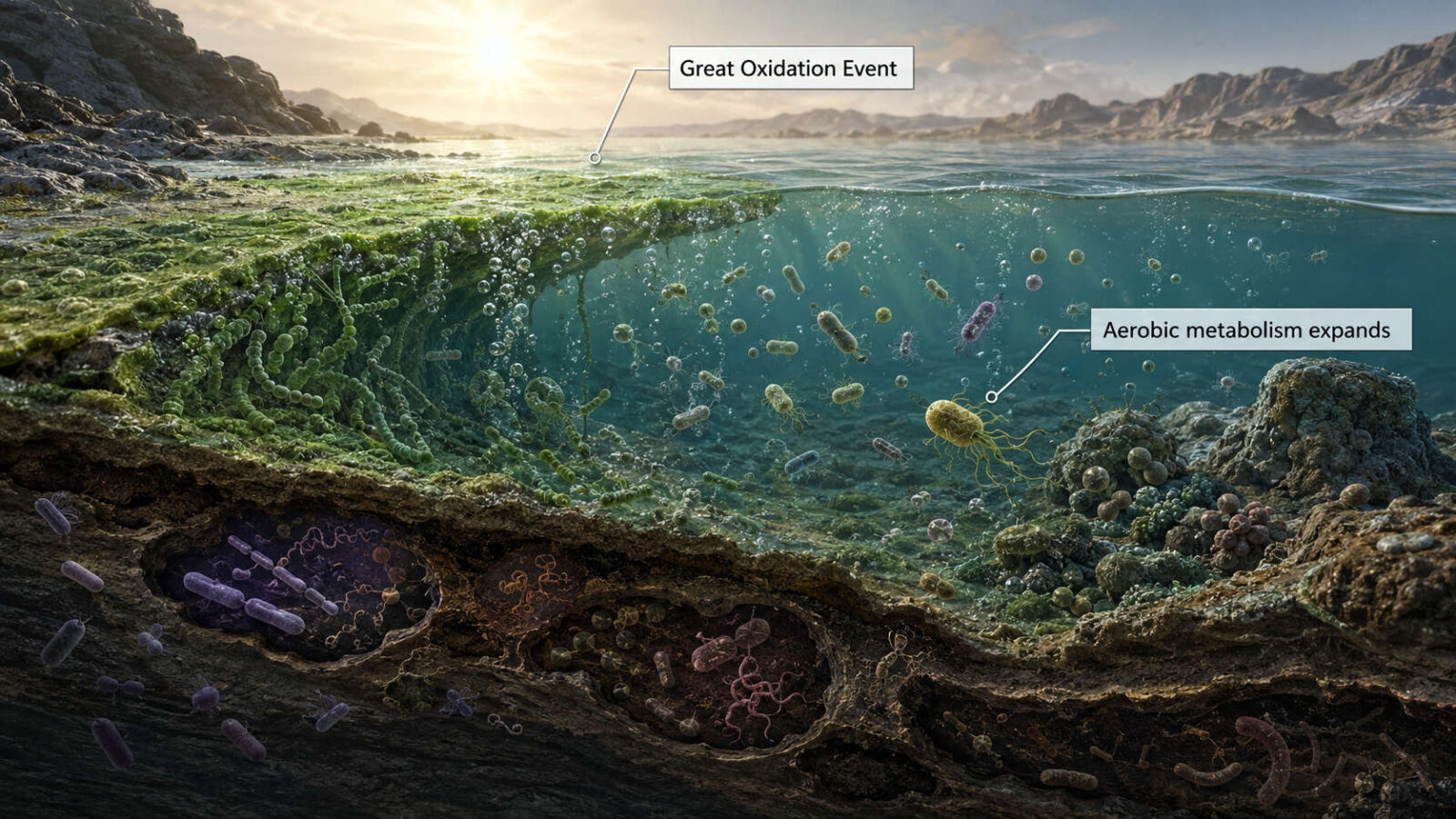
Cyanobacteria caused the oxygen crisis. Aerobic bacteria were among the survivors that learned how to use the poison.
2 Billion Years Ago (+/- 100 million years)
Nucleus and internal organelles
Protozoa Evolve
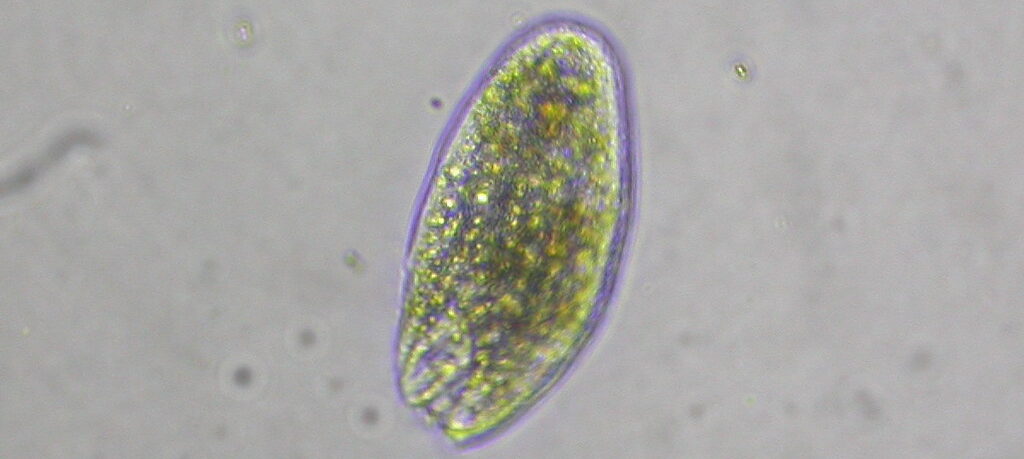
About 2 billion years ago, eukaryotic cells are defined by a membrane-bound nucleus and internal organelles. Their emergence created the structural foundation for complex life.
~1.9 Billion years ago (+/- 100 million)
Bacteria are added to eukaryote ancestor cells
Bacterial Endosymbiosis: Origin of Eukaryotes
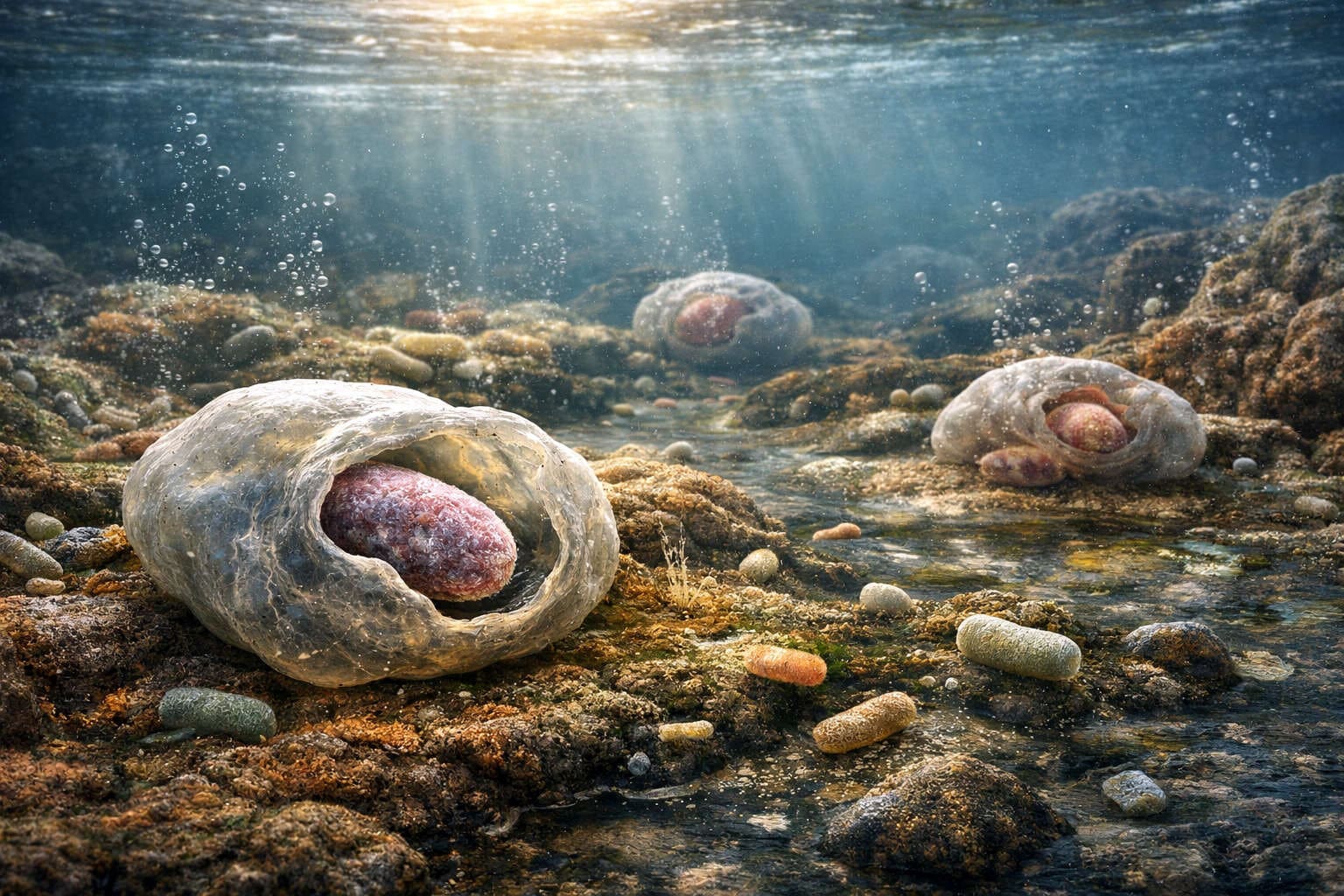
About 2 billion years ago, bacteria are added to cells and that group leads to eukaryotes. You are a walking chimera ecosystem made of an Archaea host and trillions of Bacterial power-plants.
~1.75 Billion years ago (+/- 200 million)
single-stranded DNA viruses
Monodnaviria
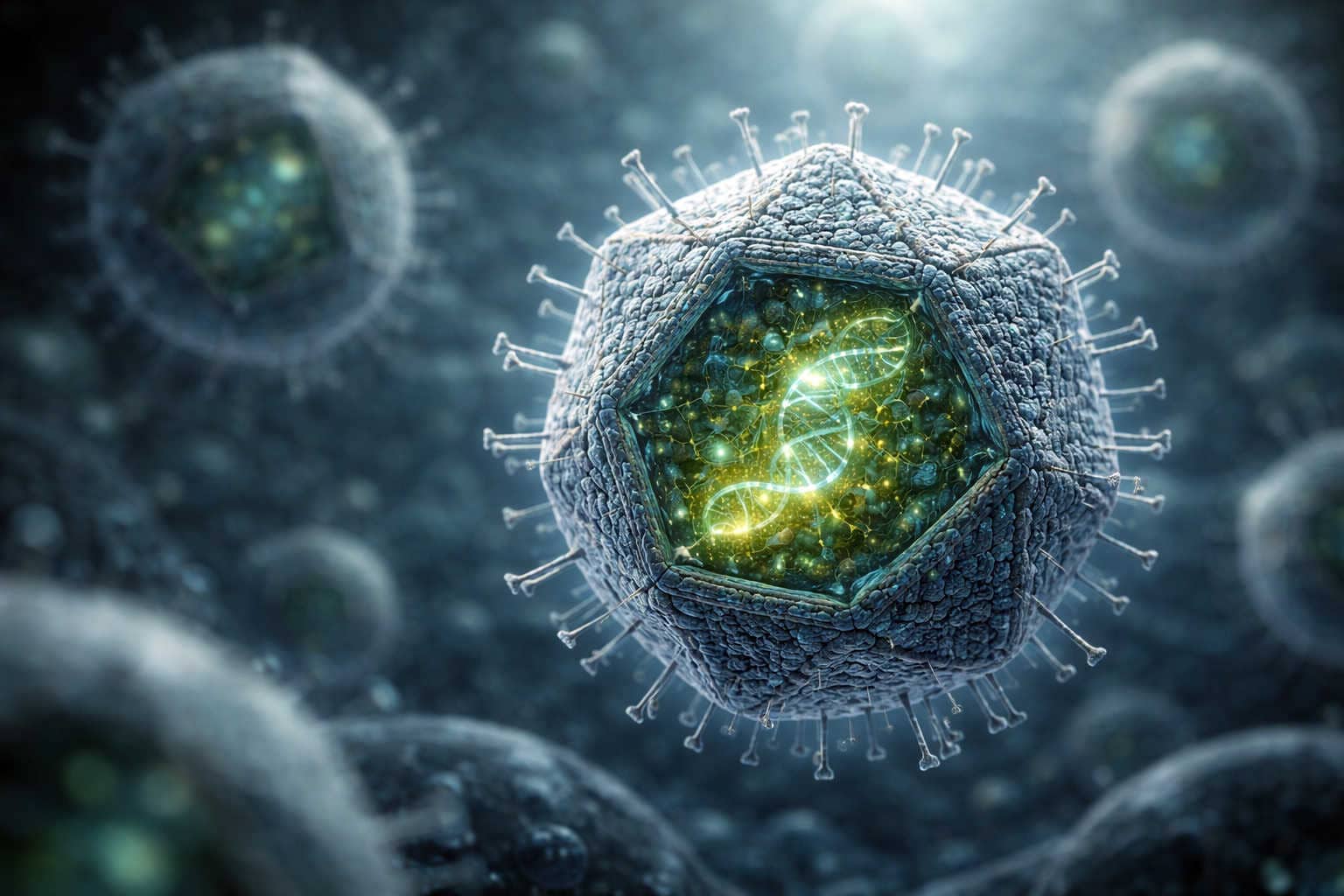
About 1.75 billion years ago, Monodnaviria evolved as "runaway" genetic loops (plasmids) that stole structural proteins from other viruses to become independent, single-stranded DNA parasites.
~1.75 billion years ago (+/- 50 million)
Last Eukaryote Common Ancestor
LECA: Likely Sexual Reproduction
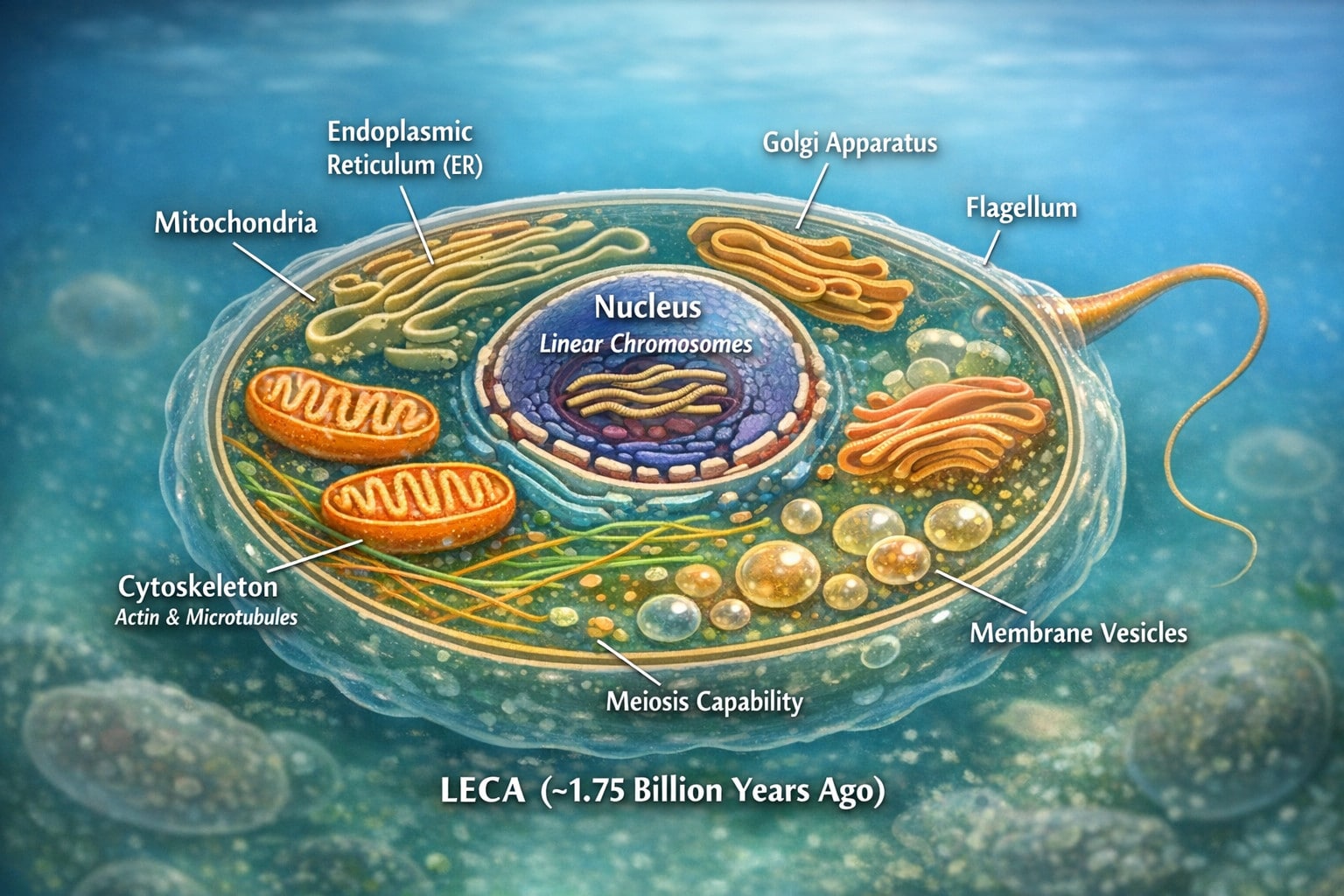
LECA is the Last Eukaryotic Common Ancestor. LECA reproduced sexually pushing the mixing of DNA back before 1.75 billion years ago.
1.65 Billion Yeas Ago (+/- 50 million)
Life that later leads to these kingdoms separates.
Plant Ancestors Split from Animal and Fungi Ancestors
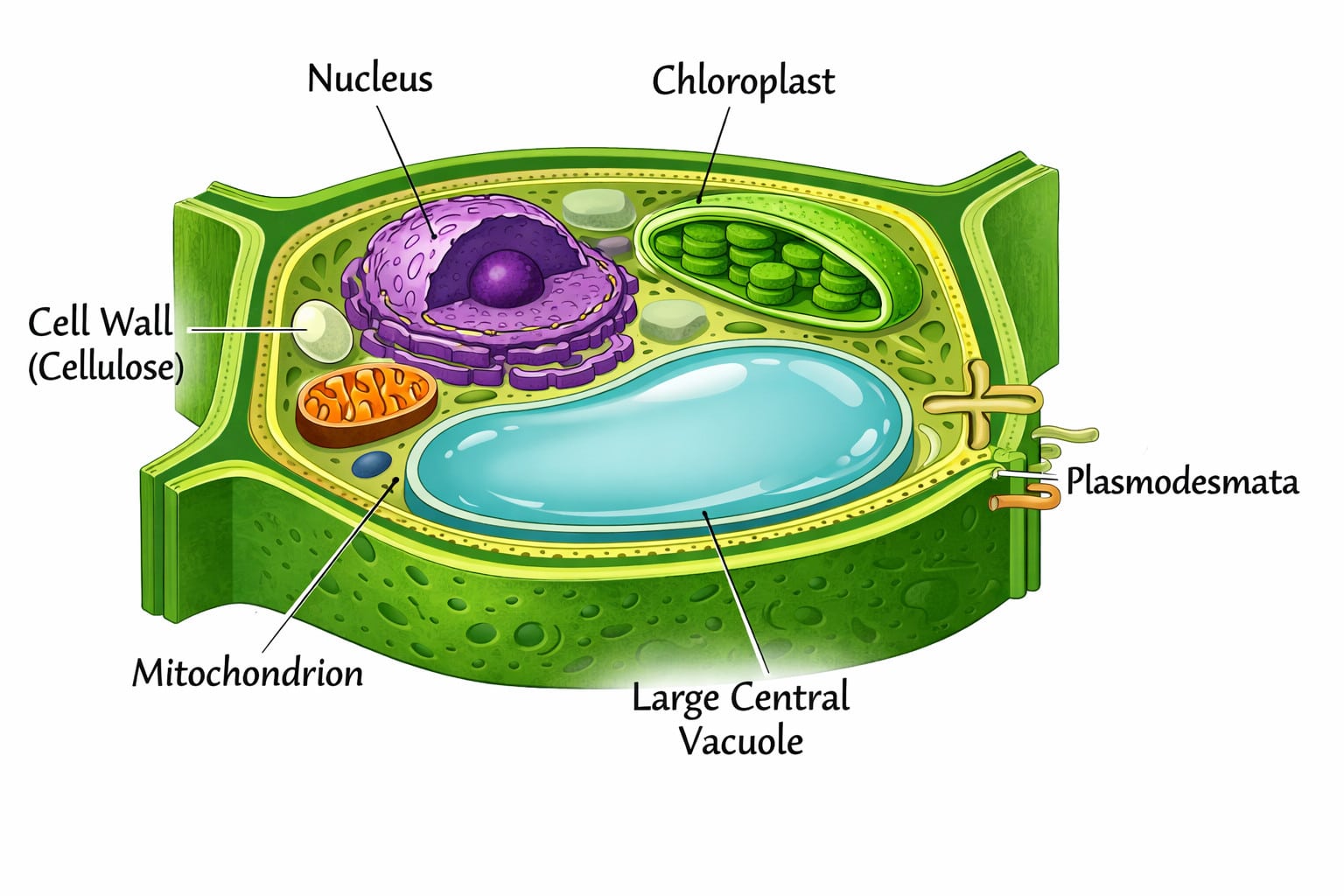
Plant cells feature chloroplasts, a cellulose cell wall, and a large central vacuole for holding water. They also have plasmodesmata, tiny channels between cells. And of course, photosynthetic chlorophyll.
~1.55 Billion Years Ago (+/- 5 million)
Two "Anterior" Flagella - plant rowboats
Bikonts: Plant Ancestors Split Off Again (Front-Pull Pioneers)
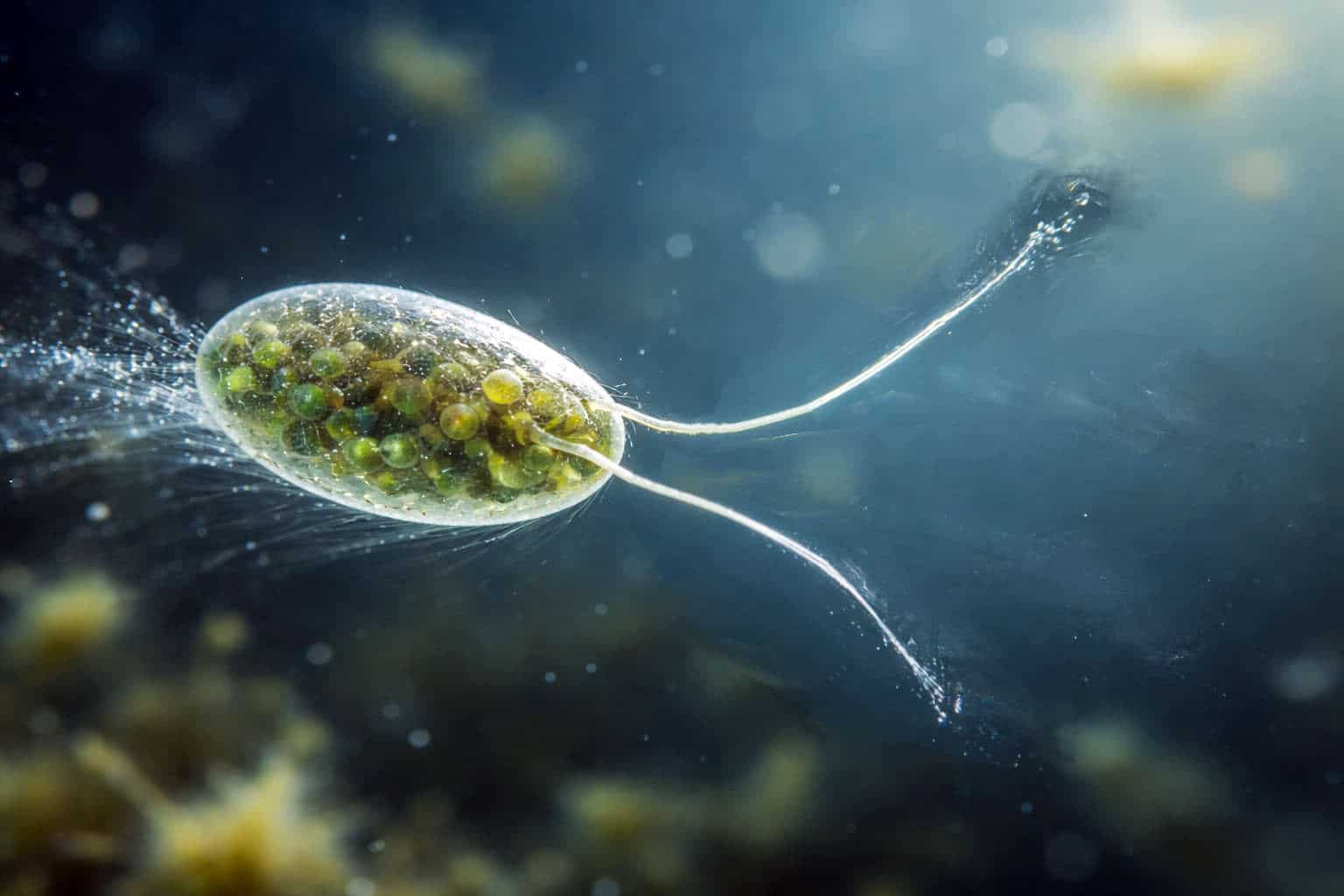
About 1.55 billion years ago, bikonts evolved two flagella to pull themselves forward.
1.5 Billion Years Ago (+/- 100 million years)
Chloroplast refinement, chlorophyll variants
Red-Green Algae Ancestors Split

Modern red and green algae share a common ancestor about 1.5 billion years ago. The green algae branch gave rise to plants about 475 mya.
~1.3 Billion Years Ago (+/- 100 million)
Transition to a Single Flagellum
Unikonts: Single-Motor flagella Reform
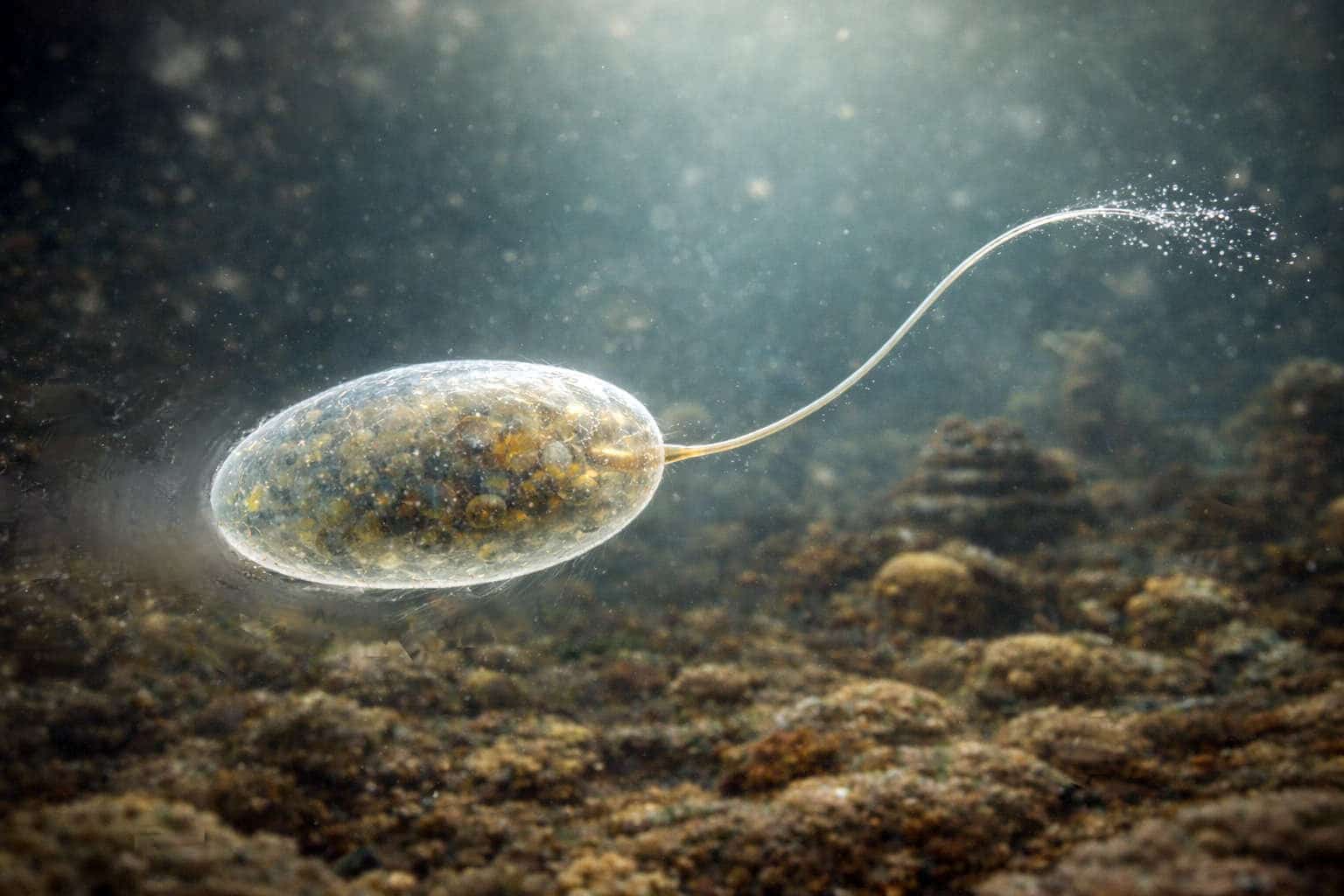
By 1.3 billion years ago, our animal-fungi ancestor, the Unikonts, stopped using two pulling flagella and narrowed it down to one pushing one.
~1.3 Billion years ago (+/- 200 million)
The ecological cast takes shape.
Bacteria Diversify: Major modern phyla
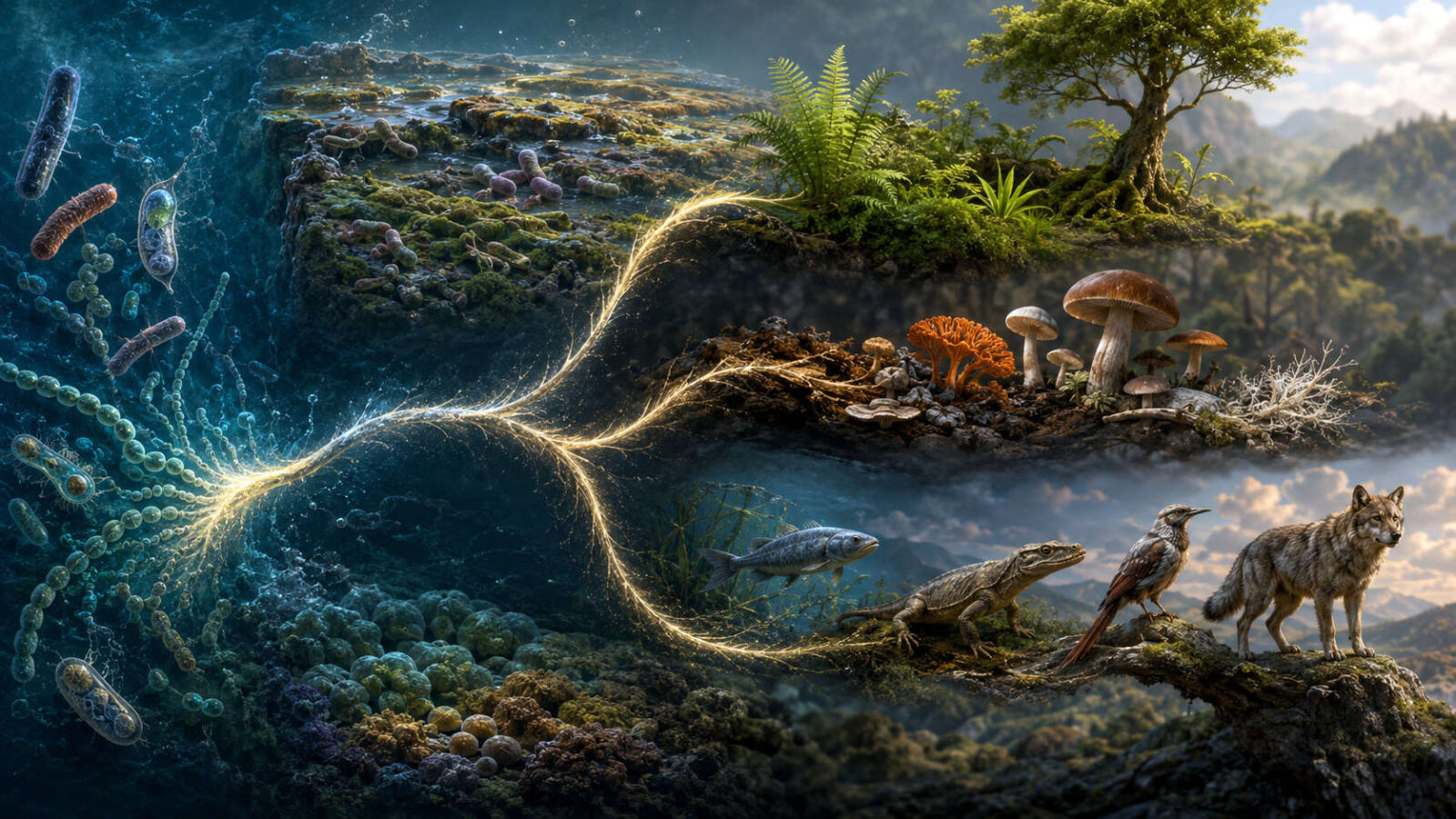
After the "Great Oxidation Event," all life, including the bacterial world settled into modern lineages, the foundational "Ecological Cast" of all major life today.
~1.25 Billion years ago (+/- 200 million)
Stitch themselves permanently into the host’s genome
Retroviruses (within Riboviria)
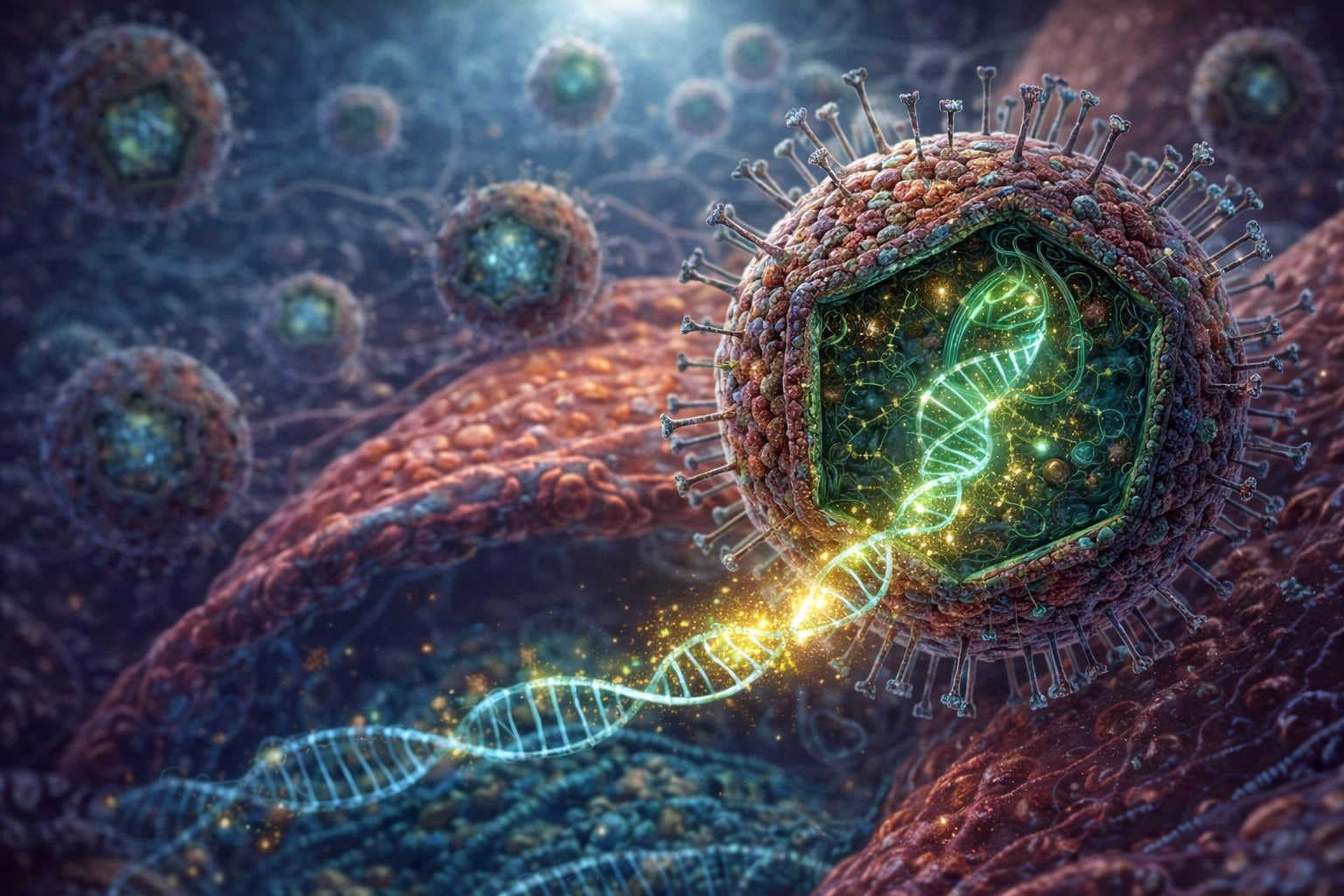
About 1.25 billion years ago, Retroviruses emerged by transforming "jumping genes" into infectious agents, mastering the ability to rewrite a host’s permanent genetic code.
~1.2 Billion Years Ago (+/- 300 million)
Cytoplasmic streaming and vesicle transport
Intracellular Flow and Nutrient Exchange
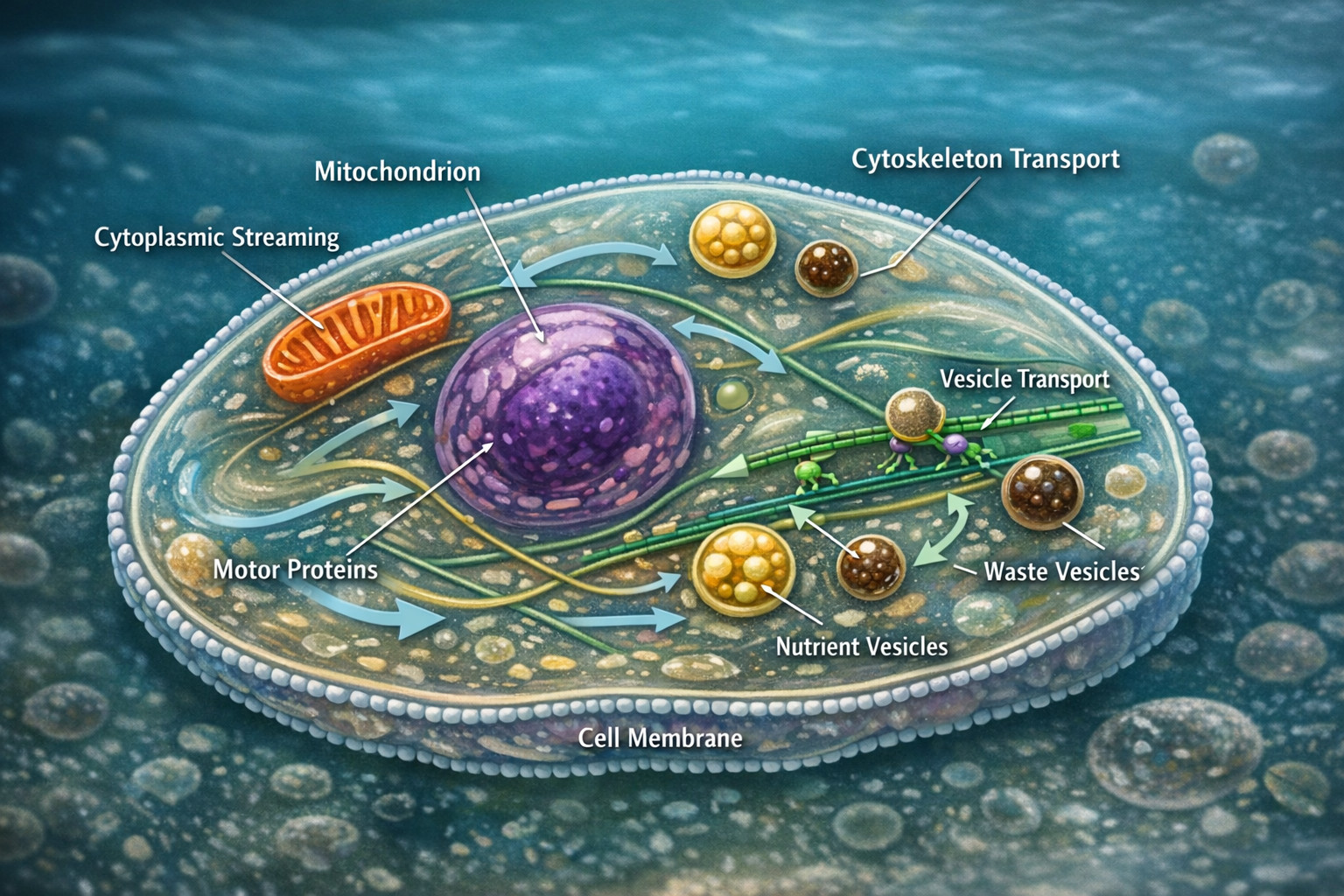
Eukaryote cells evolve cytoplasmic streaming and cytoskeleton-guided transport systems to circulate nutrients, organelles, and waste internally.
~1.15 Billion Years Ago (+/- 50 million)
12 unique amino acids + glycogen energy storage + True Posterior Flagellum
Opisthokonts: True Posterior Flagellum

By 1.15 billion years ago, our animial-fungi ancestor evolve a true posterior flagellum. Single-celled animal sperm has a lineage back to this ancestor.
~1.1 Billion Years Ago (inferred, +/- 100 million)
Small motile gamete and larger nutrient-rich gamete
Oogamy: Early Gamete Specialization Before Animals
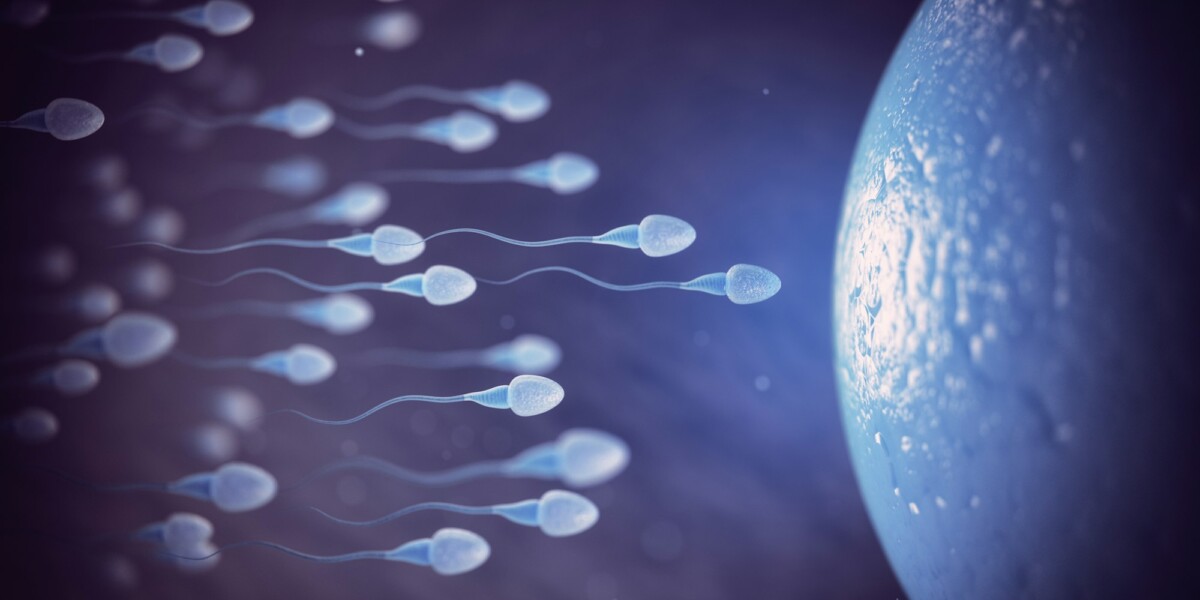
Sexual reproduction predates animals, and differentiated sperm–egg systems evolved in single-celled eukaryotic lineages long before animals emerged.
~1 Billion years ago (+/- 200 million)
Extreme genetic theft
Giant viruses (within Varidnaviria)

A billion years ago, some viruses turned into genetic junkyard collectors and swelled to nearly a micrometer across.
~950 Million Years Ago (+/- 50 million)
External digestion + chitin cell walls
Fungi Ancestors Split Off: (aquatic Holomycota)
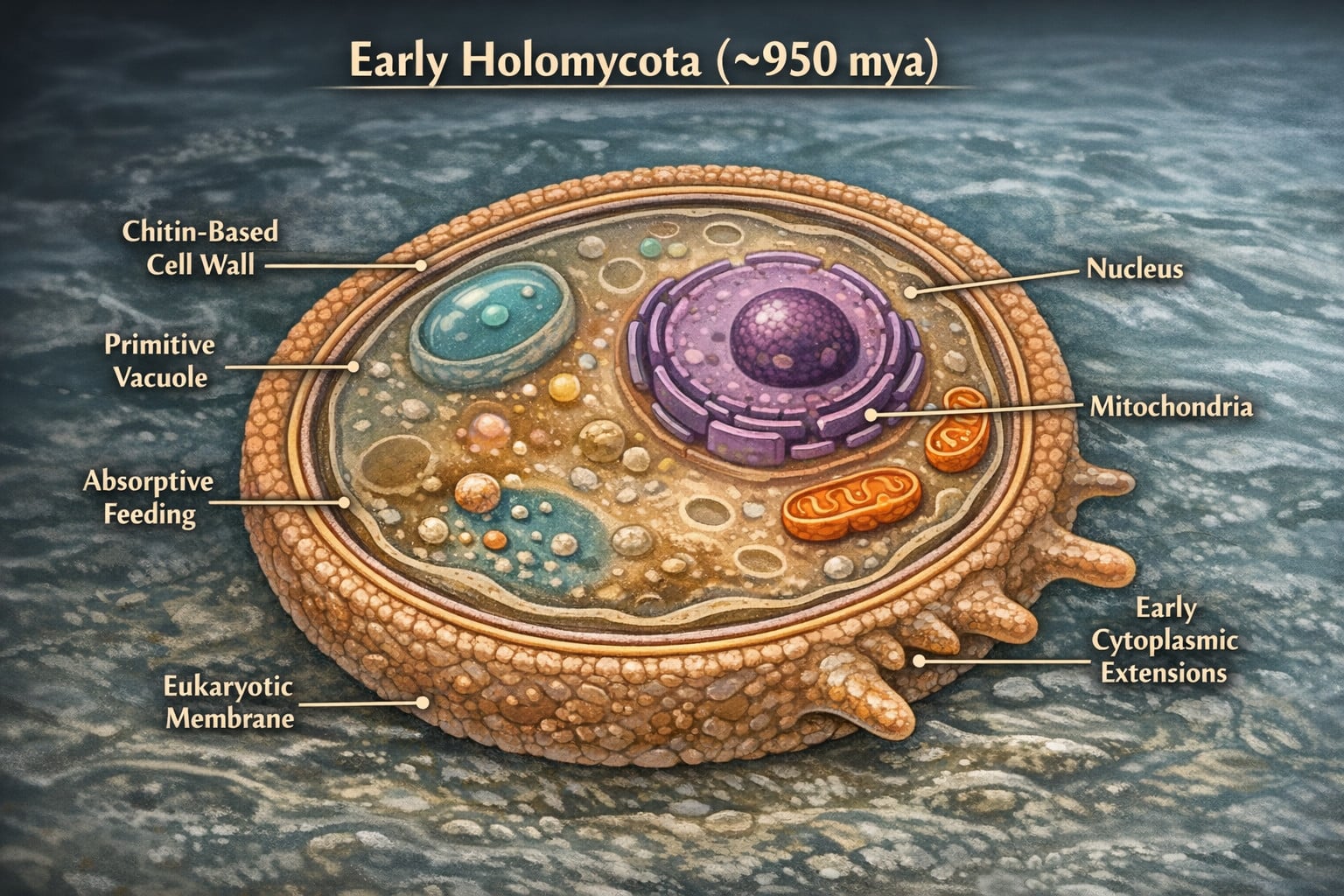
By 950 million years ago, fungi ancestors used growth over motion to survive.
~750 Million Years Ago (+/- 50 million)
Animal Ancestors Split Off: Cadherin Cell Glue (Holozoa)
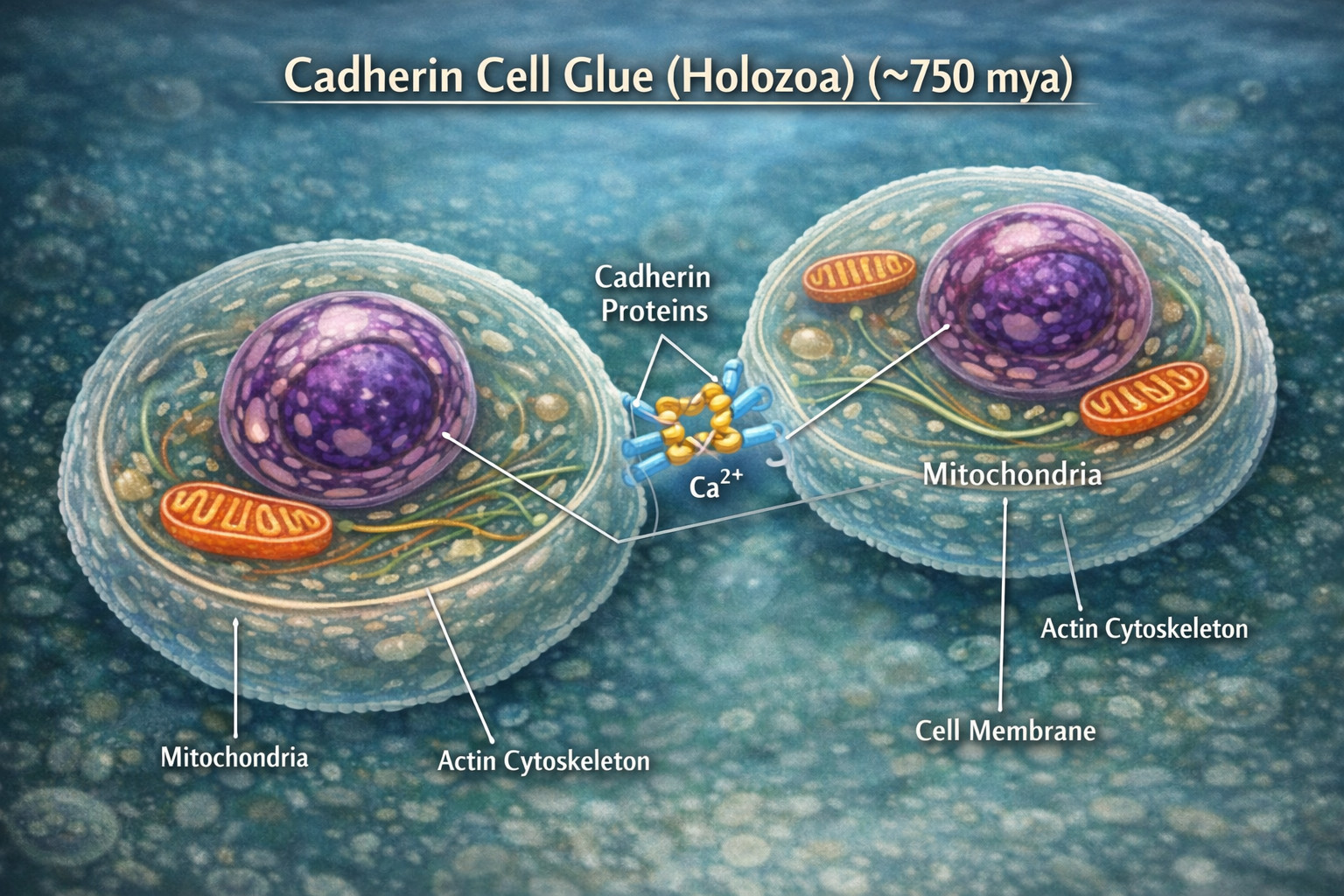
This image shows three plausible body plans for early holozoans, ancestors of animals. A loose spherical cluster suggests early cadherin-based adhesion. The pear-shaped flagellated cell reflects choanoflagellate-like forms. The amoeboid shape represents flexible, crawling types.
From 717 million years ago through 635.
Cause: Continental Drift, Falling CO₂
Snowball Earth: When Ice Reached the Equator
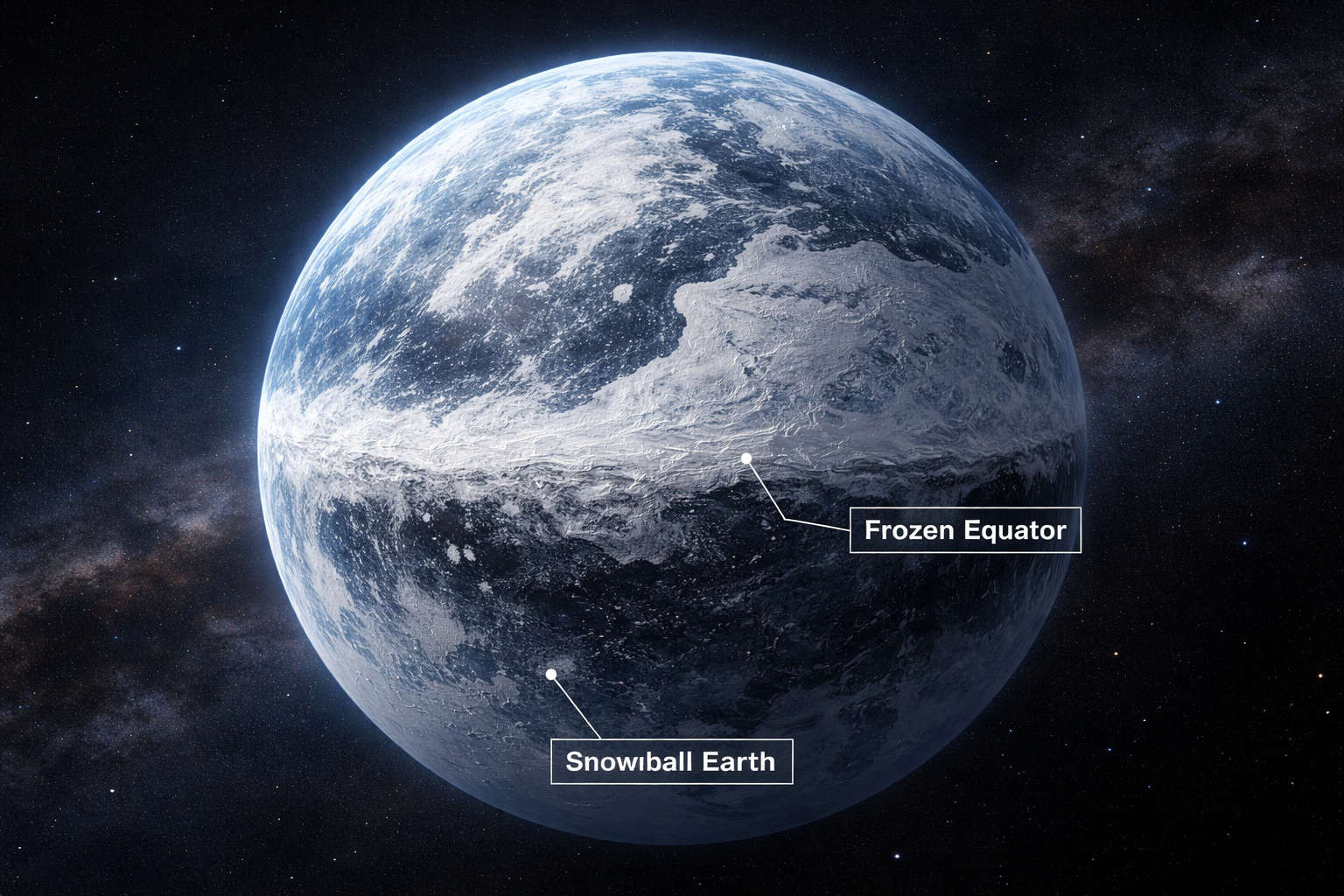
For tens of millions of years, Earth plunged into its deepest known freeze. Ice sheets reached sea level at low latitudes, perhaps even the equator, turning the planet into a near-global ice world and reshaping the path toward complex life.
640 Million Years Ago (+/- 20 million)
Stable cell adhesion and tissue specialization
First Multicellular Animals
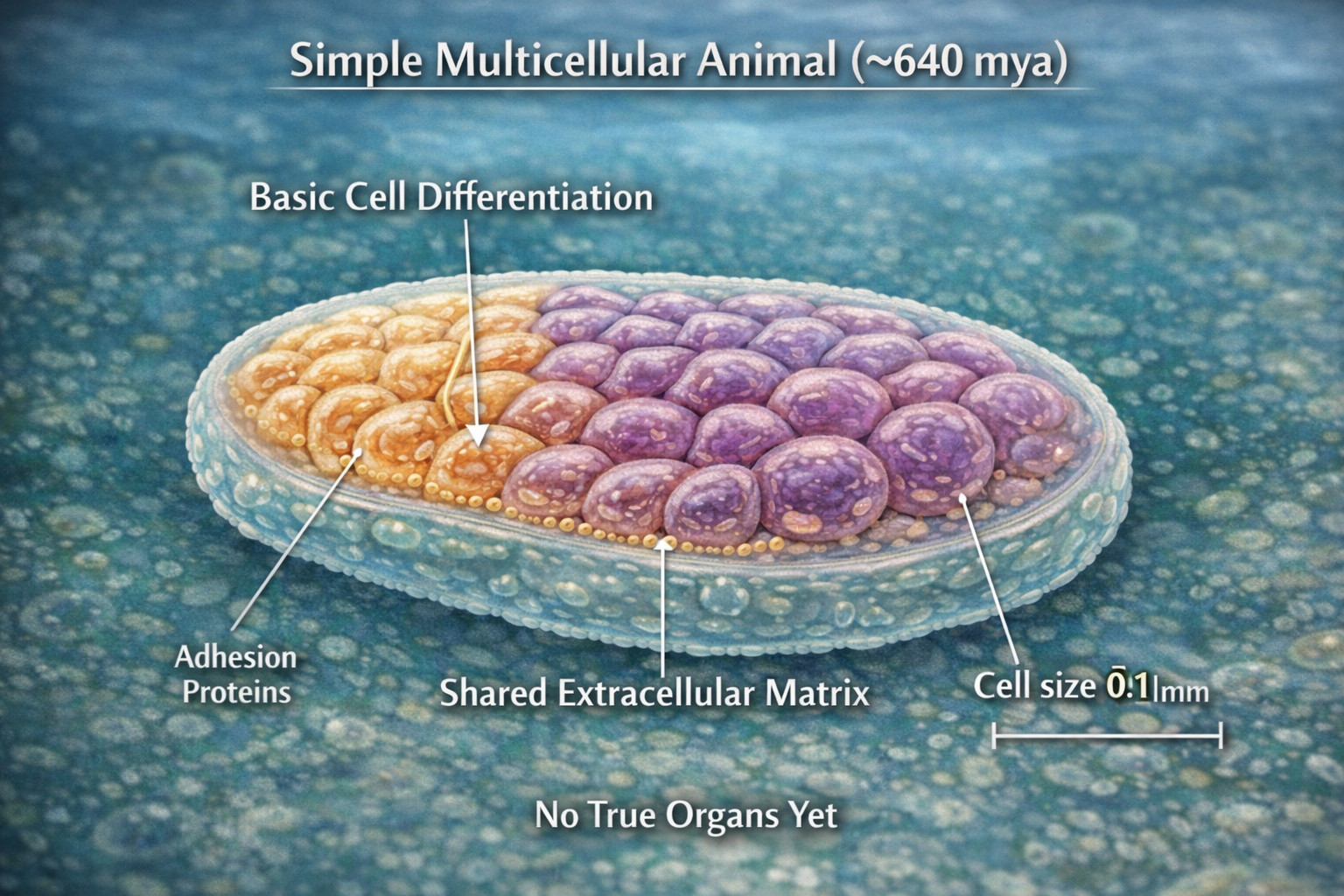
640 million years ago, the first multicell animals were almost certainly just collections of types of cells and reproduced.
635 to 590 Million Years Ago
Proto-brain; Pre-brain memory; Presentient.
Presentient Animals Emerge: The Ediacaran Prelude
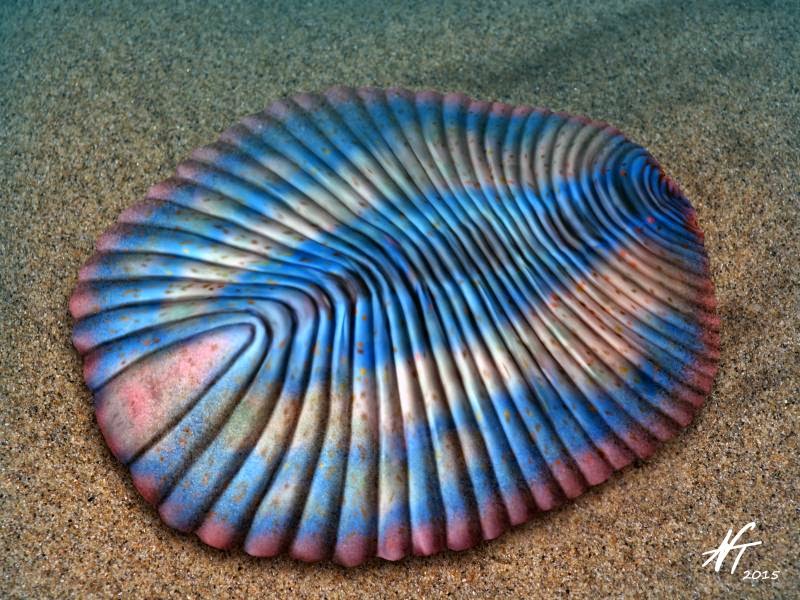
Before the Cambrian Explosion, early animal body shapes were already experimenting. Some evolved into larger, more complex forms, from frond-like patterns to disks and tubes. In this strange world, nerve nets and proto-nervous systems were beginning to appear.
~620 Million Years Ago (+/- 20 million)
tissue-level reproduction
First Animal Egg Layers
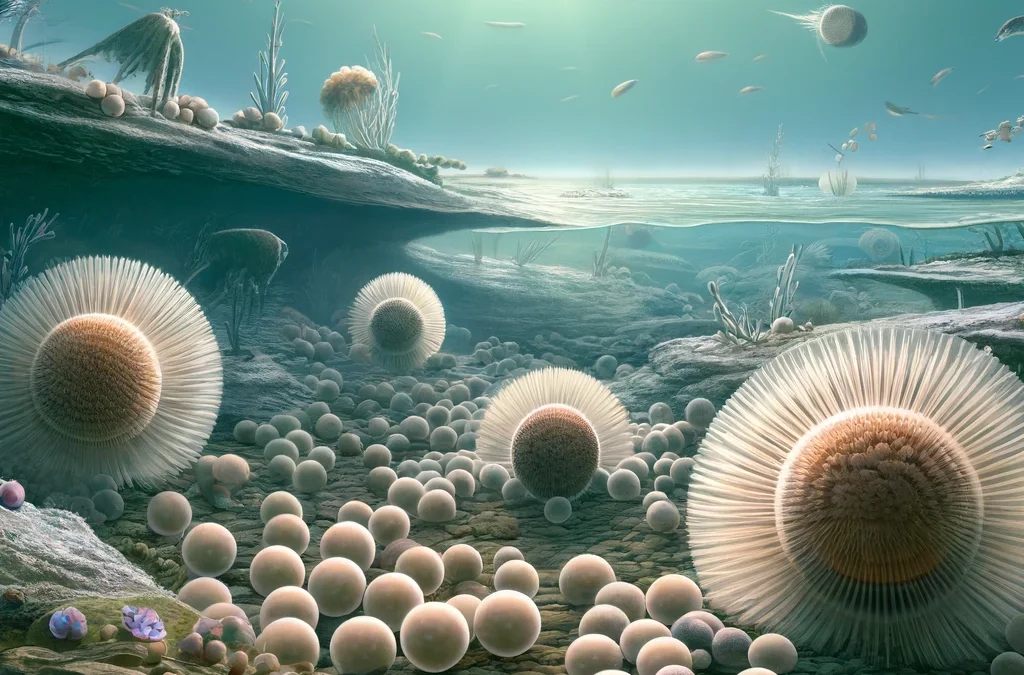
600 Mya
Animal Chemoreception: Proto-Taste and Smell Emerge
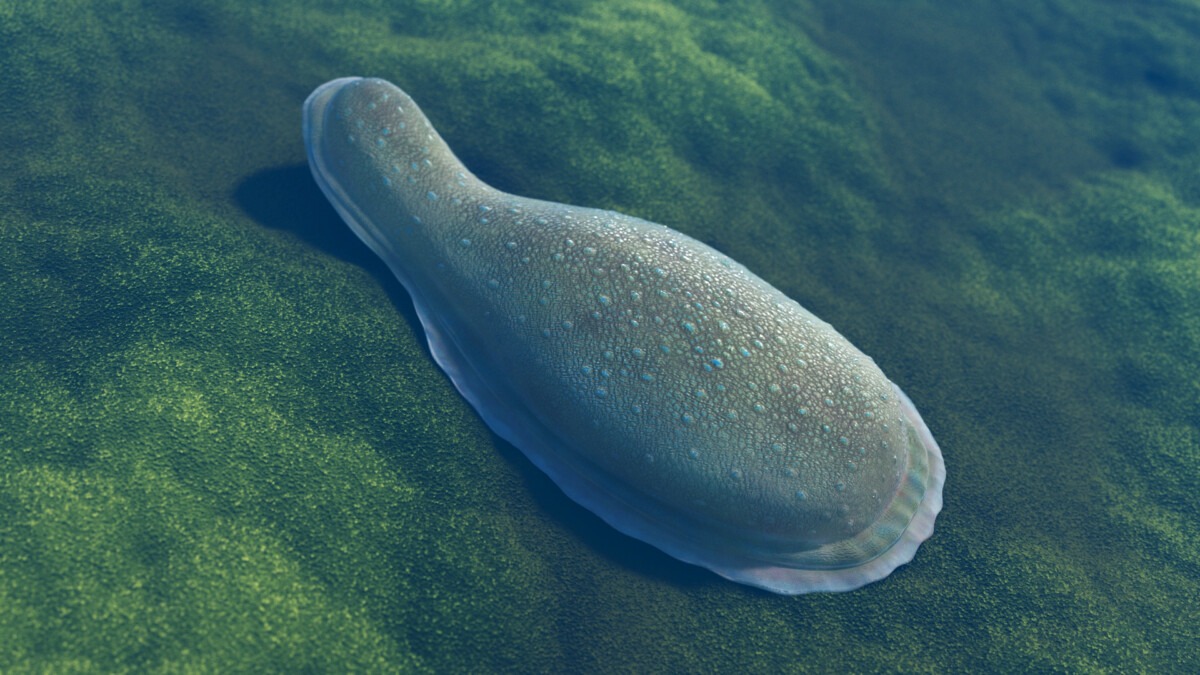
Chemoreception is older than animals. Found across bacteria, fungi, and plants, it later became the foundation for animal taste and smell as early nerve nets and proto-nervous systems gave rise to brains.
~600 Million years ago (+/- 20 million)
Sperm-like reproduction to spread seed to new soil.
First True Fungi: Chytrids (and living fossils)
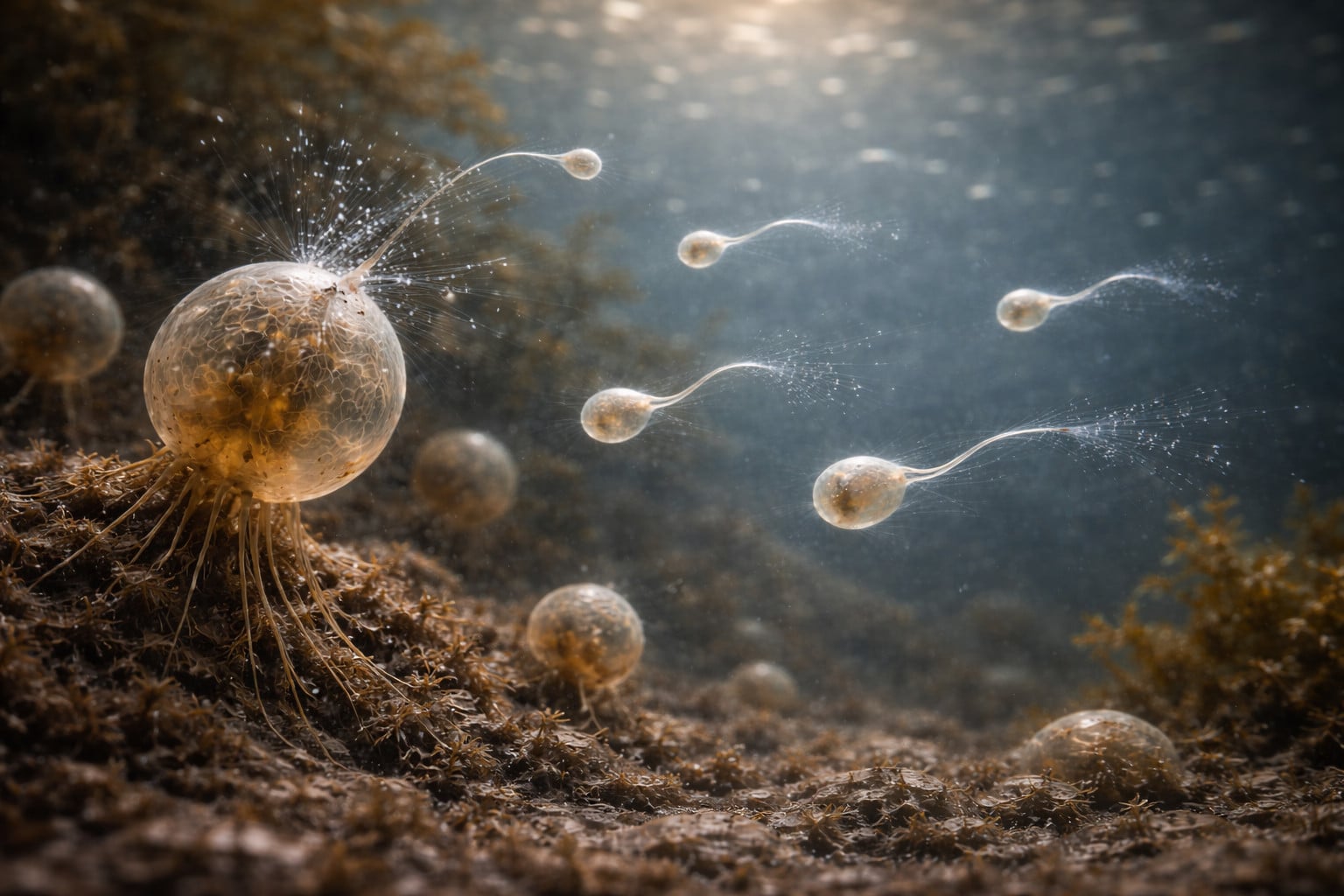
Chytrid-like fungi, reproducing with single posterior flagellated spores, are present in the fossil record by ~600 MYA.
590 Million Years Ago (± 10 million)
Agency and directional action with intent.
Bilaterian Split: The Origin of Agency
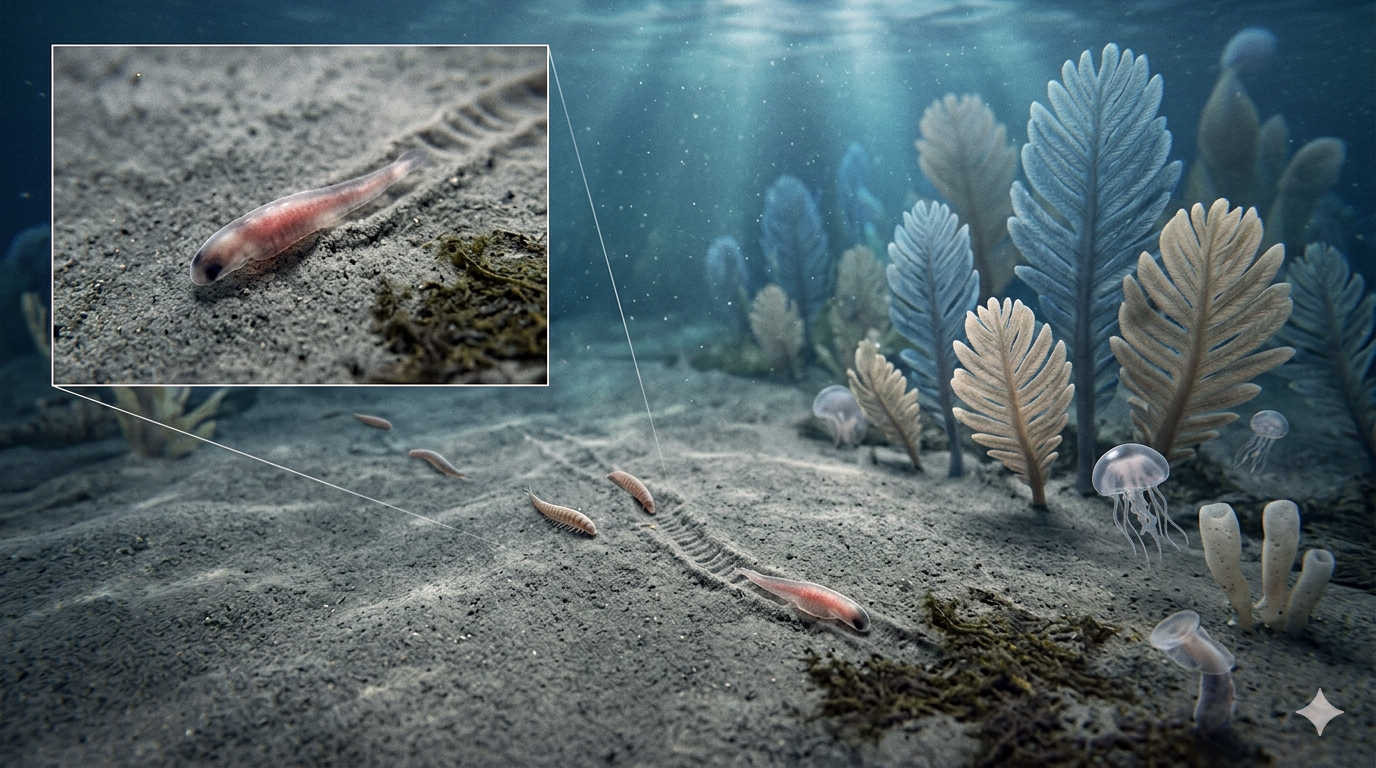
The bilaterian branch gave rise to today's arthropods, mollusks, fish, amphibians, reptiles, birds, and mammals. The significant idea is directionality. From a radial (circle) to a bilateral (line) symmetry, life transitioned from a passive "being" to an active "doing."
~590 Million years ago (+/- 30 million)
Mold Spores Emerge
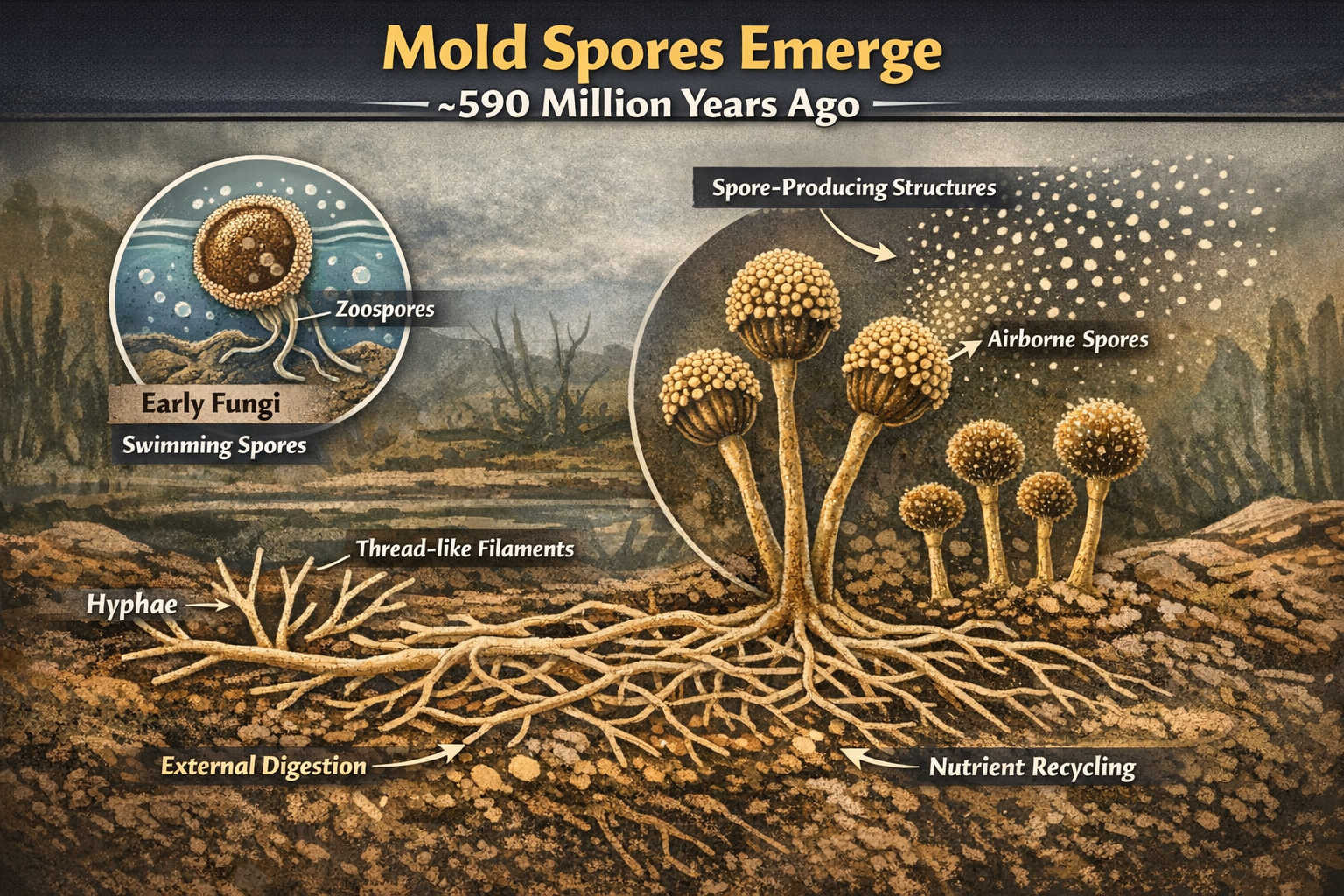
A mold spore is usually just one cell, but it carries the power to begin again. Released into the world, these tiny travelers helped fungi spread across early Earth and become some of nature’s great recyclers.
555 Million Years Ago (+/- 5 million)
Nerve nets and muscle cells
First True Animals – Comb Jellyfish

Jellyfish moving through water
~550 Million Years Ago (+/- 25 million)
Diffusion and body-cavity circulation
Internal Fluid Transport in Early Animals
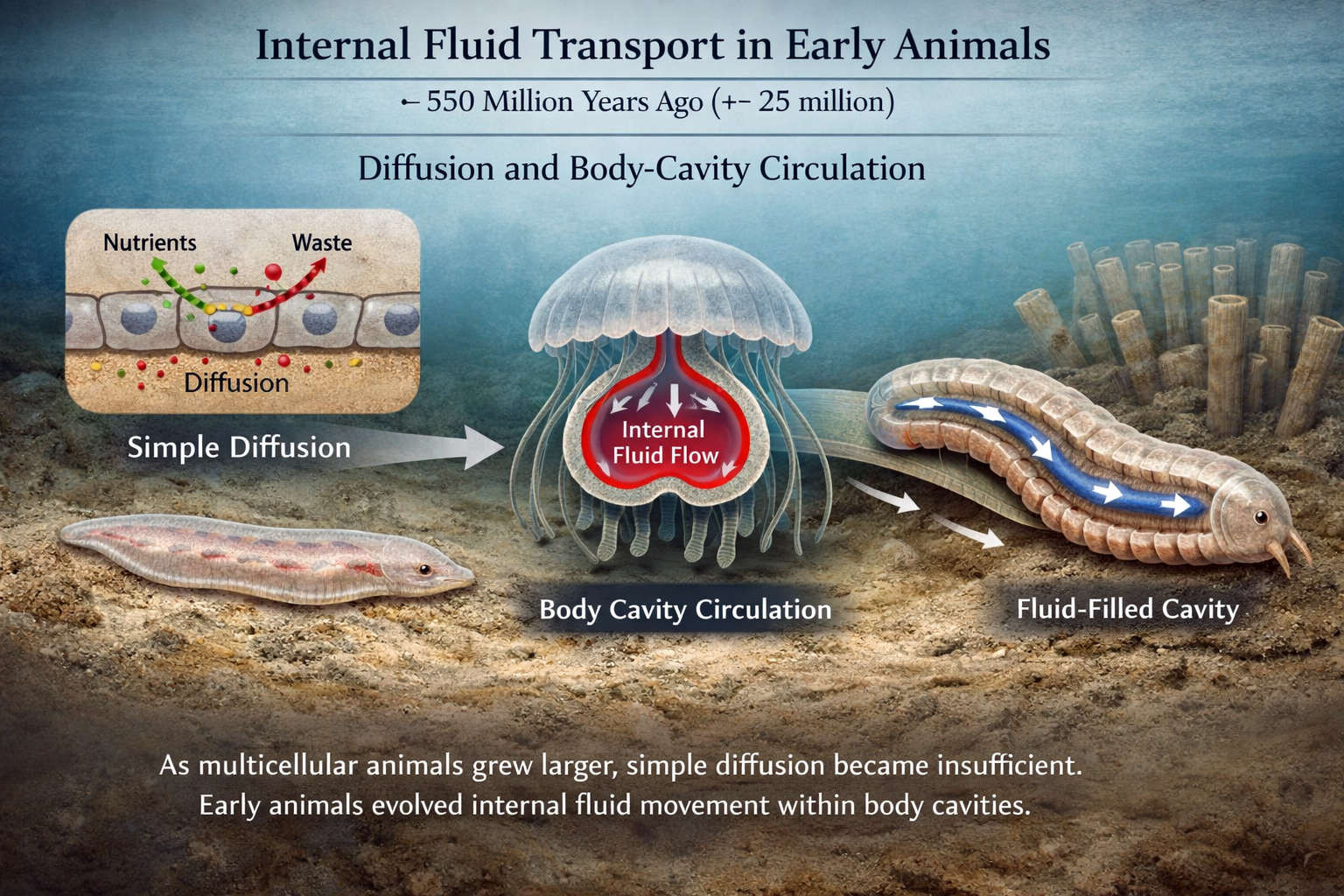
Before true circulatory systems evolved, early animals began moving fluids through internal body spaces, helping nutrients reach deeper tissues and waste move out.
545 Million Years Ago (after through-gut digestion: mouth/anus)
Circulatory fluid transport (veins)
True Circulatory Systems: Blood Veins

540 Mya
Vision Emerges; Proto-Simple Brains; Pre-vertebrate Cord.
Vision Emerges: The Pre-fish Chordates
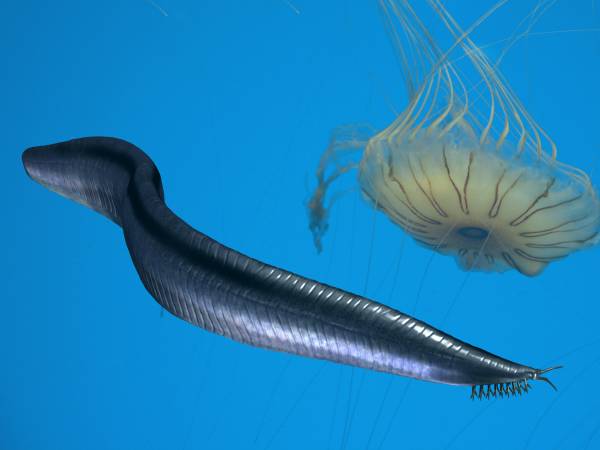
From 538.8 to 251.902 million years ago.
287 Million years: From burrowing to extinction.
Paleozoic Era: The Age of Synapsids
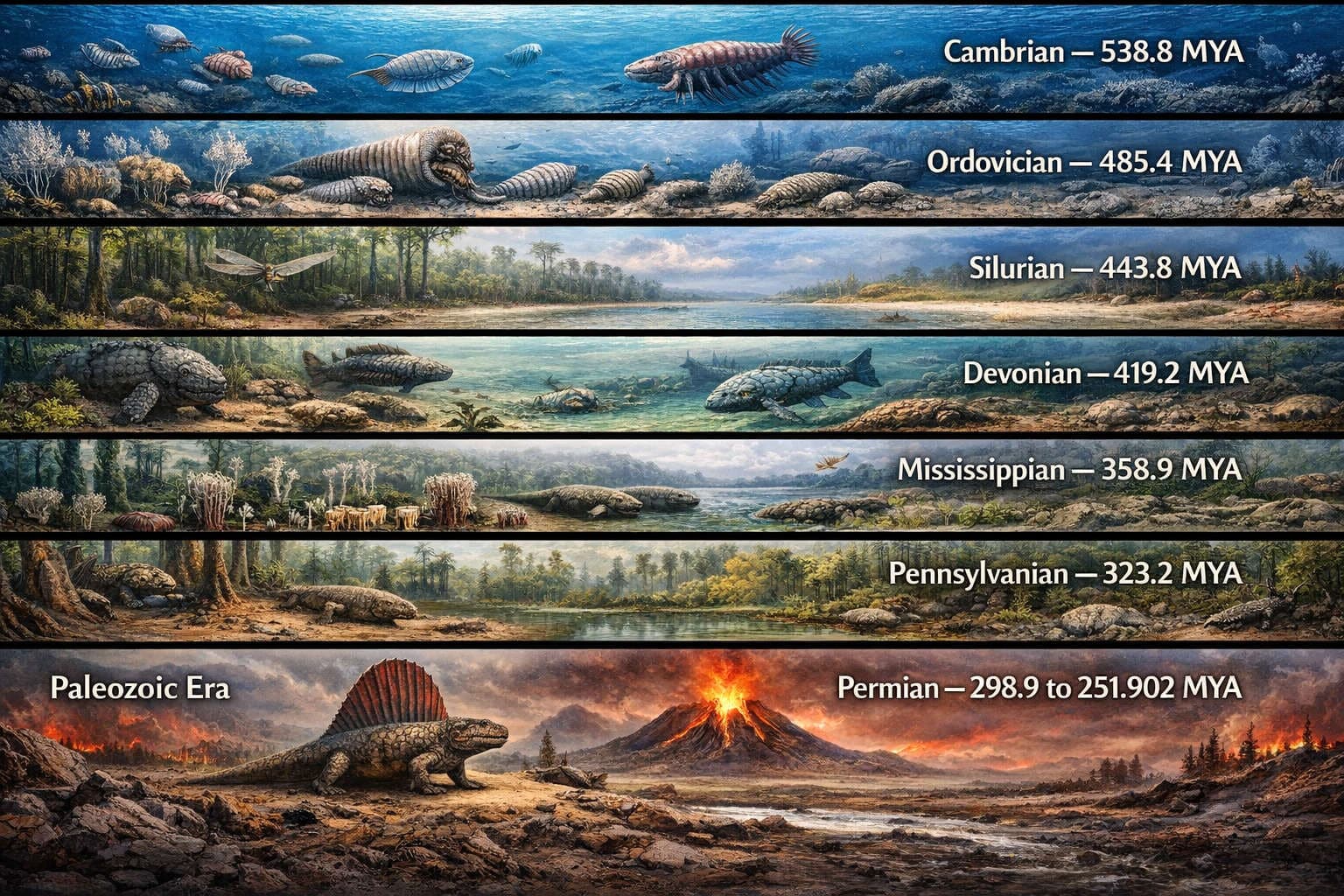
The Paleozoic era is marked by the rise of complex animal life 538.8 million years ago. It ends with the end-Permian mass extinction 252 million years ago. A volcanic cascade global warming event.
530 Million BCE
530 to 520 Million Years Ago
First Vertebrates
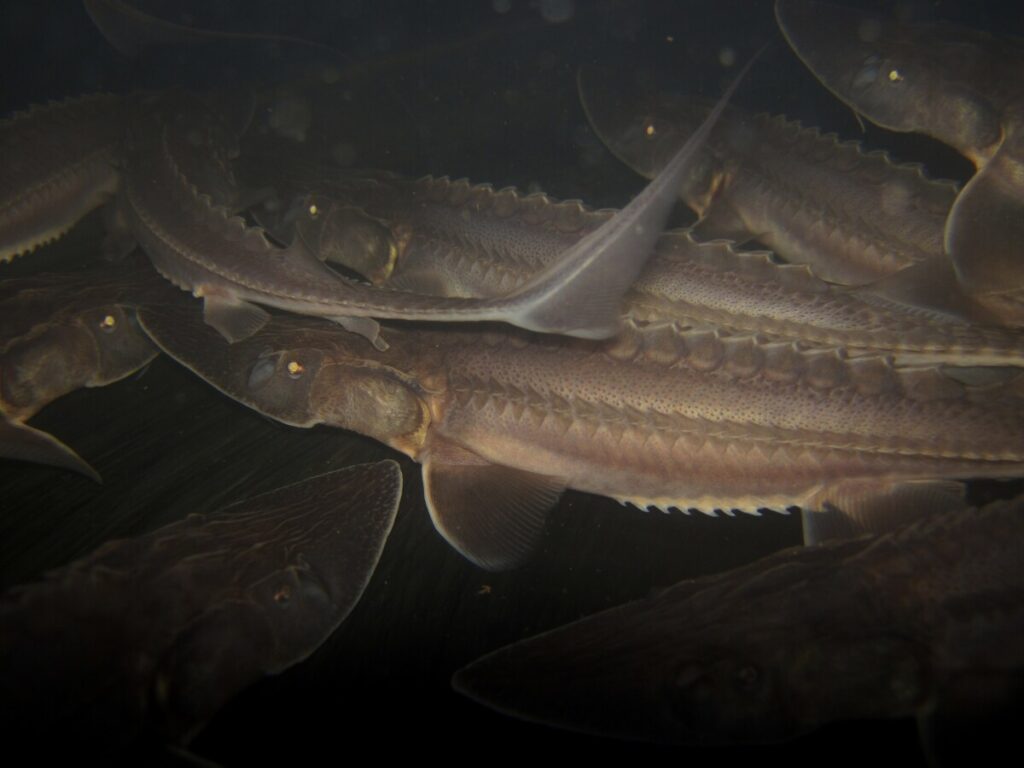
520 Million Years Ago
First Simple Brains; Proto-Short-Term Memory; Simple Sentience.
Earliest Known Hunter
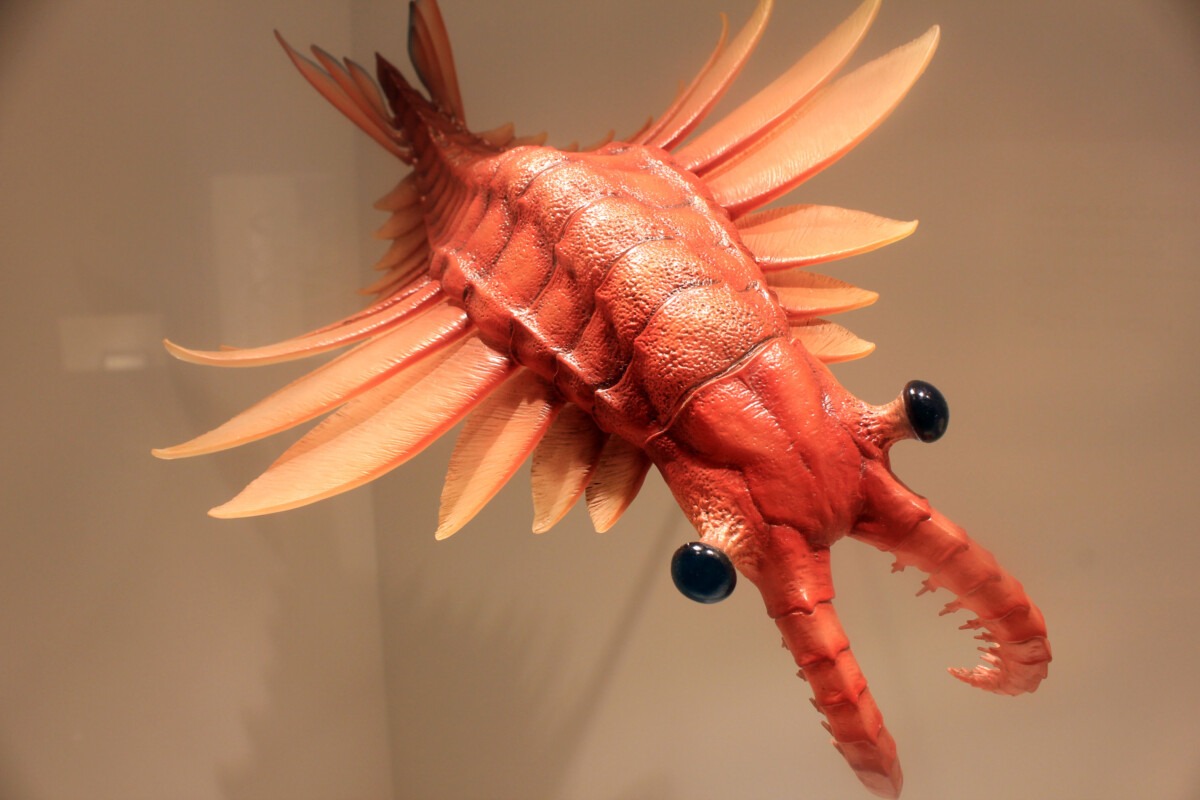
520 Million BCE
Simple Brains; Proto-Short-Term Memory; Simple Sentience.
Simple Sentience Settles: Haikouichthys
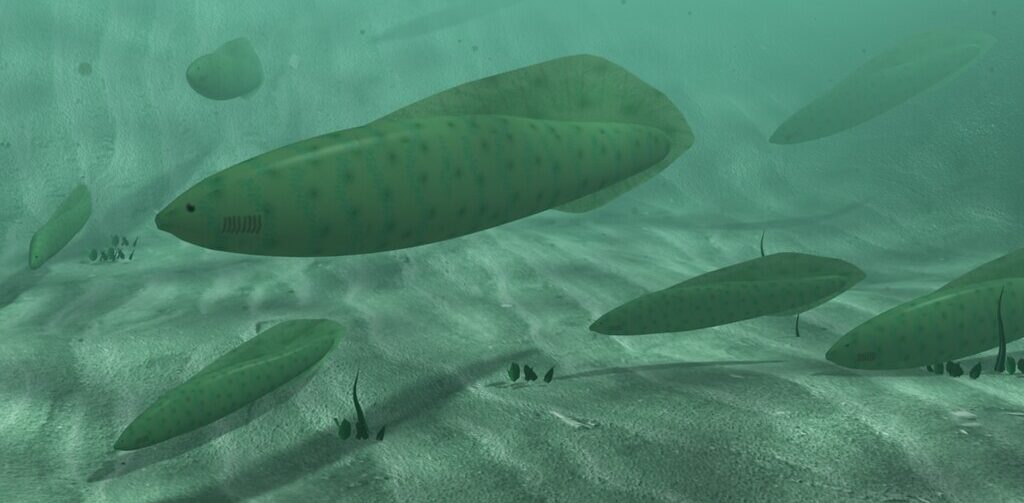
510 Million BCE
Not a fish ancestor, not our ancestor.
Simple Cephalopod Sentience Evolves
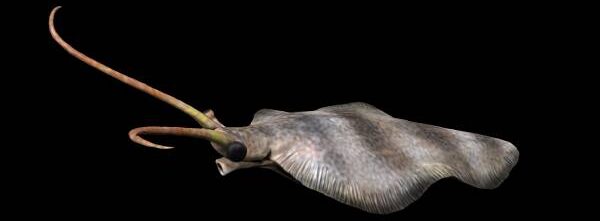
~480 MYA (+/- 20 million)
Filamentous growth (hyphae); terrestrial colonization
Hyphae break rock

The conquest of land wasn’t driven by size — it was driven by threads. By 480 million years ago, hyphae began breaking into rock to make land habitable.
470 Million Years Ago (+/- 10 million)
Early water transport
Embryophytes: First True Plants
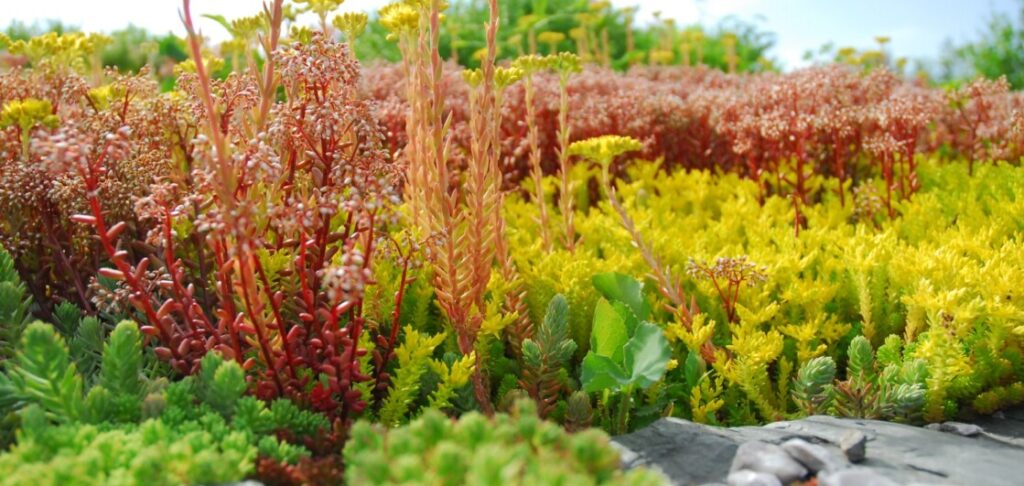
First land plants.
Lived from 470 to 445 million years ago.
Asaphid trilobite
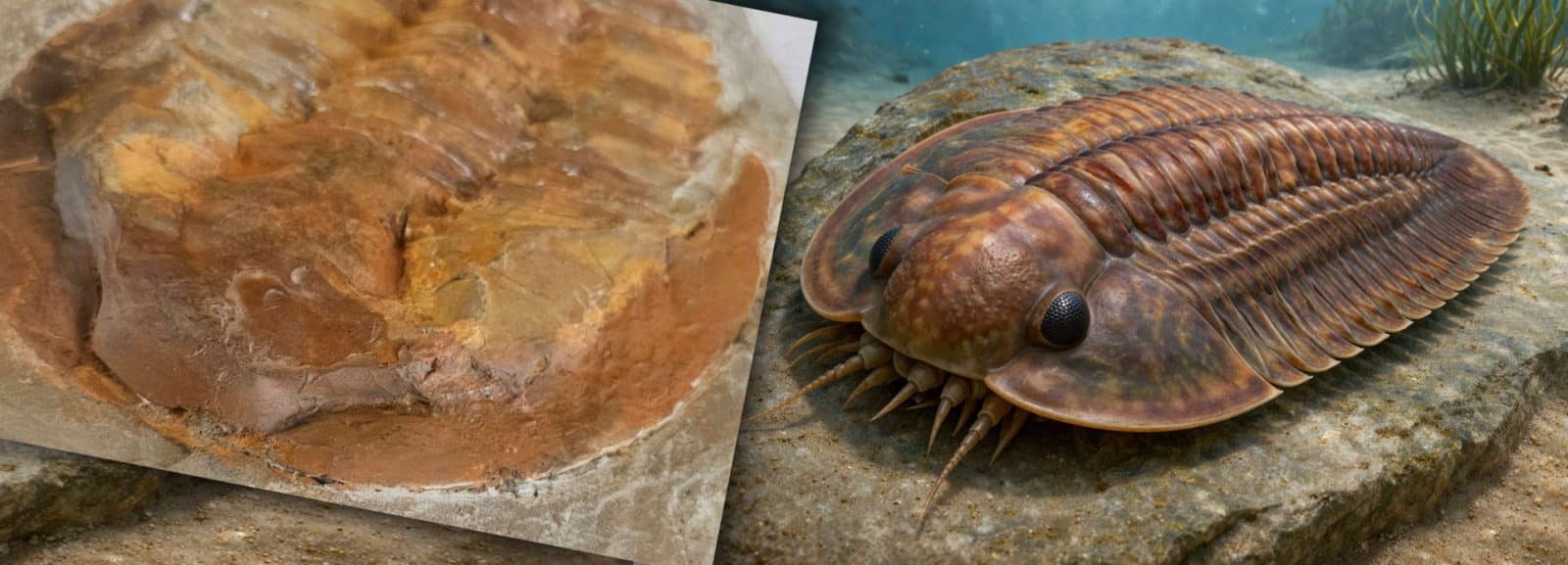
An Ordovician asaphid-like trilobite from an ancient shallow sea, broad-bodied and well armored, representing one of the many early arthropod forms that flourished long before life moved onto land.
~450 Million years ago (+/- 10 million)
Arbuscular mycorrhizae (Glomeromycota symbiosis)
Fungal Underground Alliance
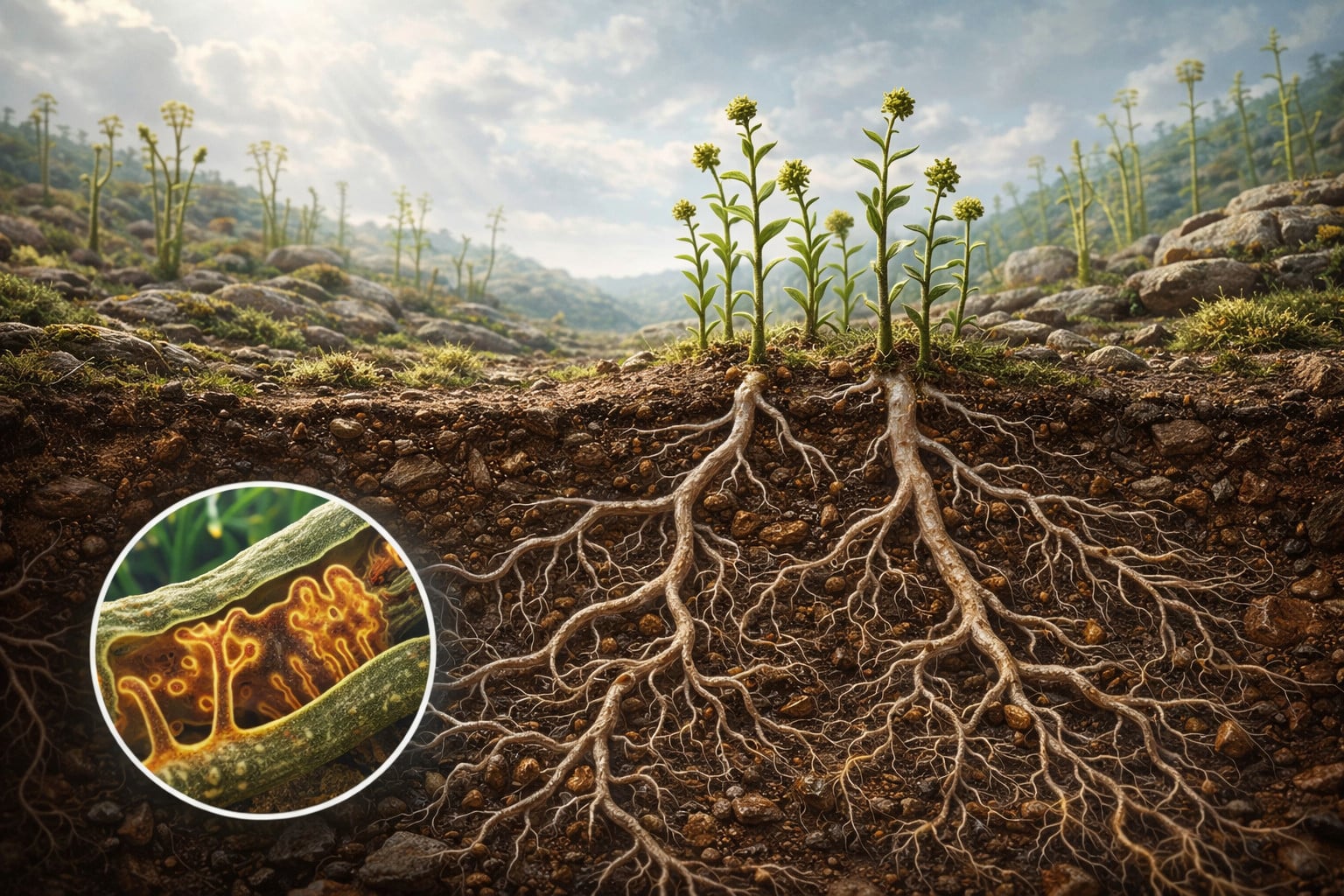
By 450 million years ago, fungi and plants started a rich dirt alliance. Forests grew because fungi fed them. Plants exchanged sugars for fungi phosphors and minerals.
~444 Million Years Ago
Cause: Global Cooling and Falling Seas
Ordovician–Silurian Extinction: Ice Strikes the Seas
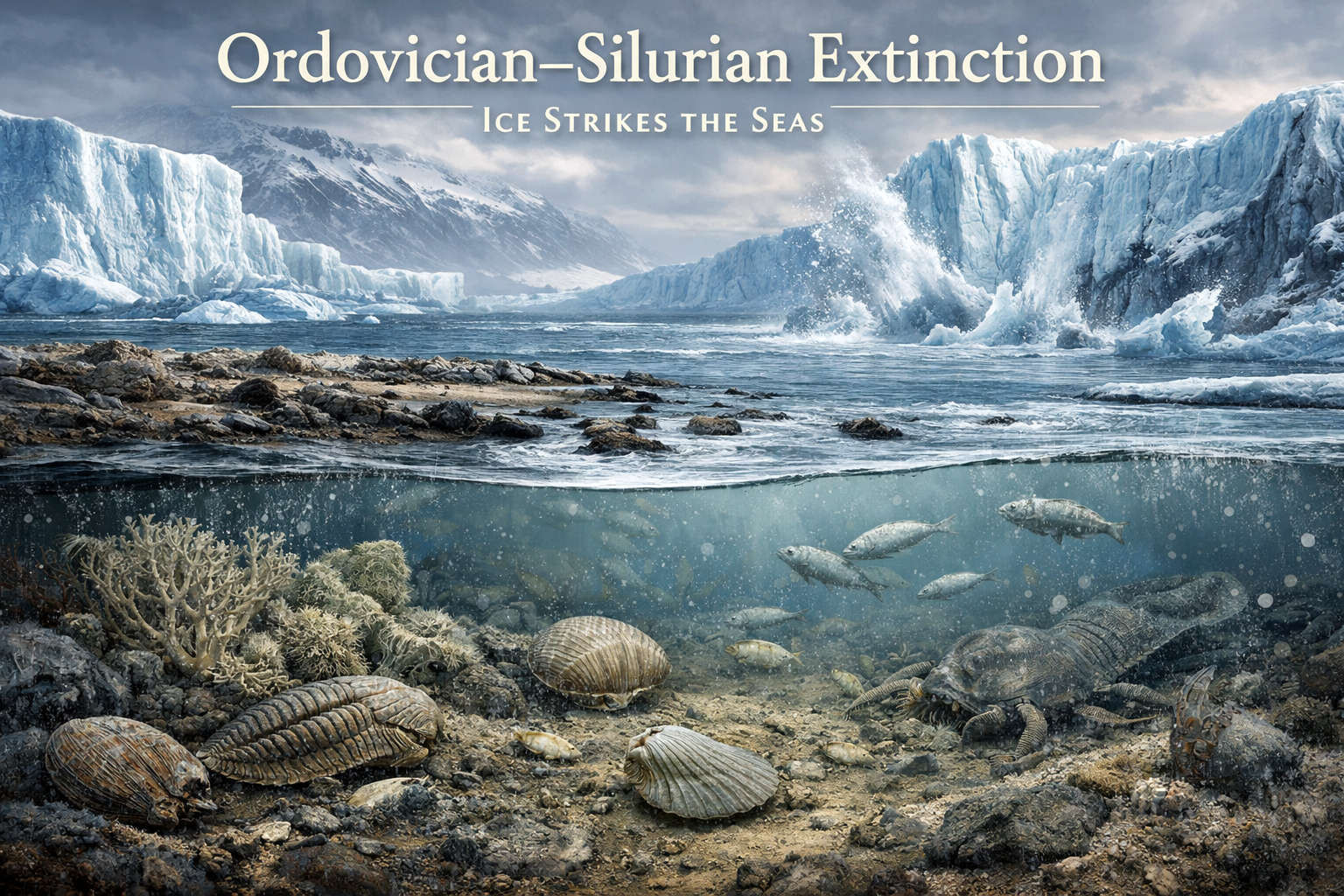
The Ordovician–Silurian extinction shows how climate change can reshape evolution by collapsing old ecosystems and opening space for new life.
439 Million years ago (+/- 1 million)
First Animal Teeth
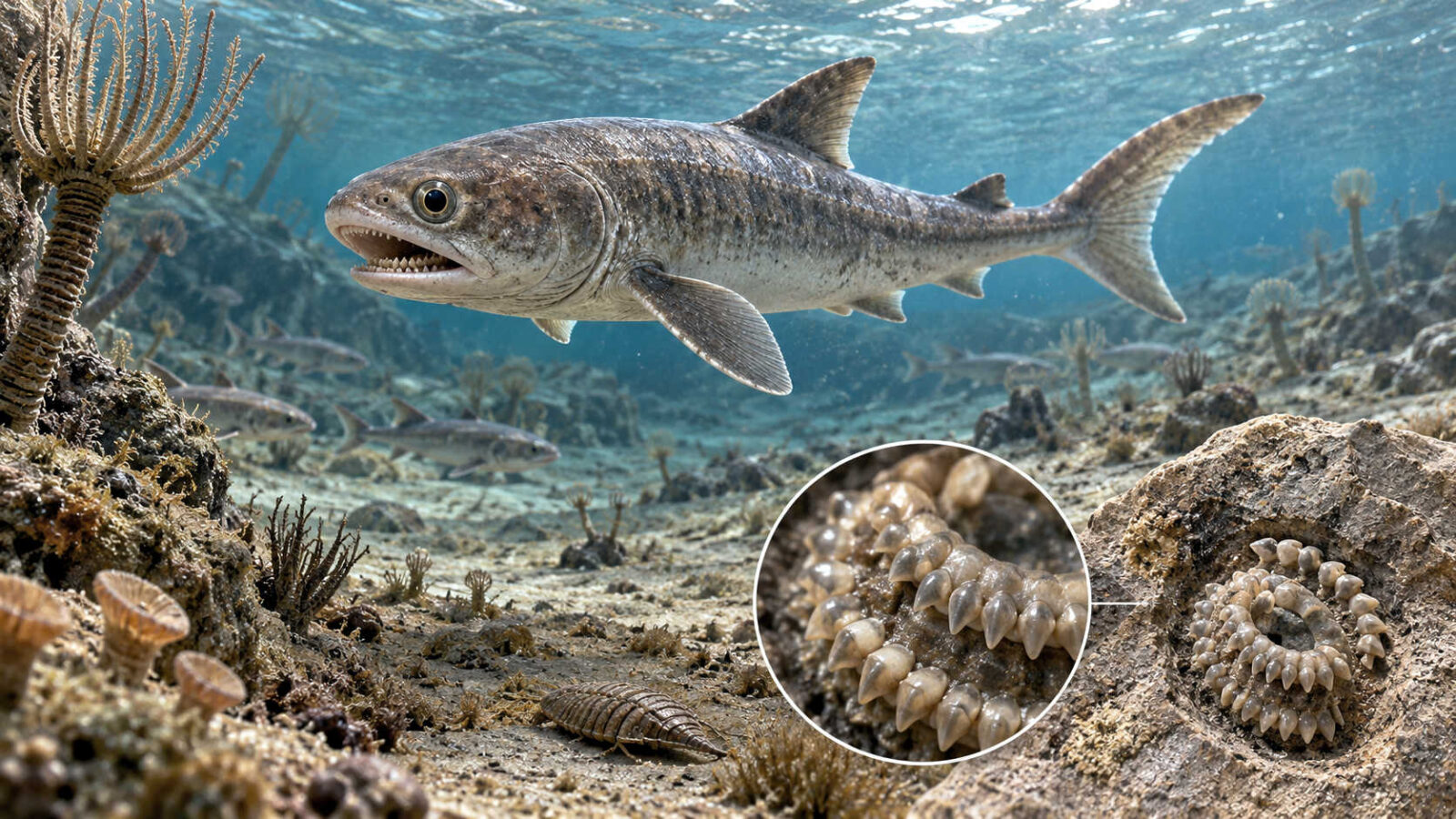
Teeth first evolved in a common fish ancestor to reptiles, dinosaurs, and mammals. The earliest direct evidence we currently have for true teeth comes from a tiny jawed fish called Qianodus duplicis, which lived about 439 million years ago during the Silurian Period. We don’t have a nice complete fish fossil smiling back at us. What we have are tiny fossilized tooth whorls from China, with rows of teeth added as the animal grew. These structures show features recognizable in later jawed vertebrates, making Qianodus our current oldest solid evidence for a toothed animal.
~425 Million years ago (+/- 25 million)
Ascomycota and Basidiomycota Split
Fungal Great Split: Ascomycota & Basidiomycota
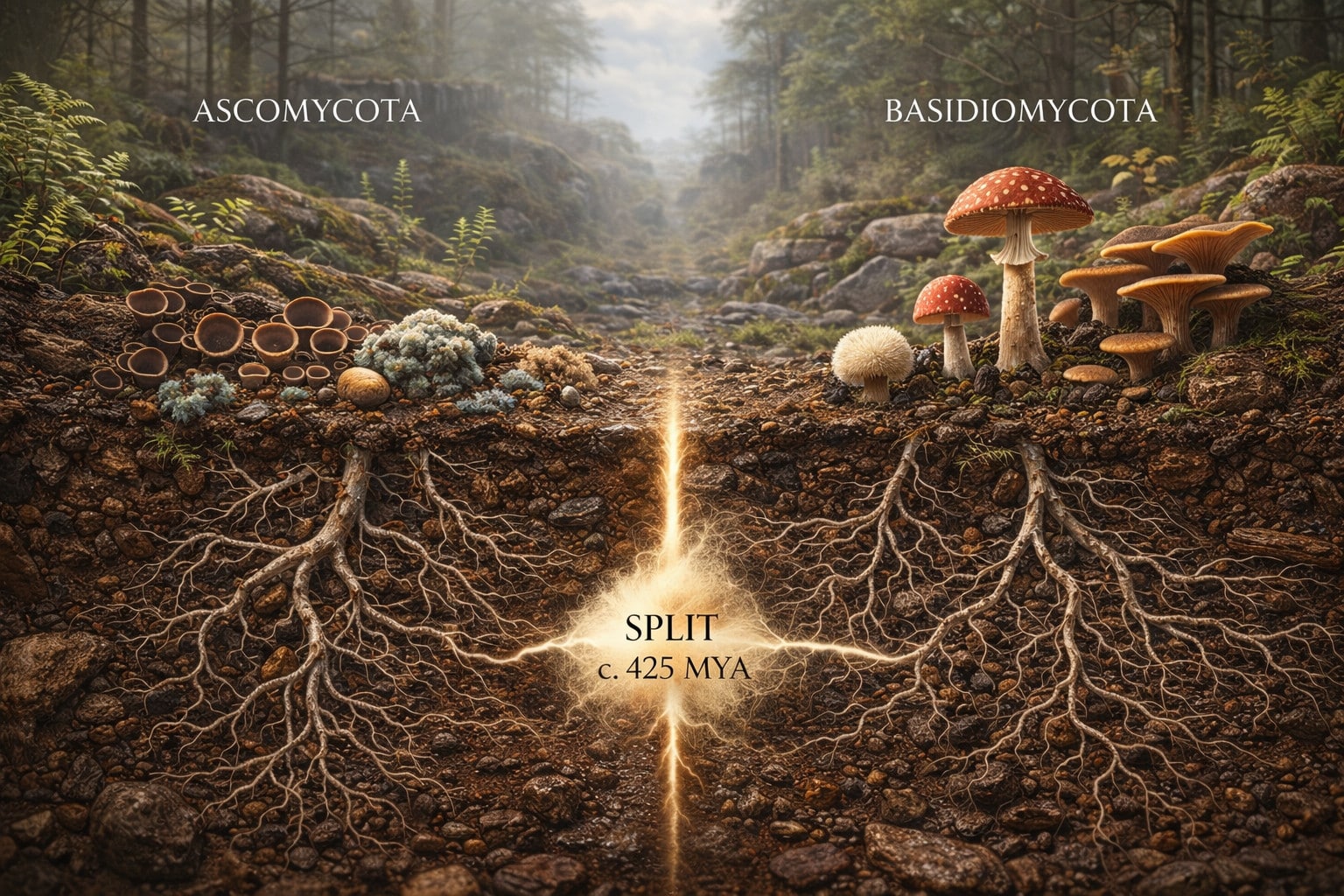
By 425 million years ago, fungi split into ascomycota and basidiomycota. Ascomycota gave rise to yeasts, truffles, and many molds. Basidiomycota gave rise mushrooms, puffballs, and bracket fungi.
425 Million Years Ago
425 MYA (+/- 15 Million Years)
Keratin Genes & the Rise of Scales in Fish
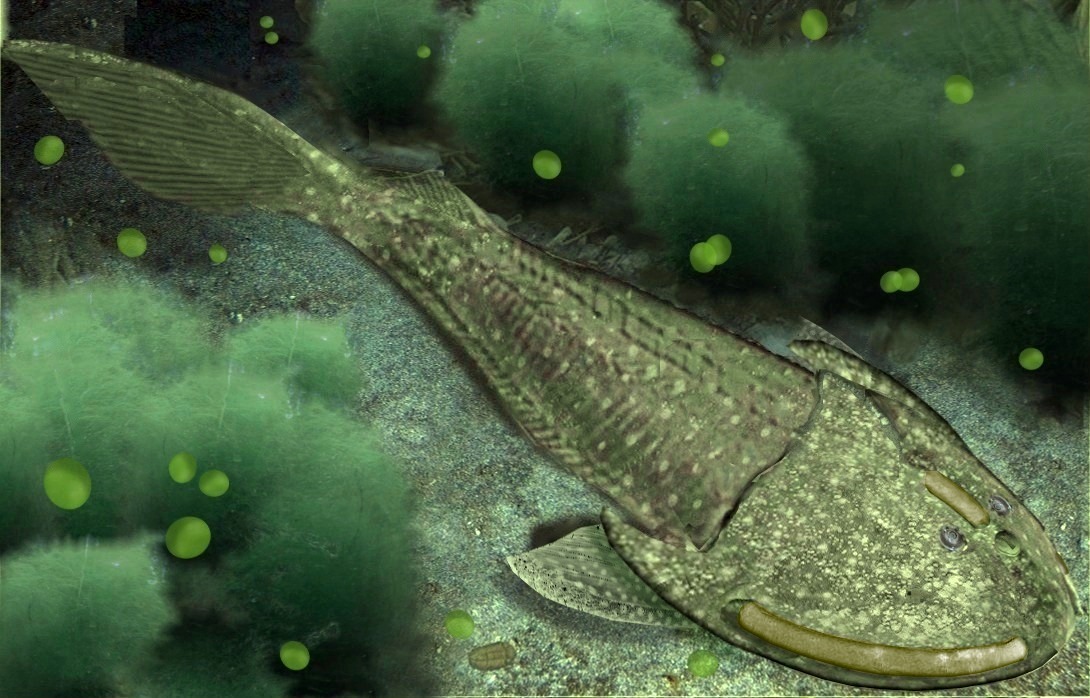
~420 MYA (+/- 20 million)
Large upright fungal structures (e.g., Prototaxites)
Fungal Giants of the Devonian
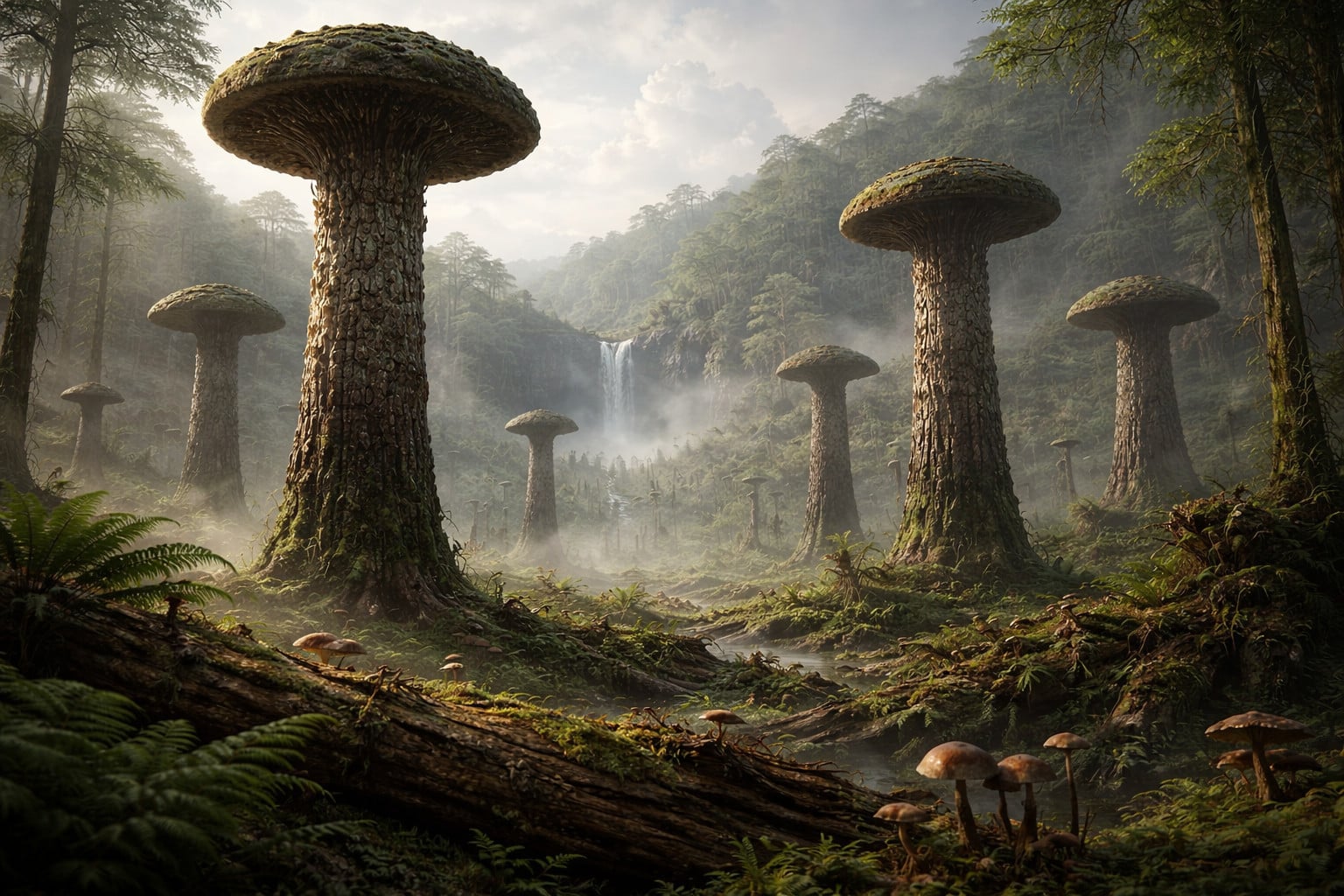
By 420 million years ago, the first giants on land were not plants — but fungi. Giant fungi as tall as 30 feet (9 meters) thrived during the Devonian
414 Million BCE
Oldest Known Air Breather
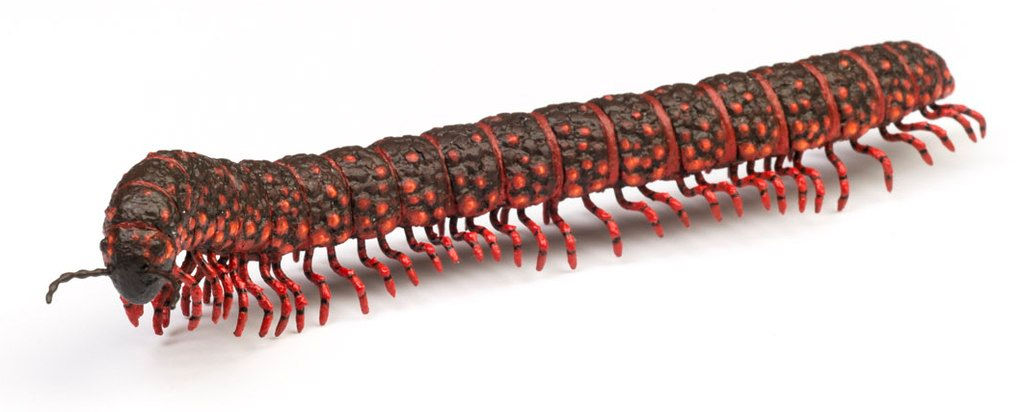
400 Million BCE
Lungs Evolve: Lobe-Finned Fish and the Lungfish Ancestor
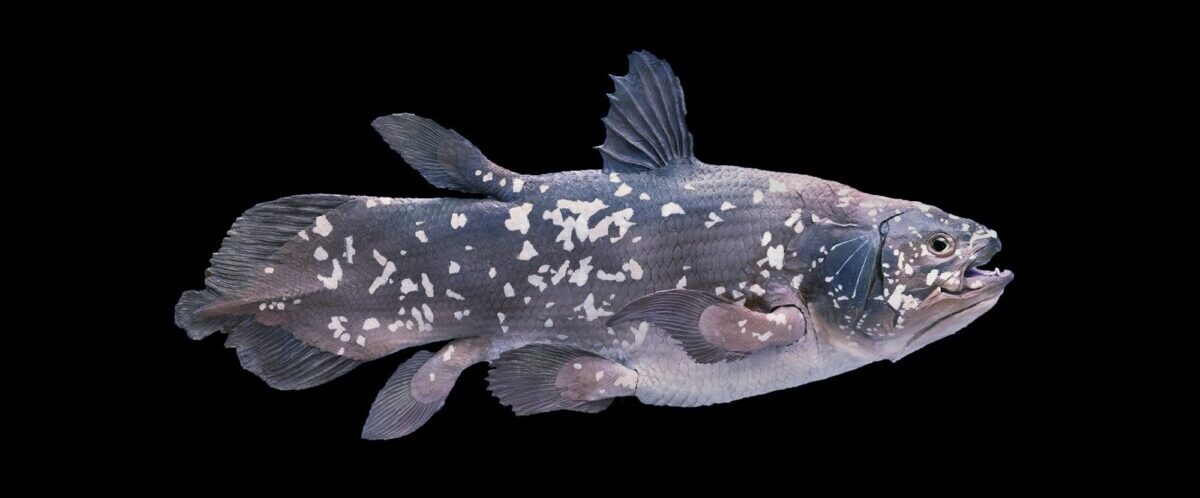
Living fossil fish, Coelacanth.
385 Million Years Ago (+/- 5 million years)
Secondary growth wood and deep roots
First True Trees: Spore Reproduction
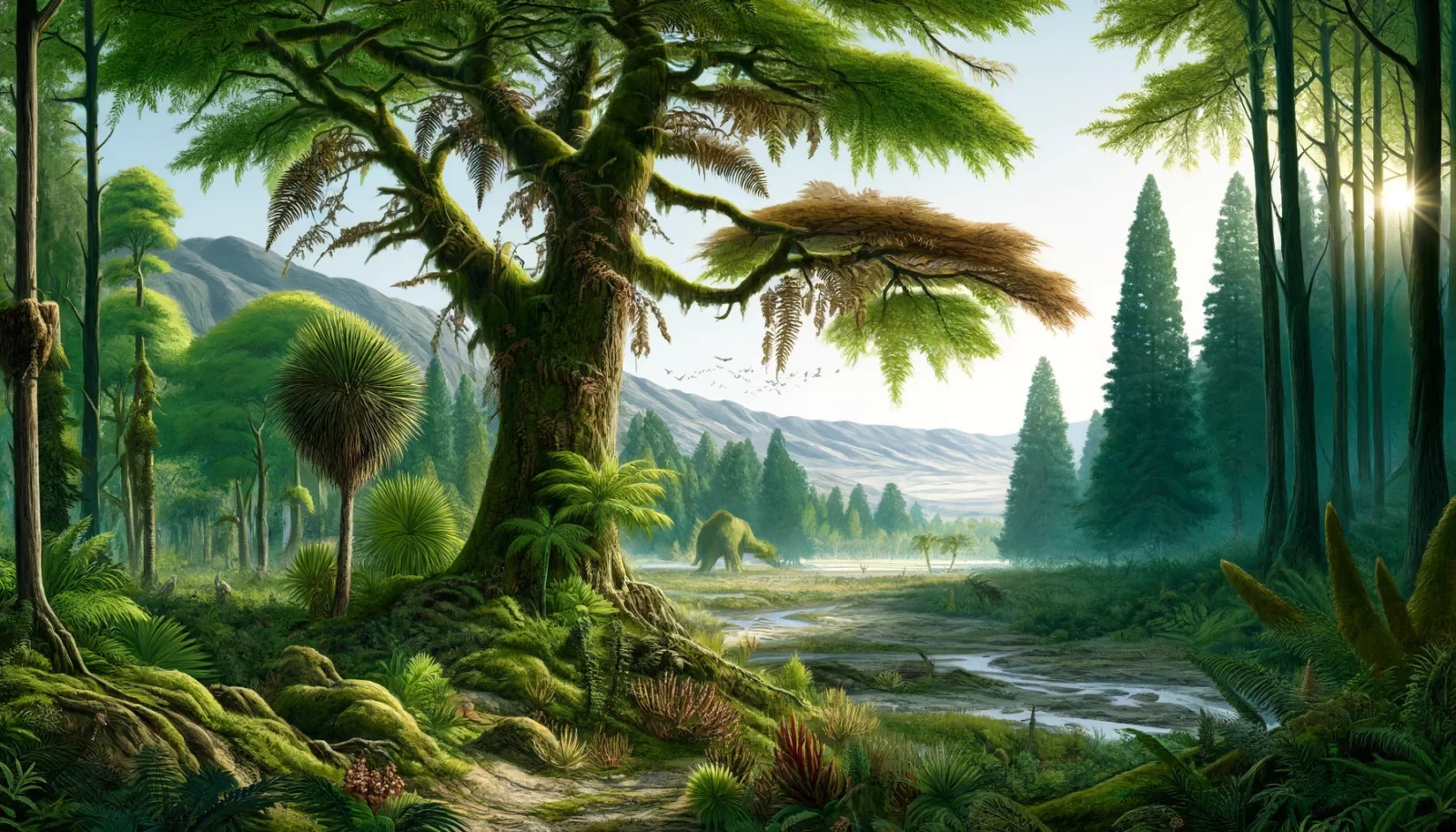
~380 million years ago (± 15 million)
Air breathing lungs and lobed pectoral fins
The Senegal Bichir: A Living Fossil
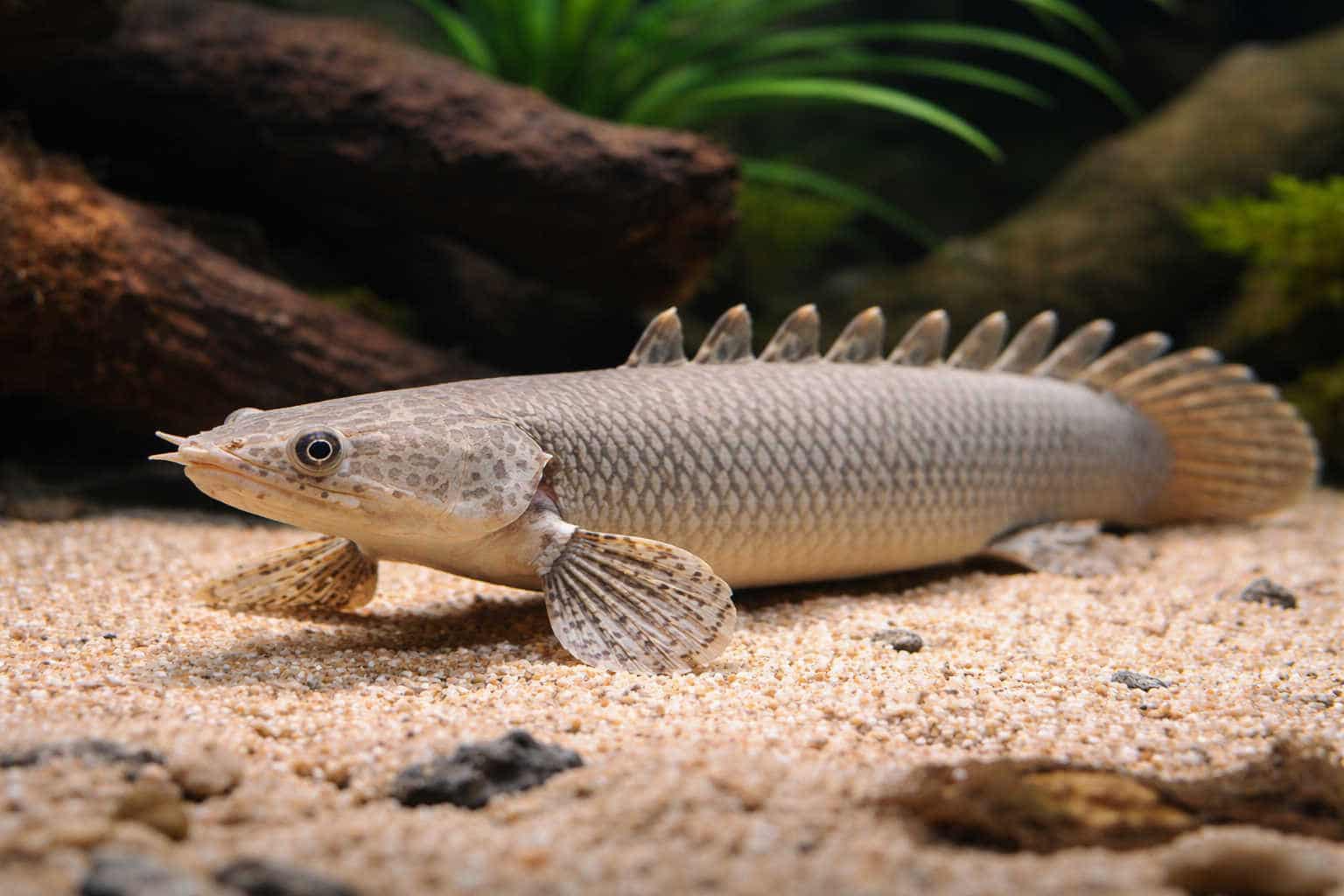
An early-diverging ray-finned fish whose lobed pectoral fins and paired lungs reflect an ancient branch of bony fish evolution.
375 Mya
Complex Brains; Long-Term Memory; Simple Sentience.
Long-Term Memory Evolves: Tiktaalik
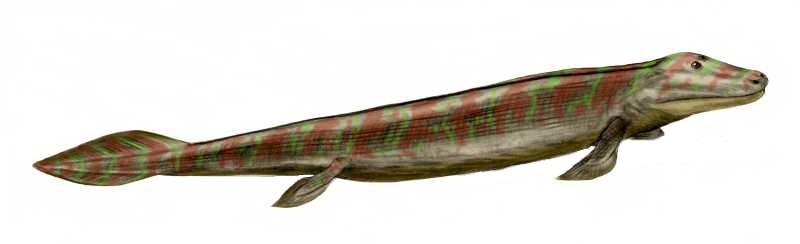
~372–359 Million Years Ago
Cause: Ocean Anoxia
Oceans Lose Their Breath
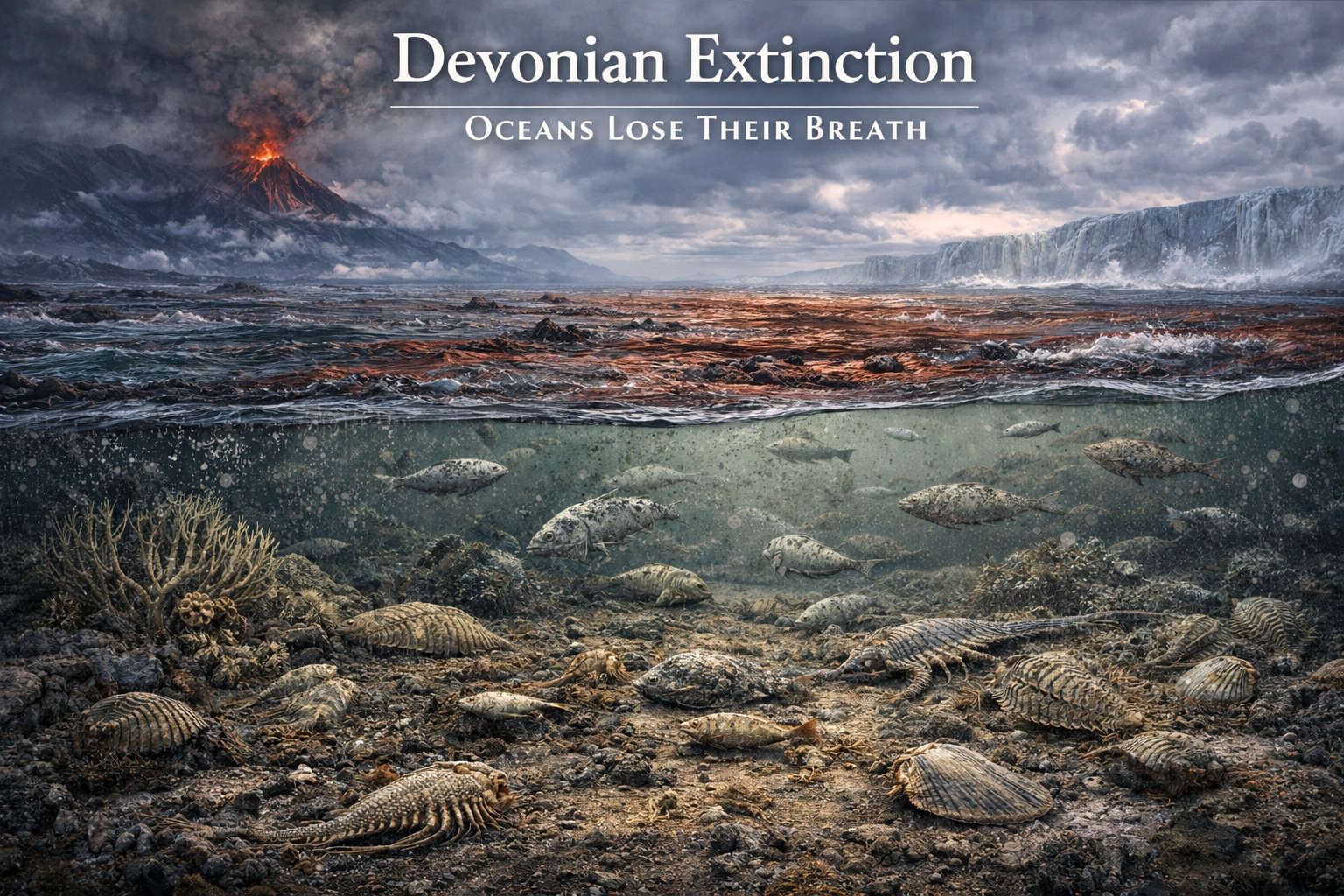
The Devonian extinction shows that evolution can be reshaped not by one sudden blow, but by a long collapse in ocean health.
370 Mya
Land Hearing Emerges; Yet Larger Brains.
Land Hearing Emerges: Amphibians
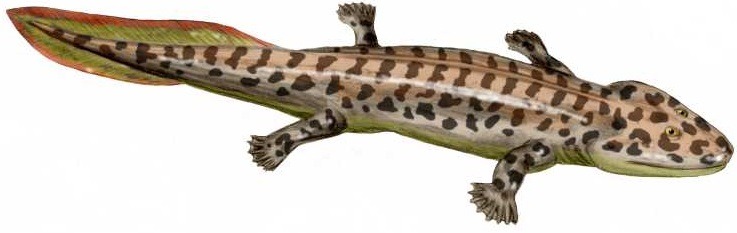
340 Million years ago (+/- 10 million)
Ancestor or reptiles, birds, and mammals.
Amniotes Emerge: Amniotic Eggs
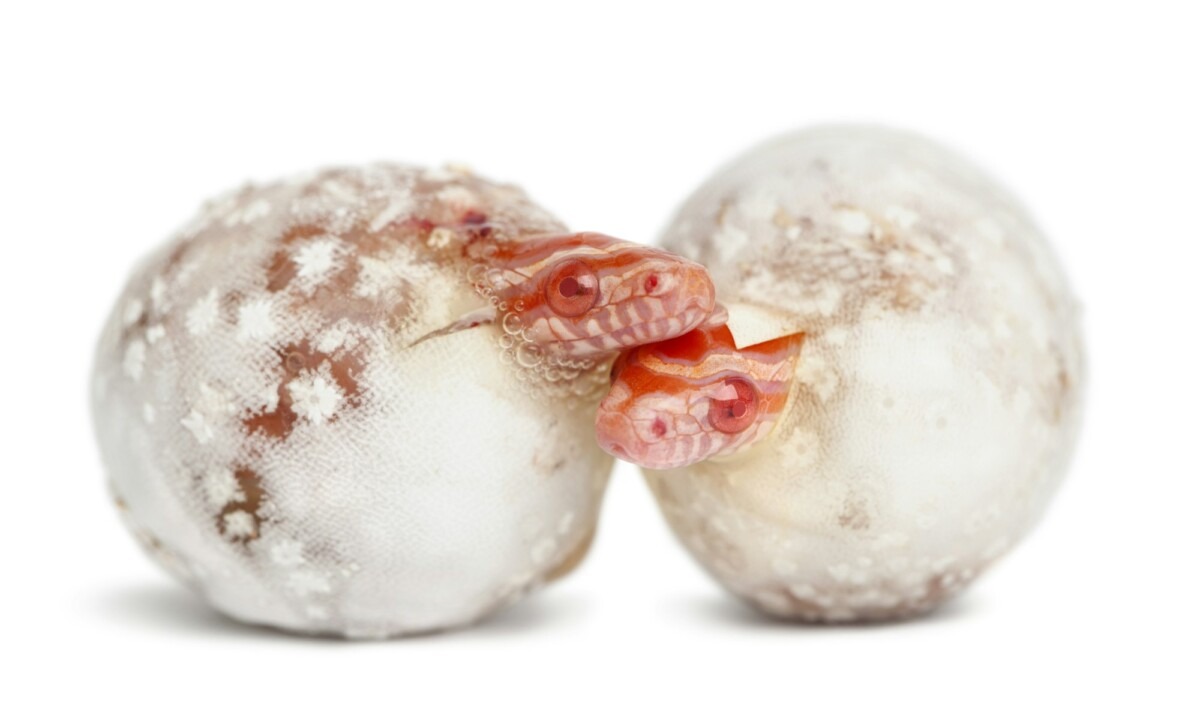
The amniotic egg evolved in the first amniotes, which evolved into today's reptiles, birds, and mammals.
~308 Million years ago
Single temporal opening behind the eye.
First Synapsids
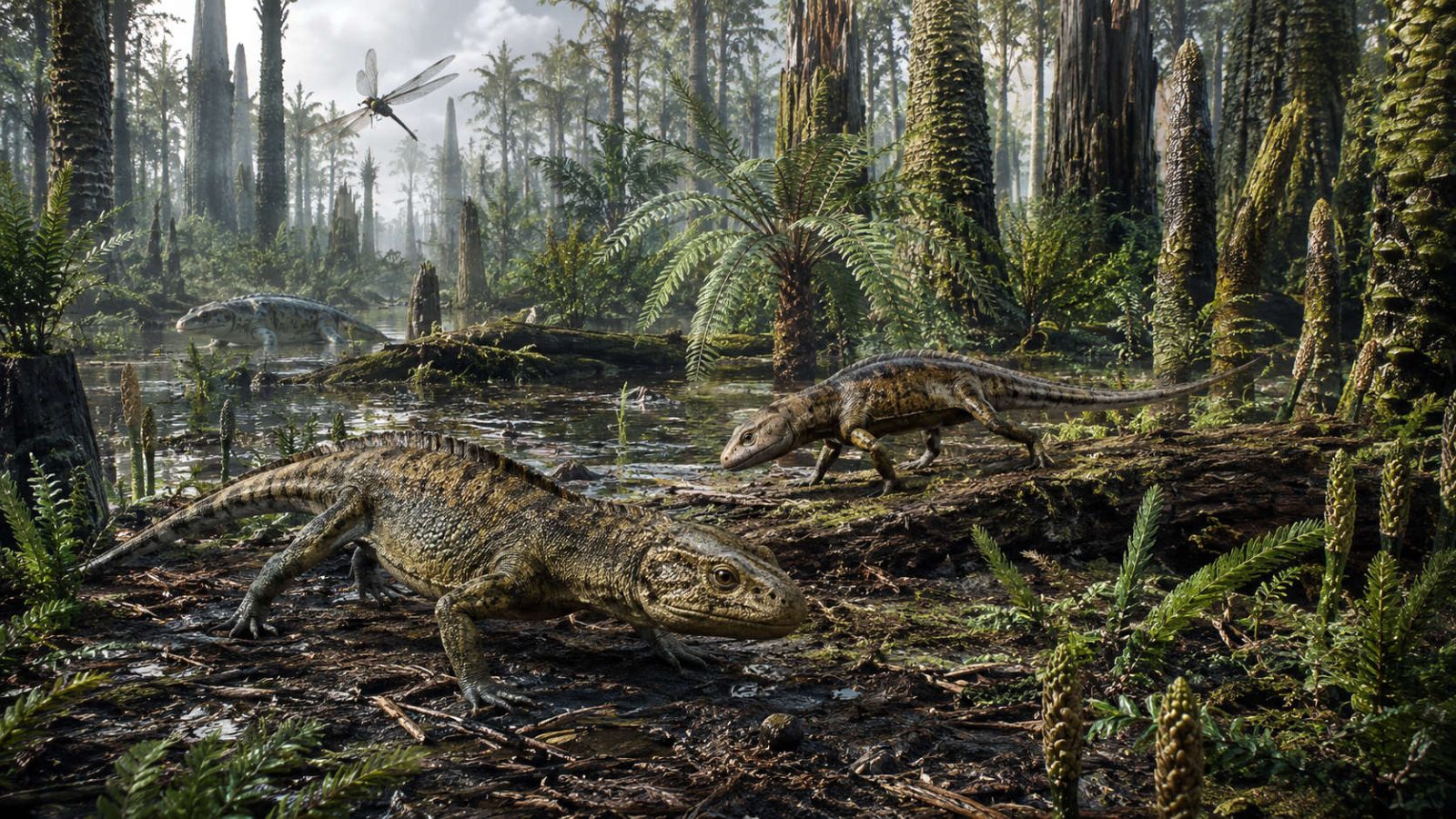
Before mammals, there were synapsids. Echinerpeton and Archaeothyris lived around 300 million years ago in humid Carboniferous coal forests. To the eye, they looked reptile-like, but their skulls carried the first clear sign of the mammal-side branch: one temporal opening behind each eye.
~308 million years ago (+/- 5 million)
Naked seeds in cones (gymnosperm reproduction)
Conifers branch off
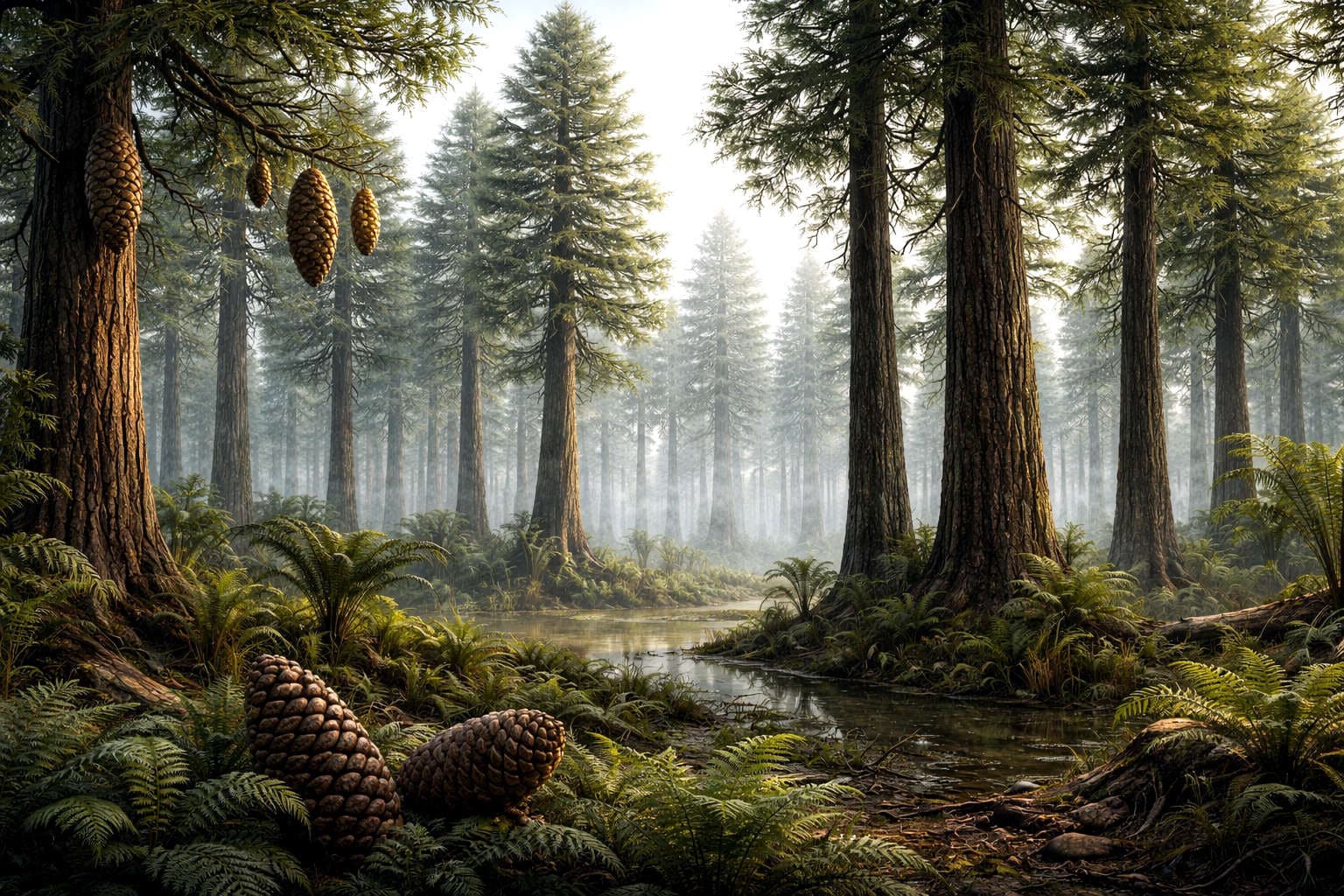
Early Conifers (Late Carboniferous, ~308 ± 5 mya). Woody gymnosperms with organized cones and drought adaptations.
307 million years ago
2026 Discovery Pushing Back Herbivores
First Land Herbivore: Tyrannoroter heberti
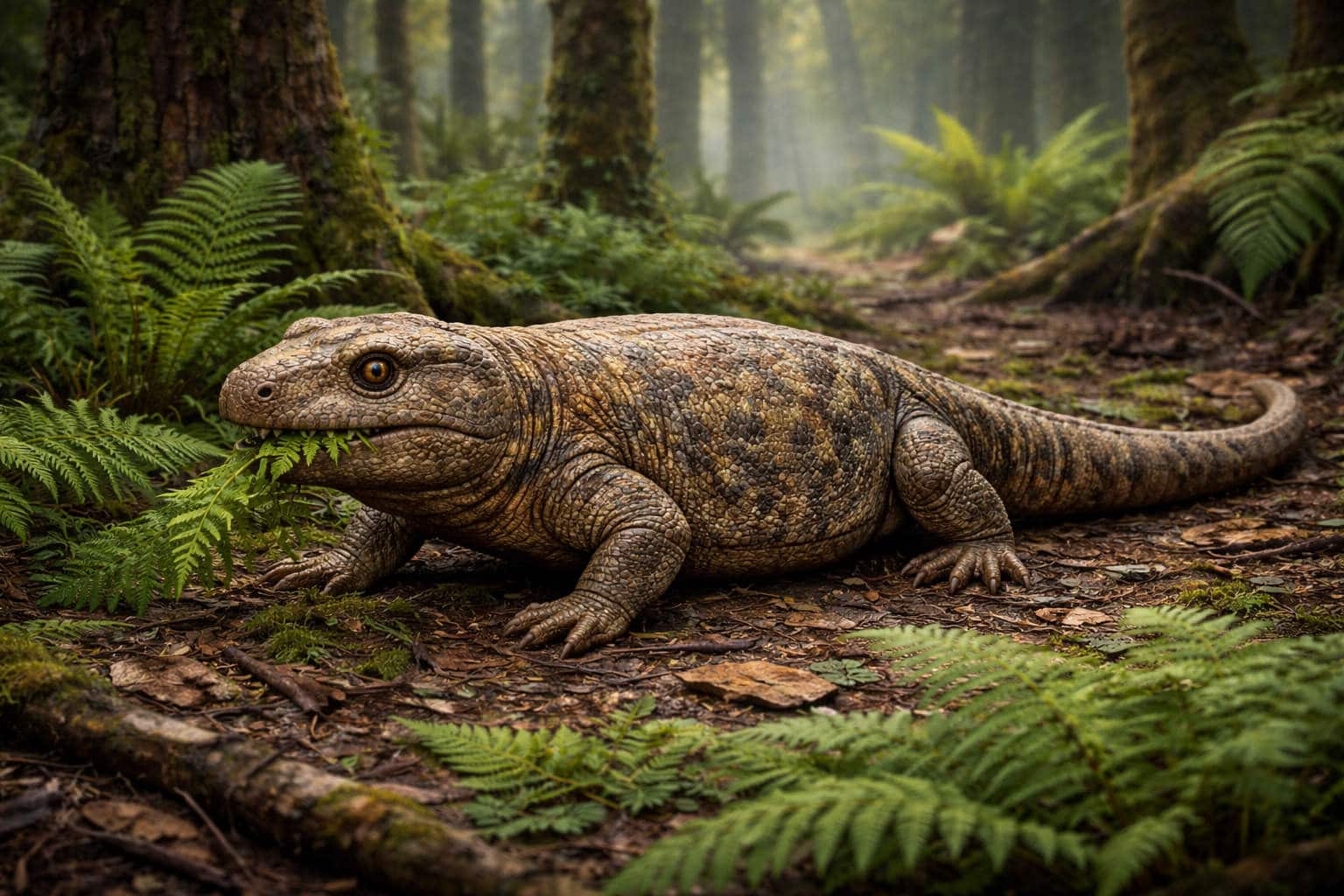
Tyrannoroter heberti (≈307 million years ago). One of the earliest known plant-experimenting tetrapods, Tyrannoroter heberti hints that land herbivory began not with giants, but with small, evolutionary pioneers over 300 million years ago.
300 million years ago
±20 million years
Proto-Play

Proto-play emerged in animals as brains got more complex about 300 million years ago. Something like enjoyment or satisfaction evolved as animals mimicked survival-like skills.
~300 million years ago (± 10 million years)
Stem Selachians: Modern Sharks LCA
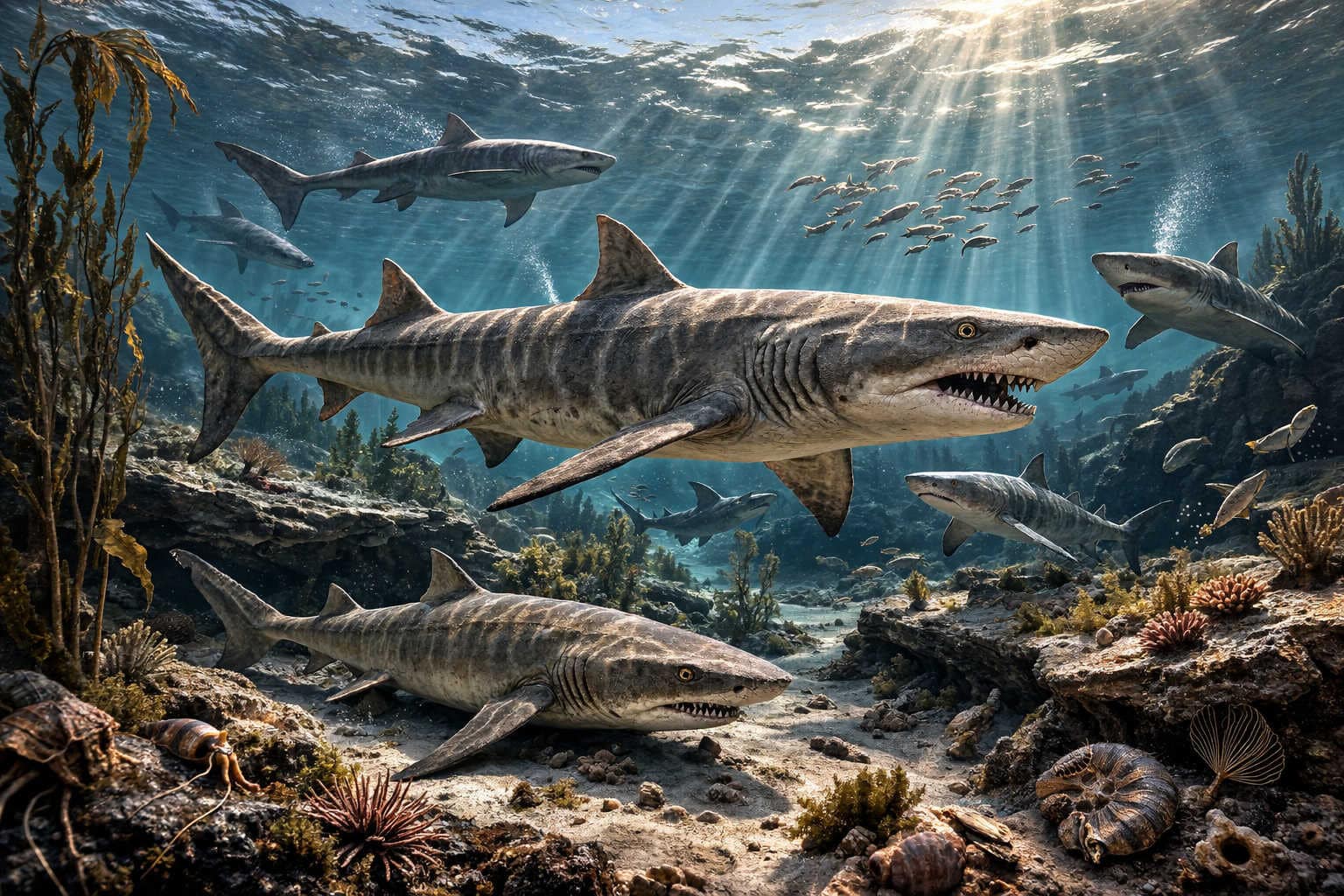
Note the torpedo-shaped body and sweeping tail — a hydrodynamic design that would define sharks for hundreds of millions of years: tapered head, dorsal fin, and powerful tail.
295 Million BCE
Complex Brains; Long-Term Memory; Early Complex Sentience.
Early Complex Sentience Emerges: Dimetrodon
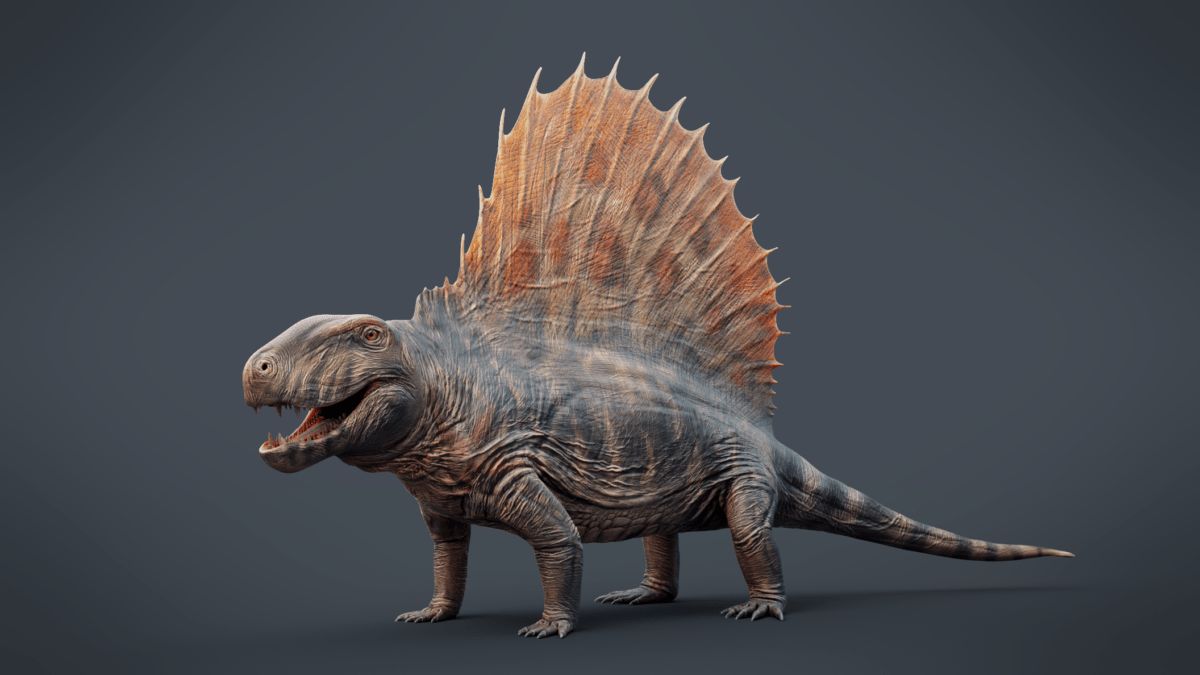
By about 280 million years ago, Dimetrodon was one of the best-known predators of the Early Permian. It stalked rivers and floodplains alongside caseid synapsids, large amphibians like Eryops, and a landscape of Calamites, Sigillaria, ferns, and early seed plants.
~272 Million years ago
A more upright posture.
First Therapsids
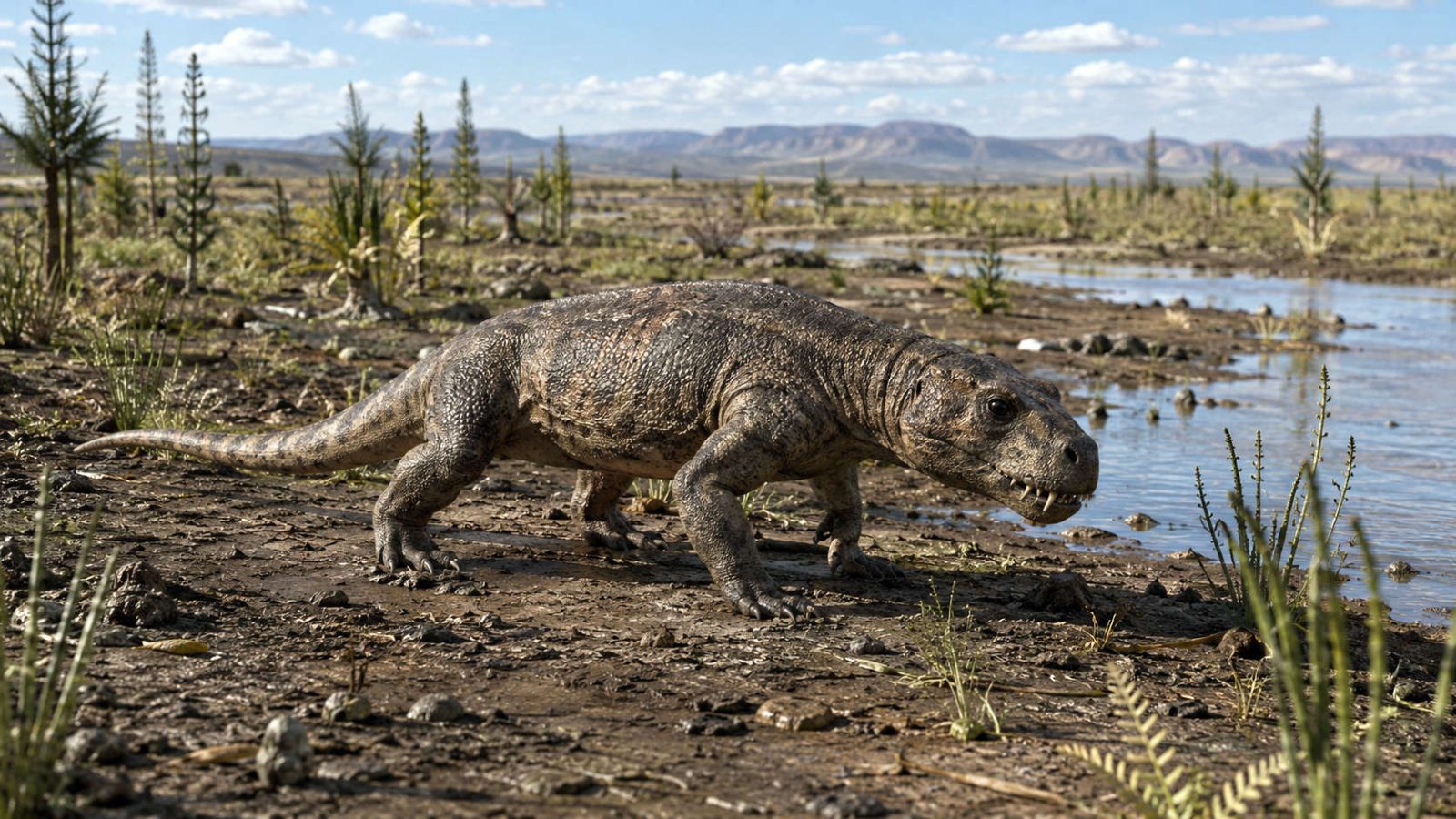
Around 272 million years ago, early therapsids such as Raranimus dashankouensis began shifting the mammal-side branch away from the older sprawling synapsid body plan. Its posture was still low and reptile-like, but the limbs were moving slightly farther under the body, while the skull and teeth show the first clear signs of a sharper, more active therapsid predator.
270 Million Years Ago (+/- 5 million years)
Efficient vascular networks inside leaves
Ginkgo biloba-like Trees: True Leaves

~270 million years ago (± 20 million years)
Increased light capture area
Ginkgo biloba — A Living Fossil in My Backyard

~262 Million years ago (+/- 2 million)
Not upright like Therapsids.
Last Non-Therapsid Synapsids
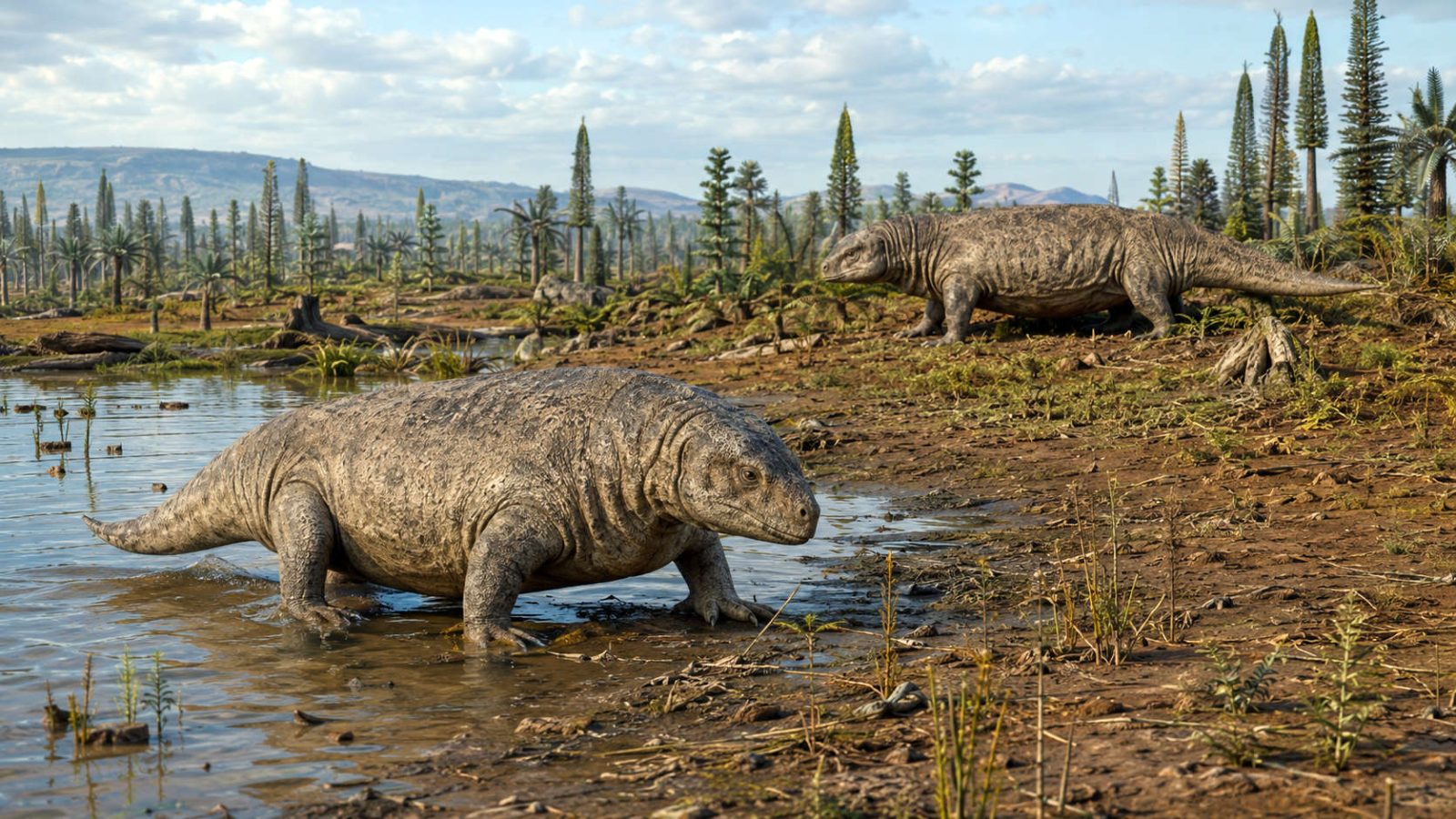
Around 265 million years ago, late caseid synapsids such as Lalieudorhynchus gandi and Ennatosaurus tecton still carried the older synapsid body plan: bulky bodies, small heads, sprawling limbs, and herbivorous jaws.
~260 Million years ago
Mammal-like jaw and breathing.
First Cynodonts
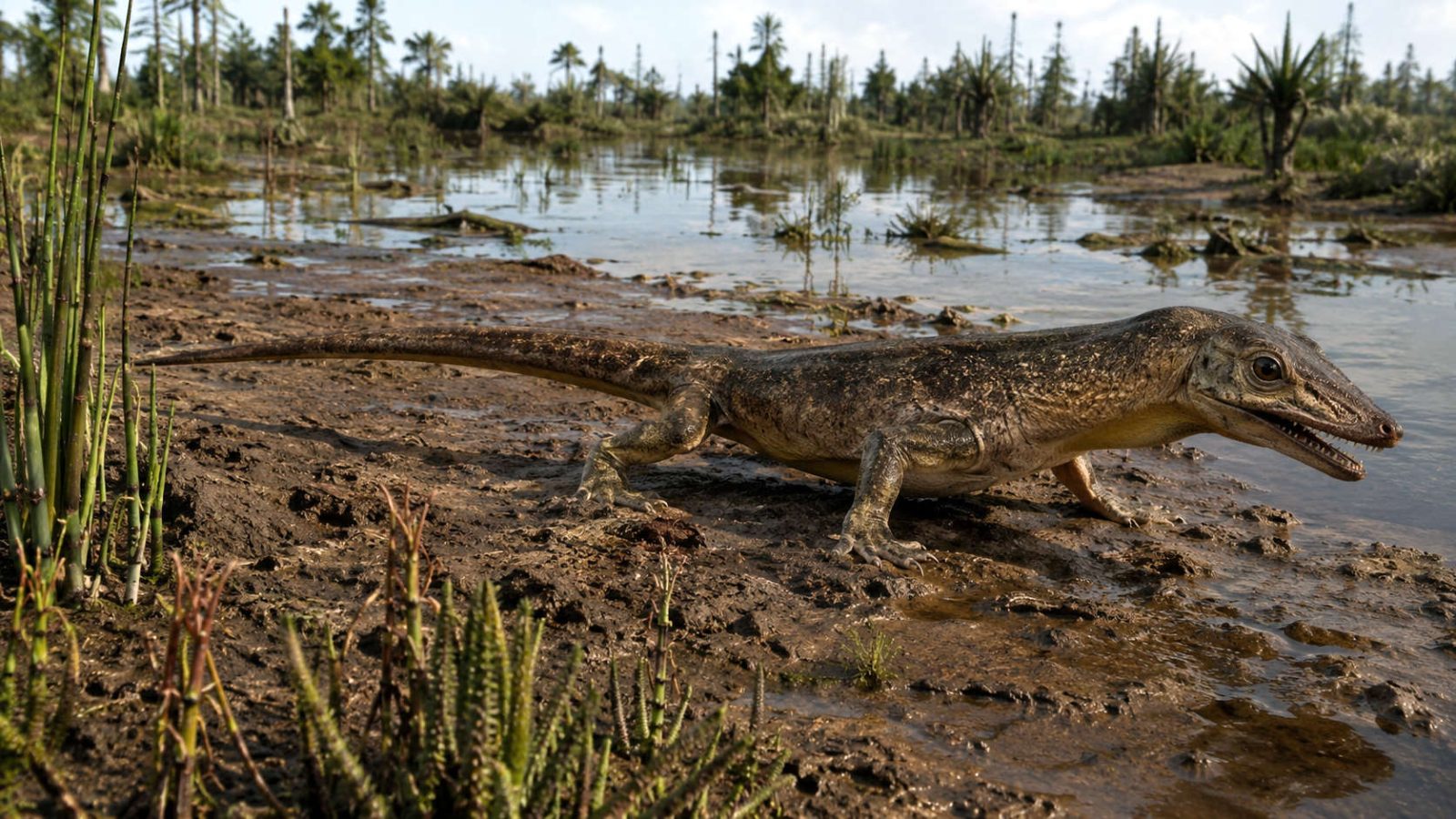
Around 260 million years ago, early cynodonts such as Procynosuchus marked a major tightening of the mammal-side branch. They were still non-mammalian therapsids, low-bodied and primitive in outward form, but their jaws, teeth, skull, and secondary palate were beginning to shift toward better chewing and breathing. This was not yet the mammal line in full bloom, but the roots were getting stronger.
Circa 260 Million BCE
Plate Tectonics
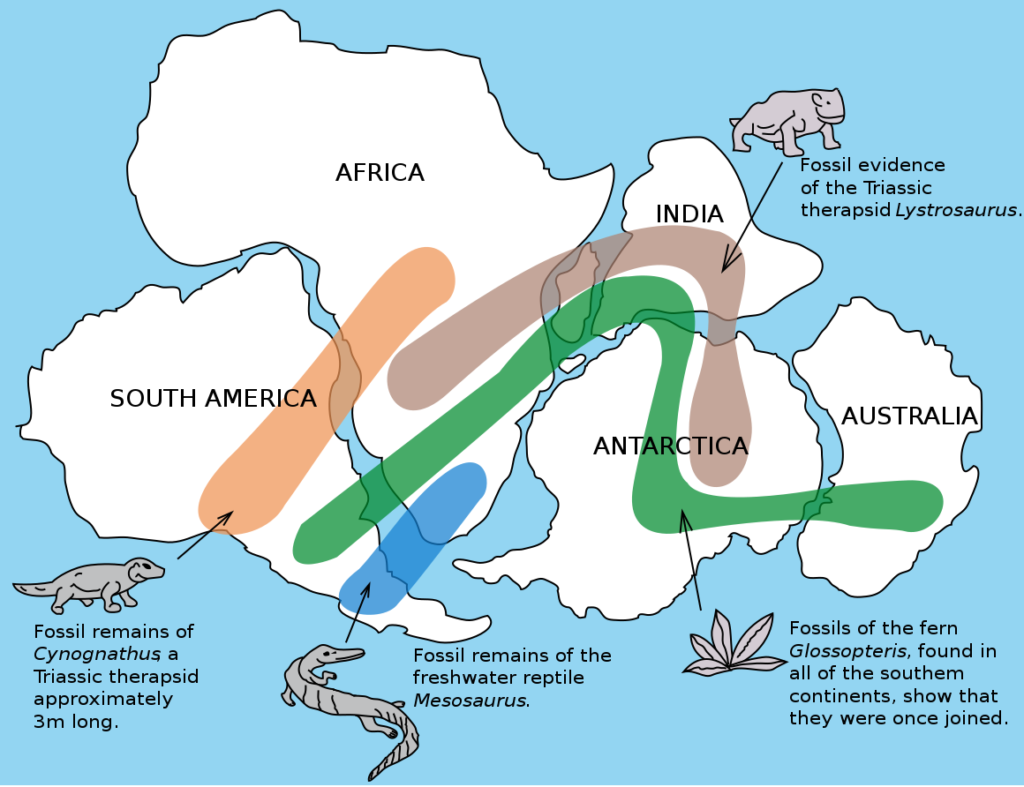
By dating rocks and fossils scientists can document the movement of the continents over time. (Public domain image, United States Geological Survey.)
255 Million years ago.
The Synapsid World of the Late Permian
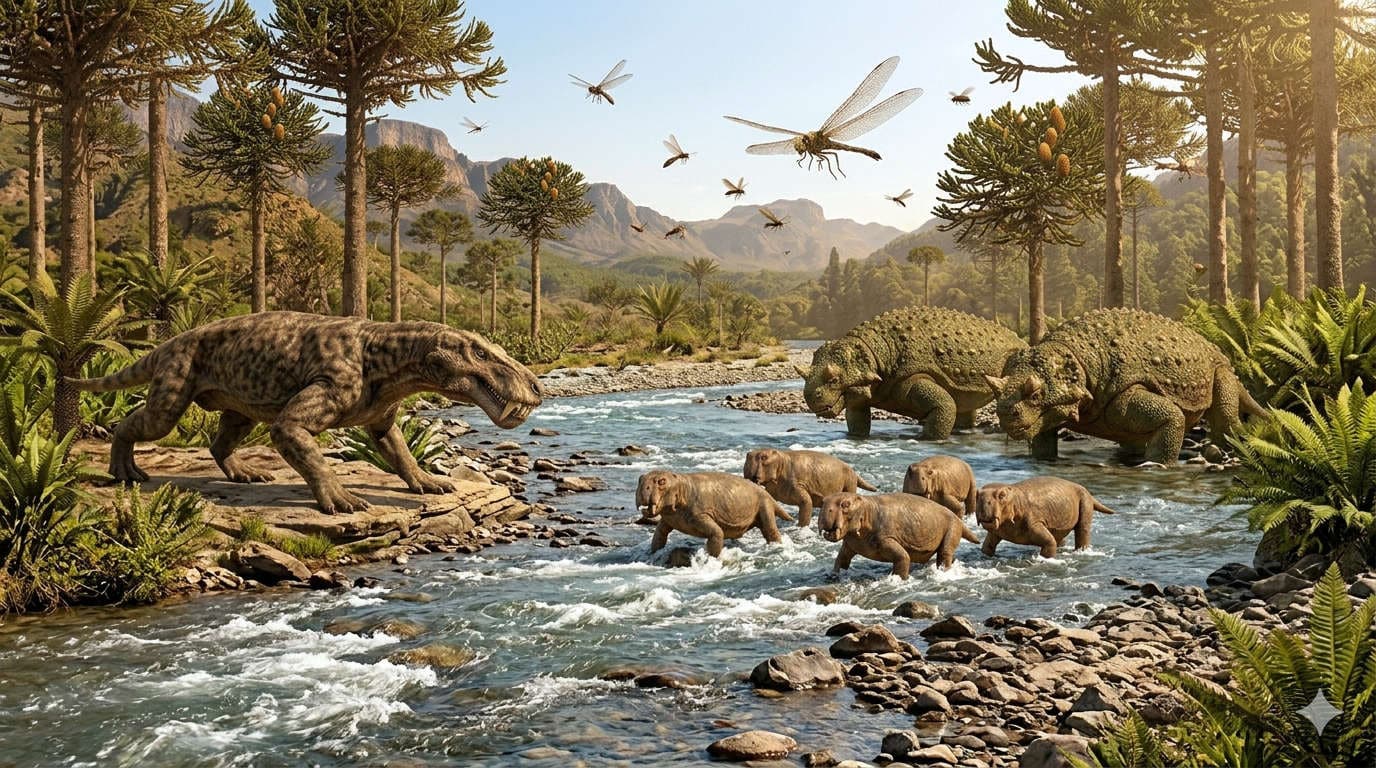
A Late Permian river world about 255 million years ago, where synapsids still ruled the land. A gorgonopsid stalks near the water while dicynodonts gather at the river’s edge and pareiasaurs move through the floodplain, alongside amphibians, large insects, and hardy pre-flowering plants.
252.5 Million years ago (+/- 500,000 years)
Needle morphology and resin canals
Pine Needles Evolve

251,902,000 years ago (+/- 900 years).
Cause: Massive Volcanic Eruptions in Siberia
The P-T Extinction
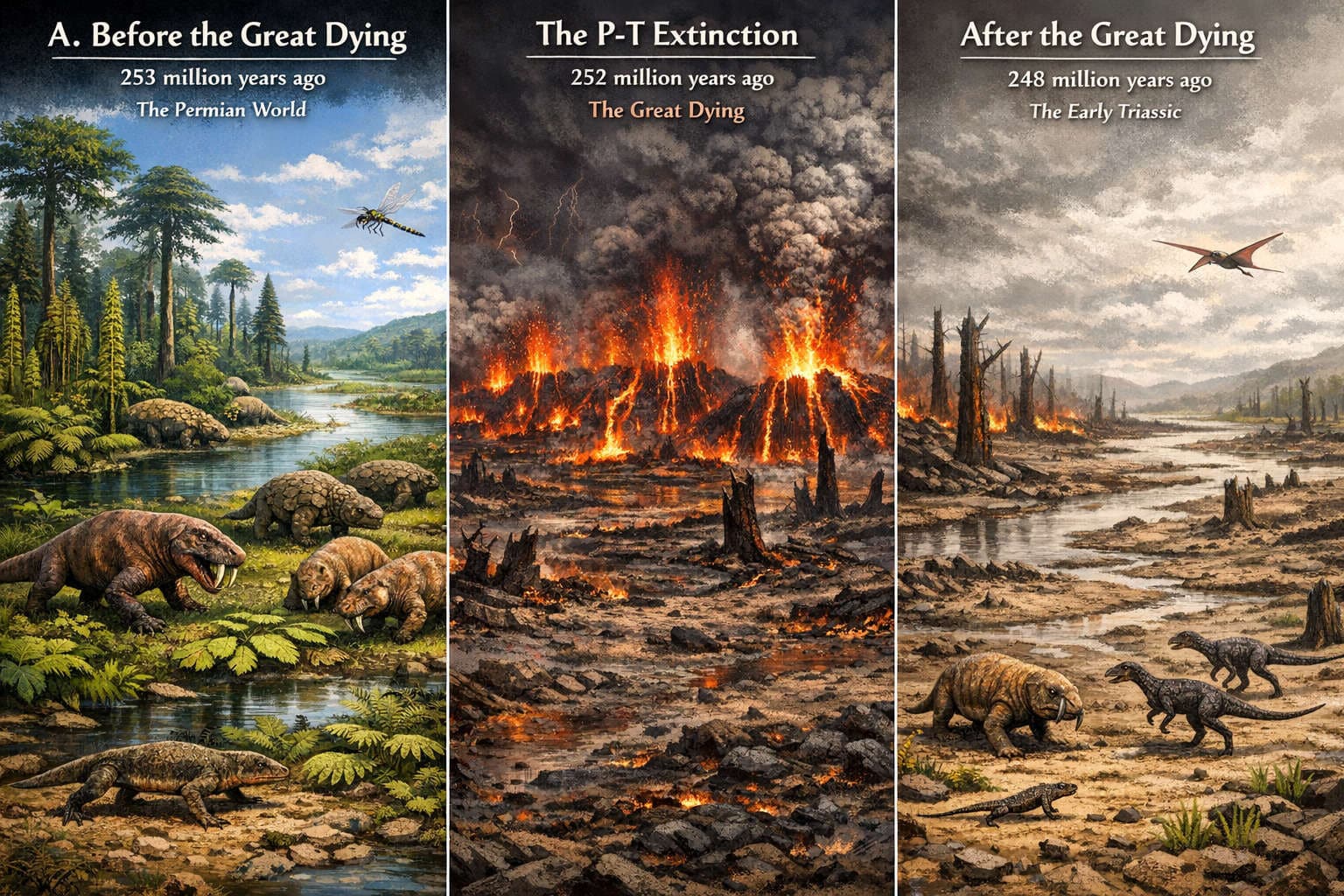
The Permian-Triassic extinction was not just the end of many species. It was a planetary reset that destroyed the old synapsid-dominated world and opened the door for the archosaur line that would later give rise to dinosaurs.
From 251.902 to 66.0 million years ago.
186 Million years: Dinosauria reigned from extinction to extinction.
Mesozoic Era: Age of Dinosaurs
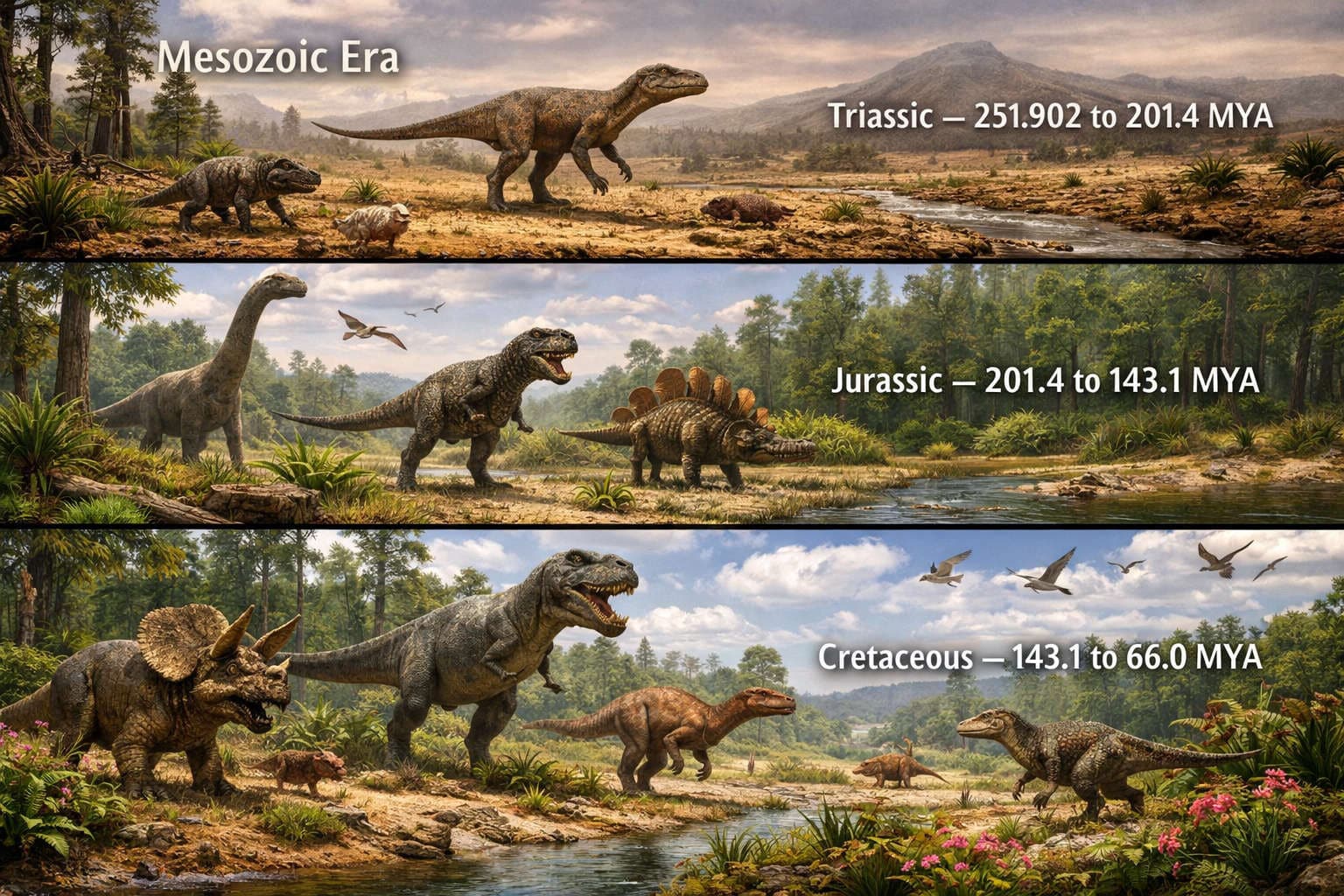
The Mesozoic era starts with the end-Permian mass extinction 252 million years ago. It ends the reign of dinosaurs with the K–Pg extinction 66 million years ago.
~252 MYA (Permian–Triassic boundary)
Massive fungal proliferation after extinction
Fungal Survivors of Extinction
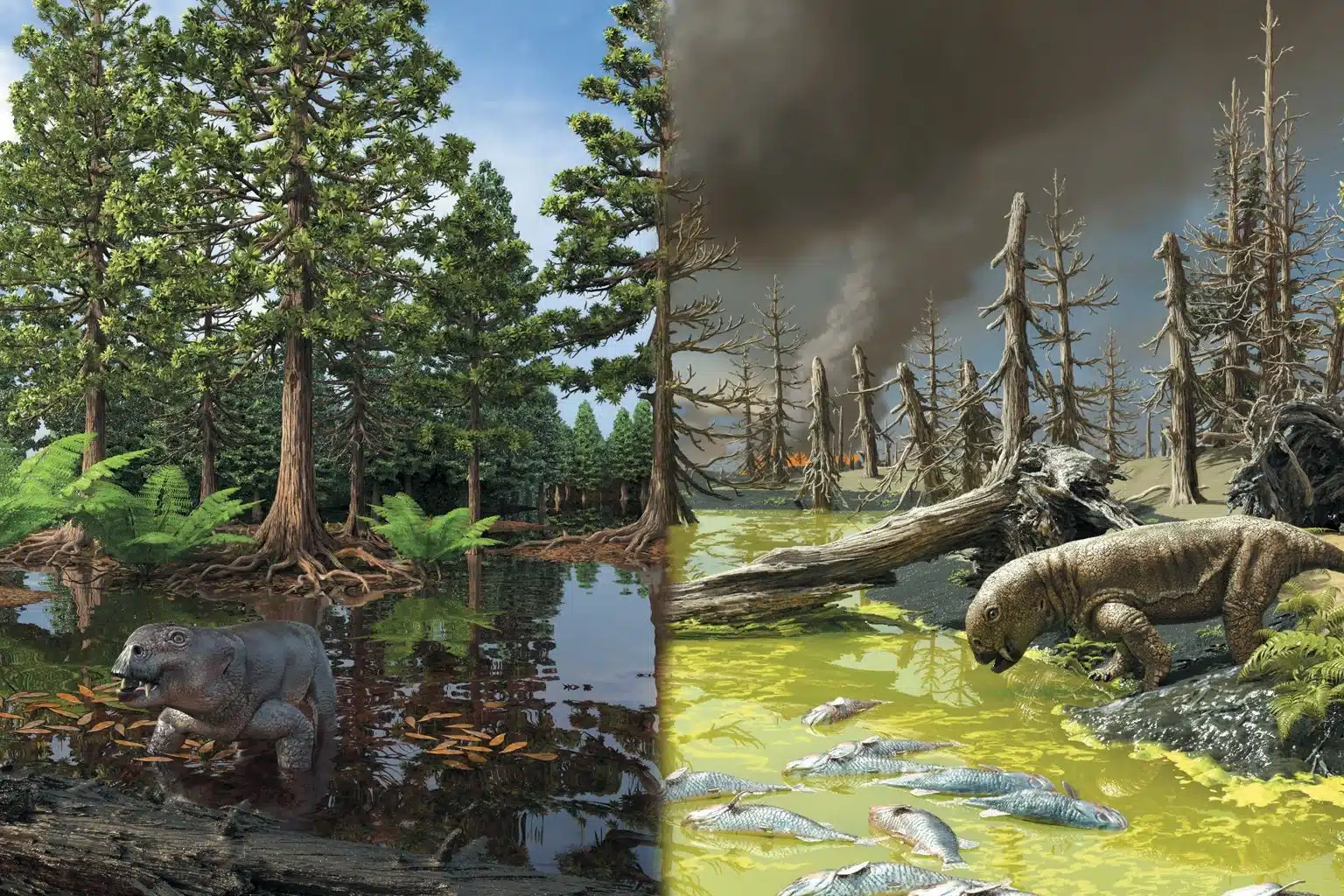
The mass extinction at 252 million years ago marks the Permian to Triassic boundary. Fungi are not just participants in ecosystems — they help reset the ground.
~250 million years ago (+/- 10 million)
LCA of crocodilians and birds (pterosaurs & dinosauria)
Archosauria Diverge Within Reptiles
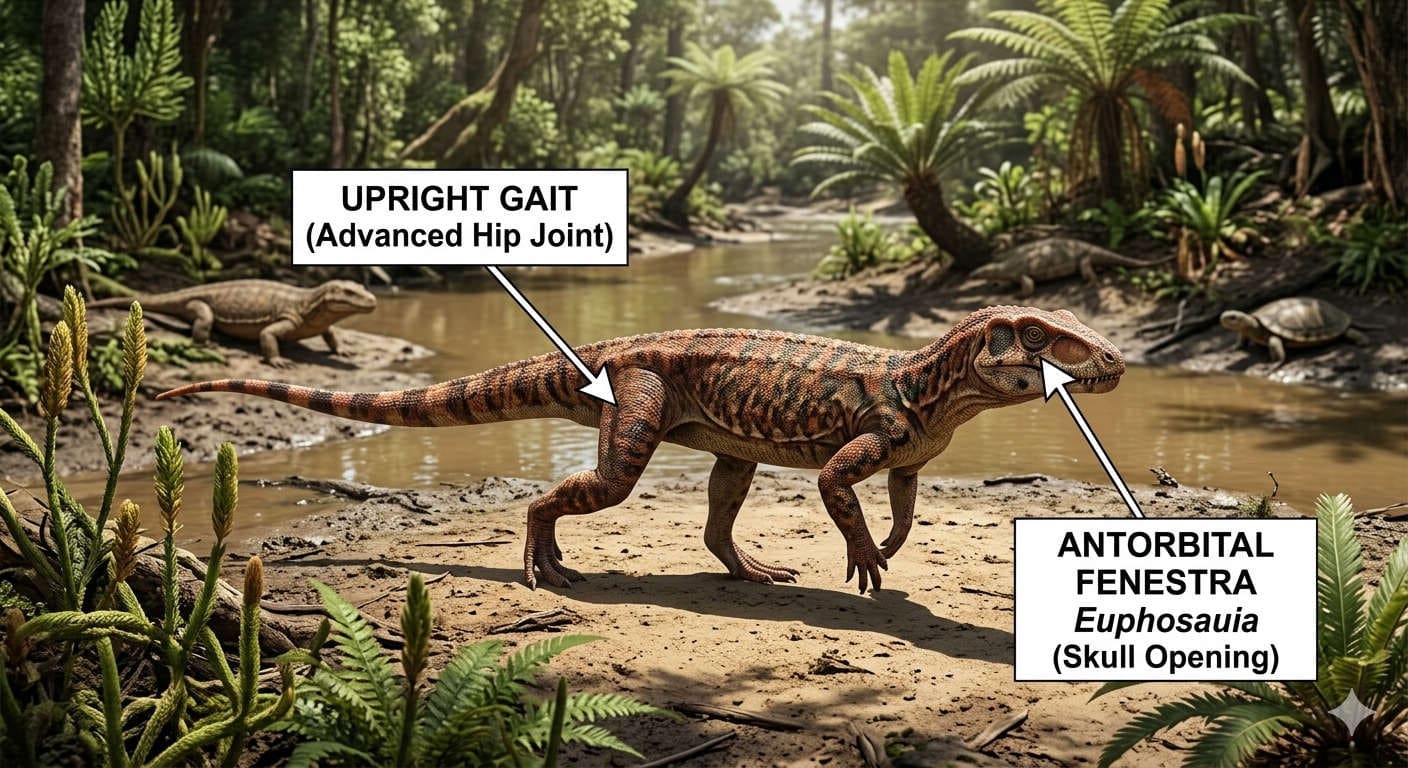
LCA of crocodiles and birds — the larger archosaur branch that later gave rise to crocodilians, pterosaurs, dinosaurs, and birds.
245 Million Years Ago
Dinosauromorphs Emerge: Erect hind-limb posture leads to birds and dinosaurs.
Bird-line Archosaurs: Asilisaurus kongwe (within Ornithodira)

Asilisaurus shows that the bird-line archosaurs were already evolving dinosaur-like bodies before true dinosaurs appeared.
243 Million Years Ago
Strengthened hip and shoulder architecture
Bird-line Archosaur: Nyasasaurus parringtoni

Nyasasaurus is a late bird-line archosaur from just before Dinosauria clearly emerge. It sits on the dinosaur side of Ornithodira, but its exact placement remains uncertain: some analyses place it within Dinosauria, while others place it just outside the group, near other bird-line archosaurs.
240 Million Years Ago
XX/XY Sex System Emerges: A Tale of Mammalian Evolution

Around 240 million years ago, during the late Triassic period, a crucial evolutionary development unfolded within the lineage that would give rise to mammals. It is believed that the XX/XY sex-determination system emerged in a common ancestor of mammals, possibly within the genus Therapsida, a group of synapsids that exhibited both reptilian and mammalian traits.
240 Million Years Ago
Elongated hind limbs, better running, reduced forelimbs
Marasuchus lilloensis

"<a href="https://commons.wikimedia.org/w/index.php?curid=50251453" target="_blank" rel="noopener noreferrer">Marasuchus NT small</a>" by <a href="https://commons.wikimedia.org/wiki/User:NobuTamura" target="_blank" rel="noopener noreferrer">Nobu Tamura email:nobu.tamura@yahoo.com http://spinops.blogspot.com/ http://paleoexhibit.blogspot.com/</a> is licensed under <a href="https://creativecommons.org/licenses/by-sa/4.0/" target="_blank" rel="noopener noreferrer">CC BY-SA 4.0</a>

238 Million years ago (+/- 5 million)
Fully open hip socket (perforated acetabulum)
Dinosauria Emerge: True Dinosaurs!
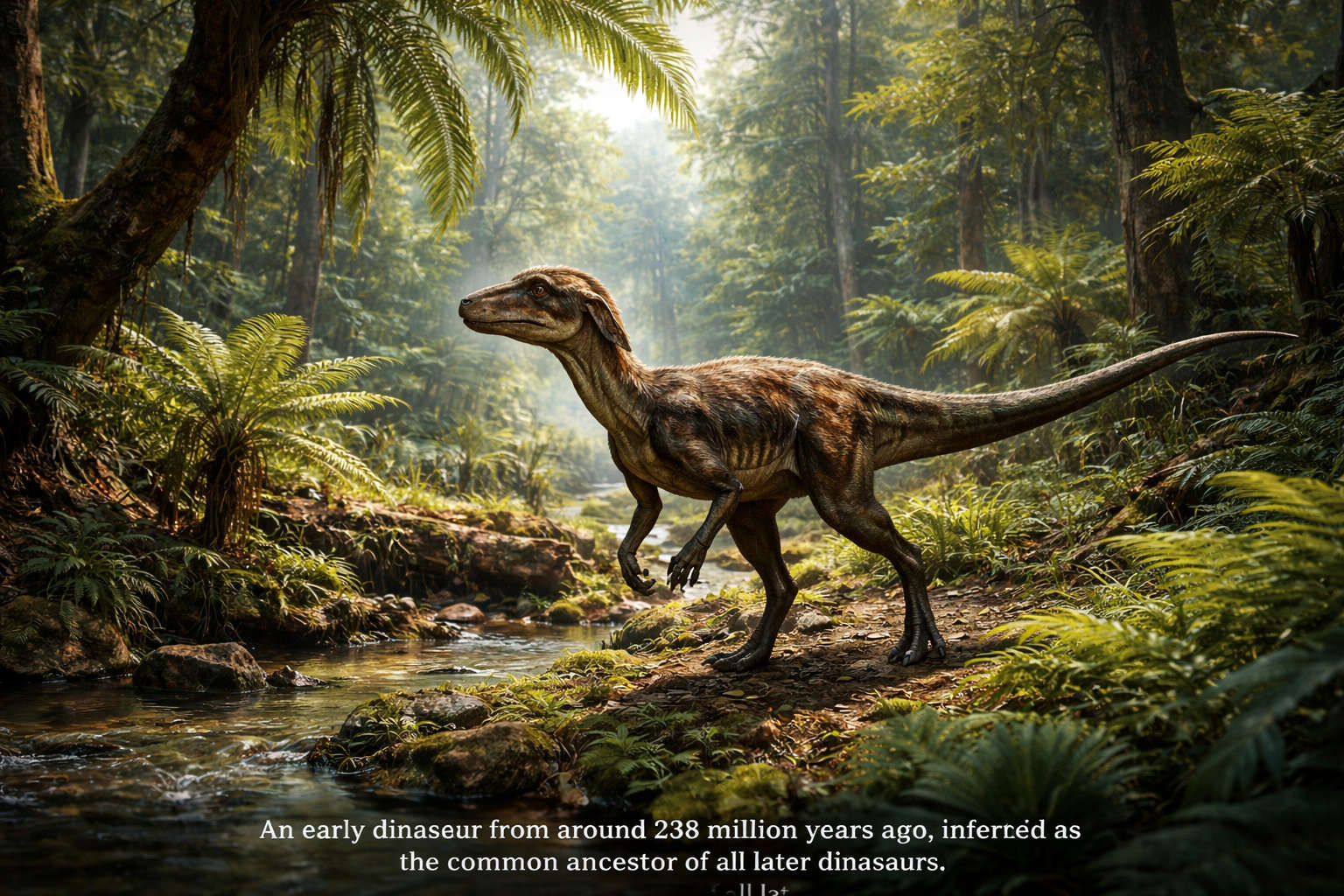
Dinosauria emerge from a single population of a species about 238 million years ago. This population will lead to all dinosaurs and birds including T.Rex, Brontosaurus, and Triceratops.
~237 million years ago (+/- 2 million)
Pterosauria line: Not in dinosauria (split first).
Pterosaurs Diverge From Dinosaur Ancestors (within Ornithodira)
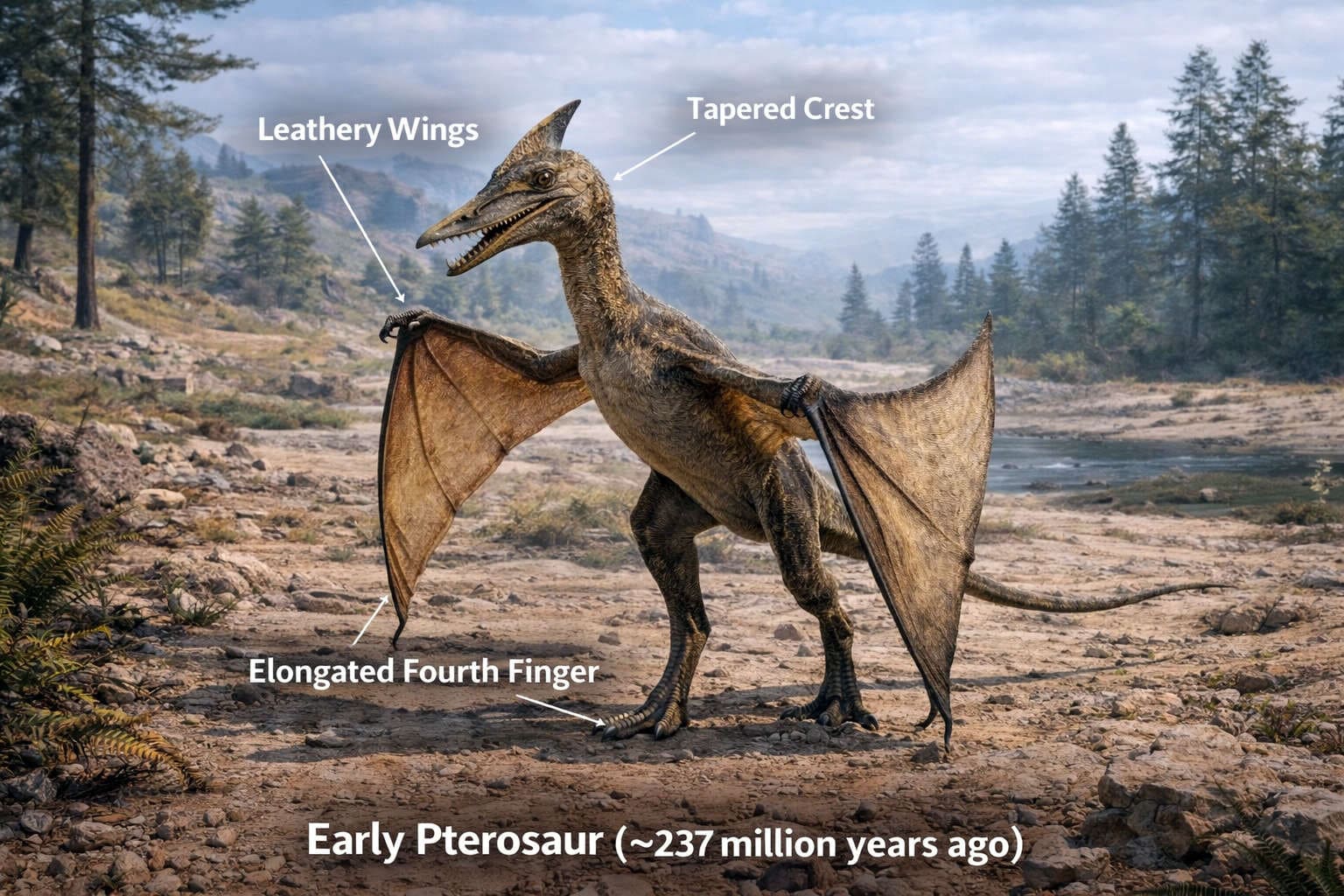
Pterosaurs were the first vertebrates to conquer the air, evolving a unique "finger-wing" anatomy that allowed them to dominate the skies for 160 million years.
~233 million years ago (±2 million years)
Ancestor of T.Rex and bird-line.
Theropod Line Diverges Within Dinosaria (from Saurischia)
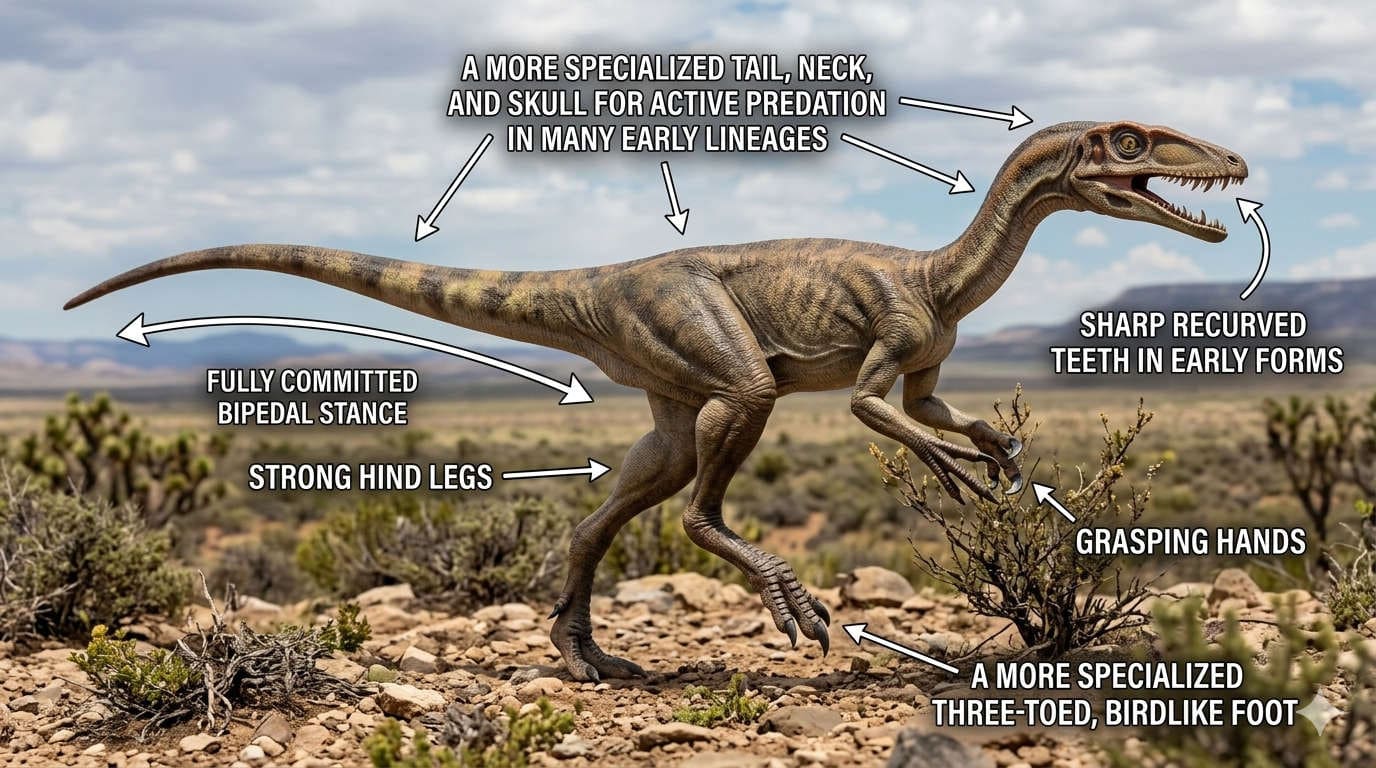
Theropods were the agile, sharp-toothed dinosaur branch that refined the classic predator body plan. They stood fully upright on two legs, balanced with long tails, used grasping hands, and carried specialized skulls and recurved teeth built for active hunting. Over time, this branch produced everything from small early predators to giant hunters—and eventually birds.
~232 million years ago (±2 million years)
Ancestor to the sauropods like brontosaurus.
Sauropodomorph Line Diverges Within Dinosaria (from Saurischia)
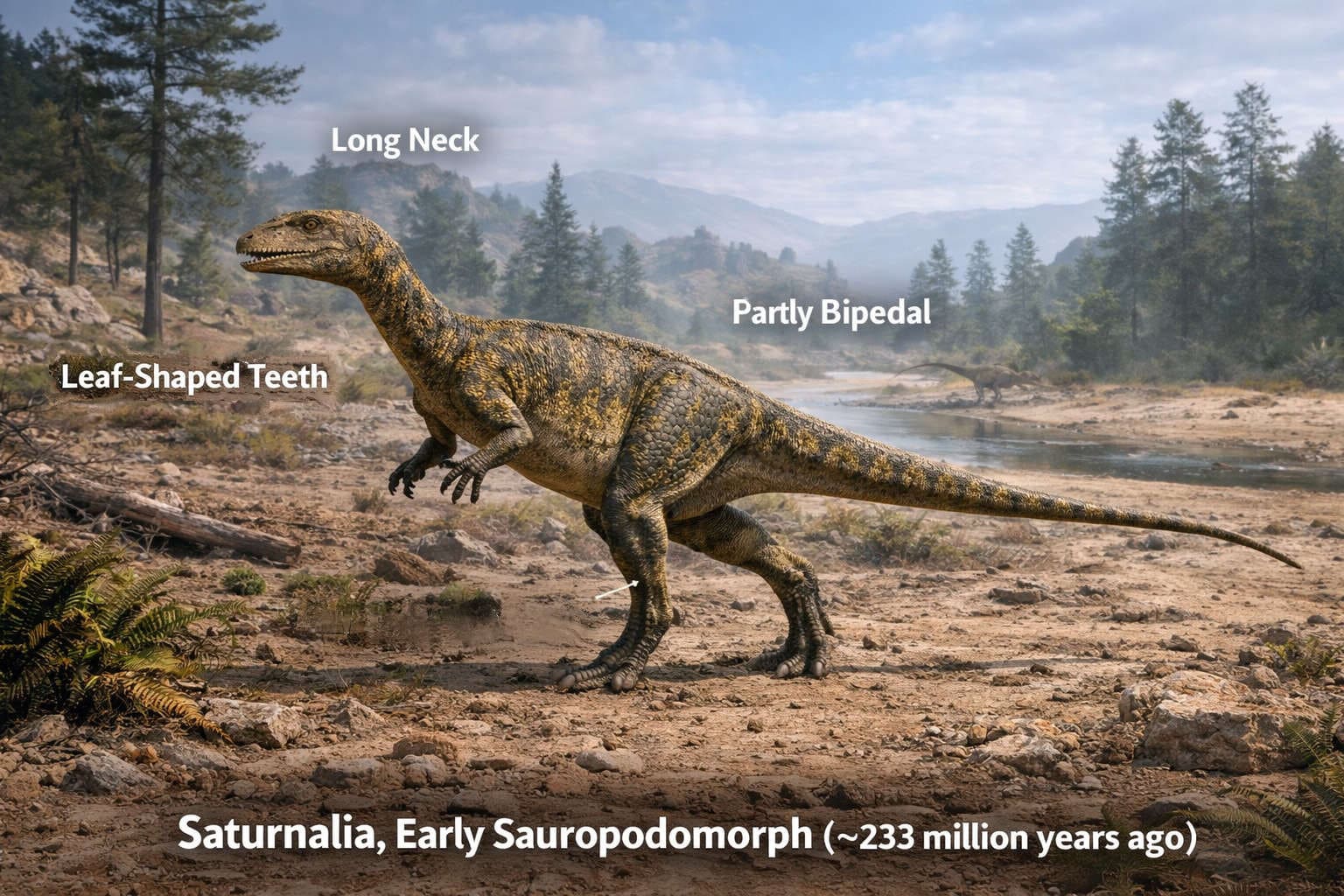
Sauropodomorphs, in their early forms, were lightly built, often partly bipedal, with long necks, small heads, leaf-shaped teeth, and grasping hands.
229 Million Years Ago (± 1.5 million)
Eoraptor lunensis.

A speculative reconstruction of Eoraptor lunensis. Eoraptor reminds us that classification is not always neat at the beginning of a lineage. Early dinosaurs can be hard to classify because of a mix of traits.
~229 million years ago (±4 million years)
LCA of Pterosaurs and Birds (pterosaurs & dinosauria).
Ornithischians Diverge Within Dinosauria “Bird Hipped”
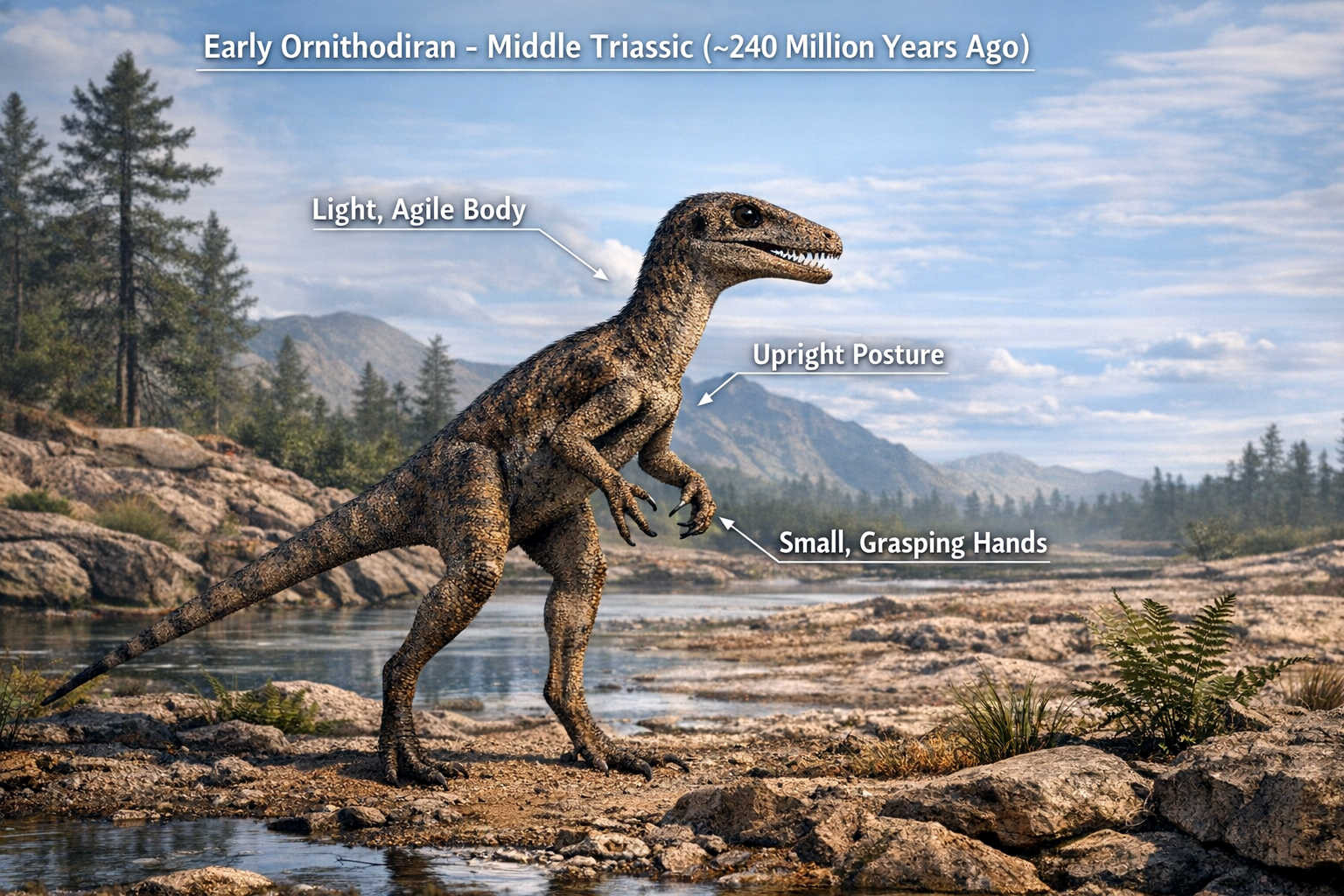
Ornithodira is the broader branch that includes dinosaurs, birds, and pterosaurs.
225 million years ago (±5 million years)
When dinosaurs rose, our line quietly began.
Platypus–Ape Common Ancestor
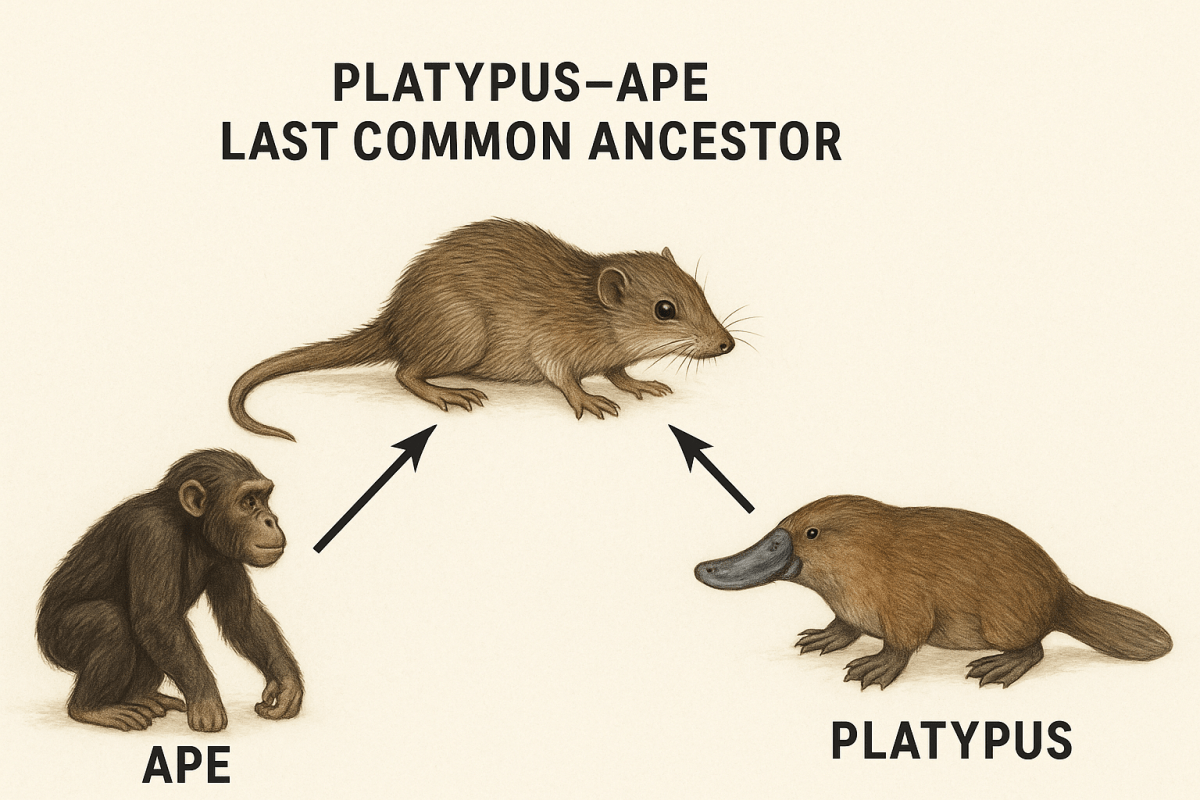
The last common ancestor of platypus and ape lived around 225 million years ago, during the Late Triassic. It wasn’t a modern mammal yet, but a very late synapsid—or early mammaliaform—already carrying the essentials: fur for insulation, a warm-blooded metabolism, and mammal-style teeth. From this small, generalized creature, every living mammal would diverge—both the strange egg-laying platypus and the most self-aware ape.
215 Million years ago (+/- 5 million)
Pterosaurs Emerge
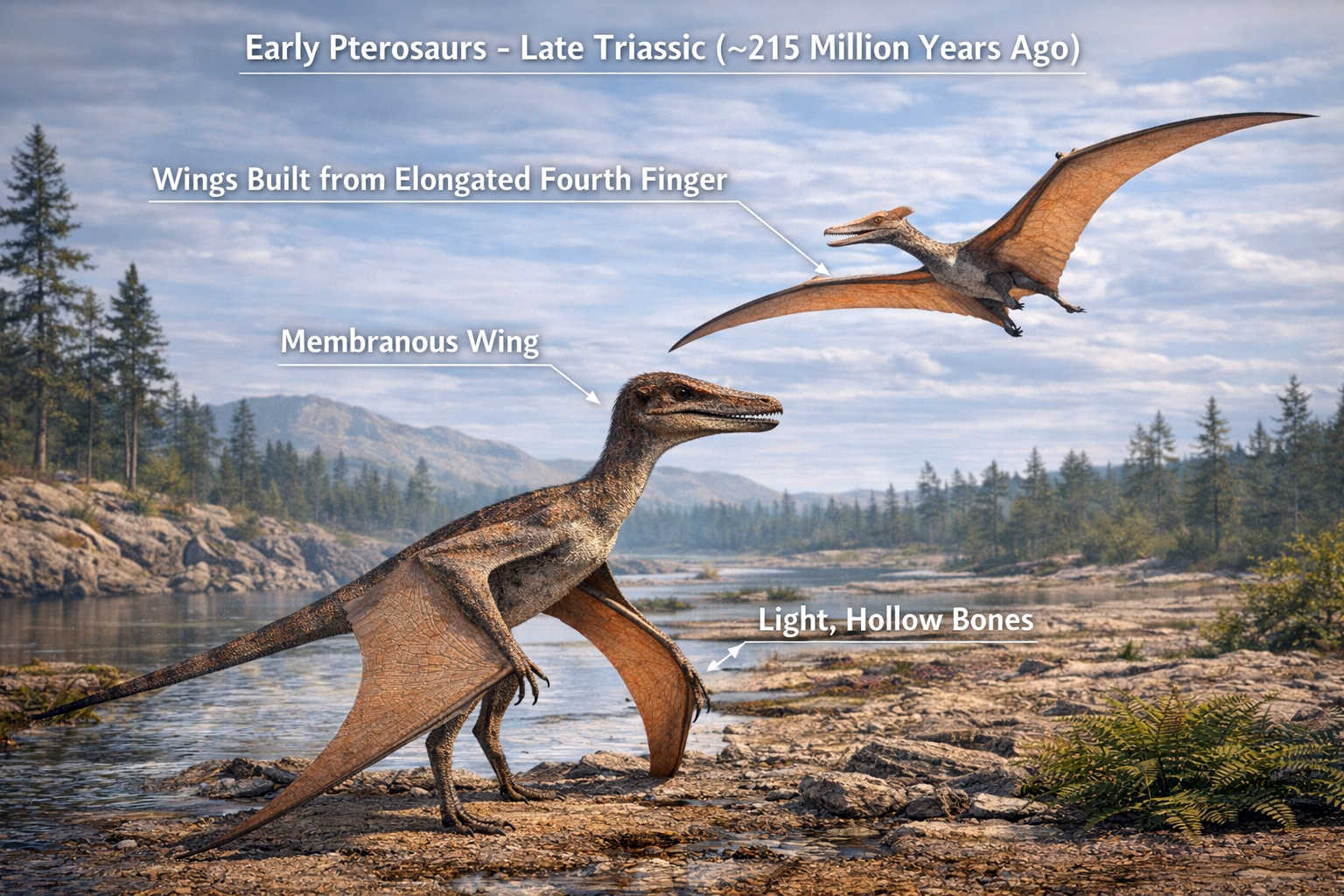
Pterosaurs were not dinosaurs but do share a common ancestor. They are a distinct group of flying reptiles that emerged in the Late Triassic.
~205 Million years ago
Last Non-Cynodont Therapsids
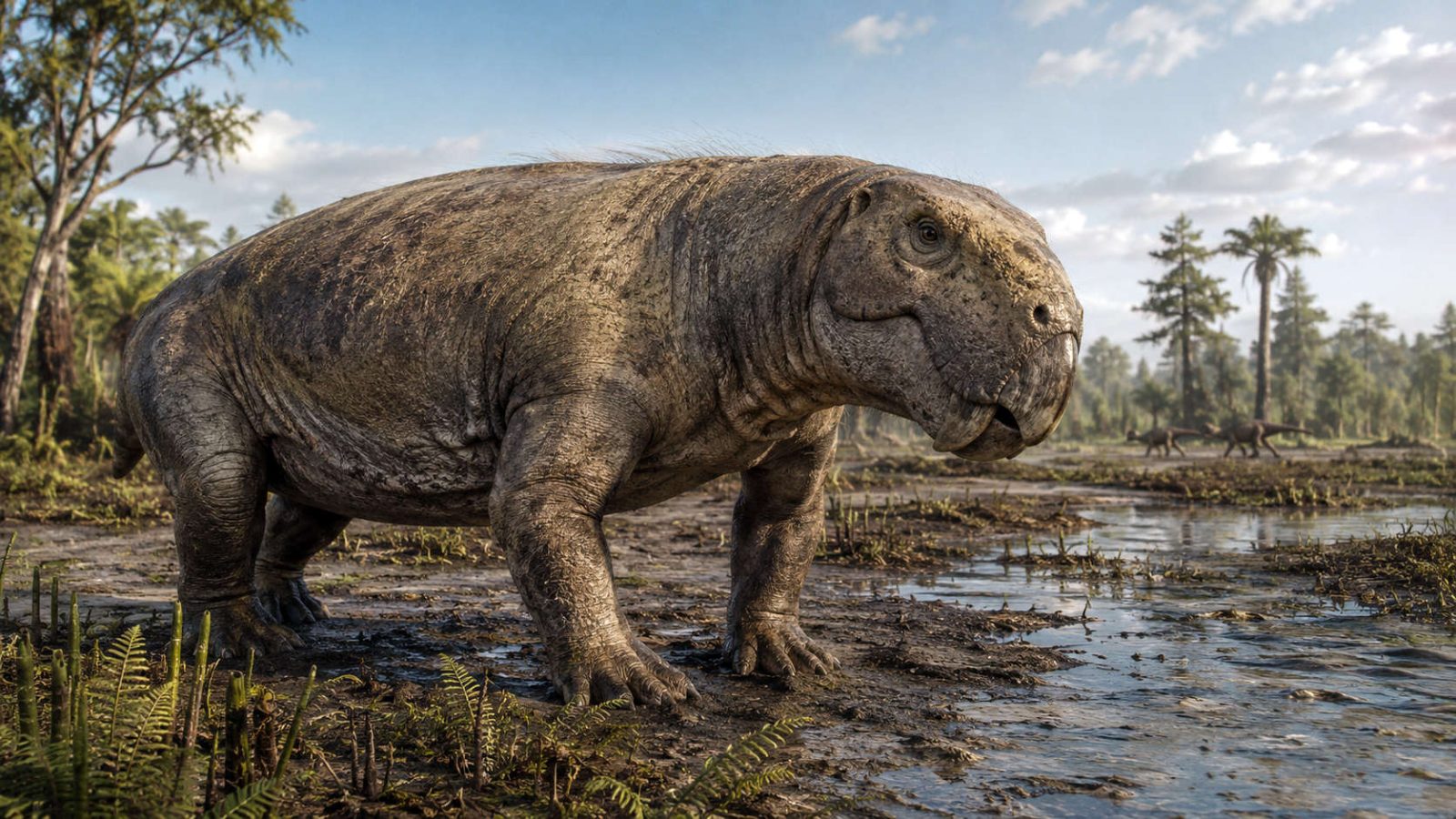
Near the end of the Triassic, around 210–201 million years ago, late dicynodonts such as Lisowicia bojani represented some of the last non-cynodont therapsids. They were part of the mammal-side branch of life, but not part of the cynodont line that led toward mammals. Large, beaked, heavy-bodied, and plant-eating, they were the fading giants of an older therapsid world.
203 Million years ago (+/- 3 million)
Differentiated teeth and true mammalian jaw
First Mammaliaforms: Morganucodon
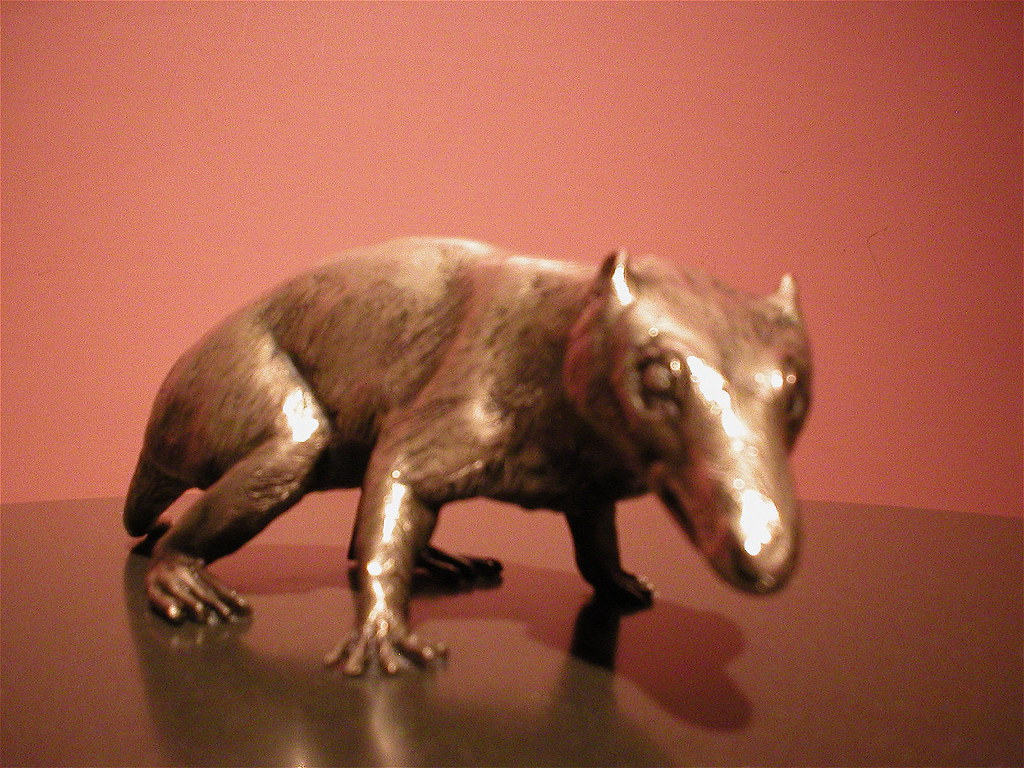
By the time of early mammaliaforms like Morganucodon, the body plan was already starting to feel familiar: small, furry, warm-blooded, long-tailed, and likely active at night. It was not a modern mammal, but it may have looked less like a “reptile” and more like a shrew-like or mouse-like creature from the deep past.
~201 Million Years Ago
Cause: Massive Volcanic Eruptions
Triassic–Jurassic Extinction: Volcanoes Open the Age of Dinosaurs
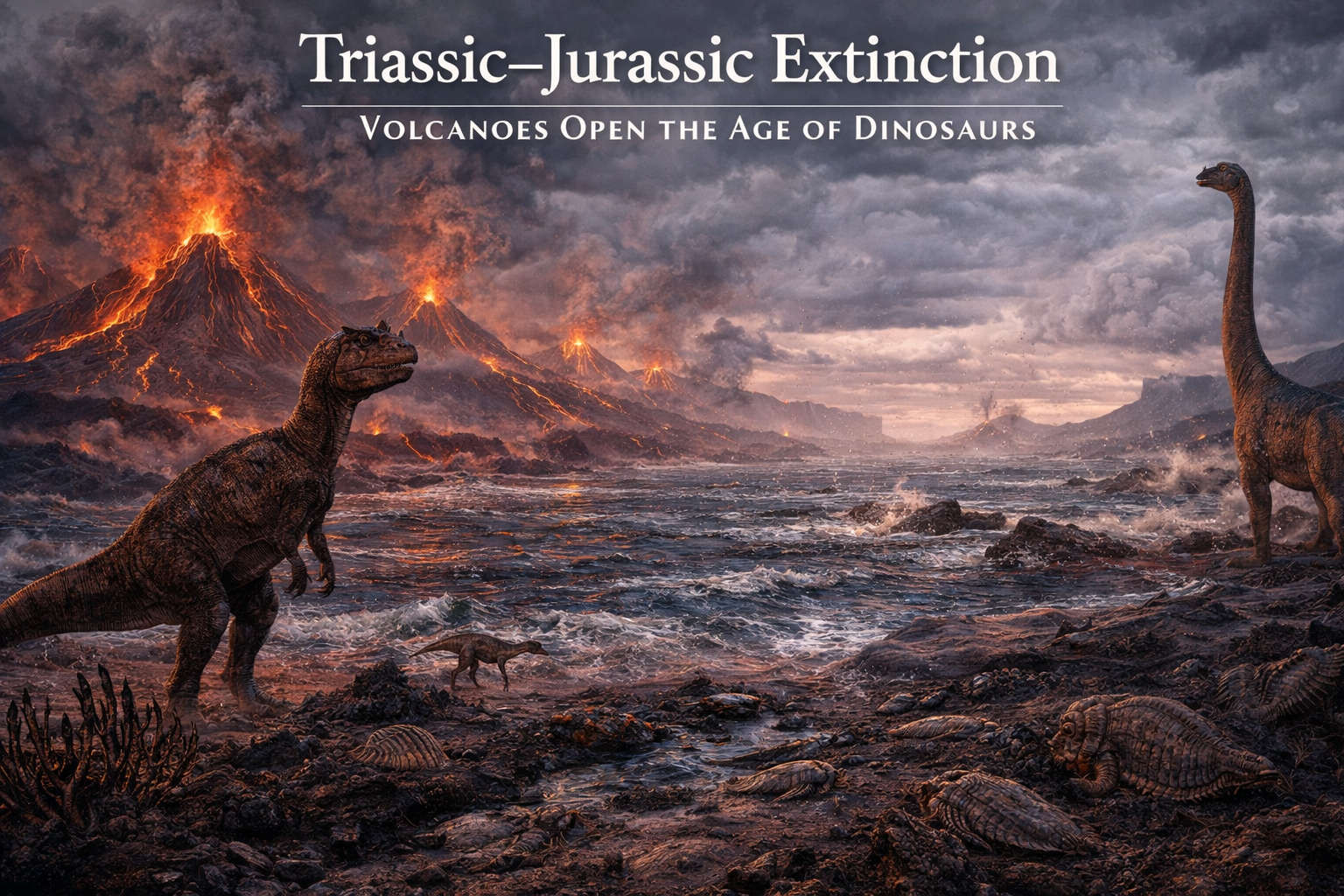
As Pangea cracked apart, massive volcanic eruptions poisoned air and oceans. This image includes early dinosaurs as foreshadowing: survivors waiting in the smoke before their Jurassic rise.
190 Million Years Ago (+/- 10 million years)
Parental care, brain plasticity, extended juvenile period
Early Play Evolves in Mammals

Play evolved as one of the group survival traits. Lower play abilities evolved in mammals like rodents about 190 million years ago. Higer play abilities evolved in mammals like cats about 80 million years ago.
185 Million BCE
Placental nutrient transfer (in placentals)
Mammals: First Live Births
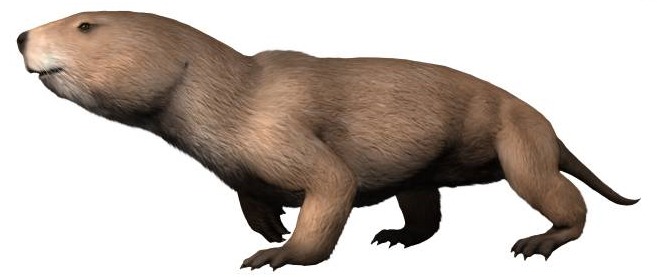
An example of early live birth is the protomammal Kayentatherium, Jurassic period. This cynodont is related to early mammals and its clutch size suggested egg-laying, providing clues about the transition to live birth. The switch to live birth in mammals, including marsupials and placentals, likely evolved once at their common ancestor, suggesting live birth in mammals has a deep evolutionary history.
182 Million years ago (+/- 5 million)
Glass-like silica cell walls
Diatoms Emerge
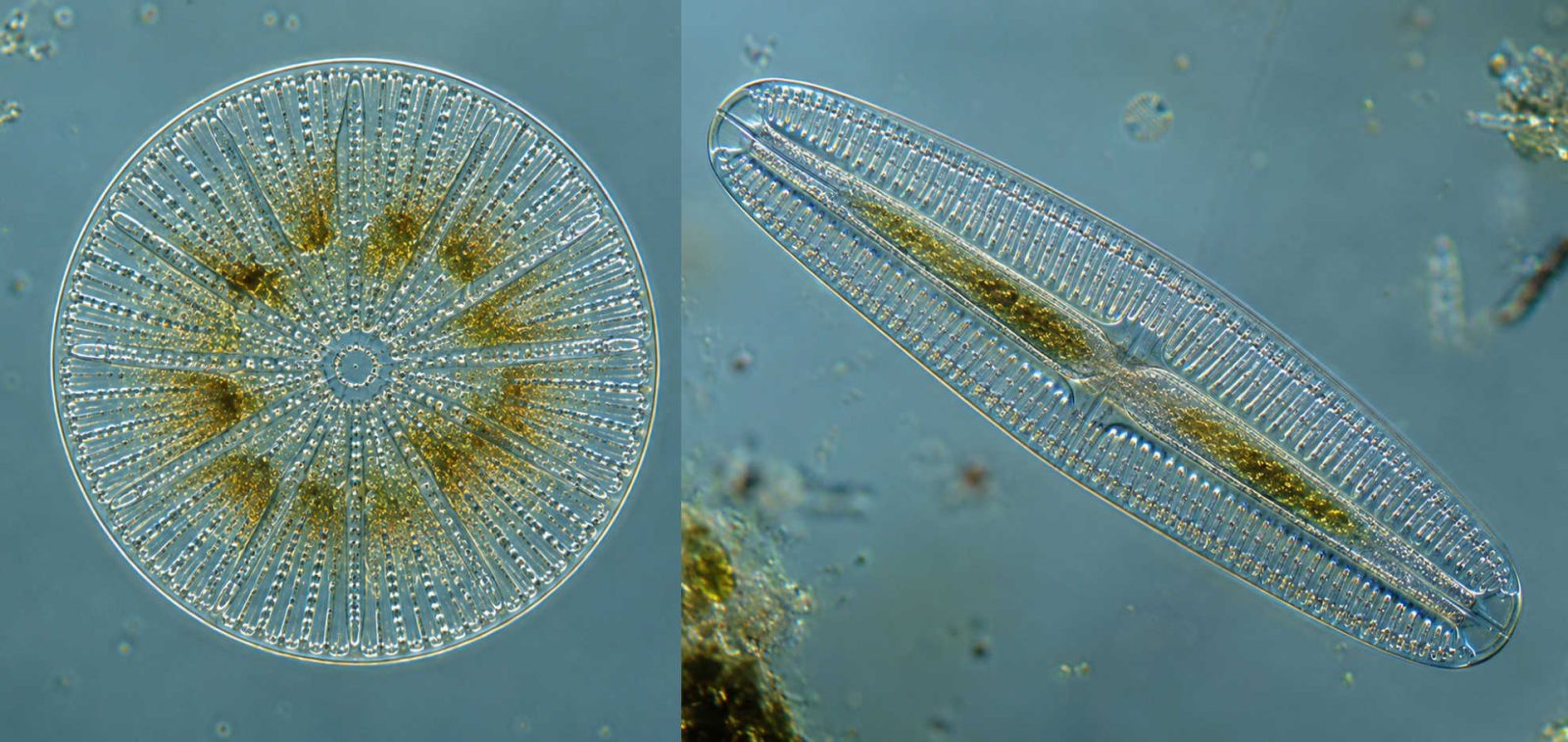
Diatoms evolved around 182 million years ago, first appearing as tiny glass-like forms in ancient seas. The round, frisbee-like centric diatoms came first; the long, canoe-like pennate forms evolved later, becoming clear in the fossil record by about 75 million years ago.
180 Million years ago (+/- 5 million)
Pangaea Super Continent Breakup
Pangaea Splitting Starts Splitting Evolution
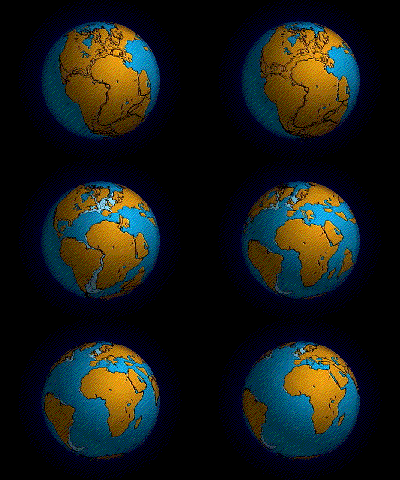
When Pangaea began to split around 190 million years ago, the world’s connected landmasses slowly turned into separate evolutionary arenas: vicariance. What had once been one giant stage for life became a set of growing barriers, helping drive the rise of distinct northern and southern lineages.
~178 Million Years Ago (+/- 5 million)
Diplodocid LCA: The Age of Giant Necked Sauropods
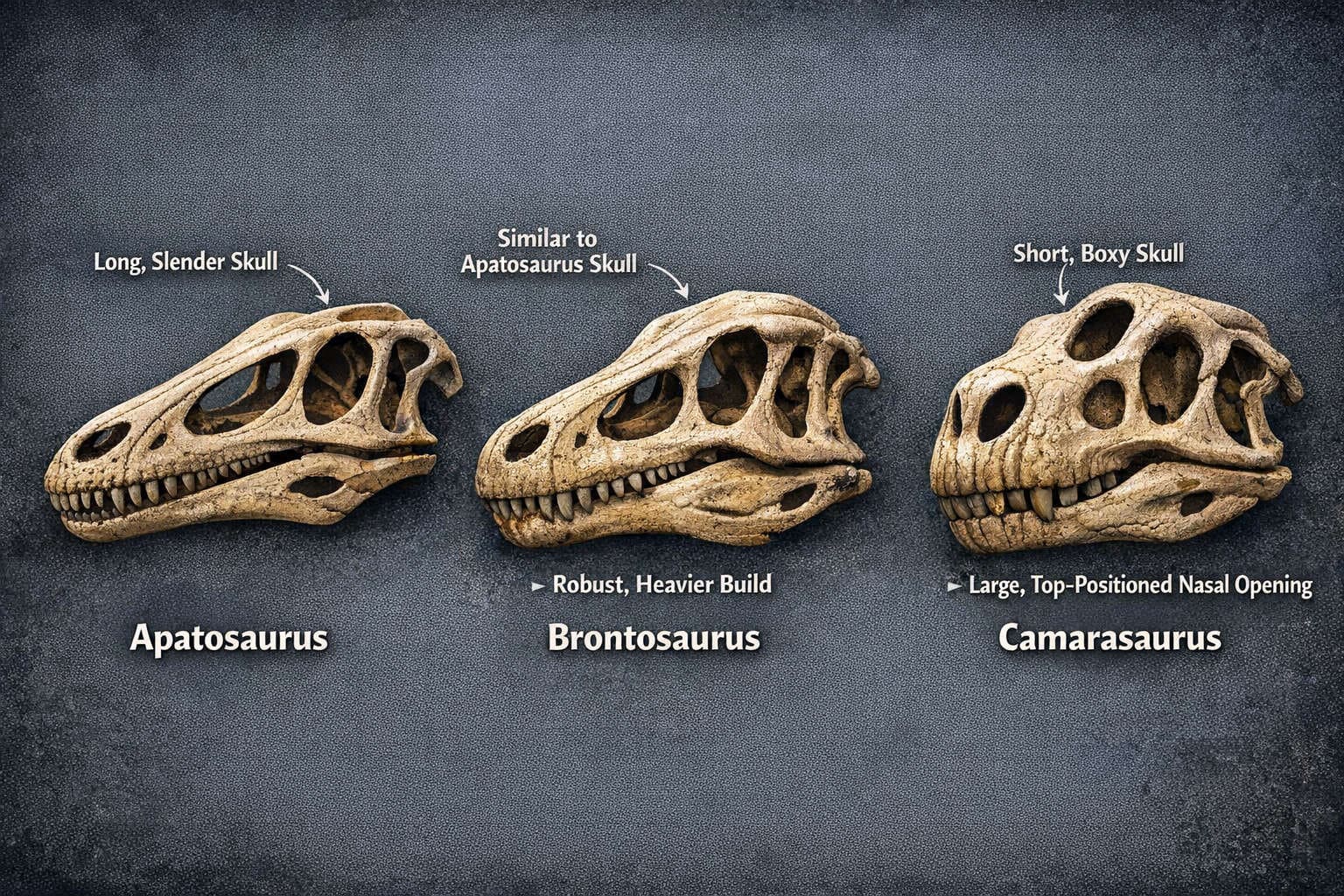
The common ancestor of the diplodocids is still unknown, but it gave rise to several distinct giant-necked forms. In Diplodocus, notice the long, narrow skull. In Apatosaurus, note the deeper, more robust skull and heavier build. Finally, in the slimmer Brontosaurus, notice the similar shape but somewhat lighter, less massive form.
Lived from 169 to 164 million years ago.
Not a bird ancestor, but part of the theropod mix.
Proceratosaurus (T.Rex ancestor)
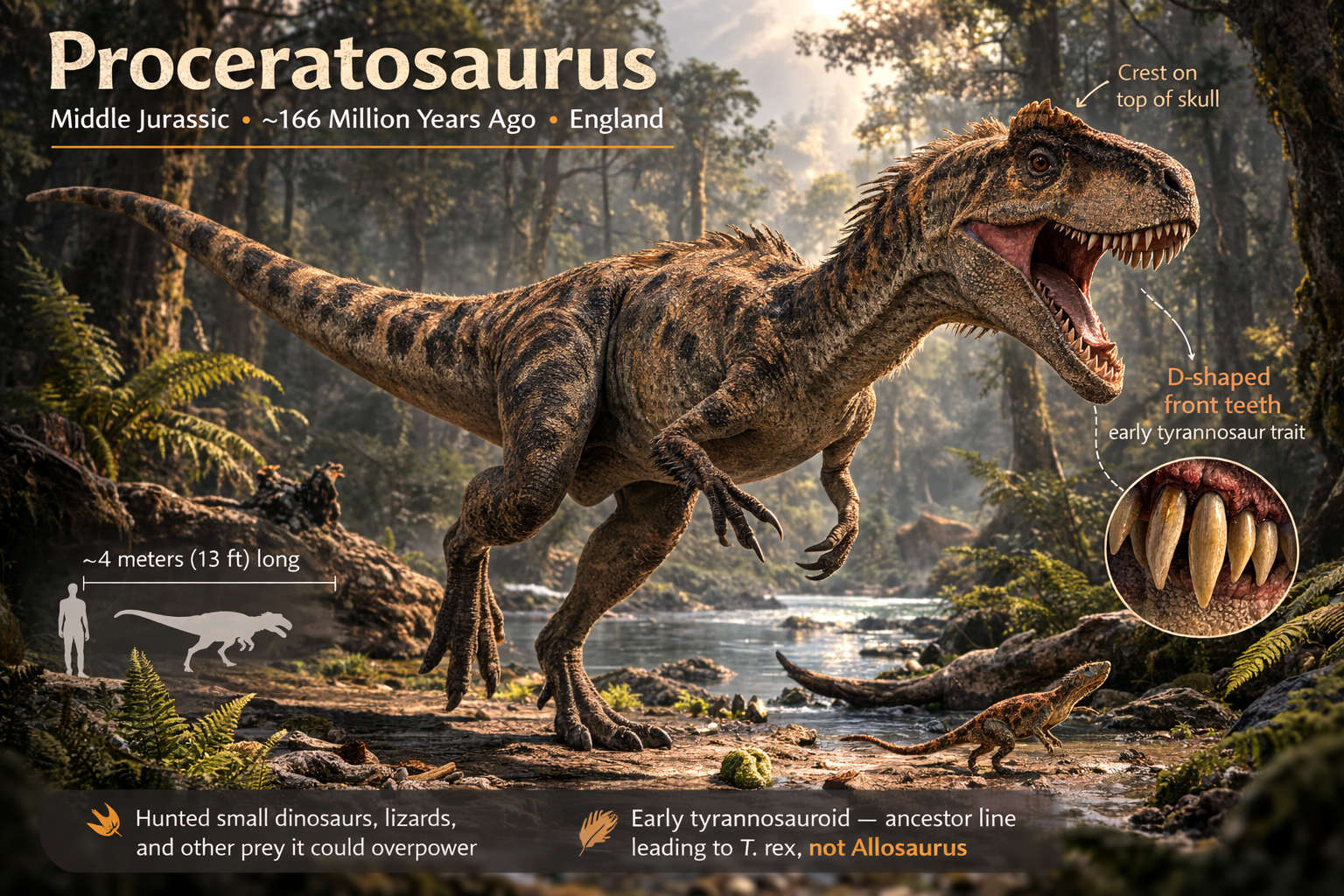
Proceratosaurus had the same general tyrannosaur-style look: a big head, long tail, strong hind legs, short forelimbs, and a built-for-biting predator shape: D-shaped front teeth and a crest on top of the skull.
~168 million years ago.
Stegosaurus ancestor
Bashanosaurus primitivus
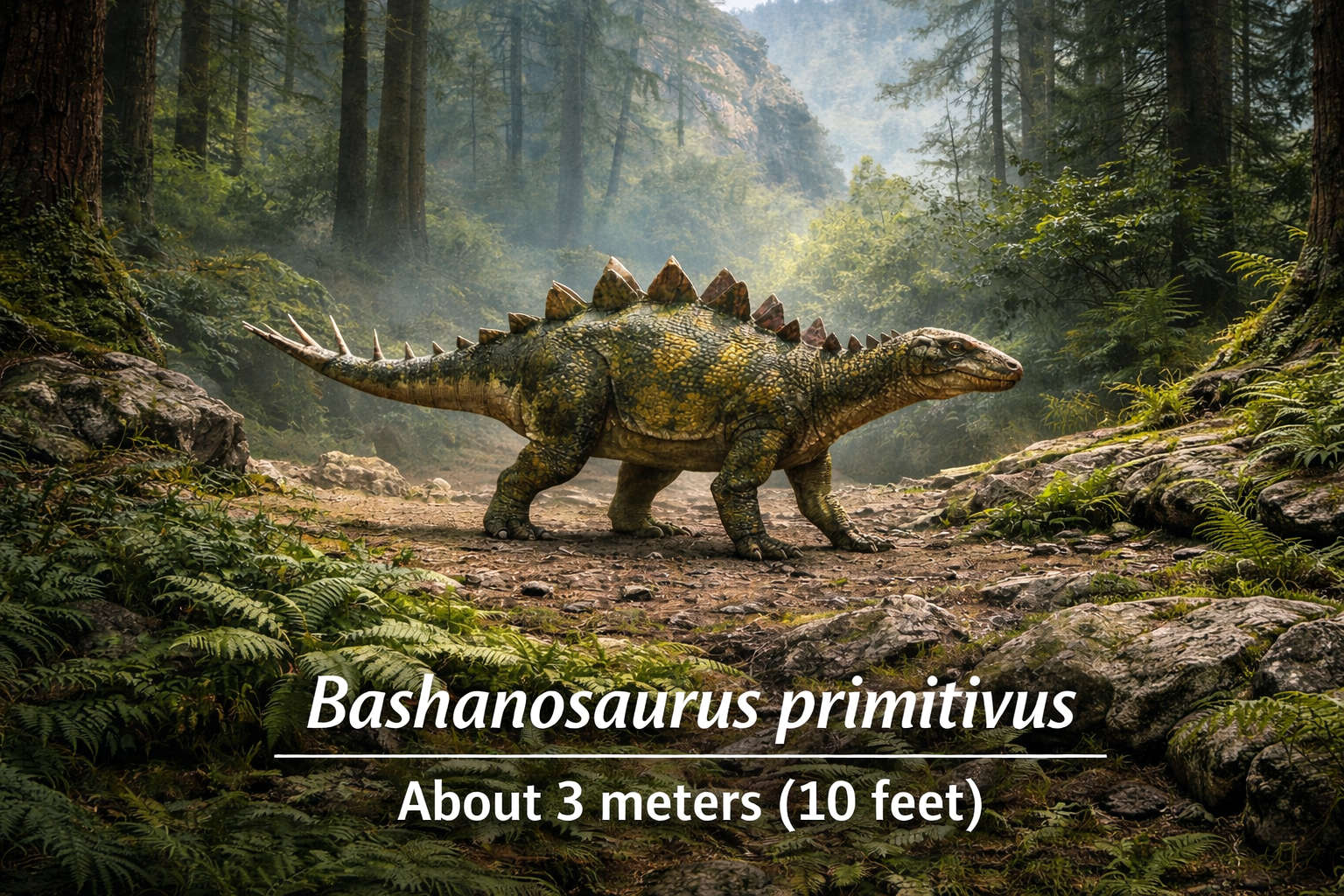
Bashanosaurus primitivus is one of the earliest known stegosaurs and a strong candidate for representing an early form close to the ancestry of later plated dinosaurs like Stegosaurus.
~165 Million years ago (+/- 5 million)
First Crown Mammals
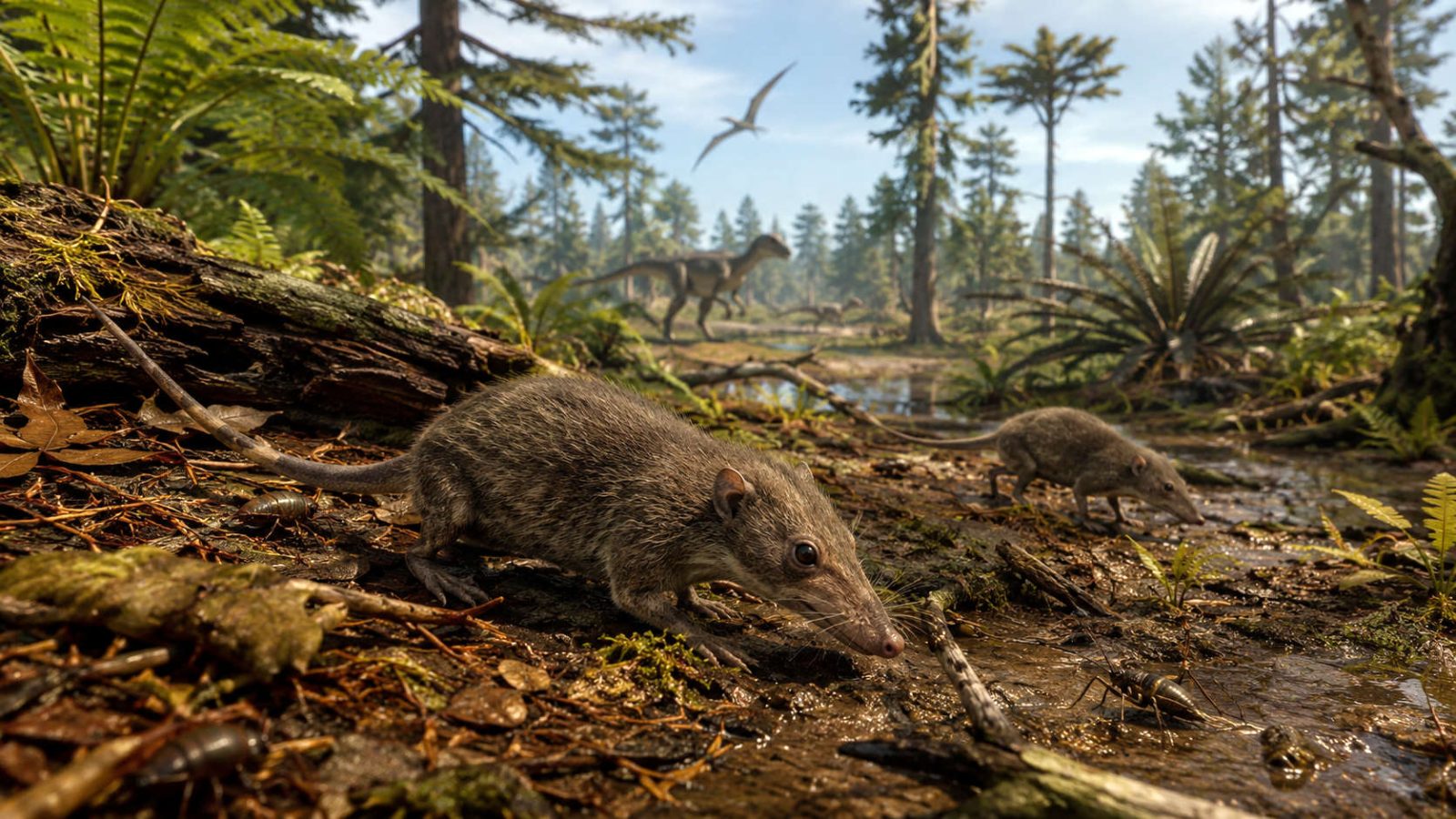
Around 170 million years ago, crown mammals began with the shared ancestor of all living mammal branches: monotremes, marsupials, and placentals. These early mammals were likely small, fur-covered, alert, and mostly hidden in the dinosaur-dominated world. They were not impressive by size, but they carried the living mammal story forward.
Lived ~161 to 146 million years ago.
28–33.5 m long: longer, whiplike, slimmer.
Diplodocus
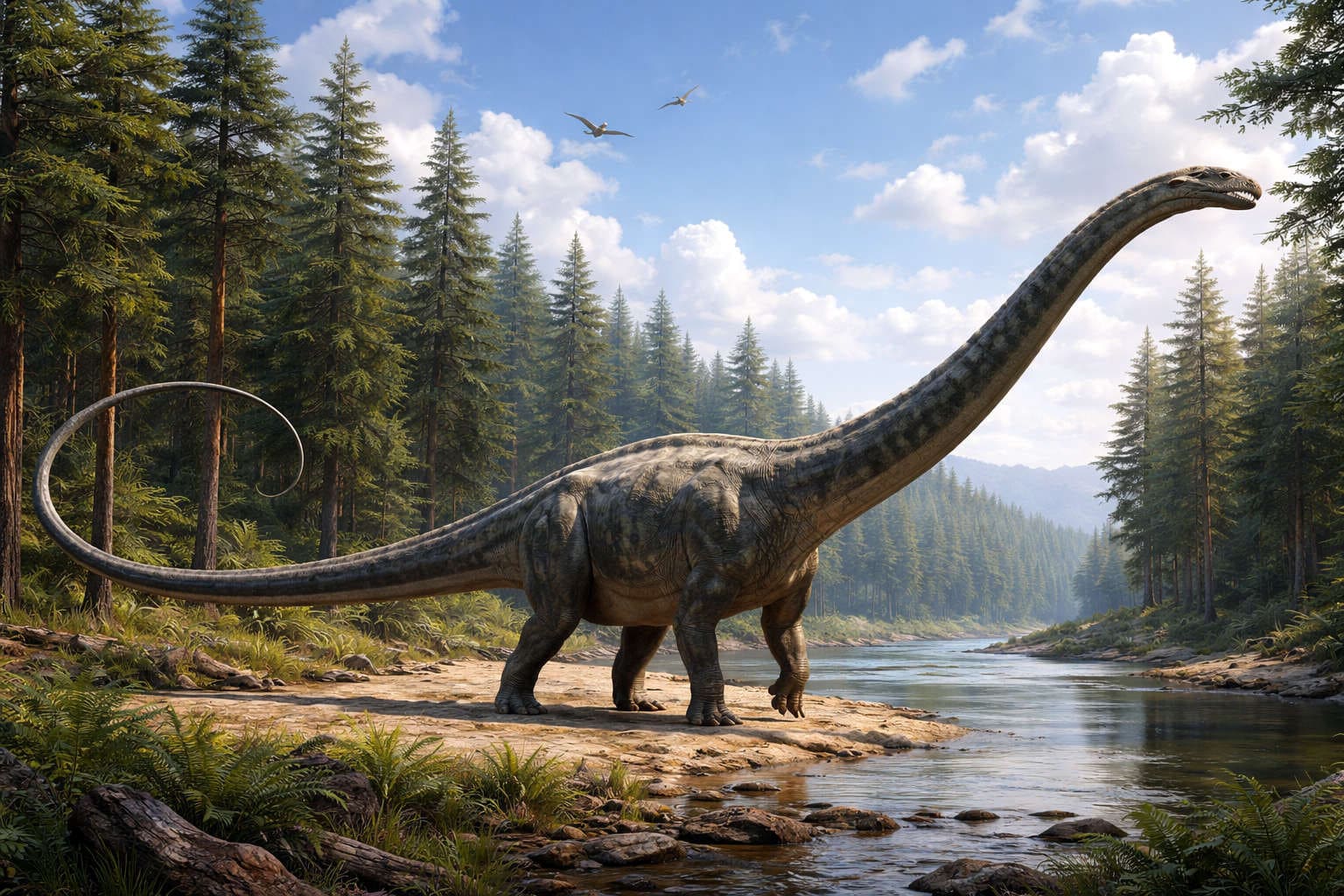
Diplodocus was the longer, slimmer, more stretched-out sauropod, famous for its especially long neck and whiplike tail. It is one of the longest land animals and generally more slender in build.
Lived ~156 to 151 million years ago.
21 to 23 meters (69 to 75 feet): Heavier, more muscular.
Apatosaurus
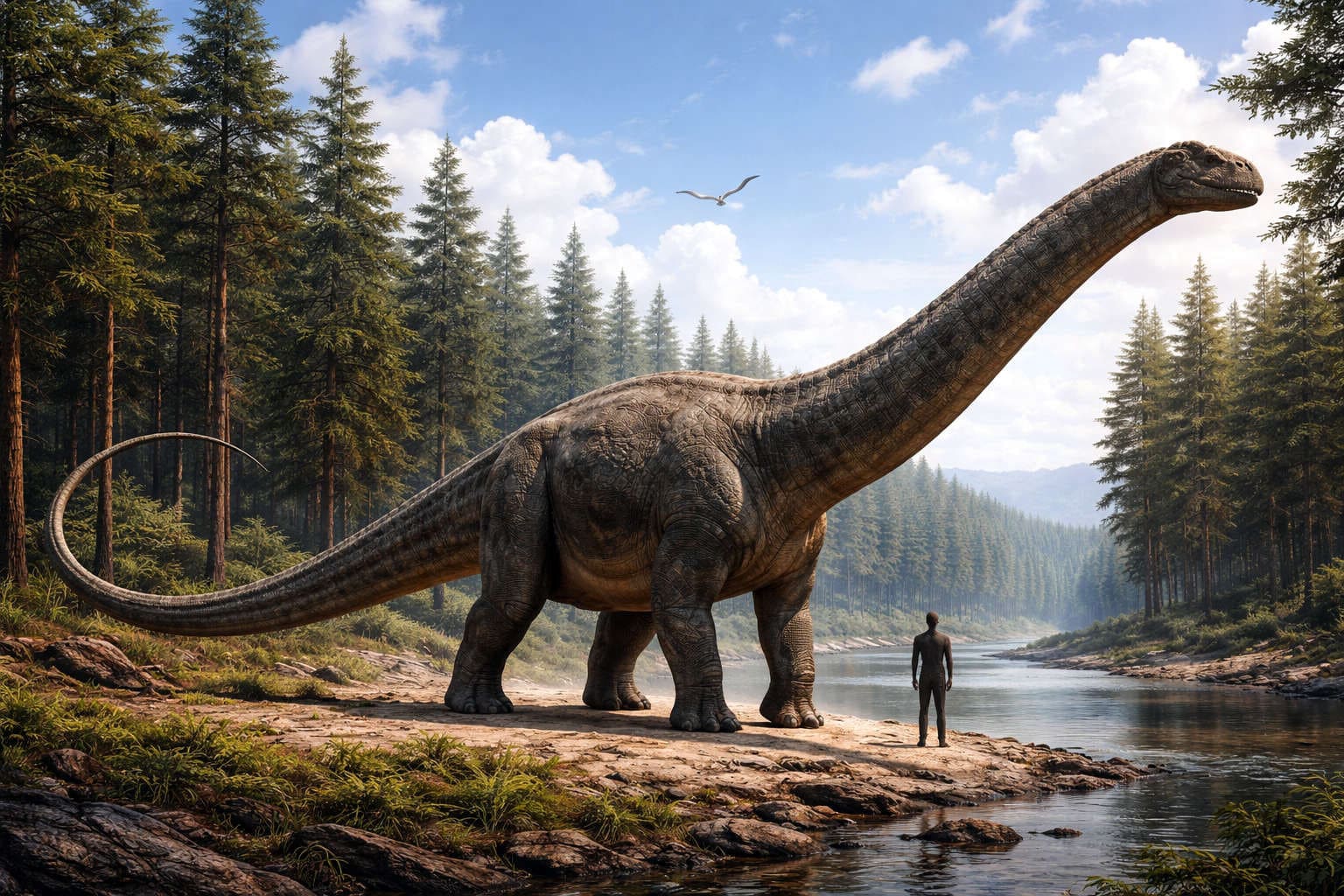
Apatosaurus was the heavier, more robust sauropod — more muscular-looking, with a thicker, lower-set neck and a bulkier frame.
Lived ~156 to 145 million years ago.
20 to 22 meters (65 to 72 feet).
Brontosaurus
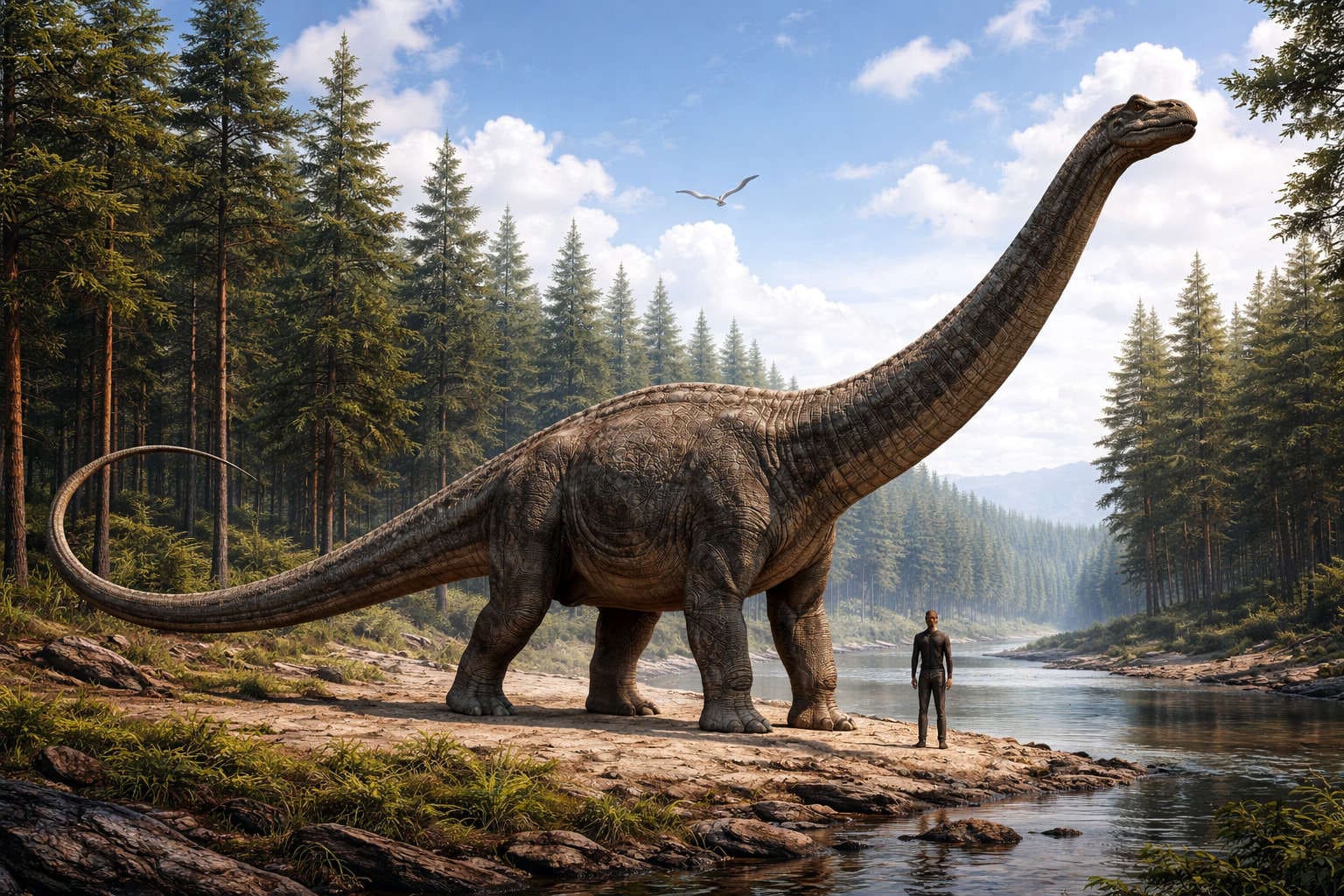
Brontosaurus, in the revived interpretation, looks broadly similar to Apatosaurus but is argued to be less massive and less robust. A bit lighter-built overall.
155 Million years ago (+/- 5 million)
Avialae: Bird Line Diverges
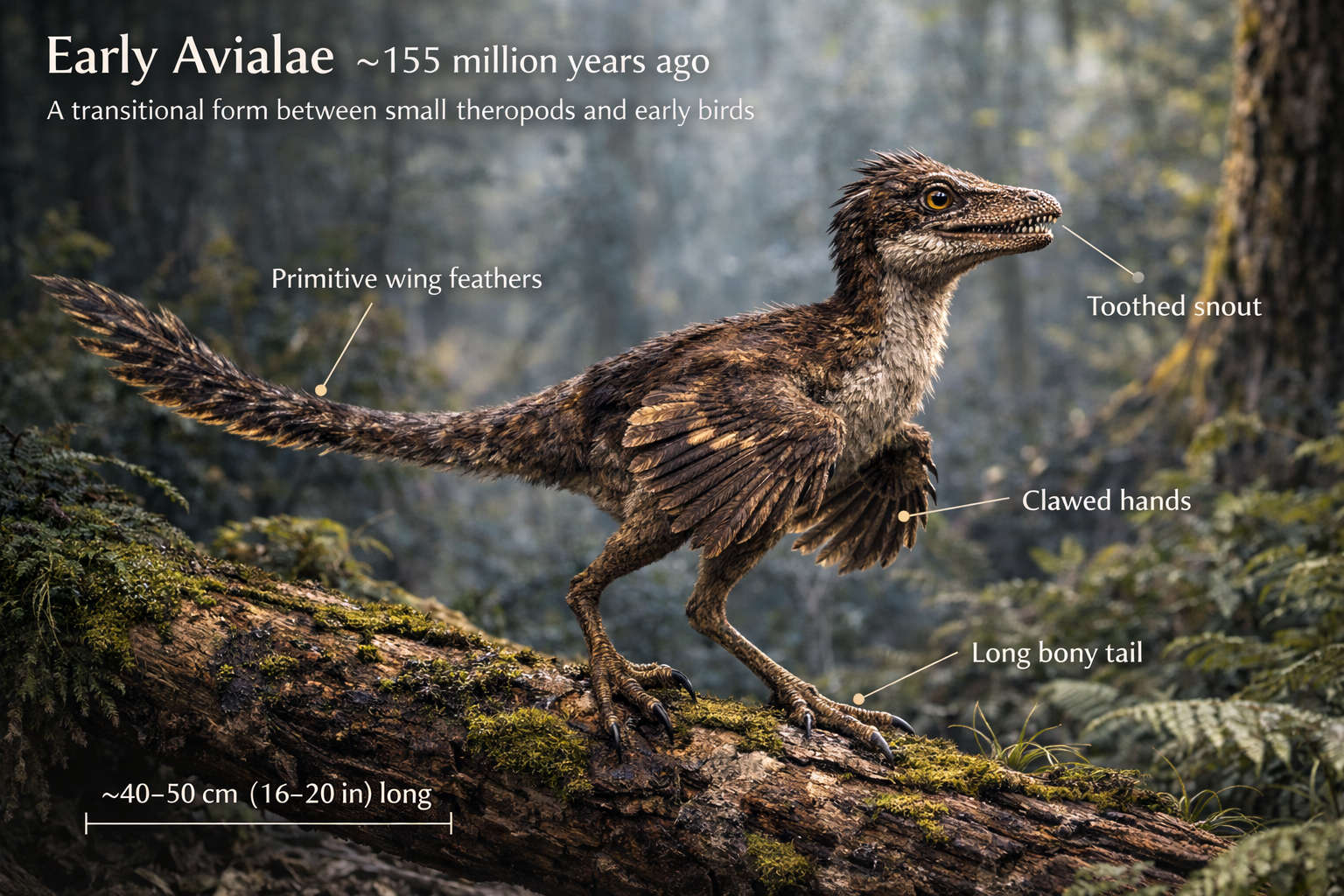
Around 155 million years ago, an early avialan was probably already broadly Archaeopteryx-like, yet still unmistakably dinosaurian: small feathered theropod with teeth, claws, and a long bony tail.
Lived 152 to 145 million years ago.
Stegosaurus
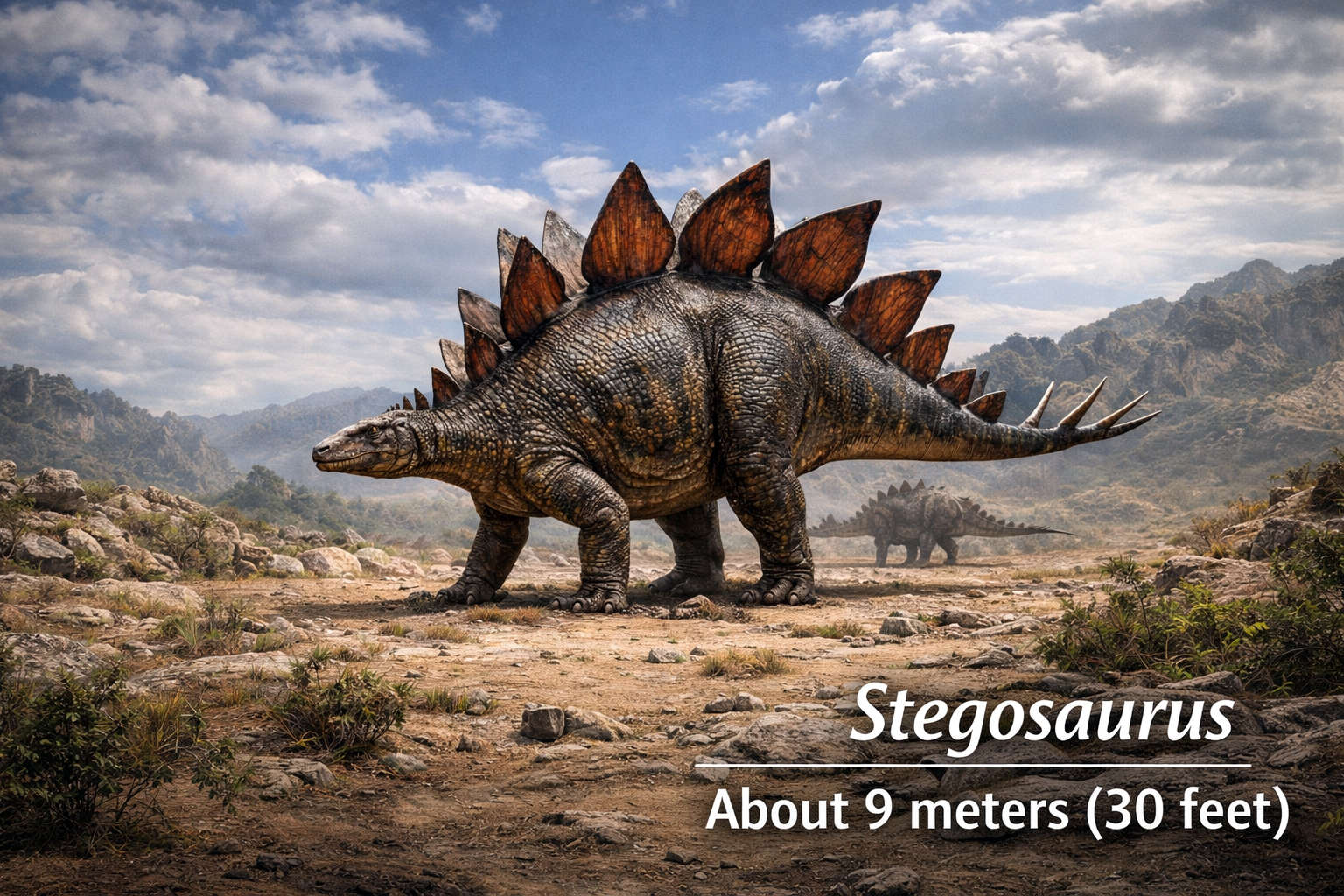
Stegosaurus is the classic plated dinosaur most people picture: large back plates, a small head, and a spiked tail used for defense. It lived late in the Jurassic
149 Million years ago (+/- 1 million)
First True Bird: Archaeopteryx
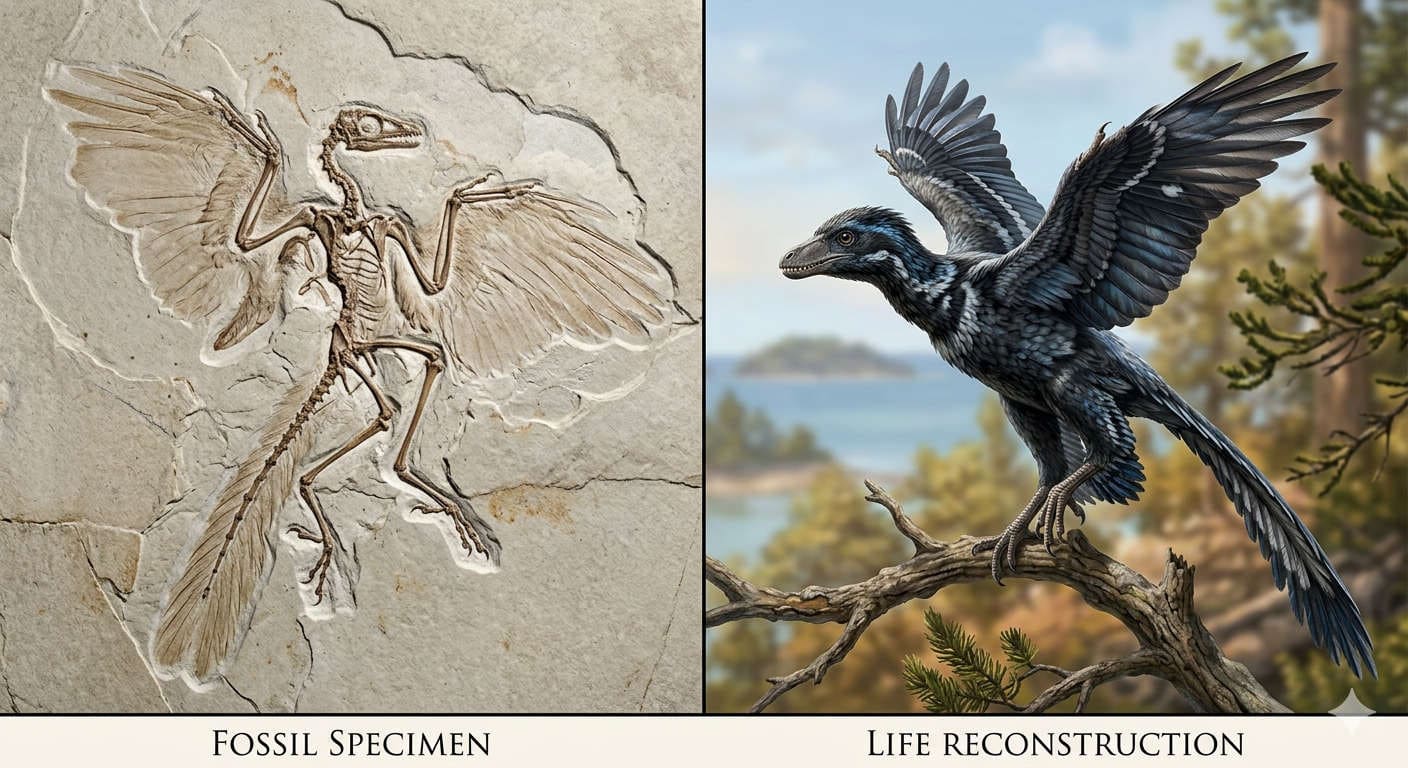
Archaeopteryx reminds us that major transformations often happen gradually, with old traits and new traits living side by side for a long time. The story of birds began with their dinosaur past.
145 Million Years Ago (+/- 5 million years)
Rapid vascular transport
Modern Trees: Modern Leaves

~131 Million years ago.
Extinct bird line (clawed wings, elaborate ribbon-like tail feathers)
Confuciusornithiformes Birds Emerge (Now Extinct)

Weird carryovers and side experiments: clawed wings, elaborate ribbon-like tail feathers, and a mix of advanced beak features with a still primitive dinosaurian body.
~131 Million years ago.
Extinct bird line (clawed wings, teeth)
Enantiornithes Birds Emerge (Now Extinct)
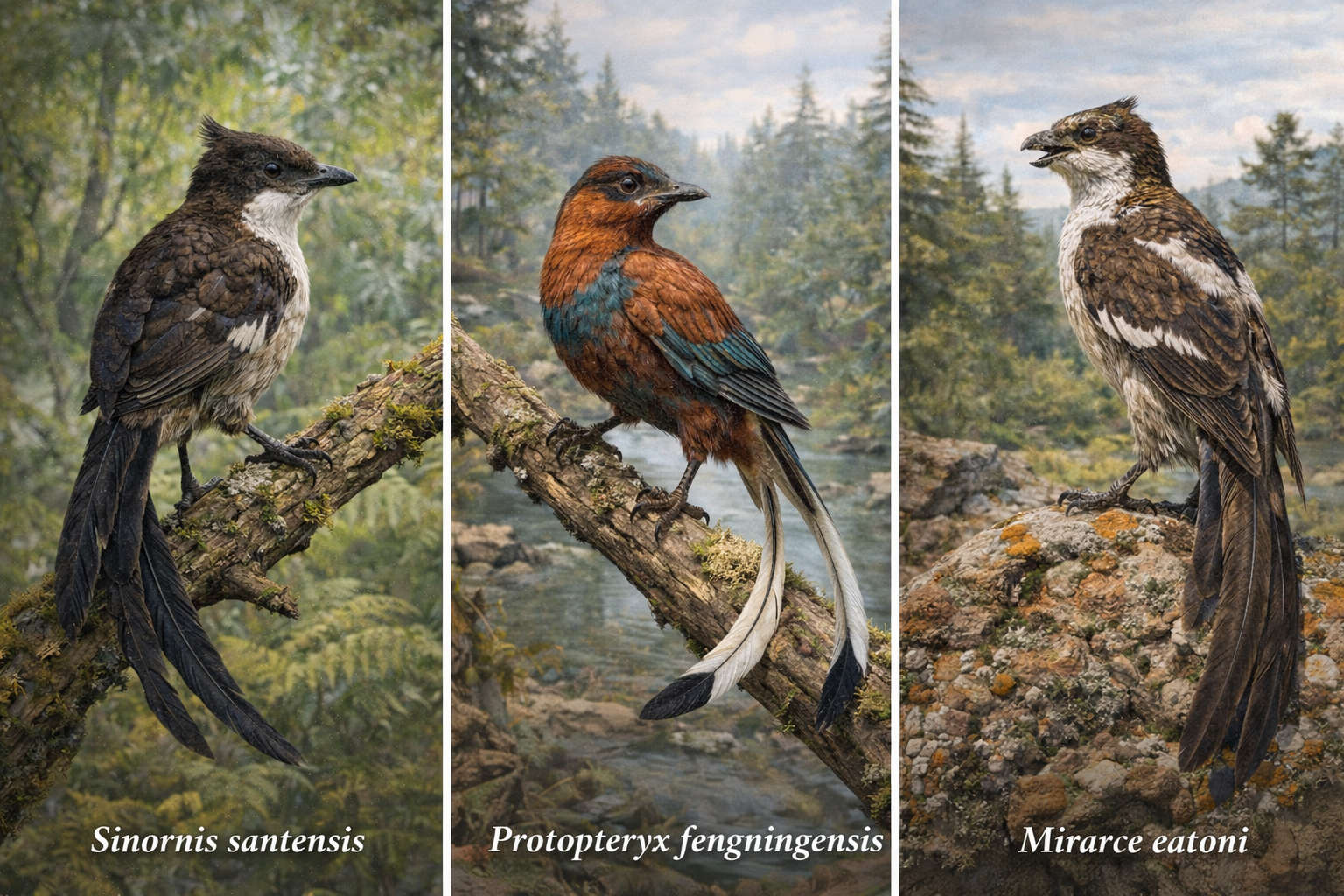
Enantiornithes were one of the most successful early bird branches of the Cretaceous, but unlike Confuciusornithiformes, they generally kept their teeth and often looked a bit more like small, sharp-faced bird-dinosaurs than beaked proto-birds.
125 Million Years Ago
Expanded Limbic System, reward circuitry
Animal Vocabulary: Dozens of Words

Eomaia scansoria in their natural environment from about 125 million years ago. These early mammals likely lived in a lush, prehistoric forest setting and had a vocabulary, or signaling, range into the dozens of words, well, gestures.
circa 125 Million BCE
Complex Brains; Long-Term Memory; Complex Sentience; Likely Proto Self-aware.
Complex Sentience Settles: Eomaia scansoria
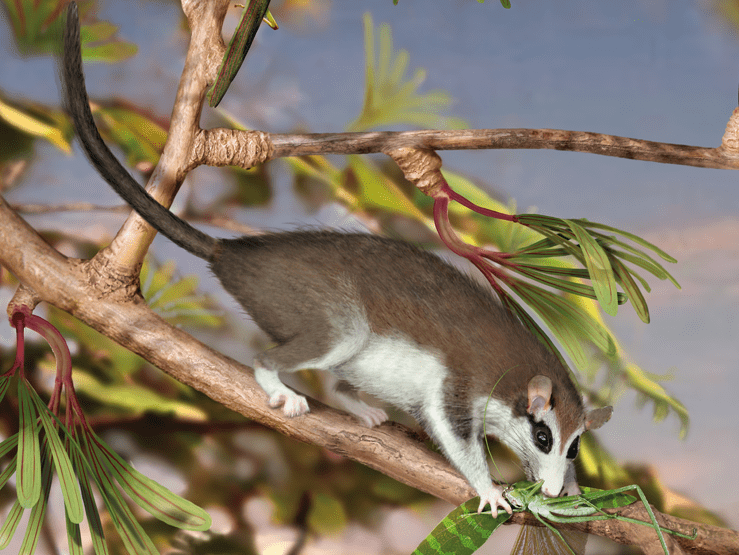
The rise of Eomaia scansoria, an early placental mammal, marks a definitive leap towards "Complex Sentience" in the evolutionary saga leading to humans. It's also plausible that it possessed a foundational level of self-awareness, or what can be termed as Proto Self-awareness. A rudimentary sense of self.
~125 Million years ago
Last Non-Mammaliaform Cynodonts
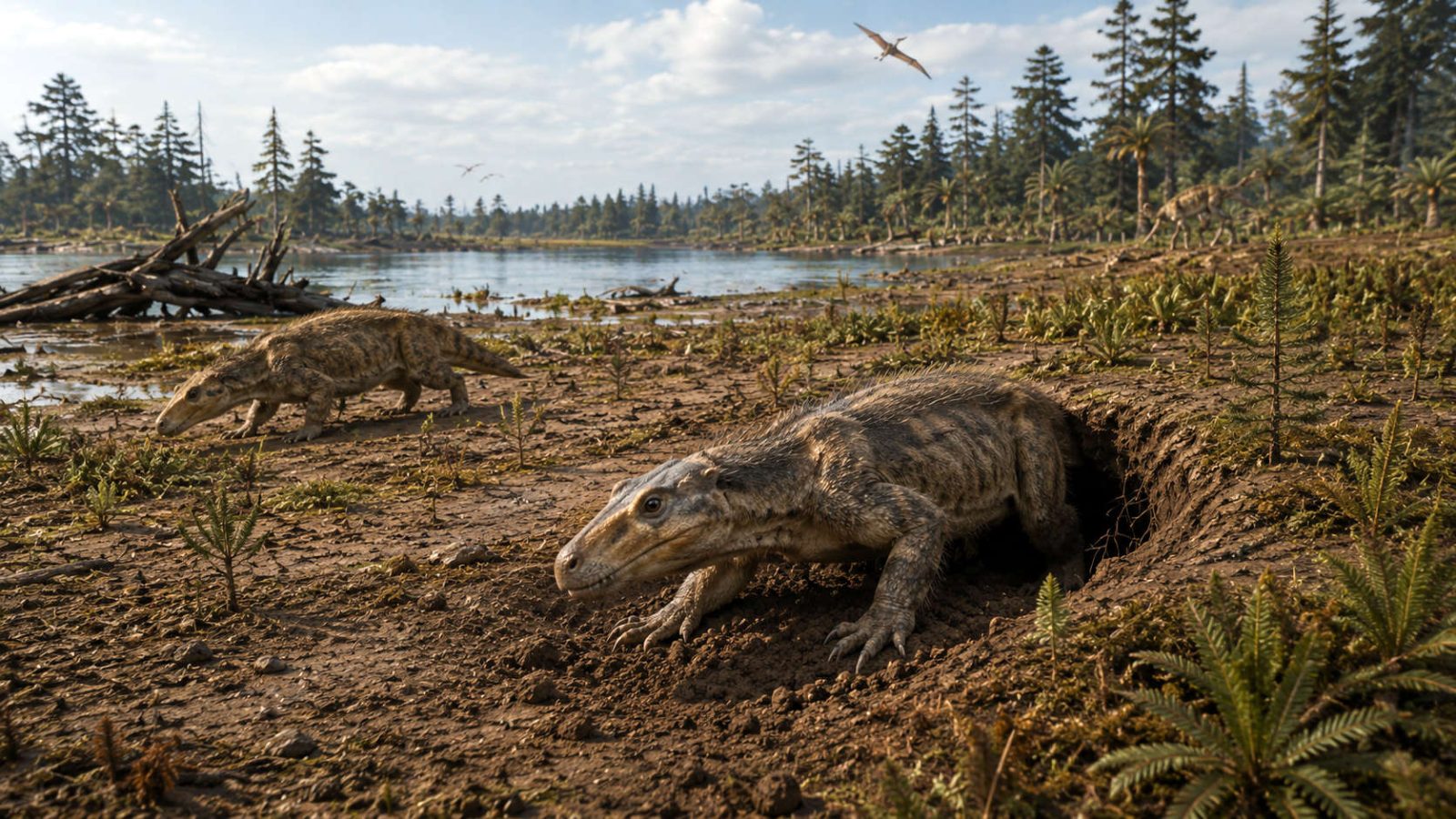
Around 125 million years ago, late tritylodontids carried an older branch of the mammal-side story into the age of dinosaurs. They were advanced cynodont therapsids, close to the mammal line, but not part of the mammaliaform branch. With strong jaws, specialized plant-eating teeth, sturdy limbs, and possible digging habits, they show how complex the road to mammals really was.
110 Million years ago (+/- 10 million)
The Last Stegosaurus: Wuerhosaurus
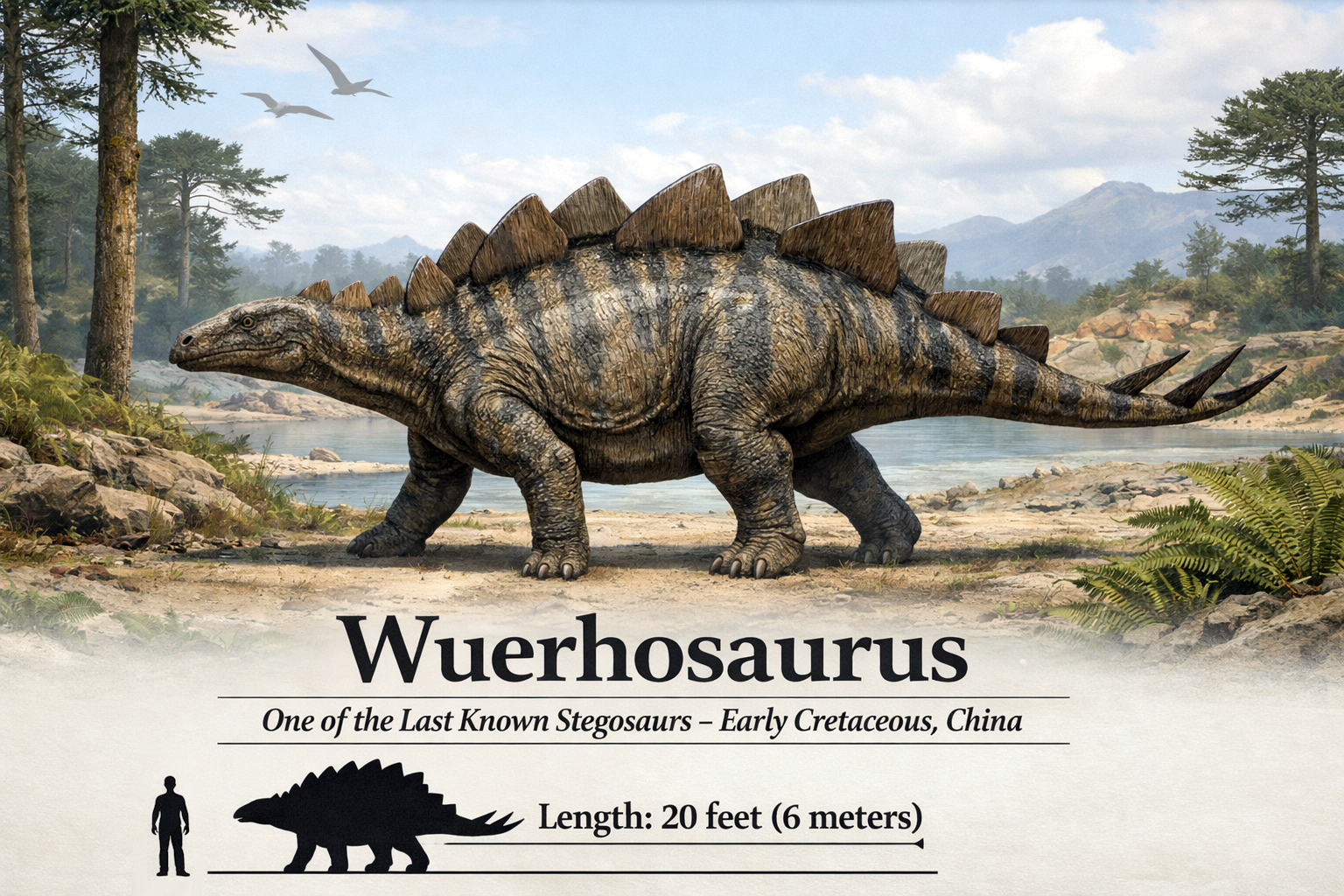
Wuerhosaurus was one of the last known stegosaurs, carrying the classic plated-and-spiked body plan into the Early Cretaceous of what is now China.
Lived from 97 to 93.5 million years ago.
Argentinosaurus
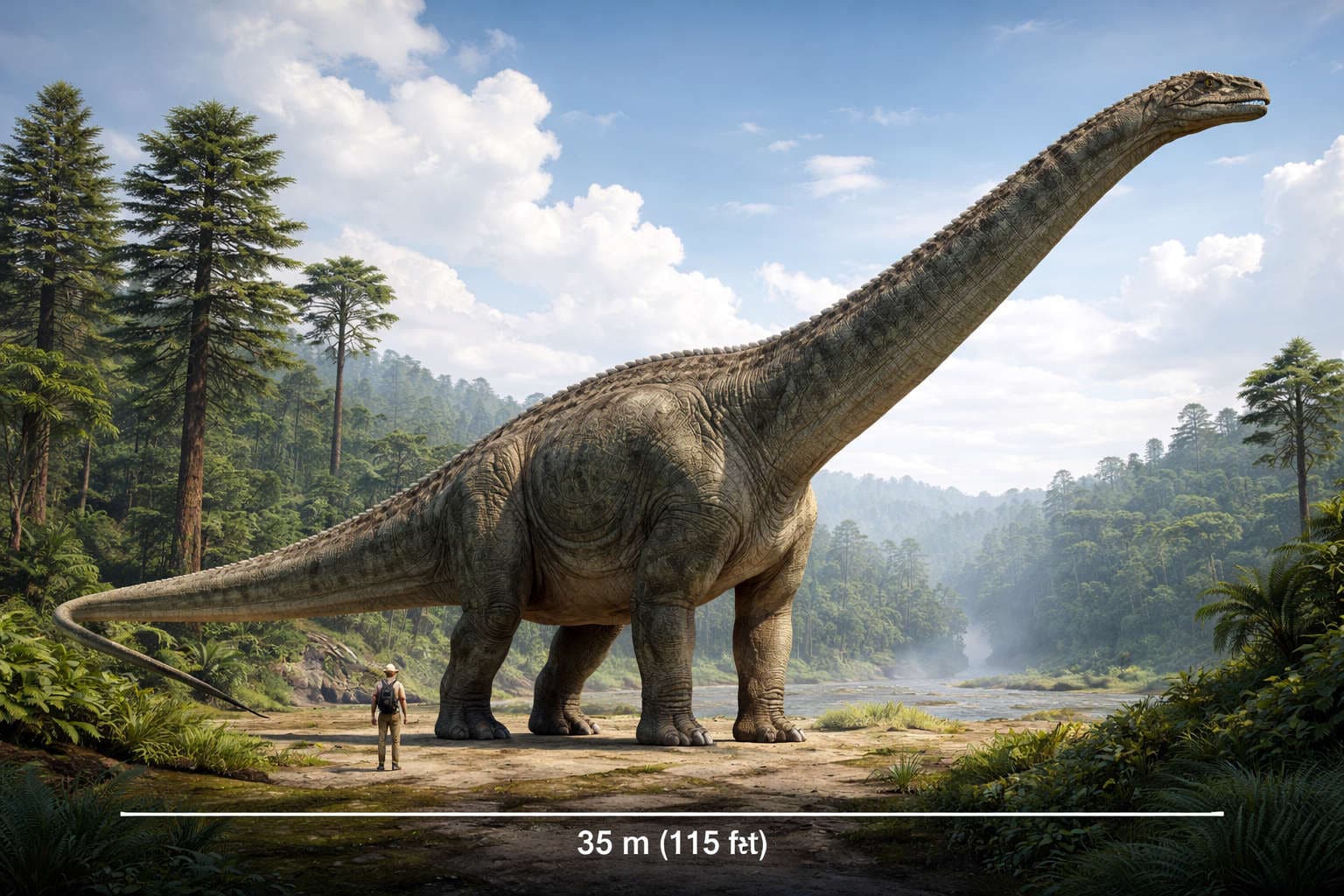
Argentinosaurus shows how far the sauropod body plan could go. By the Late Cretaceous, some titanosaurs had become the largest land animals known, turning the long-necked dinosaur design into one of evolution’s most extreme achievements.
~95 Million Years Ago (+/- 5 million)
Tall, fire-resistant, long-lived conifer specialization.
Redwood Lineage Emerges
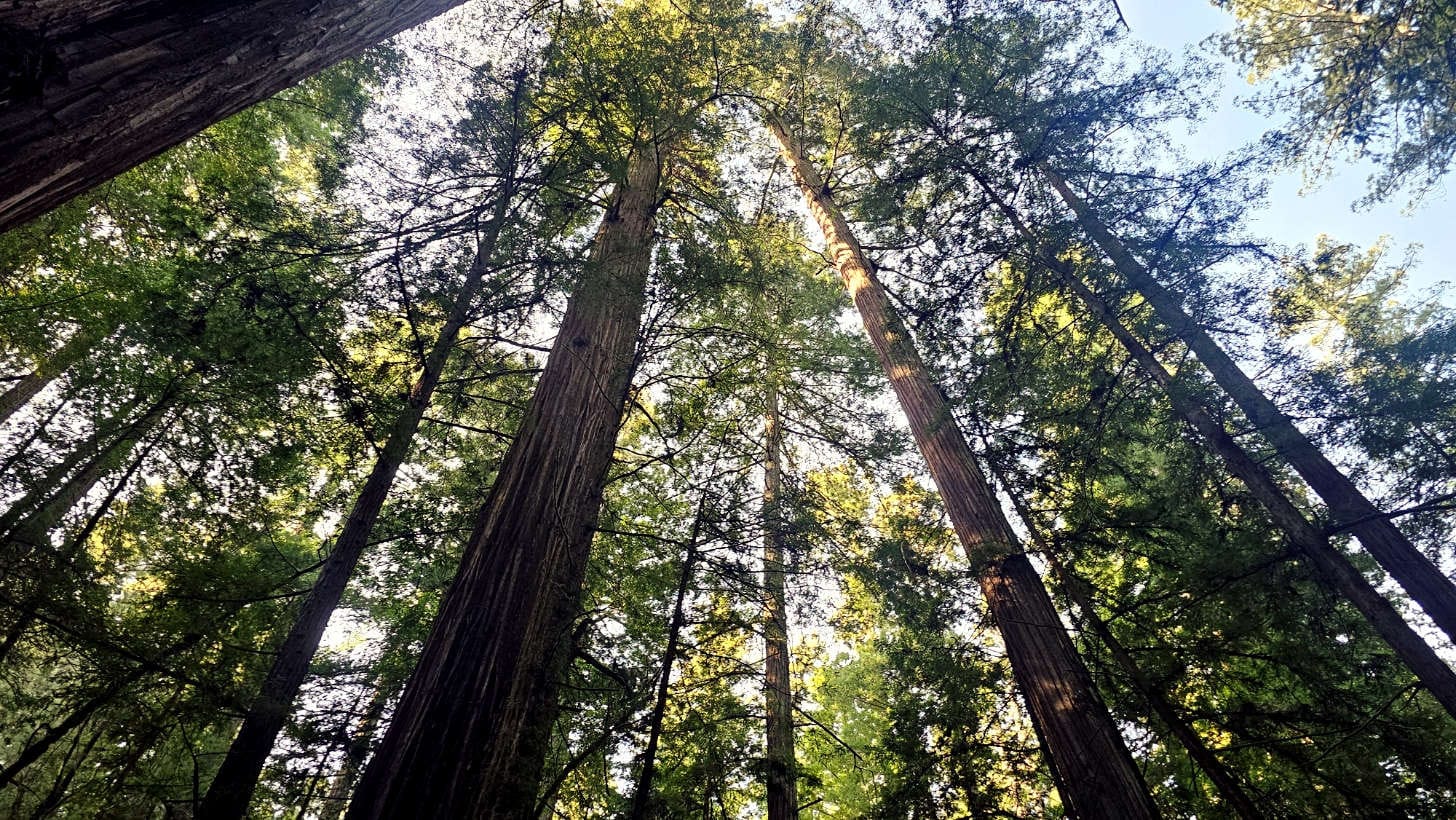
This picture was taken in Armstrong Redwoods State Natural Reserve near Guerneville, California. When Melissa and I stood under Parson Jones on February 2, 2026, we were standing beneath a long lineage that began while Tyrannosaurus still walked the Earth.
~90 Million years ago (+/- 10 million).
Neornithes (Crown Birds) emerge
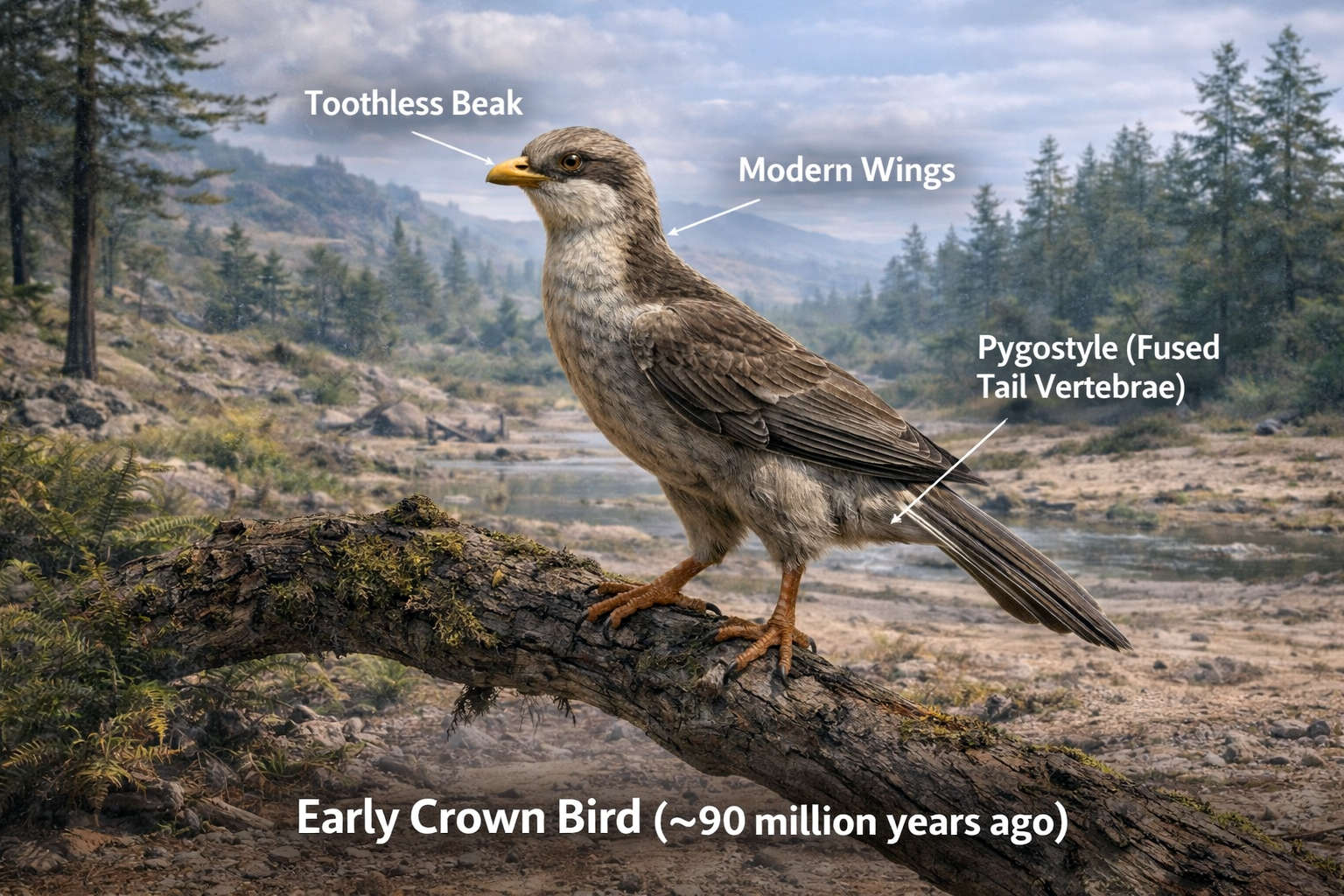
Three branches of modern birds evolved from within neornithes: Struthio camelus (the ostrich), Gallus gallus (chickens), and Passer domesticus (the house sparrow is a good one).
Lived from about 90 to 89 million years ago.
Triceratops ancestor
Zuniceratops
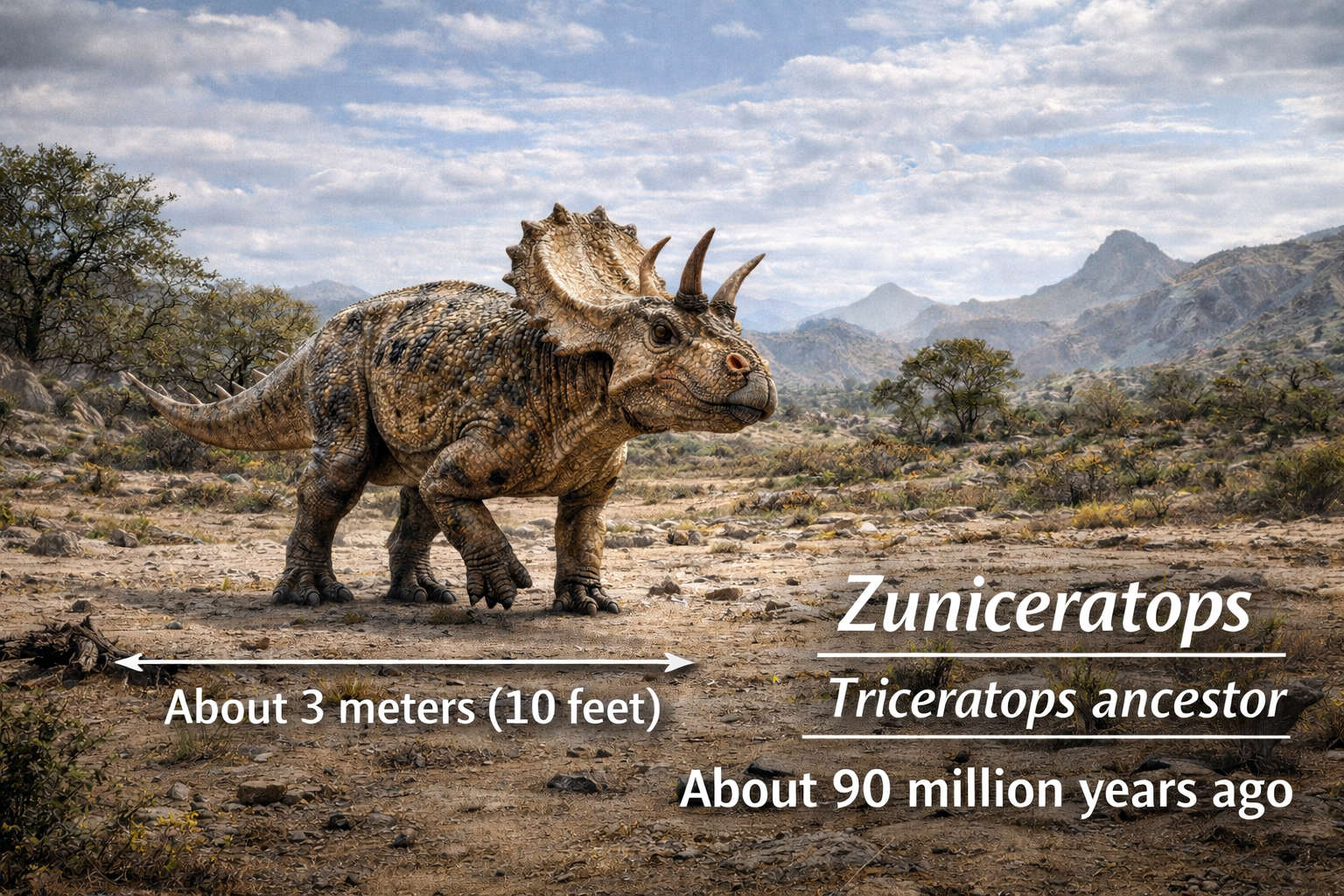
A smaller, earlier horned dinosaur that helps show the transition toward the larger, more elaborate ceratopsids.
~90 Million years ago.
Hesperornithiformes Birds Emerge (Now Extinct)
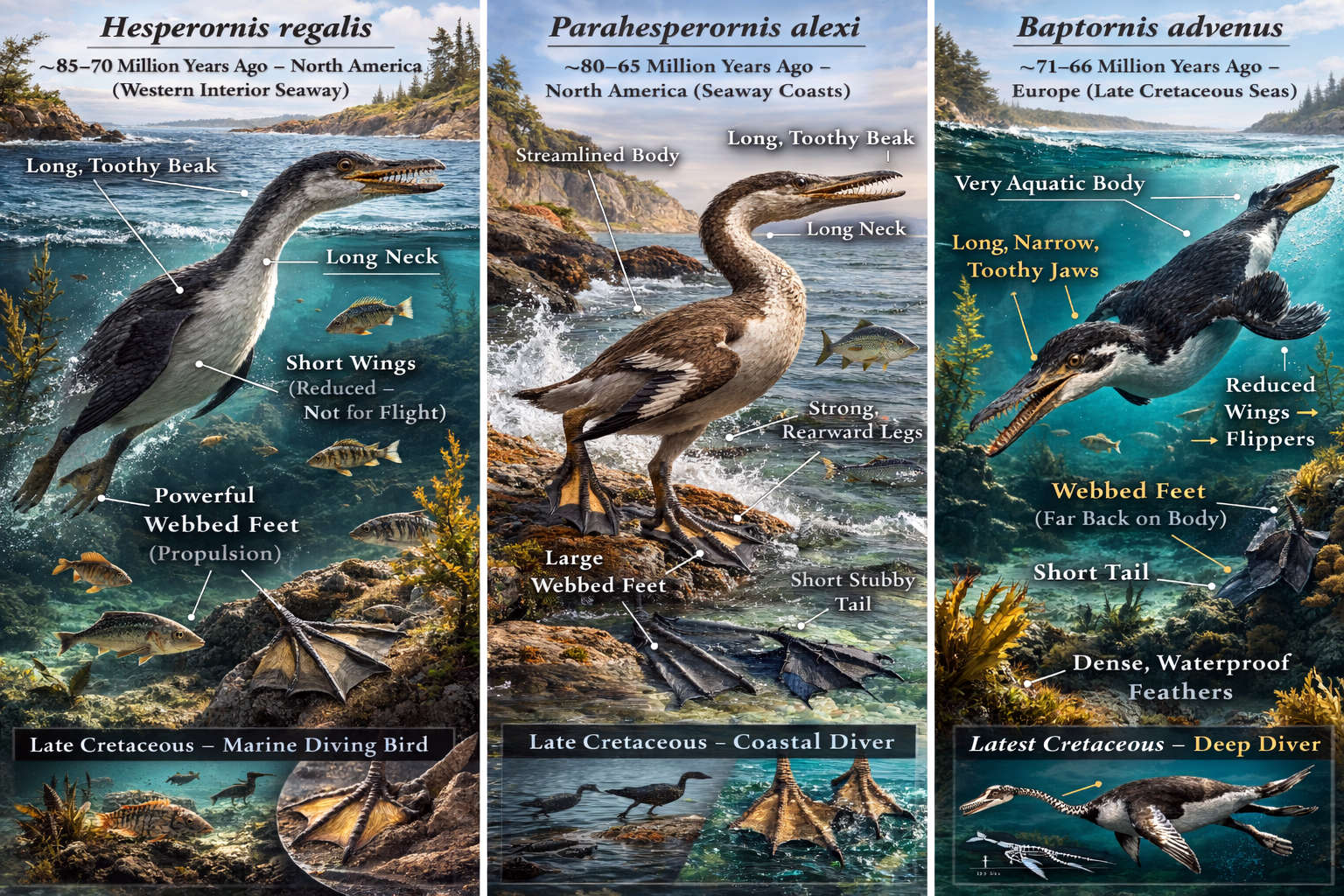
Hesperornithiformes were extinct Cretaceous diving birds that lived outside modern bird crown-group Neornithes. They show that highly specialized aquatic birds had already evolved by about 90 million years ago.
~88 million years ago (+/- 4 million)
Pteranodons Emerge
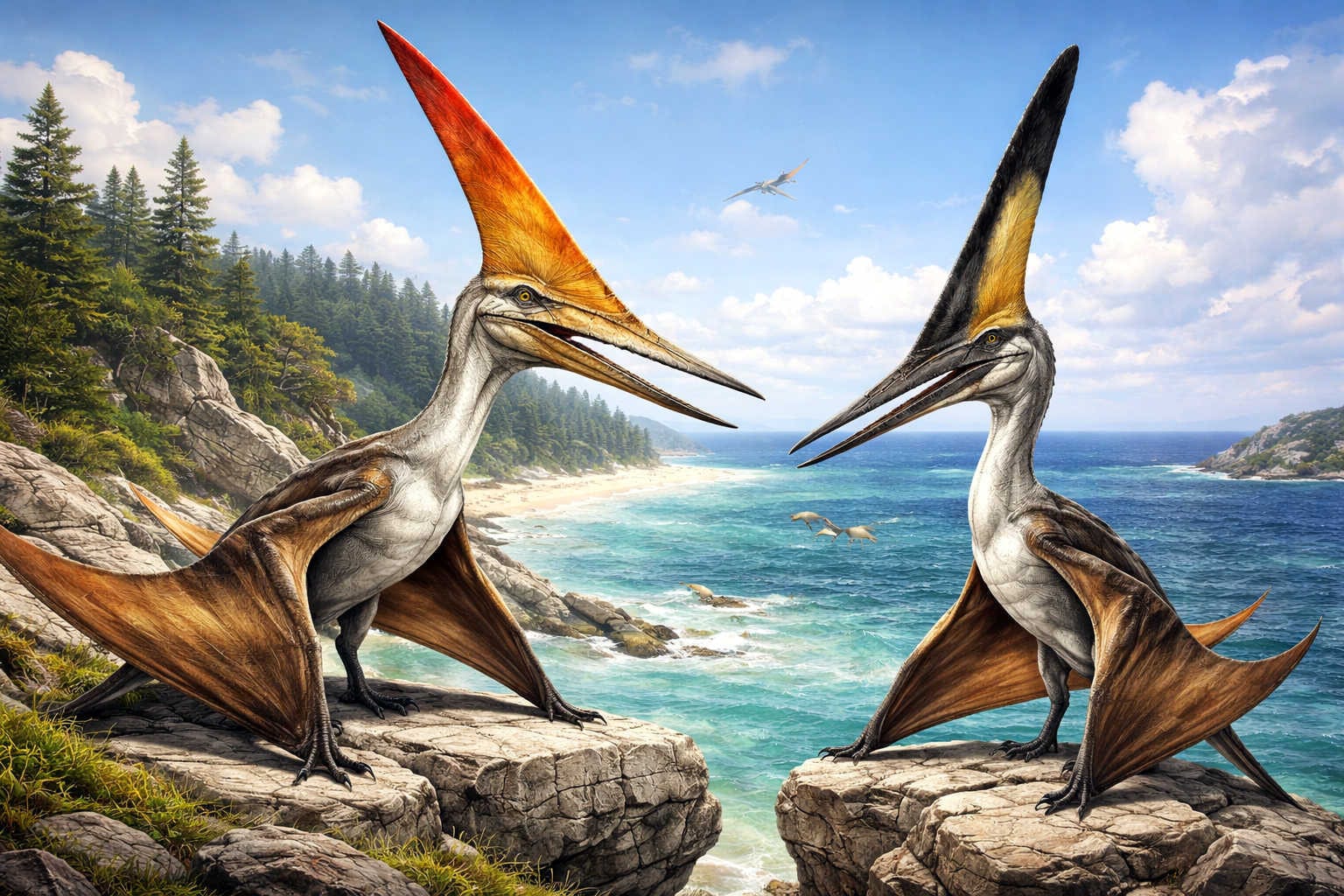
Pteranodon was one of the great soaring pterosaurs of the Late Cretaceous, but it was only one branch in a much larger pterosaur story.
~85 Million years ago (+/- 10 million).
Ground birds: ostriches, emus, tinamous, etc.
Palaeognathae Birds Emerge
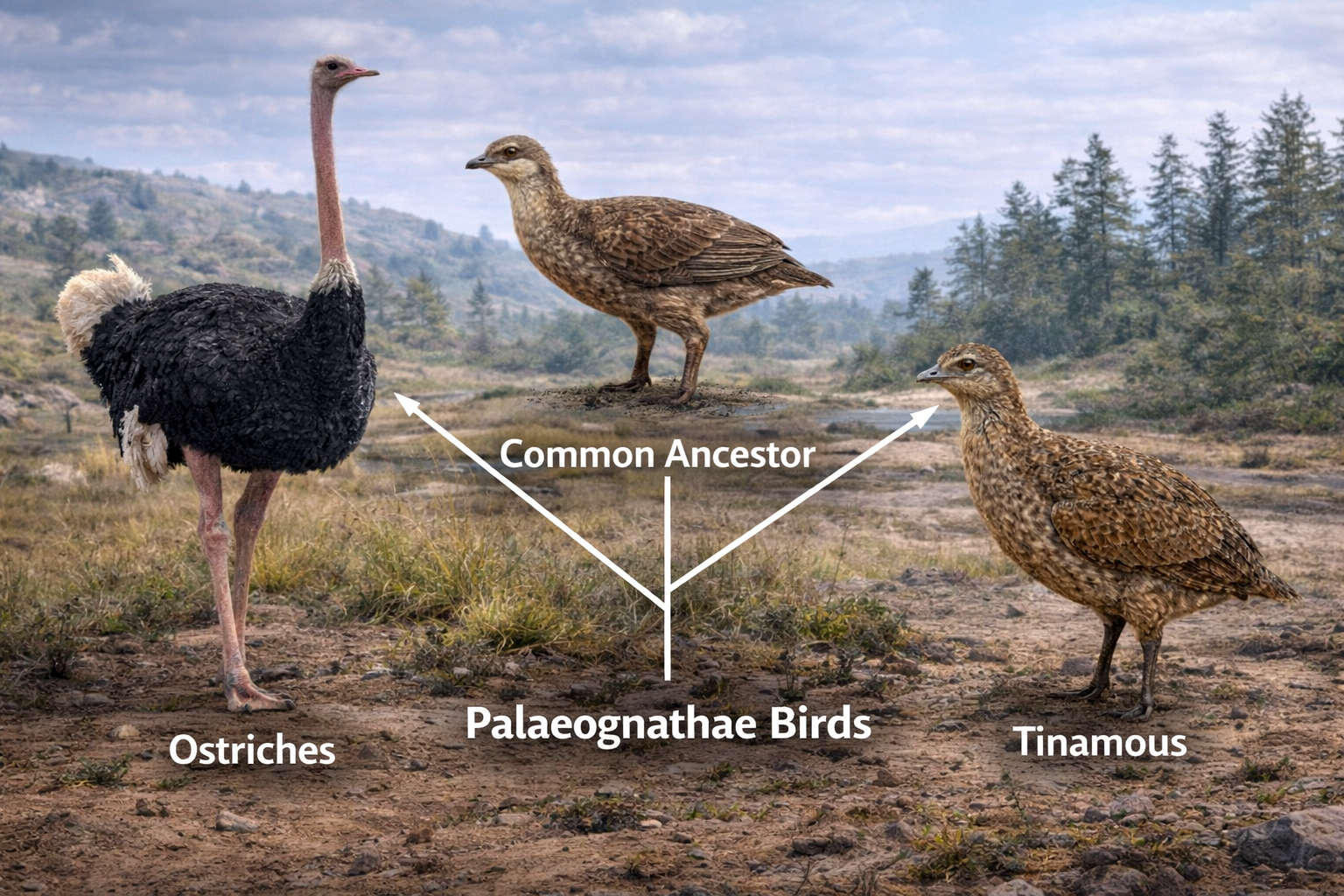
Palaeognathae is the living bird branch that includes ostriches, emus, cassowaries, rheas, kiwis, and tinamous.
~80 Million years ago (+/- 8 million).
Fowl: chickens, turkeys, pheasants, ducks, etc.
Galloanserae Birds Emerge (from Neognathae)
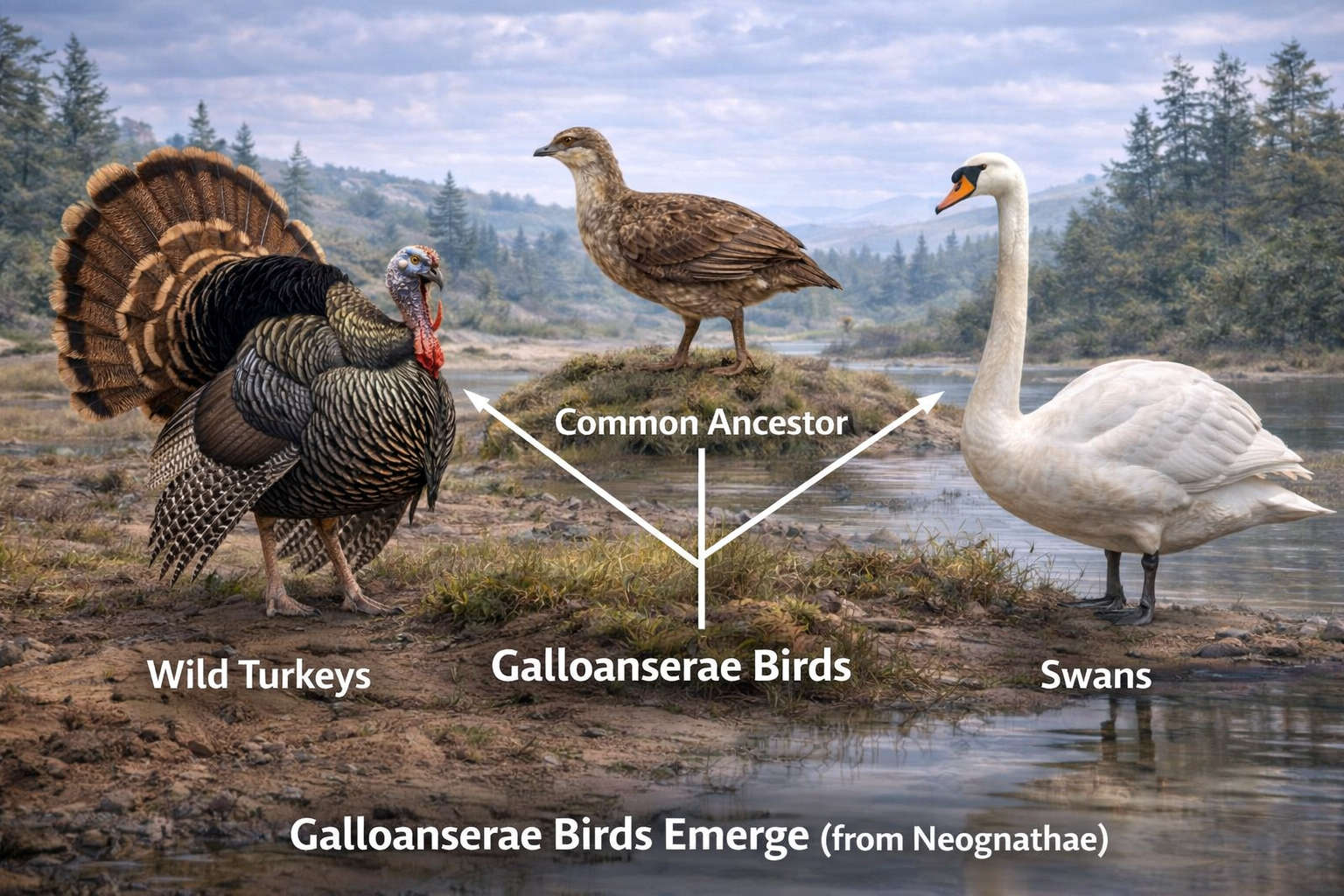
Galloanserae is the living bird branch that includes landfowl and waterfowl: chickens, turkeys, pheasants, ducks, geese, and swans.
80 Million BCE
Appendix
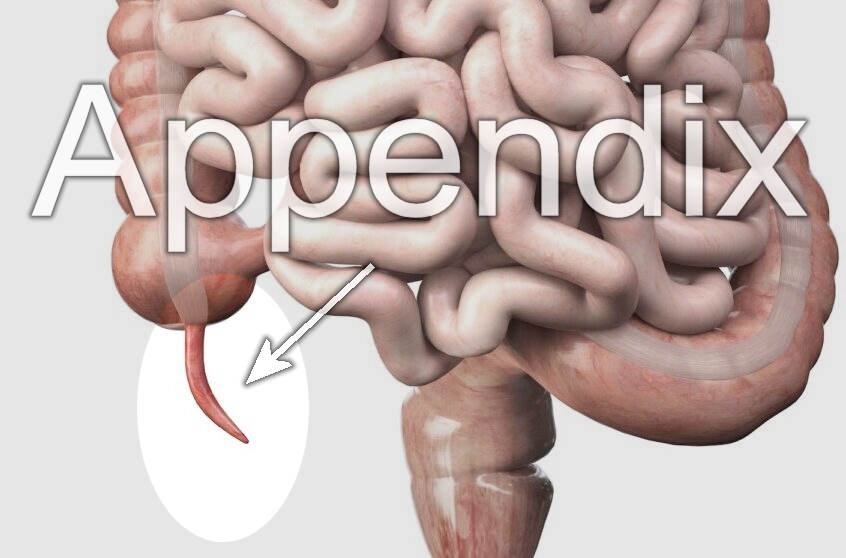
The appendix is an example of a Phenotype Variation -- a trait that varies among individuals. In fact, something like 1 in 100,000 people are born without an appendix.
80 Million Years Ago (+/- 10 million years)
Enlarged neocortex
Higher Play Evolves in Social Mammals

Play evolved as one of the group survival traits. Lower play abilities evolved in mammals like rodents about 190 million years ago. Higer play abilities evolved in mammals like cats about 80 million years ago.
~78 Million years ago (+/- 4 million).
Led to common birds: crows, sparrows, robins, hawks, owls, hummingbirds, etc.
Neoaves Birds Emerge (from Neognathae)

Neoaves is the enormous living bird branch that includes all birds that are not part of the ostrich-tinamou branch and not part of the duck-chicken branch.
Lived ~76 to 75 million years ago.
Styracosaurus
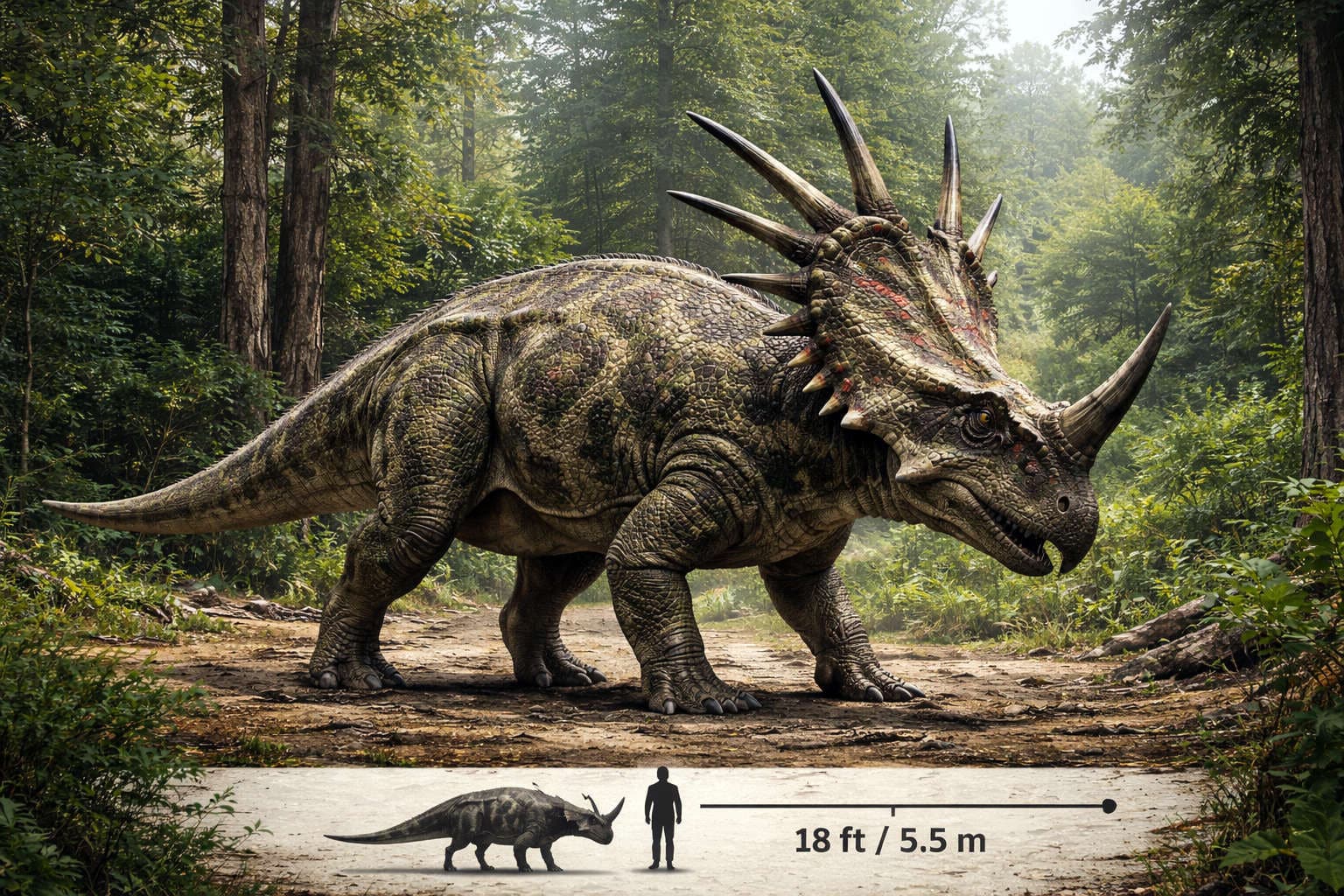
Styracosaurus was a striking horned ancient cousin of Triceratops, showing that ceratopsids branched into different styles long before the dinosaurs came to an end.
Lived from ~69 to 66.04 million years ago.
Tyrannosaurus Rex
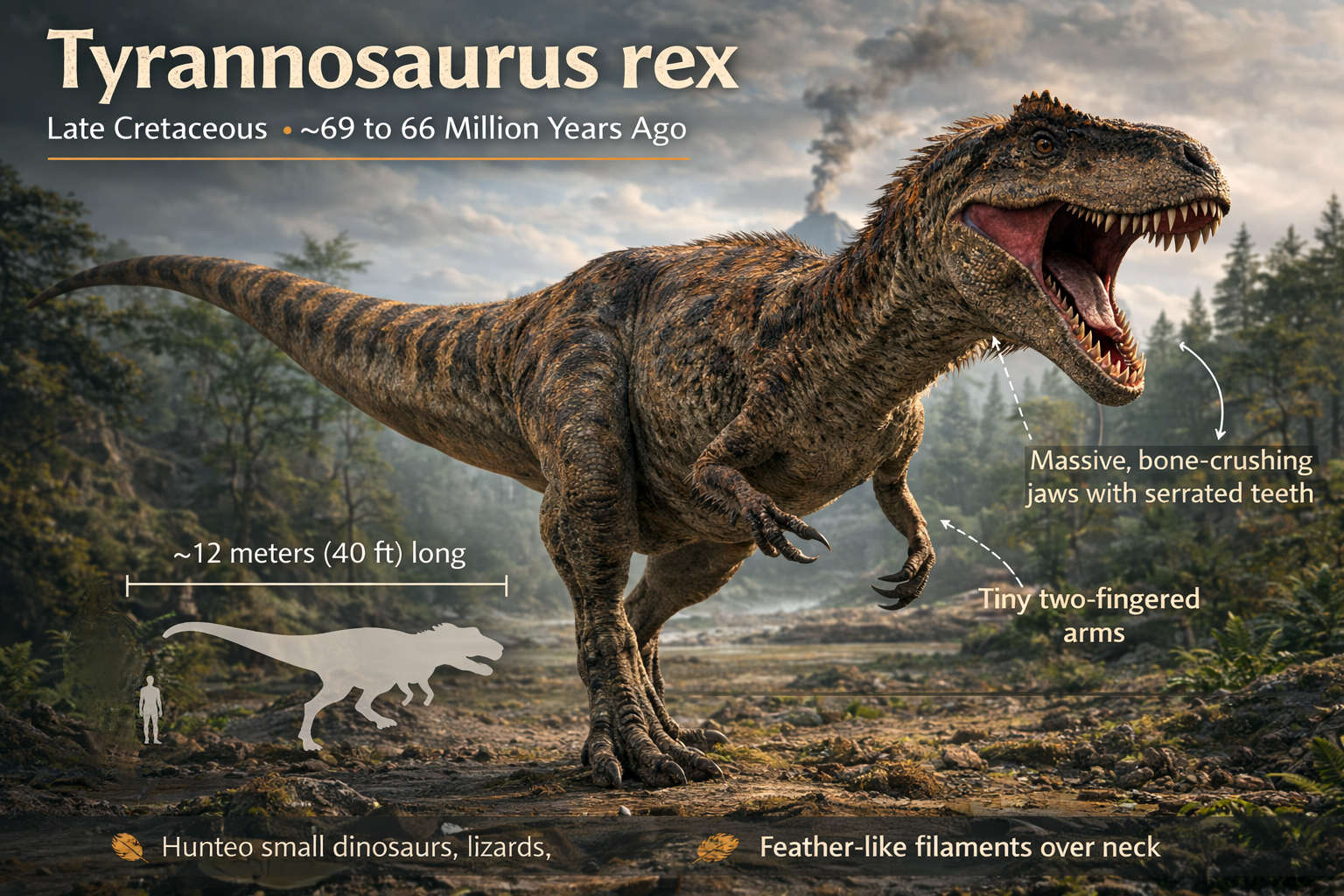
T. rex lived in western North America about 69 to 66 million years ago. All dinosaurs, except potentially three lines of bires, went extinct 66 million years ago, when the Chicxulub asteroid hit.
Lived from ~68 to 66.04 million years ago.
Triceratops
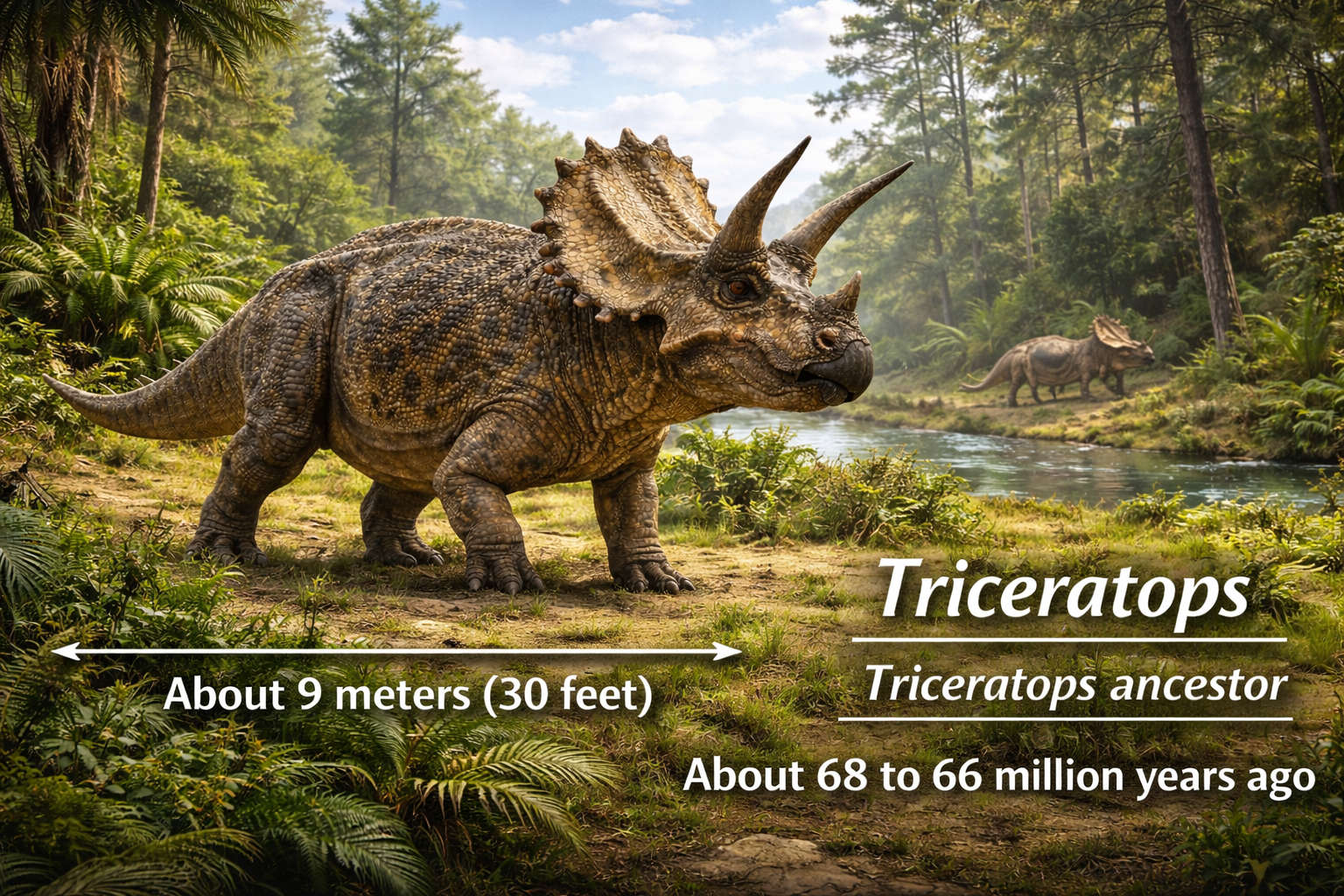
Three facial horns, broad frill, and powerful four-legged body. It was one of the last great non-avian dinosaurs and is the classic fully developed ceratopsid most people picture when they think of horned dinosaurs. Lived from about 68 to 66 million years ago.
66.04 Million years ago (K–Pg extinction)
The Last Pterosaurs
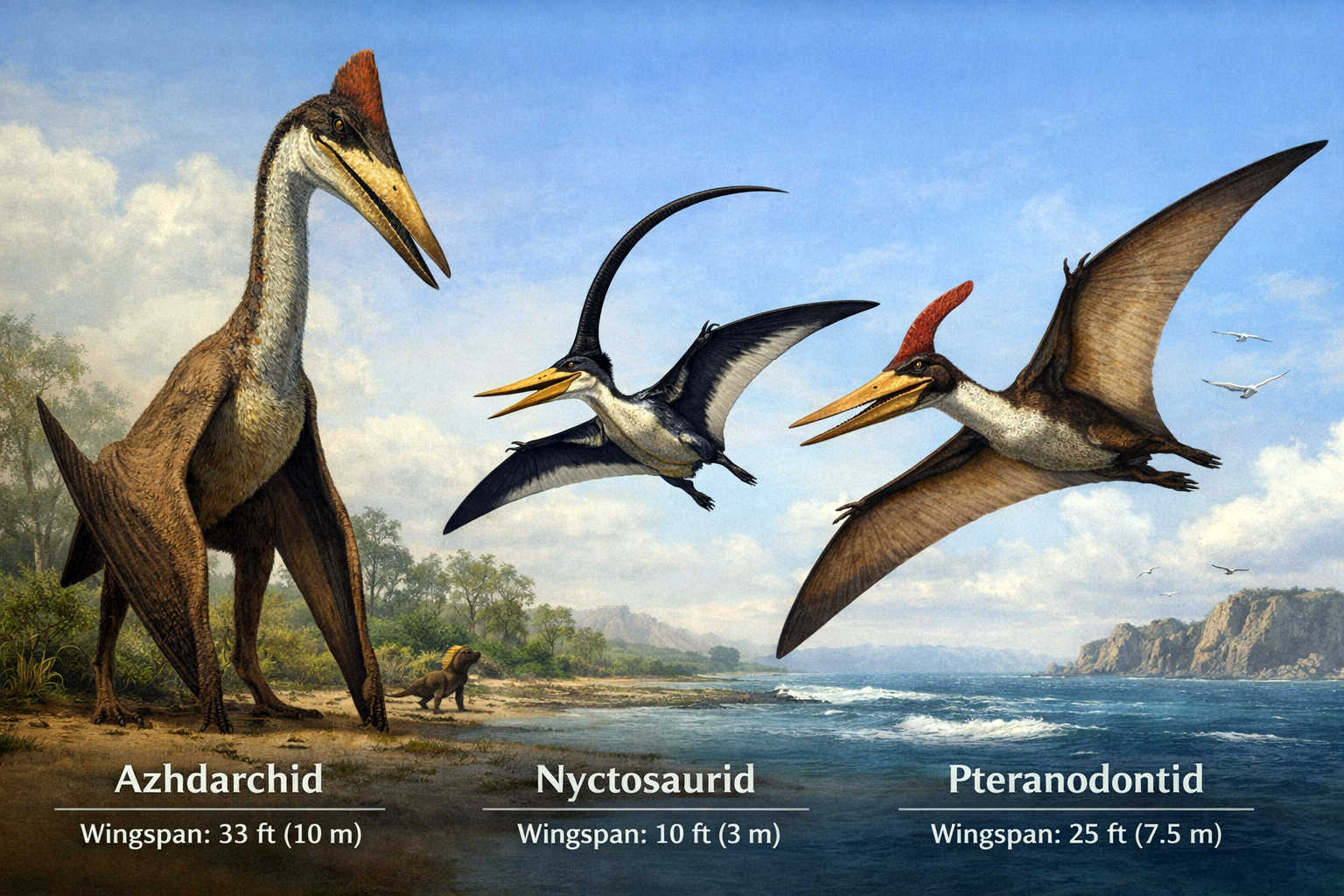
By the end of the Cretaceous, the surviving pterosaurs were mostly advanced, toothless pterodactyloids.
66.04 Million years ago (K–Pg extinction)
The Last Ornithischians
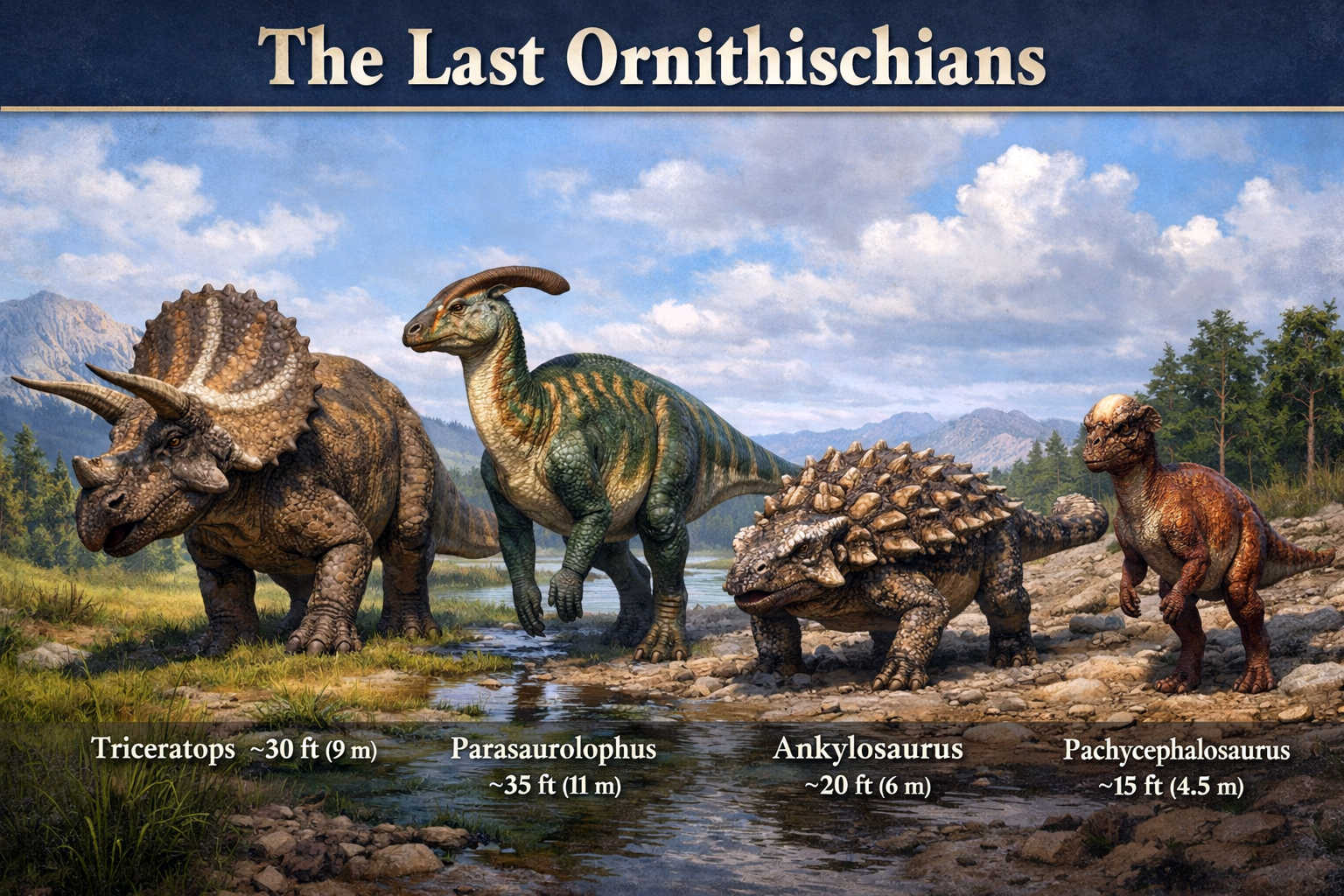
The last ornithischians still displayed four striking body plans at the end of the Cretaceous: horned ceratopsians, duck-billed hadrosaurs, armored ankylosaurs, and dome-headed pachycephalosaurs.
66.04 Million years ago (K–Pg extinction)
The Last Sauropods
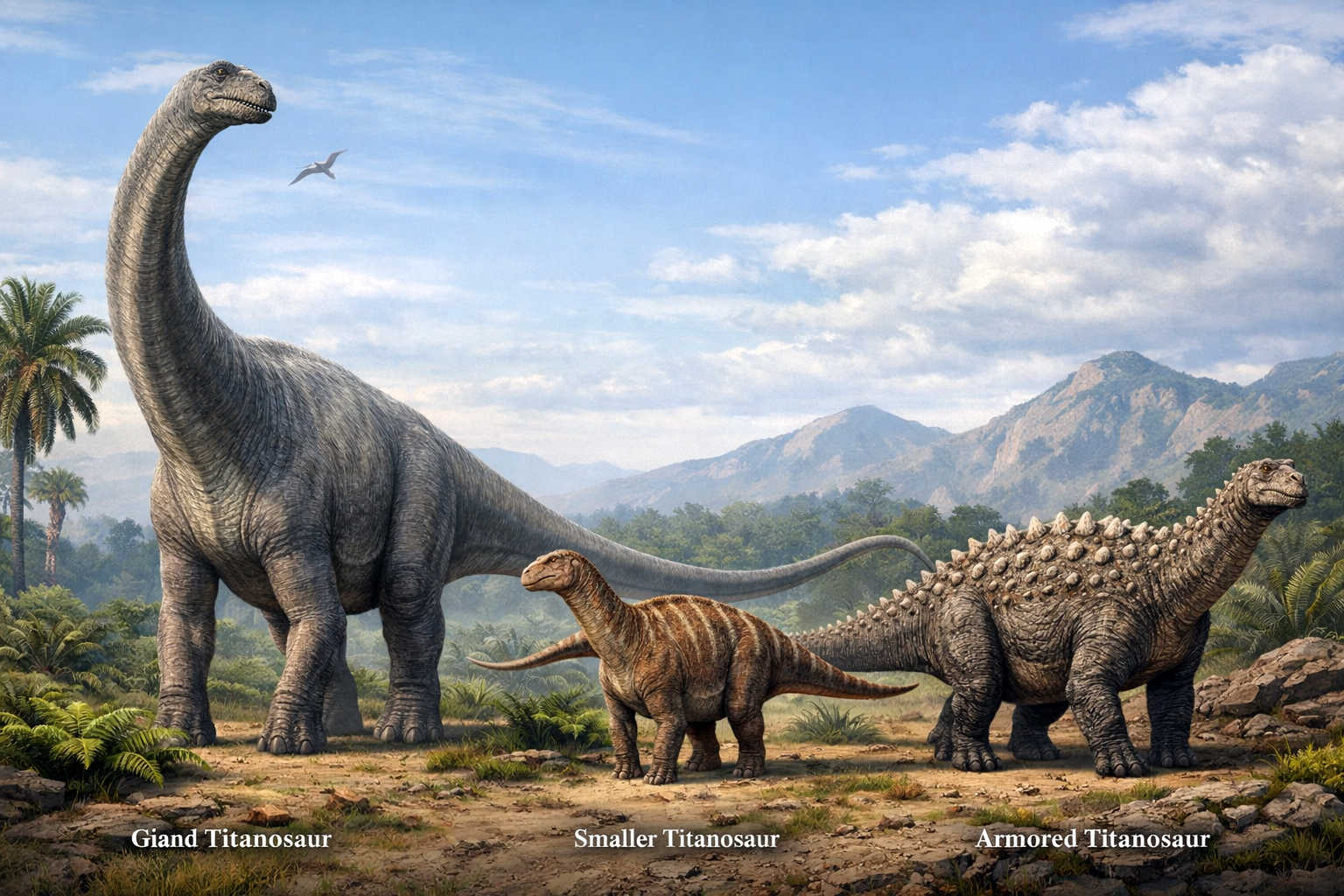
By the end, sauropods had narrowed to one last great branch—titanosaurs—but that branch still held real variety.
66.04 Million years ago (K–Pg extinction)
The Last Theropods
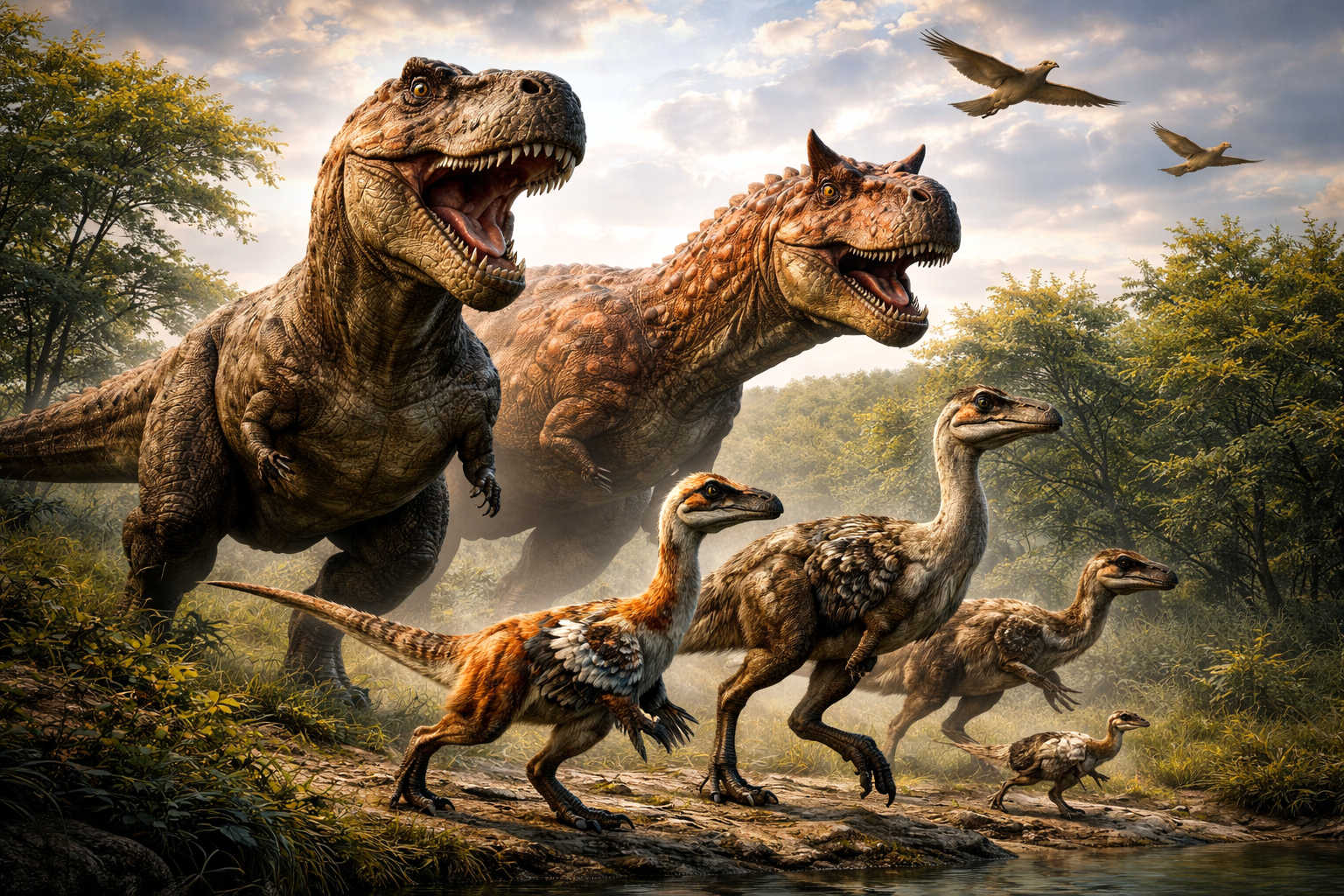
The last theropods still ranged from giant apex predators to smaller runners and hunters, while birds overhead carried the theropod branch beyond the extinction event.
66.04 Million years ago (K–Pg extinction)
Toothed Birds Go Extinct
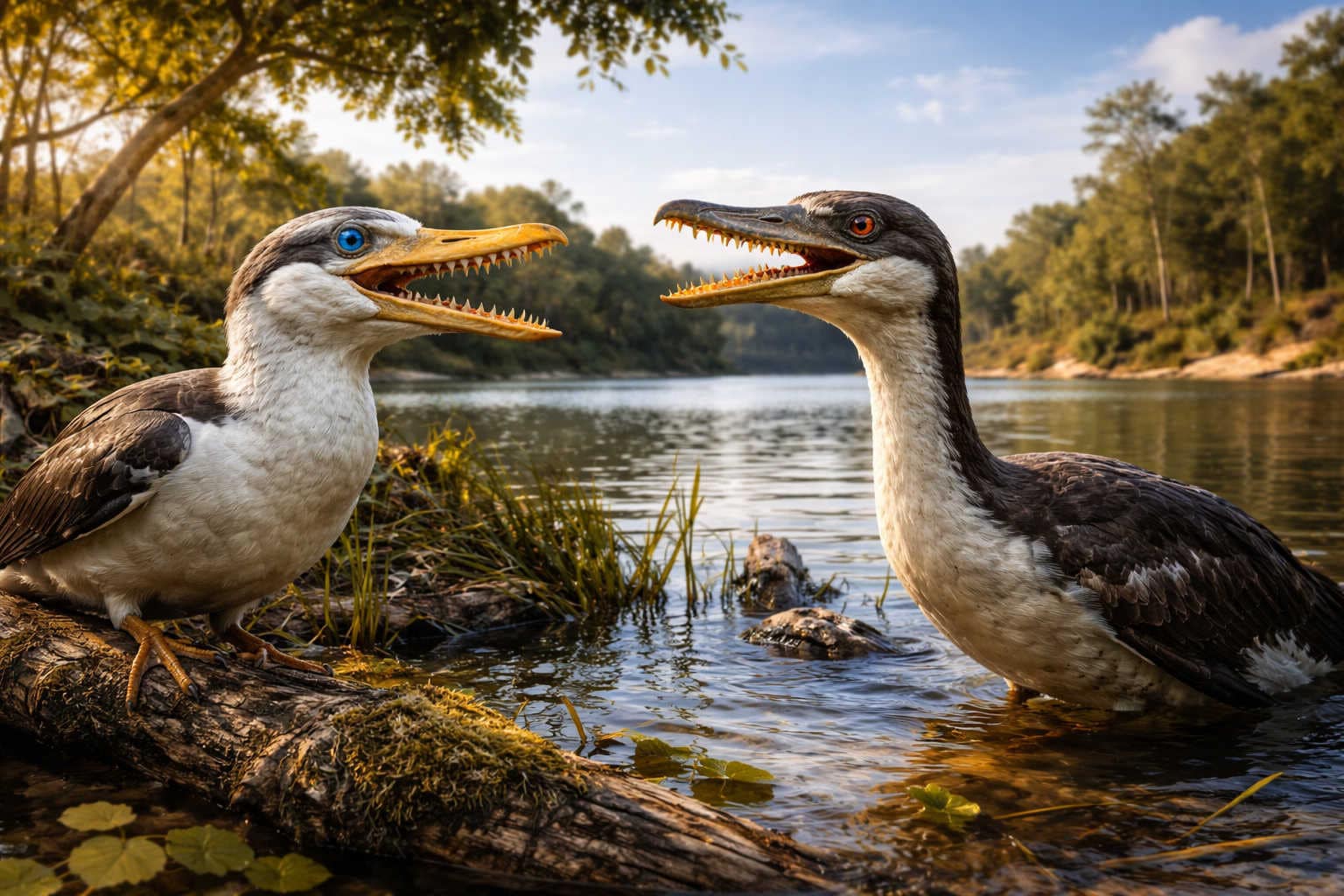
At the K–Pg boundary, birds were already diverse, but most of that Late Cretaceous variety died out, leaving only a small toothless slice of the bird world to continue.
66.04 million years ago (+/- 900 years).
Cause: Massive Meteor
The K-Pg Extinction
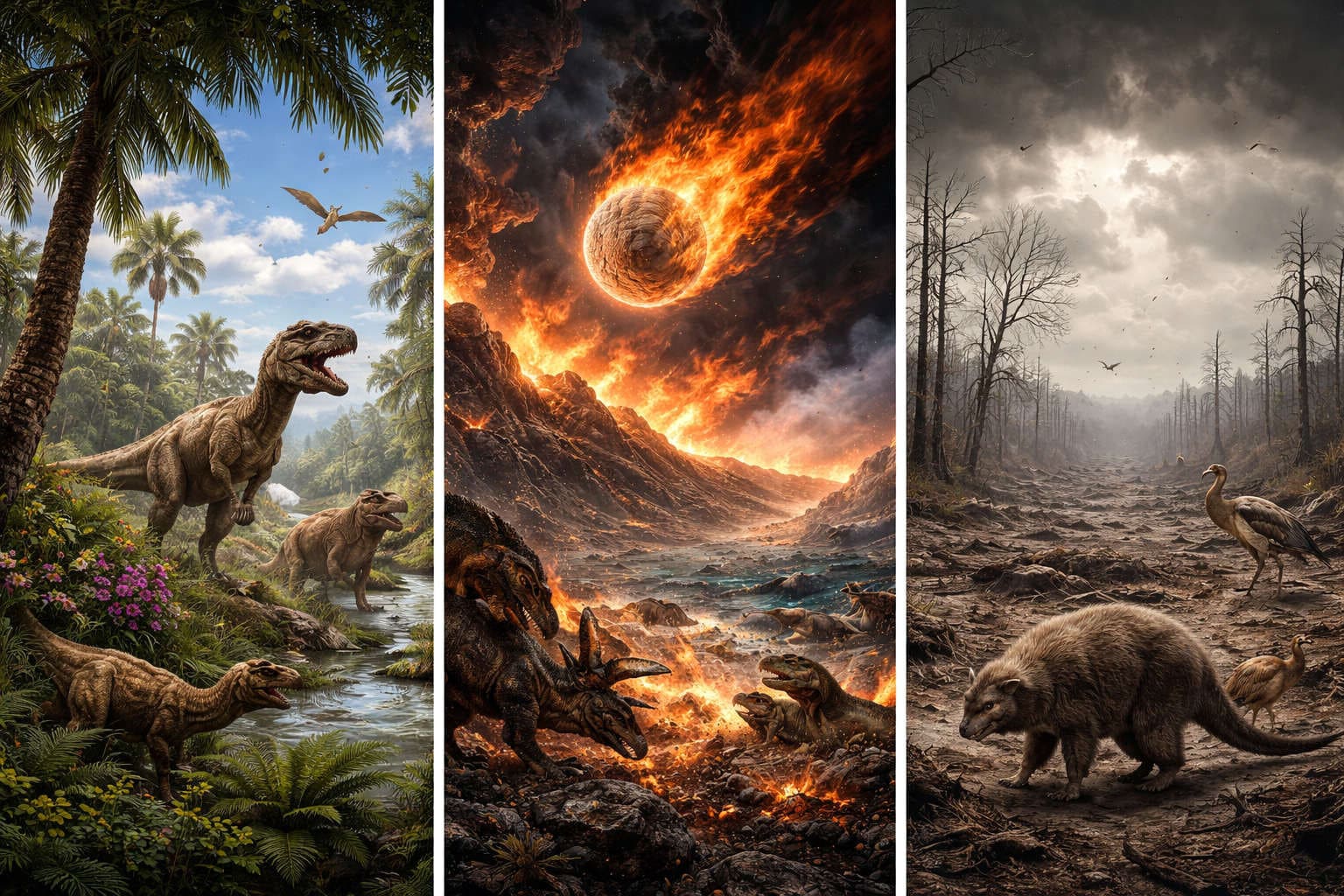
The K–Pg extinction was a sudden global catastrophe that ended the long dominance of non-avian dinosaurs and opened the way for mammals and modern birds to expand into a transformed world.
66.04 million years ago to the present.
66 Million years: From extinction to society.
Cenozoic Era: Age of Mammals & Birds
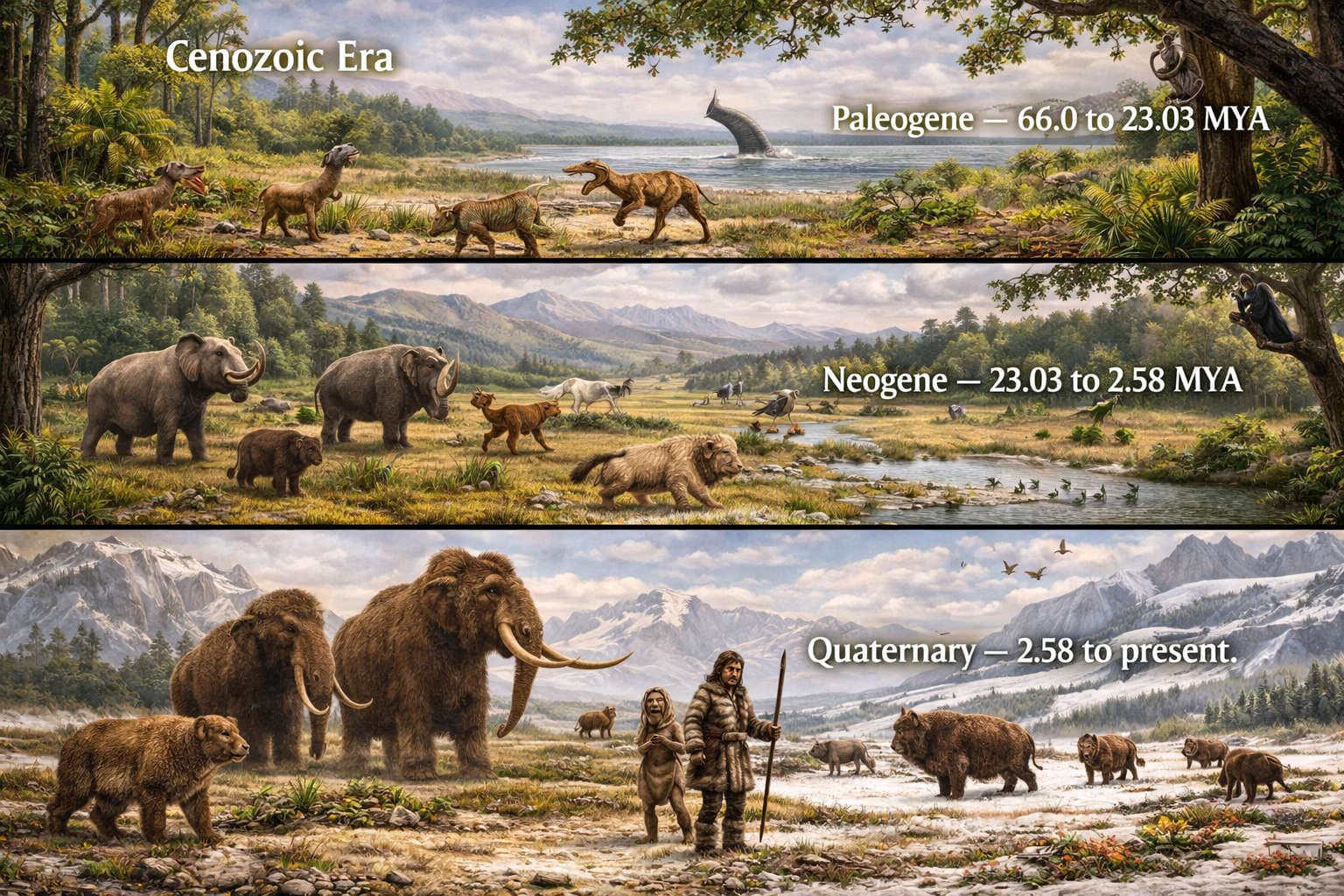
The Cenozoic era starts with the K–Pg extinction 66 million years ago. That event marks the sudden end of the reign of dinosaurs and the rise of mammals and birds.
~66 Million years ago (tentative placeholder date)
Last Non-Mammal Mammaliaforms
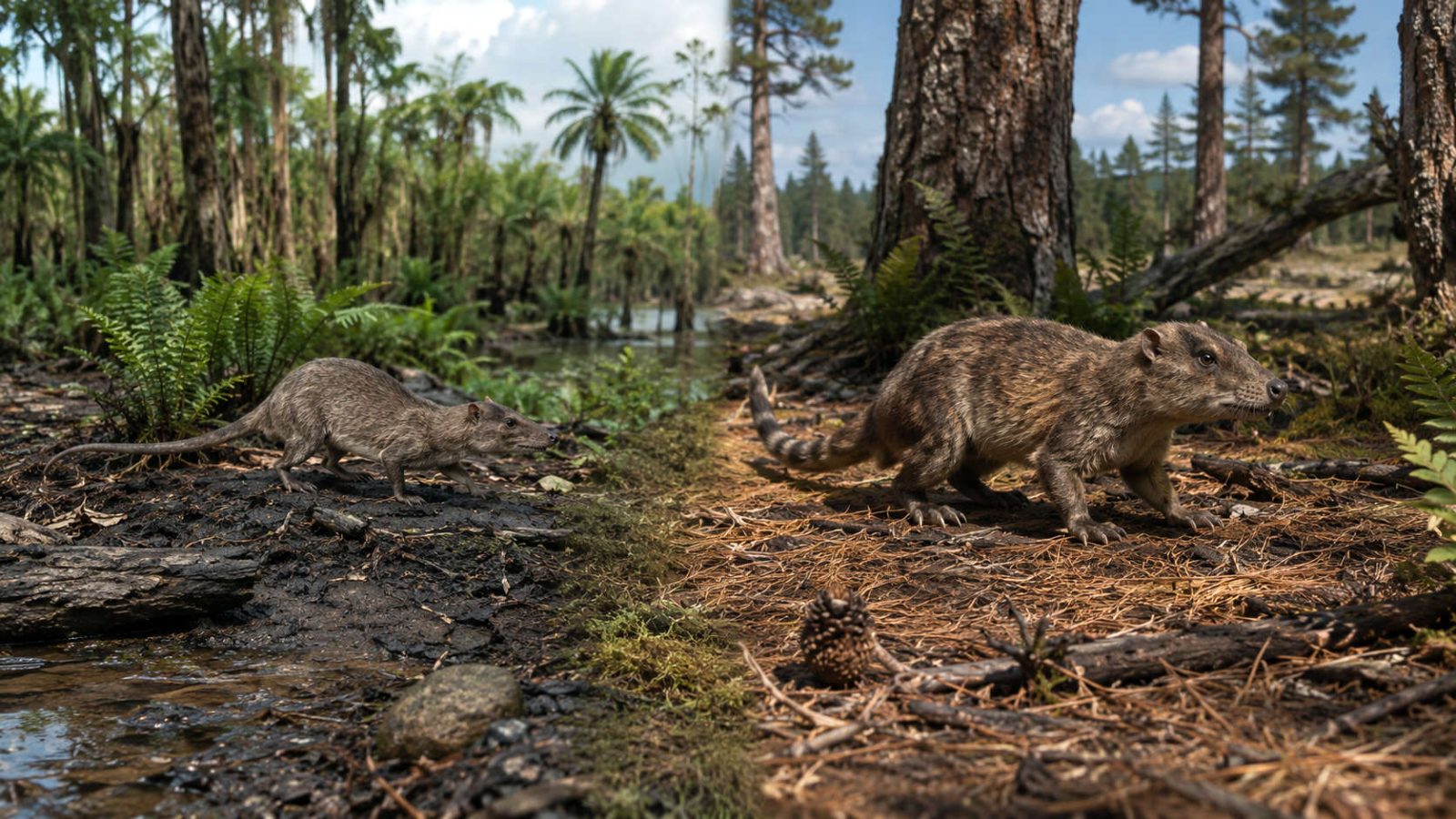
Late mammaliaforms such as Avashishta bacharamensis and Cifelliodon show how crowded and complicated the mammal-side branch became. They were near-mammals, but not true mammals in the crown sense. Some were still surviving deep into the dinosaur age, carrying older mammaliaform experiments alongside the branches that eventually led to mammals alive today.
66 Million BCE
Grasping hand and flexible ankles
Purgatorius — Earliest known proto-primate.
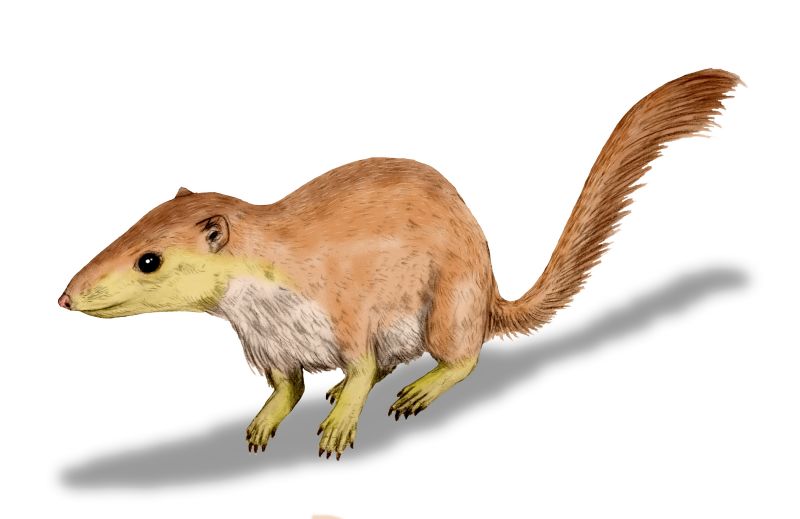
Purgatorius unio, from the Late Paleocene of North America, believed to be the earliest primate, pencil drawing, digital coloring. © N. Tamura (CC BY-SA)
60 Million Years Ago
Opposable Thumb Emerges

Around 60 million years ago, the early ancestors of primates began to develop a crucial adaptation: the opposable thumb. This evolutionary milestone marked the beginning of increased dexterity.
56 Million BCE (+/- 2 million)
Enhanced color perception, Diet-driven brain growth
Plesiadapis: First fruit-insect eaters.
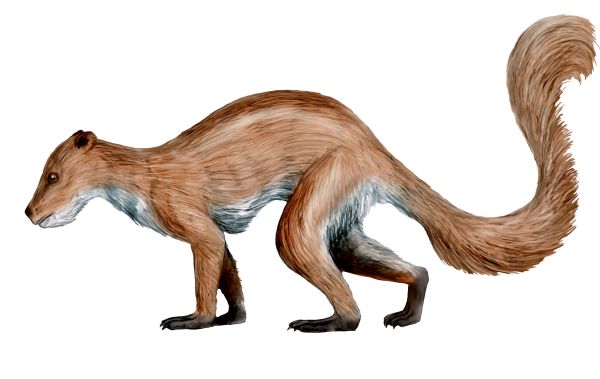
Plesiadapis, a proto-primate, is an example of a fruit-insect eater likely similar to our direct-line ancestors around this time.
56 Million BCE
Opening of the North Atlantic Ocean
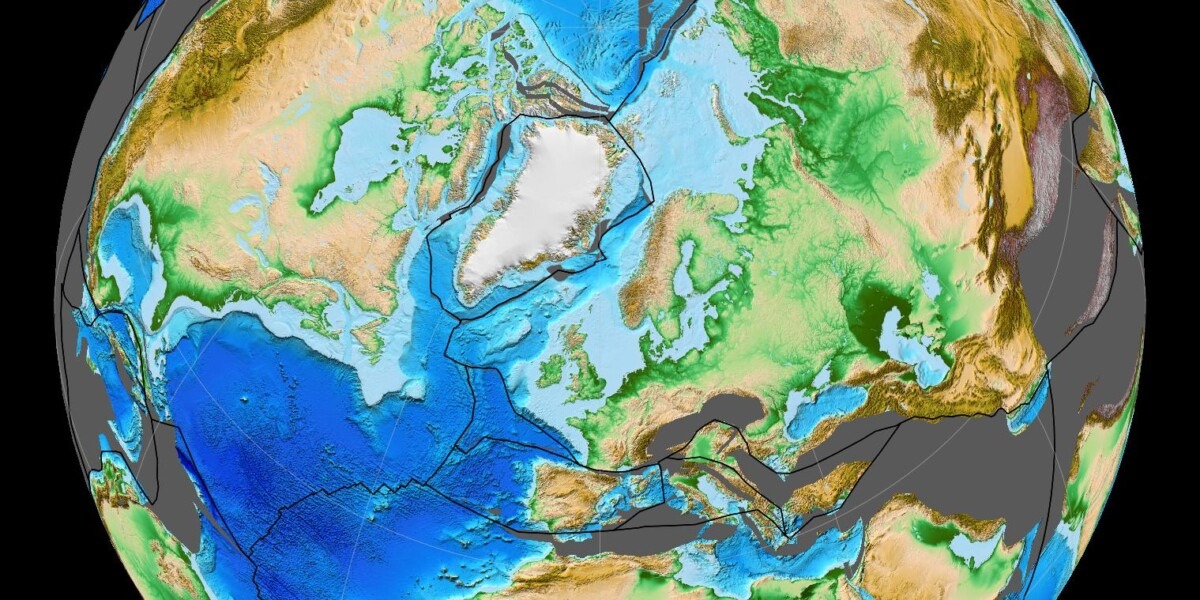
50 Million Years Ago
Territory memory, where things are, hippocampus development
Early Self-Awareness: Miacis
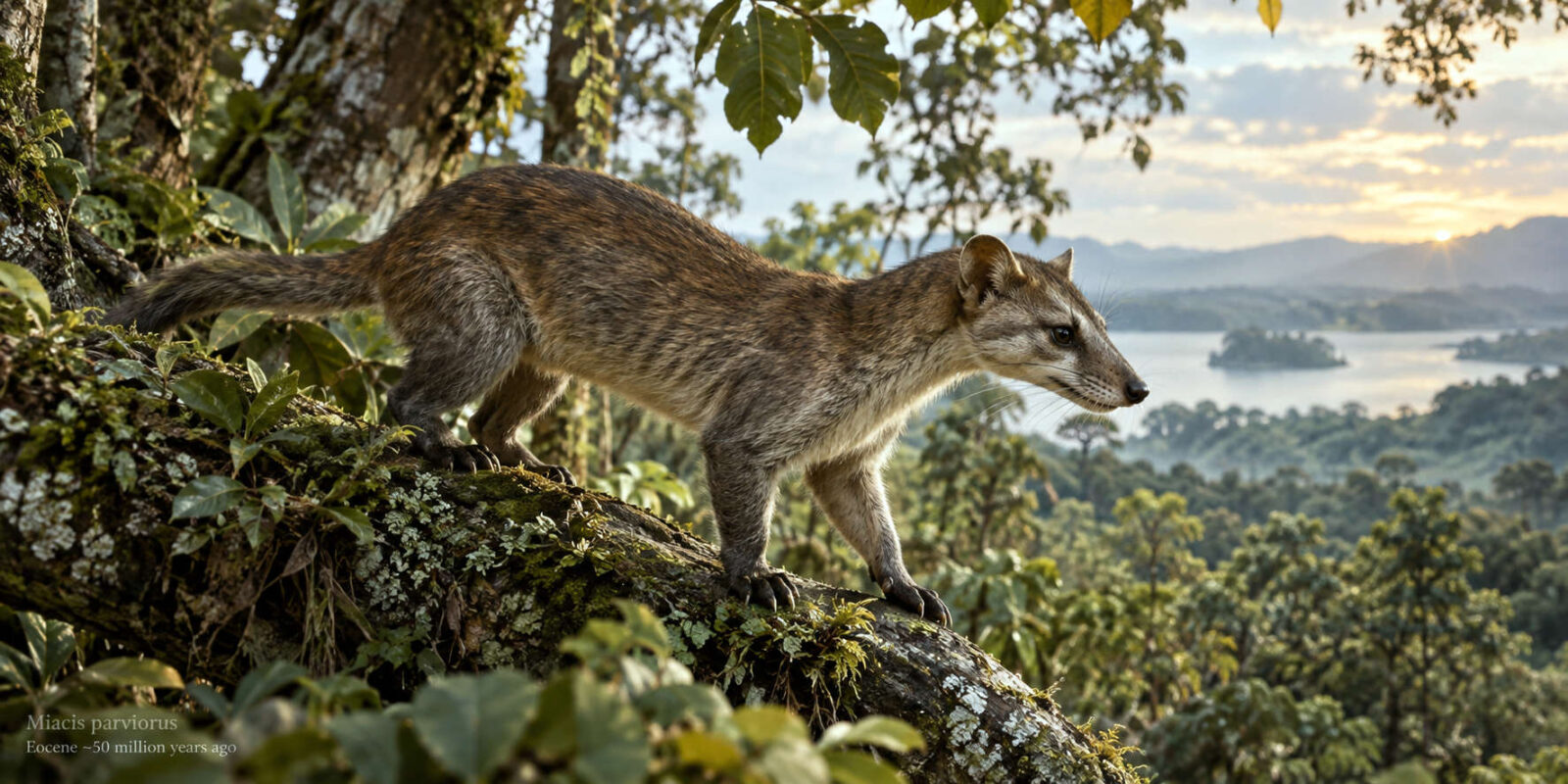
Emerging in the lush forests of the Eocene, Miacis signifies an experimental moment in the evolution of cognitive abilities among mammals. As a basal member of the Carnivora, this small, tree-dwelling creature exhibited behaviors and social dynamics suggesting the early stages of self-awareness.
32 Million Years Ago (+/- 2 million)
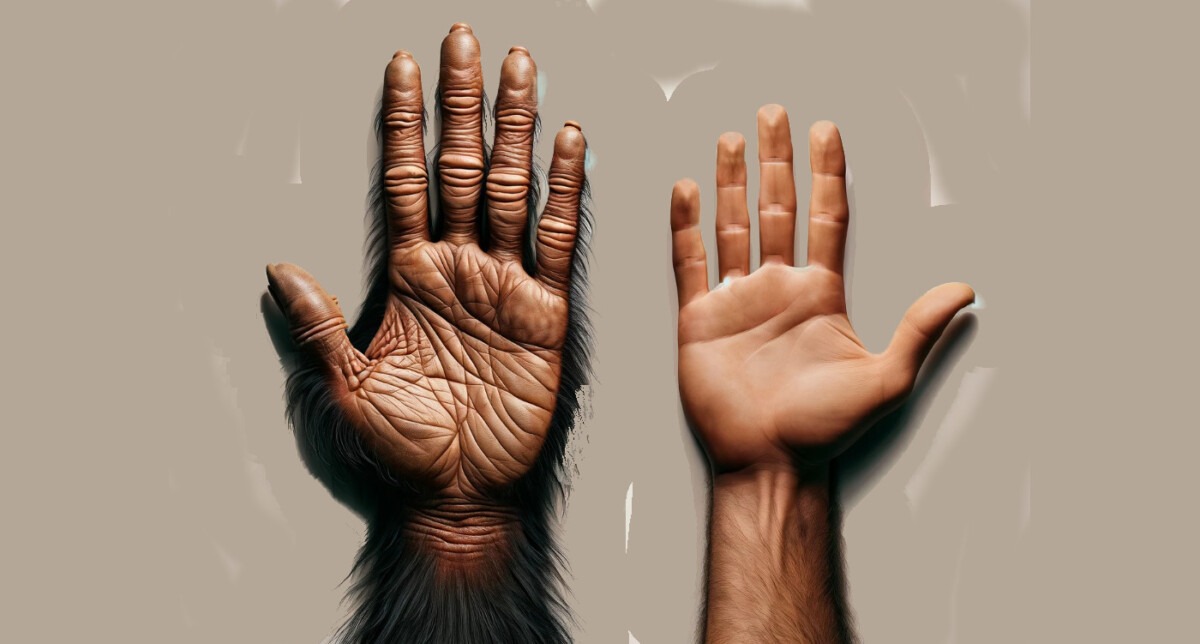
Ape Thumb Evolves
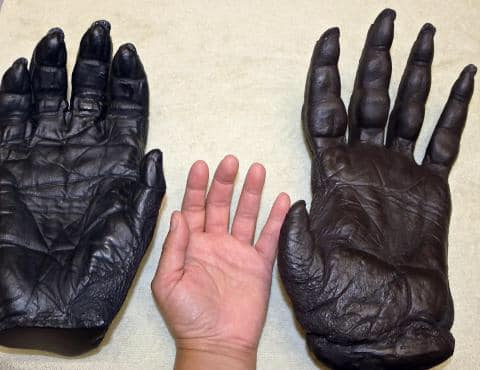
Gorilla on right, human, then orangutan. Orangutan-like hands evolved about 30 mya, gorilla-like hands evolved about 12 mya, and human-like hands evolved about 3 mya.
30 Million BCE
Complex Brains; Long-Term Memory; Complex Sentience; Semi Self-awareness settles in.
Early Intelligence Emerges: Aegyptopithecus zeuxis
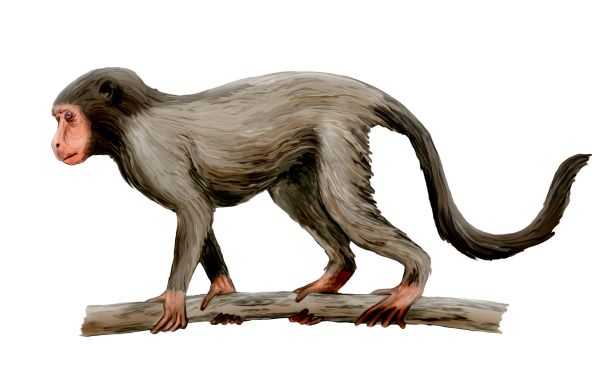
True Primate: Within mammals, only primates have binocular vision, grasping hands, and flat nails--instead of claws.
27 Million Years Ago (+/- 2 million)
Large neocortex, Coalition politics emerge
Baboons Branch Off: Old World Monkeys

Our last tails! The last common ancestor with humans and old-world monkeys lived around 29 million years ago.
20 Million Year Ago (+/- 2 Million Years)
Complex Brains; Long-Term Memory; Complex Sentience; Maybe Self-aware; Likely Simple EI.
Genus Proconsul (Self-Awareness Settles)
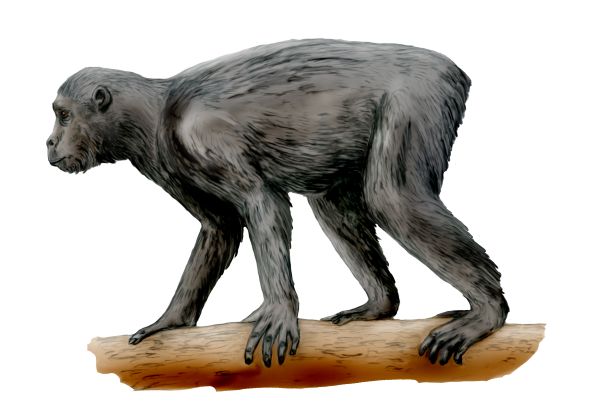
Great Apes LCA candidate: Proconsul, an inhabitant of the Miocene forests in East Africa, stands as a landmark in the evolutionary journey toward self-awareness.
18 Million Years Ago, ± 3 million years
Causal reasoning, Early prefrontal integration
Great Apes: Medicine Emerges
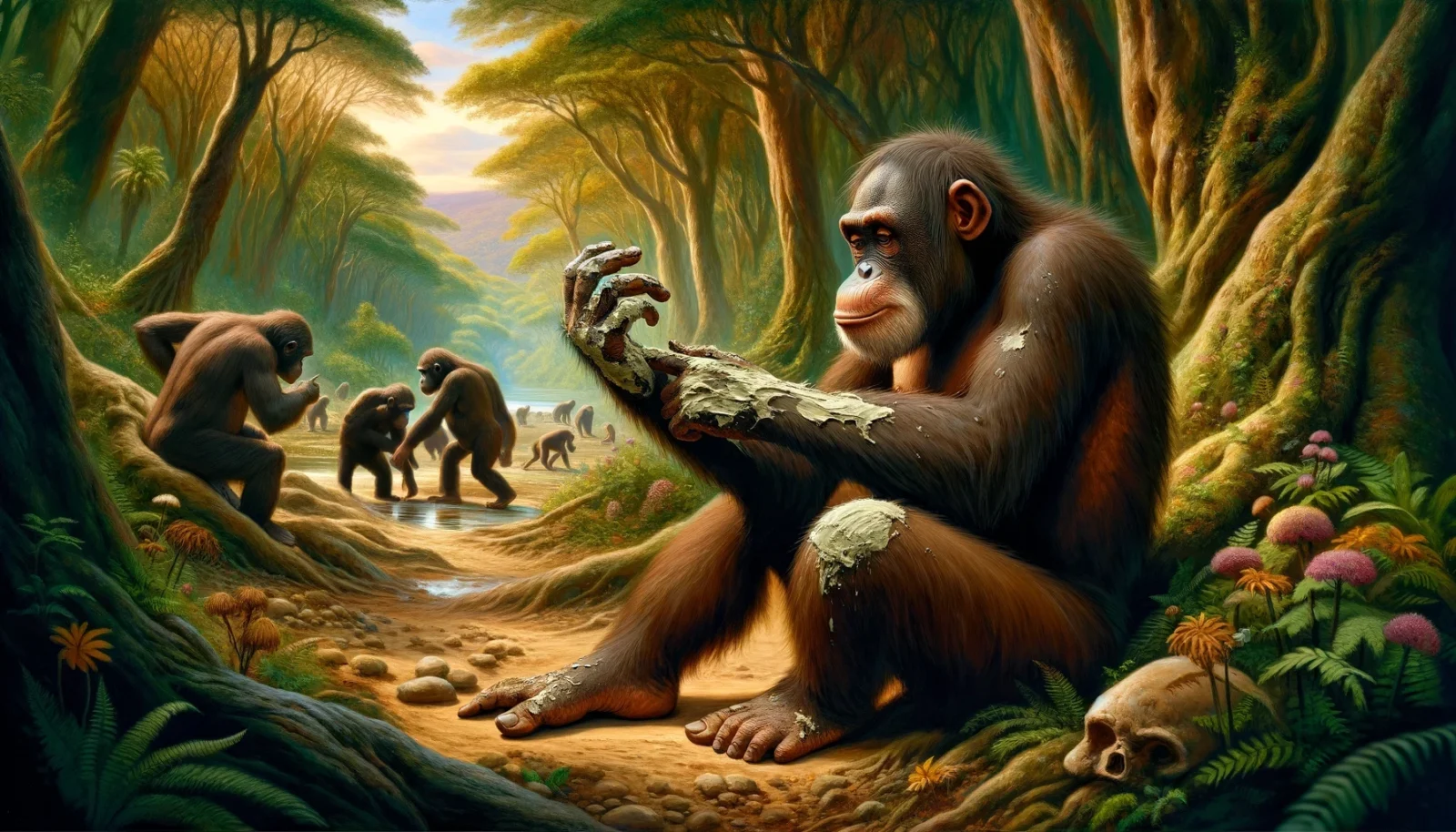
By about 18 million years ago, the great apes could experience time the way we do. They remember the past while living in the present and anticipating the future. In this case, an early great ape is applying mud to a wound he just experienced while anticipating the mud will soothe the pain and help him feel better in the future.
17 Million Years Ago, ± 1 million
Long-distance pair bonding, Fine motor control
Gibbons Branch Off: Genus Hylobates

Today, there are about 20 species of gibbons which belong to the family Hylobatidae, which is further divided into four genera: Hylobates (the largest group, including the white-handed gibbon), Hoolock (hoolock gibbons), Nomascus (crested gibbons), and Symphalangus (the siamang).
16.5 Million Years Ago (+/- 2 Million Years)
Tool potential begins, Neocortical expansion
Emergence of the Great Apes (Great Apes LCA)
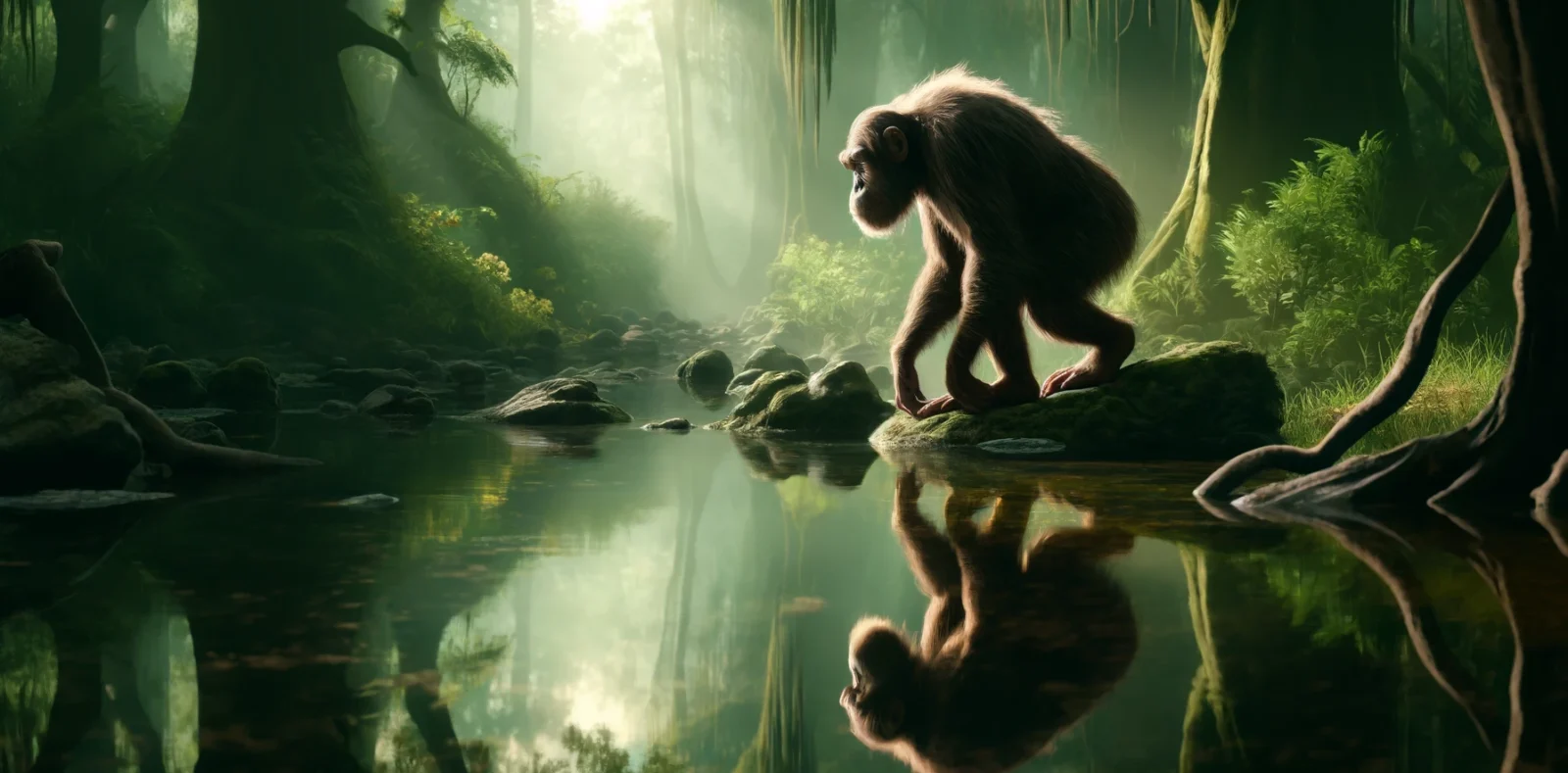
Circa 18 million years ago, the Proconsul, an inhabitant of the Miocene forests, stands as a landmark in the evolutionary journey toward self-awareness. Here a Proconsul ponders his image in a local watering hole.
circa 15 Million Years Ago
Inferior frontal gyrus homologues, Mirror neuron systems
Animal Vocabulary: Thousands of Words (The Great Apes)

Rudapithecus hungaricus in their natural environment from about 11 million years ago. These early great apes likely lived in a lush forest setting and had a vocabulary, or signaling, range into the thousands of words, well, gestures, grunts, and screams in various contexts.
Lived 16 to 14 Million Years Ago
Prefrontal–limbic integration, Reading others, Modulating reaction
Genus Kenyapithecus: EI Emerges
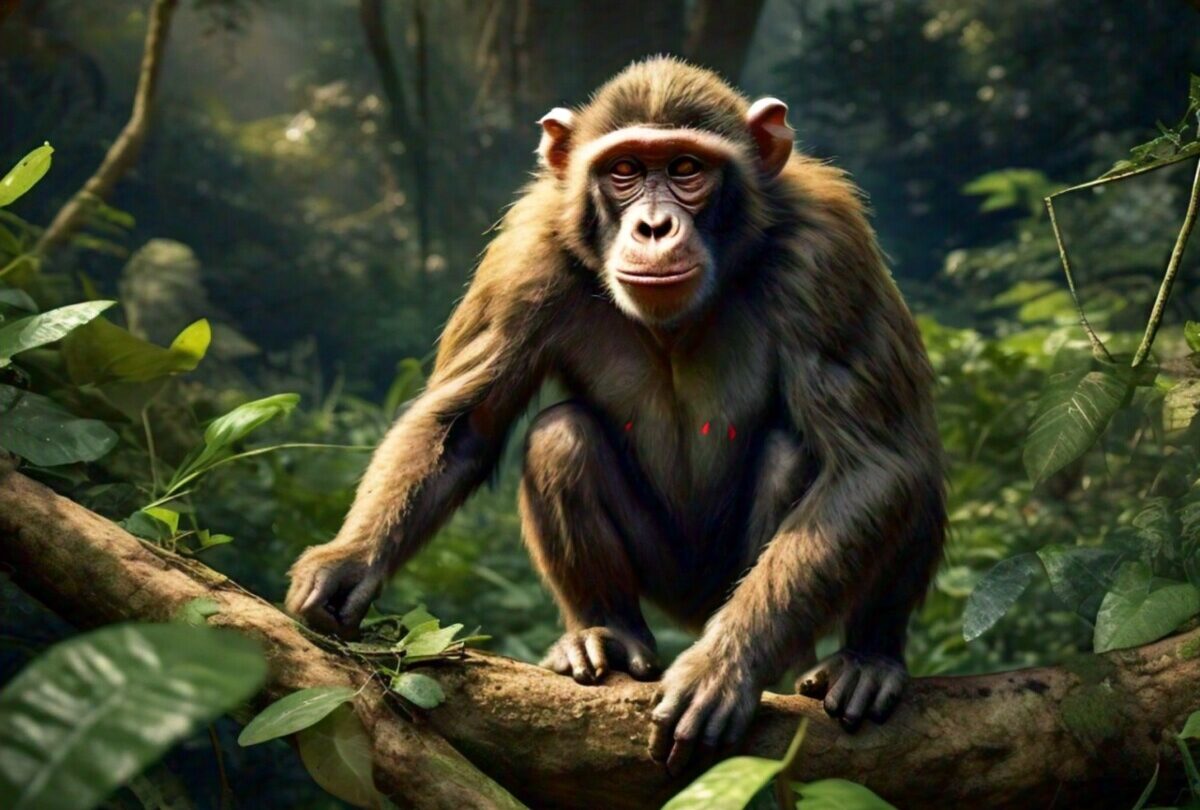
Emotional intelligence did not begin with humans. Its roots reach deep into the great ape line, where survival depended not only on strength or instinct, but on noticing others, managing reactions, and living inside social relationships. In Kenyapithecus, we may be looking near the dawn of that deeper emotional world.
14.5 Million Years Ago (+/- 2 million)
Limbic vocalization pathways, Breath control
Laughter Emerges

The roots of laughter can be traced back to our common ancestors with other great apes, living around 10 to 15 million years ago. Before this time, the time when emotional intelligence evolved, laughter as we know it did not exist.
By 14 Million Years Ago
Phenotype Variations
Skin Color Diversity Across and within Primate Species
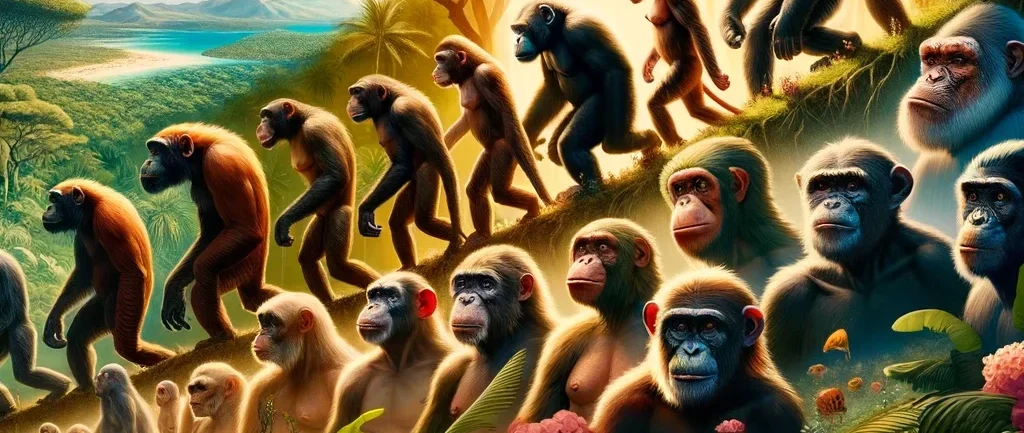
Long before humans existed, primates already displayed visible variation in skin, hair, and exposed body color. Color was not a ranking system. It was biology responding to sunlight, climate, ancestry, signaling, and time.
Emerged 13 mya, extinct 9 to 7 mya
Cultural Transmission
Genus Dryopithecus: Cultural Transmission Emerges
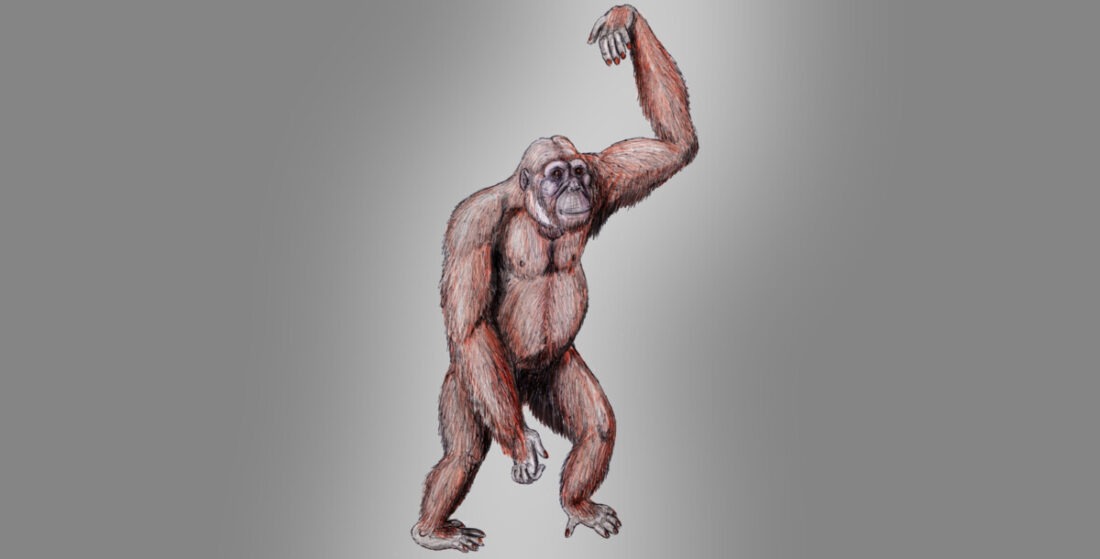
Around 13 million years ago, Dryopithecus lived among the branches of Miocene forests. Young apes learned by watching adults: what to eat, where to climb, who to trust, and how to survive.
Emerged 12.5 to 12 mya, extinct 8.5 to 7 mya.
Complex Brains; Long-Term Memory; Complex Sentience; Self-aware; Complex EI.
Orangutans Branch Off: Genus Sivapithecus
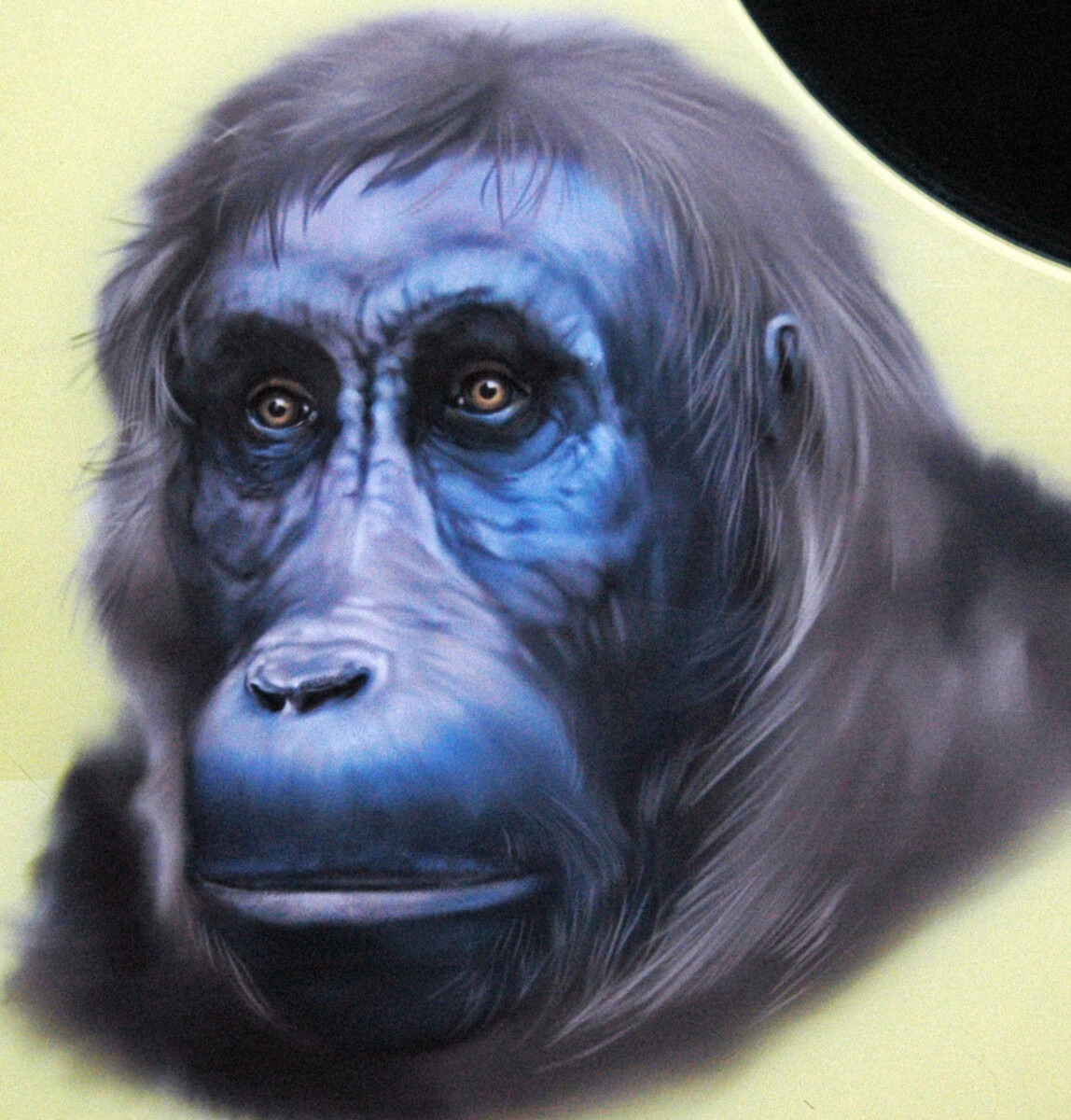
Orangutan ancestor: After the Great Apes LCA, orangutans evolved in Asia. The genus Sivapithecus represents early orangutans. An extinct species of the great apes, they lived in the Indian subcontinent from around 12 to about 8 million years ago.
Emerged 10 mya, extinct 9.8 to 9 mya.
Ancestral Hominids (us, pre-split)
Gorillas Branch Off: Genus Nakalipithecus
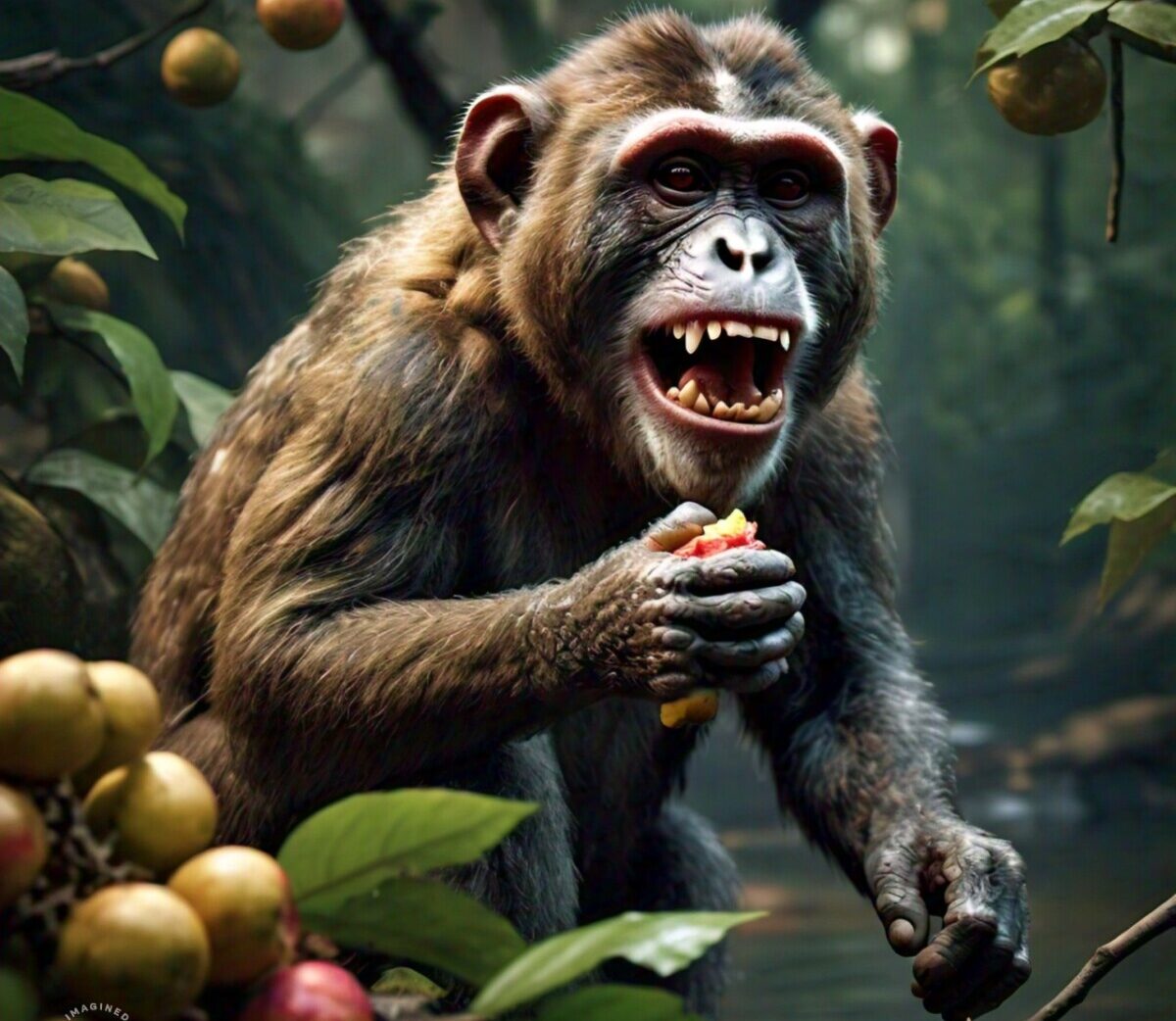
Last Gorilla-Chimp-Human ancestor: The last common ancestor of gorillas, chimpanzees, and humans likely lived about 8 to 10 million years ago.
9 Million Years Ago
Enhanced spatial mapping and endurance planning
Transition from Trees to Savannah Begins
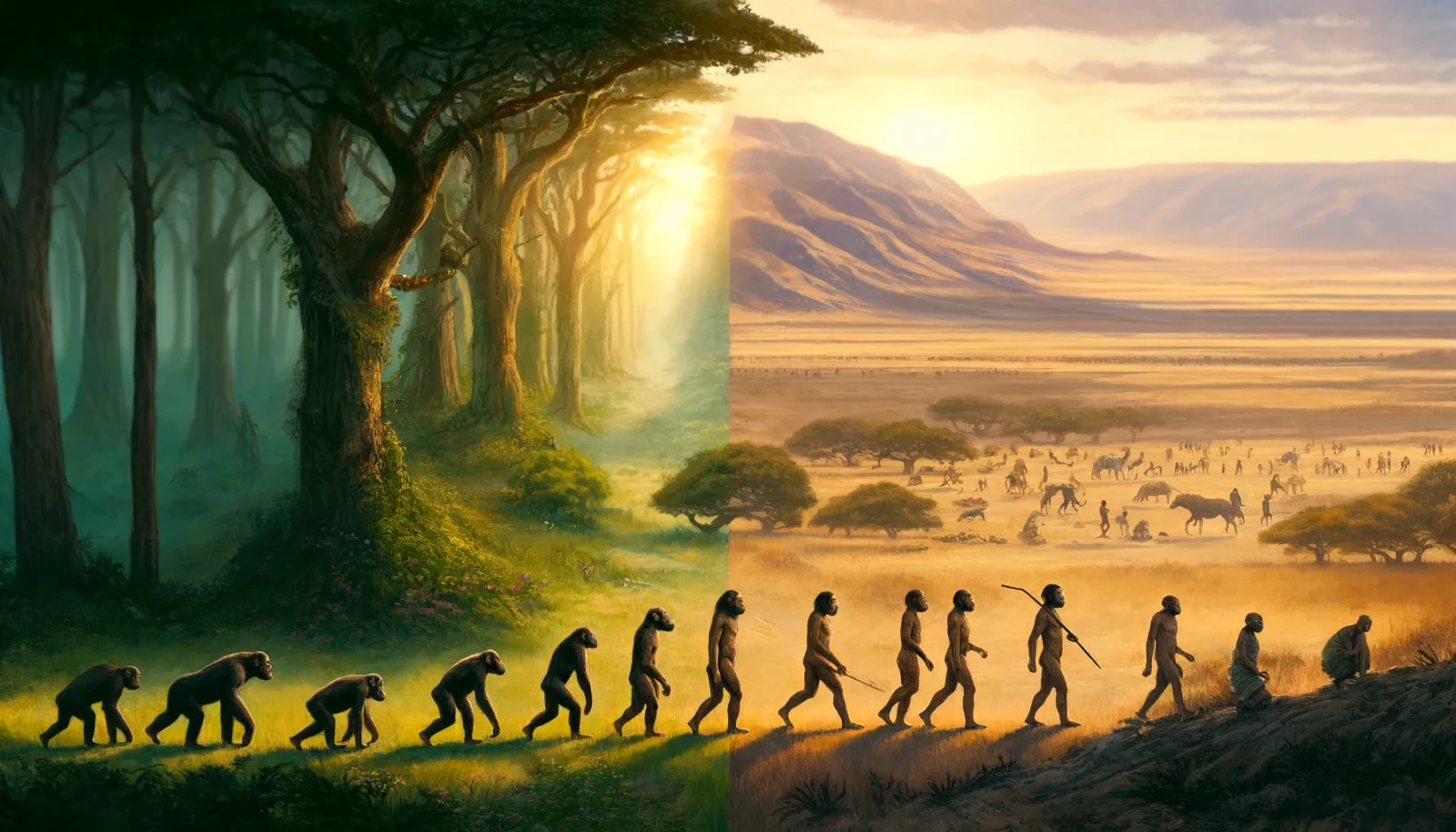
Beginning about 9 million years ago, our ancestors began evolving from forests to savannahs over about 7 million years. By about 2 mya, our ancestors were fully bipedal carrying things like stone axes and sticks for hunting and fighting off animals.
Emerged 9 mya, extinct 100,000 BCE.
Genus Gigantopithecus


"<a href="https://commons.wikimedia.org/w/index.php?curid=55062736" target="_blank" rel="noopener noreferrer">Gigantopithecus</a>" by <a href="https://commons.wikimedia.org/w/index.php?title=User:Concavenator&action=edit&redlink=1" target="_blank" rel="noopener noreferrer">Concavenator</a> is licensed under <a href="https://creativecommons.org/licenses/by-sa/4.0/" target="_blank" rel="noopener noreferrer">CC BY-SA 4.0</a>


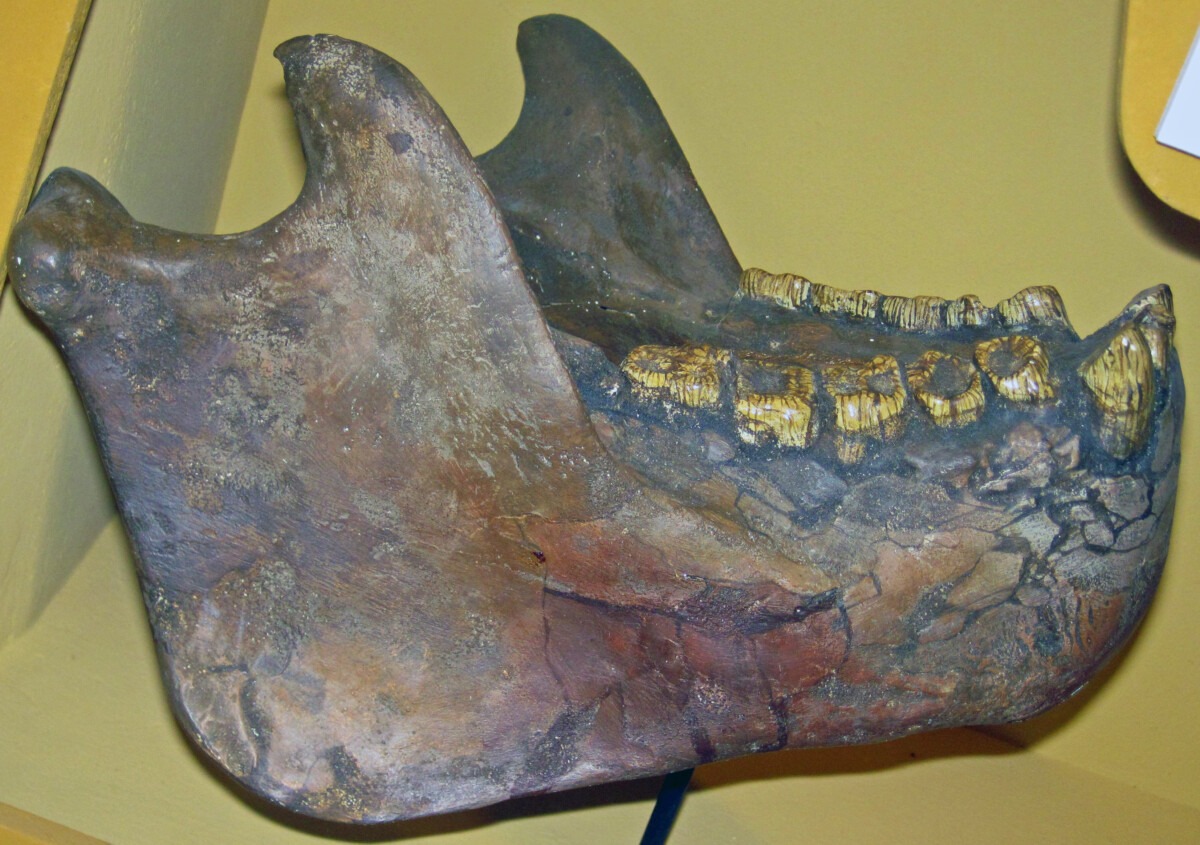
"<a href="https://commons.wikimedia.org/w/index.php?curid=89500749" target="_blank" rel="noopener noreferrer">Gigantopithecus mandible</a>" by James St. John is licensed under <a href="https://creativecommons.org/licenses/by/2.0/" target="_blank" rel="noopener noreferrer">CC BY 2.0</a>
7.5 Million Years Ago
Advanced coalition politics and tool precursors
Chimpanzees Branch Off (CHLCA)
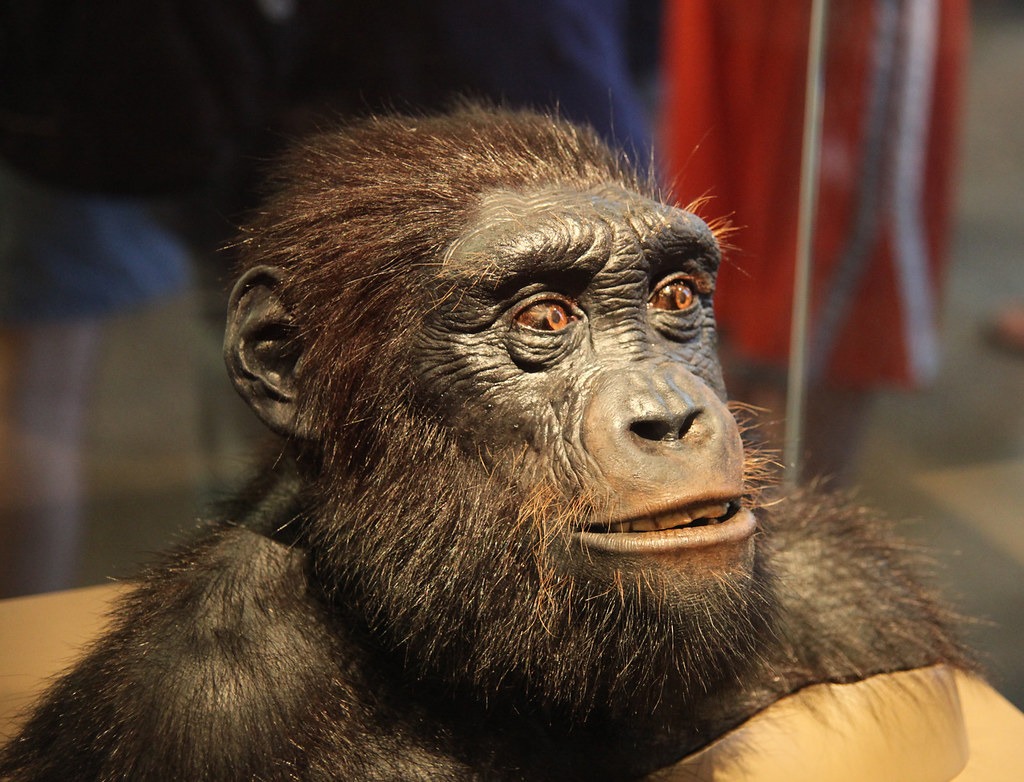
"<a href="https://www.flickr.com/photos/23165290@N00/7283201268" target="_blank" rel="noopener noreferrer">Sahelanthropus tchadensis adult male - head model - Smithsonian Museum of Natural History - 2012-05-17</a>" by <a href="https://www.flickr.com/photos/23165290@N00" target="_blank" rel="noopener noreferrer">Tim Evanson</a> is licensed under <a href="https://creativecommons.org/licenses/by-sa/2.0/" target="_blank" rel="noopener noreferrer">CC BY-SA 2.0</a>
7 Million Years Ago
Genus Gorilla
Last Gorilla-Chimp-Human ancestor: The last common ancestor of gorillas, chimpanzees, and humans likely lived about 8 to 10 million years ago.
7 Million BCE
Partial bipedal posture + visual reorientation
Genus: Sahelanthropus (Walking Upright)
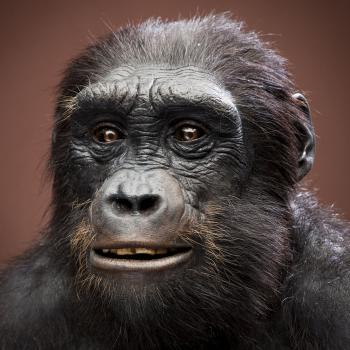
6 Million Years Ago (Maybe Us)
Femoral adaptation, Motor cortex recalibration
Genus: Orrorin
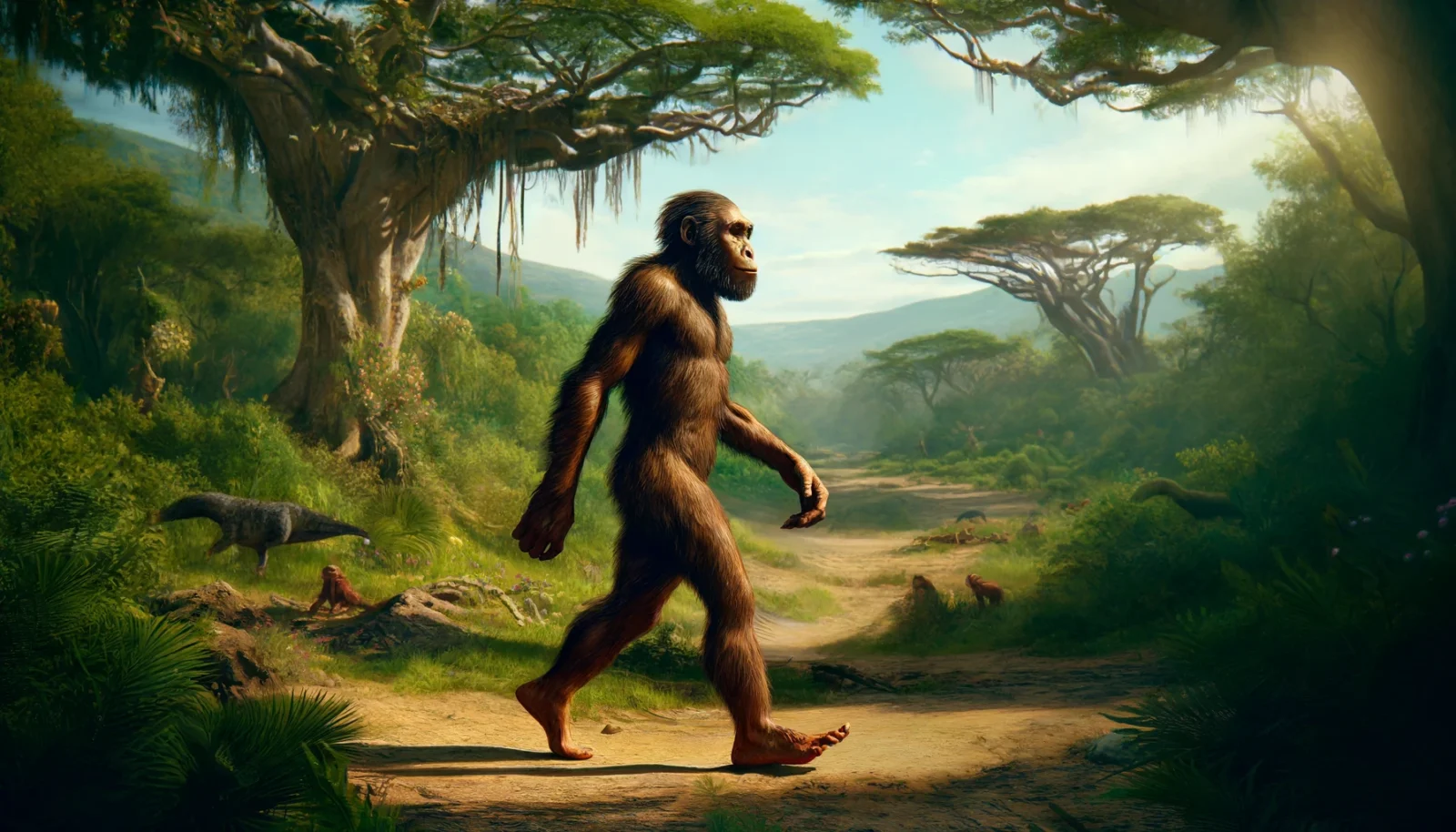
Imagined image of Orrorin tugenensis in a natural landscape, approximately 6 million years ago. The scene captures this early human ancestor walking upright, showcasing its bipedal nature in a lush, prehistoric African forest setting.
Lived 5.8 to 4.4 Million Years Ago (Maybe Us)
Reduced aggression, Reduced canine dimorphism
Genus: Ardipithecus
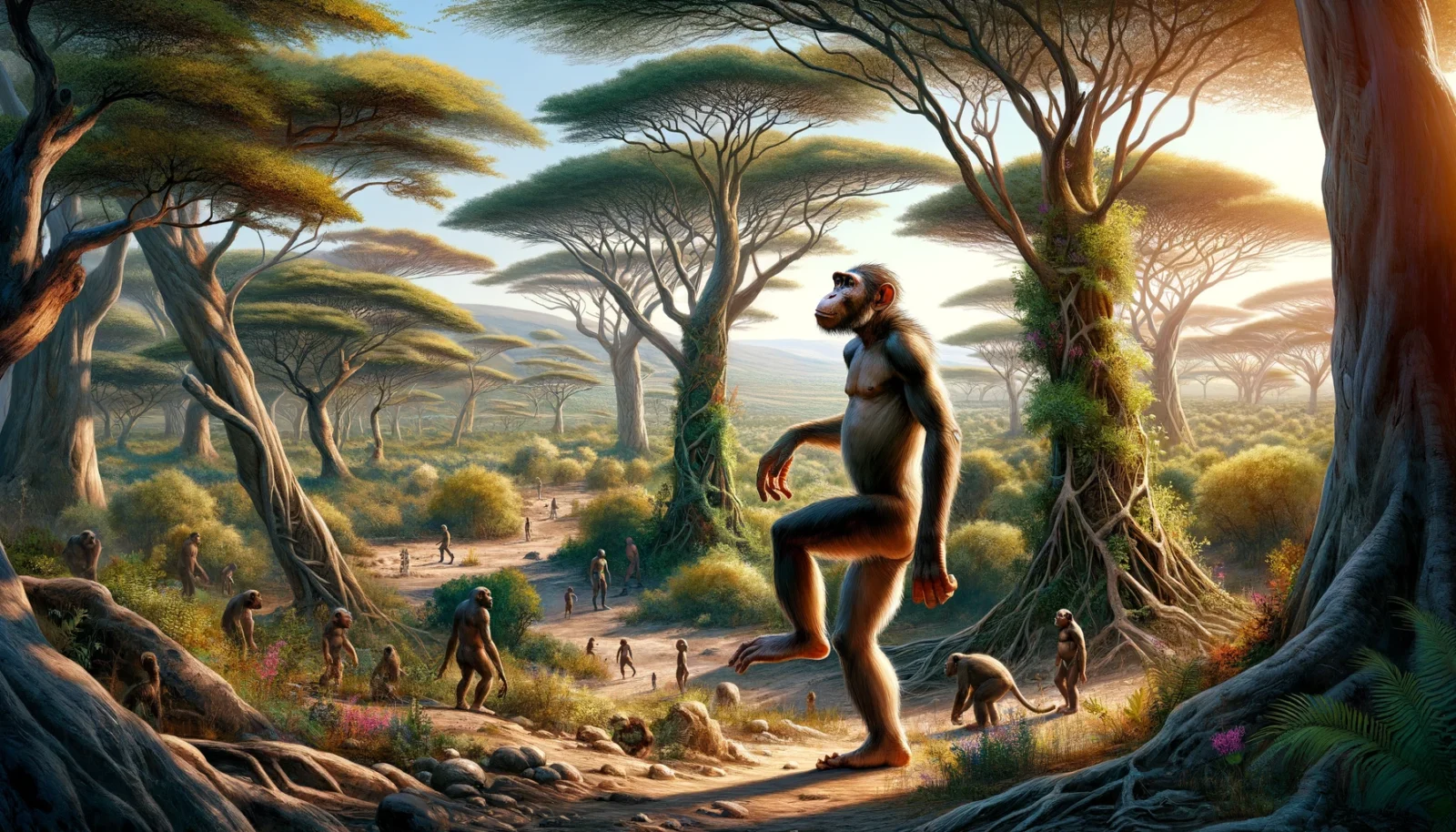
Imagined image depicting the genus Ardipithecus in an ancient African landscape. The scene captures the dual adaptations for upright walking and tree-climbing.
3.66 Million Years Ago
Hominin
Echoes of Early Steps: The Laetoli Footprints
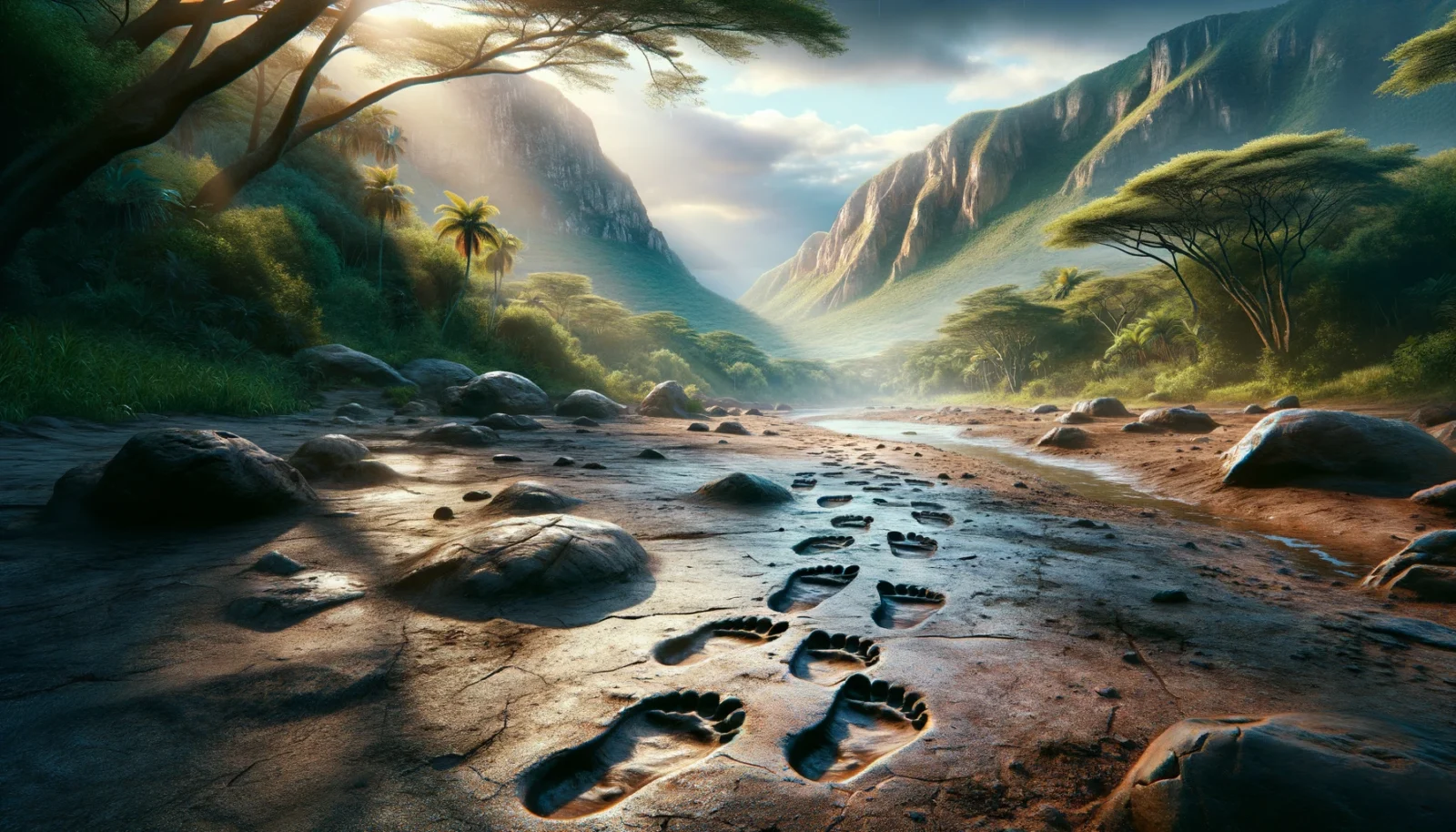
Imagined image: Captured in ancient volcanic ash at Laetoli, Tanzania, these 3.66 million-year-old footprints belong to Australopithecus afarensis, showcasing one of the earliest strides toward bipedalism in our evolutionary history.
3.4 Million Years Ago
cognitive sequencing + motor precision + future modeling
Early Wood tools
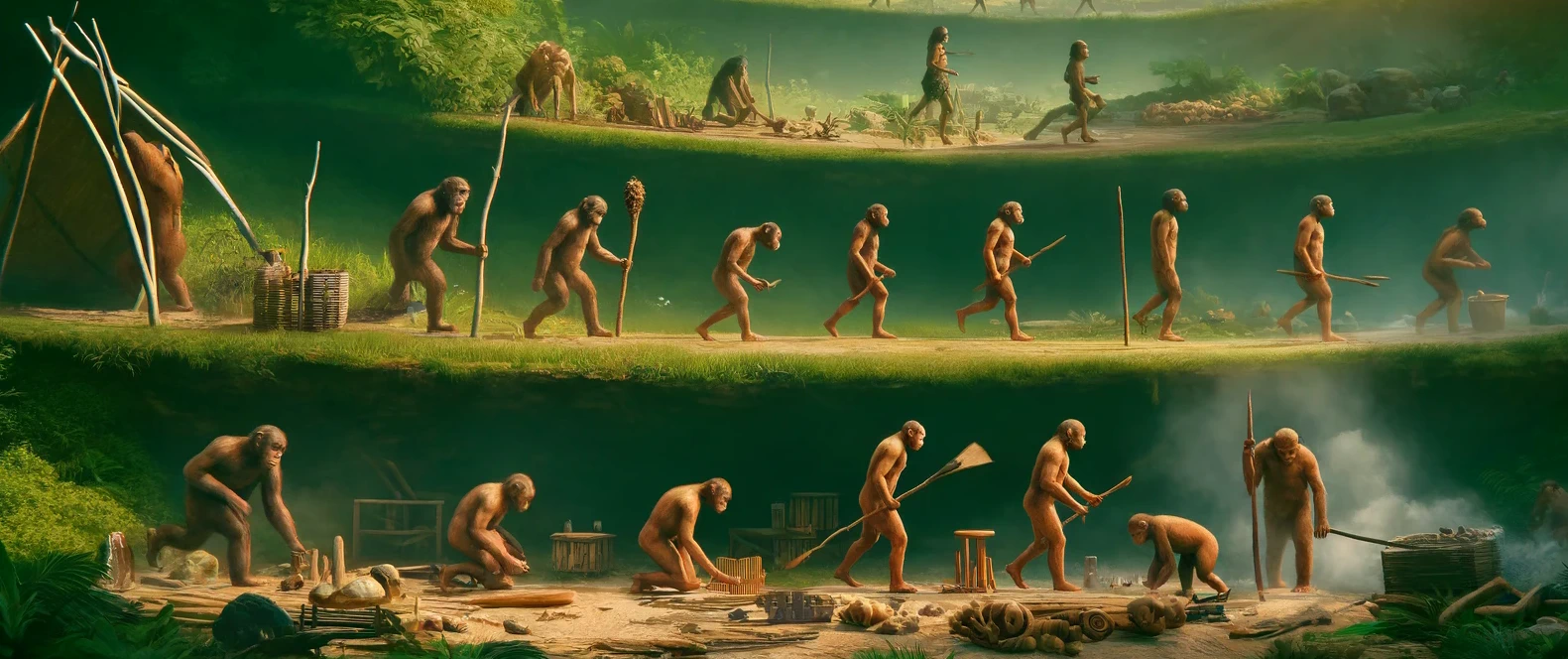
Imagined Image: The evolution of wooden tool use by early hominins. A walking stick around 3.3 million years ago, aiding mobility and providing defense. Small, sharpened sticks used for intricate tasks like termite extraction around 2.6 million years ago. Spears and digging sticks around 1.76 million years ago, vital for hunting and foraging. Advanced wooden constructs such as shelter frames and simple rafts emerge around 500,000 years ago. Hafted tools with stone-tipped spears around 300,000 years ago.
3.3 Million BCE (Hominins)
Prefrontal Cortex Expansion, Internal 3D modeling
Early Stone Tools
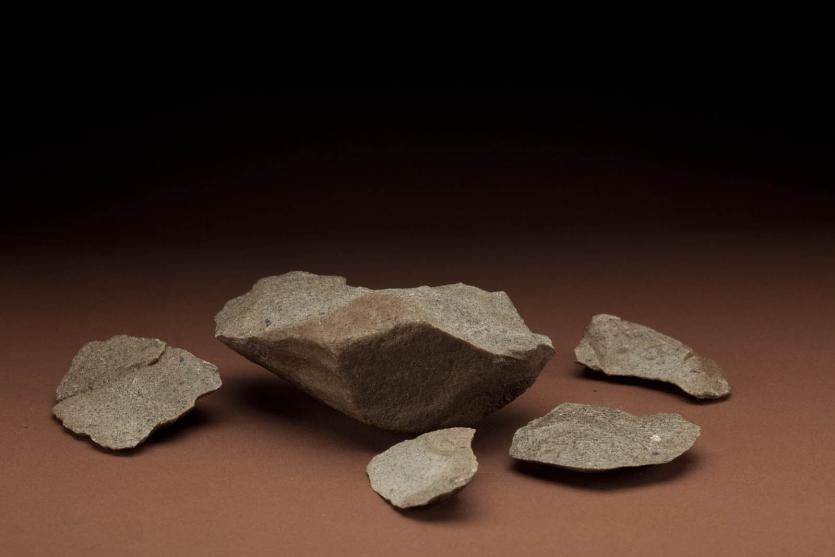
3.3 Million Years Ago
Collective Learning Emerges
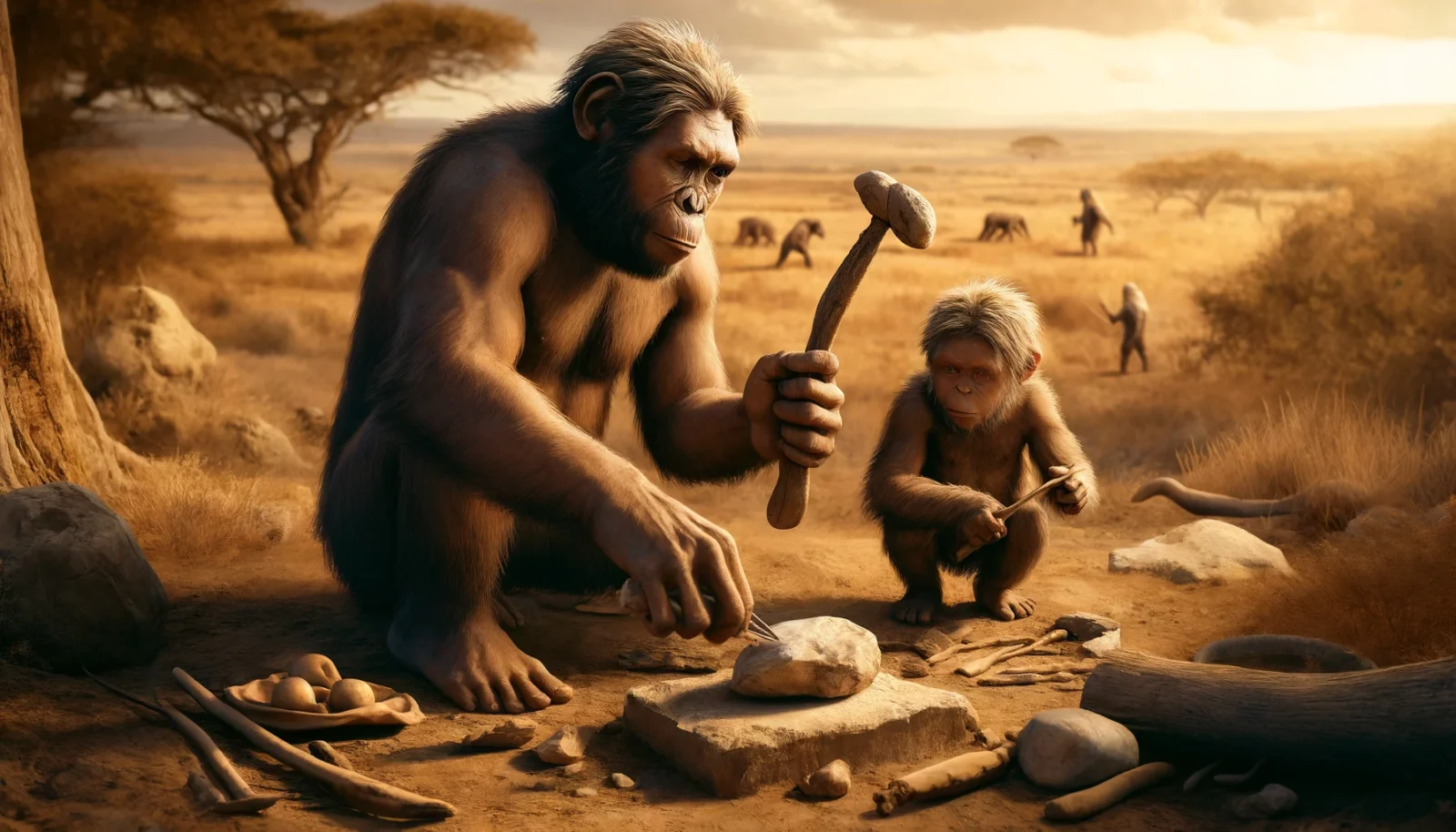
Collective learning, where a parent teaches a child, started long before primates, but something like our modern approach to showing our young how to live likely started about 3 million years ago, perhaps wit a species like australopithecus in a place like Kenya, Africa.
3 Million Years Ago
+/- 1 million years
Human Laughter Emerges

Cheerful children's laughter
3 Million Years Ago (+/- 400,000 years)
Human Thumb Evolves
2.9 Million BCI
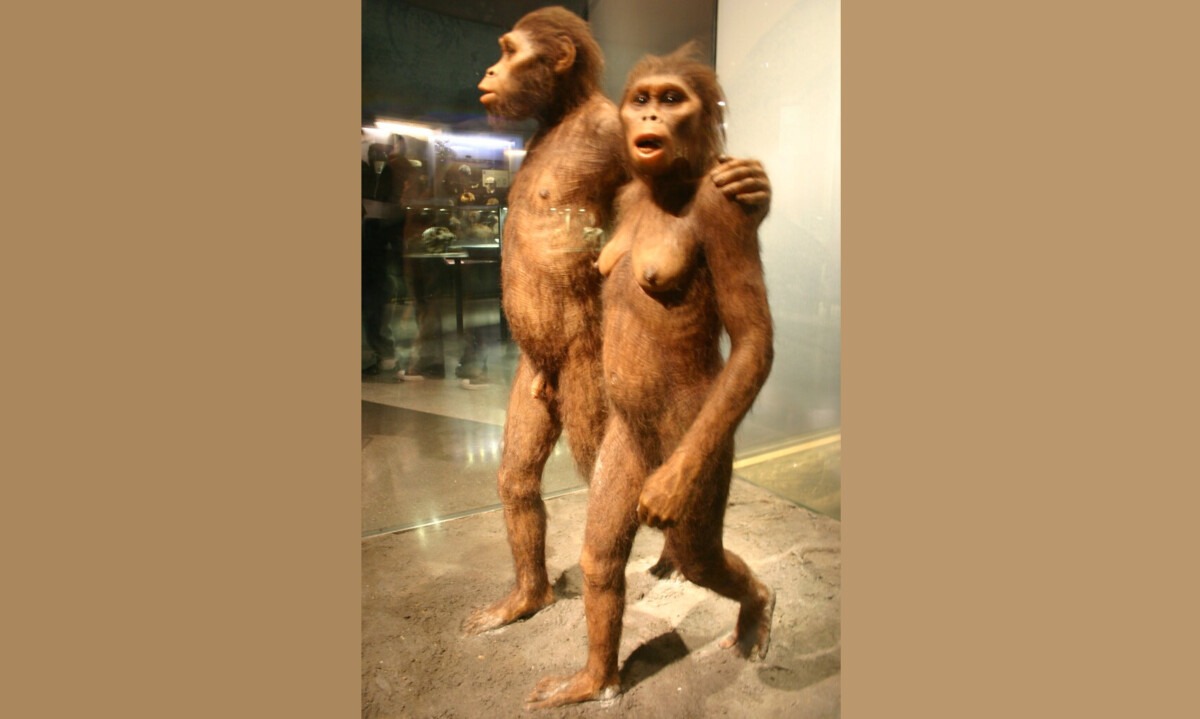
Hominin, Us, From 4.2 to 2 MYA
Genus: Australopithecus
2.7 Million Years Ago
Hominin, Not Us (2.7 to 1.2 million years ago)
Genus: Paranthropus
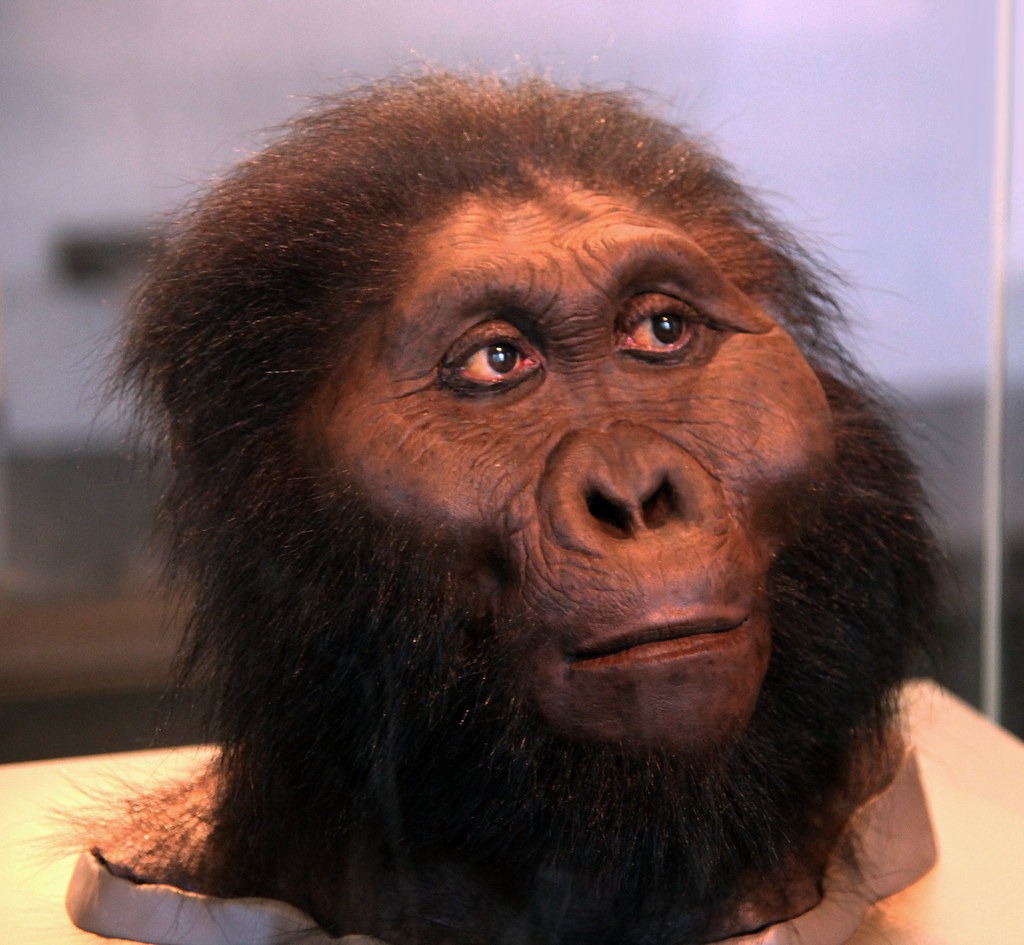
"<a href="https://www.flickr.com/photos/23165290@N00/7283200914" target="_blank" rel="noopener noreferrer">Paranthropus boisei adult male - head model - Smithsonian Museum of Natural History - 2012-05-17</a>" by <a href="https://www.flickr.com/photos/23165290@N00" target="_blank" rel="noopener noreferrer">Tim Evanson</a> is licensed under <a href="https://creativecommons.org/licenses/by-sa/2.0/" target="_blank" rel="noopener noreferrer">CC BY-SA 2.0</a>
2.3 Million BCE
92,000 Generations Ago
Homo habilis: Our Intelligence Settles.
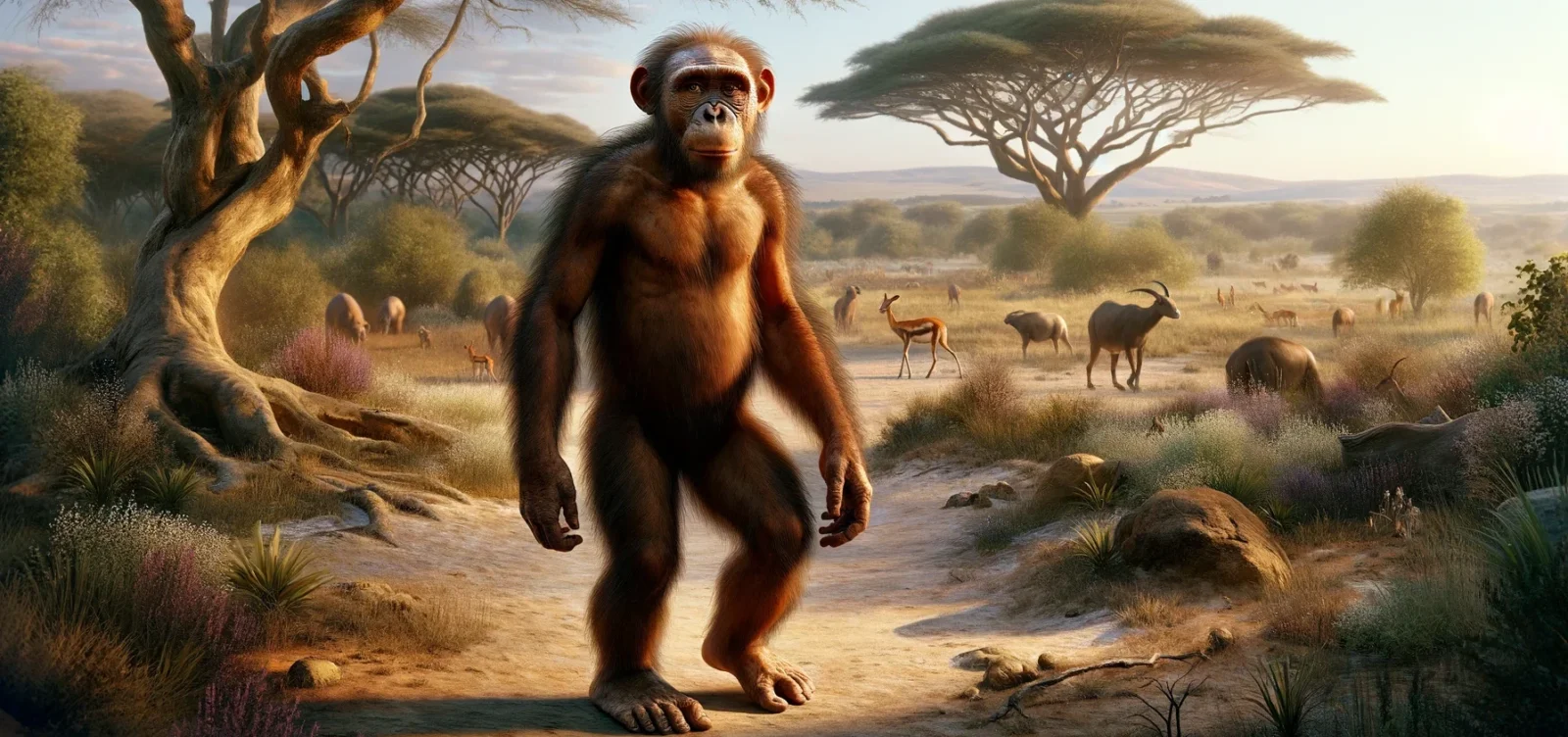
Handy man is the nickname for Homo habilis, based on its association with tool use.
2 Million Years Ago
First Proto-Containers
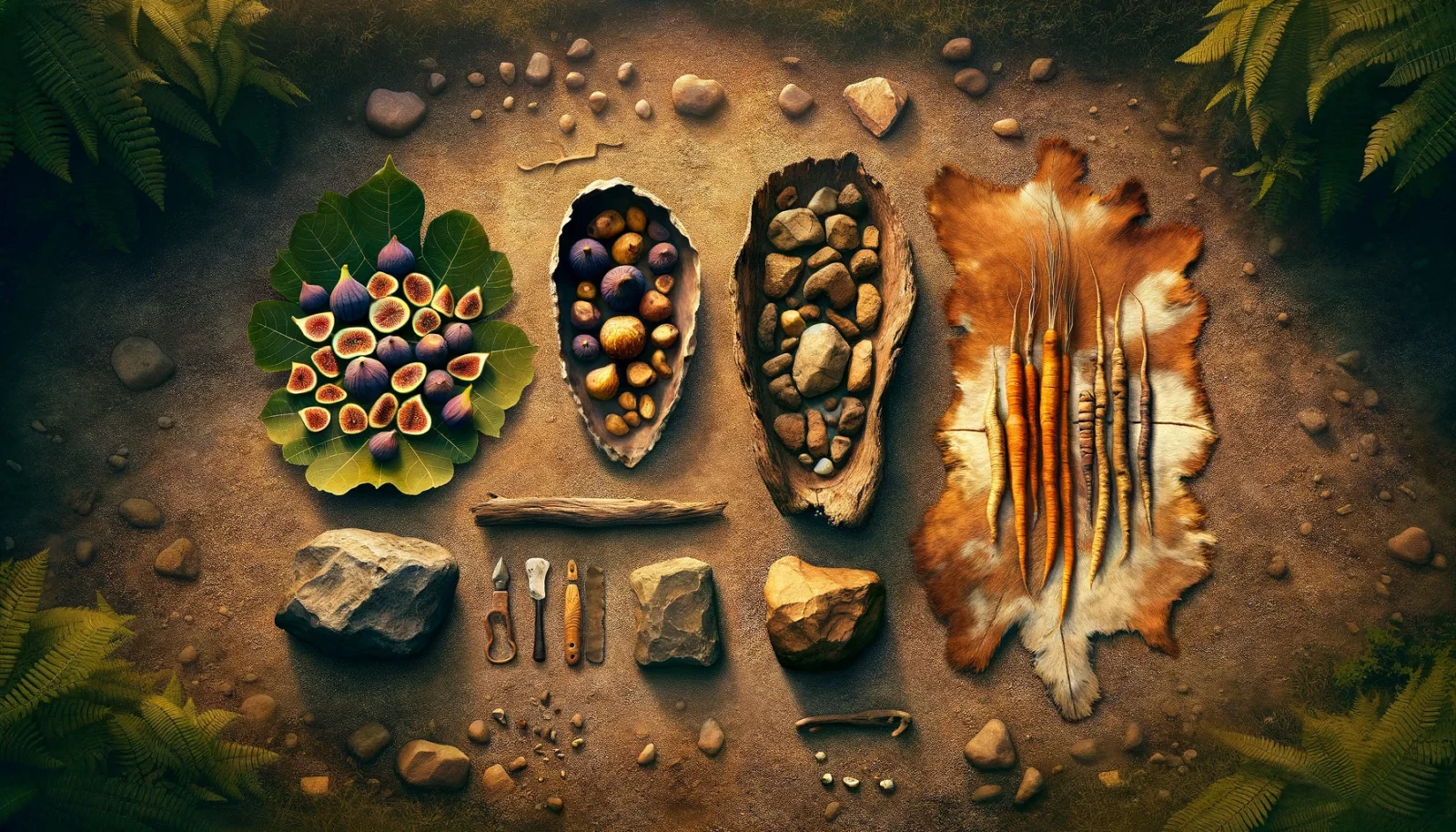
Imagined Image: A collection of early hominin tools and natural containers showing primitive ingenuity. Items like this may have been used as early as 2 million years ago. From left to right: 1) A large leaf used to carry figs, symbolizing the earliest forms of portable storage. 2) A large shell serving as a collector of small items, highlighting the use of found objects for gathering. 3) A naturally hollowed-out piece of wood filled with root vegetables, demonstrating the use of natural formations as functional tools. 4) A piece of animal hide displaying simple tools like flint and a sharpened stick, illustrating the early development of tool-making and preparation skills.
2 Million Years Ago (Up to about 15,000 years ago)
Olduvai Gorge Site: A Glimpse into Early Organizational Behavior
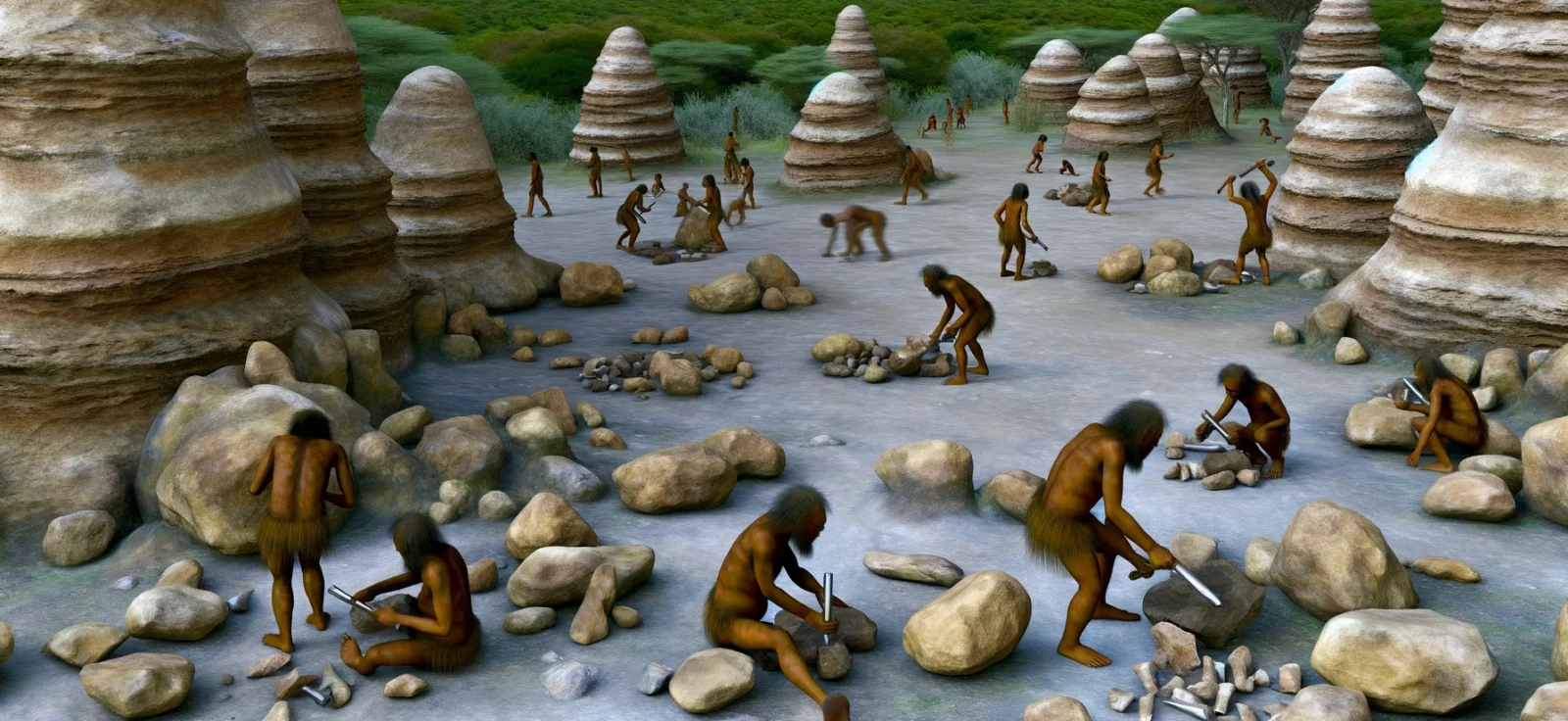
Step back 800,000 years to the lush landscapes of Olduvai Gorge, Tanzania, where early humans pioneered the art of tool-making. This vivid scene captures a bustling workshop set among distinctive tuff cones and sedimentary pillars. Observe groups of early Homo species as they skillfully craft stone tools.
2 Million years ago (+/- 500,000)
Hominids, Not Us (different branch)
Emergence of the Chimpanzee Family
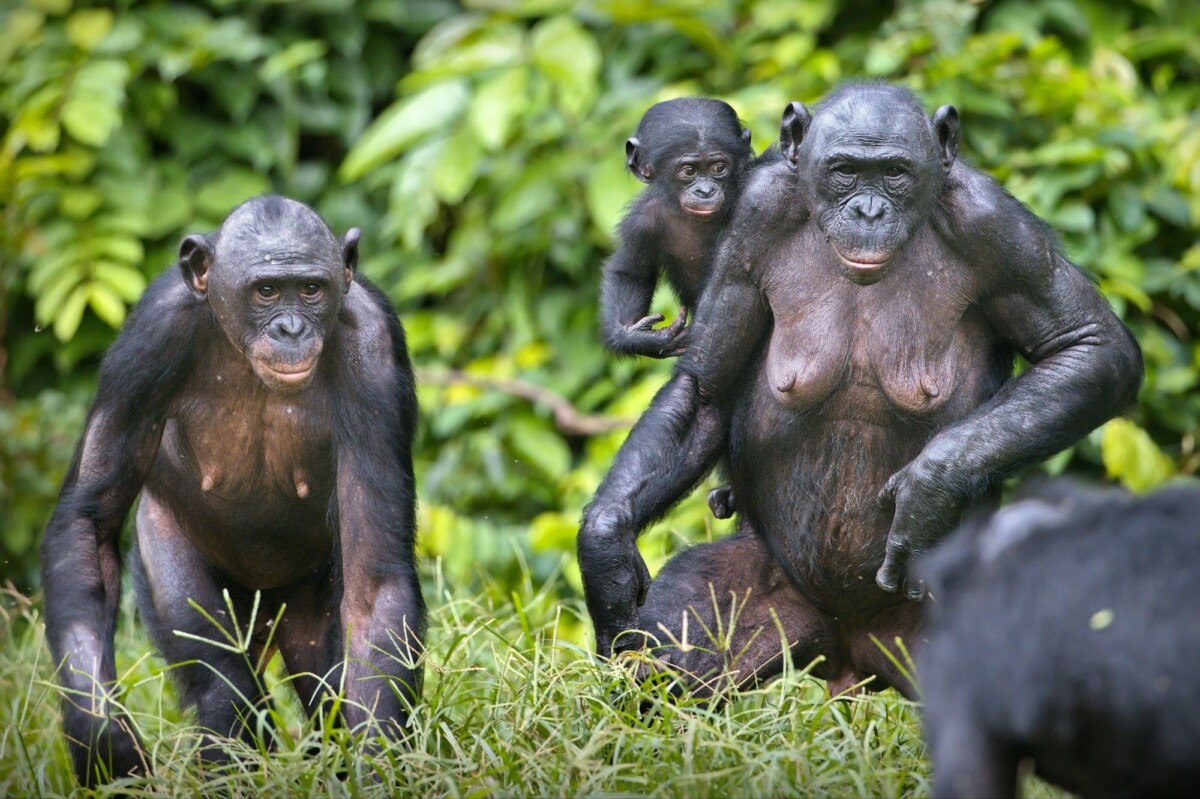
The genus Pan gave rise to two living cousins: chimpanzees and bonobos. Their split shows how one intelligent ape lineage can become two distinct evolutionary stories.
1.9 Million BCE
Homo erectus: A True Omnivore
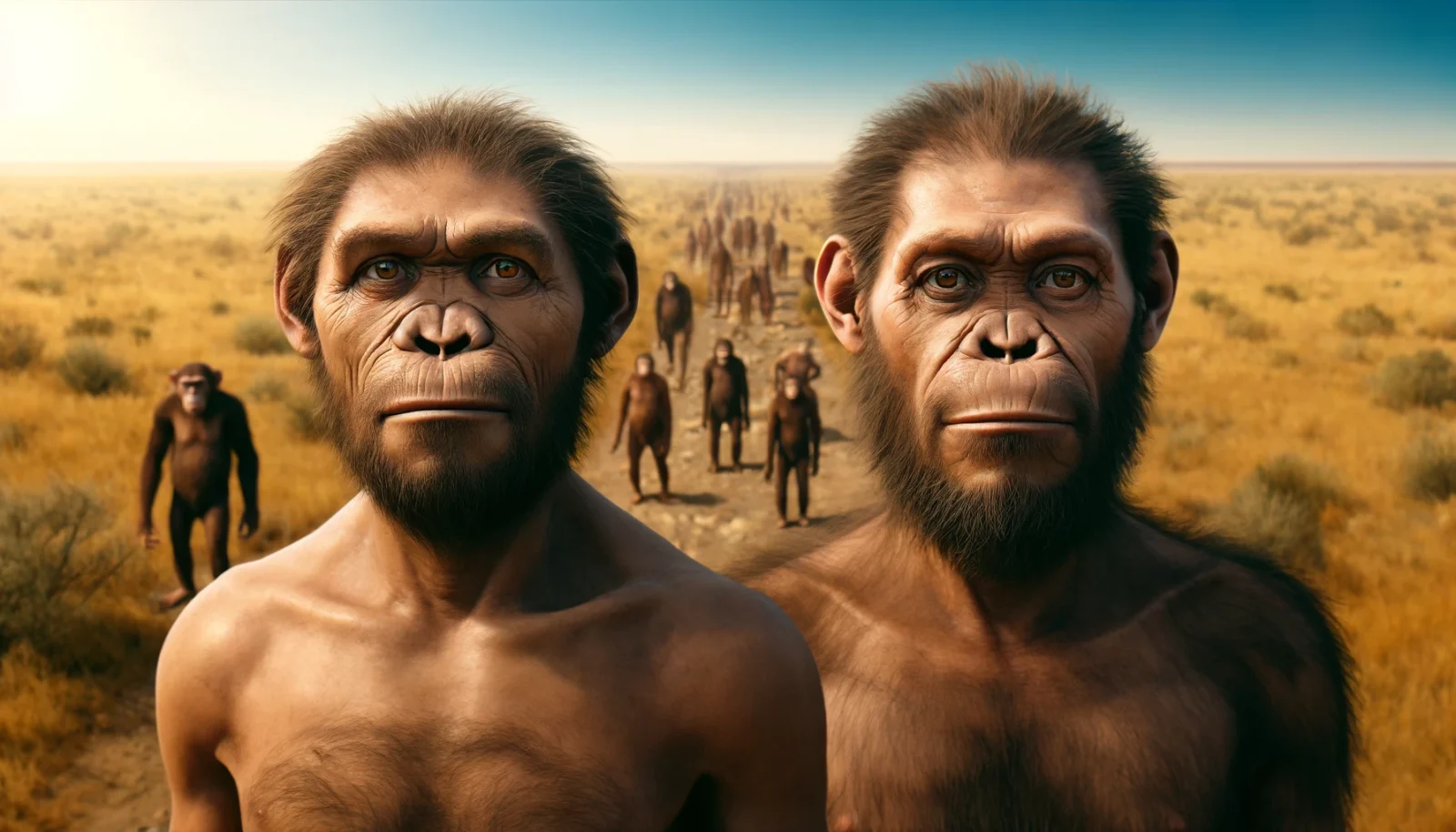
Image depicting two Homo erectus individuals at different stages of their evolutionary timeline. The first individual represents what Homo erectus might have looked like around 1.8 million years ago, and the second shows the species' features around 700,000 years ago, just before the transition towards Homo heidelbergensis.
1.8 Million Years Ago (+/- 500,000 years)
Emergence of Early Hominin Shelters
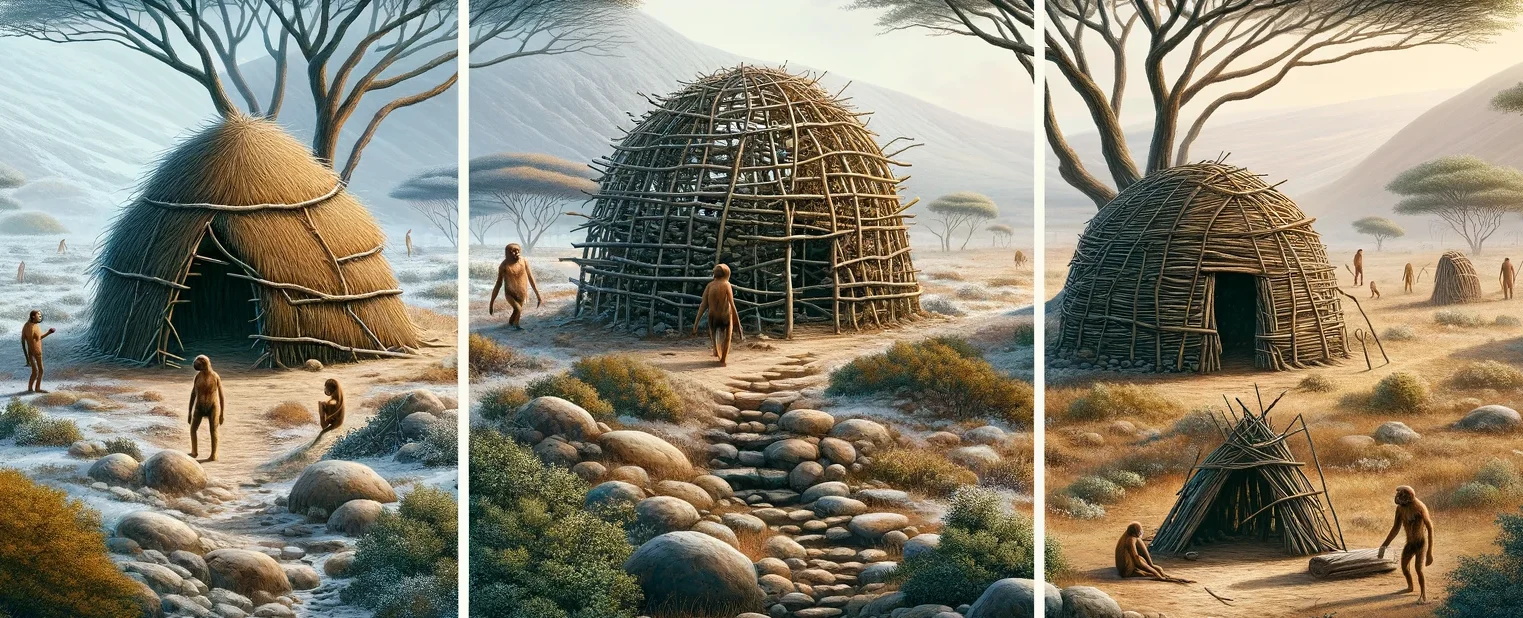
Imagined image: three types of early shelters that Homo erectus might have constructed. 1) Simple Lean-to: Made from branches and large leaves, providing basic protection against elements. 2) Structured Windbreak: Constructed with tightly packed branches and possibly covered with animal hides for better insulation.
3) Rudimentary Hut-like Structure: Using interwoven branches and vines, with a base of large stones to anchor it.
1.8 million years ago
Earliest Known Toothpicks

Parietal bones and mandible of Homo habilis, OH 7 ("Johnny's Child"). This fossil, possibly from a 10- to 12-year-old male, was discovered in Olduvai Gorge, Tanzania, and dates back 1.7 million years. As the holotype for Homo habilis, it played a key role in defining the species. This replica is from the Institute of Evolution in Africa, displayed in the "Cradle of Humanity" exhibition at the Archaeological Regional Museum of Madrid.
1.76 Million BCE
Hand Axe
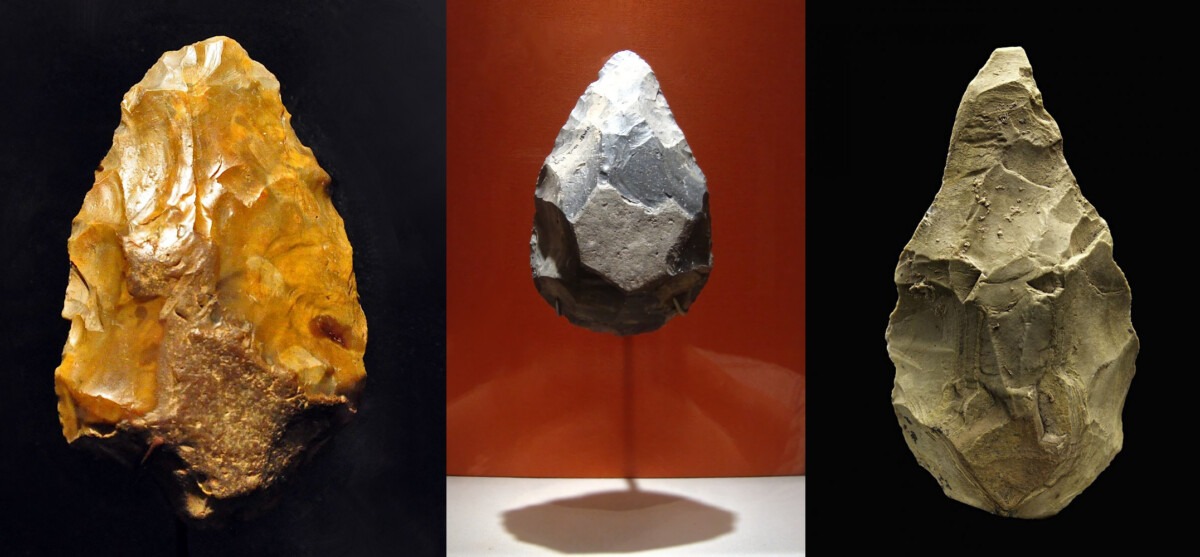
Hand axes: Humans started using them nearly 2 million years ago. These meticulously crafted tools exemplify the advanced technological skills and cognitive capabilities of early humans. Its sophisticated design and precise craftsmanship underscore a deep understanding of material properties and tool use.
1.75 Million Years Ago
Modern Gorilla Species
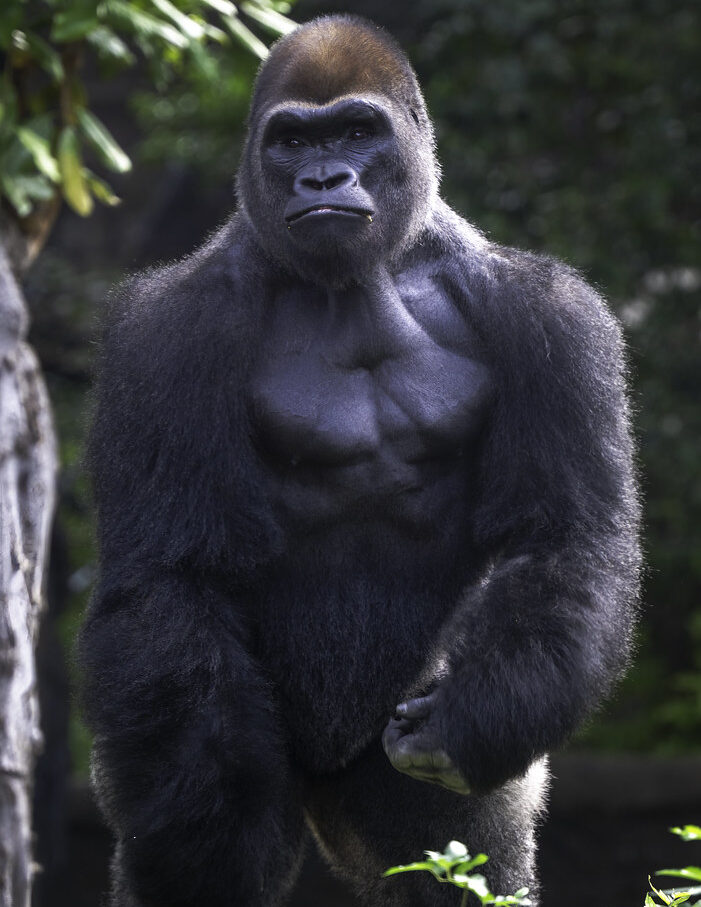
"<a href="https://www.flickr.com/photos/23411886@N00/51590197043" target="_blank" rel="noopener noreferrer">Gorilla Standing</a>" by <a href="https://www.flickr.com/photos/23411886@N00" target="_blank" rel="noopener noreferrer">..Adnan</a> is licensed under <a href="https://creativecommons.org/licenses/by-nc/2.0/" target="_blank" rel="noopener noreferrer">CC BY-NC 2.0</a>
1.52 Million BCE
1.53 to 1.51 Million BCE
Oldest Modern Human-like Footprints
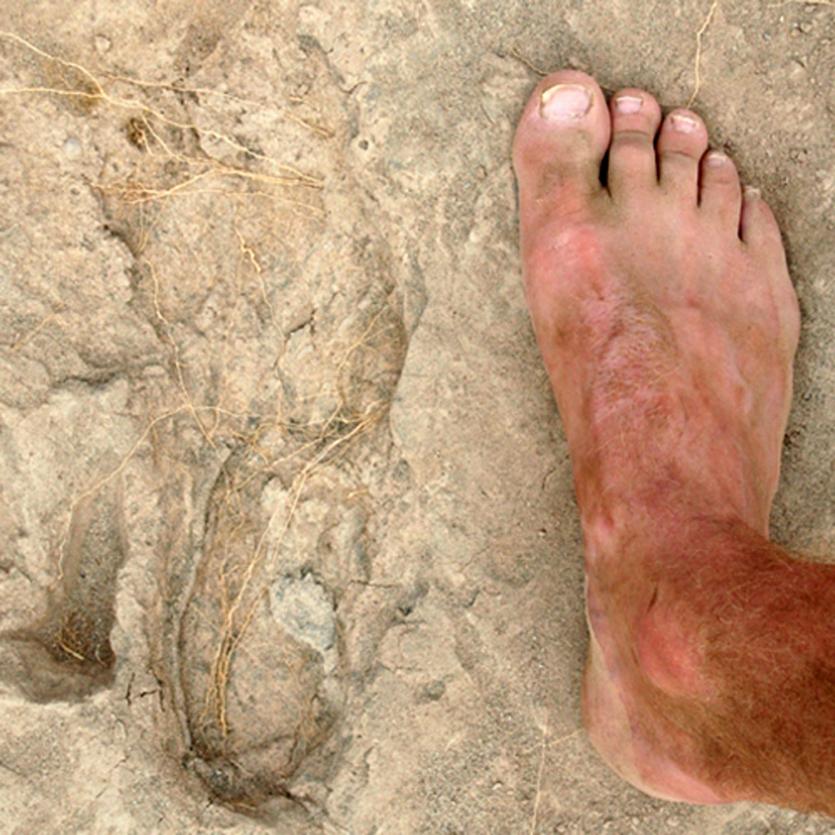
1.5 Million Years Ago (+/- 500,000 years)
Chimpanzee-Bonobo Split

The Congo River split chimpanzees and bonobos about 1.5 mya.
1.2 Million BCE
Homo antecessor: Earlier Modern Looks
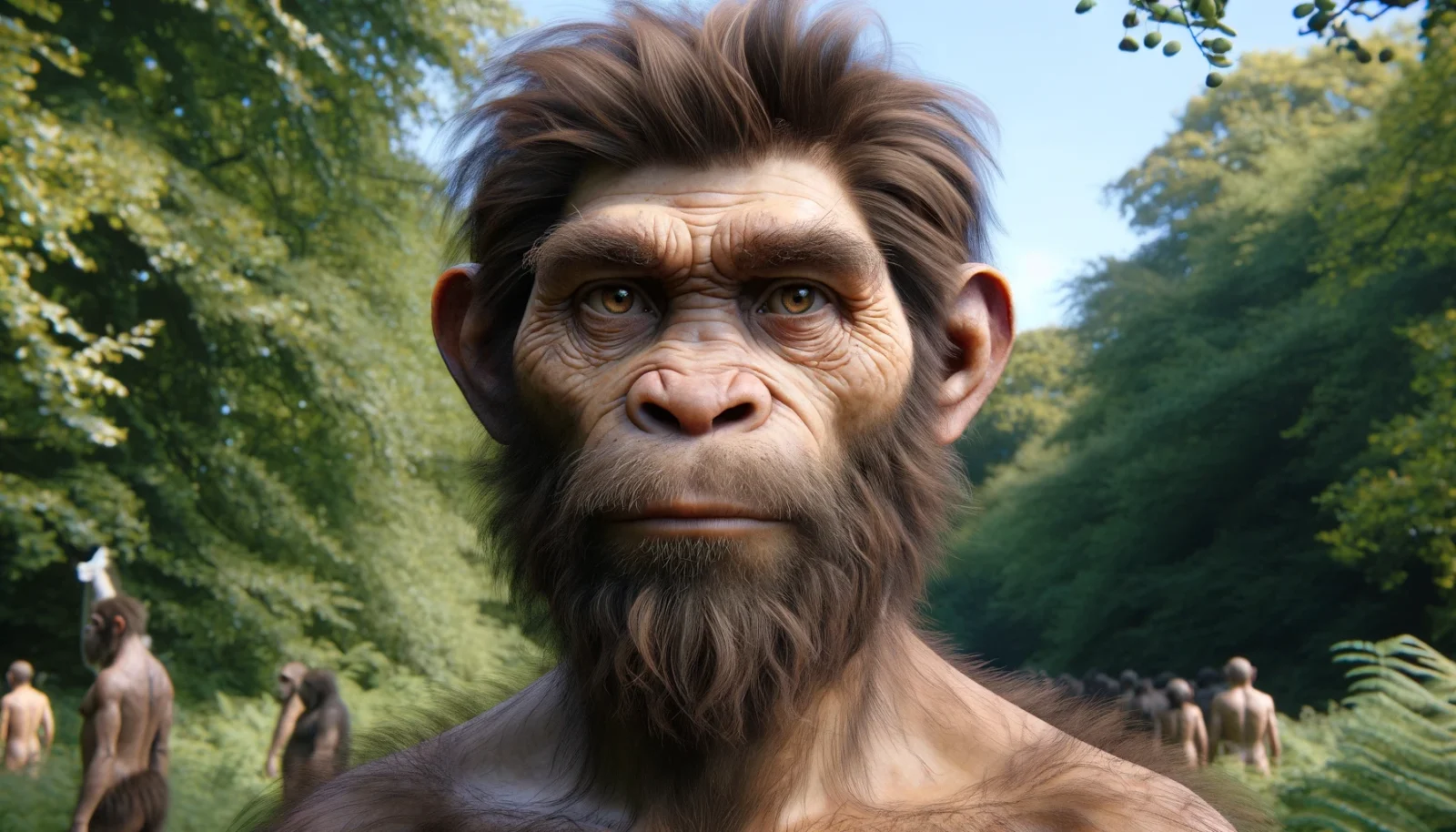
1.2 Million BCE
Supported by DNA evidence.
Less Body Hair Emerges in Homo erectus
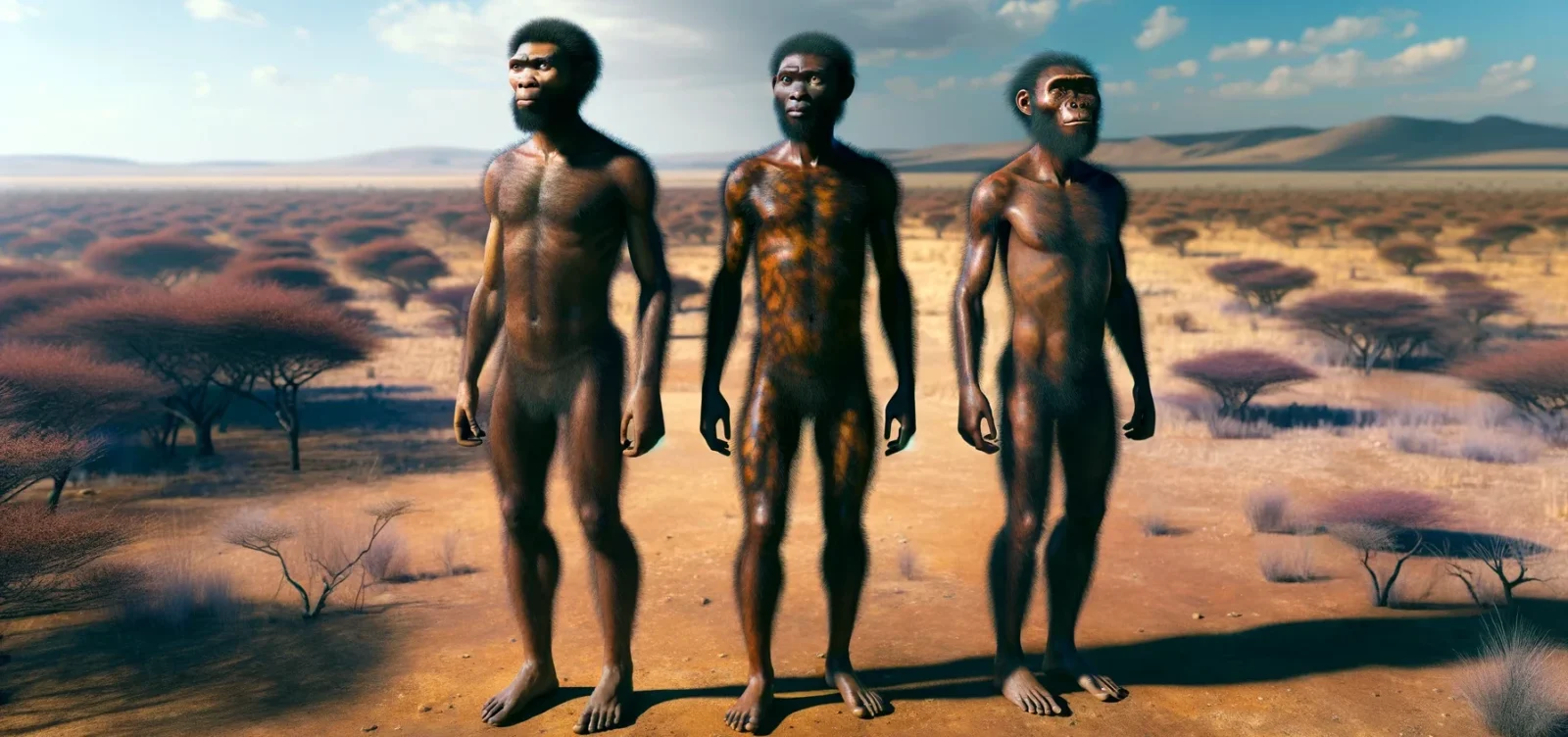
Imagined image of Homo erectus about 1 million years ago shortly after evolving to have less hair.
800,000 BCE
800,000 to 200,000 BCE
Rapid Brain Growth

790,000 BCE
Genus Homo
Fire-Altered Stone Tools
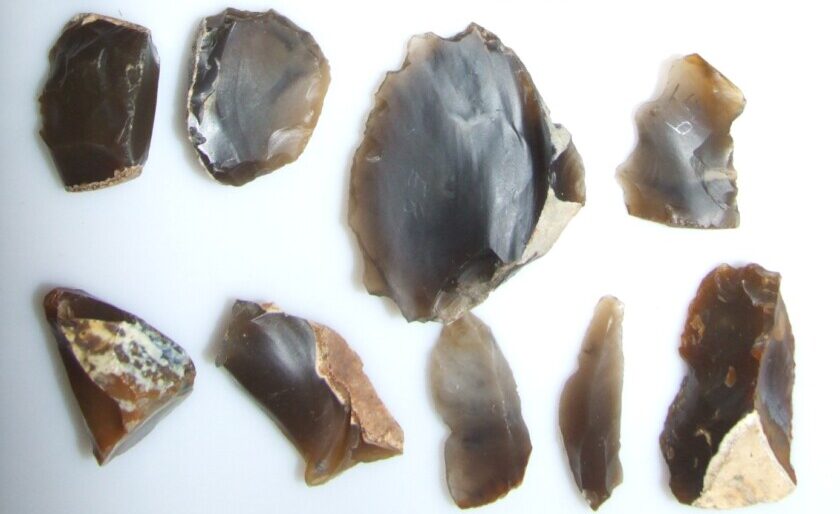
"<a href="https://commons.wikimedia.org/w/index.php?curid=55942692" target="_blank" rel="noopener noreferrer">File:Flint tools, Numbers 41-64 (Top left to bottom right) (FindID 132815).jpg</a>" by The Portable Antiquities Scheme, Adam Daubney, 2006-05-17 10:54:28 is licensed under <a href="https://creativecommons.org/licenses/by-sa/2.0/" target="_blank" rel="noopener noreferrer">CC BY-SA 2.0</a>
770,000 BCE
from circa 770,000 BCE to circa 5700 BCE
Seasonal Settlements at Zhoukoudian site
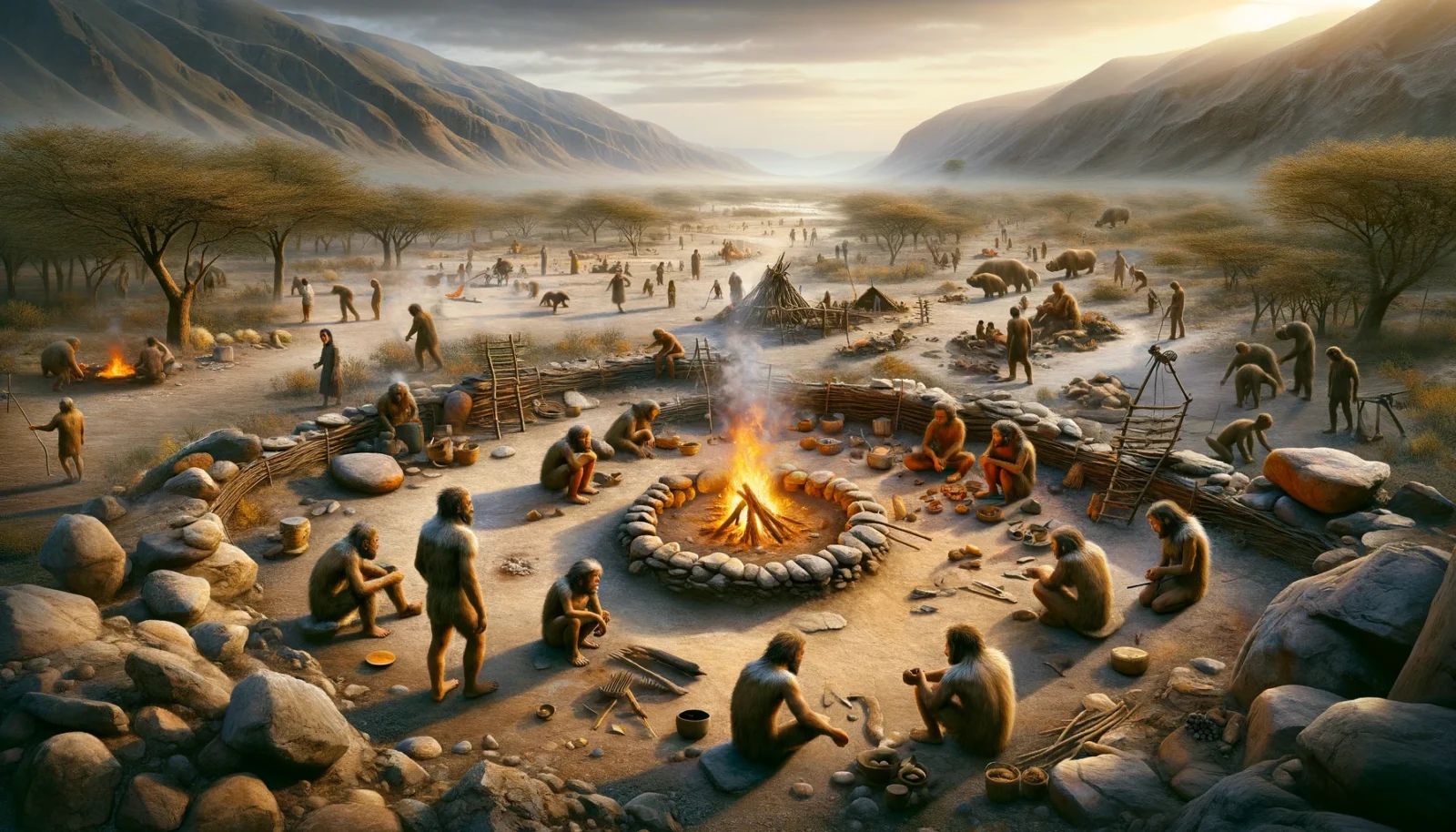
Imagined image: Homo erectus around a communal fire pit, a similar setting to Zhoukoudian, circa 770,000 BCE.
700,000 BCE
Hyoid Bone: Speach Emerges
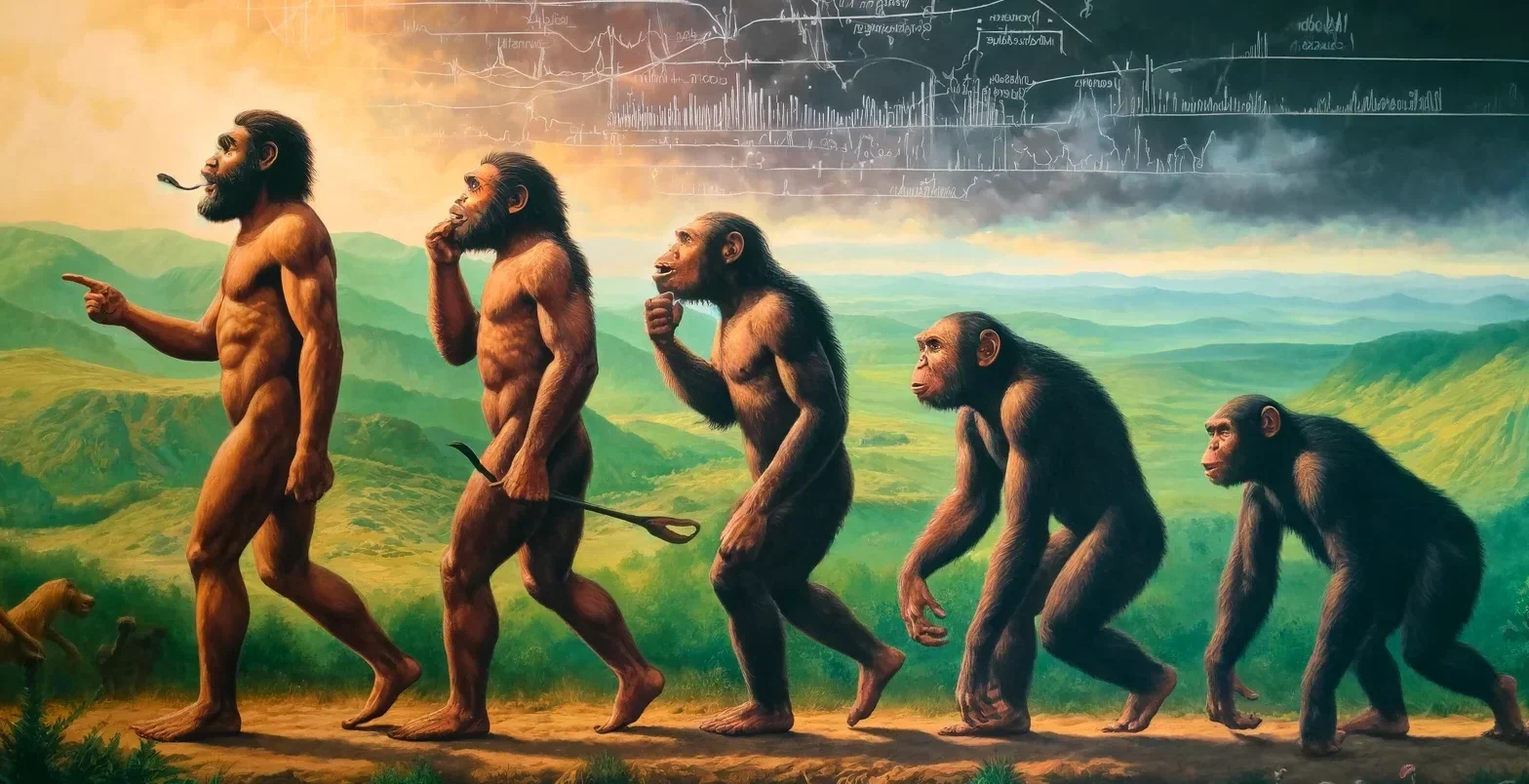
Imagined image depicting the evolution of vocalization and early speech in hominins. The illustration features Homo habilis, Homo erectus, and Homo heidelbergensis, each represented in a context that corresponds to their stage of communication development. This visual captures the progression from simple vocal sounds to more structured speech-like communications as these species evolved.
700,000 BCE
Highly speculative. Based on rational analysis of the great apes.
Hominin World Population: 2 Million (speculative)
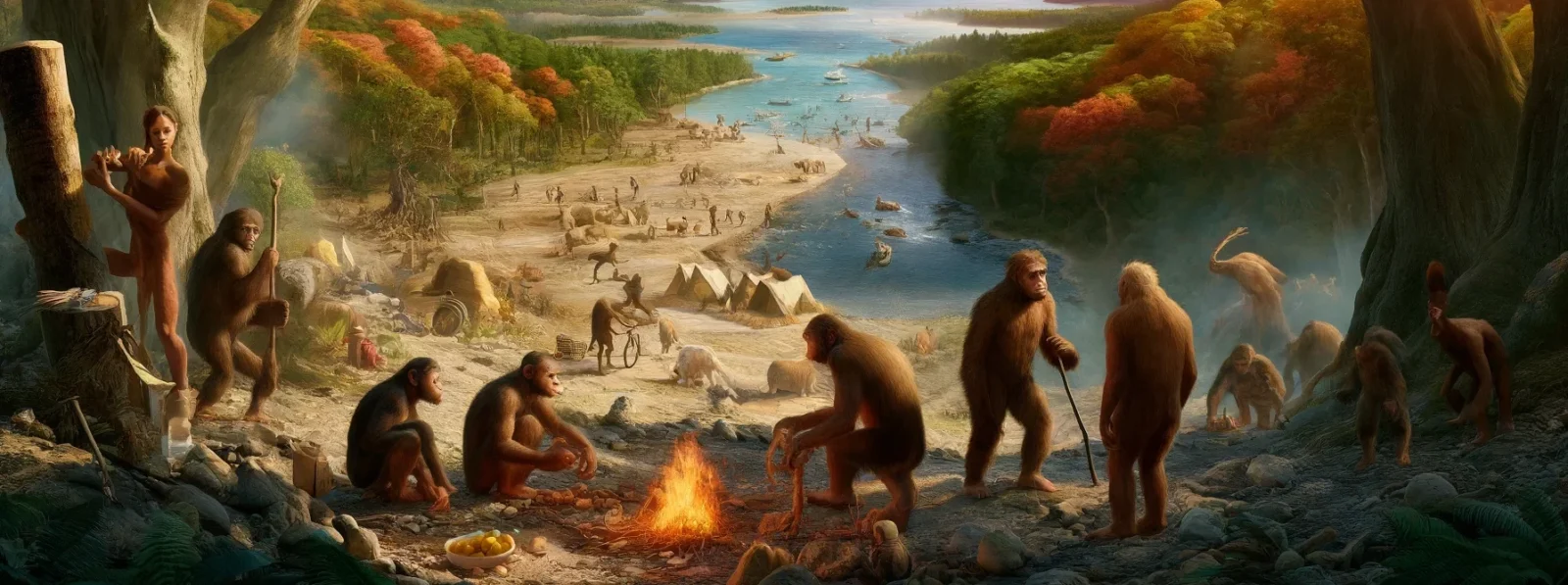
Imagined image depicting diverse hominin species roaming Africa, the Middle East, Europe, and Asia, circa 700,000 BCE.
700,000 Years Ago
Full Emotional Intelligence Emerges
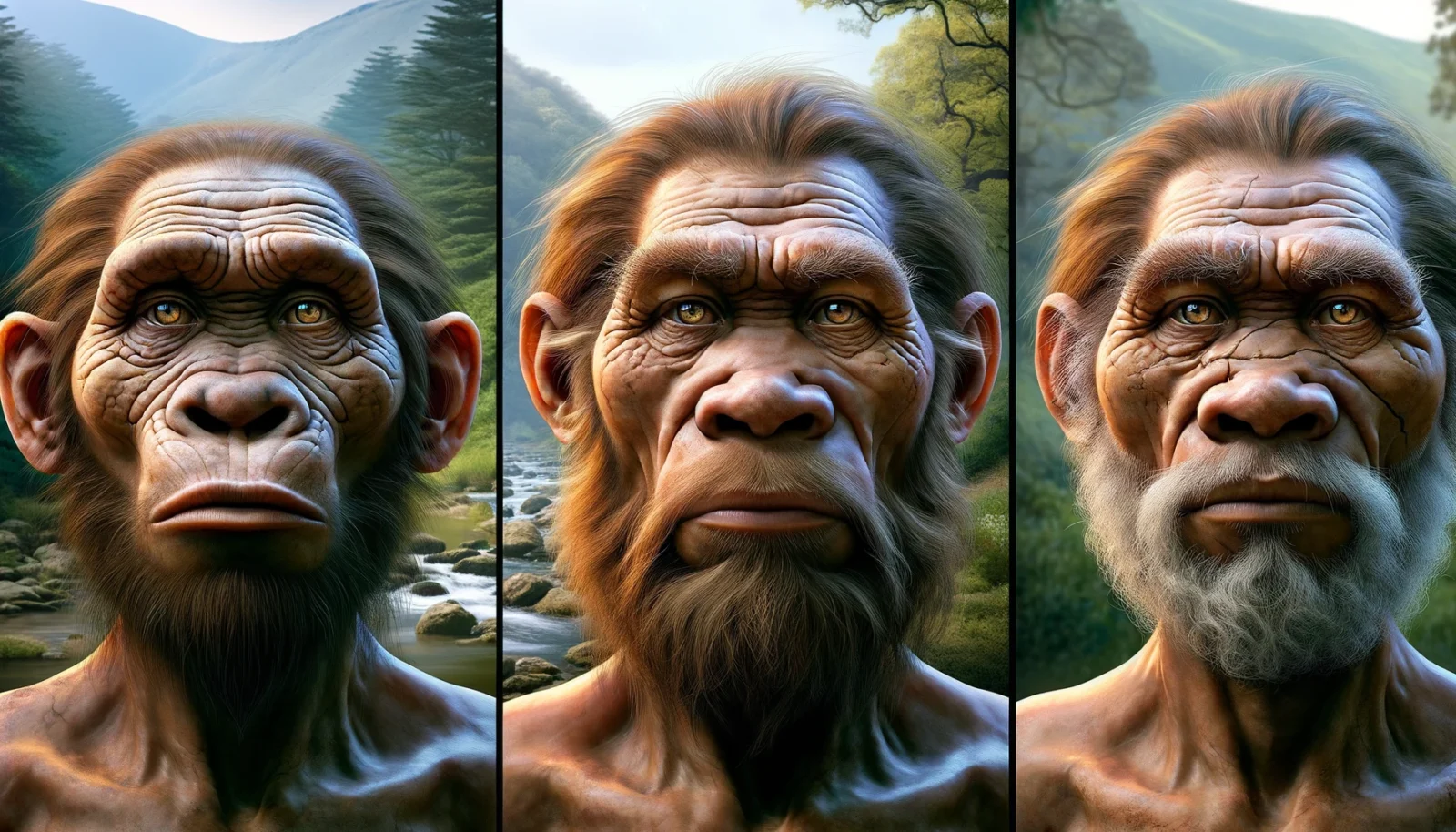
Circa 640,000 Years Ago
Homo heidelbergensis on Earth from about 640,000 to 200,000 BCE.
Homo heidelbergensis
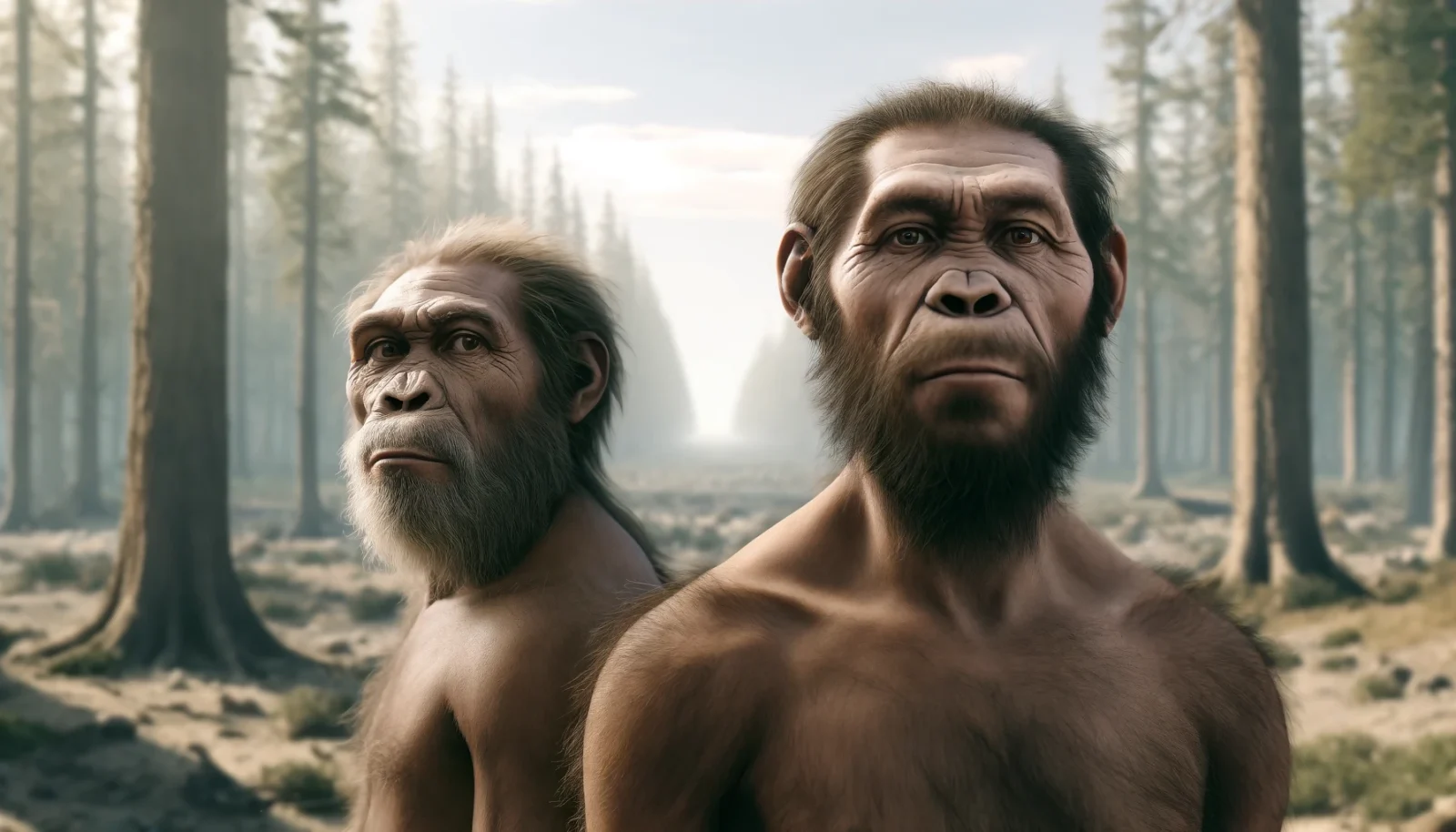
Imagined image depicting two Homo heidelbergensis individuals at different stages of their evolutionary timeline. The first individual represents what they might have looked like around 650,000 years ago, and the second shows them around 440,000 years ago, just before the transition towards Homo sapiens and Neanderthals.
600,000 years ago
First Clothes: Proto-Clothing and the Advent of Garments
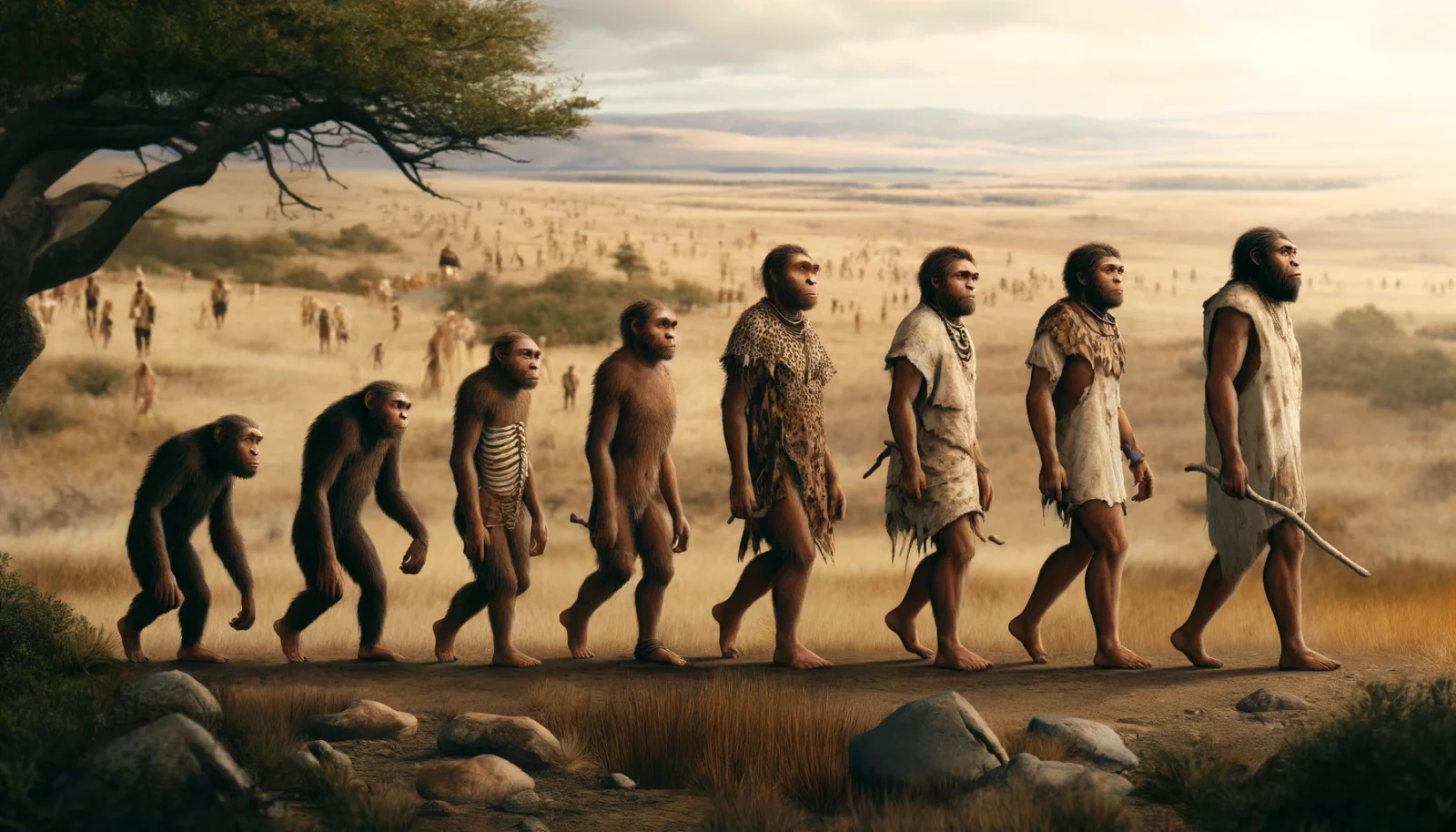
Imagined image depicting the evolution of early clothing among hominins. The image starts with a Homo erectus wearing very simple proto-clothing, such as basic animal skins or a simple decorative element like a bone or shell necklace. Progressing through the scene, an earlier Homo heidelbergensis or Homo antecessor is shown with slightly more advanced but still rudimentary clothing.
475,000 Years Ago
Transcendental Intelligence Emerges
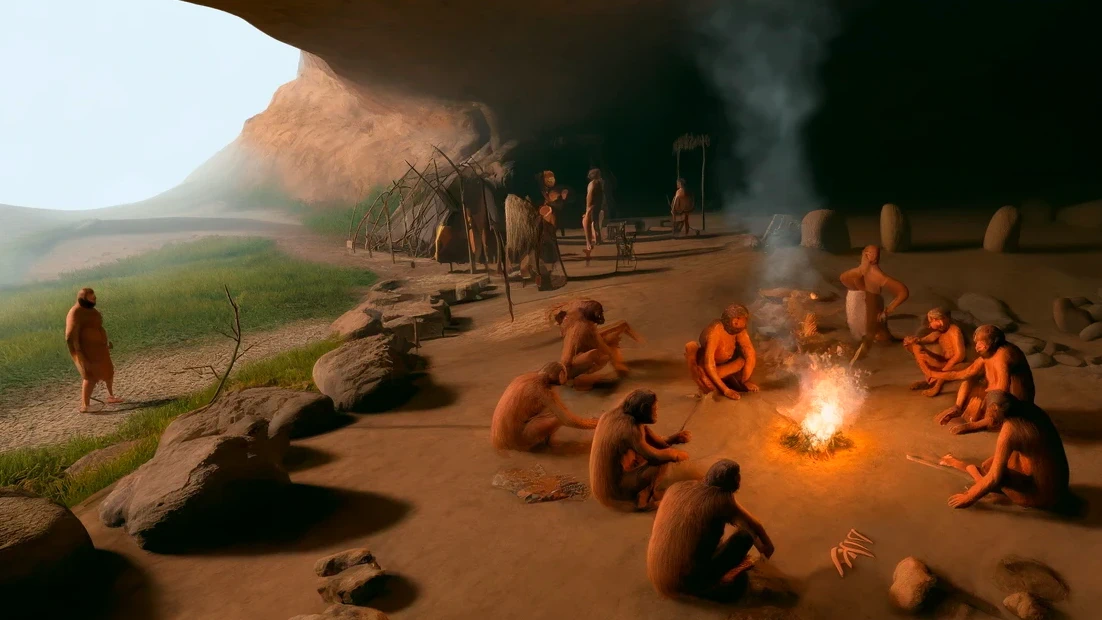
440,000 Years Ago (+/- 40,000 years)
Neanderthal-Sapien LCA
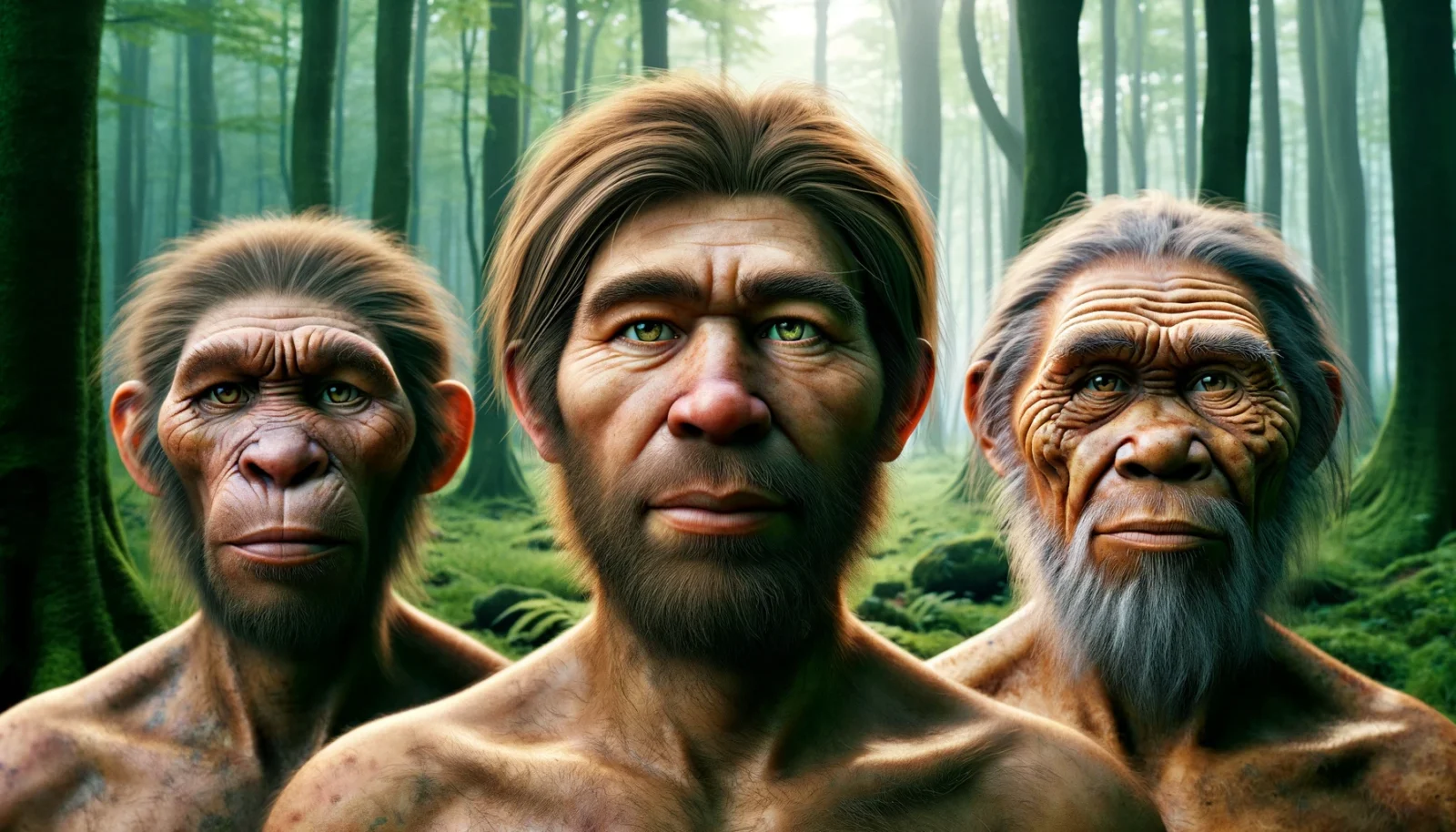
Imagined image: Homo sapiens (center) might be a hybrid of two extict human species: Homo heidelbergensis and Homo antecessor. Left is heidelbergensis with its protruding jaw. Right is antessor with his small brain and flatter face.
400,000 Years Ago
Genus Orangutans
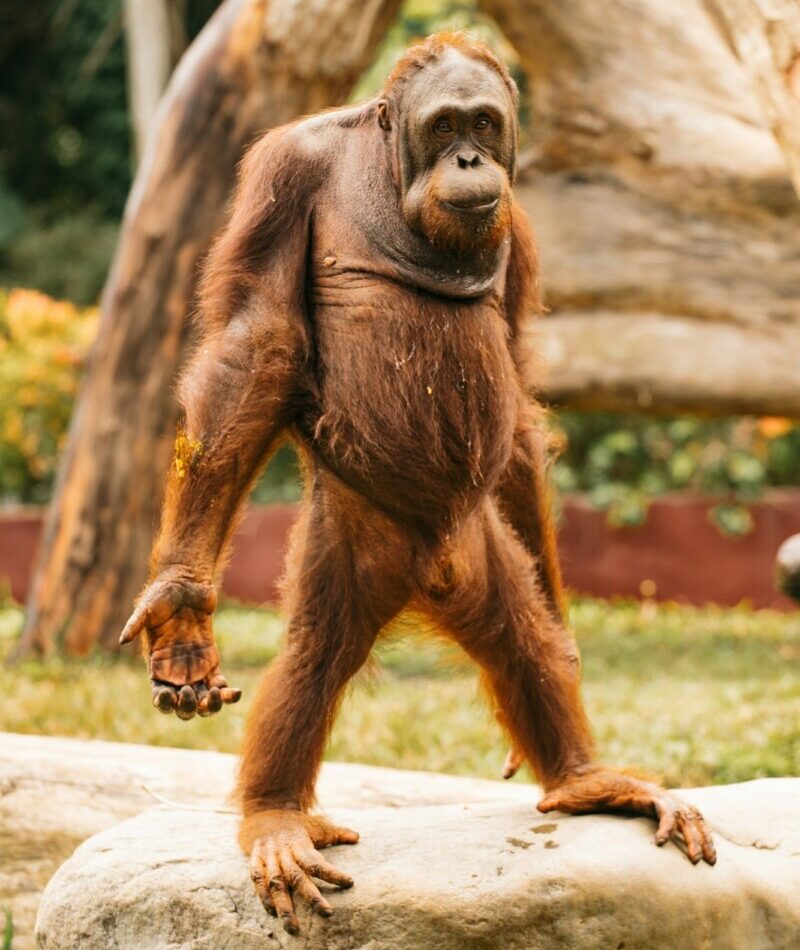
Our last comman ancestor of all known great apes lived about 16.5 mya. The orangatan branch split off about 12 mya. After that split the orangatan branch split several more tiimes. The modern orangatan species, the last split of this branch, emerged about 400,000 years ago.
circa 400,000 Years Ago
Nice, France
Terra Amata Site, France
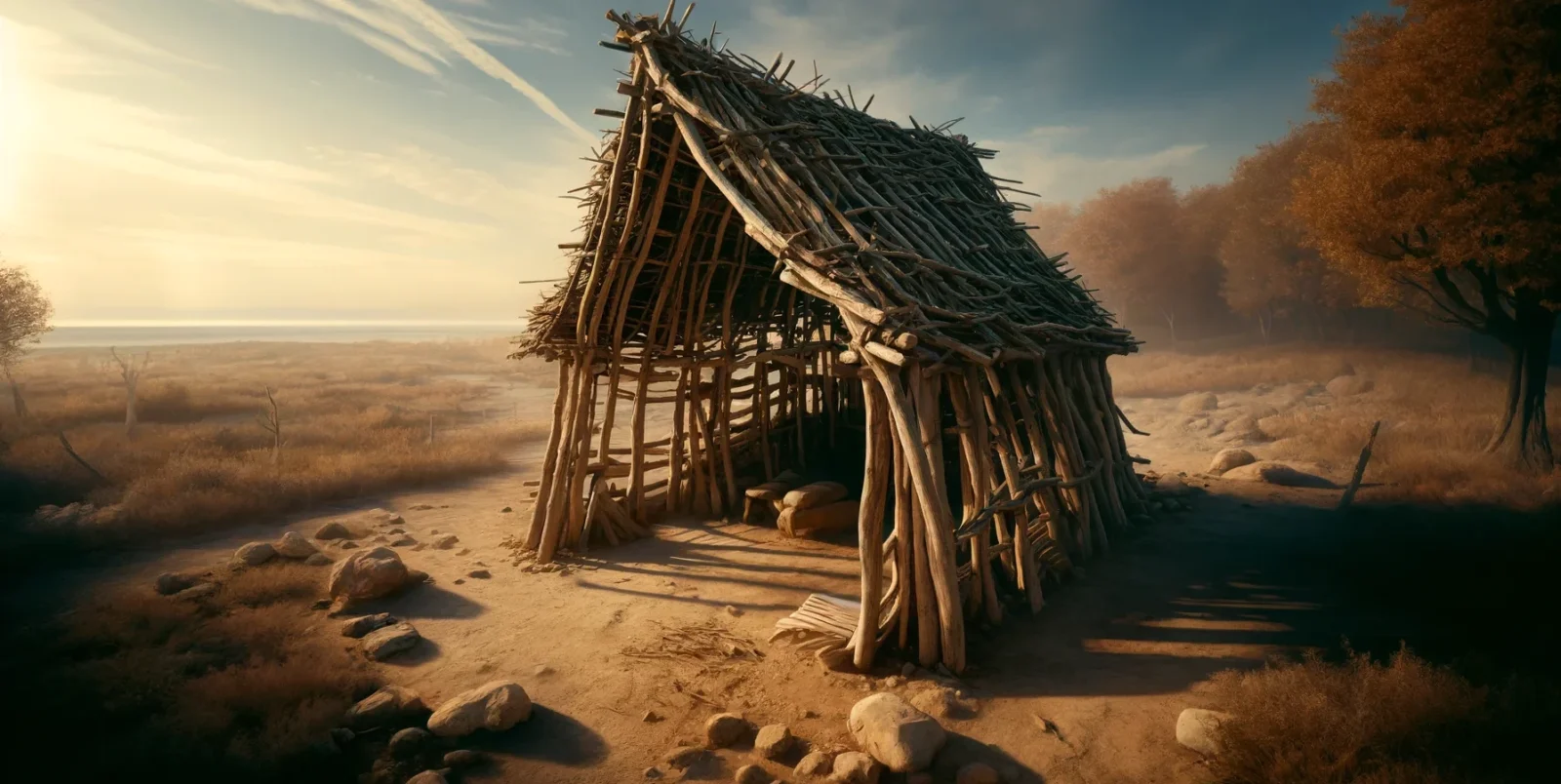
Imagined imaged of the 400,000-year-old structure likely built by Homo heidelbergensis in France located on the coast at the Terra Amata site in Nice, France. The shelter is estimated to be around 4-5 meters (13-16 feet) wide and 6-7 meters (20-23 feet) long. It's believed to have been constructed using a simple framework of wooden posts, with branches and leaves used to create a roof and walls.
350,000 BCE
400,000 to 300,000 BCE
Oldest Surviving Spear
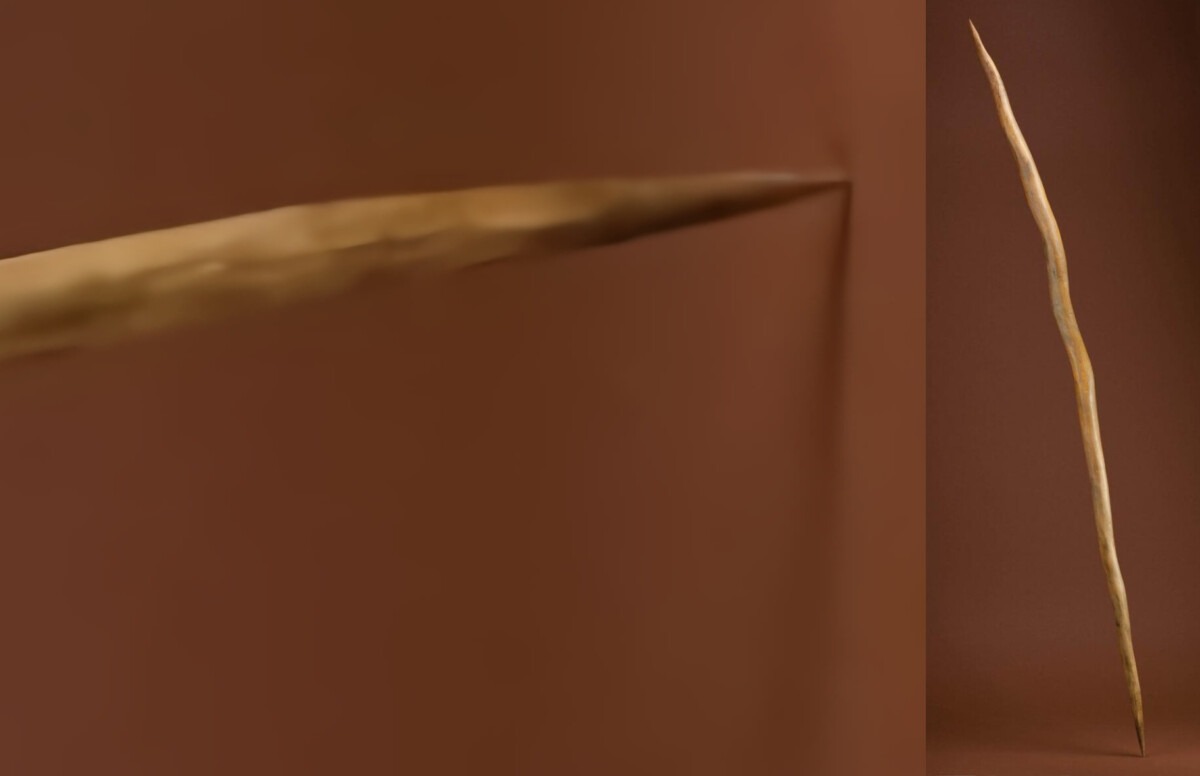
335,000 BCE
Human, but probably not our human branch.
Homo naledi: A Likely Hybrid
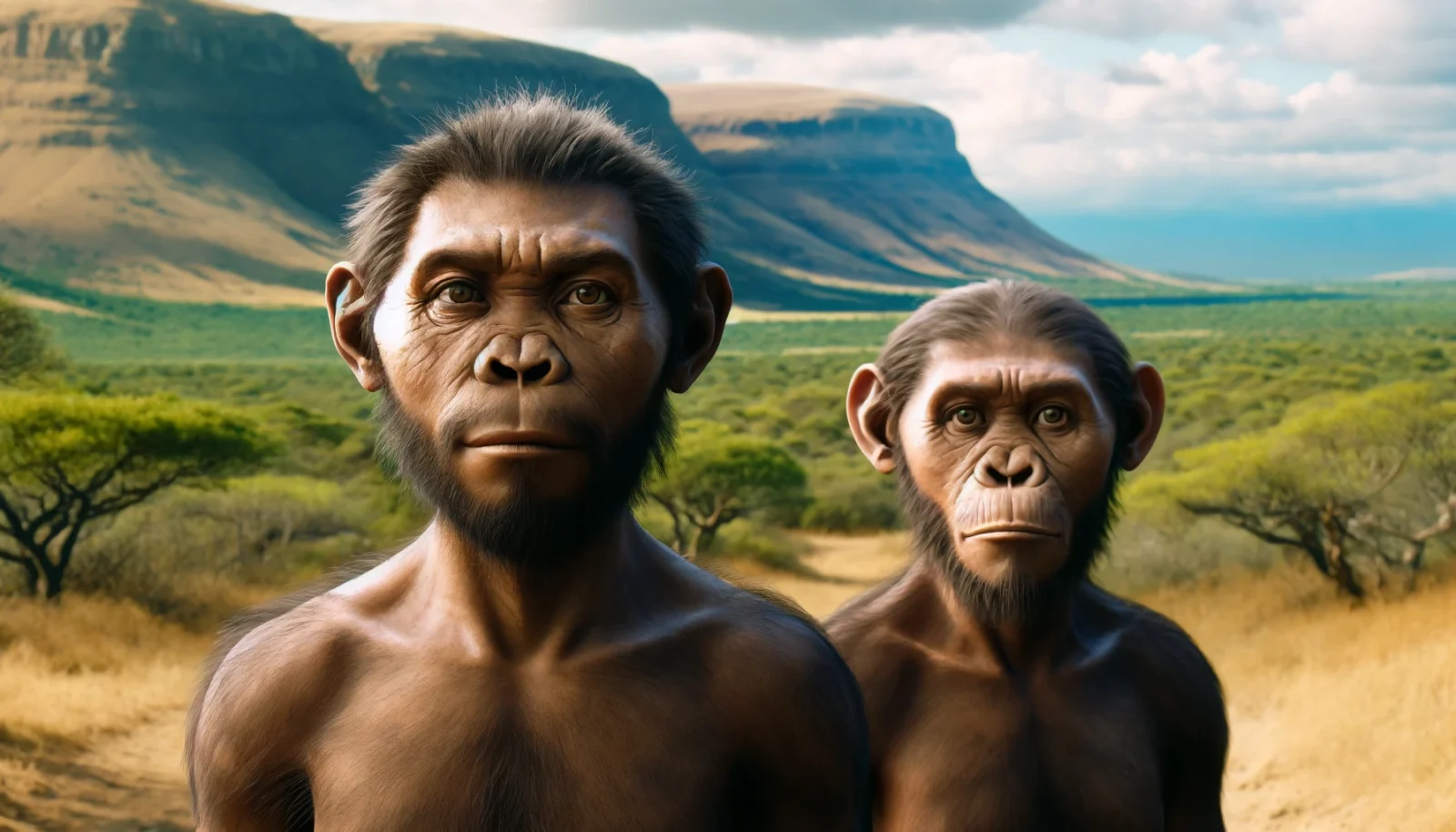
Imagined image: Homo naledi. Left is circa 250,000 BCE. Right is circa 335,000 BCE. The later Homo naledi individual as appearing more human-like is somewhat speculative but can be supported by the evidence of their anatomical features and behaviors.
315,000 BCE
Homo Sapiens: Advanced Transcendental Intelligence
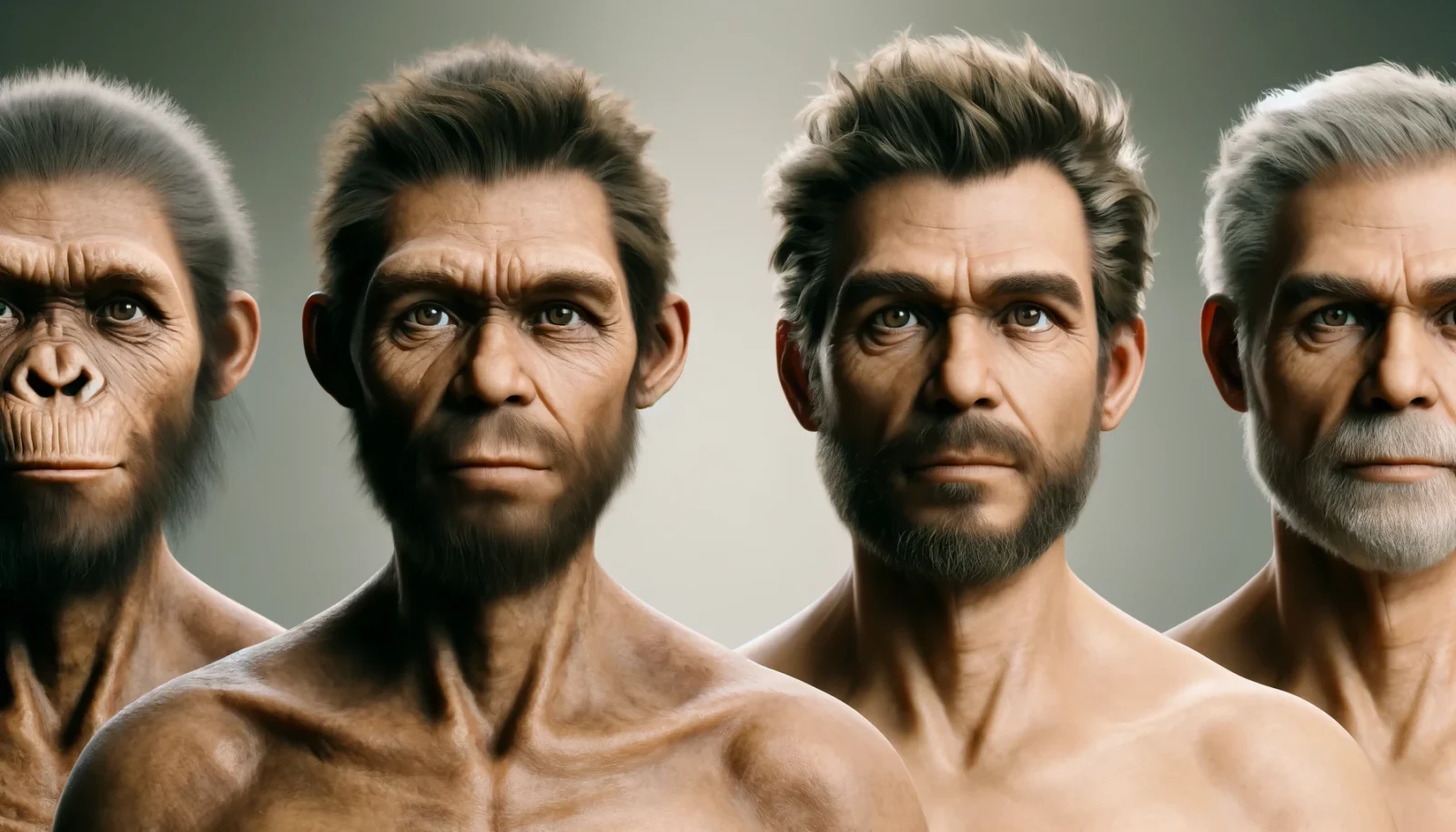
Imagined image: two Homo sapiens males from different stages of human evolution are featured. The first figure represents Homo sapiens from about 300,000 years ago, and the second from about 100,000 years ago, each with distinct features representative of their times.
300,000 BCE
500 to 30 Thousand BCE
Neanderthal-Denisovan Split
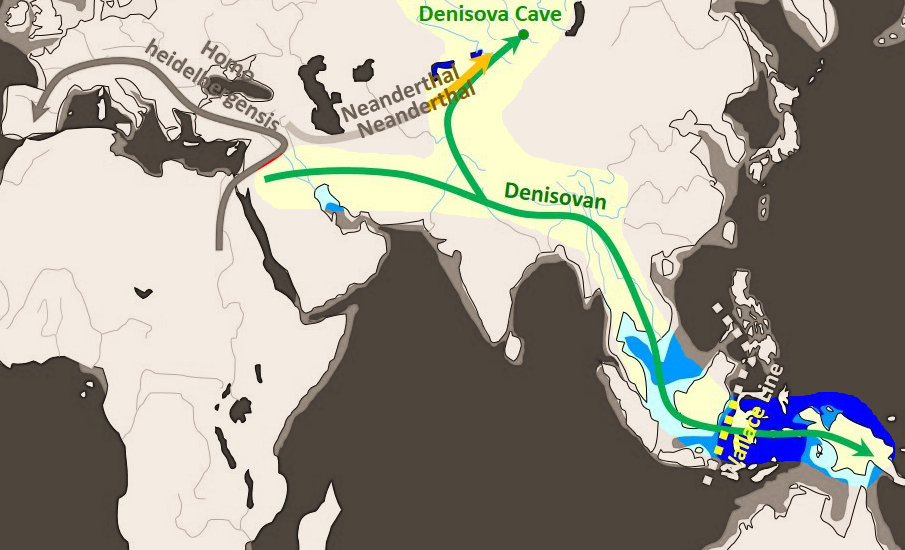
300,000 Years Ago
Survived from about 300,000 to 125,000 years ago.
Homo rhodesiensis: A Hybrid Lesson

Imagined Image: Homo rhodesiensis portrayal based on the limited skeletal remains from Kabwe, blends established fossil data with speculative reconstruction of soft tissues, reflecting an interpretative visualization of this ancient human species leaning toward modern facial features.
300,000 BCE
Very speculative.
Hominin World Population: 2 Million (maybe)
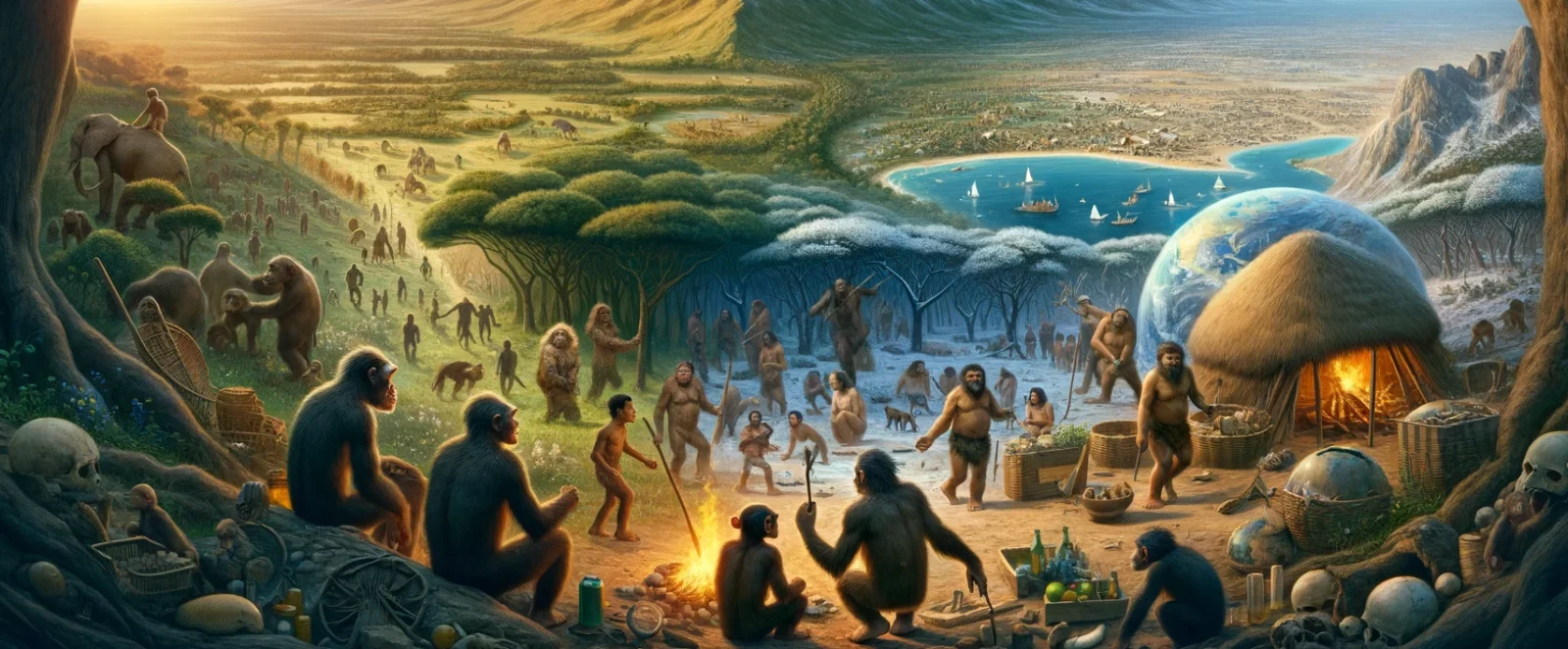
300,000 BCE
Africa; 300,000 to 500,000 years ago
Venus of Tan-Tan
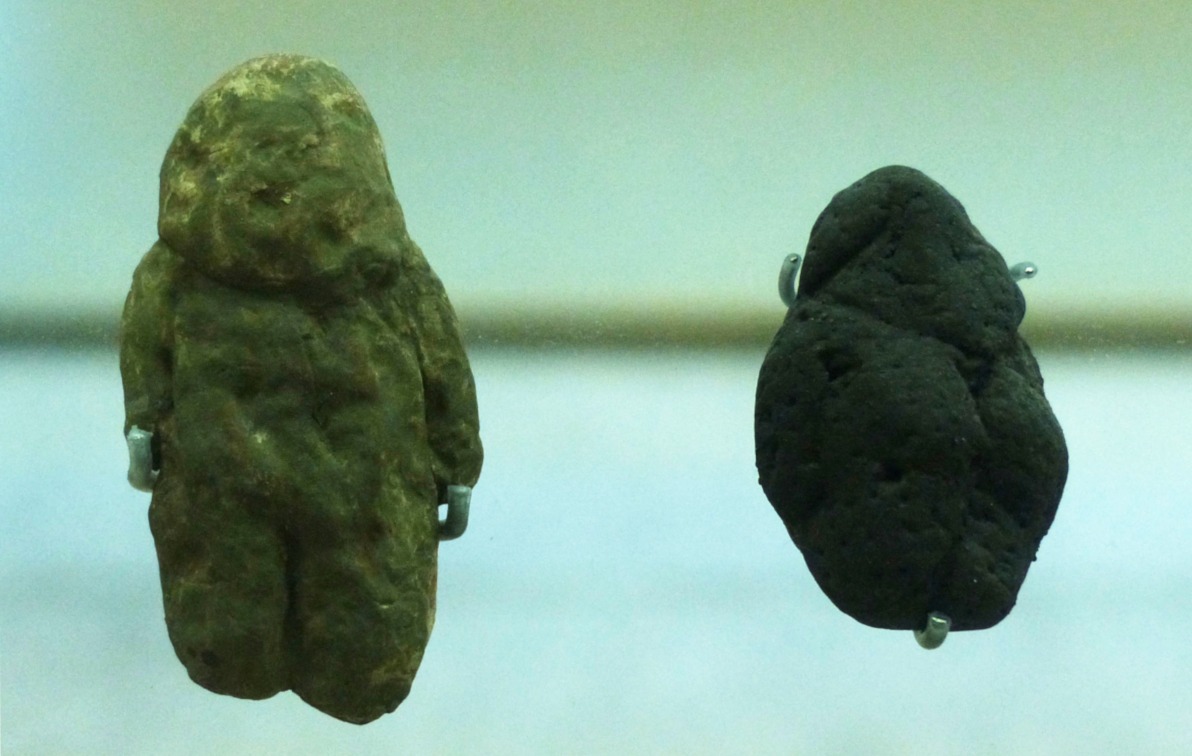
"<a href="https://commons.wikimedia.org/w/index.php?curid=72180942" target="_blank" rel="noopener noreferrer">Museo de la Evolucion Humana Burgos - Tan Tan and Berekhat Ram Pebbles</a>" by Own work is licensed under <a href="https://creativecommons.org/licenses/by-sa/4.0/" target="_blank" rel="noopener noreferrer">CC BY-SA 4.0</a>
Before 290,000 BCE
Hominins; 290,000 to 700,000 years ago
Bhimbetka Petroglyphs, Cupules
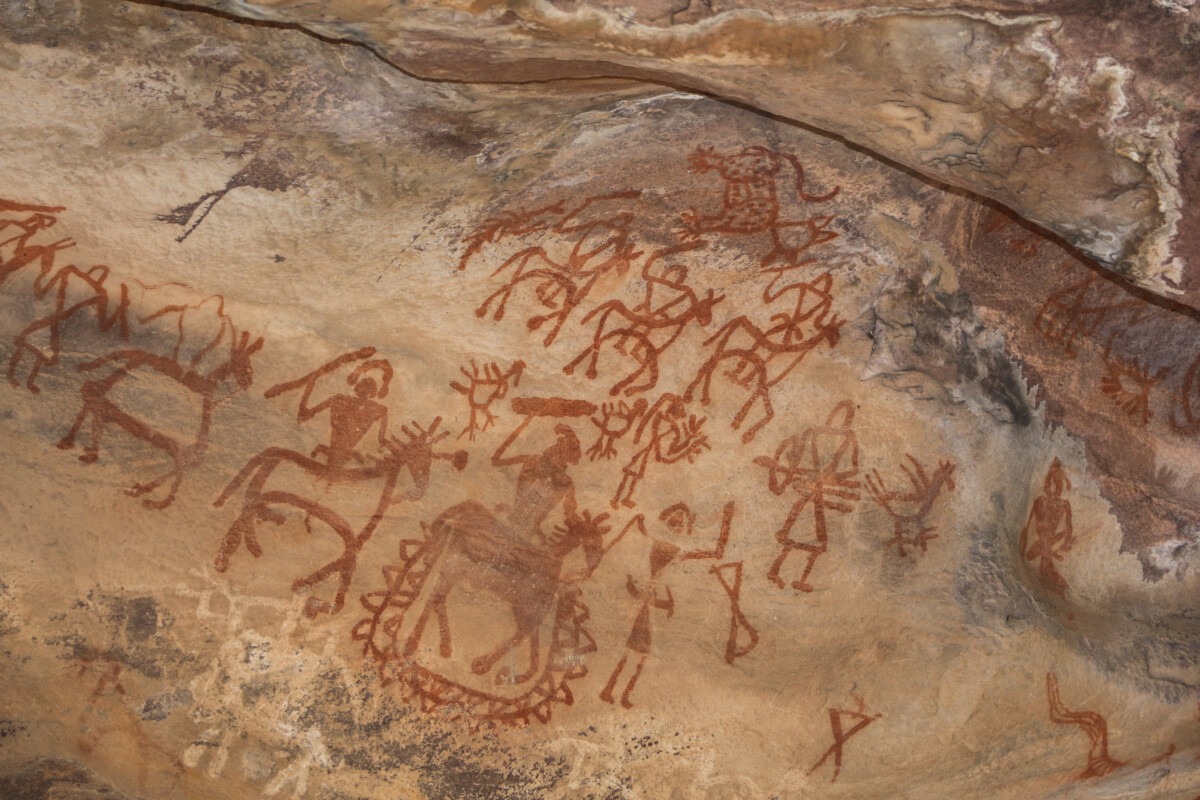
Cave are found in central India dated back to 290 thousand years ago has significant implications for the evolution of the human brain.
275,000 BCE
Adam: Haplogroup A
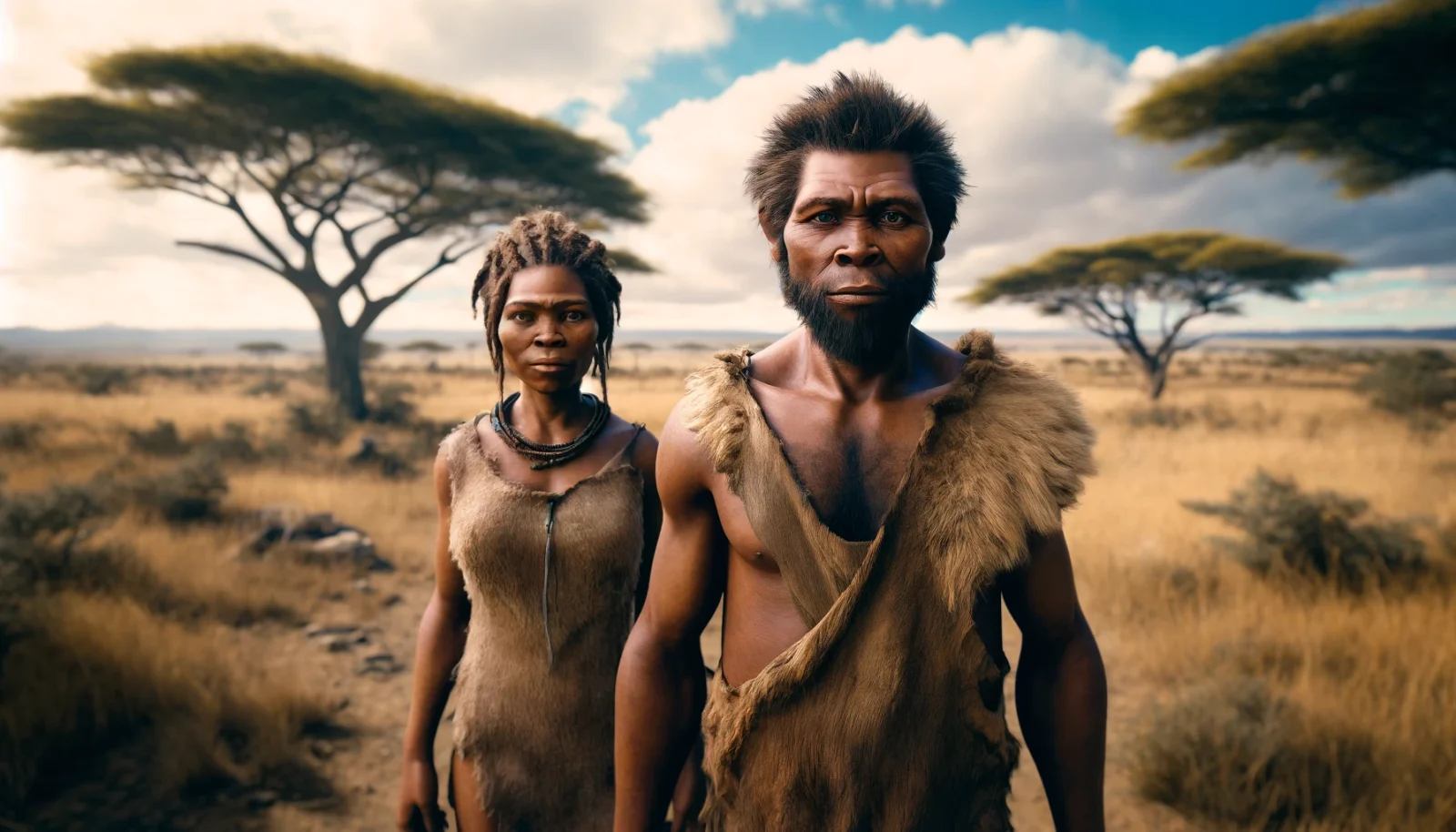
Imagined image: Homo sapien couple, circa 275,000 years ago. Even as early as this, humans all over Africa, the Middle East, Europe, and Asia essentially looked like we look now.
236,000 Years Ago
Extinction: Homo naledi
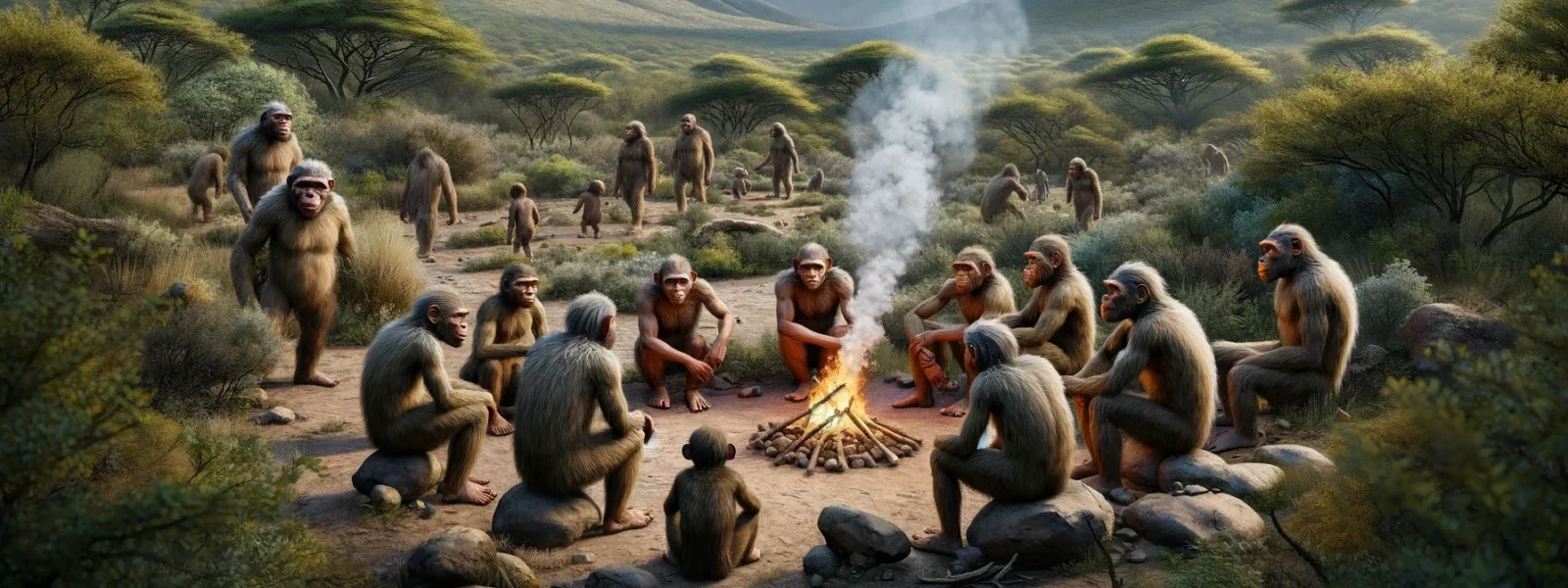
200,000 Years Ago
Extinction: Homo heidelbergensis
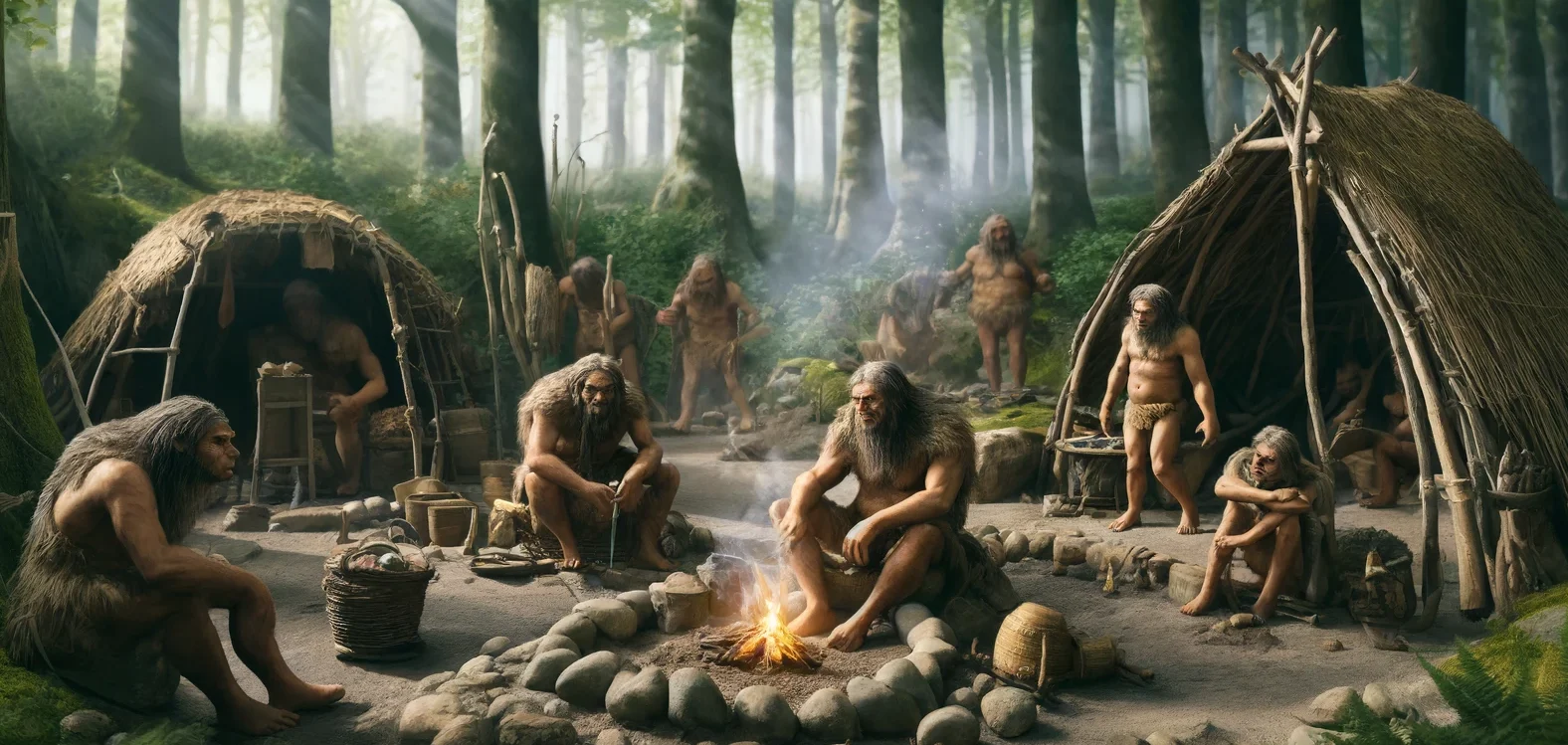
Imagined image: the last of the Homo heidelbergensis, circa 200,000 BCE.
175,000 BCE
200,000 to 150,000 BCE
Eve: Haplogroup L
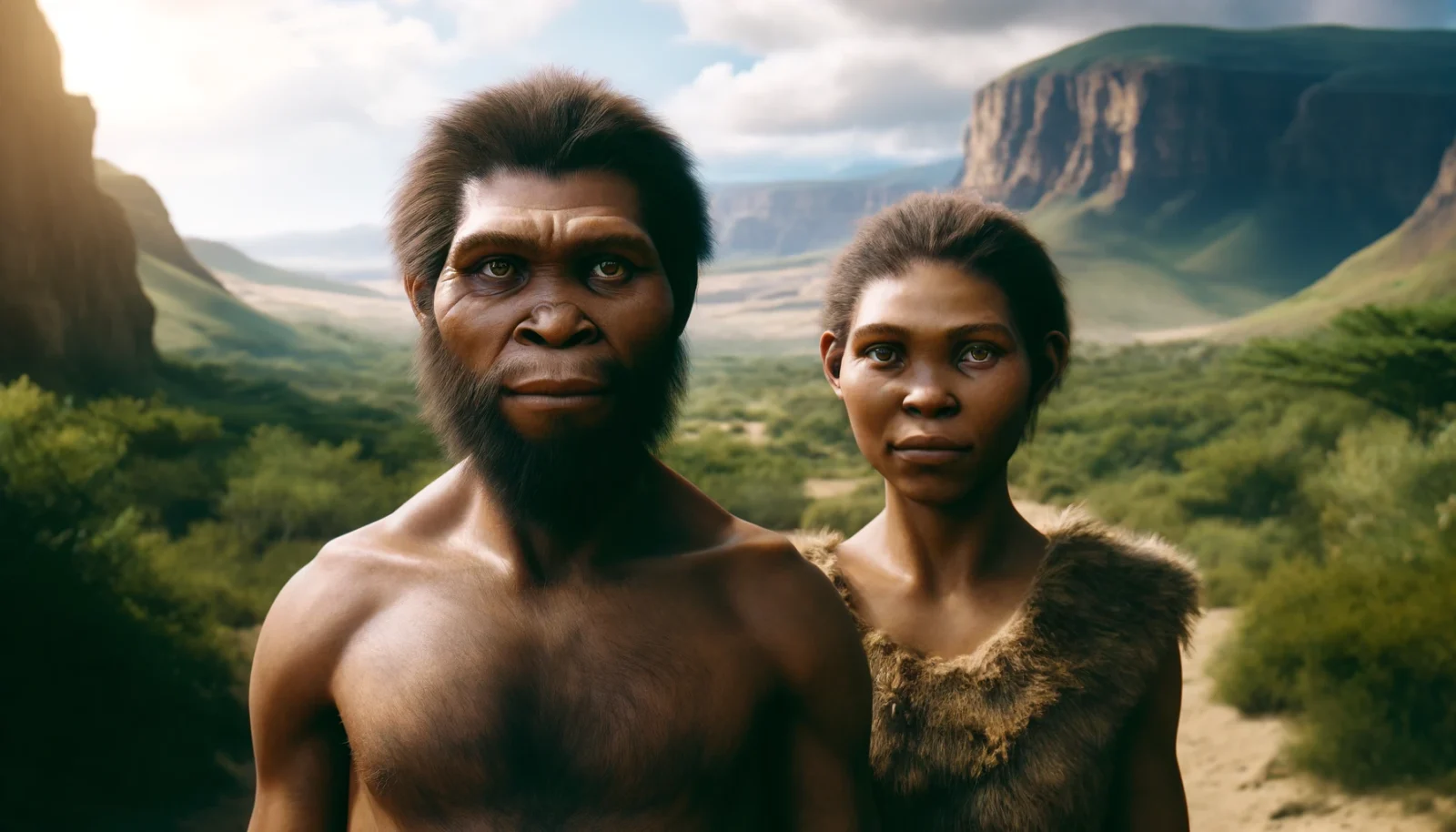
Imagined image: Homo sapien couple, circa 175,000 years ago. By this time, humans all over Africa, the Middle East, Europe, and Asia essentially looked like we look now.
150,000 BCE
200,000 to 150,000 BCE
Modern Human Looks and Brains

lover couple of caucasian male and female lay down at the beach relaxing
146,000 Years Ago
Homo longi: Rewriting Human Migration Narratives
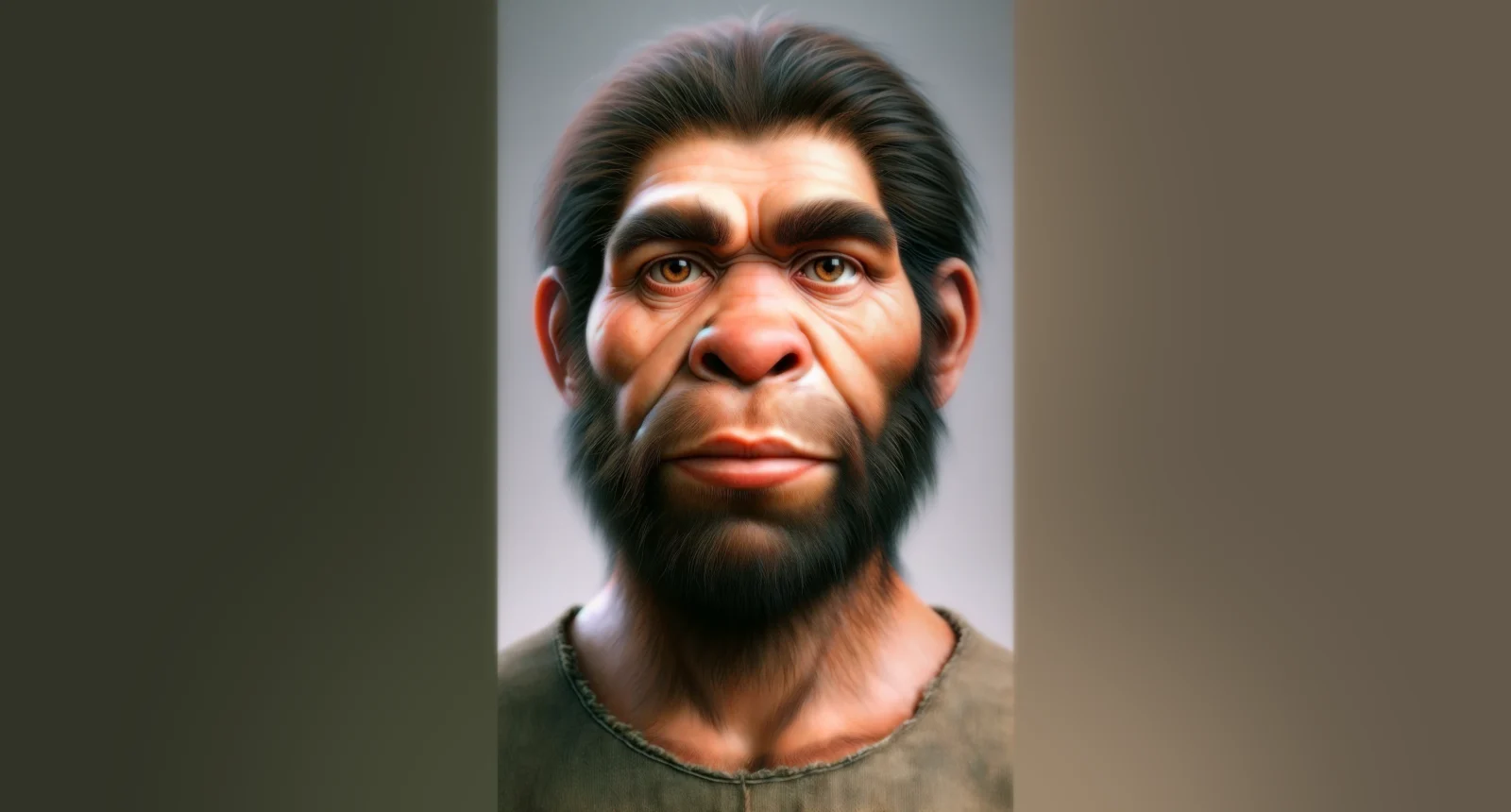
Imagined image: Homo longi man with a modern Neanderthal-sapien appearance, featuring characteristic traits such as a large and broad face, pronounced brow ridges, and a big nose. This look is to reflect an earlier migration out of Africa.
125,000 Years Ago
Extinction: Homo rhodesiensis
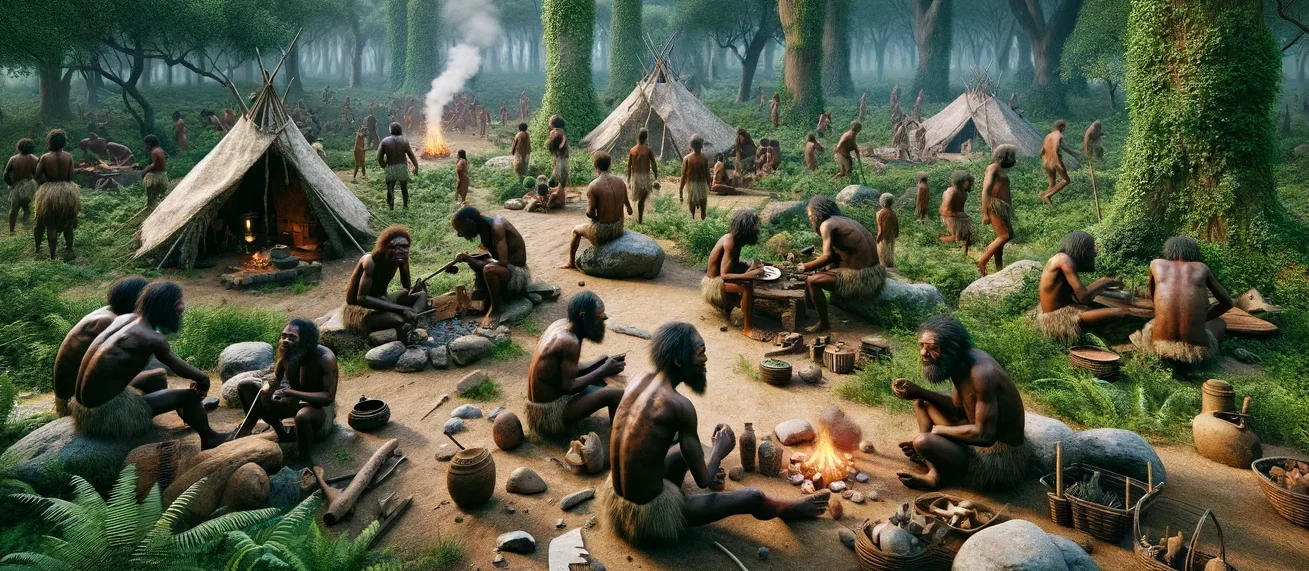
Imagined Image: Camp of Homo rhodesiensis around 125,000 years ago, set in a woodland area.
125,000 BCE
125,000 to 60,000 BCE
Seasonal Settlements at Klasies River Caves
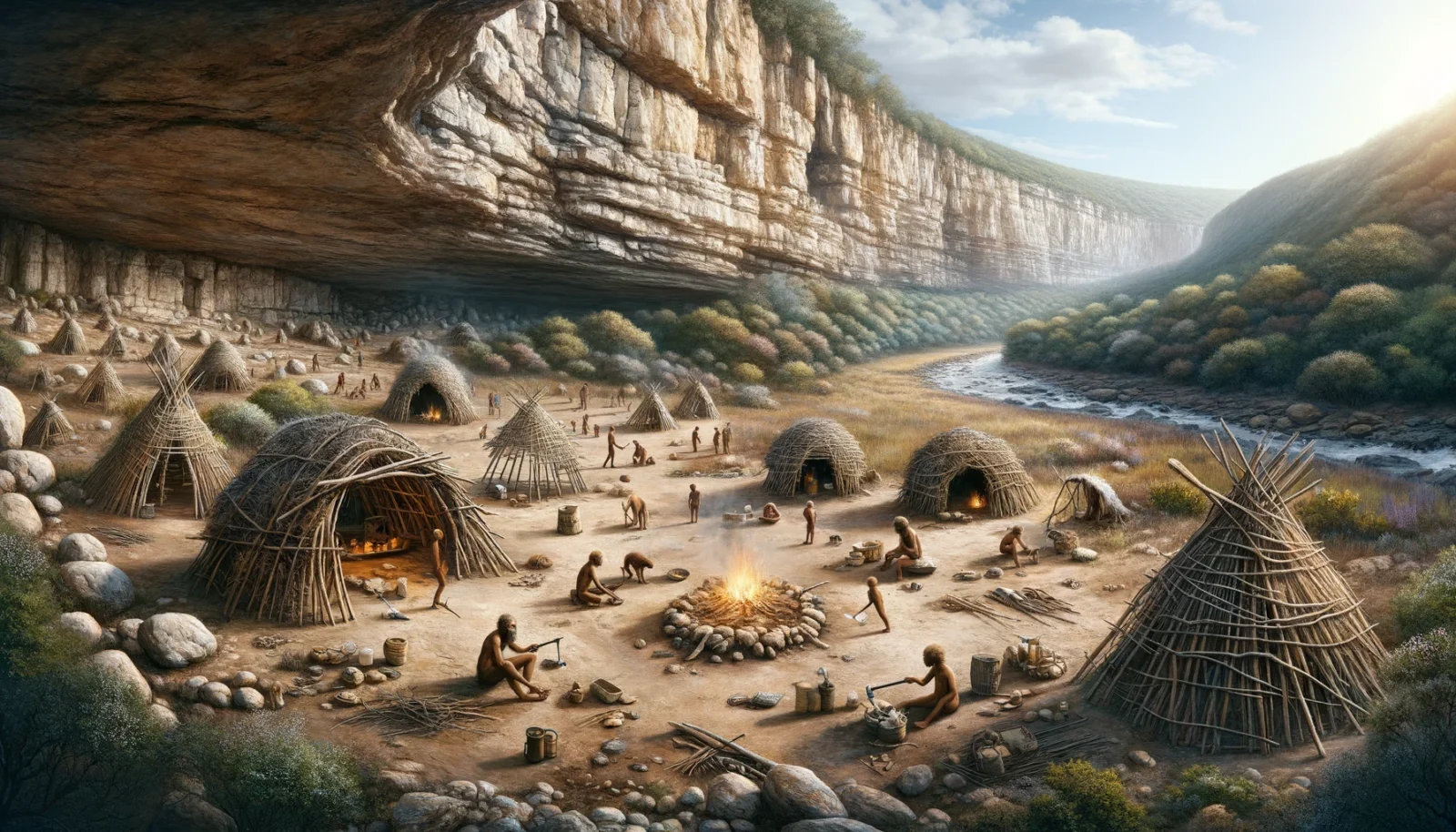
120,000 BCE
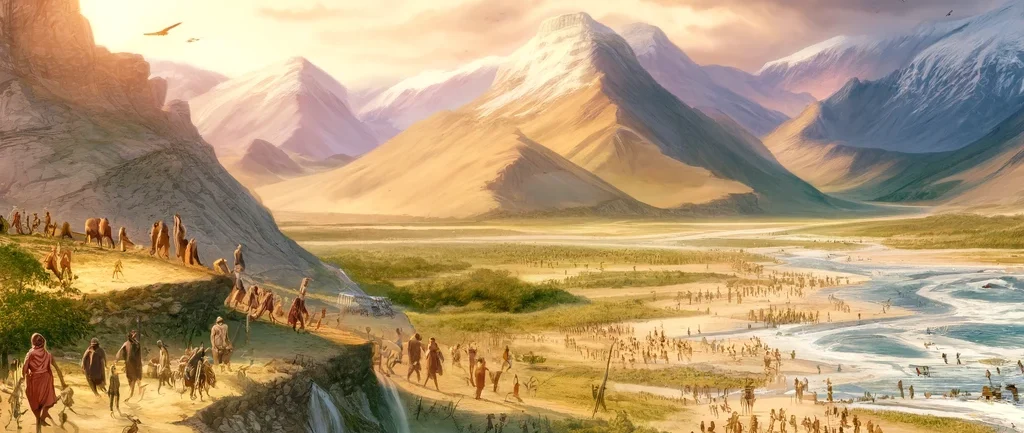
130,000 to 100,000 BCE
Many Early Out of Africa Migrations
112,000 Years (+/- 3000 years)
Extinction: Homo Erectus
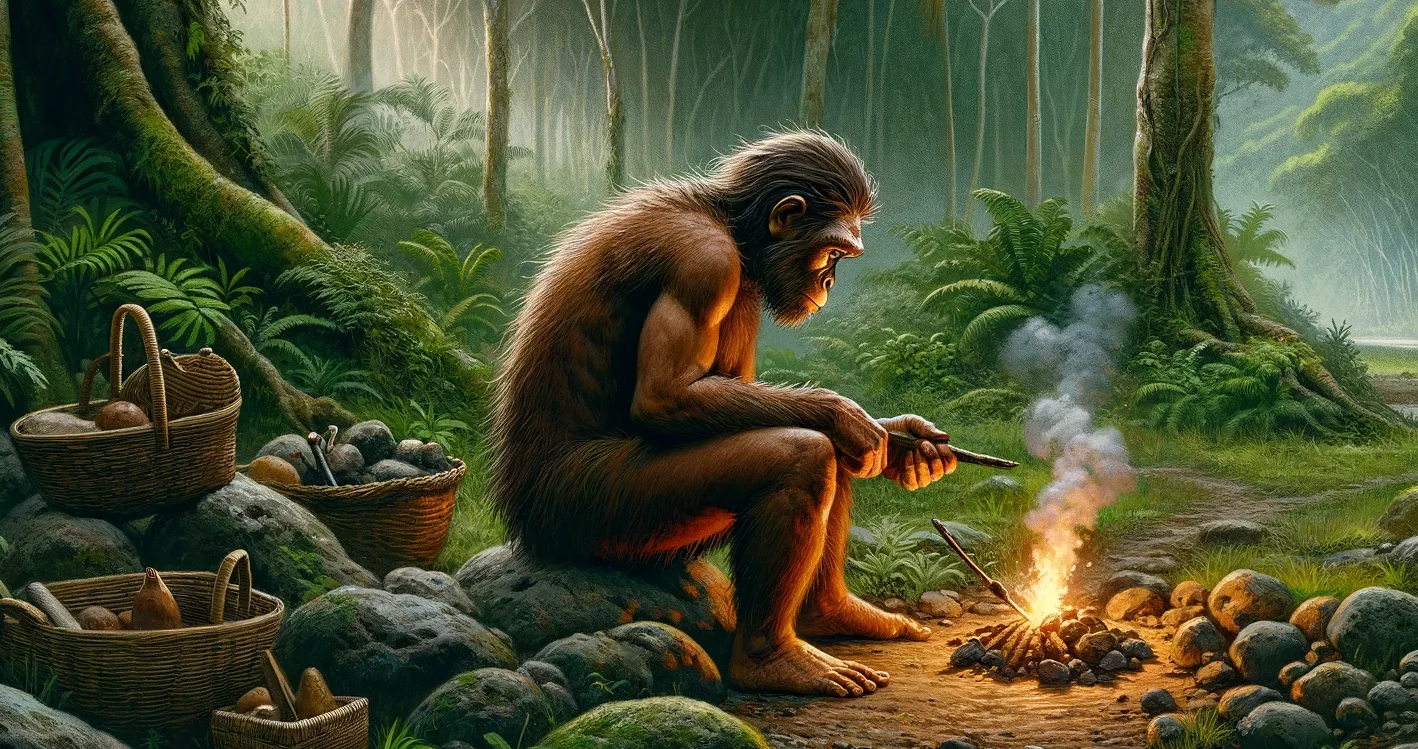
Imagined image of the last of the Homo erectus, circa 50,000 BCE. By this time, Homo erectus had lived in many parts of Africa, the Middle East, Europe, and Asia. Now, as their numbers keep dwindling, they are mostly in just a few spots in Asia.
100,000 BCE
Extinction: Gigantopithecus
"<a href="https://commons.wikimedia.org/w/index.php?curid=55062736" target="_blank" rel="noopener noreferrer">Gigantopithecus</a>" by <a href="https://commons.wikimedia.org/w/index.php?title=User:Concavenator&action=edit&redlink=1" target="_blank" rel="noopener noreferrer">Concavenator</a> is licensed under <a href="https://creativecommons.org/licenses/by-sa/4.0/" target="_blank" rel="noopener noreferrer">CC BY-SA 4.0</a>

"<a href="https://commons.wikimedia.org/w/index.php?curid=89500749" target="_blank" rel="noopener noreferrer">Gigantopithecus mandible</a>" by James St. John is licensed under <a href="https://creativecommons.org/licenses/by/2.0/" target="_blank" rel="noopener noreferrer">CC BY 2.0</a>
76,000 BCE
Earliest Known Prepared Burial, “Mtoto”
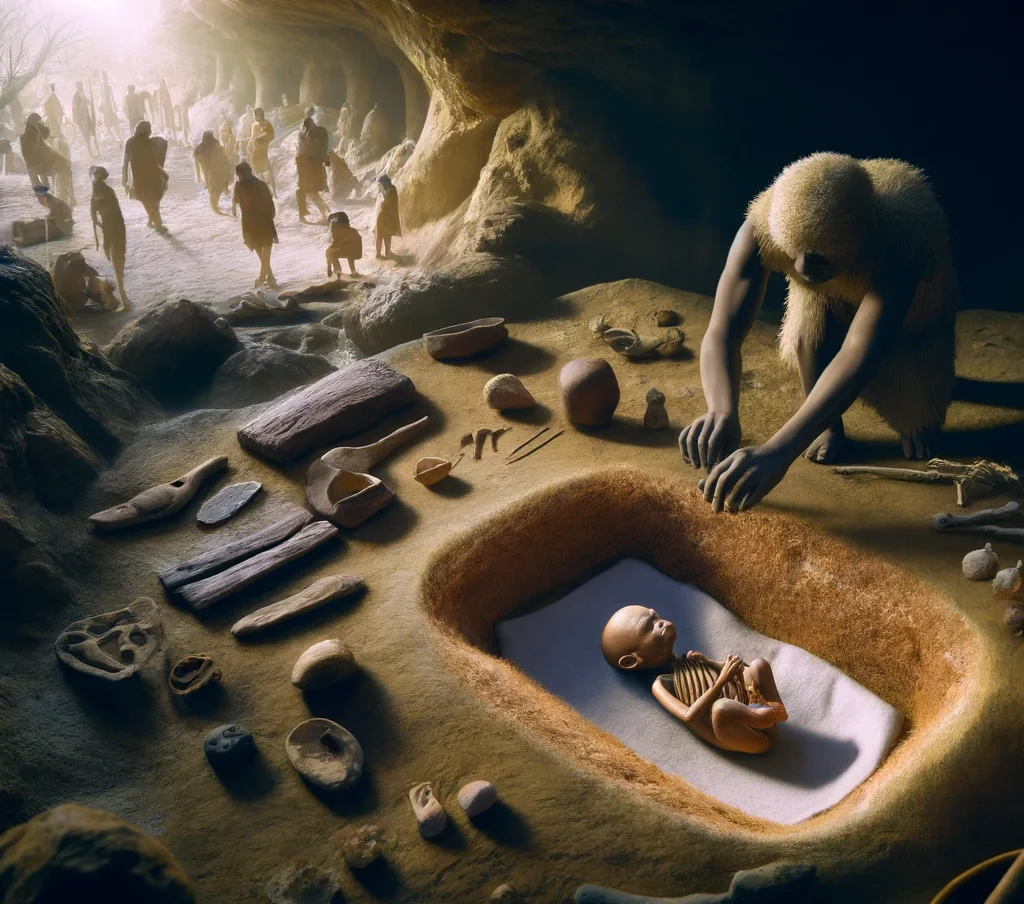
75,000 BCE
Blombos Cave Engravings
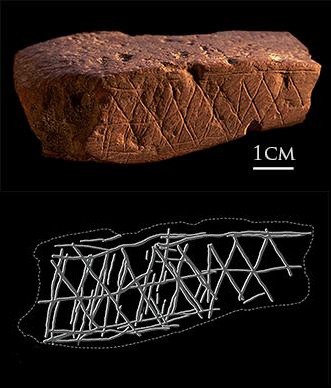
"<a href="https://commons.wikimedia.org/w/index.php?curid=110908714" target="_blank" rel="noopener noreferrer">Blombo</a>" by Chris S. Henshilwood is licensed under <a href="https://creativecommons.org/licenses/by-sa/4.0/" target="_blank" rel="noopener noreferrer">CC BY-SA 4.0</a>
By 70,000 BCE
World Population: 1.5 Million
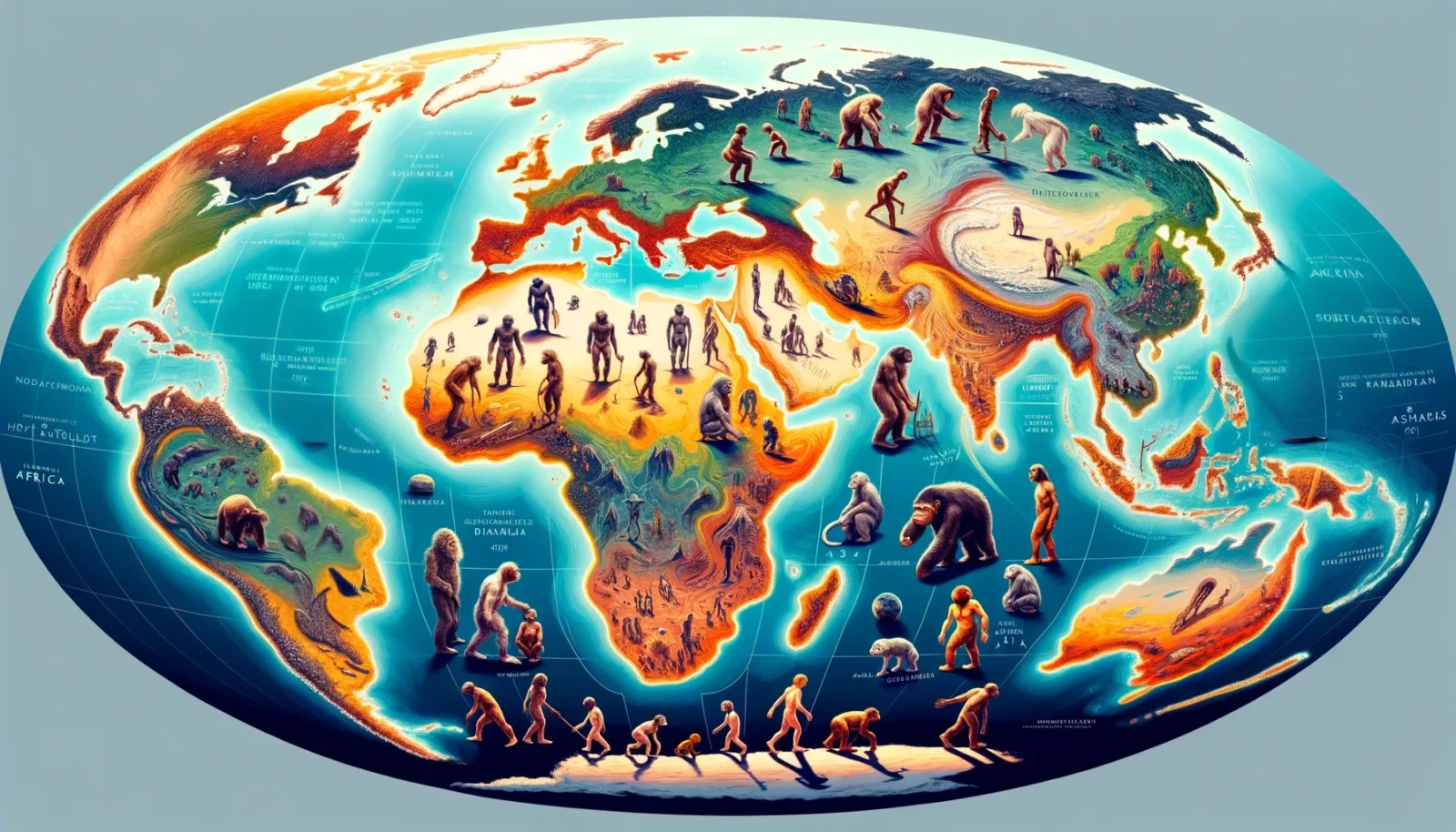
70,000 BCE
2,800 Generations Ago
“The” Human DNA
Spiral strands of DNA on the dark background
70,000 BCE
circa 60 to 70 thousand BCE
The Sentinelese people on North Sentinel Island

The Sentinelese show that the modern human brain was fully evolved by at least 50,000 years ago.
70,000 BCE
2,880 Generations Ago
Oldest Known Bracelet
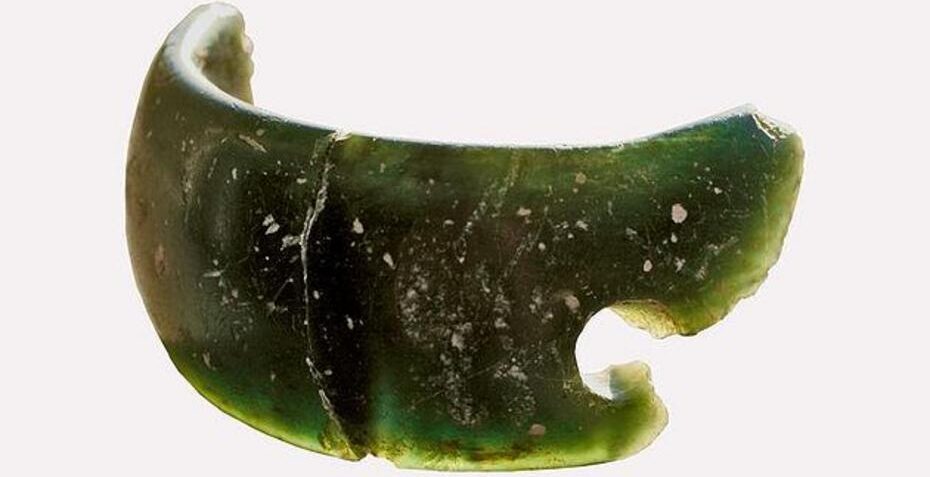
70,000 BCE
Starting by 70,000 BCE
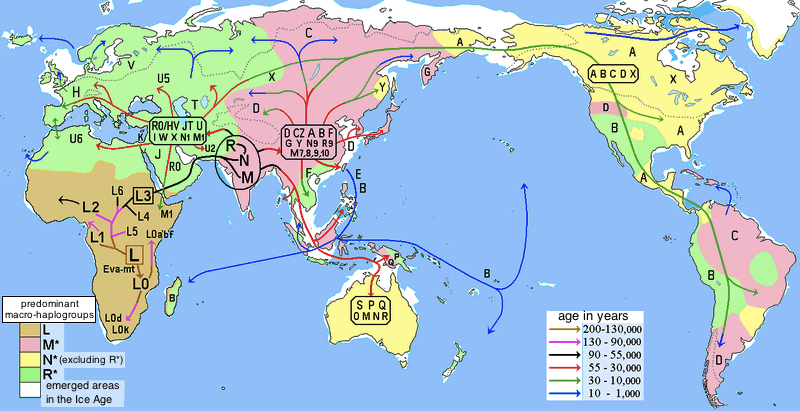
Successful Out of Africa Migration
65,000 BCE
Extinction: Homo luzonensis
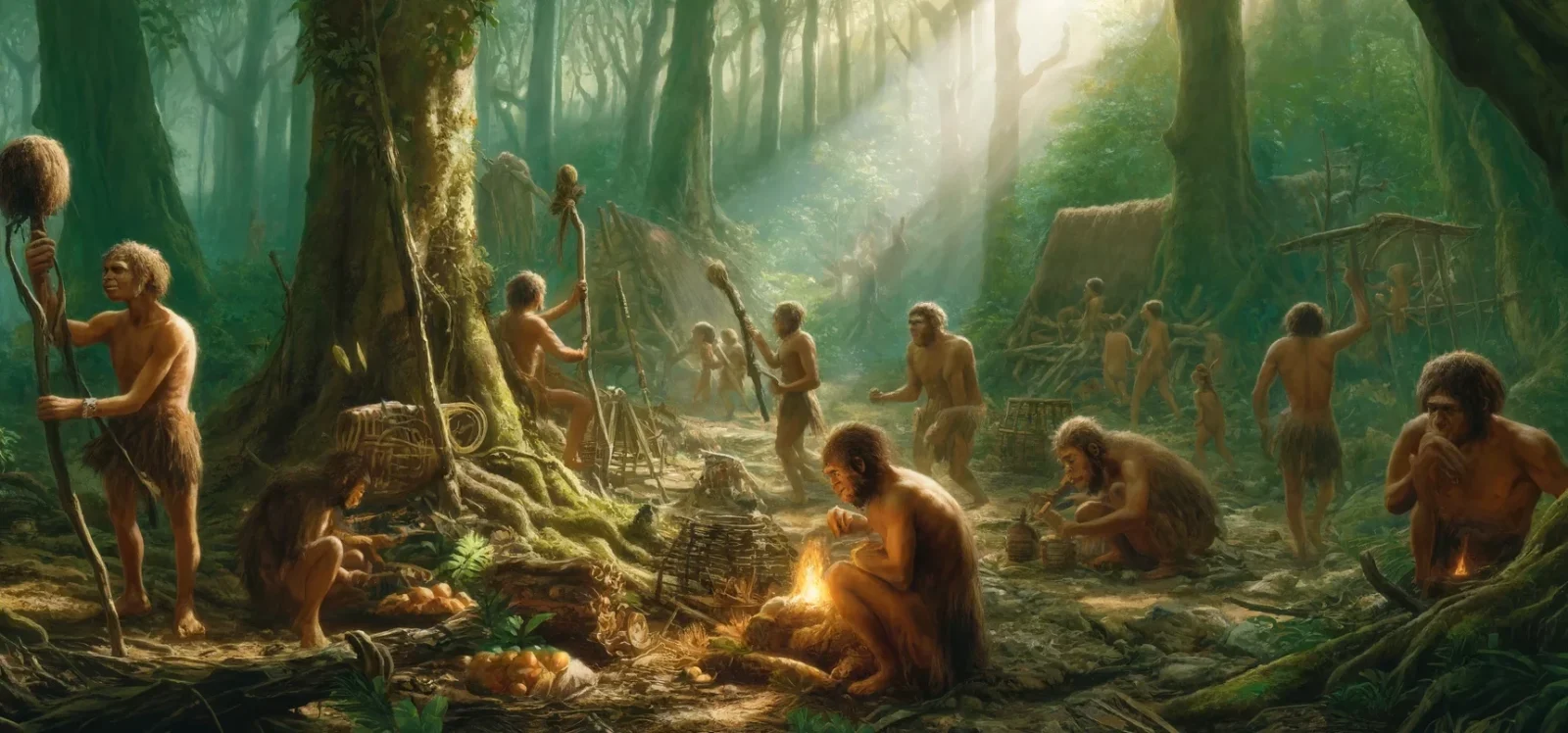
Imagined image: the last of the Homo luzonensis in the philippines circa 67,000 BCE. This is about 15,000 years before Homo sapiens arrive in the area.
65,000 BCE
Homo sapiens or an earlier Homo species
The Settlement of Australia
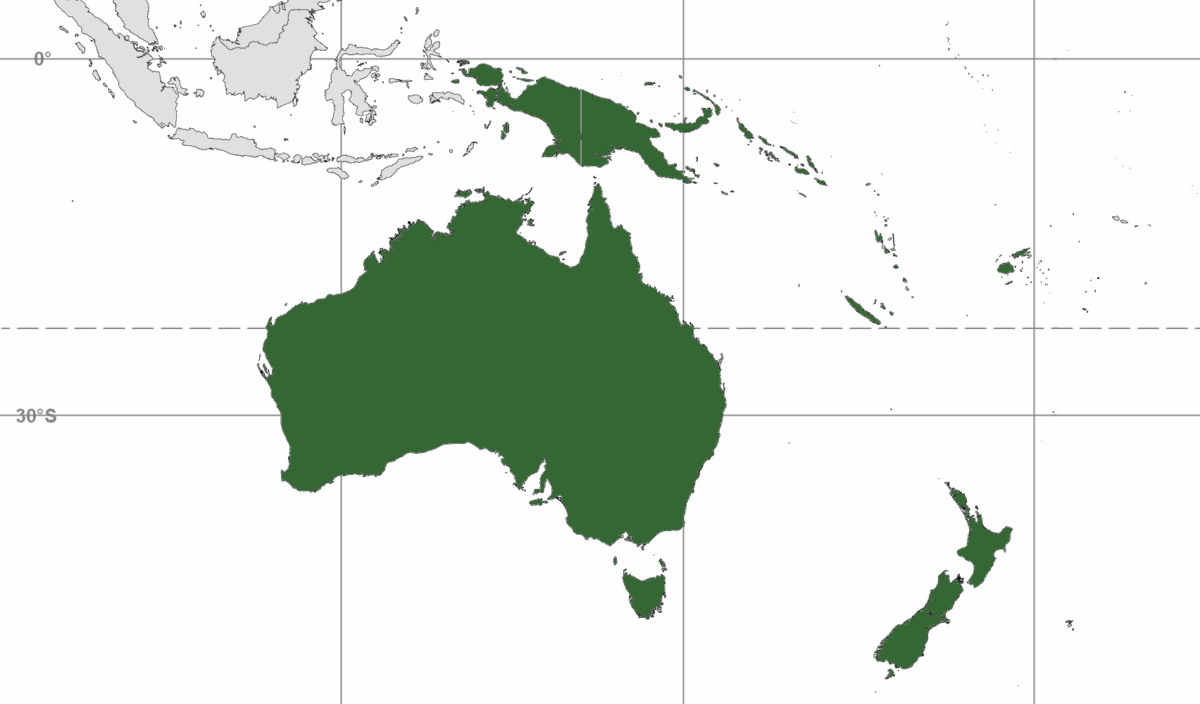
"<a href="https://commons.wikimedia.org/w/index.php?curid=80962081" target="_blank" rel="noopener noreferrer">Location Australasia cylindrical</a>" by <a href="https://commons.wikimedia.org/w/index.php?title=User:Emok&action=edit&redlink=1" target="_blank" rel="noopener noreferrer">(a) Blank map: Emok (b) Map content adapted from CIA World Fact Book via User:E Pluribus Anthony~commonswiki. That image is in the public domain because it contains materials that originally came from the United States Central Intelligence Agency's World Factbook.</a> is licensed under <a href="https://creativecommons.org/licenses/by-sa/3.0/" target="_blank" rel="noopener noreferrer">CC BY-SA 3.0</a>
Before 64000 BCE
Upper Paleolithic
Neanderthal Art: Symbolic Thought
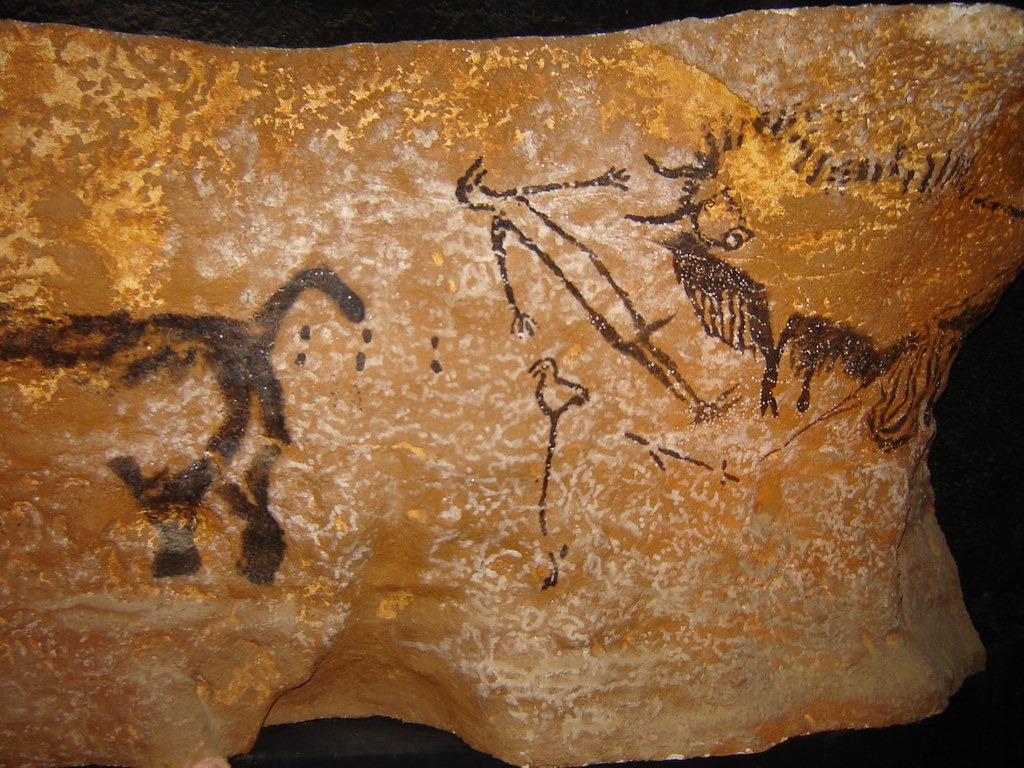
Neanderthal art in Spain 64k BCE, before Homo sapien arrived.
50 to 60 Thousand BCE
Divje Babe Flute

50,000 BCE
Speculative: 20 to more than 50 thousand years ago.
Cuban Underwater City: More Research Needed

48,000 BCE (+/- 2,000 years)
Neanderthal Rope!

Neanderthals made rope by 48,000 BCE indicating the raw cognitive abilities likely evolved on our common ancestor 440,000 years ago.
48,000 BCE
58,000 to 48,000 BCE
Extinction: Homo floresiensis
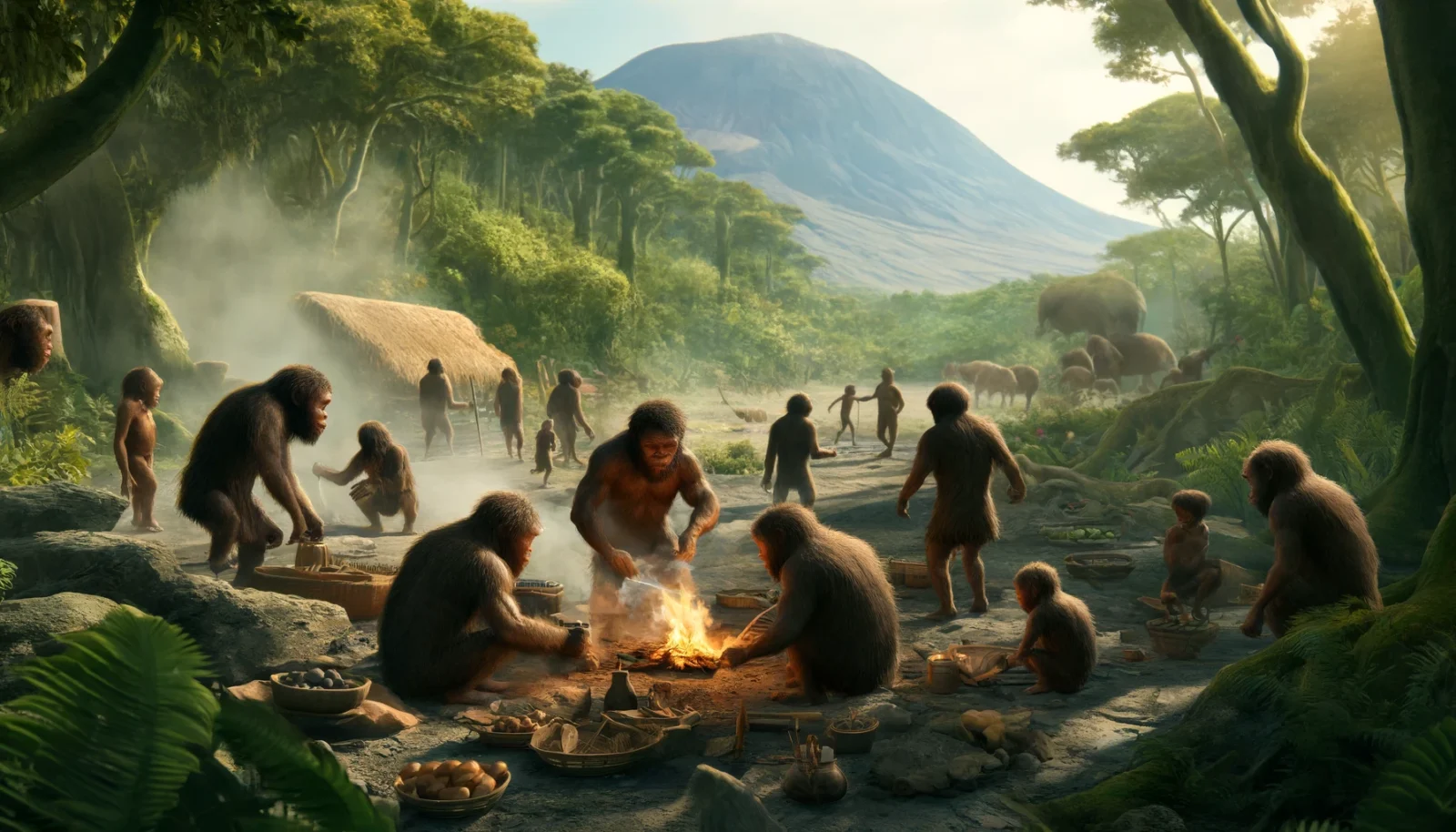
Imagined image: the last of the Homo floresiensis. This intriguing human species might have been the last descendents of Homo habilis or the Asian Homo erectus: the famed Dmanisi people.
42,200 BCE
44,200 to 43,000 years old according to 24 radiocarbon tests
Lebombo bone: First Lunar Phase Counter
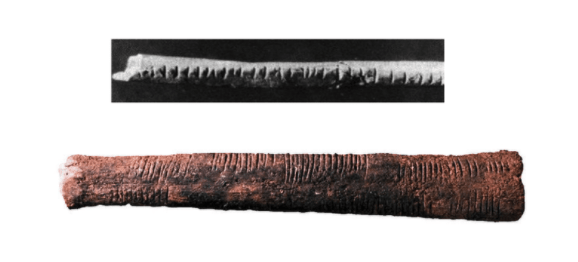
The Lebombo Bone was potentially used as a lunar phase counter or a simple tally stick. The series of notches may represent a lunar calendar, which would imply that early humans were tracking lunar phases for either ritualistic purposes or as a practical method for keeping time, possibly related to menstrual cycles or seasonal changes.
circa 41,900 BCE
Sulawesi Cave Art
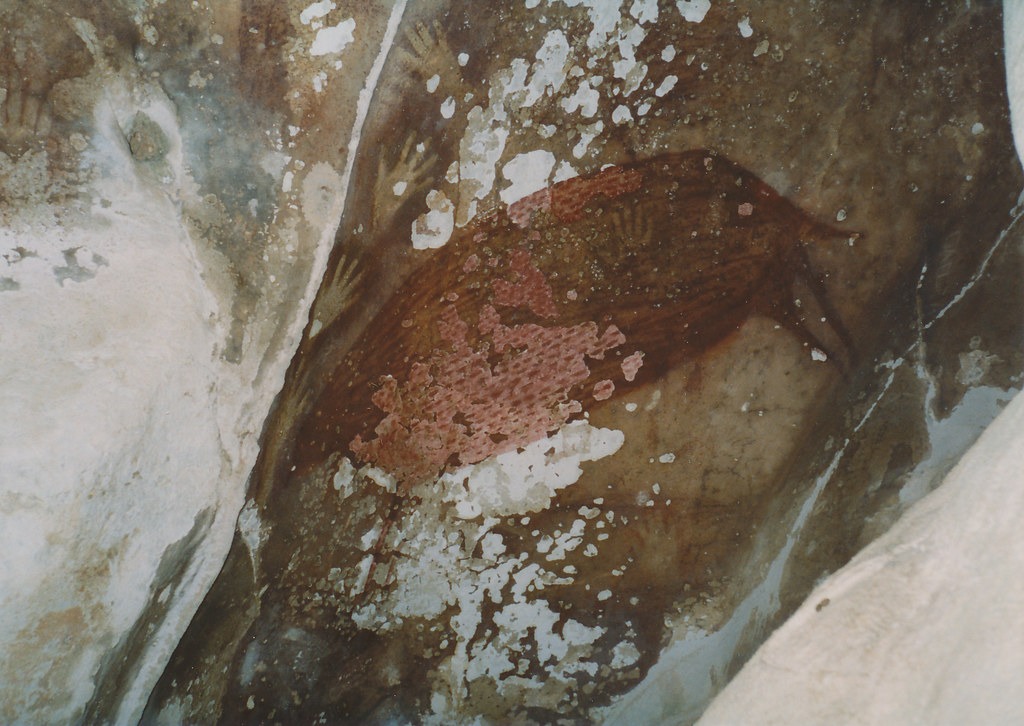
"<a href="https://www.flickr.com/photos/40295335@N00/4409150010" target="_blank" rel="noopener noreferrer">Cave painting of wild pig, Leang-Leang, South Sulawesi</a>" by <a href="https://www.flickr.com/photos/40295335@N00" target="_blank" rel="noopener noreferrer">Joel Abroad</a> is licensed under <a href="https://creativecommons.org/licenses/by-nc-sa/2.0/" target="_blank" rel="noopener noreferrer">CC BY-NC-SA 2.0</a>
circa 40,000 BCE
Spain & France
Upper Paleolithic Cave Art with Symbols
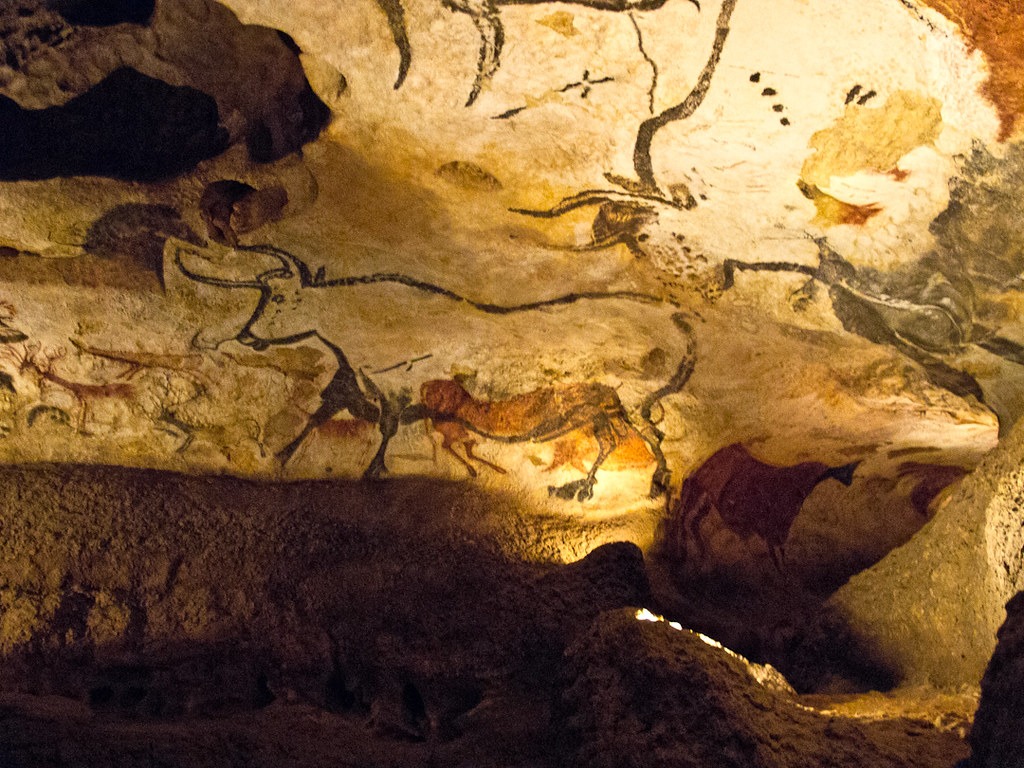
"<a href="https://www.flickr.com/photos/50193753@N02/5961953059" target="_blank" rel="noopener noreferrer">Lascaux II - Hall of The Bulls</a>" by <a href="https://www.flickr.com/photos/50193753@N02" target="_blank" rel="noopener noreferrer">Adibu456</a> is licensed under <a href="https://creativecommons.org/licenses/by-nc/2.0/" target="_blank" rel="noopener noreferrer">CC BY-NC 2.0</a>
circa 40,000 BCE
Phenotype Variation: Eye Shape and the Epicanthic Fold
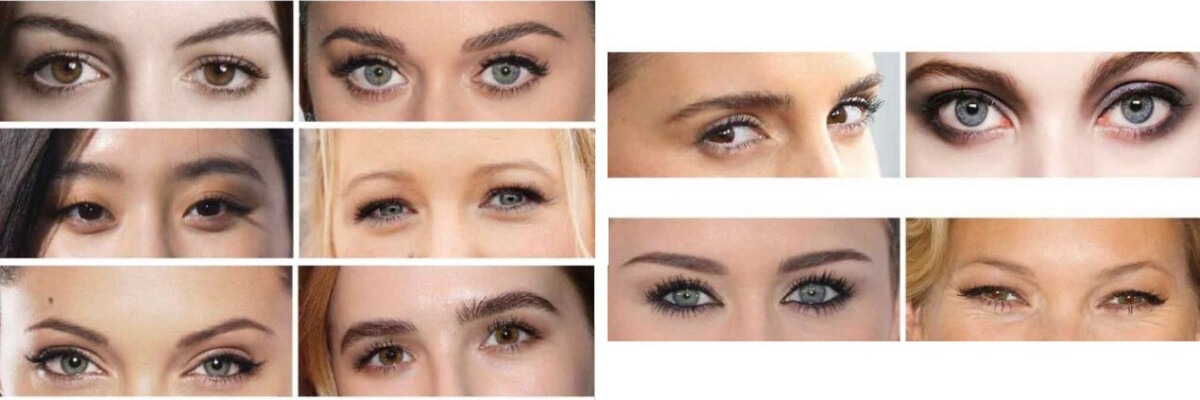
40,000
Extinction: Denisovans
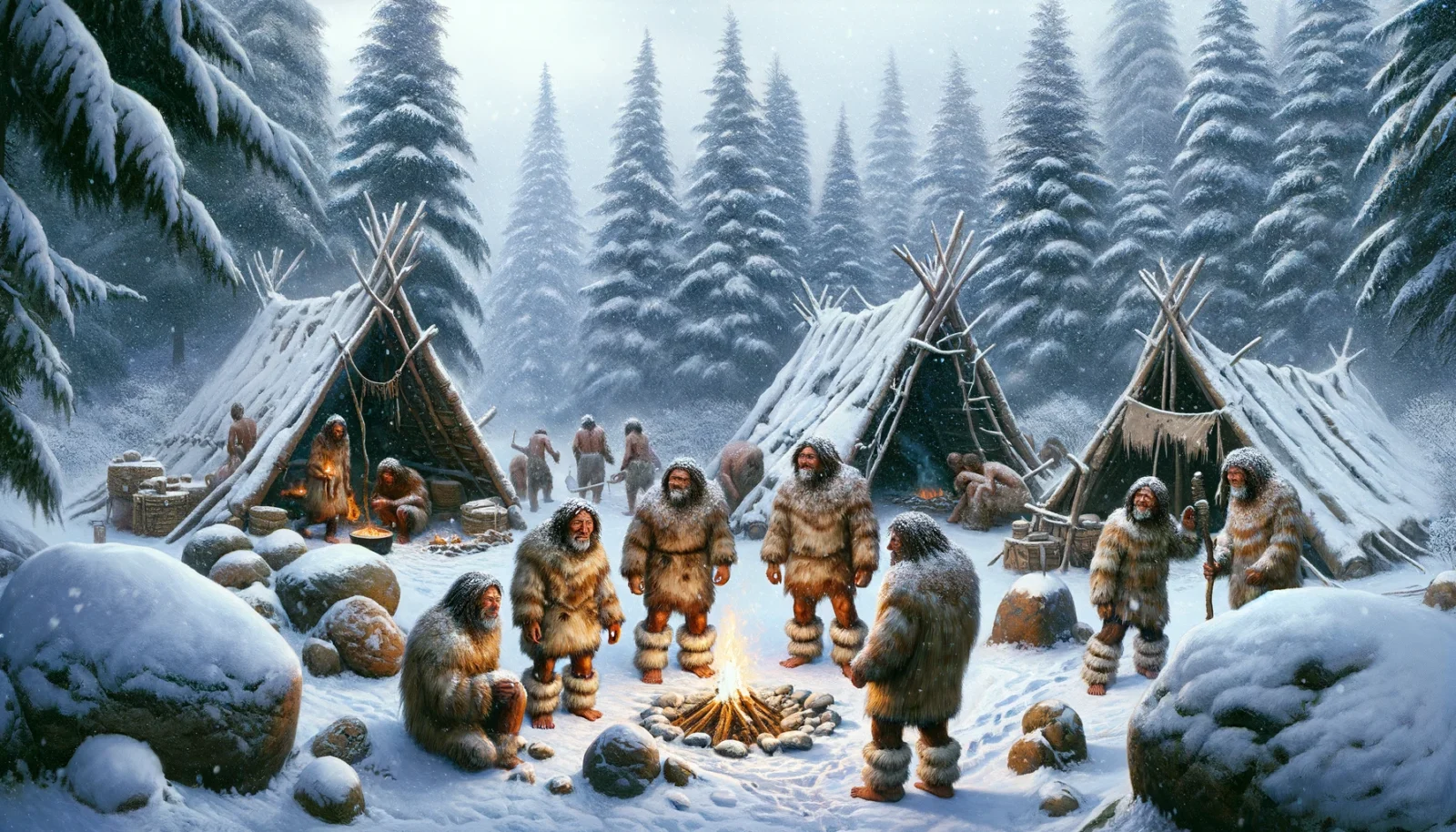
Imagined image of the last of the denisovans in Siberia, circa 40,000 BCE.
38,000 BCE
Extinction range: 38,000 BCE to 22,000 BCE
Extinction: Neanderthals
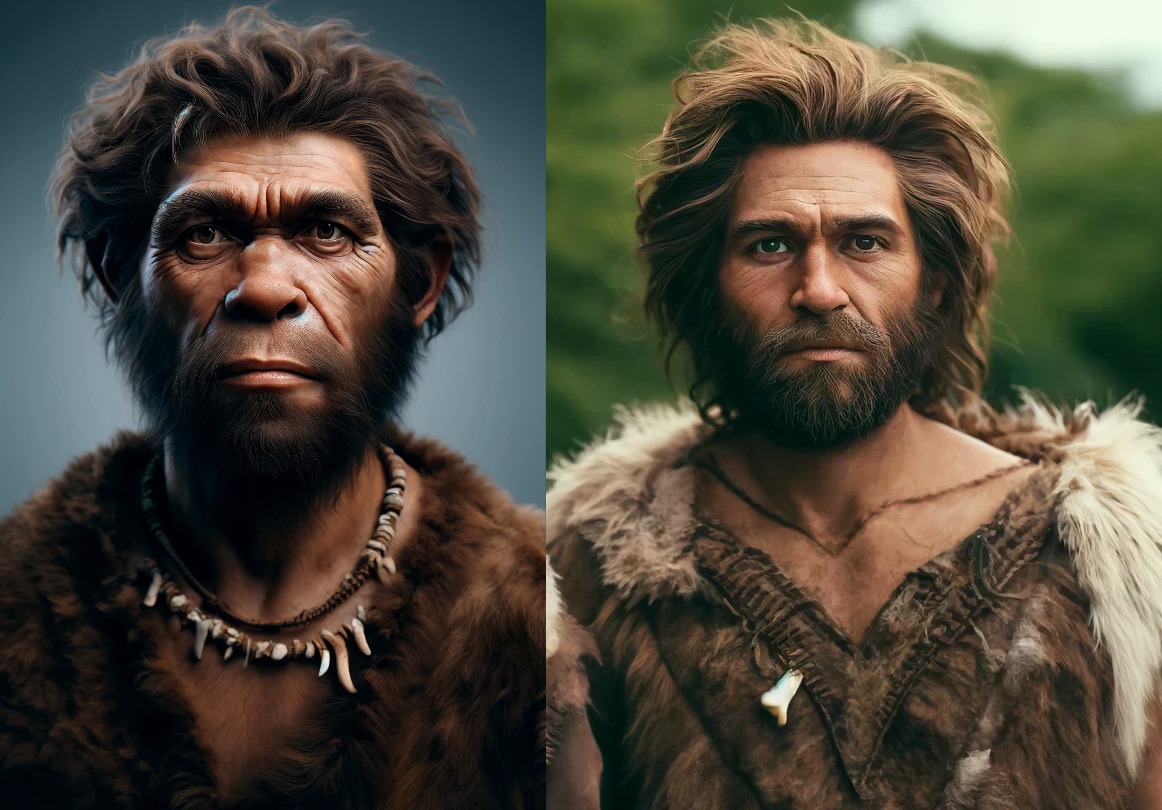
Imagined image, circa 29,000 BCE. Left is a neanderthal; right is a Homo sapien.
38,000 BCE
38,000 to 33,000 BCE
Venus of Hohle Fels
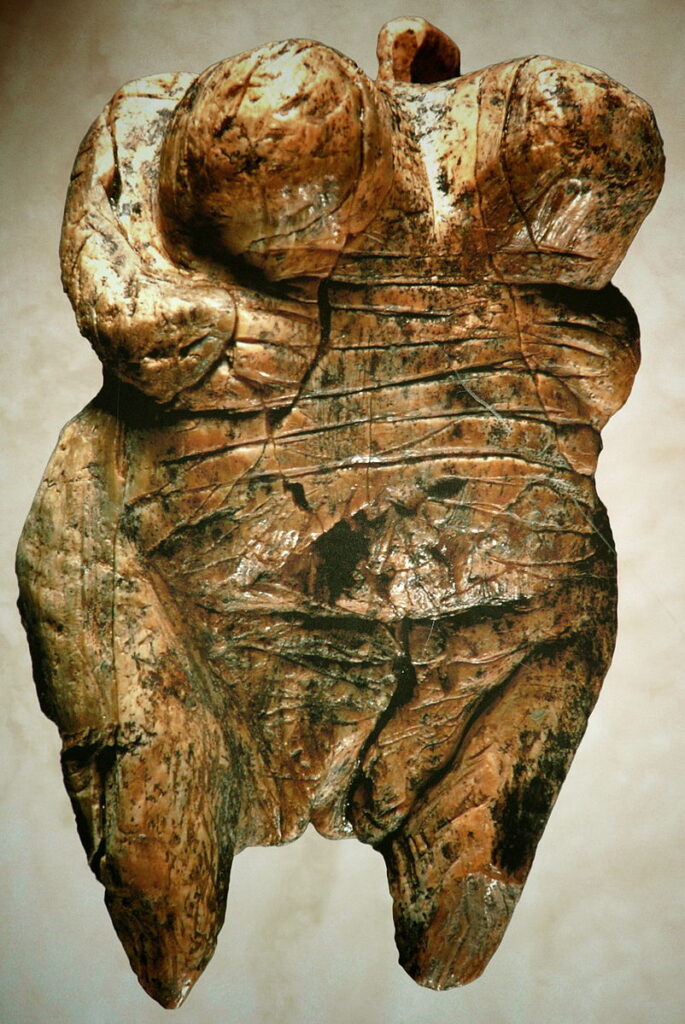
Venus of Hohle Fels figurine (height 6 cm (2.4 in)), which may have been worn as an amulet and is the earliest known, undisputed example of a depiction of a human being in prehistoric art.
38,000 BCE
38,000 to 33,000 BCE
Bone Flute
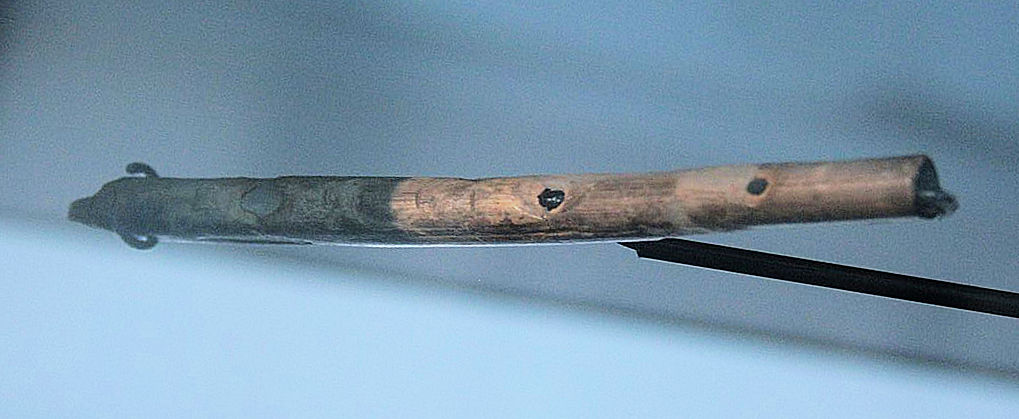
30,000 BCE
29 to 32 thousand years ago.
Czeck: Dolní Věstonice Community

Around 30,000 years ago, the Dolní Věstonice community in the Czech Republic thrived. They built huts from mammoth bones and animal hides, crafted ceramic figurines, and engaged in hunting and daily activities.
30,000 BCE
32,000 Years Ago
Sunghir Burial Site

30,000 BCE
Chauvet Cave Paintings
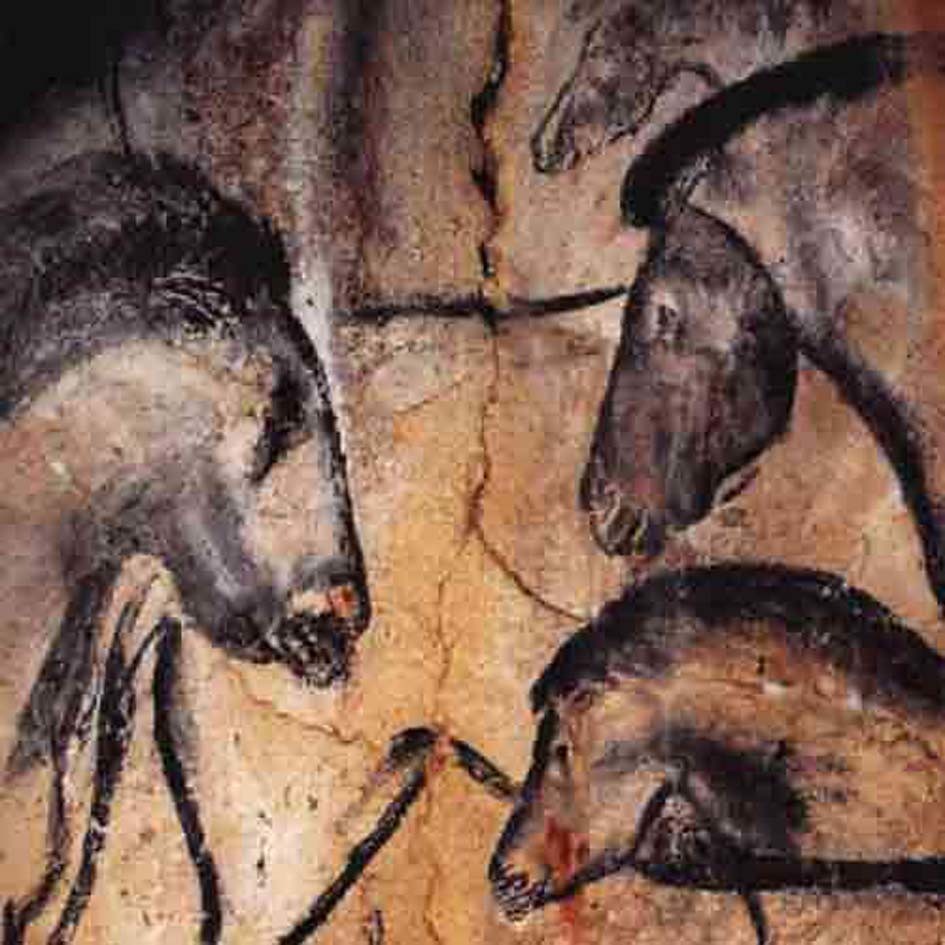
"<a href="https://www.flickr.com/photos/78953420@N00/988861704" target="_blank" rel="noopener noreferrer">Chavet cave horses</a>" by <a href="https://www.flickr.com/photos/78953420@N00" target="_blank" rel="noopener noreferrer">jimforest</a> is licensed under <a href="https://creativecommons.org/licenses/by-nc-nd/2.0/" target="_blank" rel="noopener noreferrer">CC BY-NC-ND 2.0</a>
28,000 BCE
28,000 to 21,000 BCE
Advanced Sewing Needles
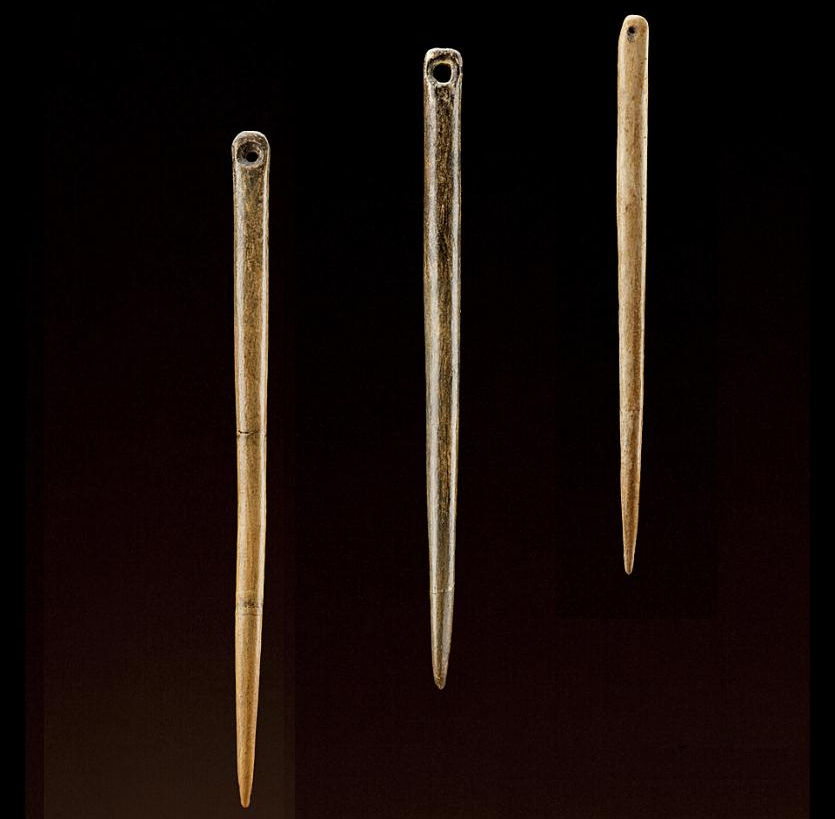
By 25,000 Years Ago (+/- 10,000 years)
Modern Skin Color Variety Emerges
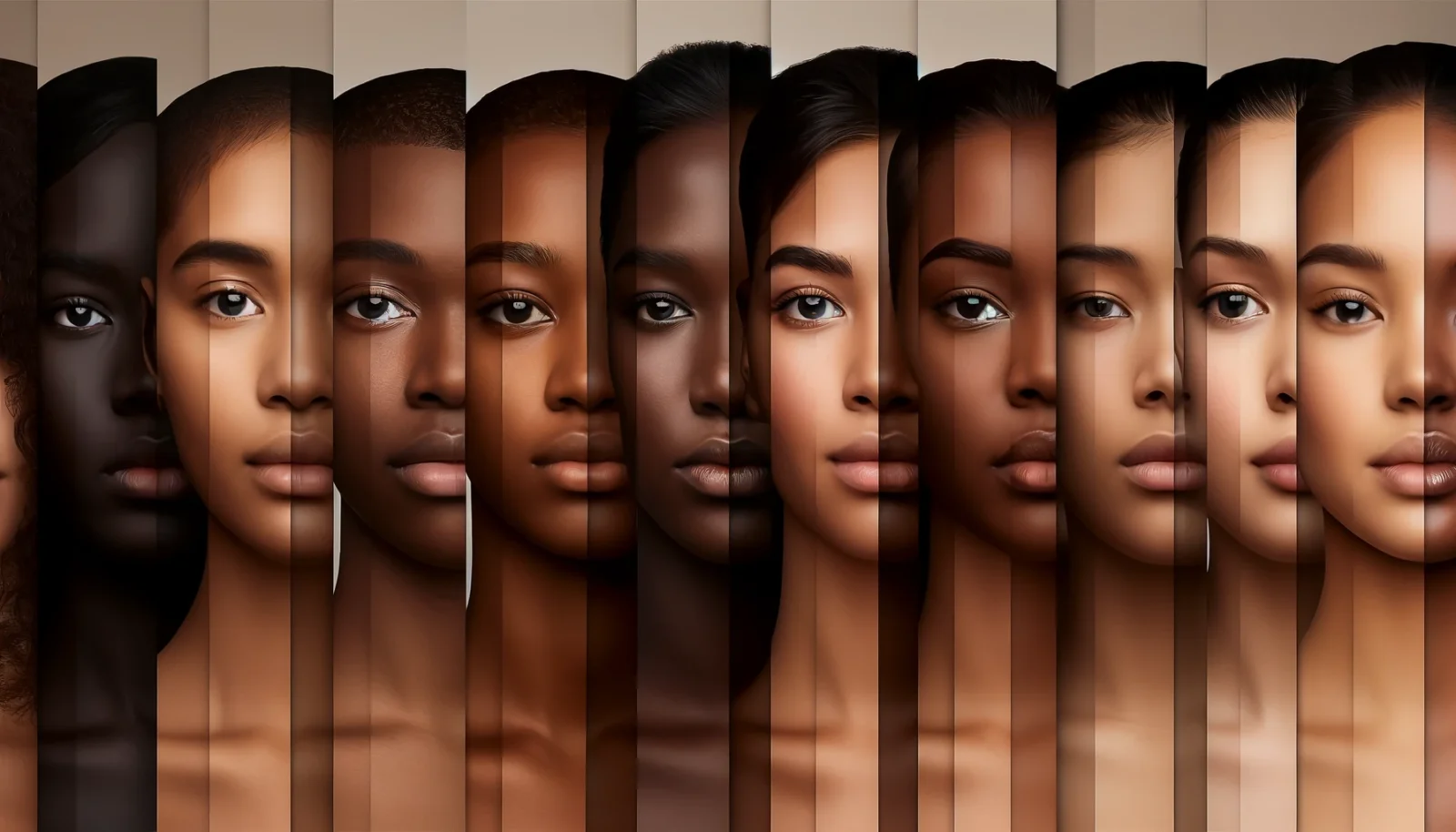
By 20,000 BCE
Earliest Known Domesticated Animal: Dogs
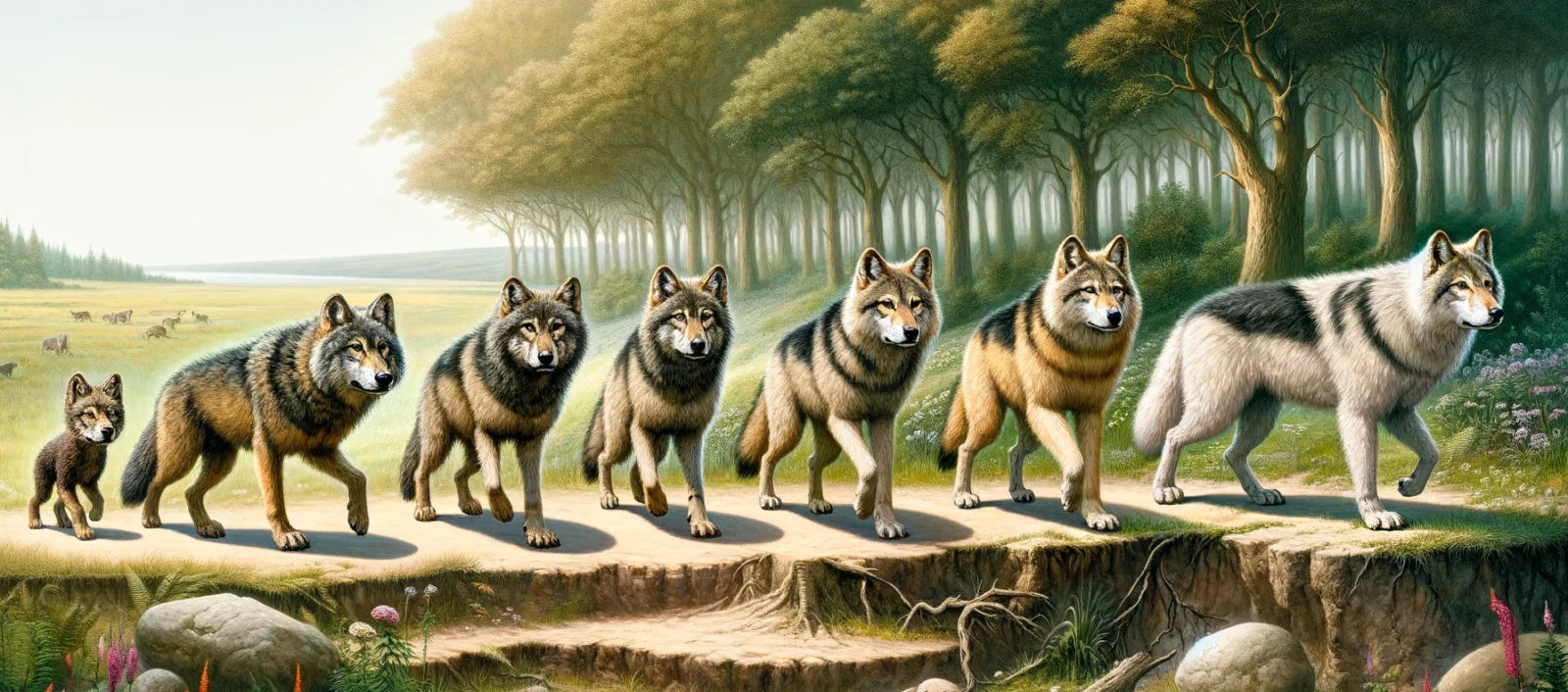
Wolves were domesticated between 15 to 40 thousand BCE and evolved to a subspecies. Dogs (Canis lupus familiaris) are generally considered the same species as wolves (Canis lupus) but are classified as a subspecies.
20,000 BCE
From circa 20,000 to 3,000 BCE
Seasonal Settlements at Franchthi Cave
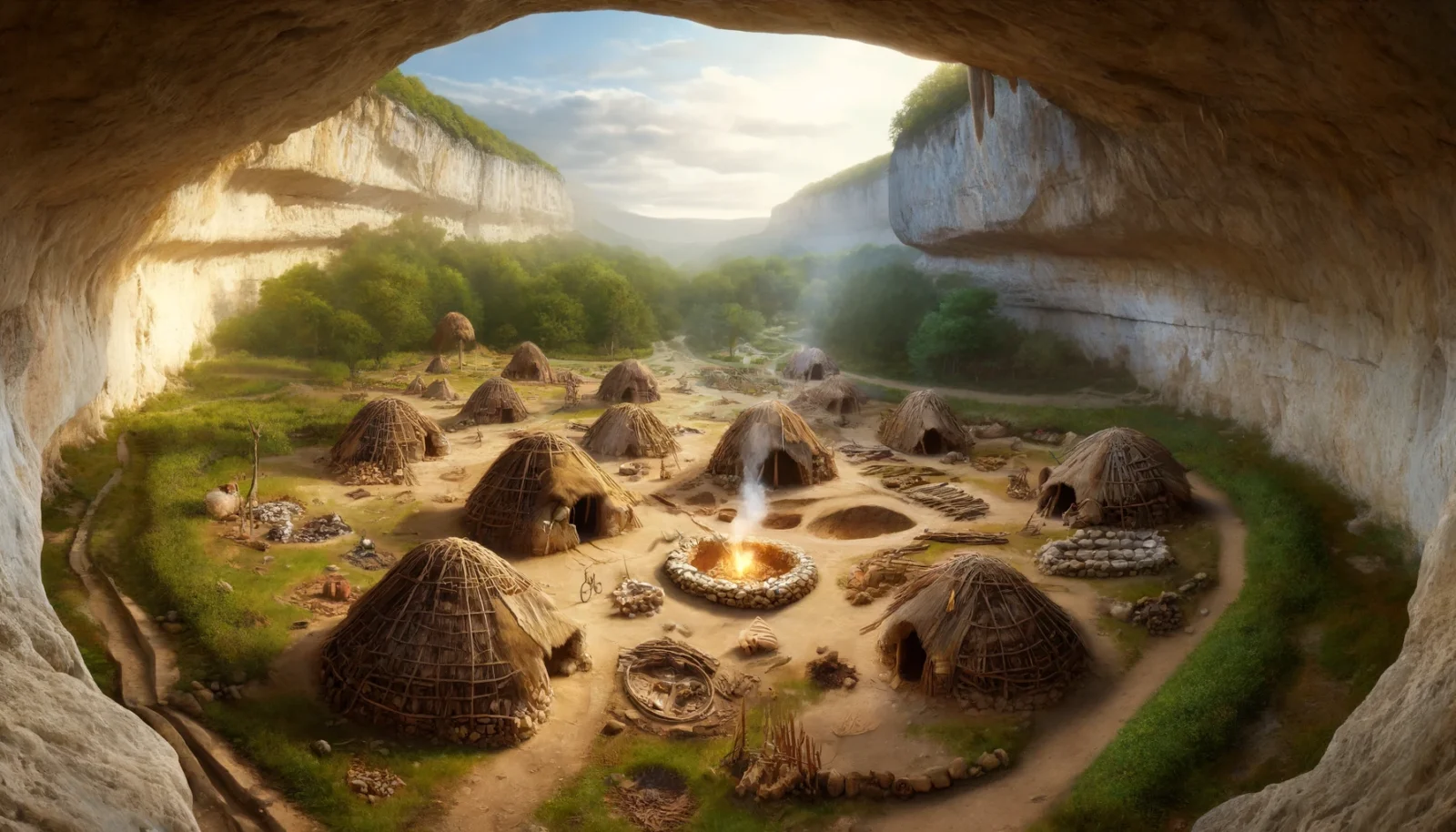
18,000 BCE
15 to 20 Thousand Years Agao
Ukraine: Mezhyrich Community

Mezhyrich archaeological site, 15 to 20 thousand years ago.
circa 14,800 BCE
Seasonal Settlements at Monte Verde
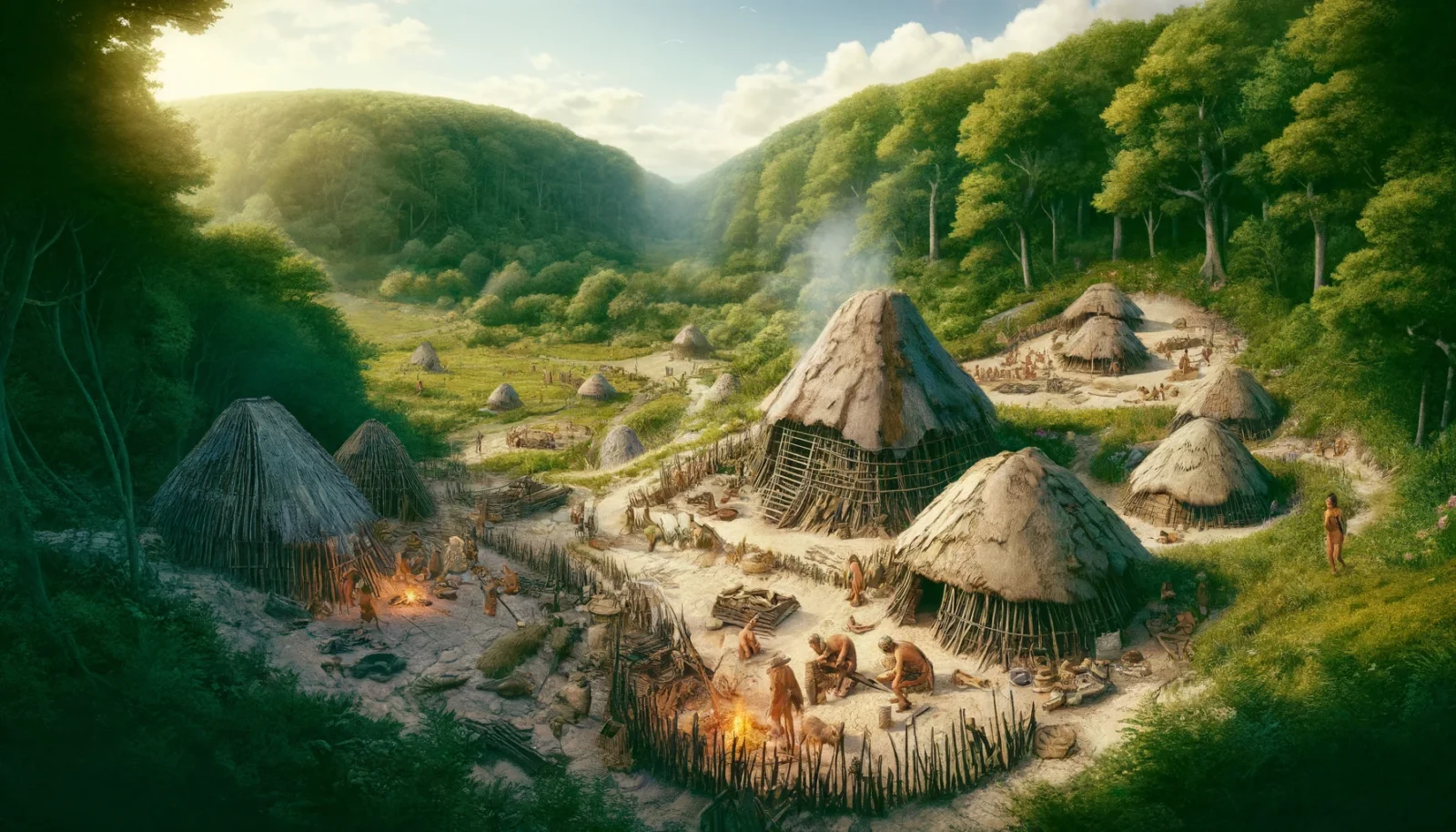
circa 13000 BCE
The Clovis Culture
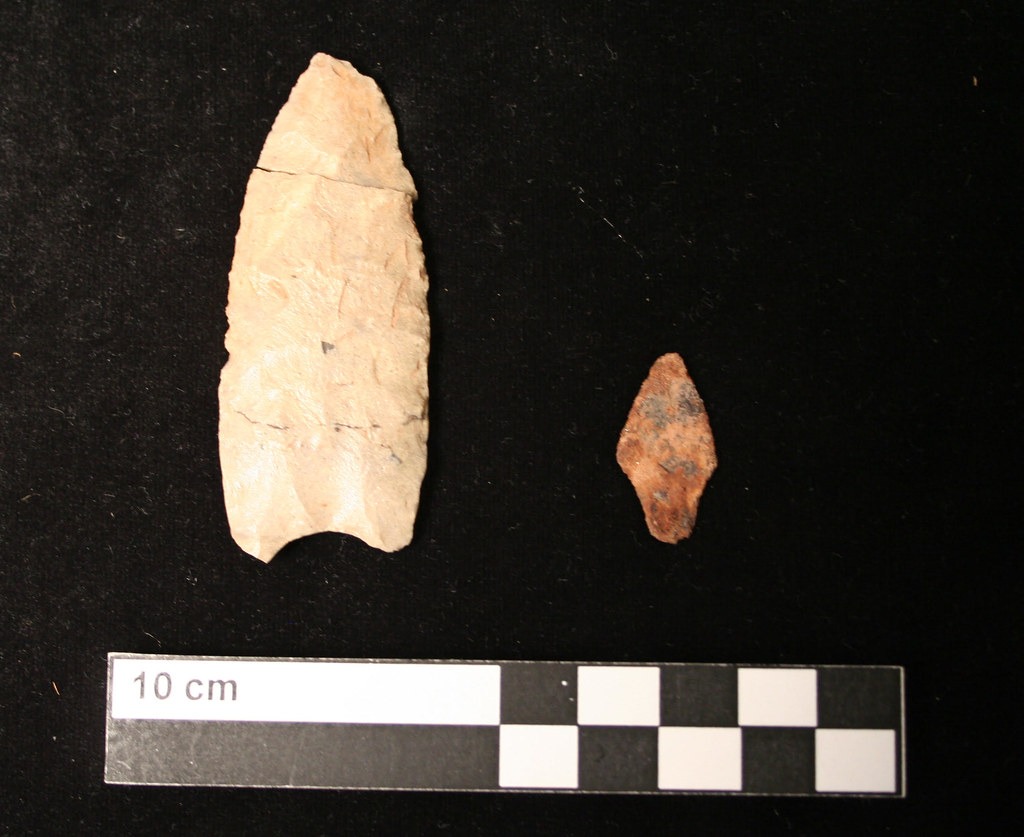
"<a href="https://www.flickr.com/photos/76340031@N02/26453695844" target="_blank" rel="noopener noreferrer">Edge of the Cedars State Park Museum</a>" by <a href="https://www.flickr.com/photos/76340031@N02" target="_blank" rel="noopener noreferrer">BLMUtah</a> is licensed under <a href="https://creativecommons.org/publicdomain/mark/1.0/" target="_blank" rel="noopener noreferrer">CC PDM 1.0</a>
Before 14,400 BCE
Middle East
The Invention of Bread

Assortment of baked bread
circa 11,500 BCE
Evidence of farming: rye seeds
Tell Abu Hureyra
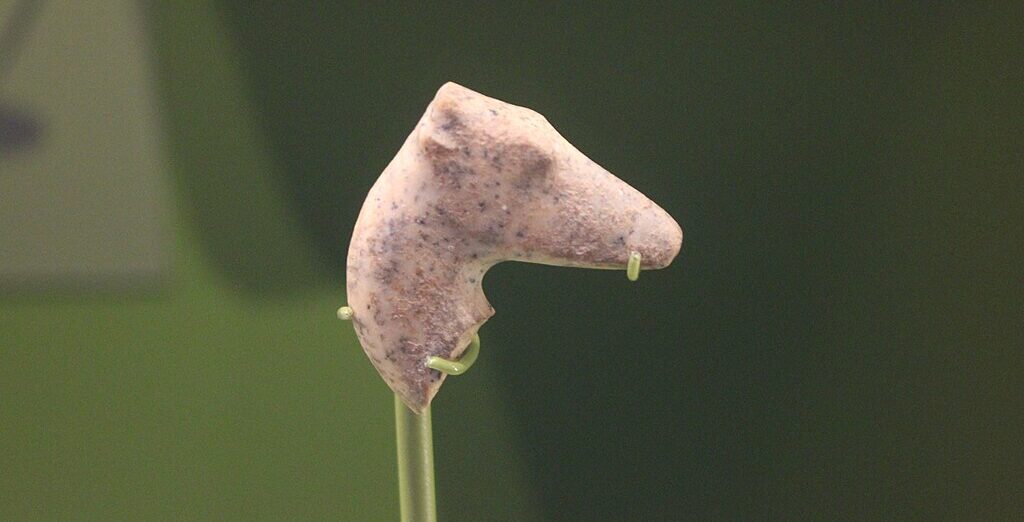
10,000 BCE
Estimates range from 2 to 5 million
World Population: 4 Million
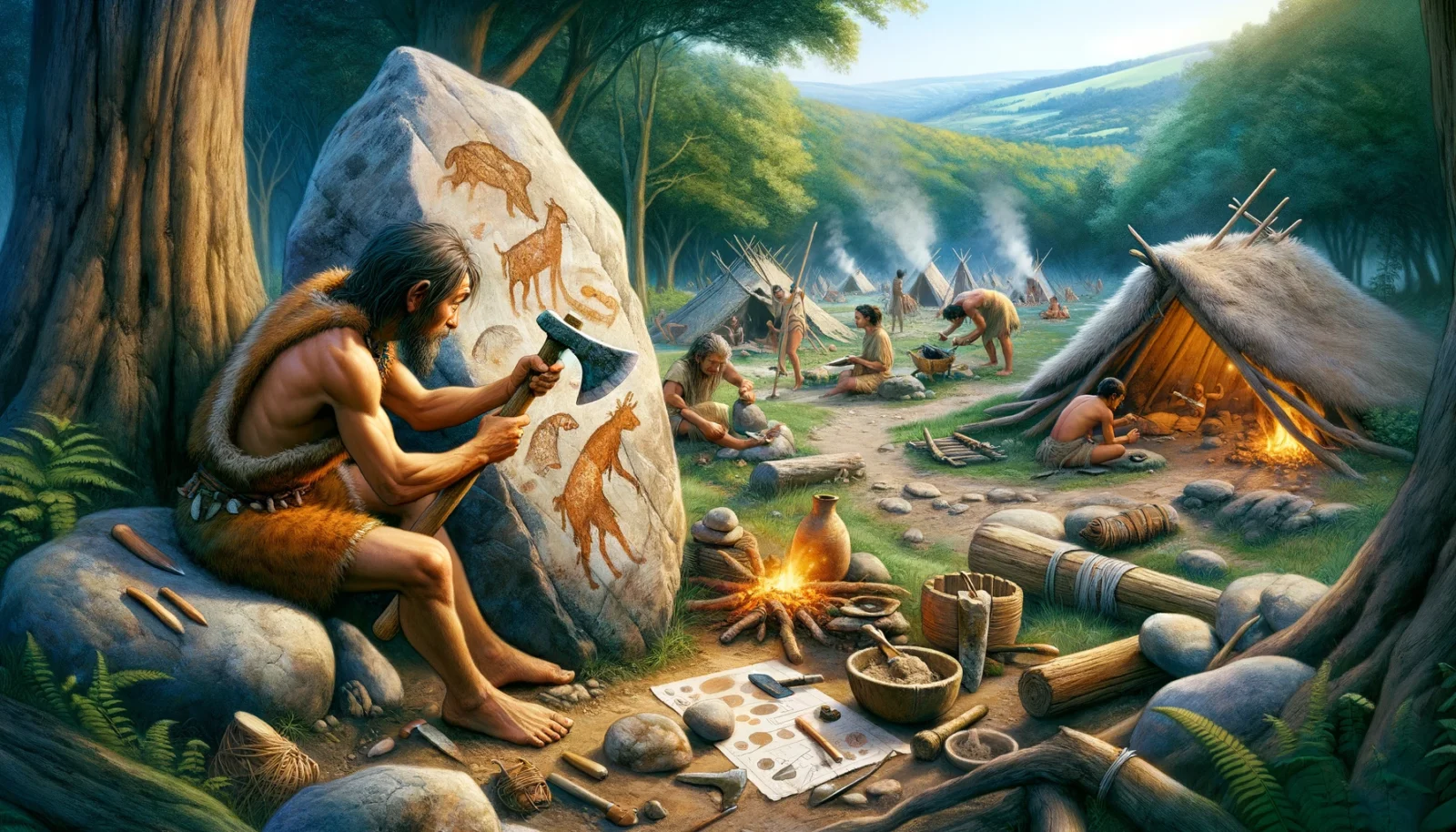
9,700 BCE
Start of "our" Holocene geological epoch
Neolithic Revolution

Trevethy Quoit a Portal Dolmen in Cornwall
Start of heyday: circa 9600 BCE
Initial construction circa 11,000 BCE (13,000 years ago)
Göbekli Tepe Culture (11000 BCE to 8000 BCE)
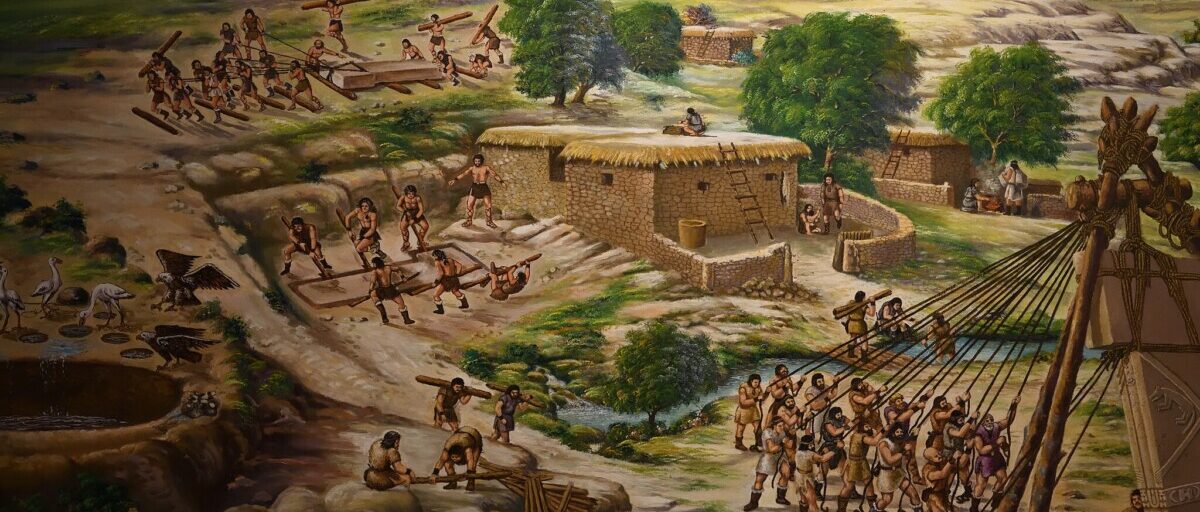
Before 9000 BCE
Mexico
Corn
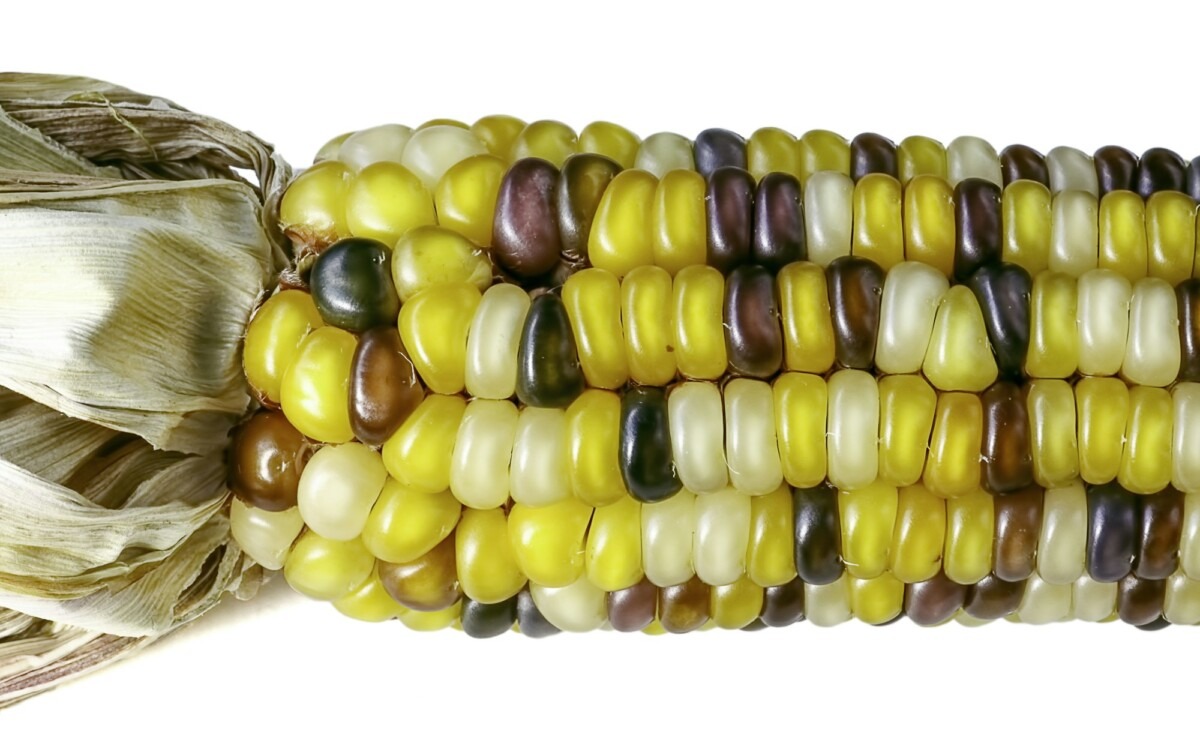
Glass Gem Flint Corn
before 9000 BCE
Plaster Invented

Photo by <a href="https://pixabay.com/users/rikwebco-452946/?utm_source=instant-images&utm_medium=referral" target="_blank" rel="noopener noreferrer">rikwebco</a> on <a href="https://pixabay.com" target="_blank" rel="noopener noreferrer">Pixabay</a>
9000 BCE
Jericho Founded
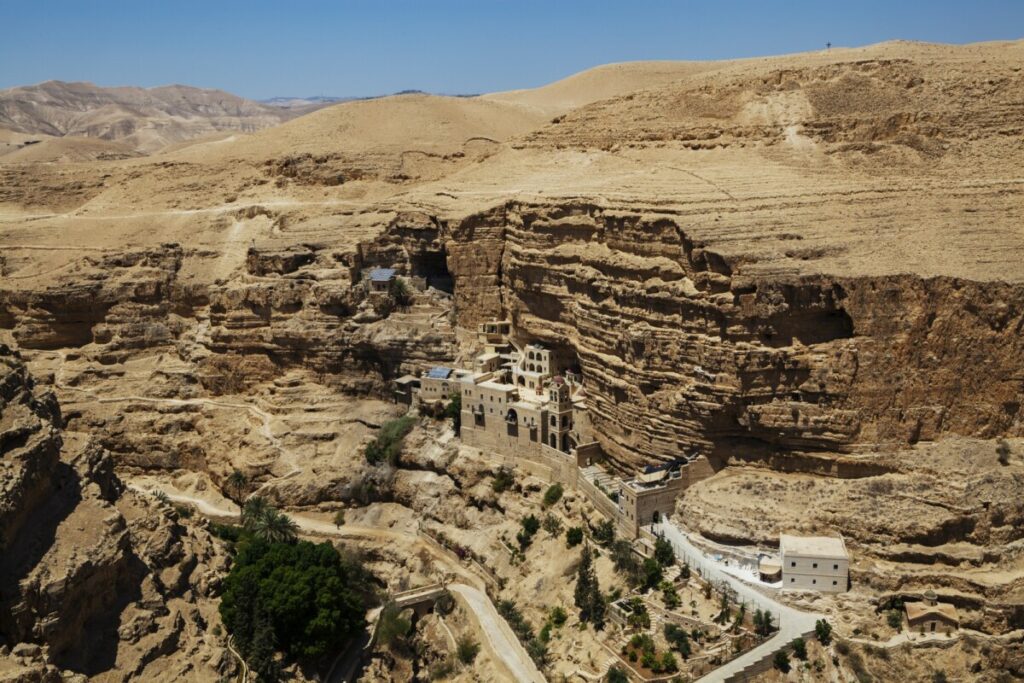
St Geaorge Monastery Desert
circa 8000 BCE
China
The Domestication of Rice

Bali Rice Fields
circa 8000 BCE (speculative)
Under Investigation: Yonaguni Monument

Yonaguni Monument Terraces midpart NWW
circa 8000 BCE
Americas Agrarian Society
Mexico: Guilá Naquitz (Agrarian)
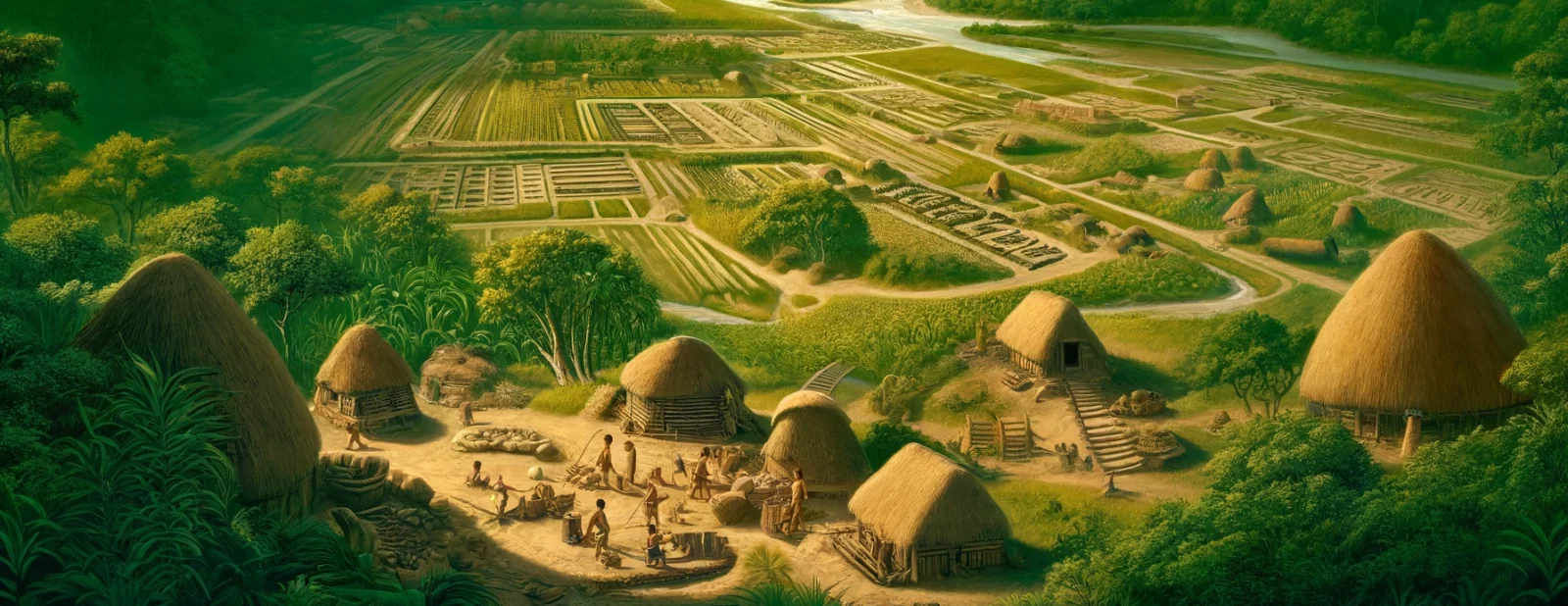
8000 BCE
Genetic Mutation from the Neolithic Era
Phenotype Variation: Blue Eyes

Photo by <a href="https://www.pexels.com/@valeriya?utm_source=instant-images&utm_medium=referral" target="_blank" rel="noopener noreferrer">Valeria Boltneva</a> on <a href="https://pexels.com" target="_blank" rel="noopener noreferrer">Pexels</a>
7500 BCE
Phenotype Variation: Lactose Tollerance

circa 7500 BCE
Middle East Agrarian Society
Egypt: Nabta Playa (Agrarian)
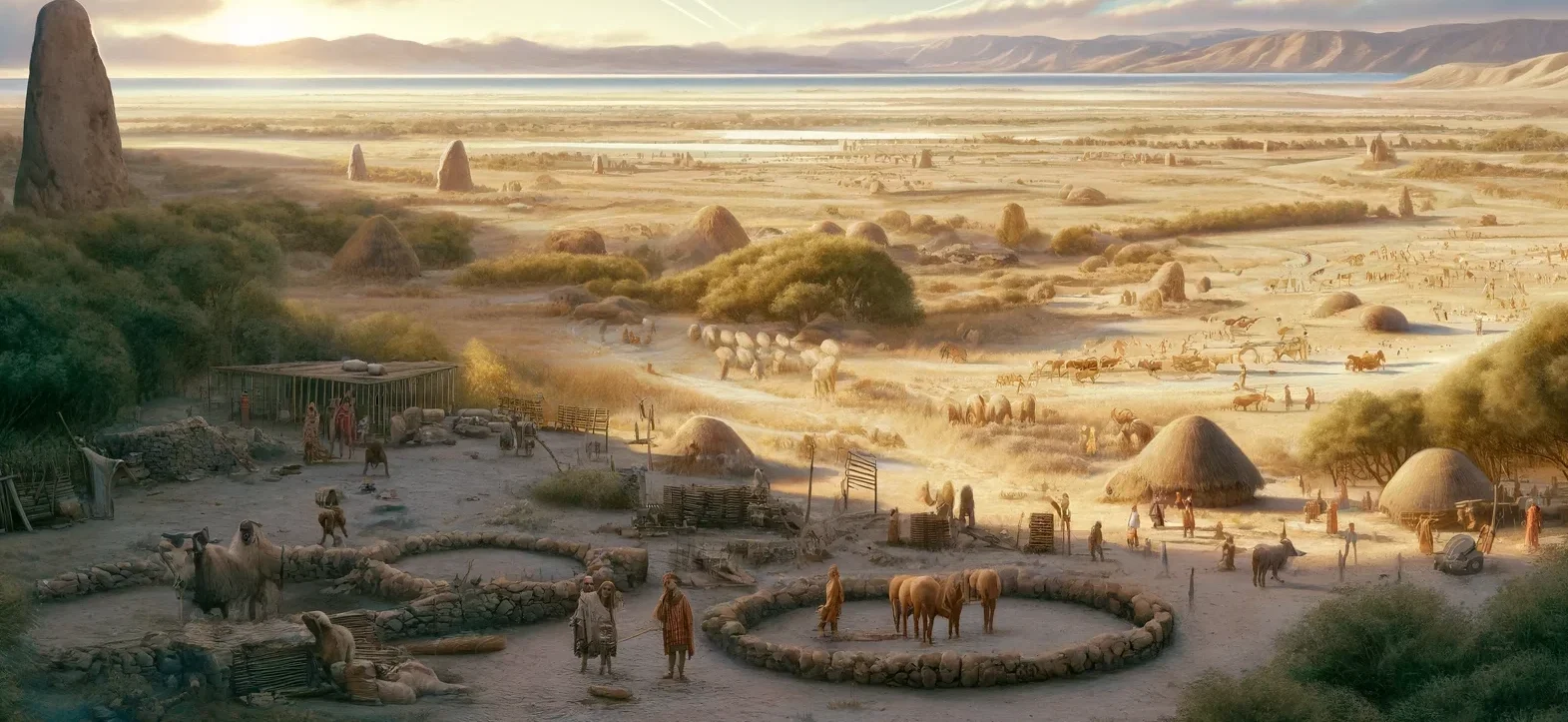
circa 7500 BCE
Europe/Mediterranean Agrarian Society
Greece: Sesklo Culture (Agrarian)
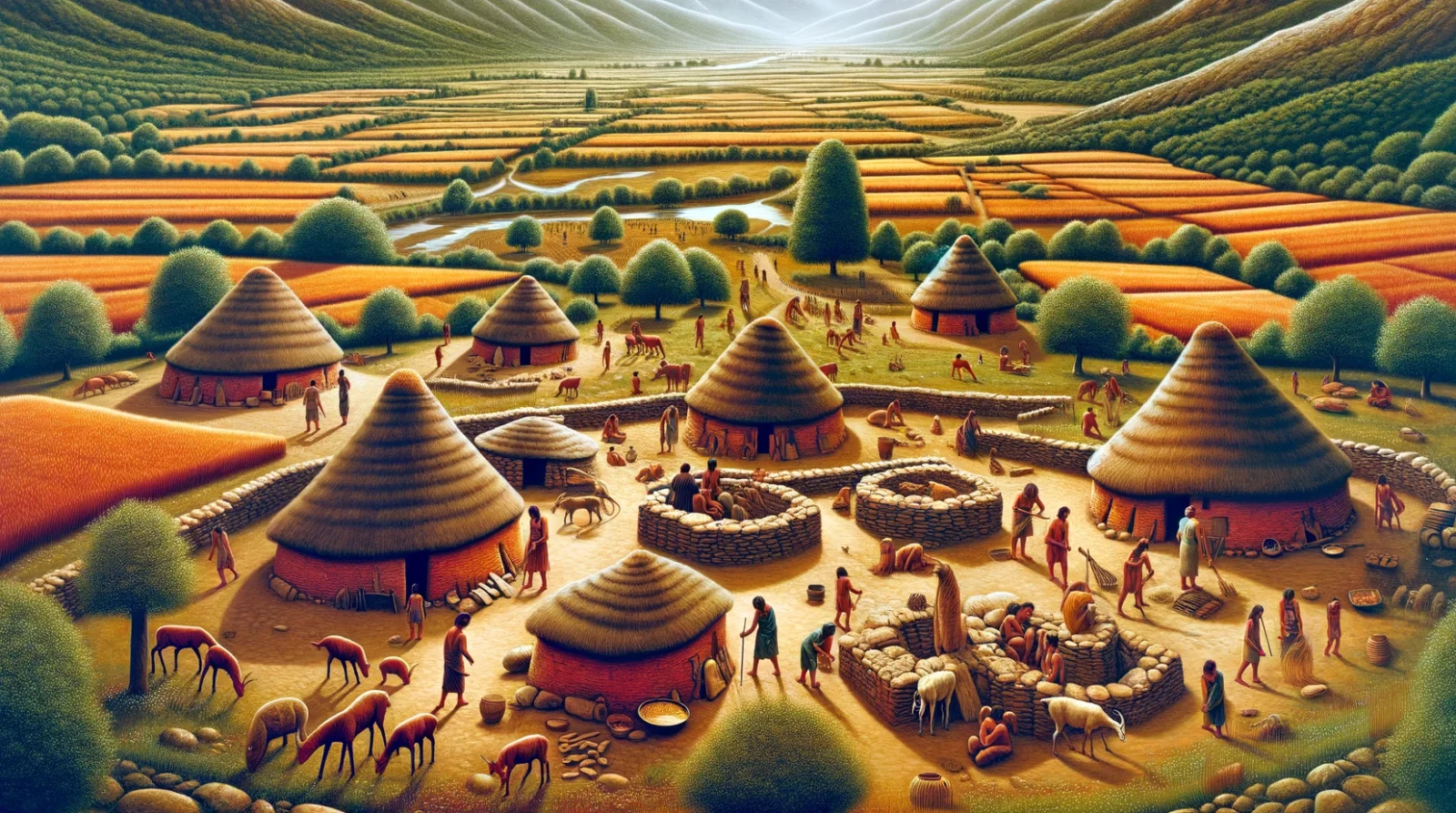
Circa 8000-7000 BCE
Nüwa (女娲)

Nüwa, showing multiple possible portraits representing what Nüwa might have looked like. The scene includes ancient Chinese architecture, cultural elements, and symbols of her contributions, such as the creation of mankind and repairing the pillar of heaven.
Circa 8000-7000 BCE
Fuxi (伏羲)

Fuxi, showing multiple possible portraits representing what Fuxi might have looked like. The scene includes ancient Chinese architecture, cultural elements, and symbols of his contributions, such as the creation of humanity, the invention of writing, and teaching people to fish and hunt.
circa 7200 BCE
Jordan
Ain Ghazal Statues: Early Plaster Art
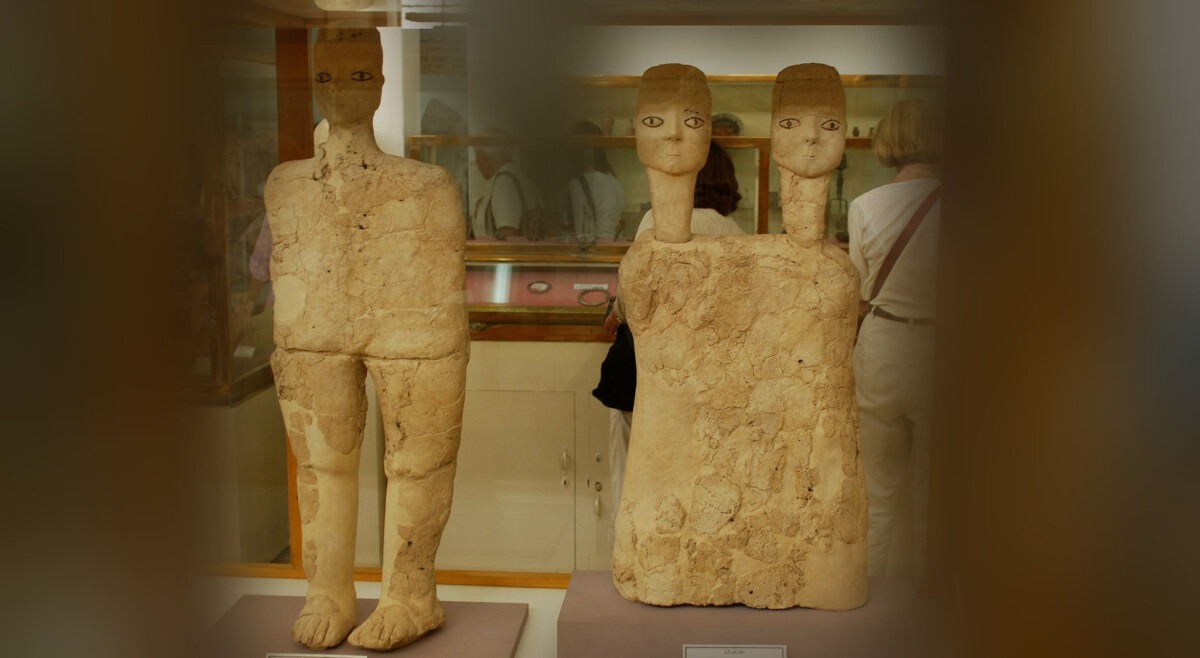
7,100 BCE
7,100 to 5,700 BCE
City of Catalhoyuk
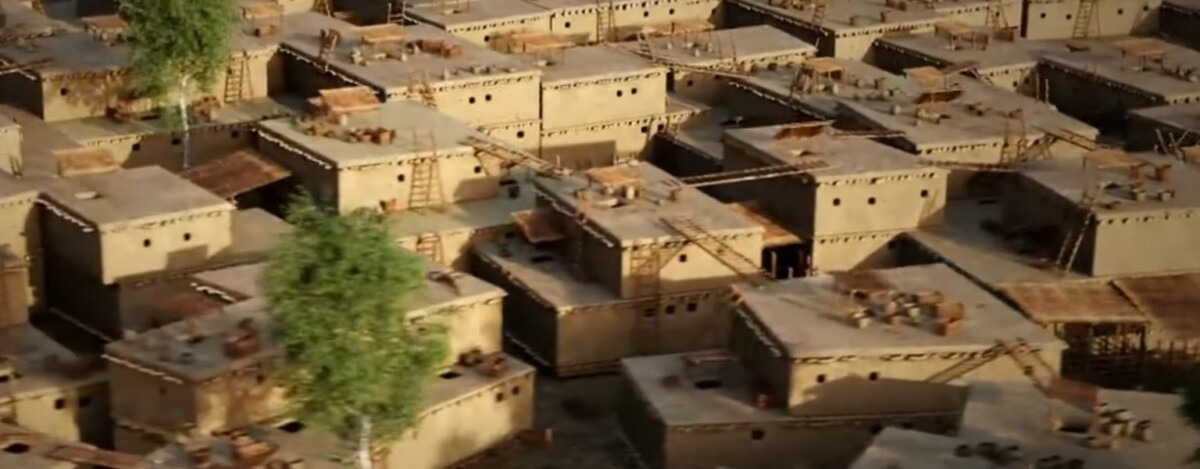
7000 BCE
7000-6001 BCE
Neolithic Symbols: China

Potential earliest writing in Asian zone: the Oracle Bone Script is oldest confirmed symbols. Scientists are still going through a process to verify whether they are proto-writing or a writing system. If we can discover some intermediate links, we can firm up these symbols as early writing.
circa 7000 BCE
12,000 to 9,000 BCE (representing the start of 12,000 years)
Zoroastrian Universe Creation Date
circa 7000 BCE
Asia Agrarian Society
China: Jiahu Settlement (Agrarian)
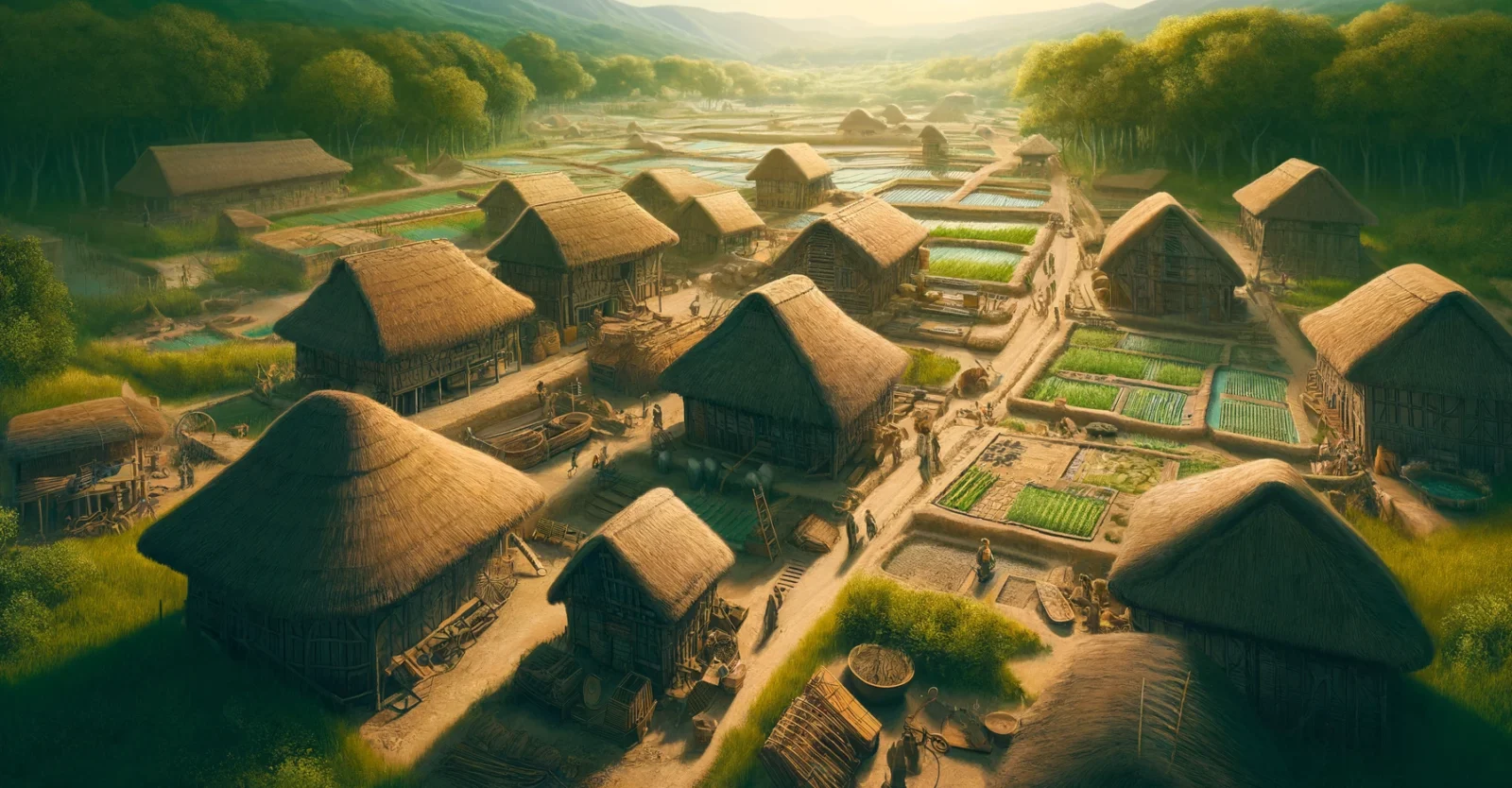
Imagined image: This panoramic image presents the Jiahu Settlement around 7000 BCE, capturing a vibrant Neolithic village in Henan, China. It features typical mud and wood homes with thatched roofs, nestled in a lush landscape where inhabitants are engaged in the early cultivation of rice, illustrating the dawn of agriculture in ancient China.
circa 7000 BCE
Oceana-Australasia Agrarian Society
New Guinea: Kuk Early Agricultural Site (Agrarian)
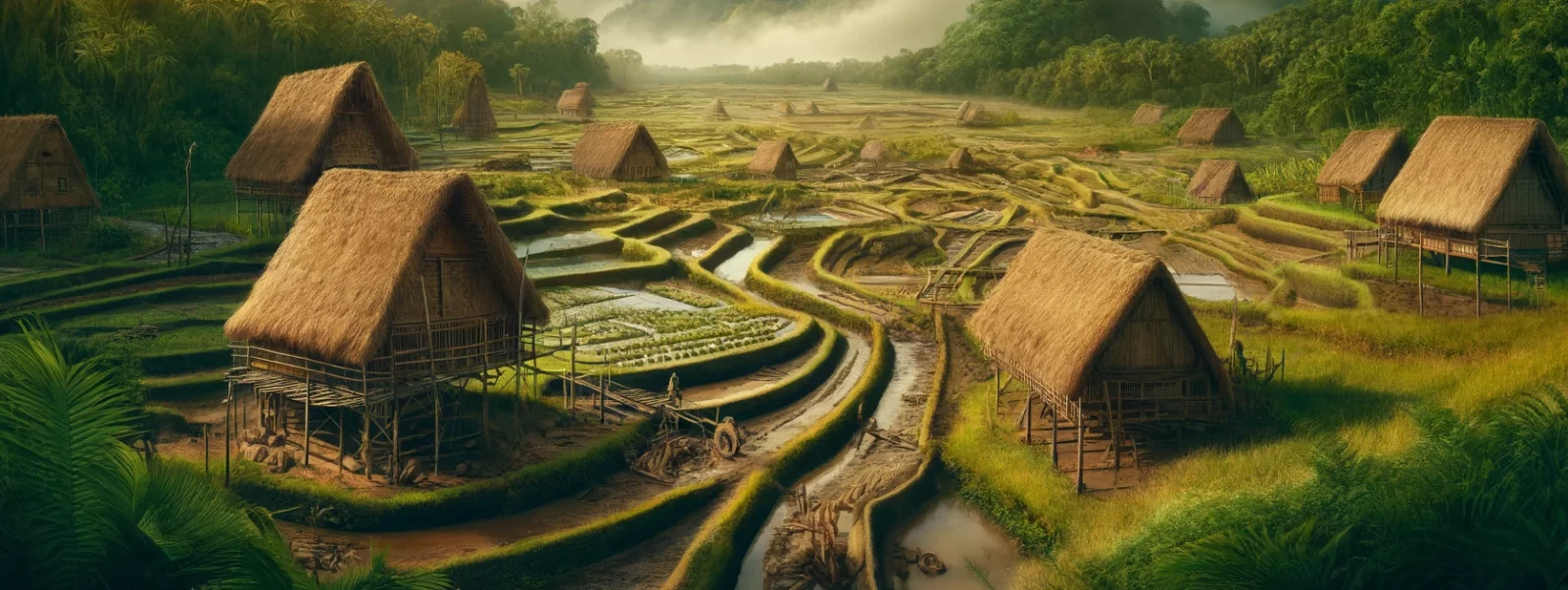
circa 7000 BCE
9,000 Years Ago
Beer, Ale, Wine

glass of beer, sausages and bread on the table
6900 to 6300 BCE
Origins over 9,000 Years Ago
Atlit Yam Neolithic Village

"<a href="https://www.flickr.com/photos/149617375@N05/31523297470" target="_blank" rel="noopener noreferrer">megalithic-atlit-yam</a>" by <a href="https://www.flickr.com/photos/149617375@N05" target="_blank" rel="noopener noreferrer">dionisosolympian</a> is licensed under <a href="https://creativecommons.org/publicdomain/mark/1.0/" target="_blank" rel="noopener noreferrer">CC PDM 1.0</a>
6500 BCE
6500 through 1900 BCE
Early Sumer Civilization
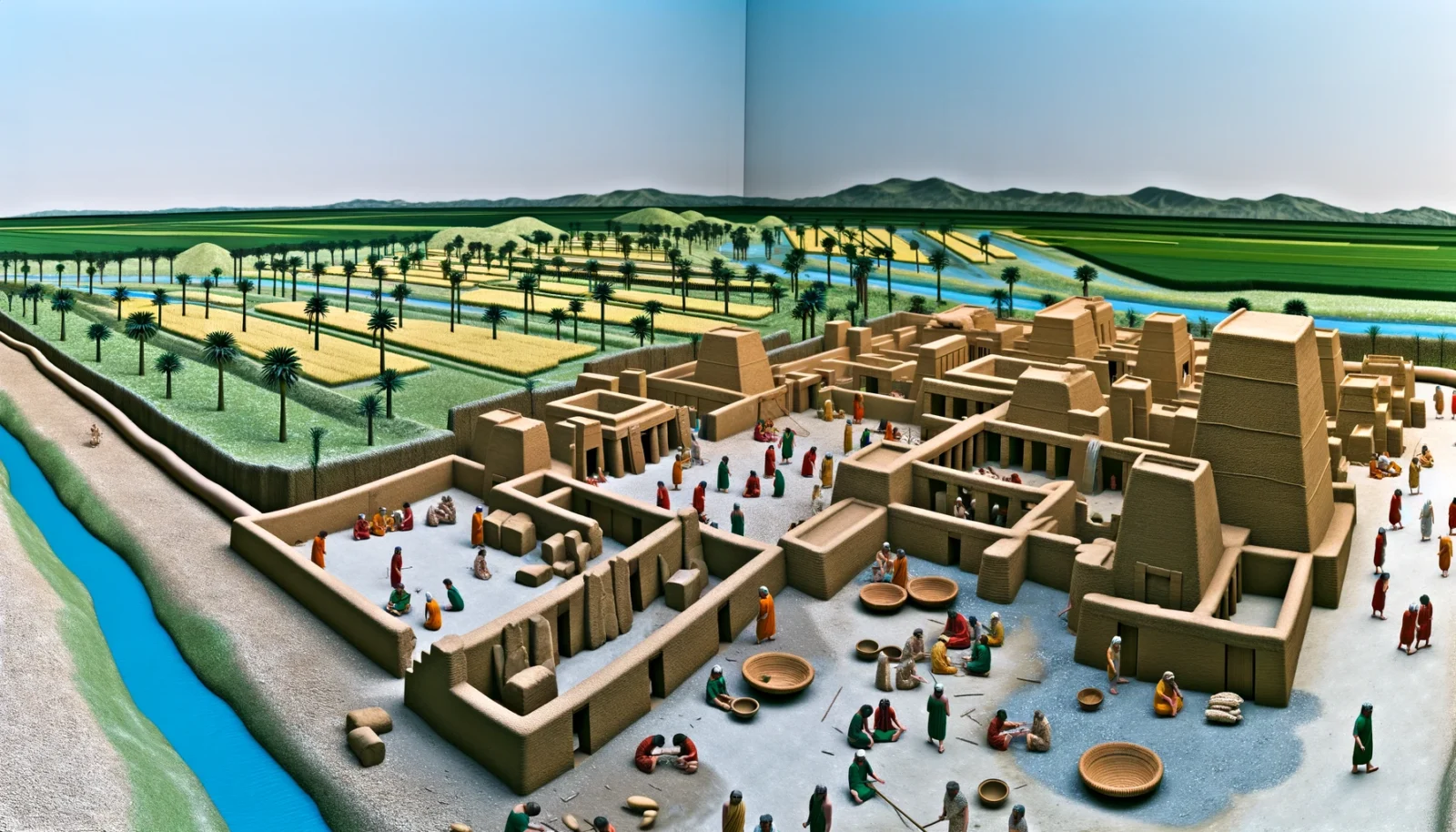
6,000 BCE
Oldest Known Flute in China
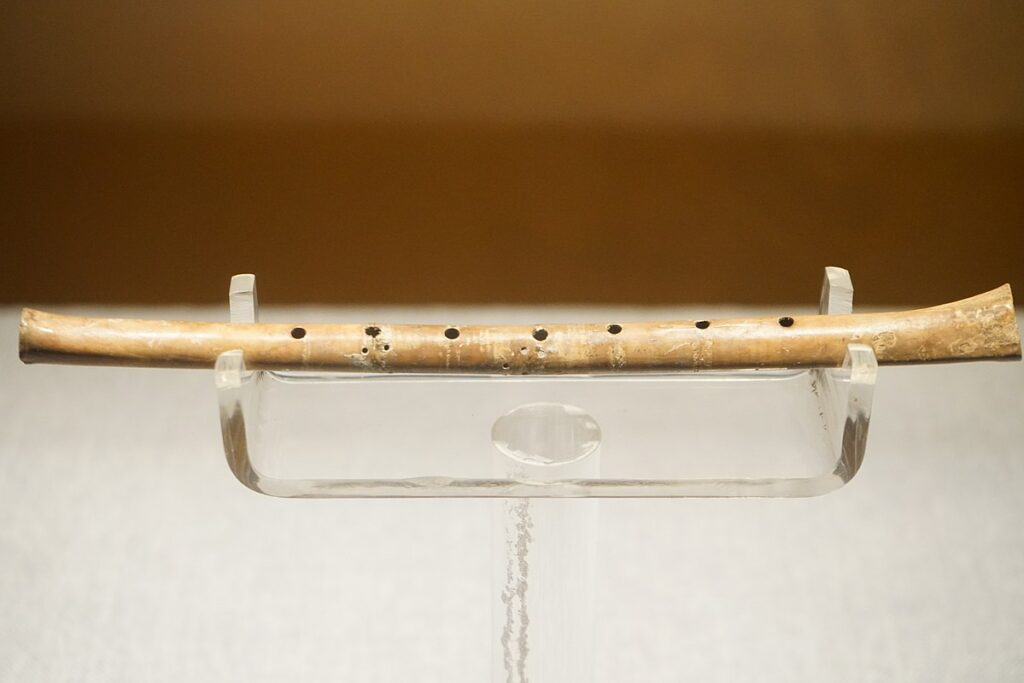
Before 5500 BCE
Poland
Cheese

Delicious Cheese board. Assortment of cheese, camembert, brie, Gorgonzola, parmesan, olives
circa 5,260 BCE
7,260 Years Ago
Dispilio Tablet: European Proto-Writing

This ancient wooden tablet, etched with intricate symbols, dates back over 7,000 years, making it one of the oldest examples of proto-writing ever found.
4900 BCE
Up to 7,900 Years Ago (Neolithic)
Vinor Circular Building: a roundel

Roundel, the Vinor Circular Building, featuring a modest height typical of Neolithic construction, a thatched roof, and entrances appropriate for the time. The image includes a cutaway to reveal the interior details.
circa 4500 BCE
6,500 Years Ago
Proto-Inca People

Pre-Inca People Village Around 4000 BCE: A hunter-gatherer village in the Andean highlands, depicting daily activities and simple huts harmoniously integrated with the mountainous terrain.
4,004 BCE
Sunday, October 23, 4004 BCE
4004 BCE, The Bible’s Earth Creation Date

4000 BCE
6,000 Years Ago
Proto-Olmec People

Pre-Olmec People Village Around 3000 BCE: A depiction of a hunter-gatherer village with simple huts, showcasing the daily activities and harmony with nature in a tropical environment.
3761 BCE
3761 BCE, Judaic Earth Creation Date

circa 3500 BCE
5,500 Years Ago
Proto-Maya People

Pre-Mayan People Village Around 3000 BCE: A hunter-gatherer camp with natural-material huts, illustrating the communal lifestyle and activities in a tropical forest environment.
3500 BCE
Man Made Glass

3400 BCE
3400 BCE to 100 CE (end of use for scholarly work)
Cuneiform Writing
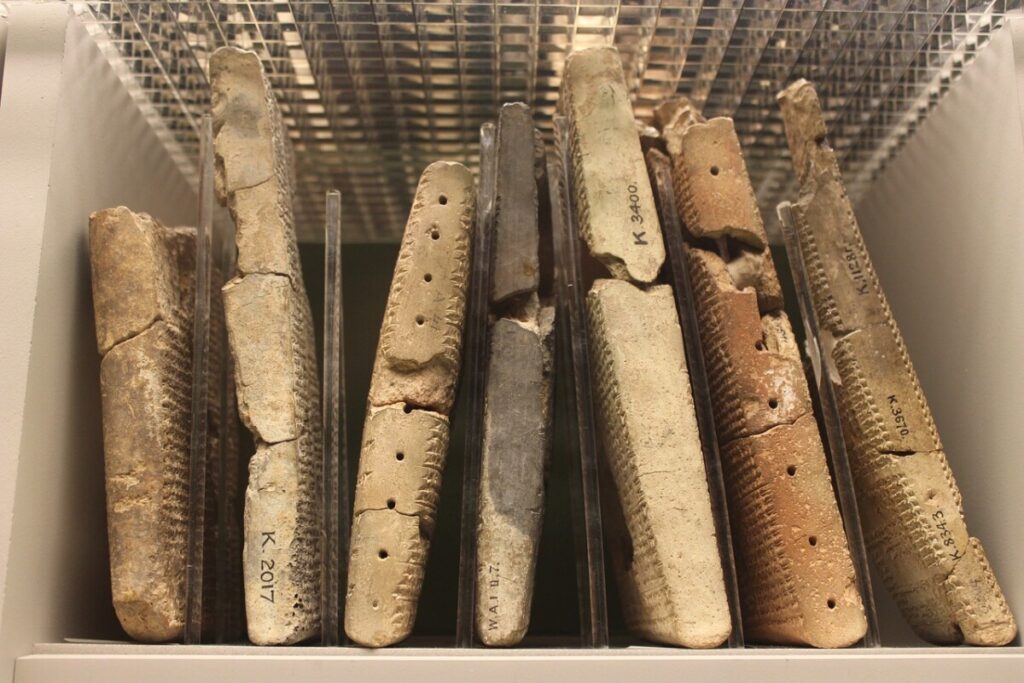
3180 BCE
3180 to 2500 BCE
Skara Brae Scottish Village
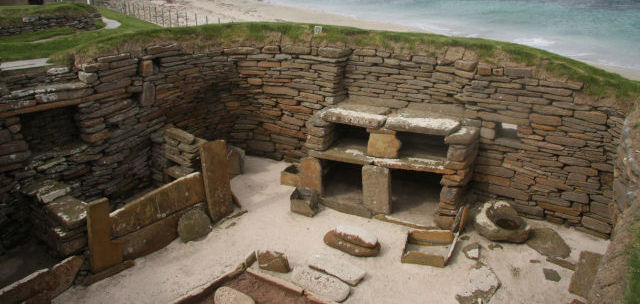
3114 BCE
August 11, 3114 BCE
3114 BCE: Mayan Earth Creation Date
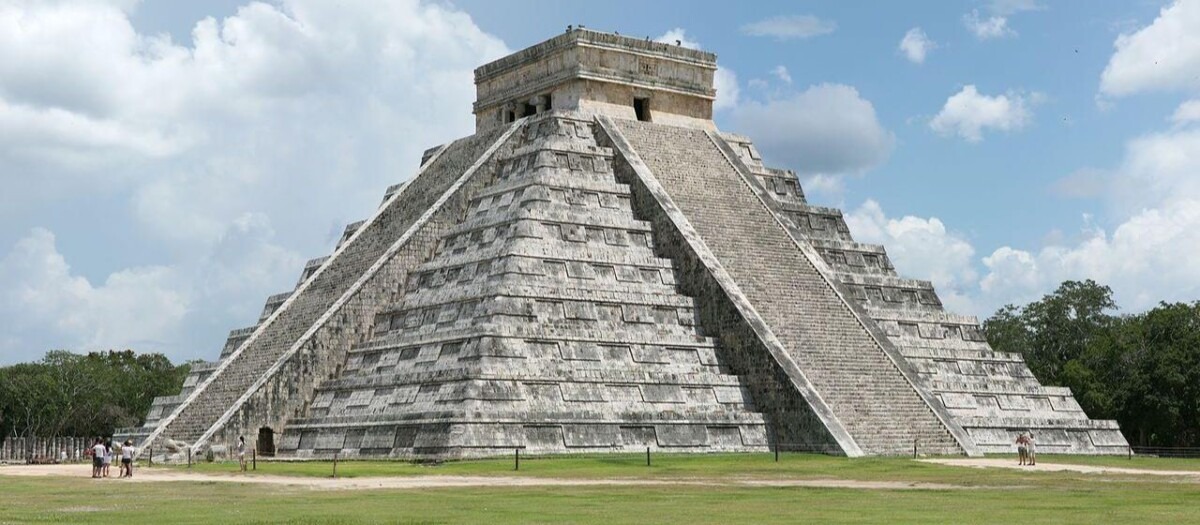
3100 BCE
By 5,100 Years Ago
Oldest Known Dice: Skara Brae

3000 BCE
Estimates range from 9 to 16 million
World Population: 15 Million
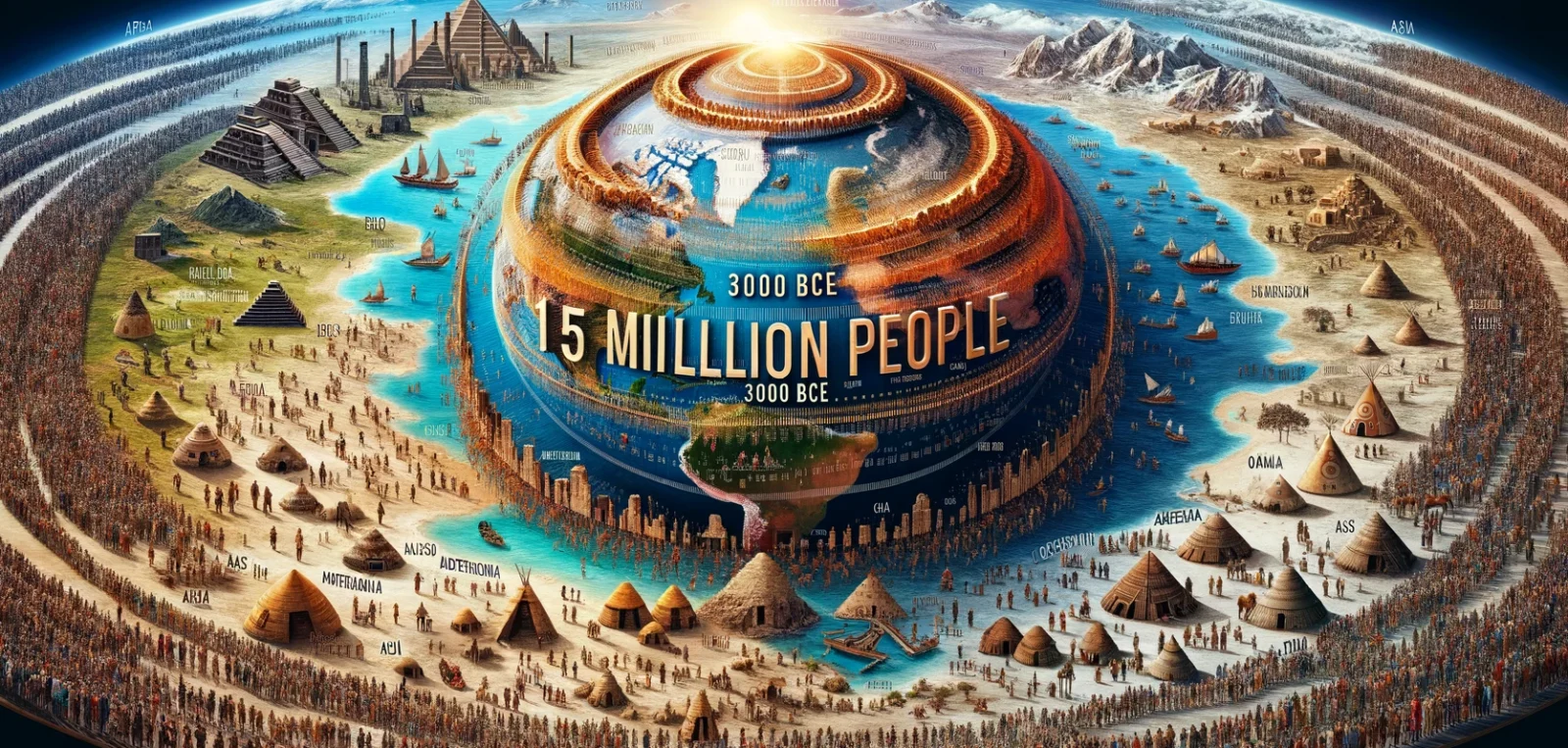
3000 BCE
South America: 5,000 Years Ago
Fuente Magna Bowl: Forgery or Real?

"<a href="https://commons.wikimedia.org/w/index.php?curid=77550391" target="_blank" rel="noopener noreferrer">Bed965fdf8aa813b97735ea21a0e3cfc(1)</a>" by none is licensed under <a href="https://creativecommons.org/licenses/by-sa/4.0/" target="_blank" rel="noopener noreferrer">CC BY-SA 4.0</a>
circa 2800 BCE
The Divine Farmer
Shennong (神农)

Shennong showing multiple possible portraits representing what Shennong might have looked like. The scene includes ancient Chinese architecture, cultural elements, and symbols of his contributions, such as teaching agriculture and herbal medicine, set against a harmonious landscape with fields, crops, medicinal plants, and early farming practices.
King of Uruk
Gilgamesh, circa 2700 BCE

2700 BCE
188 Generations Ago
Xia Dynasty (2070-1600 BCE)

circa 2650 BCE (+/- 50 years)
The Yellow Emperor (Huangdi)

Ancient China during the time of the Yellow Emperor, featuring various possible portraits of what he might have looked like, along with symbolic representations of Yin and Yang, traditional architecture, and a harmonious landscape.
circa 2600 BCE.
The Wise King lived 185 Generations Ago.
King Shuruppak
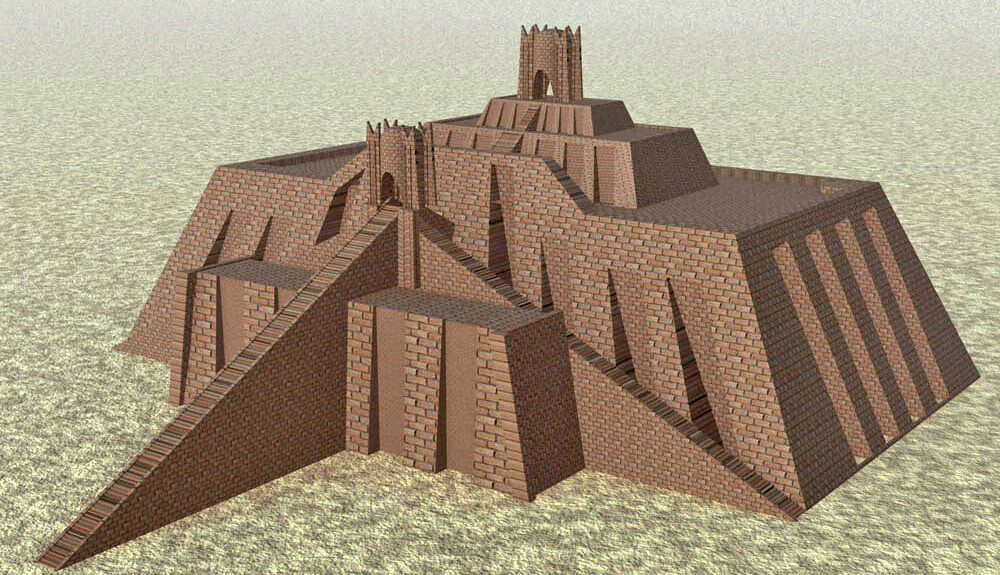
No images of King Shuruppak exist. The best we can do is reimagine known aspects of Sumerian culture. This is a ziggurat typical of the time: one per each of the 30+ cities. Pictured is the Ziggurat of Ur, about 70 miles from Shuruppak. The city of Shuruppak had a similar one.
By 2600 BCE
The Rise of the Maya Civilization
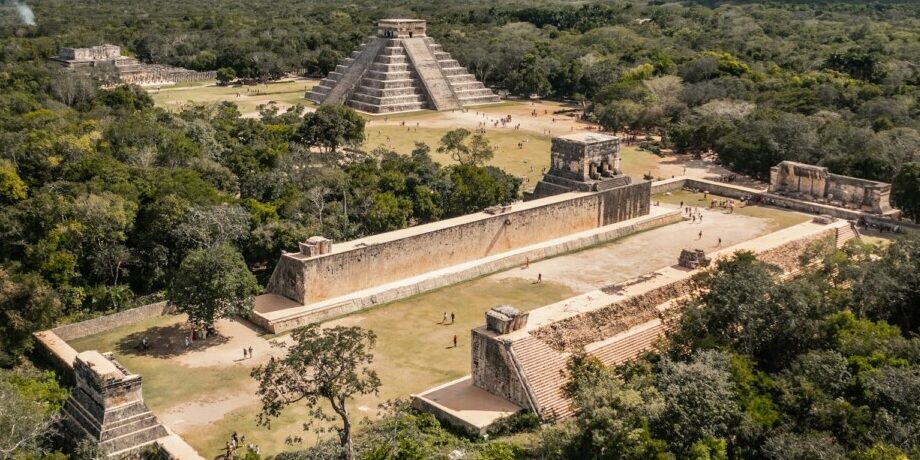
Aerial view of Chichen Itza
circa 2600 BCE
Indus Valley Script: Northwest India
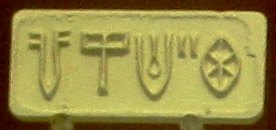
"<a href="https://commons.wikimedia.org/w/index.php?curid=5243844" target="_blank" rel="noopener noreferrer">File:Indus seal impression.jpg</a>" by <a href="https://commons.wikimedia.org/wiki/File:IndusValleySeals.JPG" target="_blank" rel="noopener noreferrer">PHGCOM IndusValleySeals.JPG</a> is licensed under <a href="http://creativecommons.org/licenses/by-sa/3.0/" target="_blank" rel="noopener noreferrer">CC BY-SA 3.0</a>
A network of ideas.
New Look
Knowledge Framework

Knowledge frameworks are the mind’s filing system. They do not just store information—they shape how we sort ideas, test claims, and decide what deserves belief.
The what, why, and how of life.
Philosophy

2350 BCE
2500 BCE to 2250 BCE
Oldest Known Library: Ebla
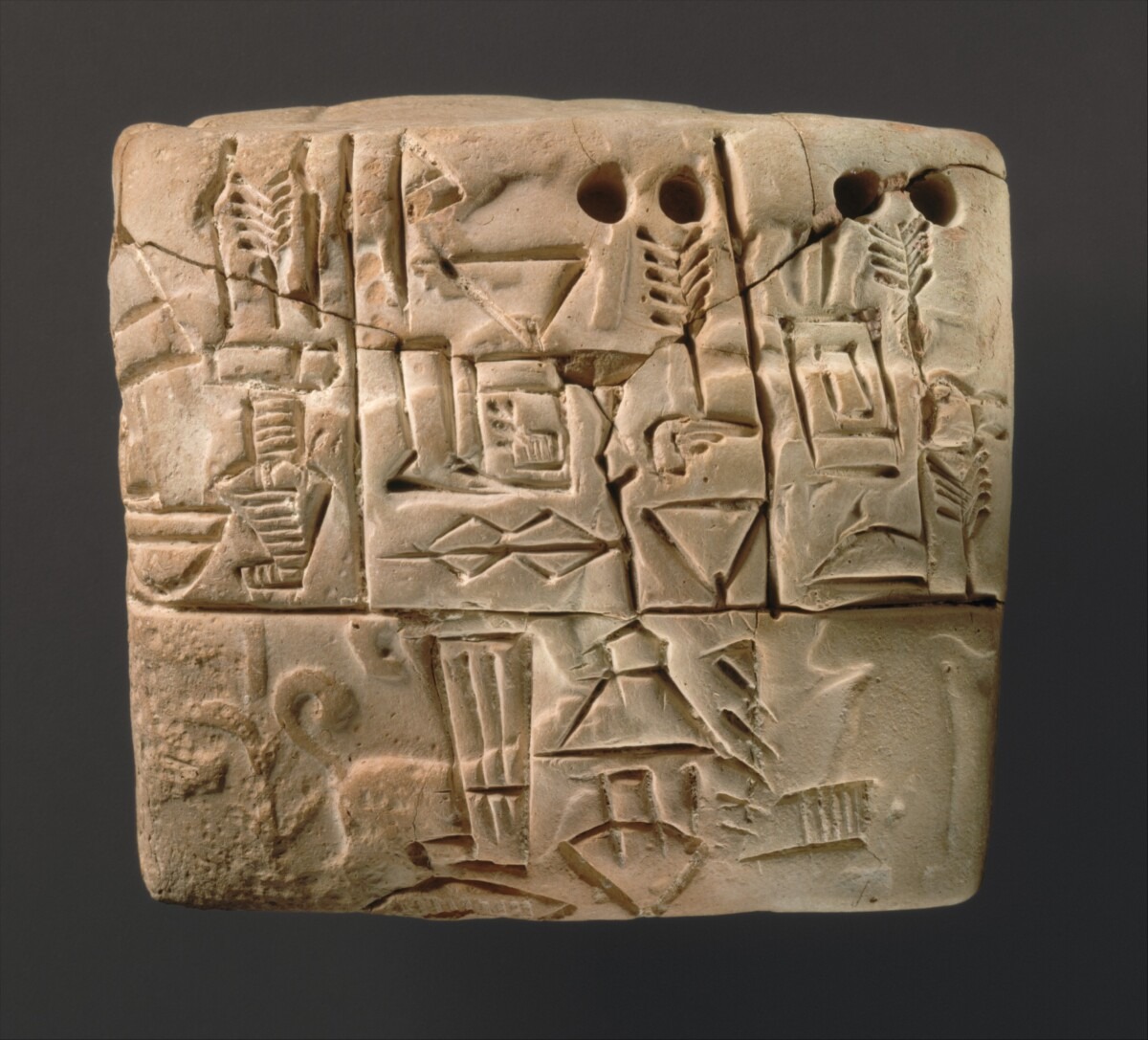
"<a href="https://commons.wikimedia.org/w/index.php?curid=57854047" target="_blank" rel="noopener noreferrer"><div class='fn'> Proto-Cuneiform tablet: administrative account of barley distribution with cylinder seal impression of a male figure, hunting dogs, and boars. Probably from the city of Uruk.</div></a>" by null is licensed under <a href="https://creativecommons.org/publicdomain/zero/1.0/deed.en/" target="_blank" rel="noopener noreferrer">CC CC0 1.0</a>
2348 BCE
Noah’s Flood Myth
Around 2000 BCE
4,000 Years Ago
Mayans Emerge

Mayan Society in Their Heyday: A vibrant Mayan city after 1000 BCE, with towering pyramids, temples, and rich cultural activities set in lush tropical surroundings.
Before 1900 BCE
Mesoamerica
Chocolate

Cocoa powder and cocoa beans
From about 1900 to 1500 BCE
155 Generations Ago
Proto-Sinaitic script
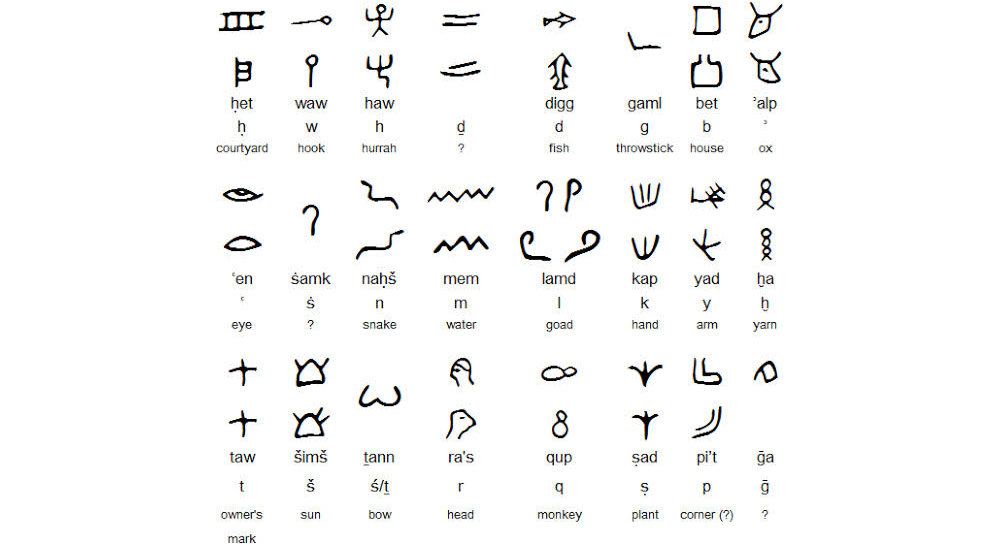
Used roughly between 1900 and 1500 BCE in the Sinai Peninsula by Canaanite-speaking peoples who adapted Egyptian hieroglyphs into the world’s first alphabetic script.
1900 BCE
from circa 1900 BCE to 1700 BCE
Cretan Hieroglyphic script: Greek Island
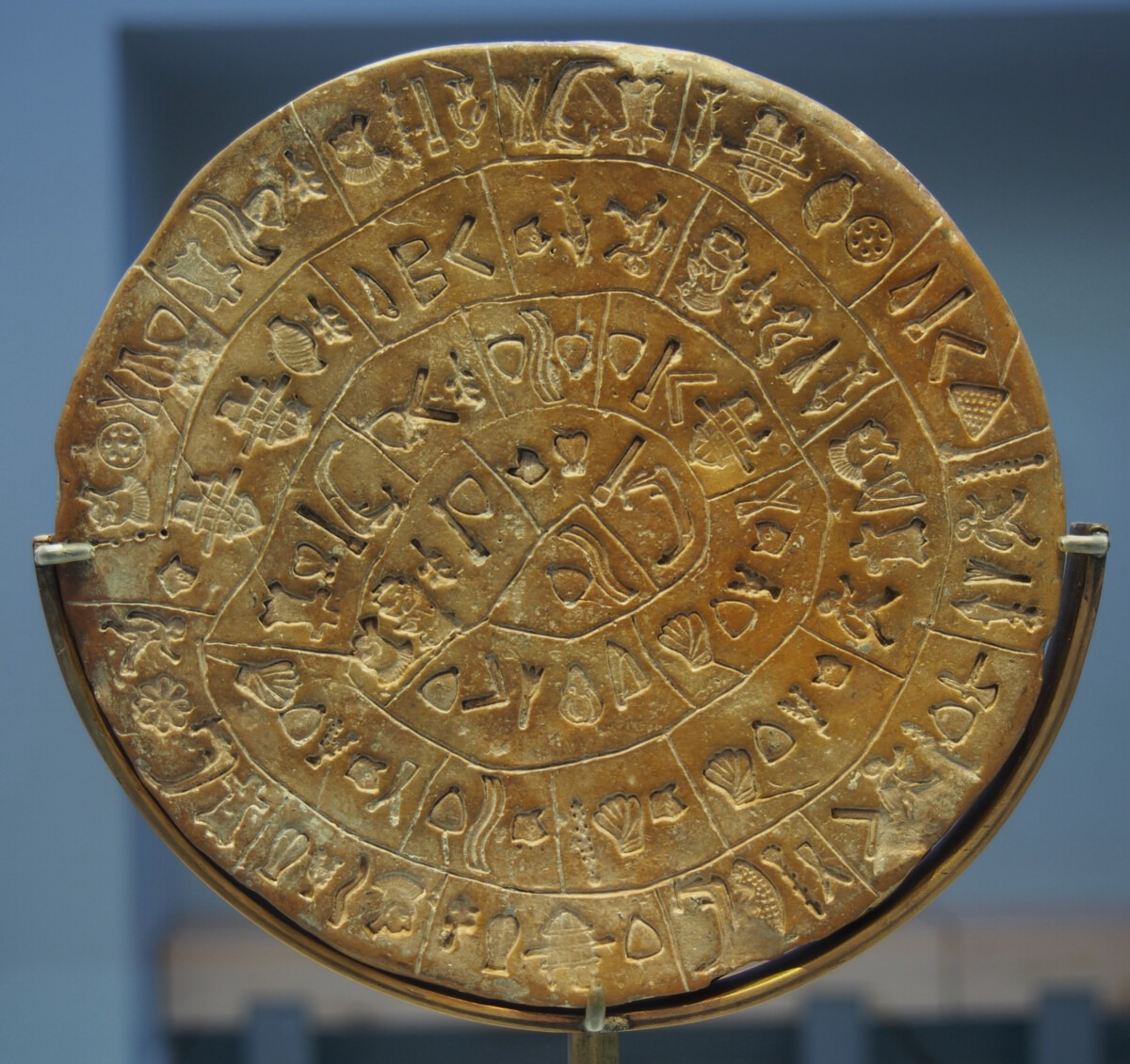
"<a href="https://commons.wikimedia.org/w/index.php?curid=141943738" target="_blank" rel="noopener noreferrer">Phaistos Disc - Side B - 6381 - crop1</a>" by <a href="https://commons.wikimedia.org/wiki/User:C_messier" target="_blank" rel="noopener noreferrer">C messier, edit by Bammesk</a> is licensed under <a href="https://creativecommons.org/licenses/by-sa/4.0/" target="_blank" rel="noopener noreferrer">CC BY-SA 4.0</a>
1755 BCE
Code of Hammurabi
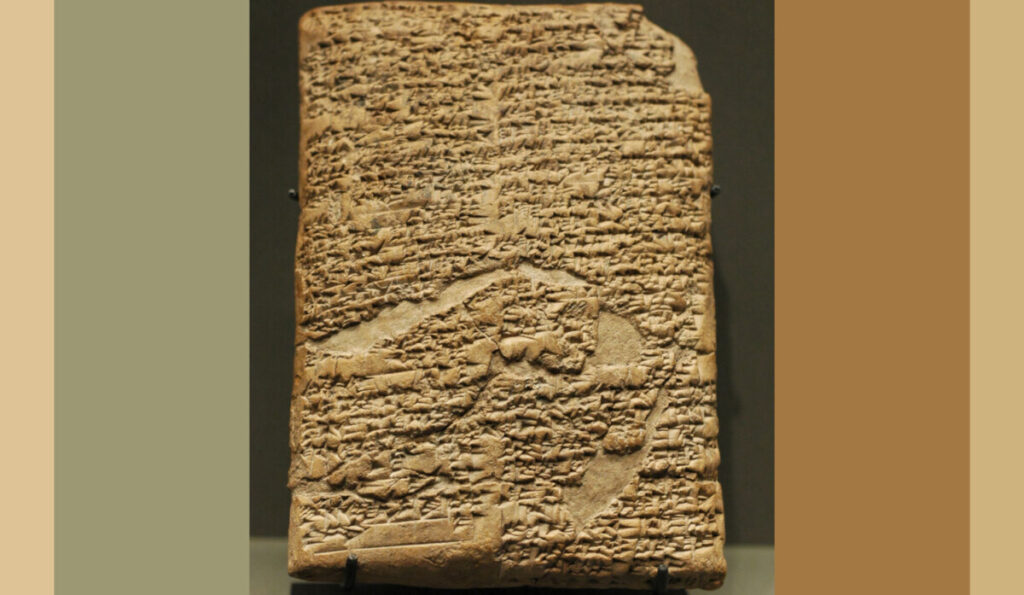
One of humanity’s earliest surviving legal codes, carved in stone and written in cuneiform. Its laws helped move justice from private revenge toward public order, influencing later legal traditions while also revealing how far human justice still had to grow.
1,700 BCE
148 Generations Ago
Rigveda Samhita, Veda Book 1 of 4

By 1600 BCE
Dragons: Early Dinosaur Fossils

Mythical Creatures and Fossil Discoveries: The Roots of Ancient Legends. Many various ancient mythical creatures were likely inspired by fossil discoveries including Chinese dragons, Greco-Roman giants, griffins, cyclopes, and other mythical beasts.
Around 1600 BCE
3,600 Year Ago
Olmec Society Emerges

A bustling Olmec city after 1600 BCE, featuring large stone heads, pyramids, and vibrant daily life activities amidst lush tropical vegetation.
1500 BCE
1500 BCE to 500 BCE
The Lapita Culture
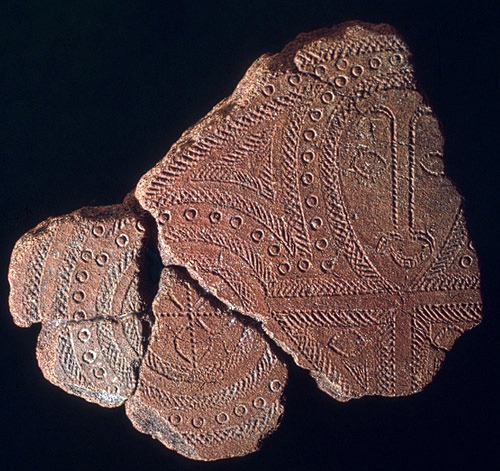
"<a href="https://www.flickr.com/photos/82032880@N00/15612056877" target="_blank" rel="noopener noreferrer">LapitaFragments</a>" by <a href="https://www.flickr.com/photos/82032880@N00" target="_blank" rel="noopener noreferrer">profzucker</a> is licensed under <a href="https://creativecommons.org/licenses/by-nc-sa/2.0/" target="_blank" rel="noopener noreferrer">CC BY-NC-SA 2.0</a>
1400 BCE
circa 1700–1400 BCE
Minoan Frescoes at Knossos
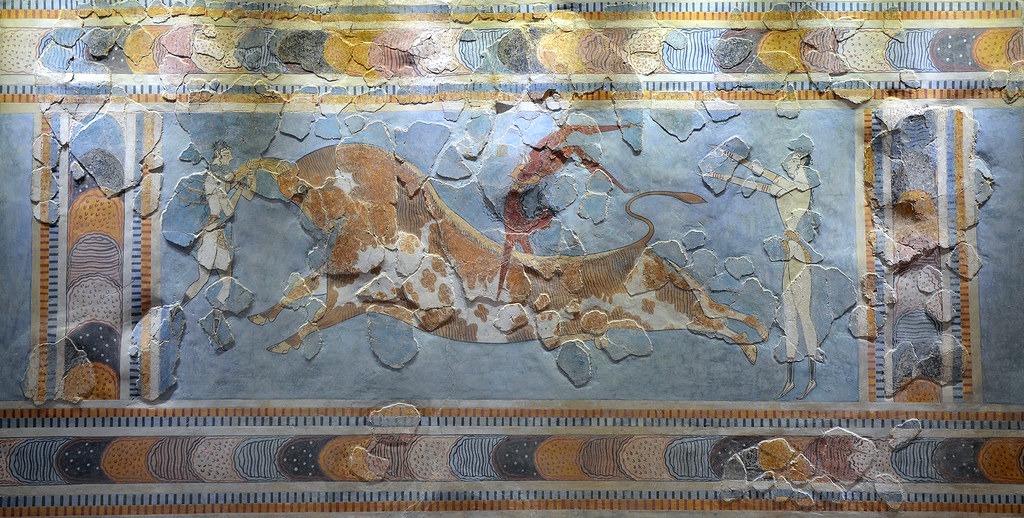
"<a href="https://www.flickr.com/photos/41523983@N08/30547636456" target="_blank" rel="noopener noreferrer">Minoan fresco depicting a bull leaping scene, found in Knossos, 1600-1400 BC, Heraklion Archaeological Museum, Crete</a>" by <a href="https://www.flickr.com/photos/41523983@N08" target="_blank" rel="noopener noreferrer">Following Hadrian</a> is licensed under <a href="https://creativecommons.org/licenses/by-sa/2.0/" target="_blank" rel="noopener noreferrer">CC BY-SA 2.0</a>
circa 1350 BCE
Frescoes of the Tomb of Nebamun
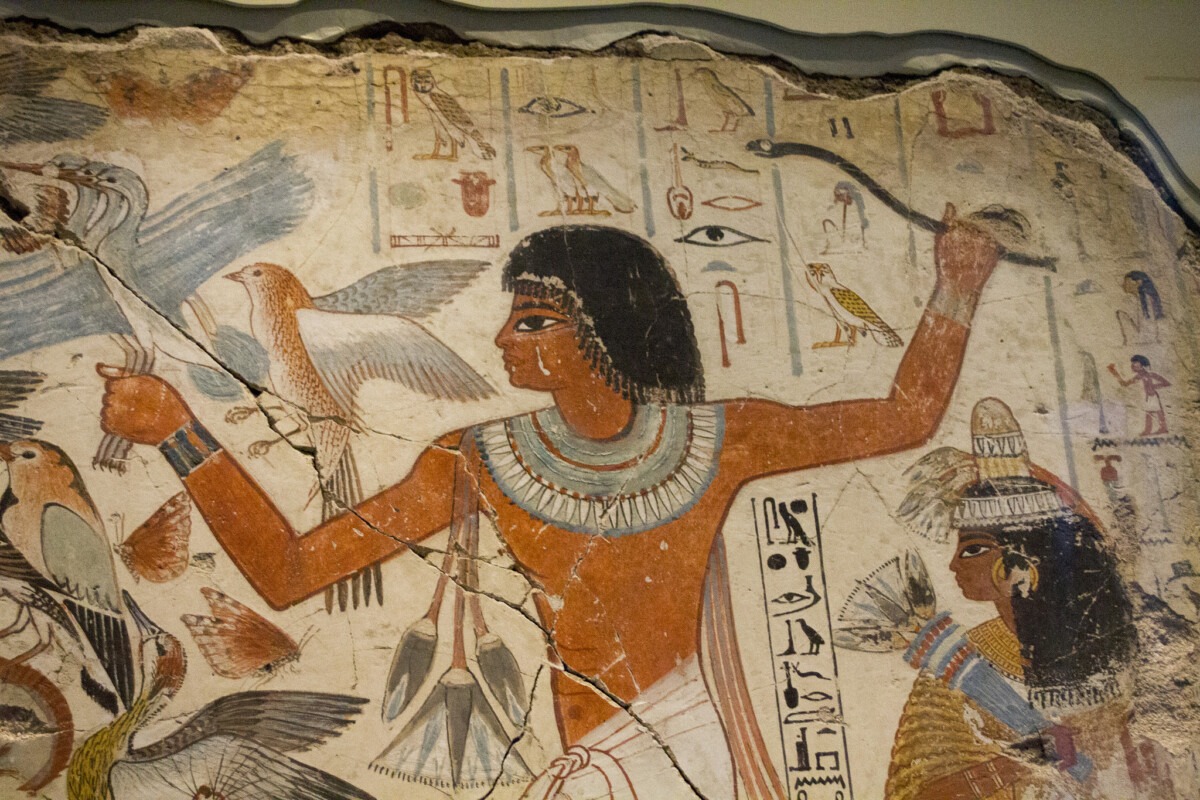
"<a href="https://commons.wikimedia.org/w/index.php?curid=71407159" target="_blank" rel="noopener noreferrer"><div class='fn'> Tomb Of Nebamun Painting 1</div></a>" by <a href="https://500px.com/GeorgeL86" target="_blank" rel="noopener noreferrer">George Lodge</a> is licensed under <a href="https://creativecommons.org/licenses/by/3.0/" target="_blank" rel="noopener noreferrer">CC BY 3.0</a>
1344 BCE
circa 1340 to 1320 BCE
Oldest Known Monotheistic Religion: Atenism
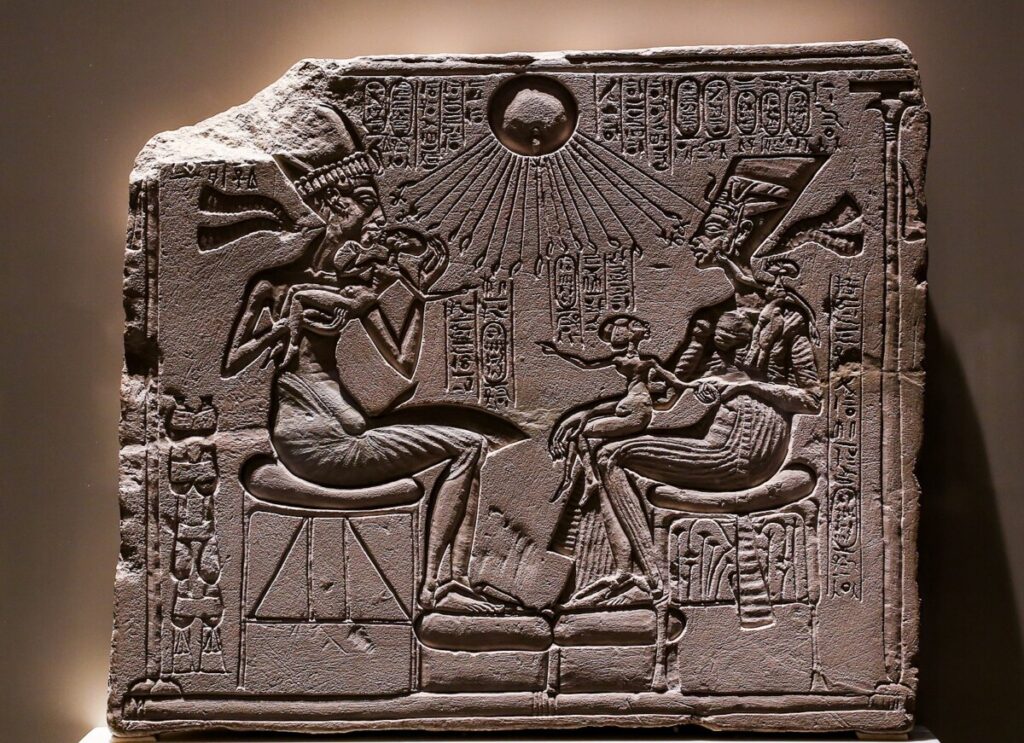
Akhenaton and Nefertiti seated, holding 3 of their daughters, under the rays of the sun god Aten giving Ankh-symbols to them (Picture provided by ArchaiOptix).
1300 BCE
1500-1100 BCE
Phoenician Alphabet
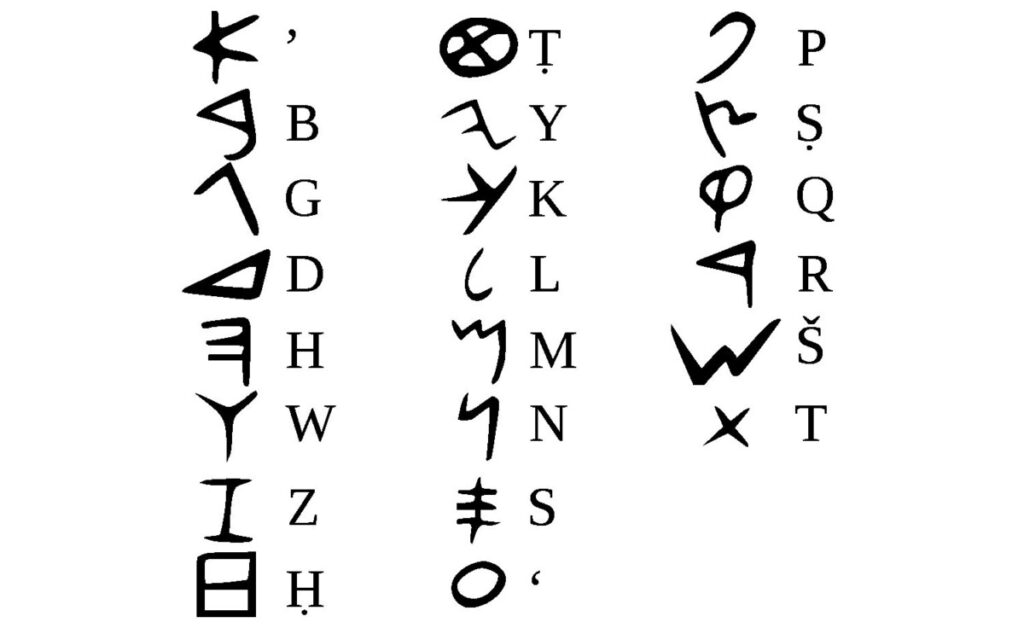
1250 BCE
Oracle Bone Script: China

1100 BCE (+/- 300 years)
125 Generations Ago
Major Religion: Hinduism

Hinduism, one of the world's oldest religions, emerged around 1100 BCE, several centuries after the Indus Valley Civilization collapsed. Hinduism has no known roots in the IVC, but it's a topic to follow as we uncover clues.
900 BCE
From before 900 BCE to 400 BCE.
Olmec Hieroglyphs: Mexico

circa 800 BCE
Gargi Vachaknavi

Hindu god Ganesha on white wooden table. Candles on background
The Nature of Being.
We are more than self-aware.
Ontology

Ontology is the branch of metaphysics that studies being, existence, and what is real.
Nature is the master plan.
Holism

Early or "First" Science
Born about 624 BCE, died about 546 BCE, at around age 78.
Thales of Miletus
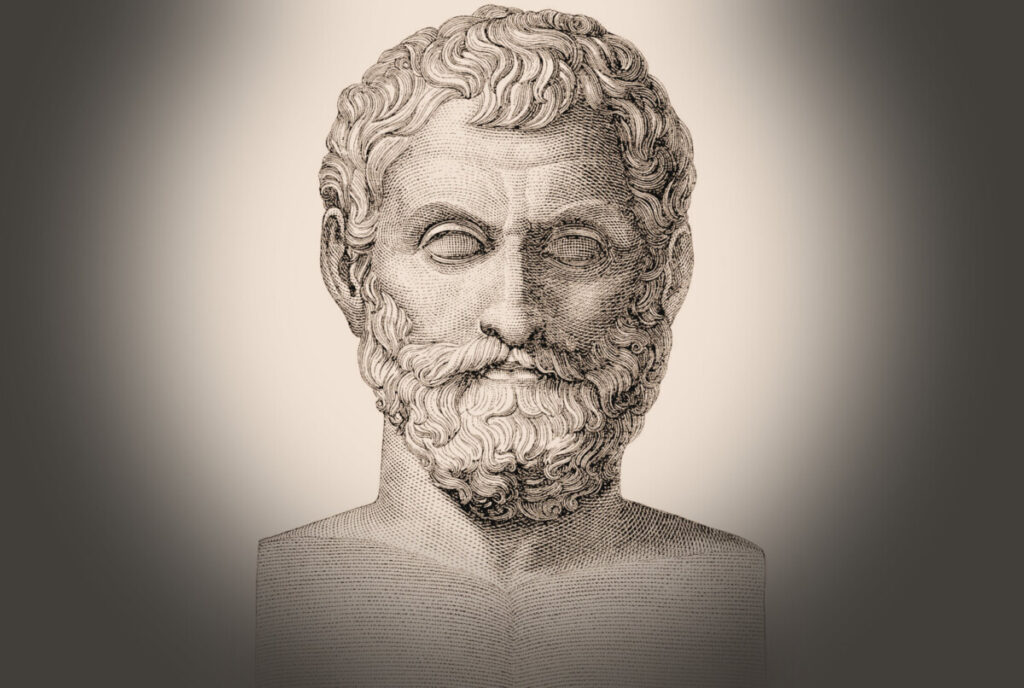
624 BCE
Circa 624-546 BCE
The Birth of Logic

Built circa 700 BCE, destroyed 612 BCE.
Library of Ashurbanipal

A conservative recreation of the exterior of the Library of Ashurbanipal, illustrating the architectural style of ancient Assyrian buildings. The image depicts a grand structure on a raised platform, adorned with carvings and motifs characteristic of Assyrian art. While the depiction includes speculative elements, such as the building's size and detailed adornments, it aims to capture the historical significance and imposing presence of this legendary library in the heart of Nineveh.
Born about 105 Generations Ago, circa 604 BCE.
By tradition, he lived about 604 to 517 BCE.
Laozi
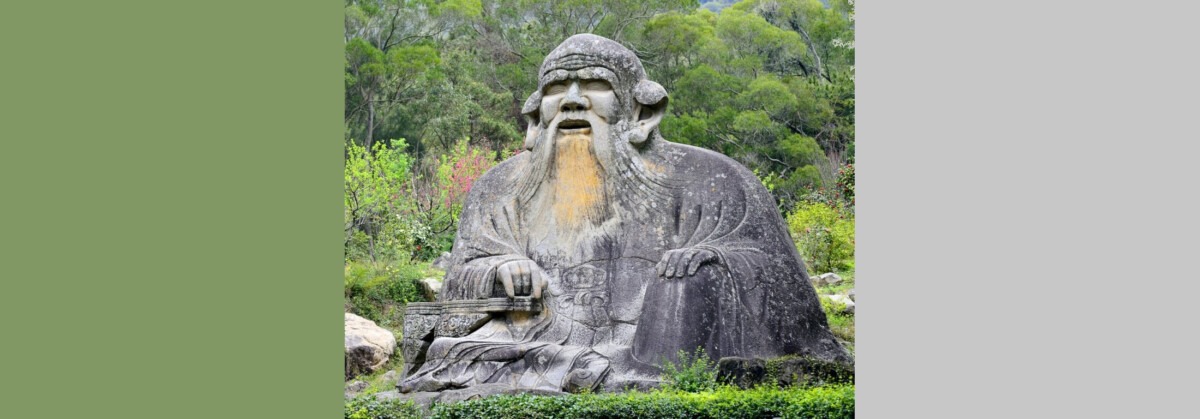
Laozi or Lou Tzu (604-517 BCE). Founder of Daoism, aka Taoism. The life of Laozi is shrouded in mystery, but he is the first philosopher in “30 Philosophers” that attempts to construct a precise biography.
600 BCE
Spherical Earth
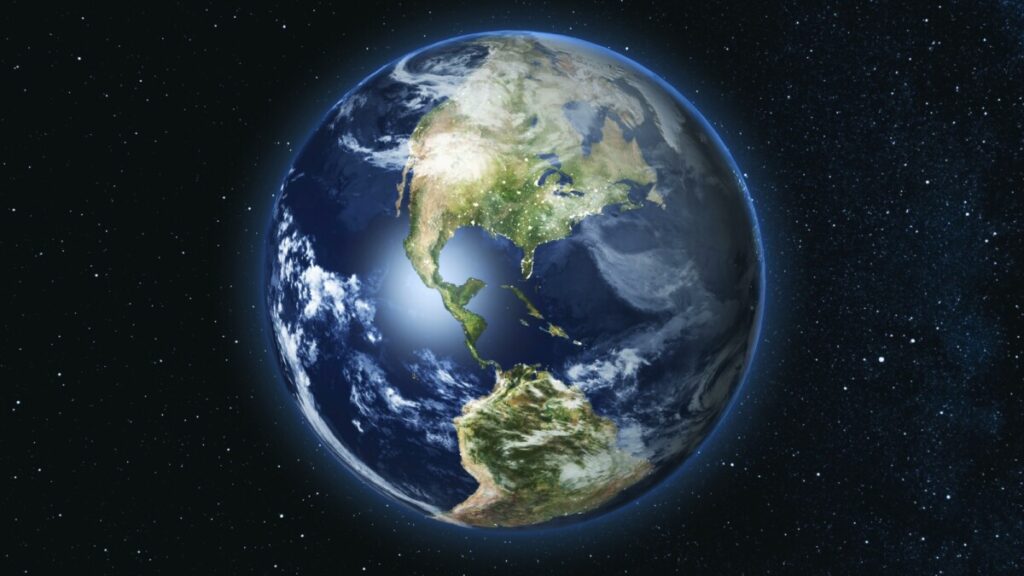
Realistic Earth Planet against the the star sky
600 BCE
New Look
New Look: The Flood Stories

The Great Flood myths: Sumerian and the biblical story of Noah's Ark.
Go with the flow of nature.
Wu-wei or “non-action”

Let life unfold organically.
Ziran, Authenticity, or Authentic Self

A good life is a balanced life.
Yin and Yang

We can only describe nature.
Unknowable Dao

The Unknowable Dao reminds us that when we define something too tightly, we risk mistaking our description for the thing itself.
Pythagoreanism
Father of Mathematics
Pythagoras (570-495 BCE)
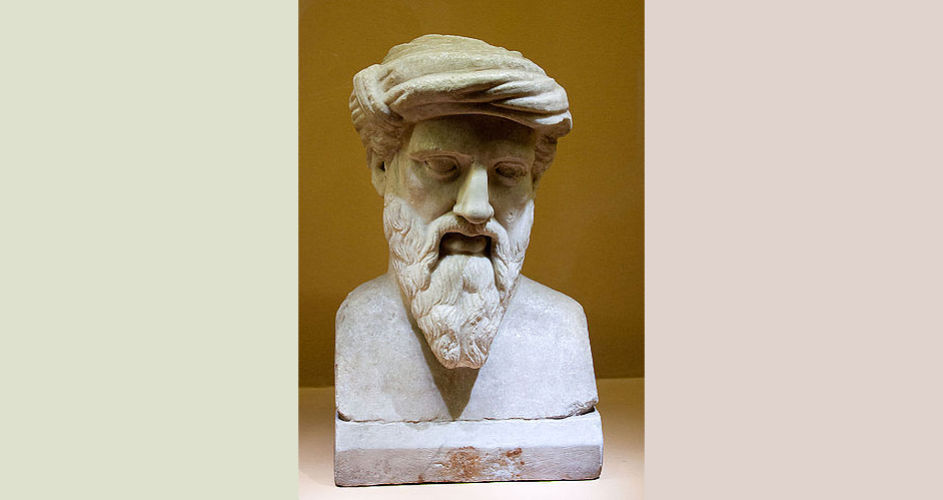
born 551 BCE
Lived from 551 to 479 BCE, aged 72
Confucius

Make Goodness Normal: Confucius taught that a better life begins when respect, duty, kindness, and self-discipline become normal habits. Normalcy is powerful because it turns wisdom into daily behavior.
Normal grows from repetition.
A new look.
Normalcy, Normal, and Abnormal

Normalcy is a pattern-based idea formed from repeated experience and reinforced by social expectations.
The abstractions of life.
Schema

Universals name repeatable patterns among entities. Schemas are how minds organize those patterns into usable templates.
Born circa 563.
Lived 103 Generations Ago, from about 563 to 486 BCE.
Gautama Buddha

Subhrajyoti07, CC BY-SA 4.0 <https://creativecommons.org/licenses/by-sa/4.0>, via Wikimedia Commons
Atman, the idea of self.
Anatman, the idea of non-self.
Self & Non-Self; Atman & Anatman

Non-Self is the view that the self is not an unchanging thing, but a temporary pattern within the ongoing reconfiguration of reality.
The separation of mind and body is an illusion.
Nondualism and Dualism

Imagined image: The concepts of nondualism and dualism. The philosophical exploration of the mind, body, and reality, the distinctions and connections between them.
born circa 535 BCE
circa 535 to 475 BCE, likely aged about 60 years old
Heraclitus
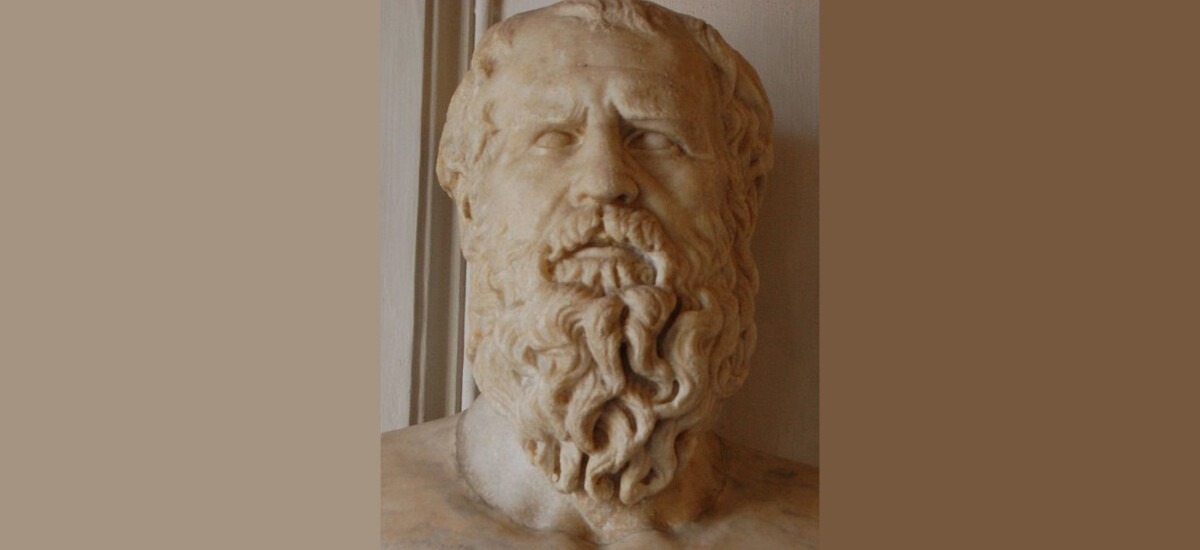
Impermanence is the idea that things do not stay the same forever. Becoming is the process of changing, growing, and unfolding over time.
Change is the only constant.
Impermanence and Flux

Your sub-culture and choices.
Worldview

You do not see the world raw. You see it through a worldview. That worldview grows from the frameworks you inherit and adopt, and it continues to change as your experience changes.
Existence before essence.
Crafting yourself from your given traits.
Identity

Identity is the personal mosaic that makes you you. It includes what you were born into, what you have chosen, and what has changed along the way. It is not fixed at birth. It is shaped over time through living, learning, belonging, and becoming.
500 BCE
circa 450 BCE
Anaxagoras (circa 500-428 BCE)

Socratic Questioning
Father of Western Ethics
Socrates (469 – 399 BCE)

Portrait of Socrates. Marble, Roman artwork (1st century), perhaps a copy of a lost bronze statue made by Lysippos
Atomist
The Laughing Philosopher
Democritus (460 BCE – circa 370 BCE)

Two and a half millennia ago, Democritus imagined atoms in the void — long before microscopes, equations, or particle accelerators confirmed the intuition.
451 BCE
Law of the Twelve Tables
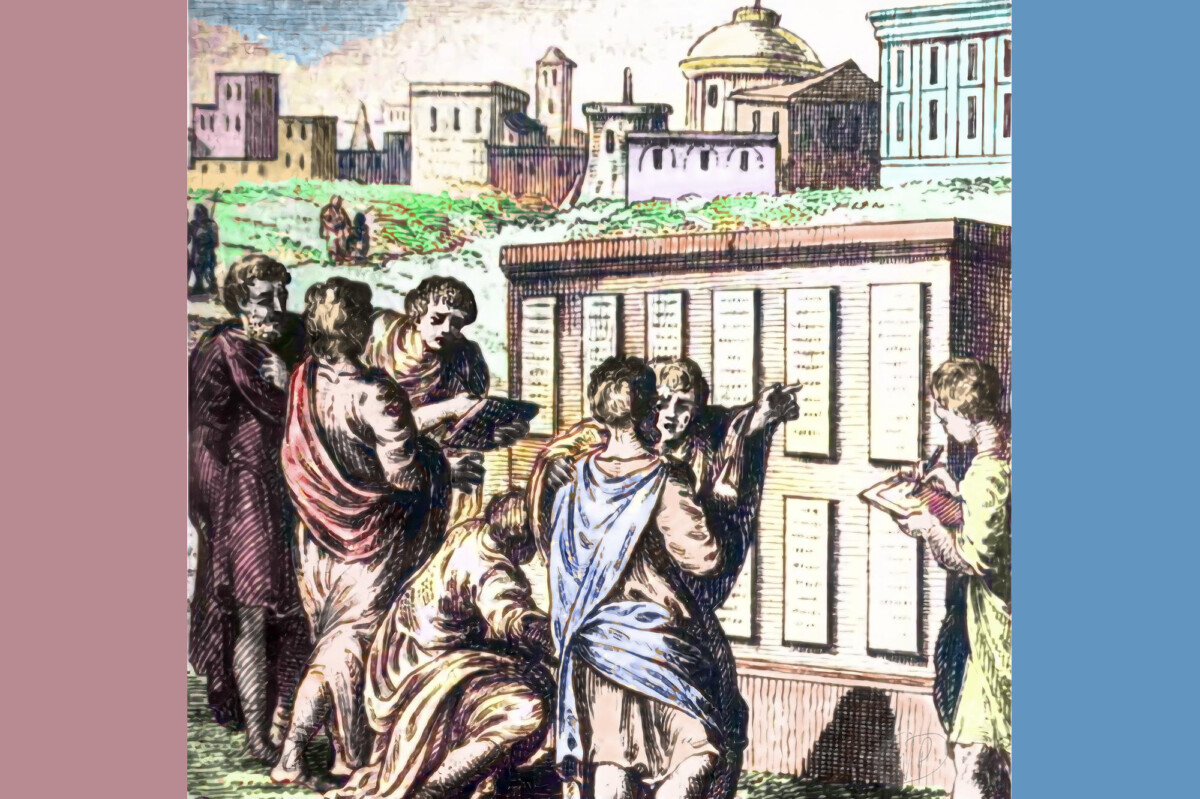
451 BCE. Law of the Twelve Tables. Think well by remembering that law is not just rules. It is one of society’s great methods for forcing claims into the open.
Lived from 428 to 347 BCE, aged 80.
98 Generations Ago.
Plato
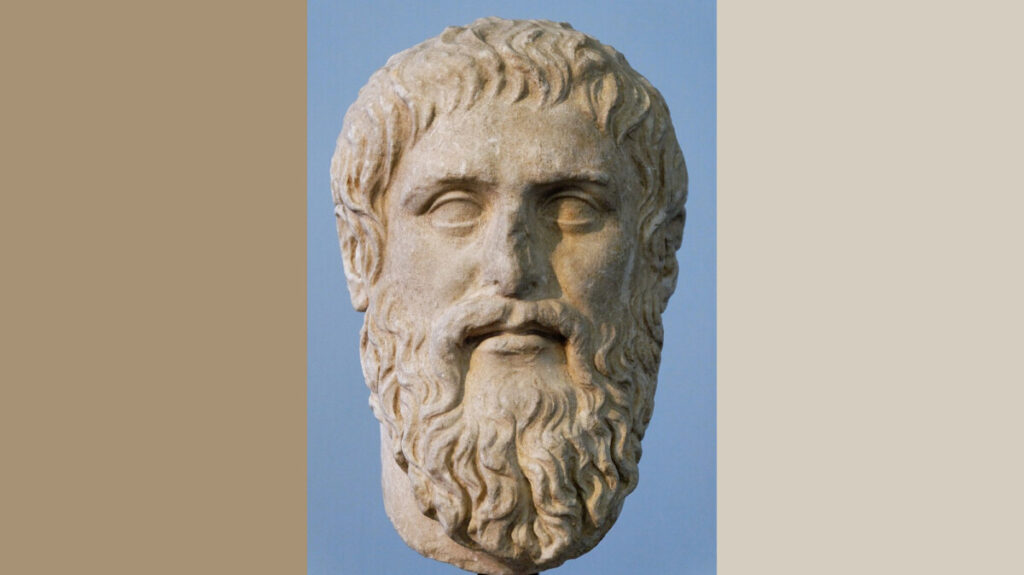
Plato pushed philosophy beyond what we can immediately see and touch. Even if we reject his literal Realm of Forms, his deeper insight remains useful: appearances can mislead, while concepts help us organize reality. Wisdom means understanding both the world before you and the ideas you use to interpret it.
A constant state of self-assessment.
Reflective Inquiry

Use reflective inquiry to help you notice the illusions you are living inside: inherited stories, social constructs, fear, trauma, ego, bias, and mistaken identity. To think well, turn inquiry inward and ask what you are mistaking for reality.
Strategic ignorance.
Ignorance is Bliss

New Look
Plato and Aristotle’s Relationship

Born 384 BCE, lived to 322 BCE, aged 62.
96 Generations Ago.
Aristotle
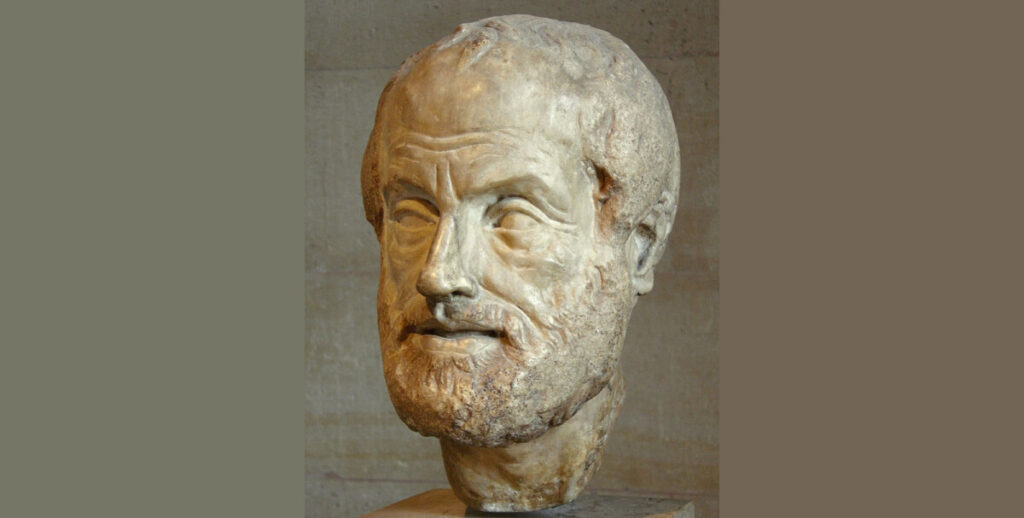
Portrait of Aristoteles. Copy of the Imperial era (1st or 2nd century) of a lost bronze sculpture made by Lysippos
Logically connect things.
Syllogisms

Prioritize your ideas over reality.
Rationalism

Prioritize reality over your ideas.
Empiricism

Reality is organized and mathematical.
Logic

Aristotle helped make reasoning visible. He showed that arguments have structure, and that conclusions must be tested against their premises.
Flaws in reasoning.
Logical Fallacies

Flourish now and into the future.
Eudaimonia

In ancient Greek, eudaimonia was the best way to live. It varied by tradition, but usually included virtue as part of flourishing.
Daoism
Chuang Tzu (369-286 BCE)

b. 360 BCE
360 to 270 BCE
Pyrrho of Elis
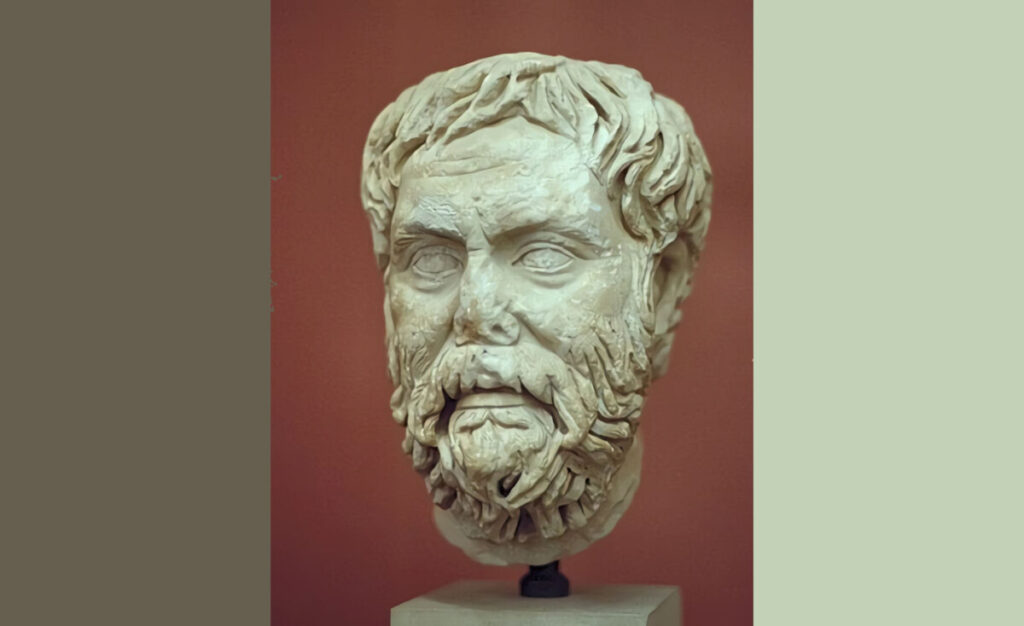
Question your beliefs and avoid dogmatism.
Skepticism

Shared, not natural agreements.
Social Constructs

Social constructs are the human-made concepts shaping our reality.
New Look
Epicurean Happiness Toolkit: A 4-Step Structure

TST uses the Epicurean Happiness Toolkit to manage pleasure. A reimagining of core Epicurean principles, it teaches you to prefer long-term pleasures over short-term ones. In doing so, it raises the simple pleasures, especially friendship, tranquility, and freedom from unnecessary fear. It is a common floor for managing pleasure under wisdom. It is also a hook into Epicurean thought.
b. 341 BCE
341 to 270 BCE
Epicurus
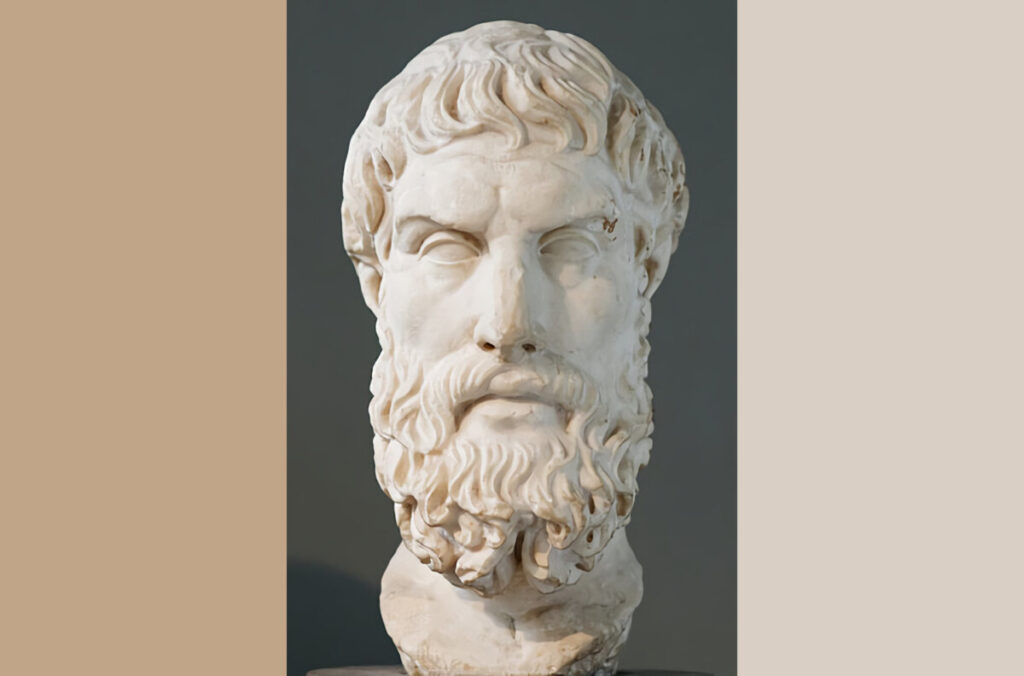
Roman marble copy of a 3rd-century BCE Greek original, likely created before 1st century CE.
Don't waste time on the unknowable.
Live in the present.
Agnosticism

The essence of agnosticism is the uncertainty and indifference toward the unknowable.
Prefer long term pleasures over short.
Dichotomy of Pleasure

Dichotomy of Pleasure: Epicureanism highlights the difference between short-term and long-term pleasures. They assert you can live a better life by focusing on long-term pleasures like exercise and reading over short-term pleasures like overeating and getting drunk.
Stoicism
Father of Stoicism
Zeno of Citium (334-262 BCE)
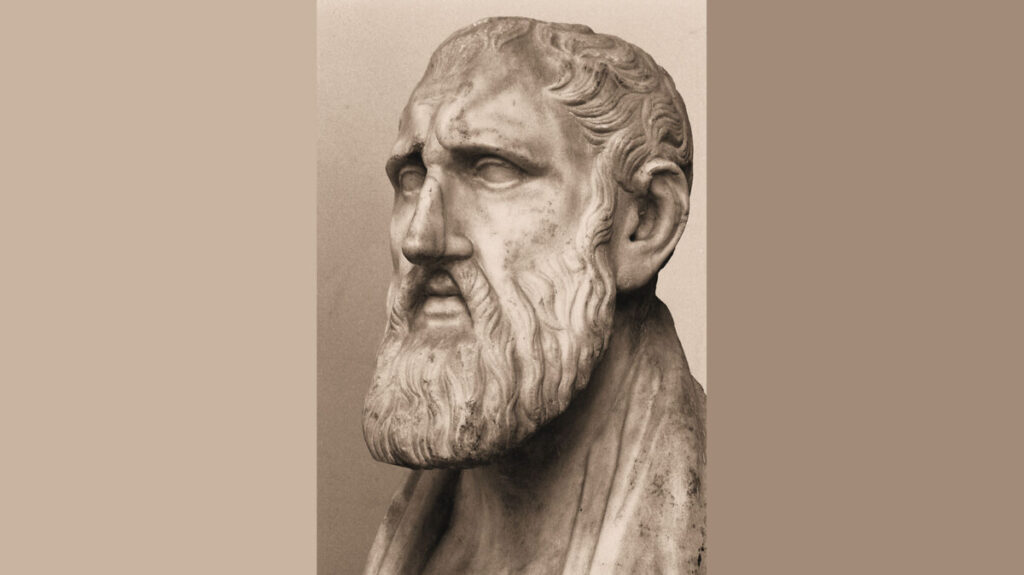
322 BCE
Wake of Alexander the Great
The Foundation of the Maurya Empire
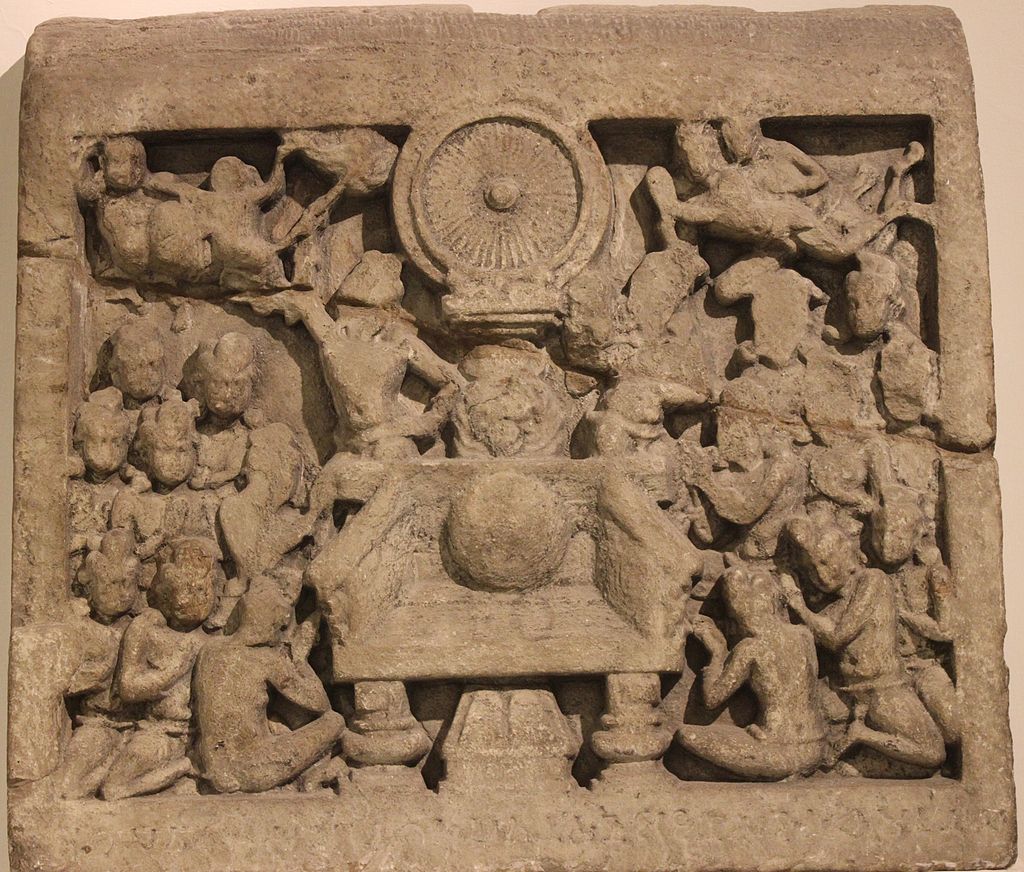
106 BCE
84 Generations Ago
Cicero (106-43 BCE)
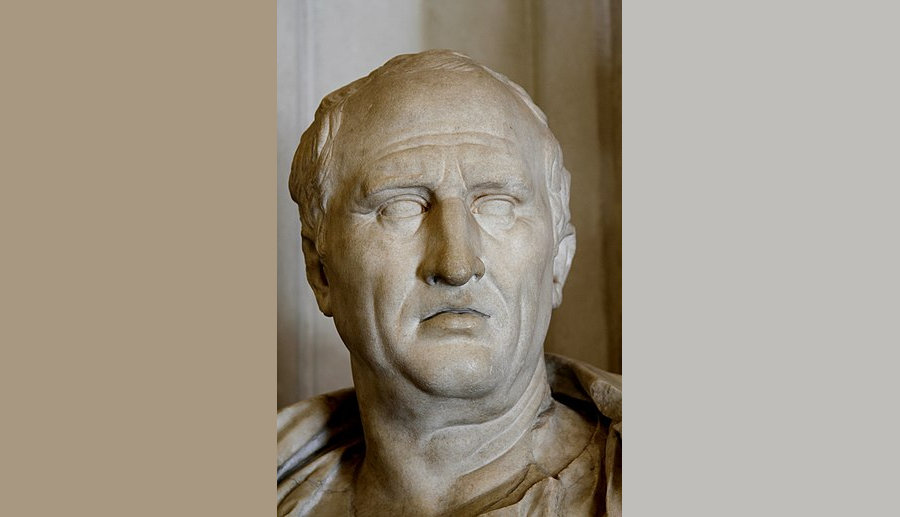
Born circa 20 BCE, lived to circa 55 CE.
82 Generations Ago.
Philo of Alexandria
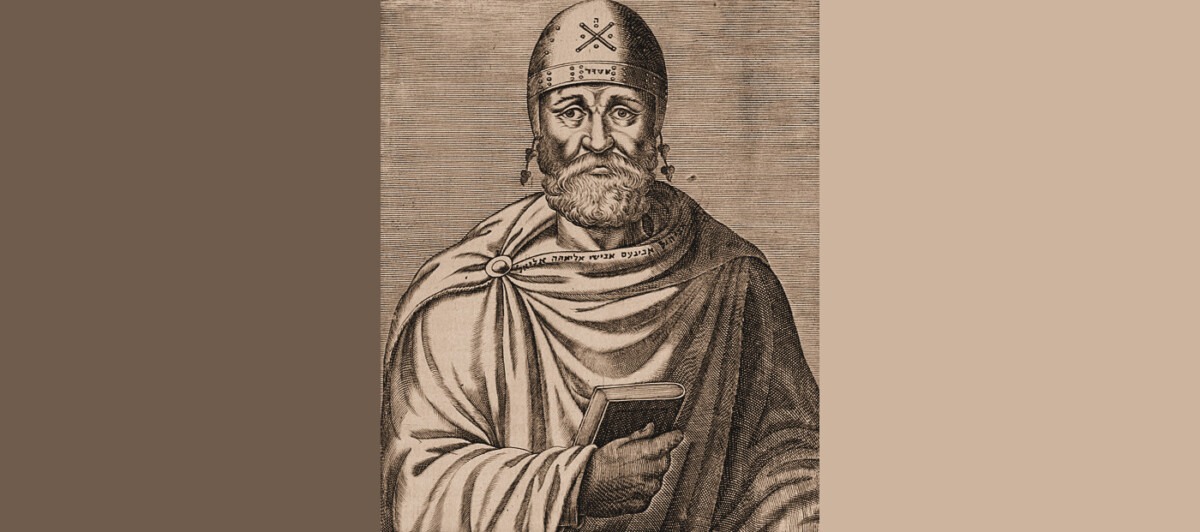
Old portrait from 1500s. He likely did not look like this.
Stories have complex meanings.
Allegorical Interpretation

Imagined Image: Philo of Alexandria reinterpreting the story of Noah through allegorical interpretation. It captures the essence of his scholarly reinterpretation with symbolic elements.
Stoic Tradition
Roman Stoic Statesman
Seneca the Younger (4 BCE – 65 CE)
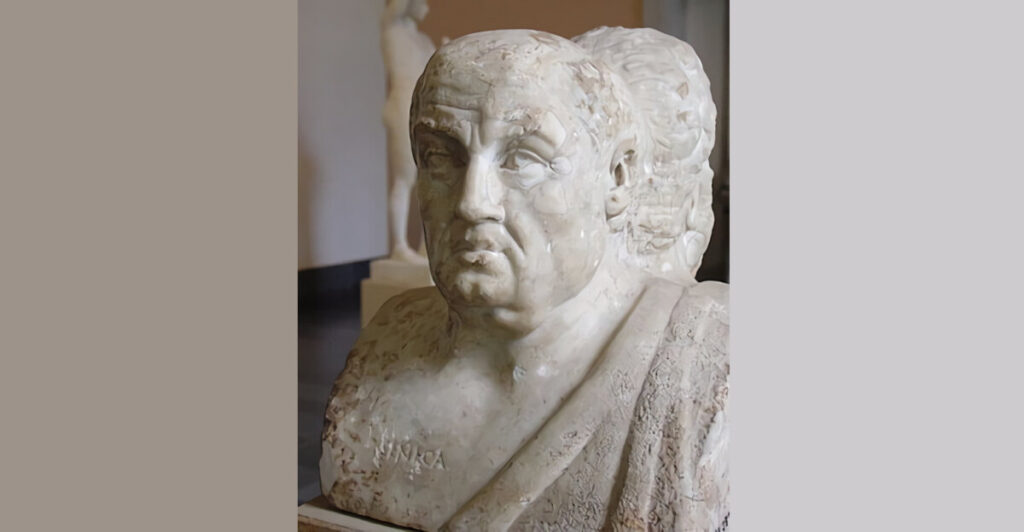
~20 Million Years Ago (+/- 10 million)
Black mold
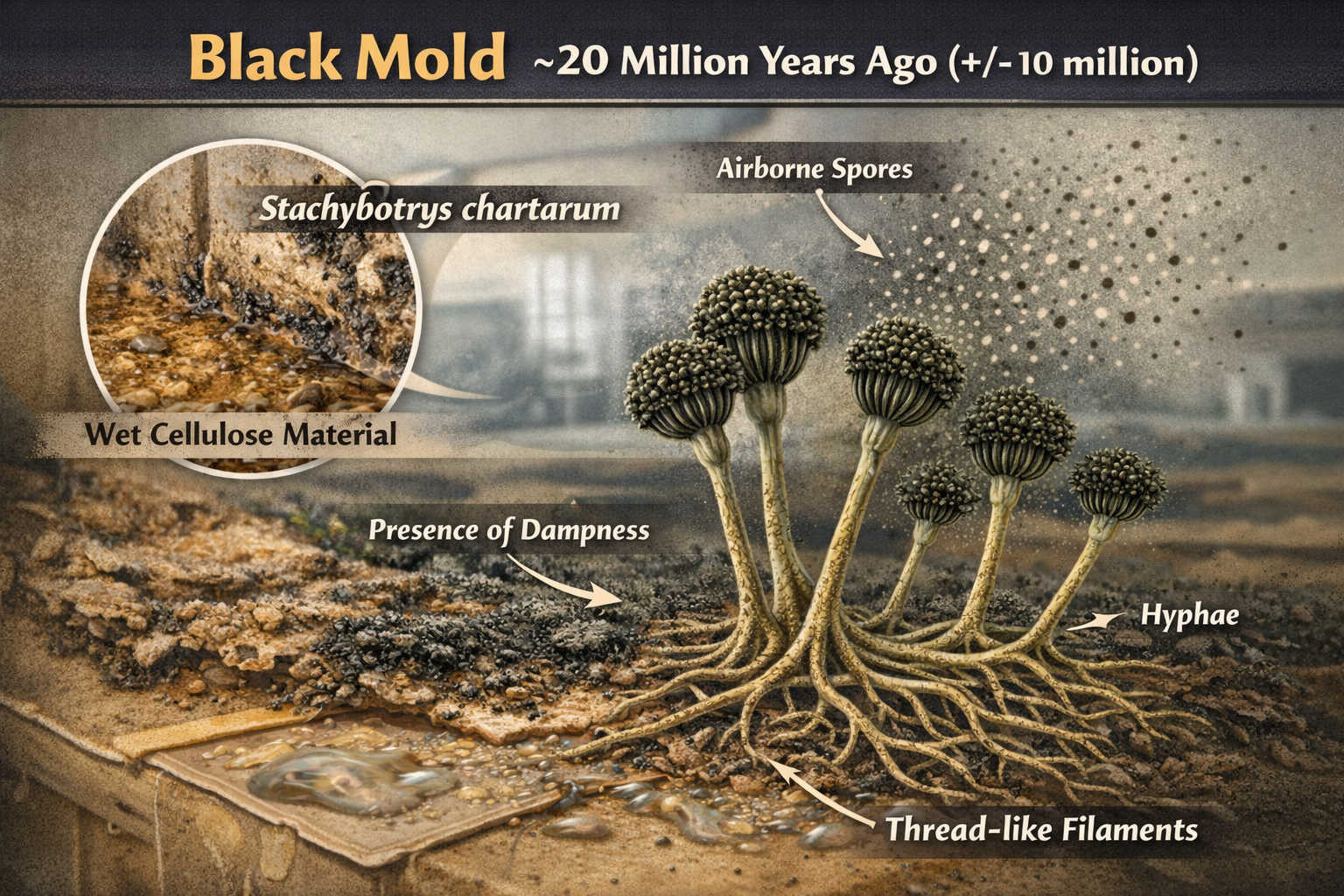
The dark mold in your shower is part of the same ancient mold story — not always the exact same species, but certainly the same fungal world.
65 CE
Earliest Known Magnification

crystal lens ball in a woman’s hand, with a refracted view of a misty country lane
circa 100 CE
78 Generations Ago
Epictetus (50-135 CE)
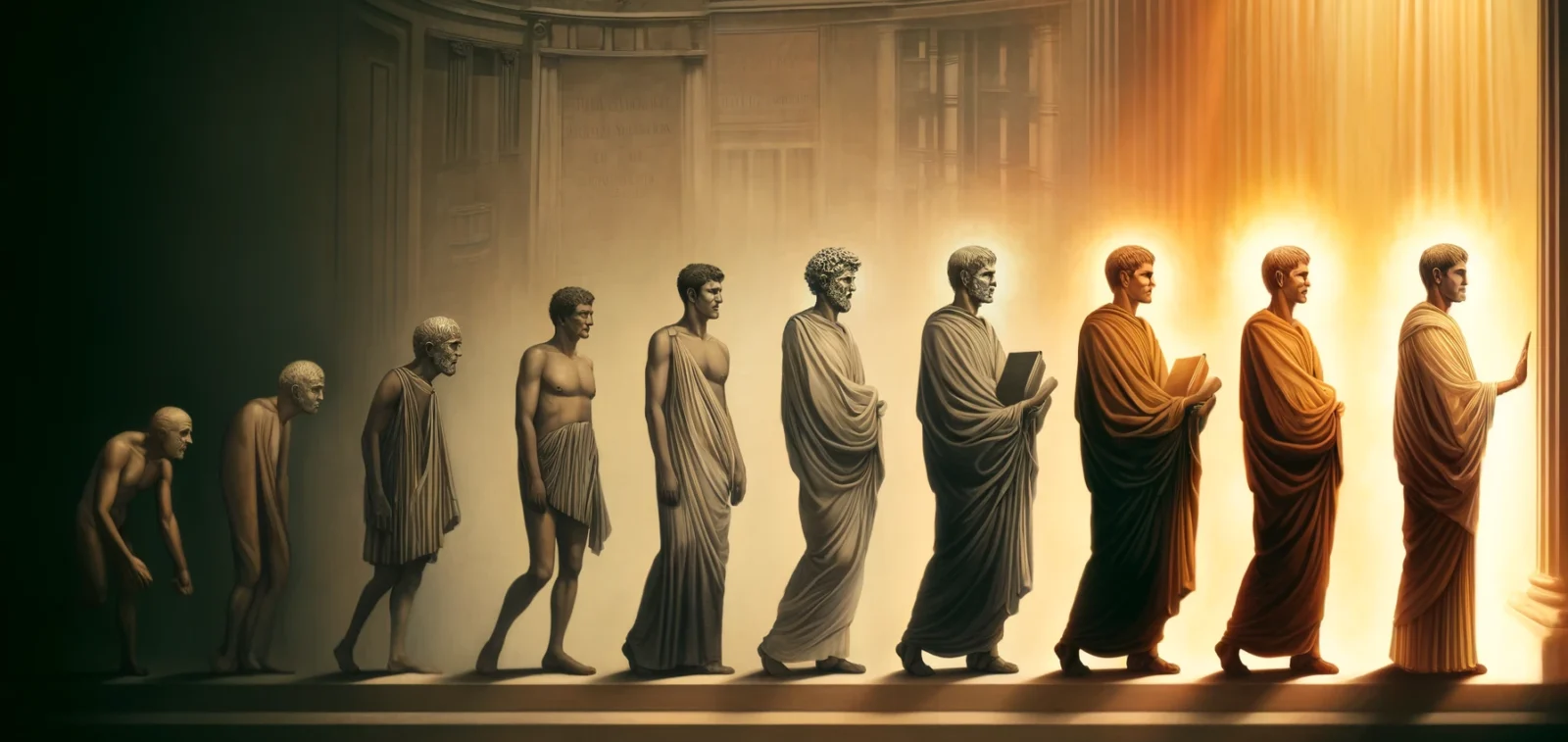
Epictetus taught that freedom begins by distinguishing what is within your control from what is not. Focus your effort on your judgments, choices, and actions, and learn to accept the rest.
New Look
Marcus Aurelius: An Explorative Agnostic

You have things you believe and things you don't. The stuff in the middle is your agnostic beliefs. You do not need to resolve every uncertainty. Explore what interests you, remain open to better answers, and resist pretending certainty where none exists. Then live well within the reality you actually have. Marcus Aurelius shows that curiosity without premature commitment creates strength, not weakness. Flourishing grows from responsible action inside uncertainty.
New Look
Stoic Virtue Framework: A 4-Step Structure

The Stoic Virtue Framework leverages traditions from ancient Greece and Rome to help you govern yourself, practice virtue, and aim your character toward flourishing for all.
born 121, died 180 CE.
76 generations ago.
Marcus Aurelius
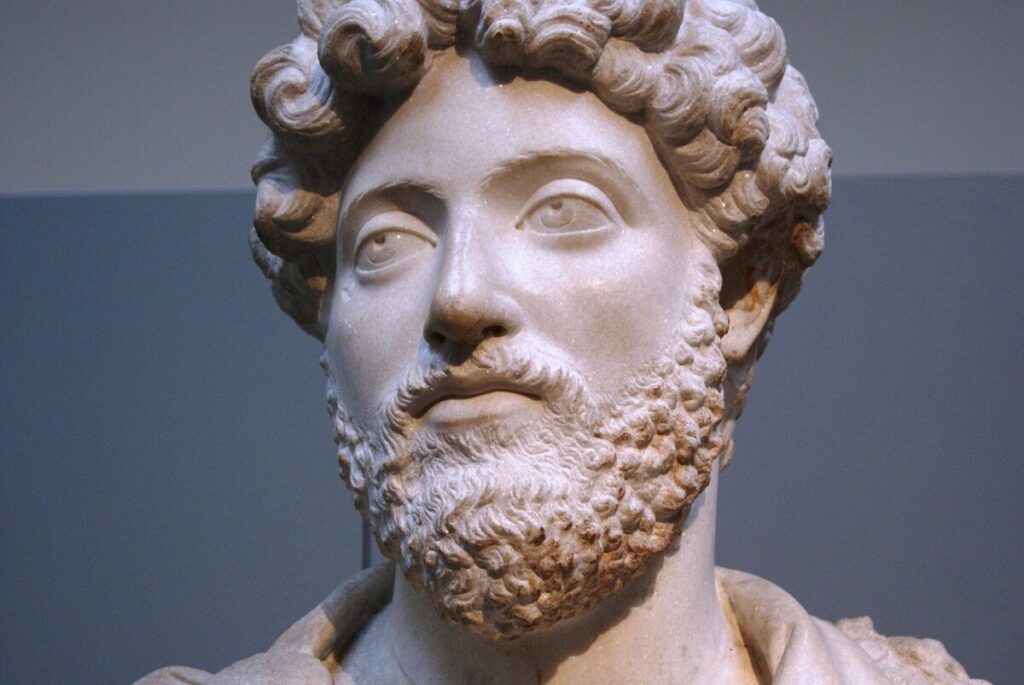
Marcus Aurelius inherited centuries of Stoic thought and put it to work in the difficult reality of governing an empire. His life reminds us that Stoicism is not about controlling the world. It is about governing yourself within it—your judgments, intentions, choices, and actions—while striving to act with virtue.
Emotions are judgements.
Cognitive Reframing

Mental agency is deliberately influencing what you attend to, how you interpret experience, and how you respond mentally. One technique is cognitive reframing where you ask how else you can interpret something. The key idea is that events frequently have several valid interpretations. Why not reframe events to align with a better life.
Contemplate the future.
Negative Visualization

Negative visualization can give you mental agency by casting your gaze ahead, pinpointing potential hiccups and solutions in your journey. Part of taking control of the direction of your life is to understand and explore the road ahead.
Step outside your reality.
Cognitive Distancing
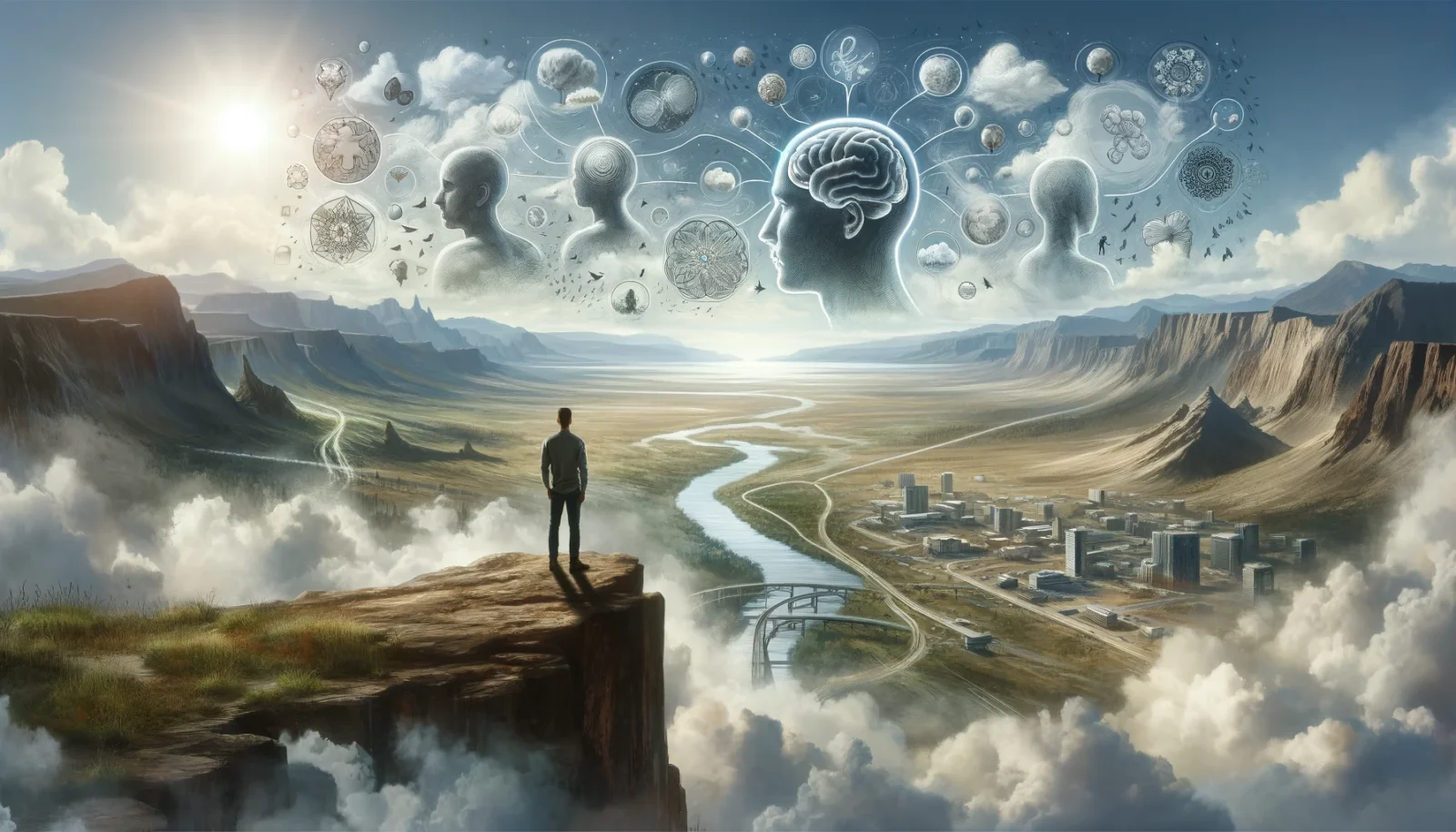
Cognitive Distancing and the Stoic View from Above: Gain clarity and objectivity by mentally elevating yourself to see the broader perspective, reducing the emotional impact of transient thoughts.
185 CE
Verified. Historically documented and empirically validated.
RCW 86 Supernova
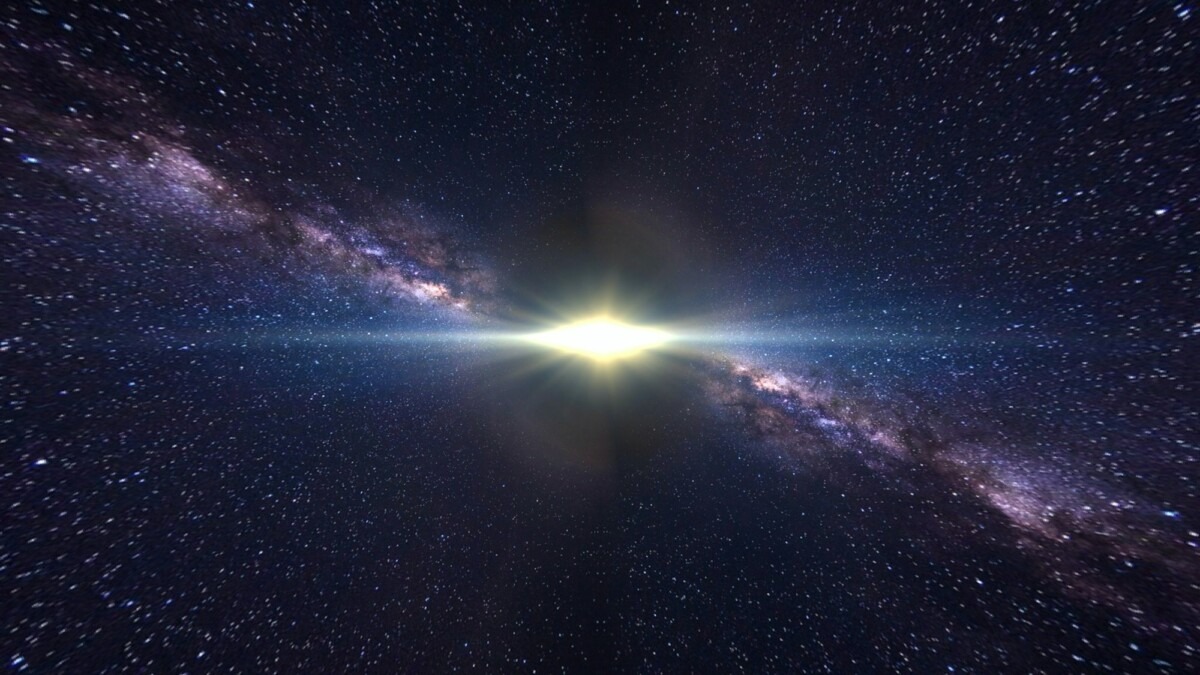
galaxy, cosmos, physical, science fiction wallpaper. Deep space.
circa 300 BCE to 200 CE
Badarayana
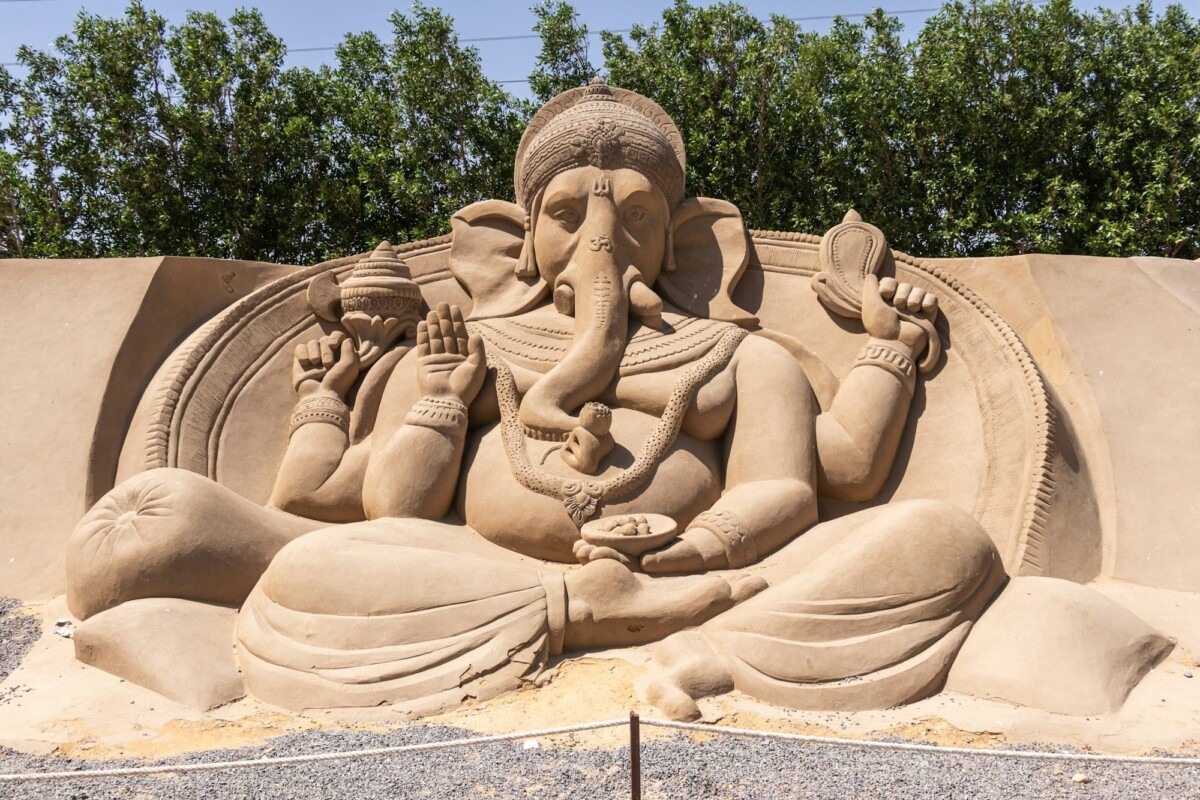
sand sculpture of Ganesha in Hinduism, the god of wisdom and well-being with the head of an elephant
Karma
Cause and Effect

Cause and effect, the idea that every action has a reaction and ethical implications of personal responsibility and the acceptance of consequences.
Maya, Illusion.
Cognitive Biases

Cognitive bias: the mind’s attempt to simplify complexity can quietly distort perception. Without discipline, shortcuts become traps — shaping decisions, inflating certainty, and steering judgment away from reality.
New Look
The “Dark” Middle Ages

The Middle Ages, from the end of the classical era to the Renaissance, is traditionally seen as intellectually dark due to the dominance of a single narrative over the unknown. It is characterized by the rise of belief systems.
New Look
Holistic Eudaimonia

The psychology of Holistic Eudaimonia surfaces with the various stages of life, acts of kindness, and elements symbolizing legacy and future impact. It blends natural life with the abstract concept of time and space, highlighting the continuity of actions and their lasting effects.
born 354
Lived from 354 to 430 CE, aged about 76.
Augustine of Hippo
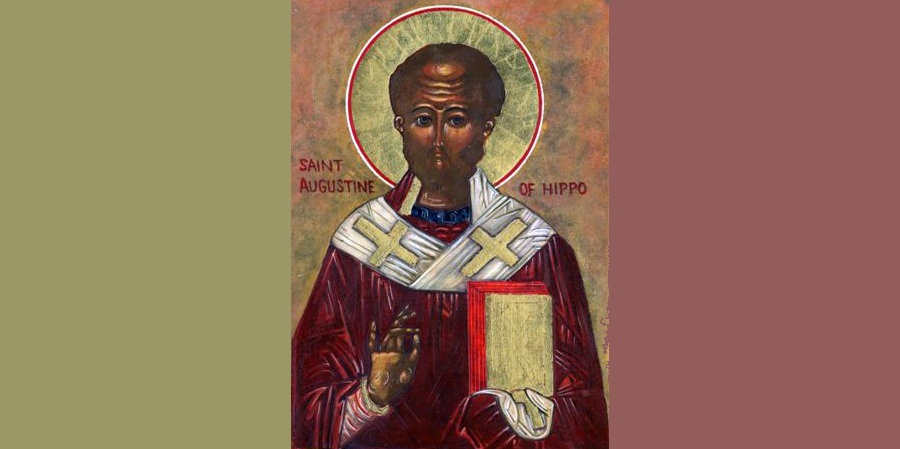
Augustine is known as the father of Western religious scholarship. He reconciled the science and philosophy of Aristotle with church beliefs.
Spacetime
Chronoception

Chronoception: remembering past events, experiencing the present, and anticipating the future.
Block Theory of the Universe
New Look
Eternity

Augustine's concept of eternity as 'all time at once,' positioned as a precursor to the modern block universe theory. Time existing simultaneously.
Born in 872, lived to 950.
46 Generations Ago
Al-Farabi
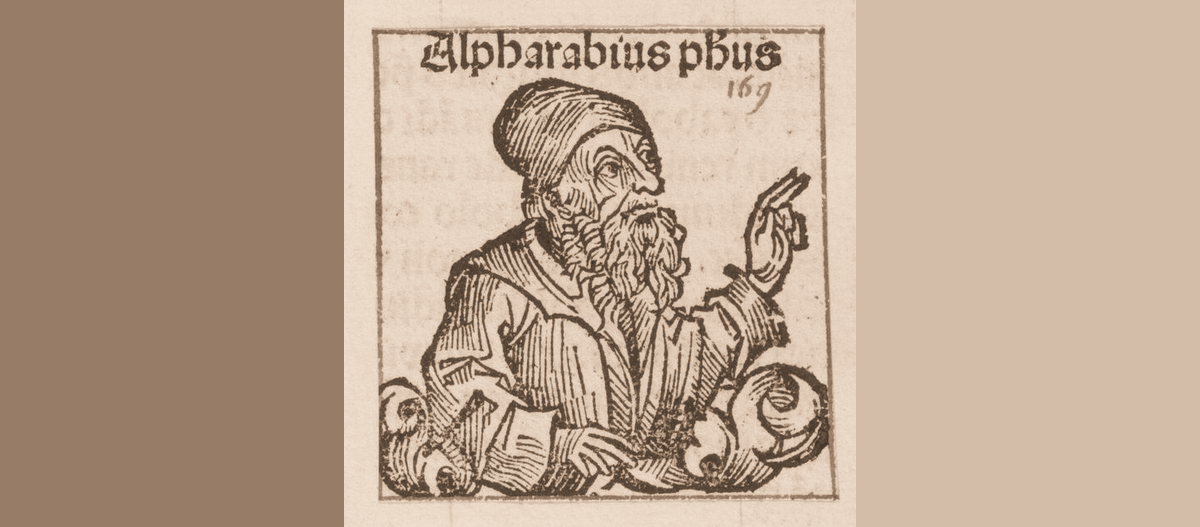
Artist impression. No image of Al-Farabi exists.
Blank slate filled with impressions
Intellect

The Journey of Intellect: From the potential of a blank canvas, through the exploration of creating, to the mastery of refining a masterpiece. This triptych captures the evolution of human thought and creativity.
You exist, then you mold your essence.
Essence and Existence

At least in this life, existence precedes essence: we are born into species-level biological structure, but individual identity forms over time. No publicly verified prewritten metaphysical script — only structured reality, evolving memory, and the eventual fading of each life into history’s shadow.
New Look
The Floating Man Thought Experiment

Floating Man thought experiment, Deprivation Chamber edition. Imagine you are floating in a dimly lit, minimalist room with a futuristic-looking tub filled with dense saltwater. The separation of the mind from the physical body, conveying a sense of isolation and introspection.
born 965
965 to 1040
Alhazen
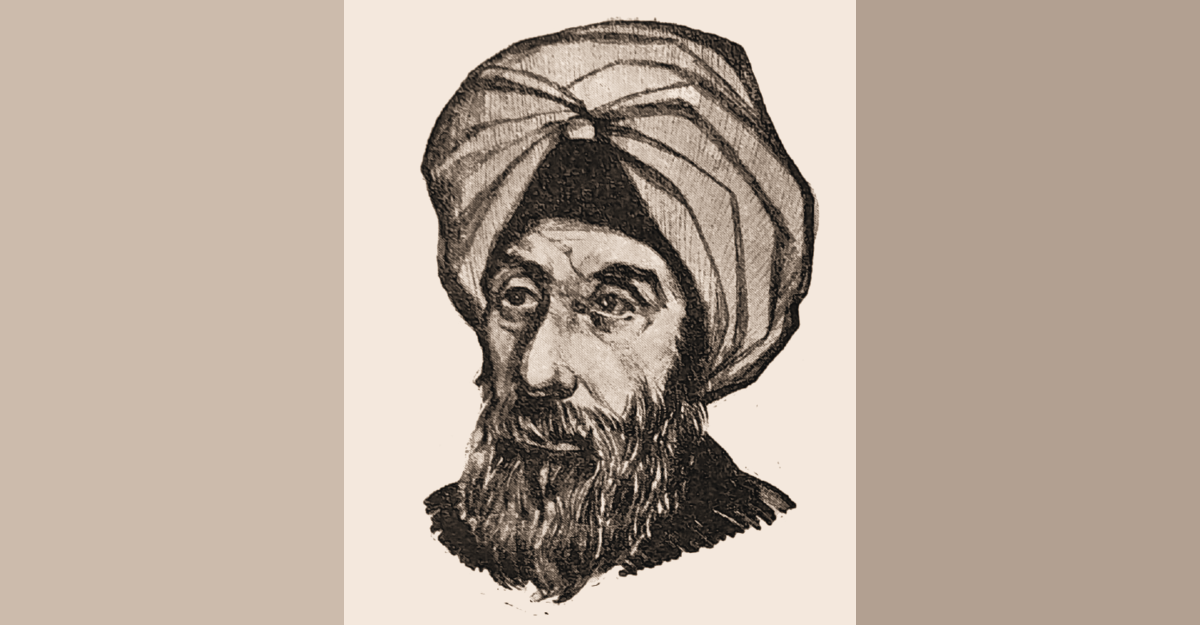
1000 CE
Word-Spacing
Use grammar to strengthen clarity, not to suffocate communication. Before about 1,000 CE, we didn't even have spaces!
Circa 1020
New Look
The Five Senses of Humans

Olfaction or Sense of Smell Study.
Interpretation
Touchstone: Perception

Perception, how the brain interprets sensory information and transforms it into understanding.
Mike's Spacetime Game
New Look
Time Trail Game: Mindful Time Travel

Time Trail Raw is you in two distinct but connected locations, pondering the raw, prelinguistic nature of thought and perception. Your prelinguistic thoughts creating a sense of mindfulness and introspection.
Neoplatonist
French Philosopher
Bernard of Chartres (circa 1070 – 1130)

There are no surviving images of
Bernard of Chartres. As a scholastic, the best we can do is an artistic representation of scholasticism.
born 1079
1079 to 1141
Peter Abelard
Good Intent vs Good Results
Intent

Good intent directs an action toward a defensible good with honesty, care, and responsibility. Bad intent directs an action toward harm, manipulation, exploitation, revenge, or selfish gain, even when it is disguised in moral language.
Abstraction brings understanding and illusion
New Look
Object-Oriented Nature

Humans perceive a bicycle as a simple, efficient tool for movement, travel, and carrying things. However, each bike is an intricate assembly of parts like handlebars, frames, and wheels, made from materials such as aluminum, steel, and rubber. These materials themselves break down into fundamental elements like iron, carbon, and manganese. This image captures the layers of abstraction in our perception, from the complete bike to its atomic structure, showcasing the complexity behind everyday objects we use to move through the world.
New Look
The Problem of Universals

Universals are the properties, actions, and relations, that are shared by, but may transcend, multiple concrete objects and/or abstract entities.
Patterns in Nature
Pattern Recognition

Humans possess a remarkable ability to hierarchically organize the patterns they perceive, known as pattern ranking. From simple shapes and natural forms to complex abstract symbols, our minds categorize and rank these patterns, creating a structured understanding of the world. This image illustrates the cognitive process of organizing and interacting with patterns, highlighting the depth and complexity of human perception.
New Look
The Idea of Ideas

A personal spiritual experience may be real as an experience, meaningful as a belief, and still fall short of public proof about the material world.
New Look
Grand Rational Framework

The Grand Rational Framework is comprised of rational frameworks in which validated empirical elements form a solid foundation. There are logically consistent interconnected relationships between empirical claims which create a stable and ever-evolving understanding of the material world. This knowledge expands and is limited by the vast expanse of the universe.
1115 CE.
Started about 1113, completed within decades.
Angkor Wat

Initially built by the Khmer Empire as a Hindu temple, Angkor Wat later became a major Buddhist temple. Today, its surviving Hindu and Buddhist carvings stand as a testament to religious continuity and the evolution of traditions.
Around 1200 CE
Inca Society Emerges

Inca Society in Their Heyday: A bustling Inca city after 1400 CE, featuring stone buildings, terraced fields, and vibrant cultural life set in the lush Andes mountains.
1215
Magna Carta
12 Nov 1216
The First Great Charter of King Henry III
1300 CE
Upper and Lowercase Starts

On the Revolutions of the Celestial Spheres by Nicolaus Copernicus, 1543. By this groundbreaking book, the widespread adoption of modern punctuation had evolved.
1300
The Māori Settlement of New Zealand: Earliest Known
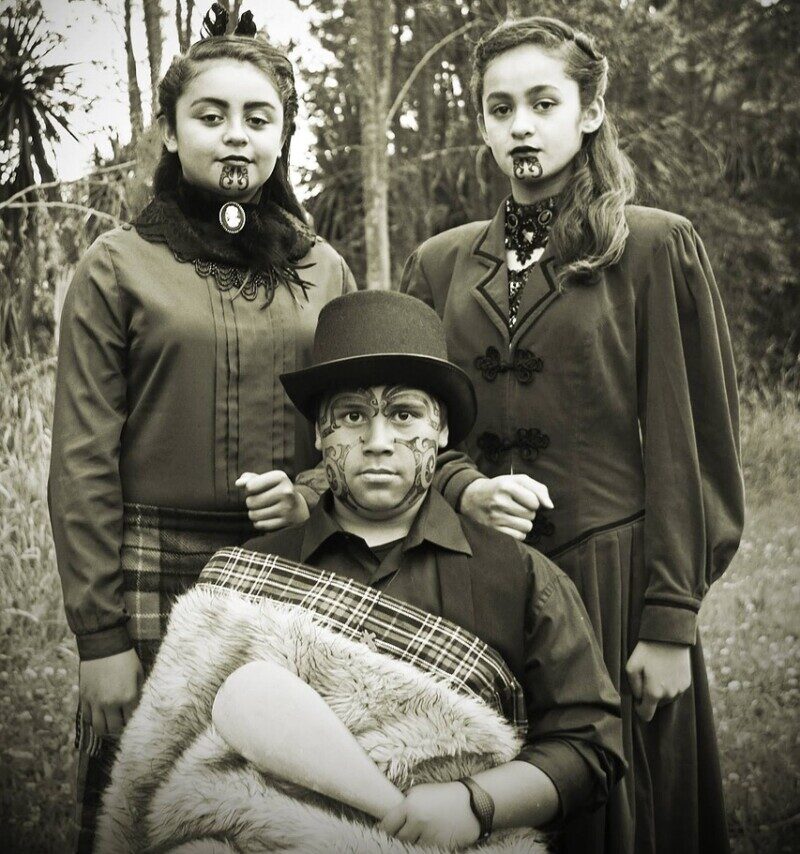
Photo by <a href="https://pixabay.com/users/2651624-2651624/?utm_source=instant-images&utm_medium=referral" target="_blank" rel="noopener noreferrer">2651624</a> on <a href="https://pixabay.com" target="_blank" rel="noopener noreferrer">Pixabay</a>
1400
Hourglass

Hourglass on the Beach
1440
Germany
Printing Press Invented

The printing press gave journalism reach, making public scrutiny possible at a larger scale.
born 1469
1469 to 1539
Guru Nanak
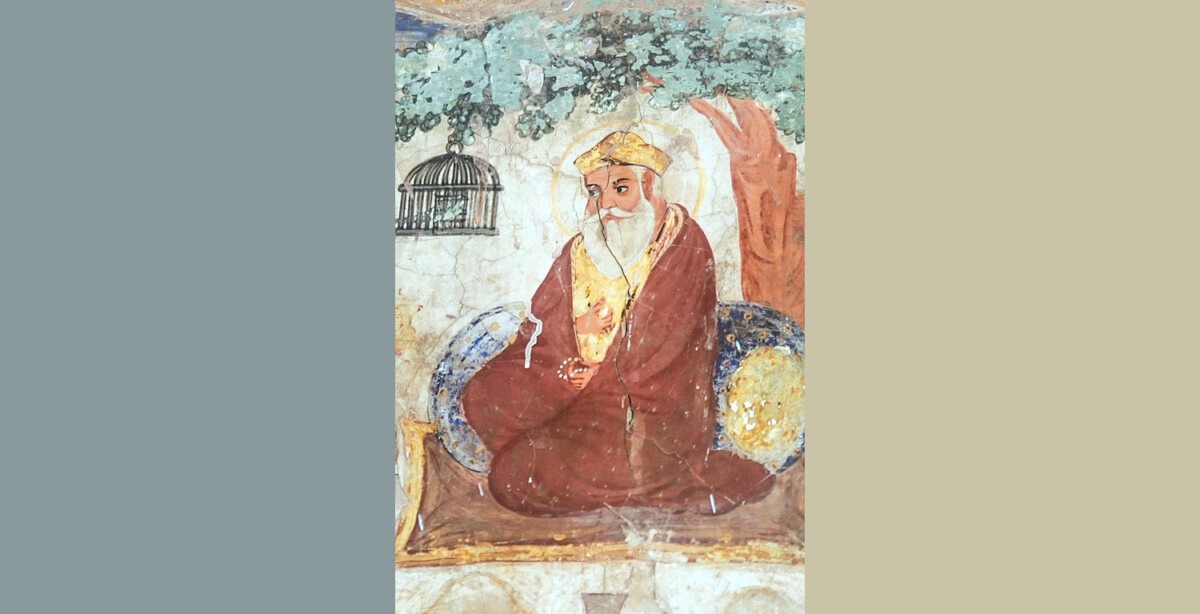
born 1473
Lived 1473 to 1543, aged 70.
Nicolas Copernicus
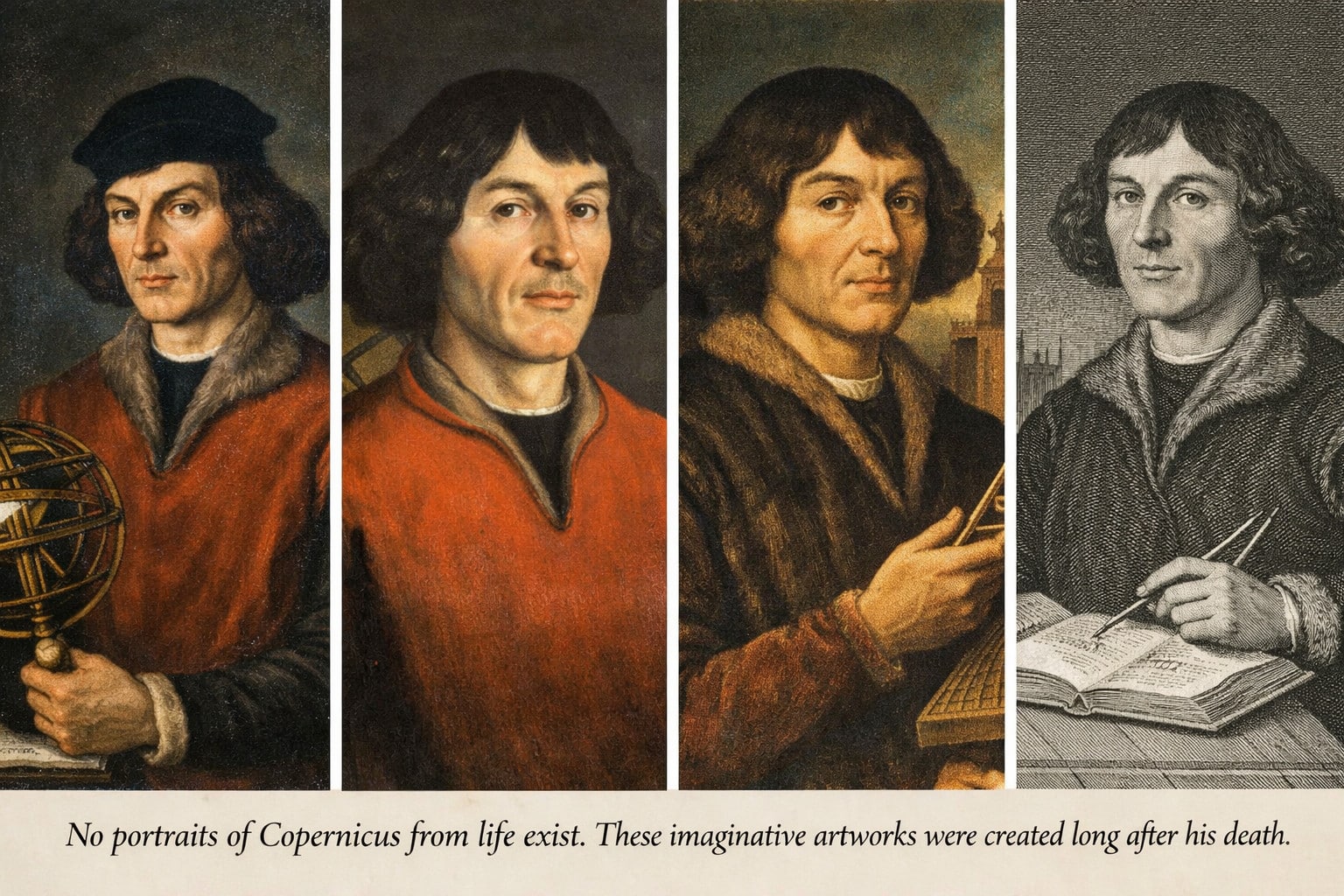
No confirmed likeness survives. These portraits are later artistic interpretations.
5 ethical guideposts
The Five Thieves

The Sikh concept of The Five Thieves: Lust, Anger, Greed, Attachment, and Ego.
28 Feb 1533
Michel de Montaigne (1533-1592)
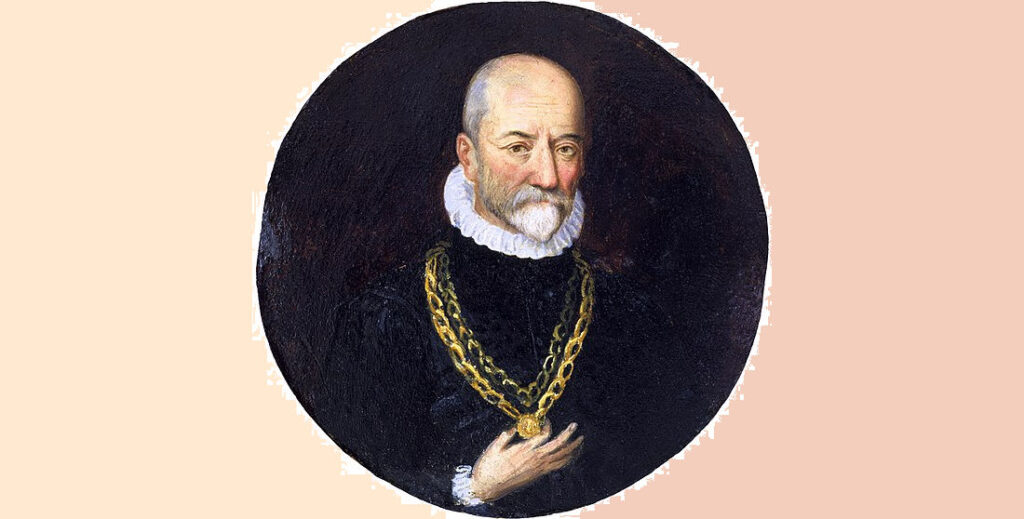
born 1561
1561 to 1626
Francis Bacon
born 1564.
Lived from 1564 to 1642, aged 77.
Galileo Galilei
Portrait of Galileo at about 74. He included a copy in his 1638 Two New Sciences book.
1590 to 1640 CE
Microscope Invented = Microworld Discovered!
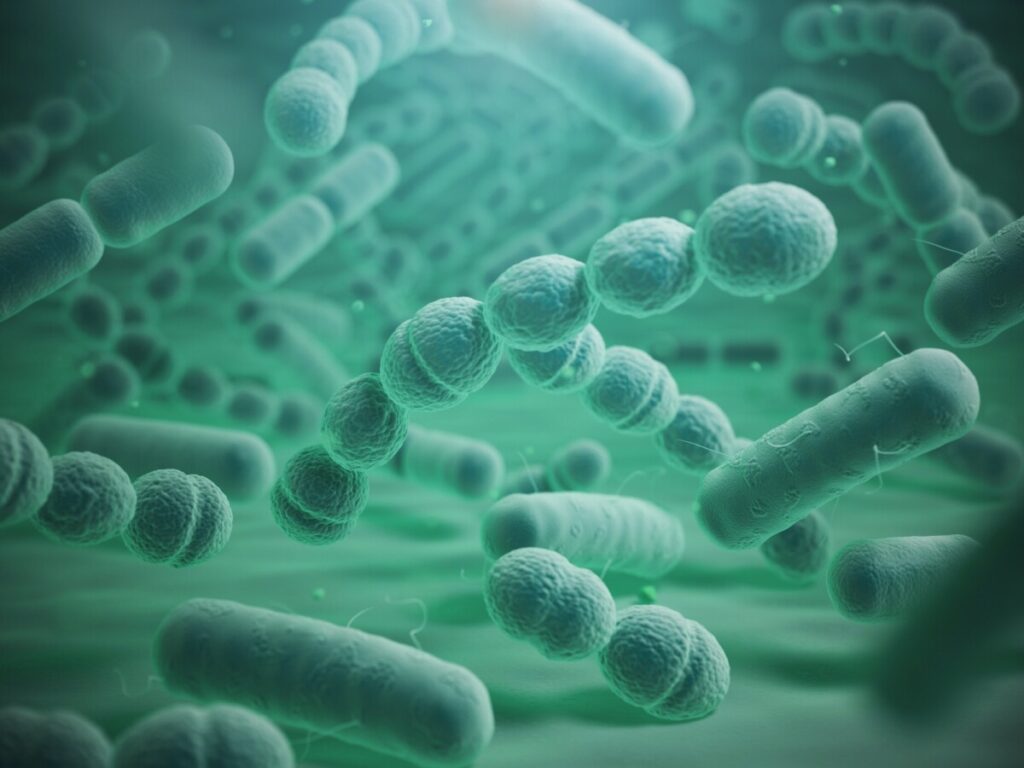
Various bacteria cells in microscope. Streptococcus pneumonia, p
How new ideas become.
New Look
Idea Modeling

Idea Modeling is a fresh new look at the process of creating new ideas. It is the dynamic interplay of various cognitive functions, but especially pattern recognition and conceptual blending. For this discussion let’s add in curiosity, gap-filling, and information bias. The whole thing is guided by apathetic agnosticism, our defense against bad ideas. It is in line with modern neurobiology, but to be clear, it’s just a general philosophical lens, another view of how ideas are forged.
3 Types: Empirical, Rational, & Irrational
New Look
Pragmatism

The Rational Pragmatist embraces common knowledge and accommodates their Christian faith while rejecting most other supernatural ideas. The Irrational Pragmatist does not believe in common knowledge.
Lived from 1596 to 1649.
17 Generations Ago.
Rene Descartes
René Descartes was born into minor nobility in the Kingdom of France on March 31, 1596. In 1637, Descartes published "Discourse on the Method," he sought to identify certain knowledge by using doubt to strip away uncertain beliefs. Cartesian Skepticism is a system of doubt aimed at identifying certainties by dismissing all beliefs susceptible to even the slightest uncertainty. On February 11, 1650, in the presence of a small circle of friends, he exhaled his last breath.
circa 1600 CE
Late 16th to Early 18th Century
The Birth of Baroque Art
Photo by <a href="https://unsplash.com/@birminghammuseumstrust?utm_source=instant-images&utm_medium=referral" target="_blank" rel="noopener noreferrer">Birmingham Museums Trust</a> on <a href="https://unsplash.com" target="_blank" rel="noopener noreferrer">Unsplash</a>
1748 with Montesquieu
Evolved from 1640 through 1748
Separation of Church and State

Everyone is equal.
Liberalism

Liberalism emphasizes personal freedom, individual rights, equality before the law, and limited government intervention. It is political freedom and civil liberties.
Born circa 1602, died Mar 1683, aged about 80.
17 Generations Ago
Roger Williams
No images exist of Roger Williams. This artist impression represents his fond relations with Native Americans. Landing Place monument in Slate Rock Park, Providence Rhode Island.
5 Nov 1605
Gunpowder Treason Plot
1606
King James I Orders New British Flag

The U.K. flag from
1608
Modern Cosmology

"<a href="https://www.flickr.com/photos/11304375@N07/2818891443" target="_blank" rel="noopener noreferrer">01 The Solar System PIA10231, mod02</a>" by <a href="https://www.flickr.com/photos/11304375@N07" target="_blank" rel="noopener noreferrer">Image Editor</a> is licensed under <a href="https://creativecommons.org/licenses/by/2.0/" target="_blank" rel="noopener noreferrer">CC BY 2.0</a>
1610
Galileo: Observation Corrects the Map
Portrait of Galileo at about 74. He included a copy in his 1638 Two New Sciences book.
1611
King James Bible Published
18 Mar 1612
Bartholomew Legate Burned at the Stake
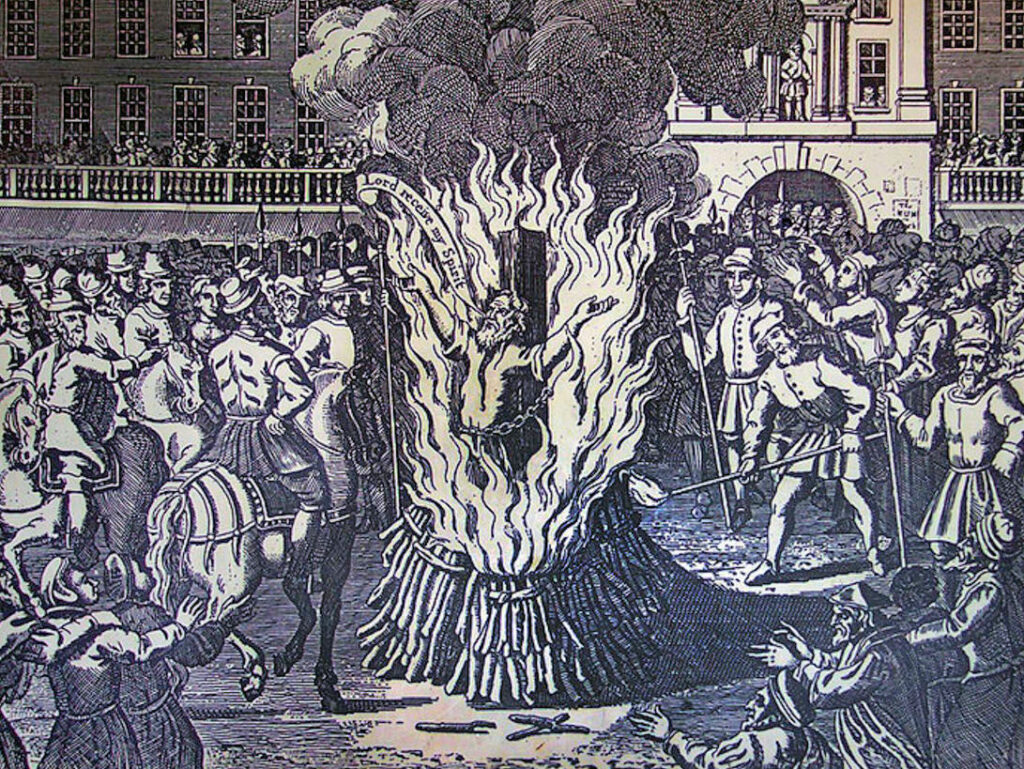
11 Nov 1620
Mayflower Compact
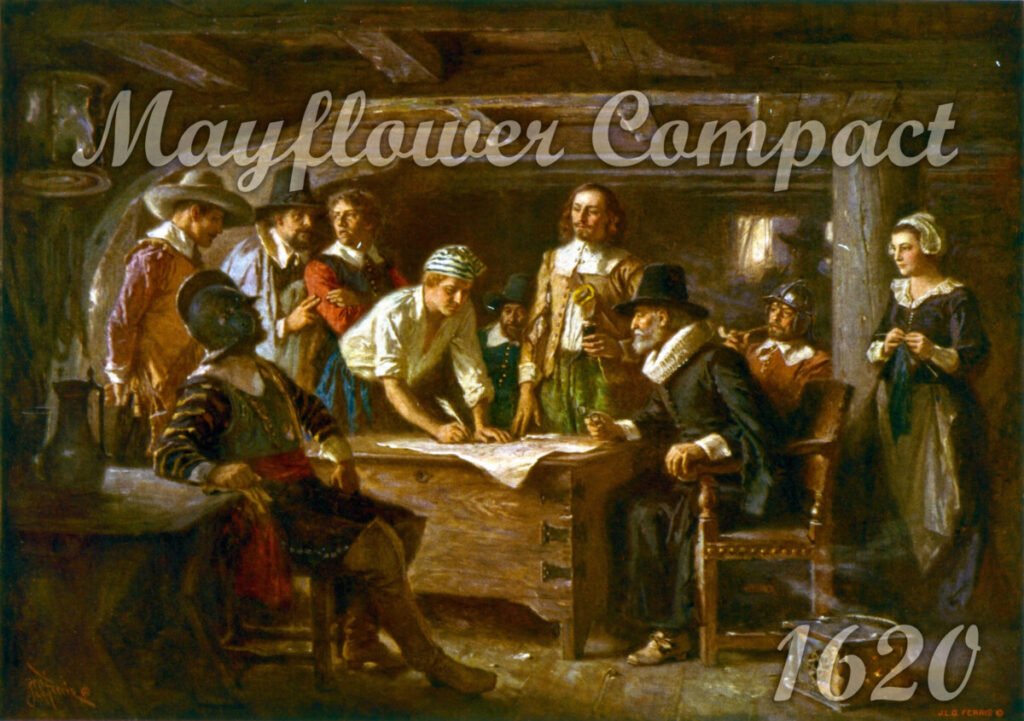
Artist rendition of what the signing of the Mayflower Compact might have looked like.
The Idea of the Unknowable Dao
New Look
Absolute Truth

Remember absolute truth belongs to the material world as it is. Humans never hold it absolutely. You construct empirical and rational descriptions that align with reality or not, and then you believe each one with a degree of confidence. Each of your claims remains open to testing and revision. Even your strongest conclusions are provisional: true until disproven, not true beyond challenge.
Processes that uncover truth.
New Look
Truth Hammers

A disciplined thinker does not hand confidence to a claim just because it is common. First ask whether it lives by habit, tribe, and repetition, or by testing, evidence, and open challenge.
1629
Modern science started in the 1600s.
The Scientific Method

New Look
Idea Theory Framework

The transformative process of ideas through the Idea Theory Framework. Panel One: whimsical and imaginative birth of speculative ideas. Panel Two: rigorous testing of hypotheses in the scientific laboratory. Panel Three: established theories are taught and shared in the classroom. The cyclical nature of this process, including the possibility of demotion for disproven ideas, underscores the dynamic and evolving pursuit of knowledge.
Jul 1632
Relativity Principle
Life, Liberty, & Property Rights
Natural Rights

Protection against authority.
Emerged in the 1600s.
Due Process

born 1632
1632-1677, aged 44
Baruch Spinoza
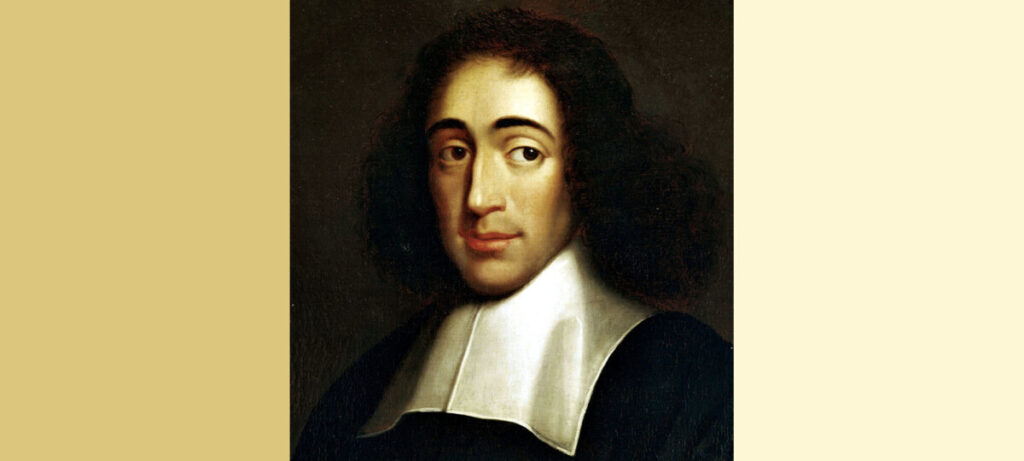
Law protects.
Modern law emerges after the Middle Ages.
Law

Public belief may accuse, praise, or panic. Law slows that down and asks: what can actually be shown?
Born 1632, died 1704.
16 Generations Ago
John Locke
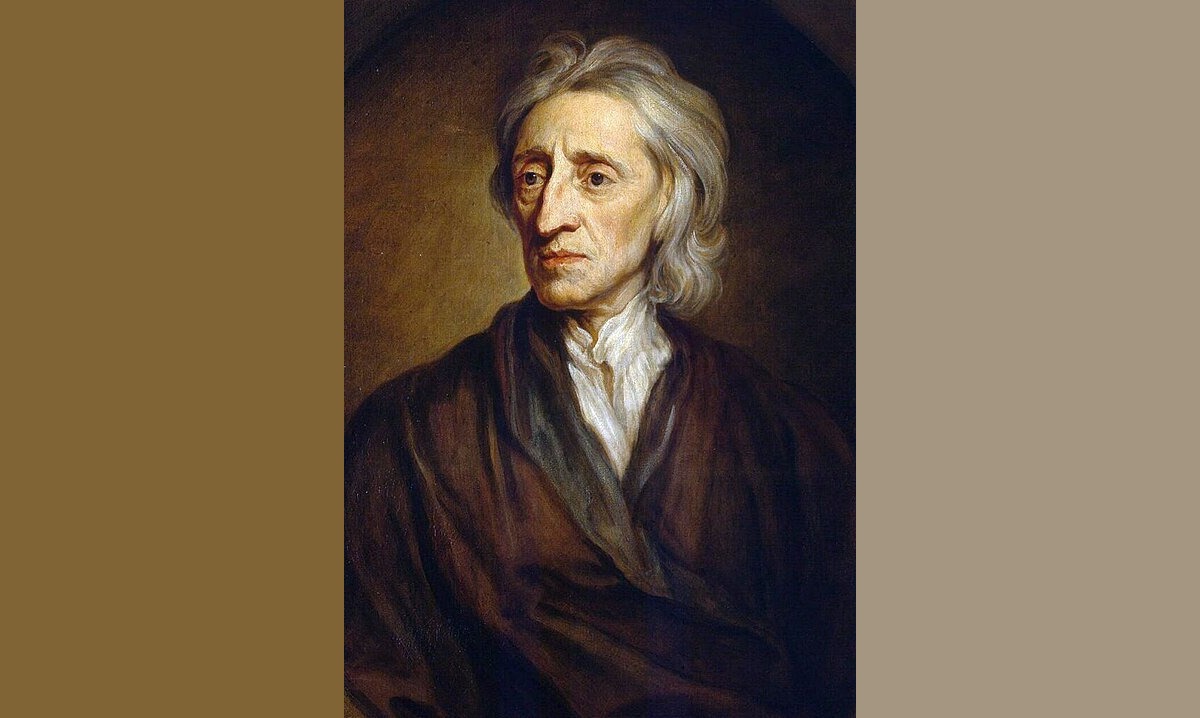
John Locke argued that we are not born with ideas already written into us—we acquire knowledge through experience. His concept of tabula rasa, developed in An Essay Concerning Human Understanding, reshaped how we think about learning, freedom, and rights. If minds begin blank, then no one is born destined to rule—or obey.
1638
Infinitesimal

New Look
Descartes Thought Experiment

Descartes' thought experiment: Descartes questioned the reliability of his senses, contemplated rational ideas with things like the influence of an evil demon. He eventually came to the realization "I think, therefore I am." This allowed him to emerge from an existential void. His cosmic and interconnected thought journey from doubt to certainty helped establish modern philosophy.
1641 - Two Substances: Body & Soul
Cartesian Dualism
Mind-Body Dualism

The relationship between the mind and body has long intrigued philosophers and religious scholars, sparking diverse perspectives and interpretations. Generally, dualism posits that the mind and body are distinct entities, while nondualism asserts that reality is a single, indivisible whole, with perceived divisions being illusory.
7 Sep 1643
Book: A Key Into the Language of America
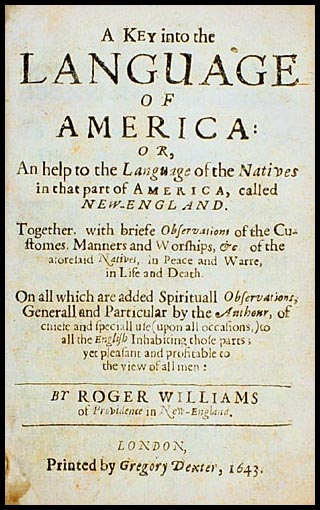
14 Mar 1644
Patent for Providence Plantations, Roger Williams
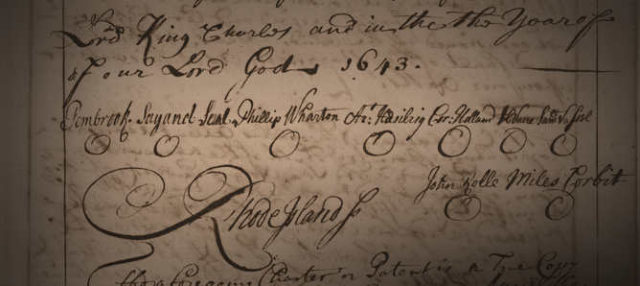
1644
Book: The Bloudy Tenent of Persecution
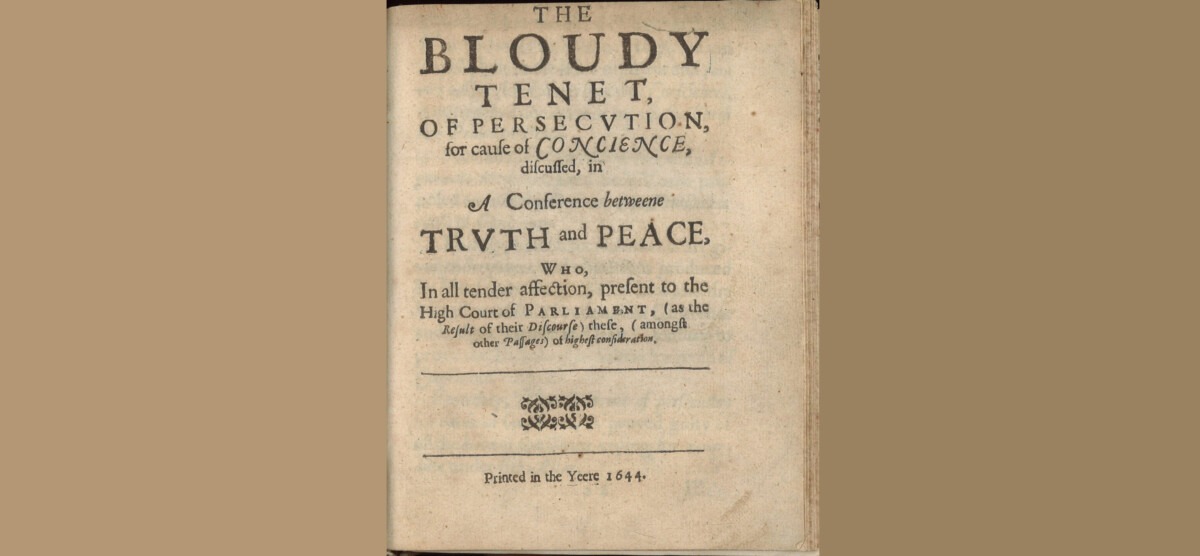
Williams believed faith must be freely chosen because forced belief is not genuine belief. His defense of a “wall of separation” challenged both Old England and New England. His ideas were controversial, but they endured, helping establish freedom of conscience and church-state separation as central principles of modern liberal democracy.
1645
Book: Christenings Make Not Christians
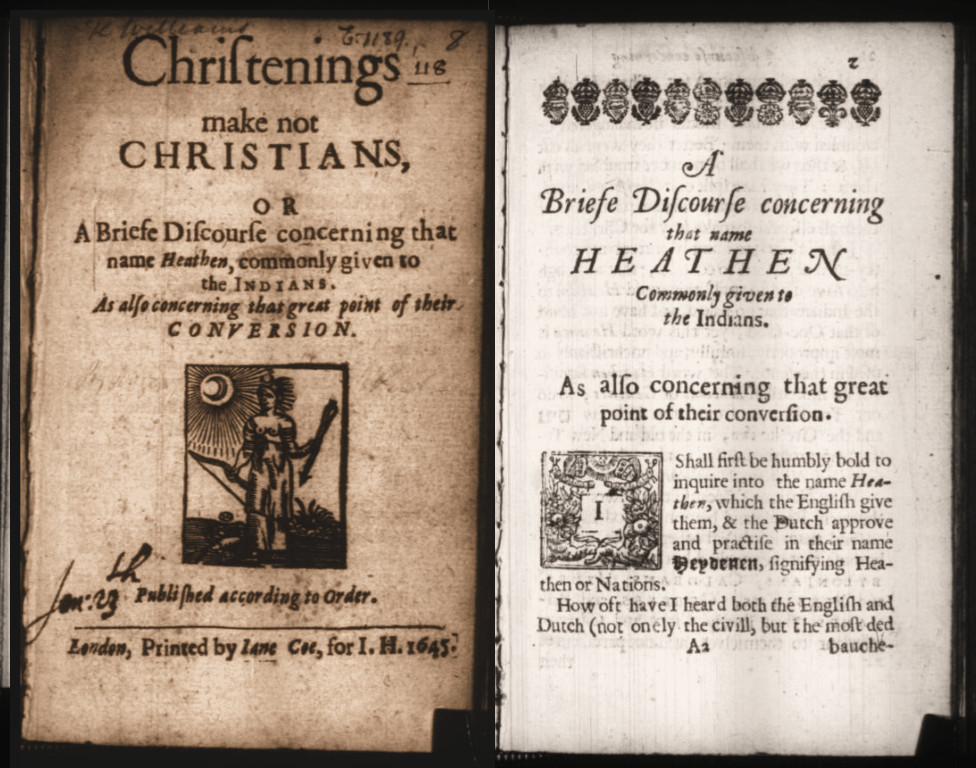
Roger Williams takes issue with the labeling of Native Americans as “heathens.” He argues against such prejudice terminology.
Jul 1663
Founder, Colony of Rhode Island and Providence Plantations
State House, Providence, Rhode Island.
God is nature, nature is everything.
Western monism emerged with Spinoza in the 1600s.
Monism

The material world is reality itself: the shared world that exists whether we notice it, name it, believe in it, or not. Take control of how you respond to afterlife beliefs. You can have your own view while giving others room for theirs. No one knows for sure what awaits us after death. Focus on the life you can control, respect honest differences, and leave room for what remains unknown.
New Look
Open Viewpoint Method (OVM)

Open Viewpoint Method (OVM) is a bridge between worldviews — spirituality on one side, empiricism on the other — built on disciplined listening and calibrated confidence. It does not erase disagreement; it structures it. Debate becomes harmonic dialogue when ideas are separated from identity and claims are evaluated without tribal reflex.
Spirituality is exploration.
New Look
Material-Spiritual Framework

The Material-Spiritual Framework's division of spirituality into agnostic, nontheistic, and theistic postures.
9 Aug 1672
The Great Quaker Debates!

1674
Protozoa Discovered: Microbiology Founded
About 2 billion years ago, eukaryotic cells are defined by a membrane-bound nucleus and internal organelles. Their emergence created the structural foundation for complex life.
25 Jun 1675
1675-1678: The King Philip’s War
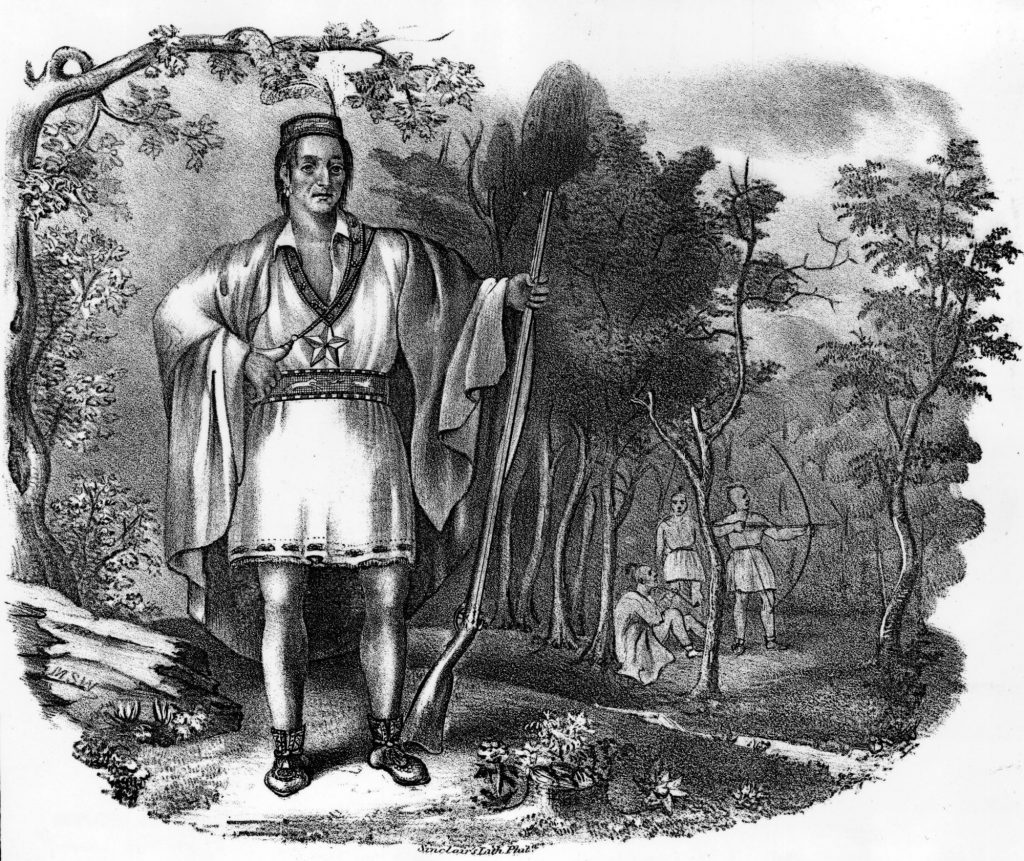
After the untimely death of his brother, Metacomet (known as King Philip) became the chief of the Wampanoag tribe, which had once numbered in the thousands. On the eve of the war, much of the Wampanoag population had been wiped out by disease introduced from Europe and by war’s end only 400 remained.
1679
Roger’s Last Known Essay
5 Jul 1687
The Invention of Calculus

Photo by <a href="https://pixabay.com/users/geralt-9301/?utm_source=instant-images&utm_medium=referral" target="_blank" rel="noopener noreferrer">geralt</a> on <a href="https://pixabay.com" target="_blank" rel="noopener noreferrer">Pixabay</a>
Citizens consent to be governed.
Emerged about 1689.
The Social Contract

Born 1694, lived until 1778.
13 Generations Ago
Voltaire
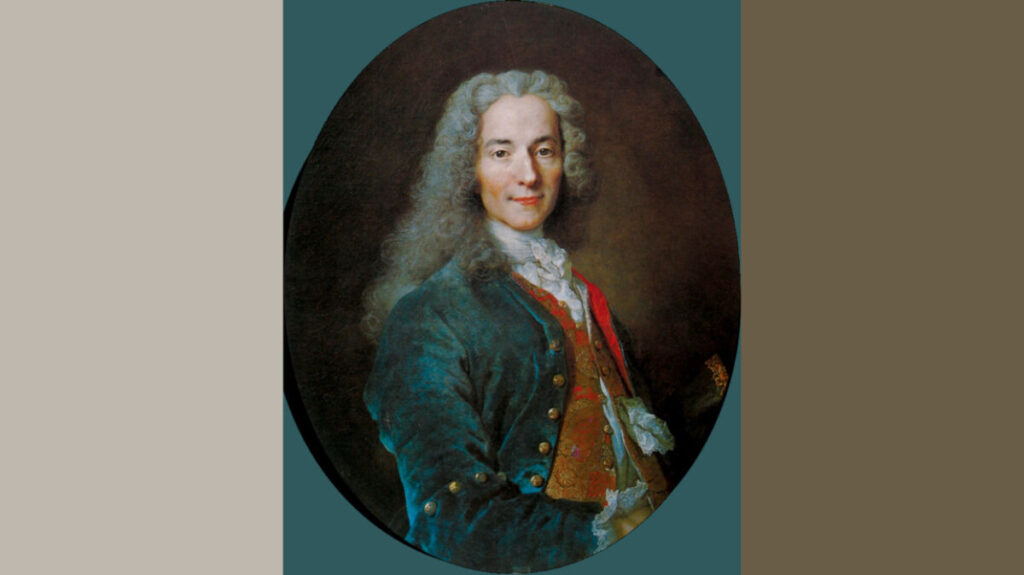
The transformation of François-Marie Arouet into Voltaire: From a budding scholar in Paris, to a prisoner of ideas in the Bastille, to a celebrated playwright whose words ignited the Enlightenment.
The force of public opinion.
The fourth emerged in the 18th & 19th centuries.
Fourth Estate

The Fourth Estate emphasizes freedom of the press and has a role in challenging authority.
Storytelling for the people.
Modern journalism started in the early 1700s.
Journalism

Journalism tests public claims by gathering facts, checking sources, and bringing events into the open.
Born 1711.
Lived from 1711 to 1776. 12 Generations Ago.
David Hume
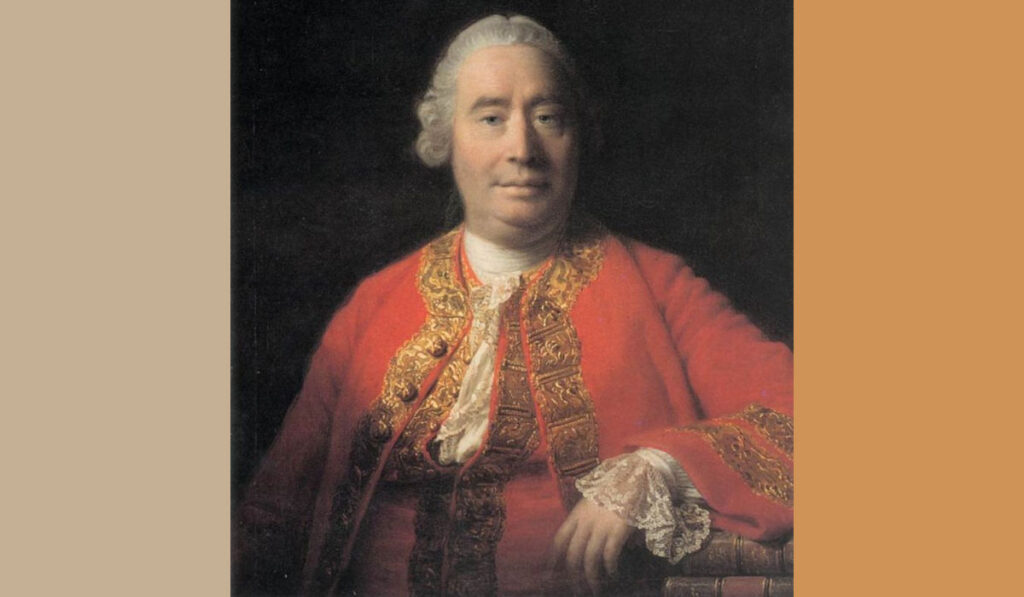
The Scottish Enlightenment philosopher and historian Hume was a leading exponent of empiricism. The belief that all human knowledge derives solely from experience.
born 1724
1724-1804
Immanuel Kant
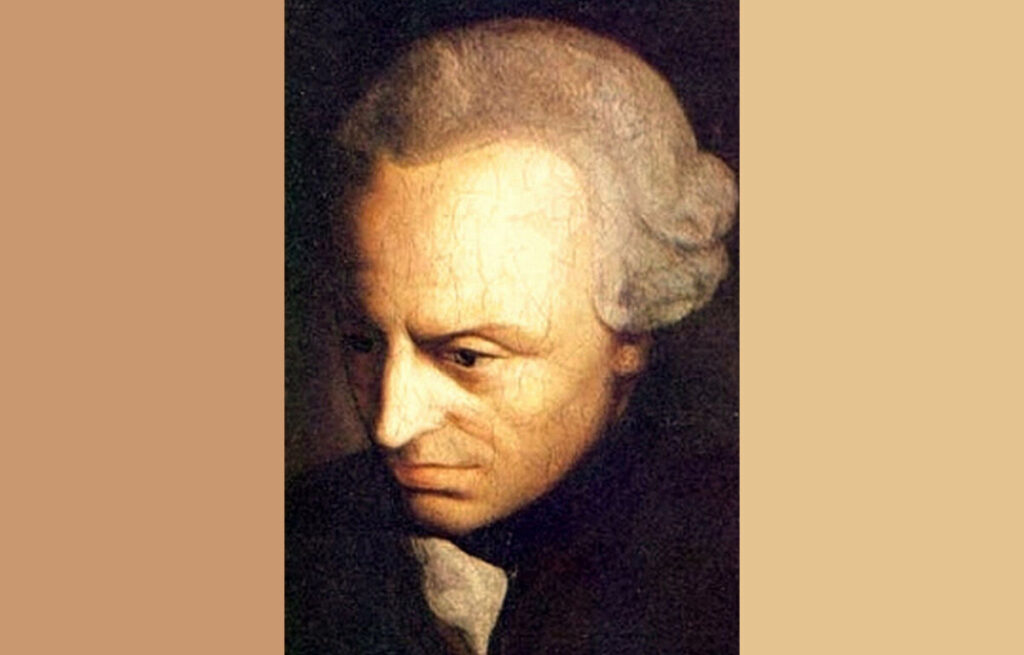
Our Ideas are Not Reality
The Eastern unknowable Dao emerged in the West in the late 1700s.
Transcendental Idealism

Live by universal values.
Emerged in late 1700s.
Categorical Imperative

Instincts and Impressions
New Look
Modern Innate Knowledge

Modern Innate Knowledge is Hume's idea of impressions and its interplay with our instincts, our innate knowledge. We can breakdown our instincts into three interconnected categories: basic instincts with primal elements, developmental instincts showing growth and learning, and situational instincts such as adaptive responses.
New Look
Fear-Based Ethics

Fear-Based Ethics within Consequentialism focuses on punishment as the driver for avoiding harm. Morality based on things like Karma and Divine Command Theory, can also emphasize the intrinsic value of moral acts.
New Look
Ethical Roadmap

An Ethical Roadmap is a winding path through different philosophical landscapes from Aristotle's virtue ethics to Mill's utilitarianism. For many, the modern path is a holistic approach to ethics, avoiding fear-based systems and embracing good intent and good results. Along the path, people reflect on their actions, evaluate their motivations, and measure their results to guide future acts as one journeys through moral decisions.
Knowledge is experience.
Skeptical Empiricism

Skeptical Empiricism is the idea that all knowledge stems from experiences and challenges the concept of innate knowledge.
Patterns might mislead.
The Problem of Induction

The Problem of Induction illustrates the circular nature of inductive logic and the intellectual puzzle it presents.
Life is definitions & observations.
New Look
Hume’s Fork

1741
David Hume
Hume’s Is–Ought Problem
The Scottish Enlightenment philosopher and historian Hume was a leading exponent of empiricism. The belief that all human knowledge derives solely from experience.
Separation of Powers
Matured about 1748.
Checks and Balances

Checks and balances embody an enduring piece of wisdom: power should check power. Separate centers of authority make it harder for any person, party, or institution to gain unchecked control.
Oct 1776
Common Sense by Thomas Paine
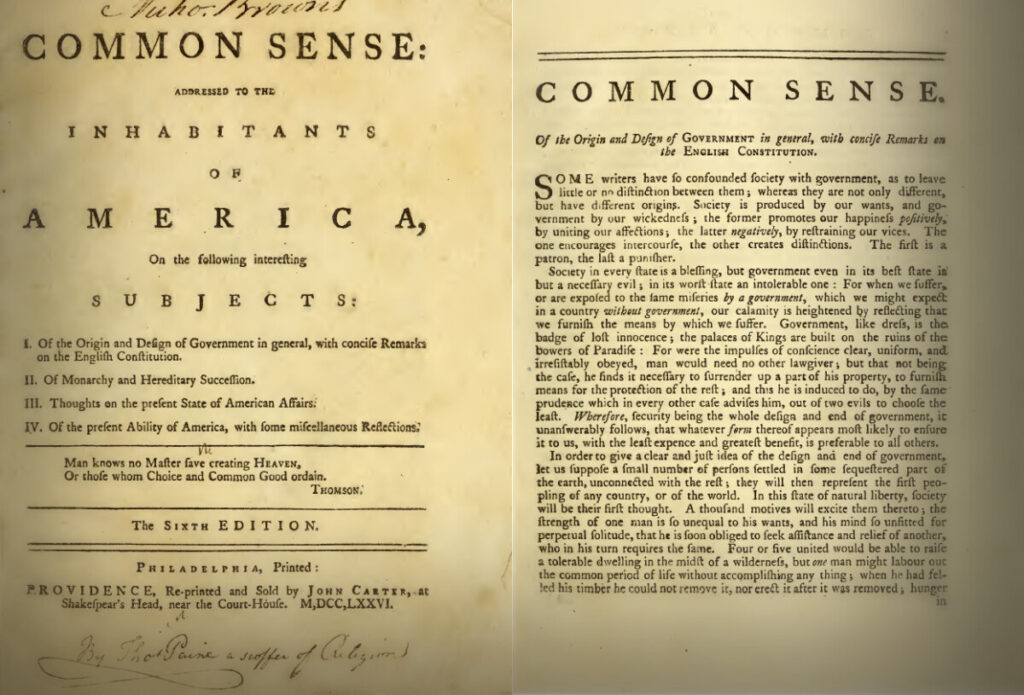
4 Jul 1776
Declaration of Independence
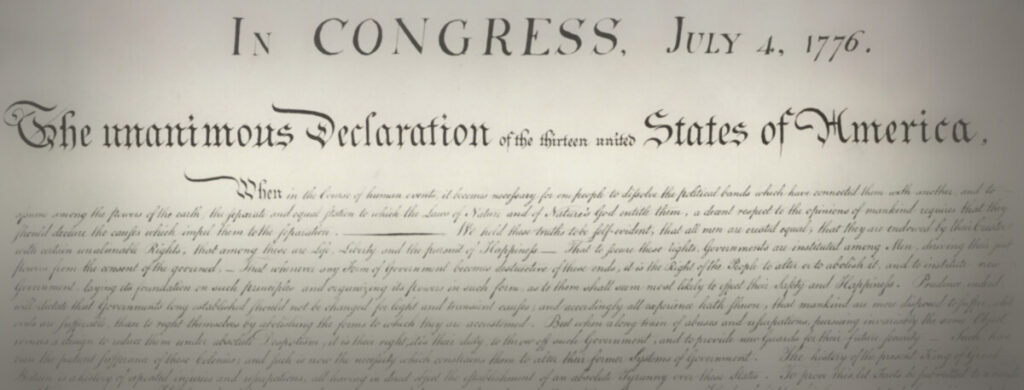
stone.tif
Nov 1783
Black Holes Proposed
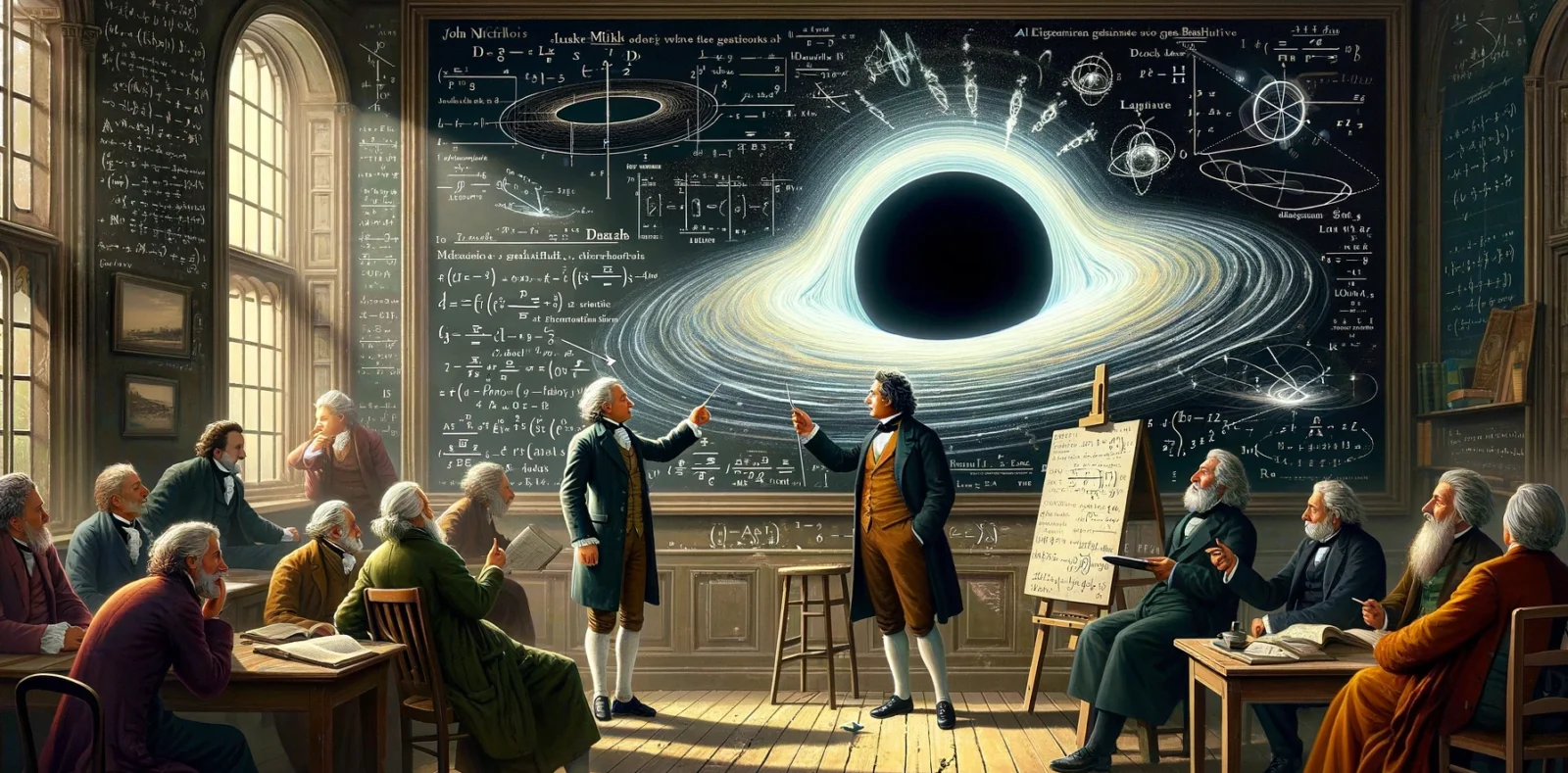
From Speculation to Science: From the 18th-century conjectures of John Michell and Pierre-Simon Laplace, who envisioned "dark stars" with gravitational forces so intense that not even light could escape, to the 20th century when Albert Einstein solidified the concept through his General Theory of Relativity. Image juxtaposes the early theoretical diagrams of black holes with Einstein’s detailed mathematical portrayal of spacetime curvature.
17 Sep 1787
The Constitution of the United States

born 1788.
Lived from 1788 to 1860, aged 72.
Arthur Schopenhauer

Arthur Schopenhauer gave one of philosophy’s bleakest answers to the human condition: beneath our thoughts and ambitions lies a blind Will, endlessly driving desire, struggle, and dissatisfaction.
3 Dec 1791
Bill of Rights

The Bill of Rights protects personal liberty by limiting government power.
Born 1806, he lived to see 1873.
9 Generations Ago
John Stuart Mill
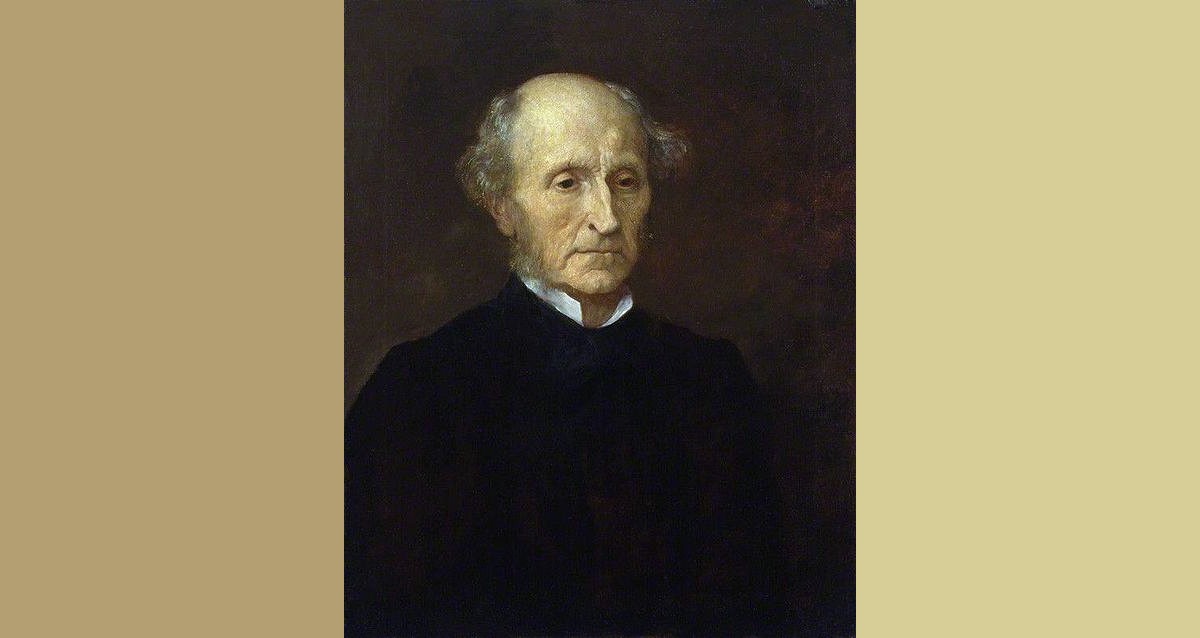
John Stuart Mill. Choose the action that produces the greatest good for the greatest number. Morality should aim at the greatest overall happiness.
British Naturalist
Charles Darwin (1809-1882)
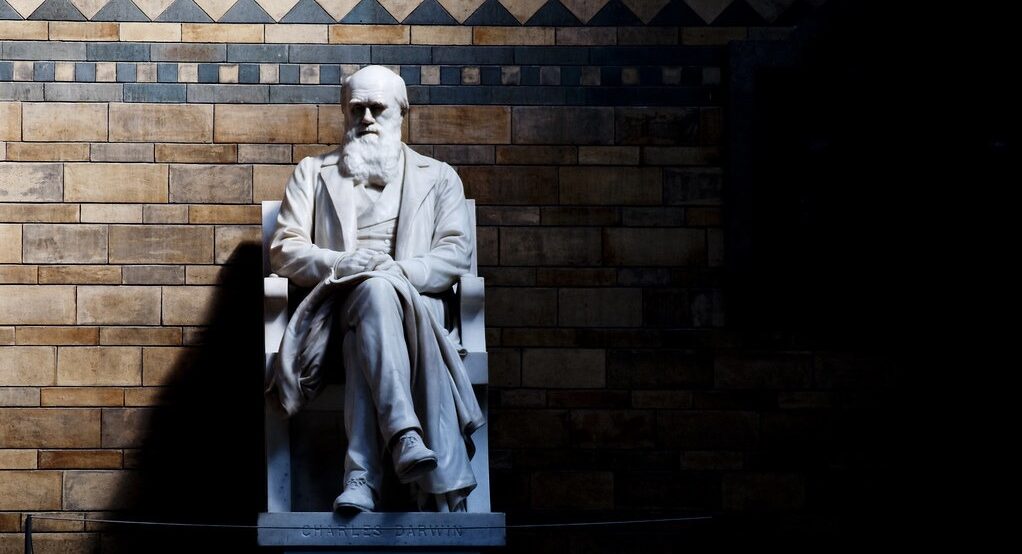
b. 1813
1813 to 1855, aged 42
Søren Aabye Kierkegaard

Unfinished sketch of Kierkegaard by his cousin Niels Christian Kierkegaard, Royal Library, Copenhagen, c. 1840
British Naturalist and Explorer
Father of Biogeography
Alfred Russel Wallace (1823-1913)

1824
The Birth of Paleontology
Fossils: From Myth to Science

From Myth to Science: Humanity's Journey to Understanding Fossils. The journey of humanity's acceptance of fossils as extinct animals started with Robert Plot examining a large bone in the 17th century as well as Mary Anning discovering fossils along the coast, and Gideon Mantell studying Iguanodon teeth. Finally, William Buckland describes a Megalosaurus in 1824.
1842
Doppler Effect for Sound and Light

Use angst to guide your life.
1843: “Fear and Trembling” by Kierkegaard.
Anxiety “Angst”

Imagined image: Soren Kierkegaard at his famous desk feeling profound existential angst.
New Look
Leap of Faith

Kierkegaard's Leap of Faith redefined for all. When faced with the vast unknown, you sometimes need to take a leap of faith whether that leap is rooted in religious beliefs or not. The using of angst and uncertainty to guide your life gave rise to both modern psychology and existentialism.
Born 1844.
Born 7 Generations Ago in 1844, lived until 1900.
Friedrich Nietzsche
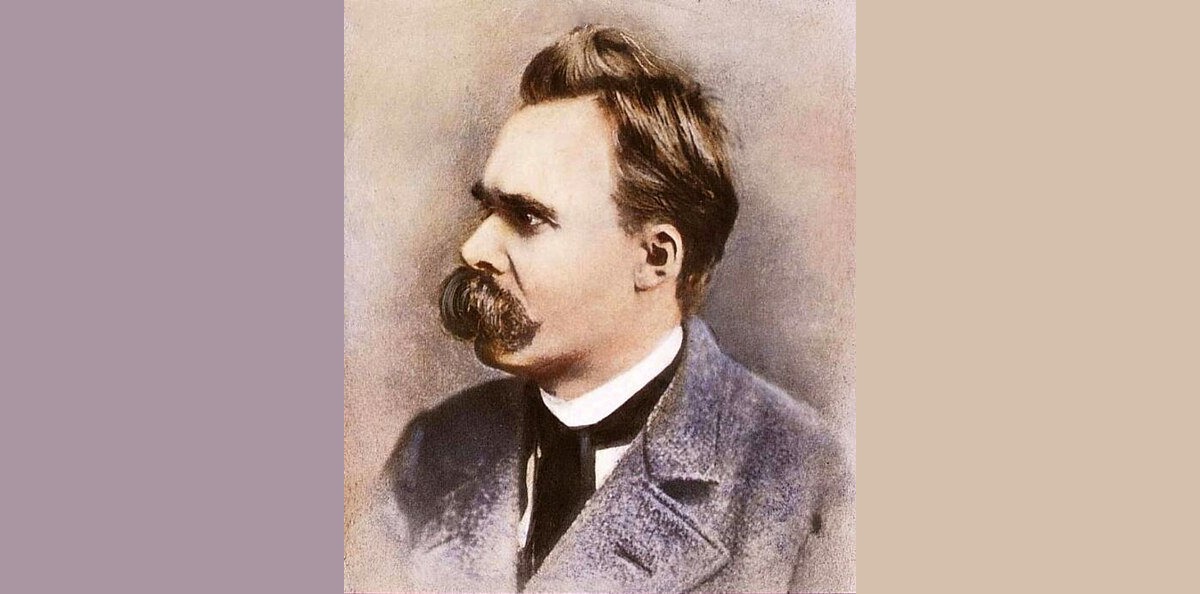
Chapter 30 in "30 Philosophers" explores Nietzsche's story and philosophy.
1848
Doppler Effect Observed for Stars
In 1848, French physicist Hippolyte Fizeau confirmed Doppler's 1842 theory with light. The doppler effect with sound was confirmed three years earlier.
1853
Discovery: The Sumerian Flood Story

1854
John Snow and the Broad Street Pump
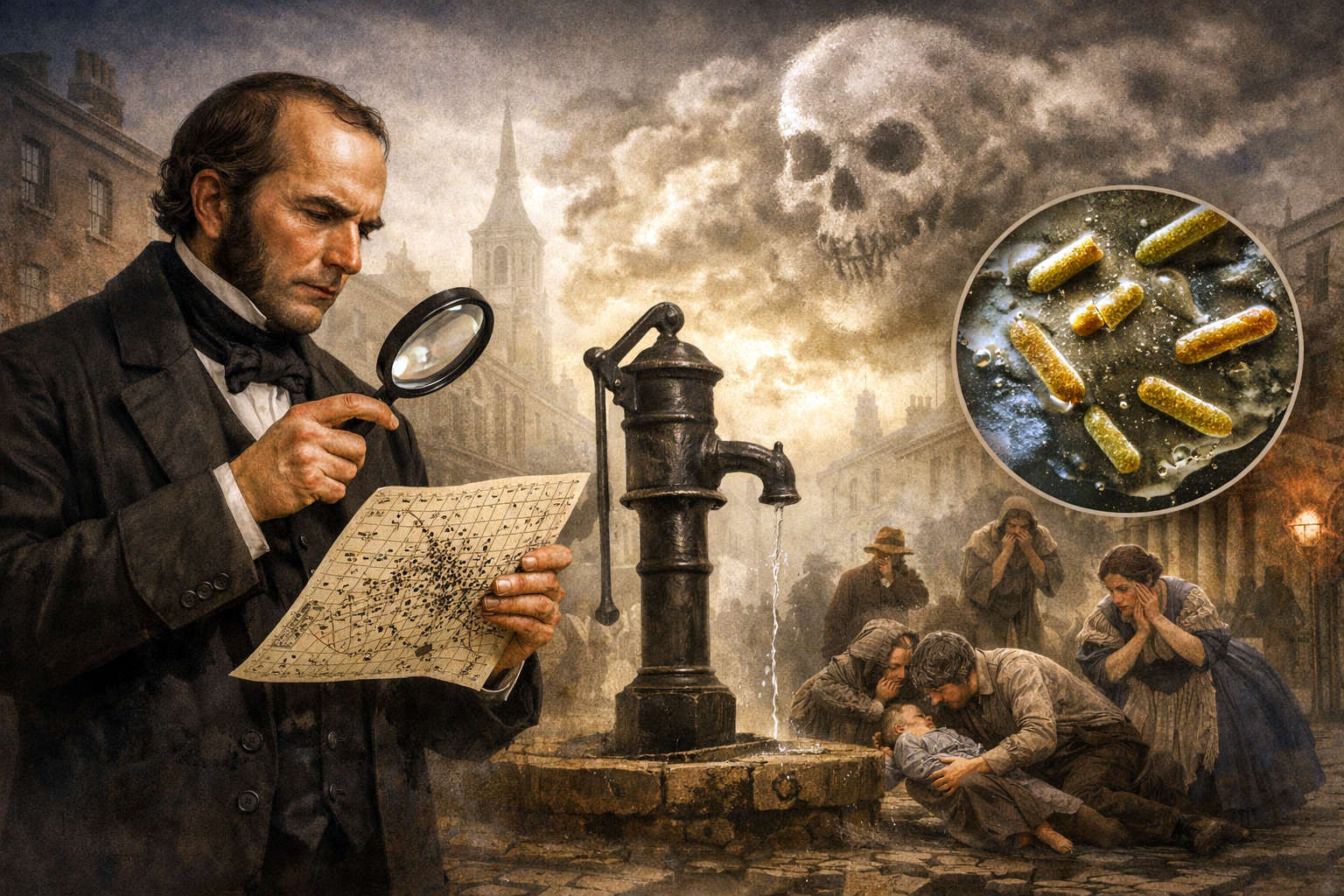
In 1854, John Snow followed the evidence instead of the panic. By mapping cholera cases around the Broad Street pump, he showed how confidence should shift when better evidence points to a better explanation.
1858
Lived from 1858 to 1947, aged 89.
Max Planck
Cause no harm.
In "On Liberty," pub. 1859.
Harm Principle

“Causing no harm” is an aspiration, not a fantasy. Life brings tradeoffs. Even good choices can carry costs. The ethical person does not pretend harm never happens; they notice it, reduce it, justify it when necessary, and stay willing to recalibrate.
1862: Ivan Turgenev novel "Fathers and Sons"
New Look
Nihilism

Nihilism is the idea that life lacks objective meaning, purpose, and intrinsic value.
1864
Electromagnetic Radiation Theory

Born 1864.
Lived from 1864 to 1920, aged 56 years.
Max Weber (1864–1920)

Max Weber’s work explains why authority feels legitimate, and why judgment can quietly disappear inside systems.
6 Dec 1865
13th Amendment

The 13th Amendment abolished slavery, but it left one major exception: forced labor could still be used as punishment for a crime after conviction. That exception mattered. It ended chattel slavery, yet it also left a legal opening that shaped prison labor and later systems of coercion. Today we sill have forced prison labor including chain gangs.
Born 1879.
Lived from 1879 to 1950, aged 70
Alfred Korzybski
born 1879
Lived 1879 to 1955, aged 76.
Albert Einstein (1879 to 1955)
Albert Einstein (1879–1955) was born in Ulm, Germany, and died in Princeton, New Jersey, at age 76. He married Mileva Marić in 1903; they had three children: Lieserl, whose fate is uncertain, Hans Albert, and Eduard. After their divorce in 1919, Einstein married Elsa Löwenthal, who died in 1936. Einstein died on April 18, 1955, survived by his sons Hans Albert and Eduard, his stepdaughter Margot, and a legacy that still bends how we see reality.
Live Your Authentic Self
1883, 1885: From "Thus Spoke Zarathustra"
Übermensch

The Übermensch, or superman, is the ideal person who transcends societal norms and self-imposed limitations.
Live in the now.
From "Thus Spoke Zarathustra".
Eternal Recurrence

TST uses Eternal Recurrence inside Authentic Self as a test for authenticity. It asks whether the life you are living is one you can affirm, not just endure. It is a common floor for testing your choices and a hook into Nietzschean thought. To live authentically, ask: would I choose this again?
New Look
Authentic Recipe: Nietzsche’s Five-step Approach

The Nietzsche Five-step Authentic Recipe is the casting of his ideas into five steps. The journey towards an authentic self, the transformation and empowerment of your true self.
Nietzsche Mustache

1889
R. G. Collingwood
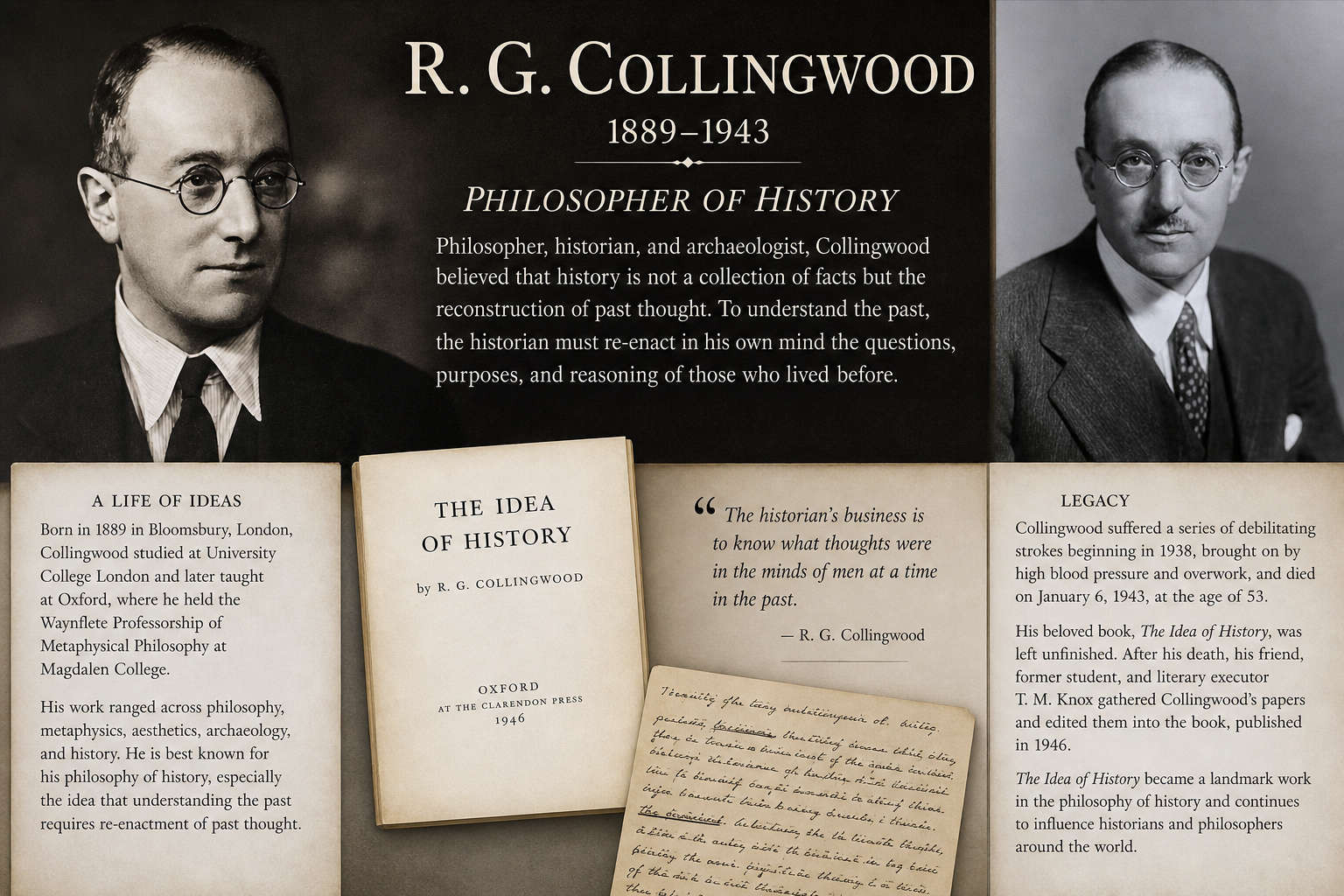
Collingwood married Ethel Winifred Graham in 1918, and they had a son and a daughter. Late in life, after years of declining health, he married Kathleen Frances Edwardes in 1942, with whom he had another daughter.
b. 1899
1899 to 1990, aged 90
Peter Zapffe

1903 to 1950, aged 46.
Orwellian Thought
George Orwell
George Orwell wrote about how corruption starts when language is twisted, facts are manipulated, and authority demands loyalty over reality.
born 1905
1905-1980
Jean-Paul Sartre
Jean-Paul Sartre lived from 1905 to 1980, He was a French existentialist philosopher and writer best known for the idea that “existence precedes essence.”
Jun 1905
Special Relativity
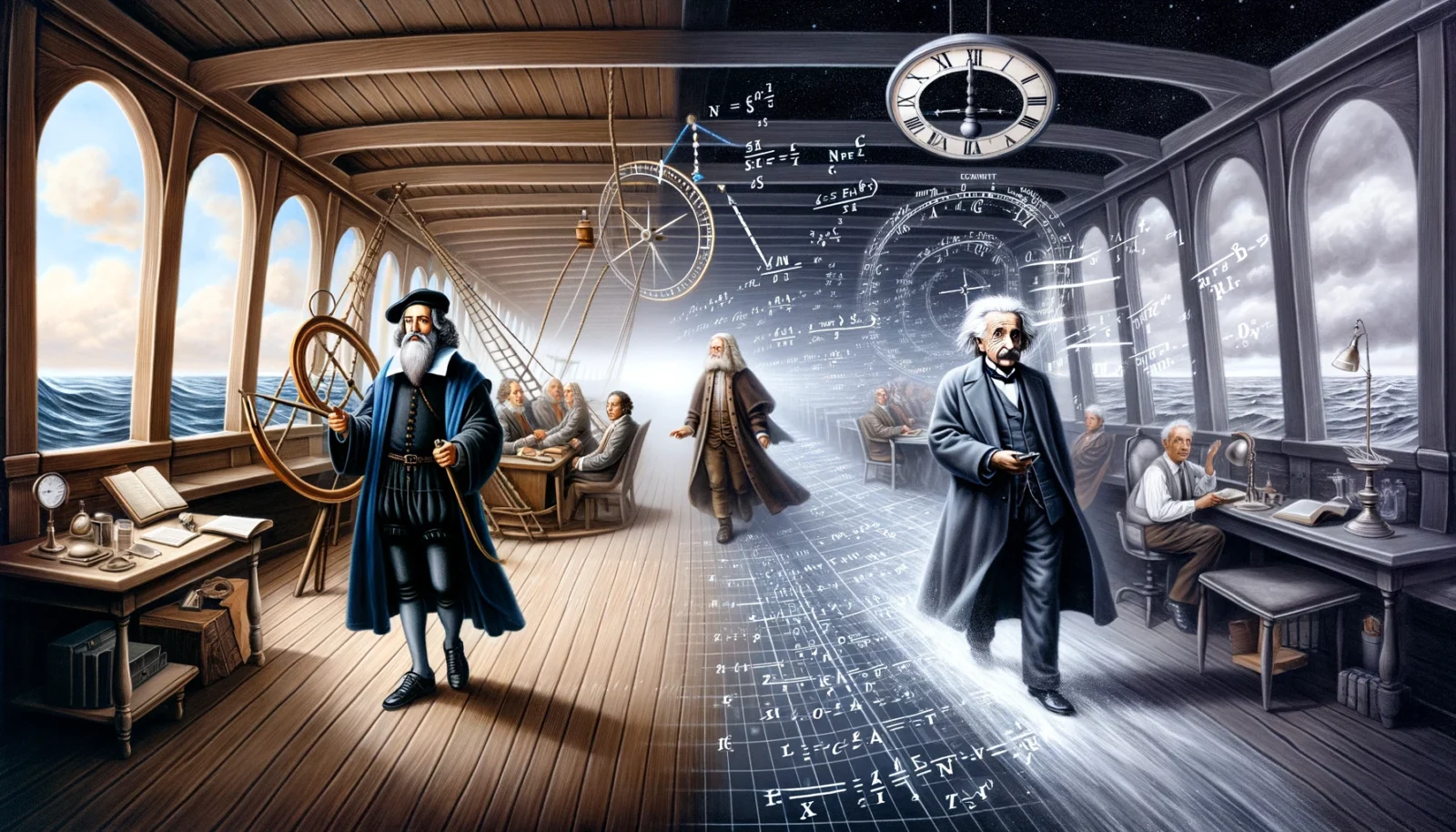
The experience of living.
New Look
Consciousness

Experiencing life through the lens of consciousness.
1905 CE
Radiometric Dating

Iodine 131(I-131)Radioactive isotopes used for hyperthyroidism treatment are stored in Lead boxes
24 Dec 1906
First Analog Radio Transmission
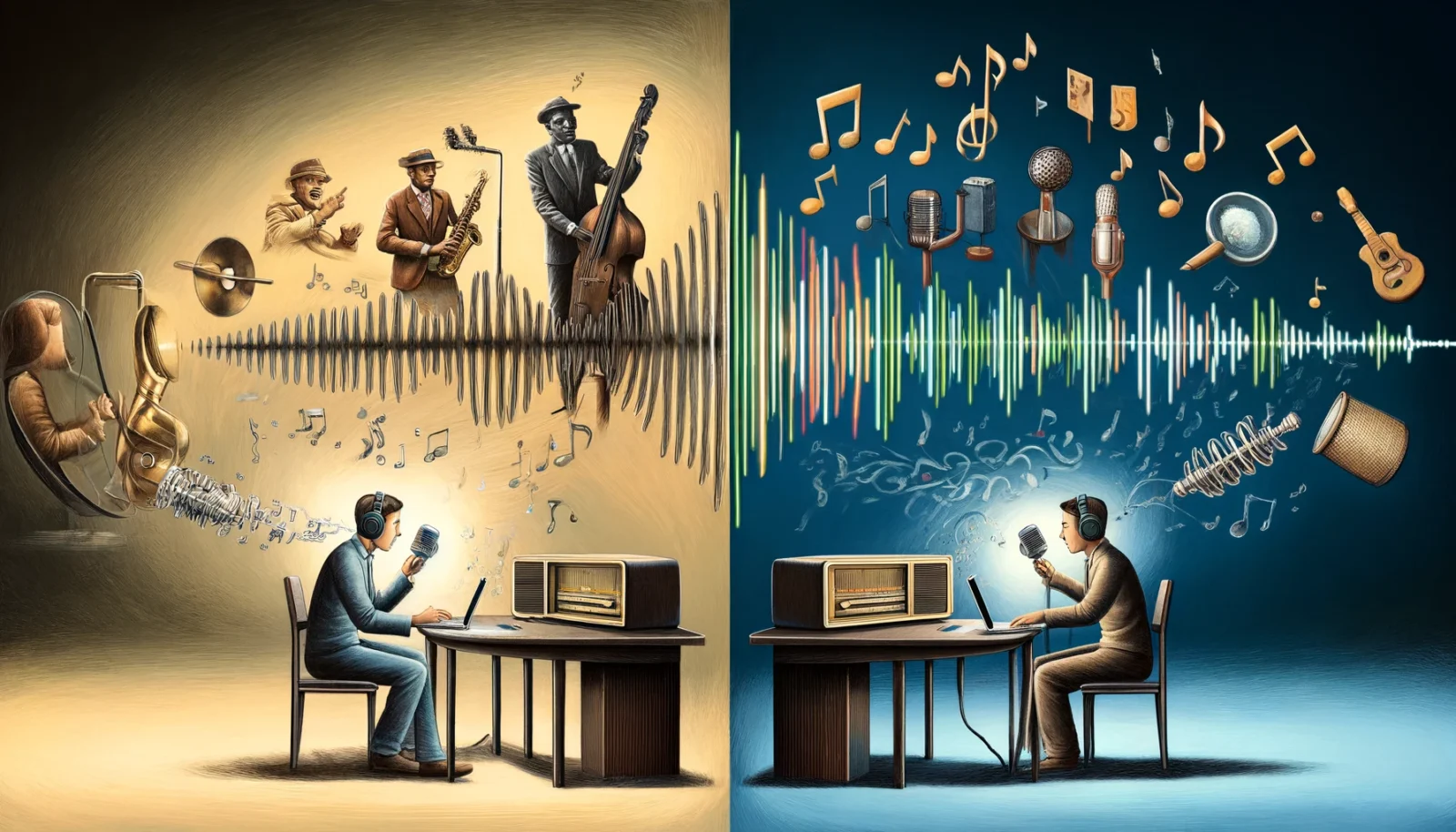
b. 1913
1913 to 1960, aged 46
Albert Camus

Nov 1915
General Relativity
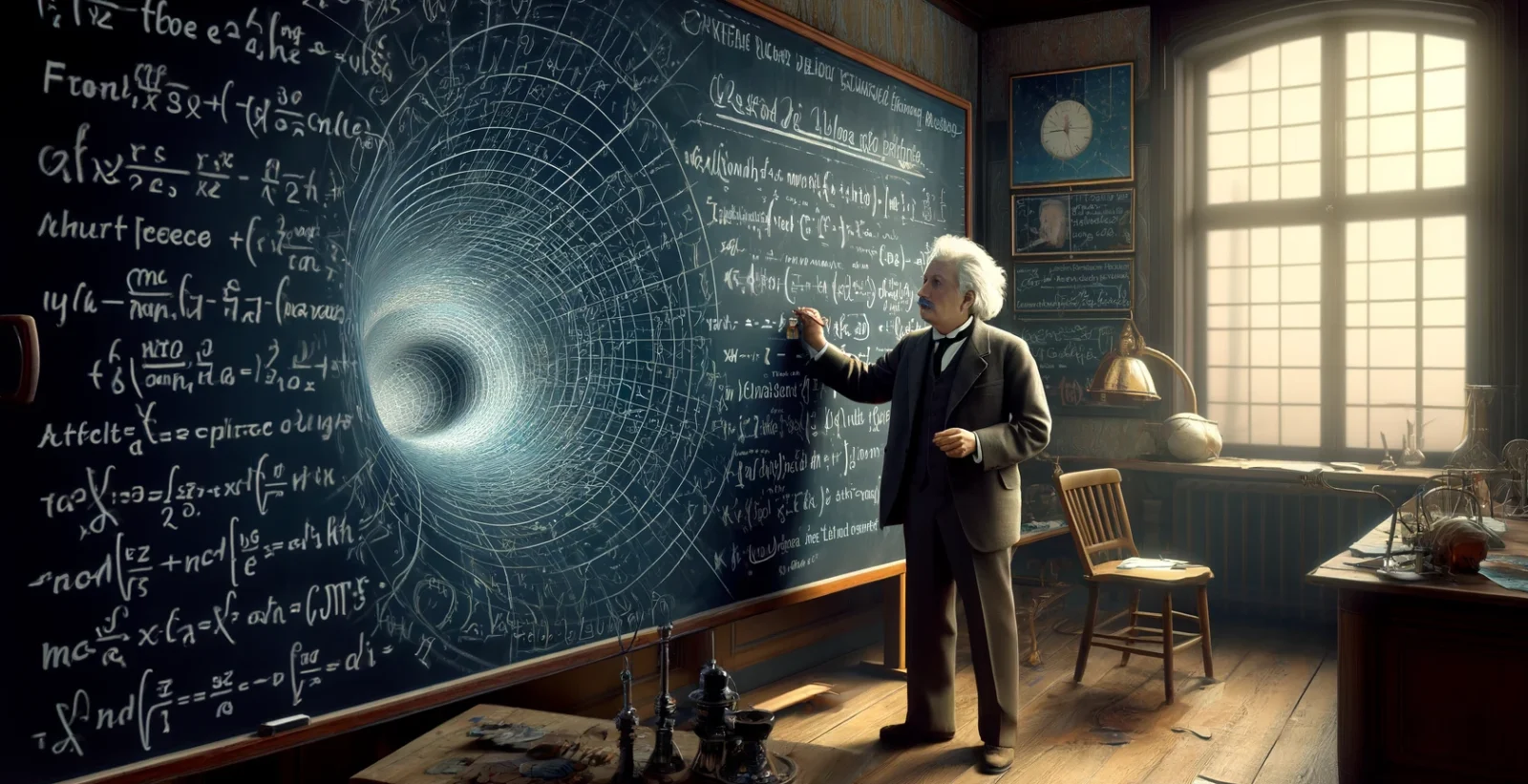
Confront life head on.
1927: "Being and Time"
Heidegger’s Existentialism

Heidegger's existentialism centers on the concept of "being-there" (Dasein), which refers to the unique way humans exist and relate to the world. Heidegger explores the nature of being and emphasizes the importance of understanding one's own existence within the context of time and space. His philosophy delves into the idea of being authentic by confronting the inherent uncertainties and anxieties of life, and seeking a deeper understanding of one's place in the world through introspection and connection to nature.
1929
Galaxies Discovered! Doppler Effect used to measure distance!!
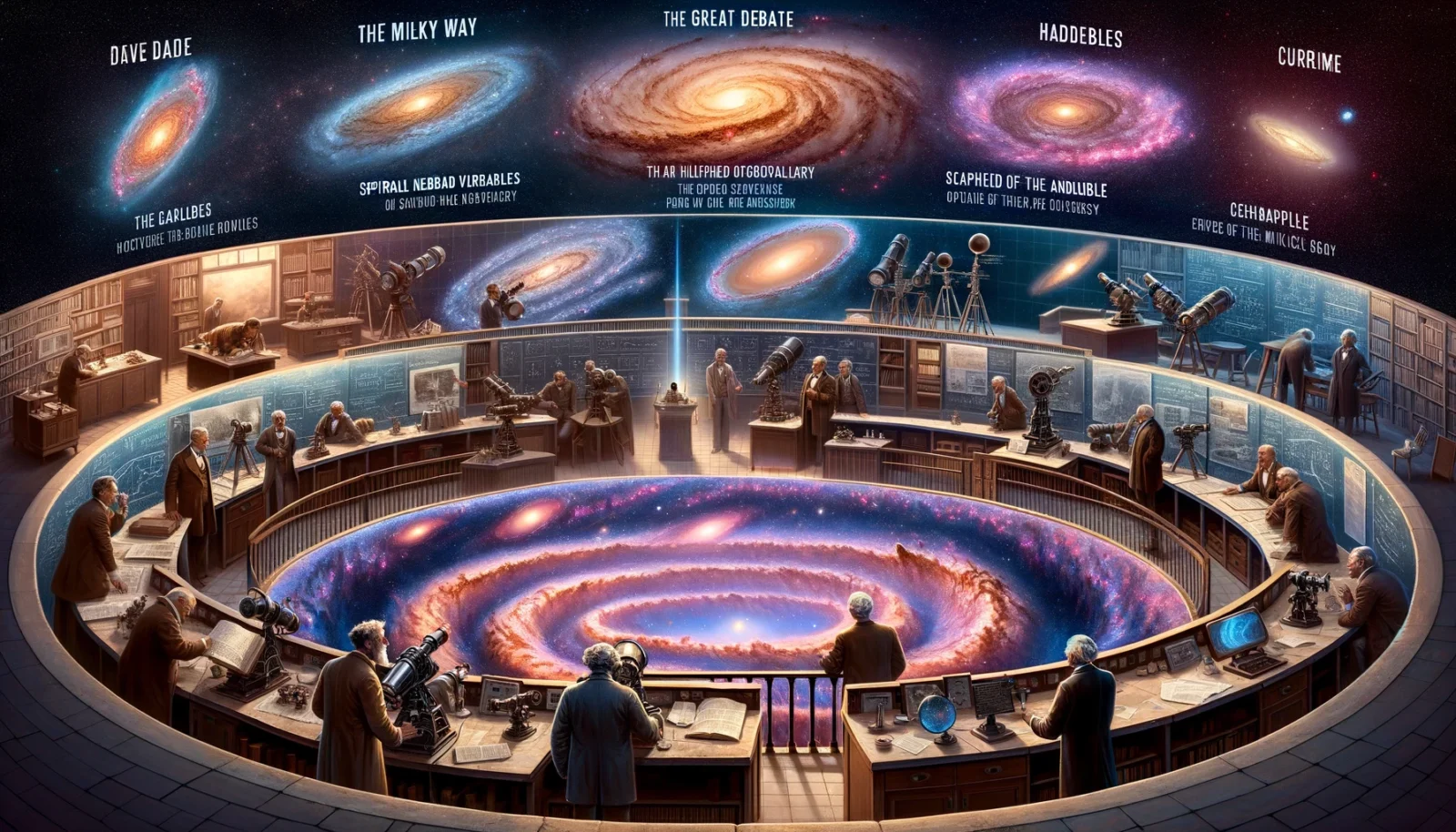
1931
Electron Microscope = Nanoworld Discovered!

pathogen virus background
Predicted in 1932
Rationally predicted, unconfirmed.
Oort Cloud
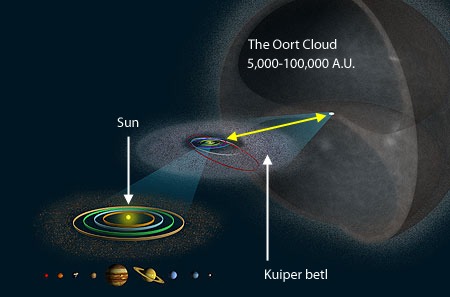
Rationally predicted, unconfirmed: The Oort Cloud is a theoretical vast sphere of icy objects believed to surround our solar system at distances ranging from about 2,000 to 100,000 astronomical units from the Sun.
Don't live in bad-faith, be authentic.
1943: "Being and Nothingness" by Sartre.
Bad Faith

The concept of "bad faith," is the contrast between living a lie and embracing one's true self.
Existence precedes essence.
1943: "Being and Nothingness"
Sartre’s Existentialism

Sartre's existentialism emphasizes individual freedom, choice, and responsibility. It posits that existence precedes essence, meaning that individuals are not defined by any preexisting essence but instead create their own essence through actions and decisions. Sartre's philosophy focuses on the concept of "bad faith," where people deny their freedom by conforming to societal expectations, and encourages living authentically by embracing one's freedom and making deliberate, conscious choices.
1946 CE
Radiocarbon Dating

We all need a little CAFFEINE
1946
Published posthumously.
Book: The Idea of History
Collingwood married Ethel Winifred Graham in 1918, and they had a son and a daughter. Late in life, after years of declining health, he married Kathleen Frances Edwardes in 1942, with whom he had another daughter.
1958
Rediscovery: City of Catalhoyuk, circa 7100 BCE
1960
Hand Axes 1.7 Million Years Ago
Hand axes: Humans started using them nearly 2 million years ago. These meticulously crafted tools exemplify the advanced technological skills and cognitive capabilities of early humans. Its sophisticated design and precise craftsmanship underscore a deep understanding of material properties and tool use.
1962
All States “allow” Native Americans to Vote
silhouette of native american shaman with pikestaff
20 May 1965
Cosmic Microwave Background (CMB)
1975
Rediscovery of the Library of Ebla: circa 2350 BCE
"<a href="https://commons.wikimedia.org/w/index.php?curid=57854047" target="_blank" rel="noopener noreferrer"><div class='fn'> Proto-Cuneiform tablet: administrative account of barley distribution with cylinder seal impression of a male figure, hunting dogs, and boars. Probably from the city of Uruk.</div></a>" by null is licensed under <a href="https://creativecommons.org/publicdomain/zero/1.0/deed.en/" target="_blank" rel="noopener noreferrer">CC CC0 1.0</a>
1978
by David K. Lewis
The famous Lewis “Truth in Fiction” Paper
David K. Lewis gave modern philosophy a powerful way to think about fiction. A story creates a world of assumptions, and within that world, some claims become true.
Chapter 1 Quote Attribution Clarification
big bang, black hole, supermassive star, galaxy, cosmos, physical, science fiction wallpaper.
1994
Ancient Spears 350,000 Years Ago
2018
Bread Making Pushed Back
Various bread with grain in a bowl on the table.
2018
Discovery: Neanderthal Symbolic Thought
Neanderthal art in Spain 64k BCE, before Homo sapien arrived.
Apr 2019
Black Holes Confirmed
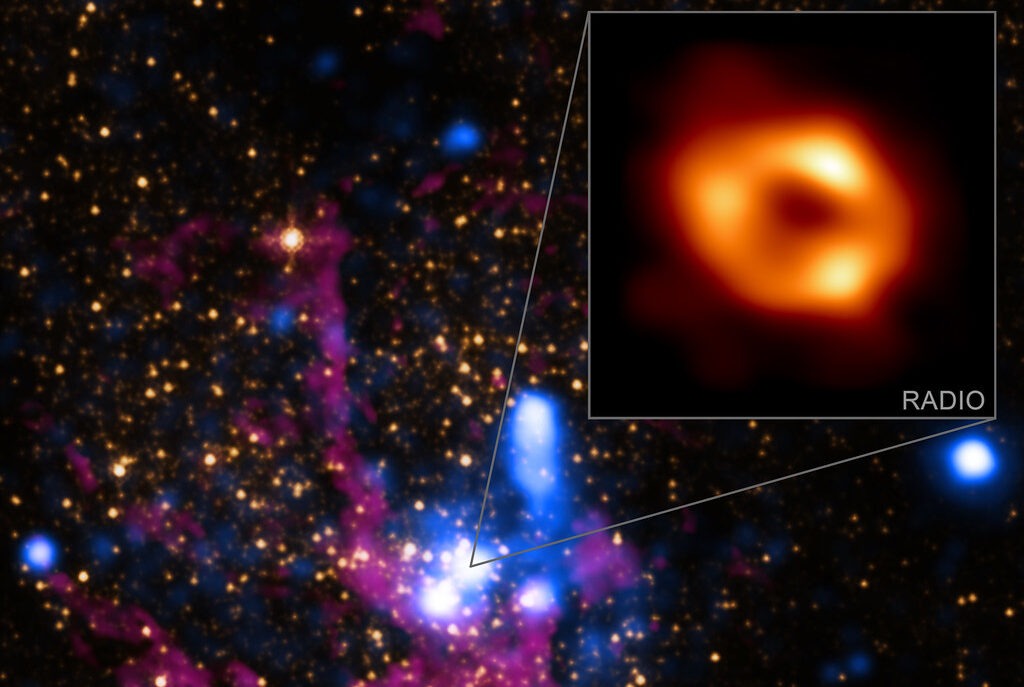
"<a href="https://www.flickr.com/photos/28634332@N05/52070907639" target="_blank" rel="noopener noreferrer">Sagittarius A*: NASA Telescopes Support Event Horizon Telescope in Studying Milky Way's Black Hole</a>" by <a href="https://www.flickr.com/photos/28634332@N05" target="_blank" rel="noopener noreferrer">NASA's Marshall Space Flight Center</a> is licensed under <a href="https://creativecommons.org/licenses/by-nc/2.0/" target="_blank" rel="noopener noreferrer">CC BY-NC 2.0</a>
Featuring Mike's mantra.
Final Word

Holistic Eudaimonia represents our lives within our Milky Way galaxy, on a tiny blue planet. We are but a figure gazing at the universe in wonder. It is the journey of life, the Butterfly Effect, and the ripples of actions extending into the vastness of space. It includes kindness, integrity, and authenticity.
2027 (+/- 1 year)
Read-Only AI Doctor

By about 2027, the first mainstream AI doctors will begin arriving as read-only health assistants. My strategy: GEHC.
2028 (+/- 1 year)
In Progress
Space Station Closed-Loop Life Support

Closed-loop life support moves from dream to testbed. By recycling air and water aboard the ISS, humanity takes another step toward self-sustaining habitats on the Moon, Mars, and beyond.
2029 (+/- 1 year)
AI Primary Care - In Progress
Full AI Doctor
A full AI doctor will act like your primary care doctor and for many, replace them. They will review your history, ask questions, spot patterns, and refer you to specialists better than their human counterparts. Today’s AI health tools are not there yet, but they are already becoming the medical integrators that organize records, prepare visits, and help coordinate care.
2028 (+/- 1 year)
In Progress
Lunar Gateway: Space Station Orbiting the Moon

2029 (+/- 2 years)
In Progress
The Dawn of Quantum Supremacy
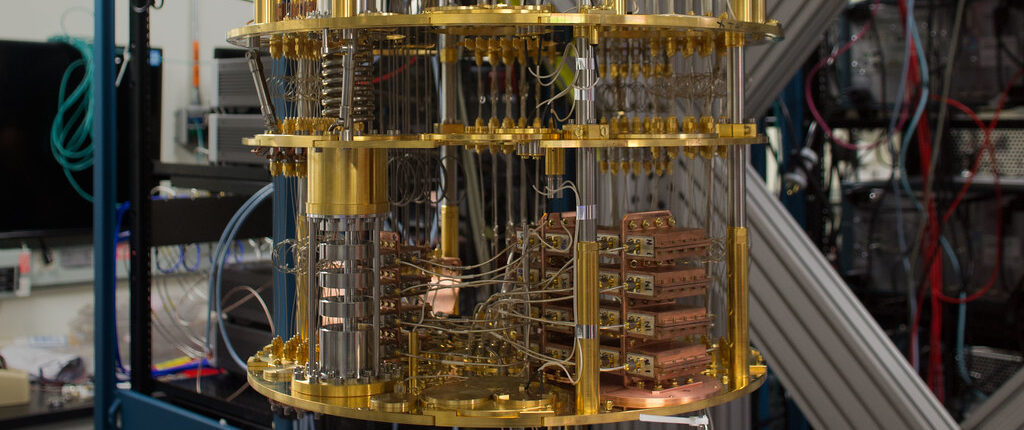
My Strategy: Invest in RGTI, IONQ, QBTS stocks at 30 day lows through 2027. Invest in the big boys at 5 day lows: NVDA, MSFT, GOOGL, etc.
2030
Scheduled.
Europa’s Vast Ocean Unveiled: Diving Deep into an Ocean World of Jupiter
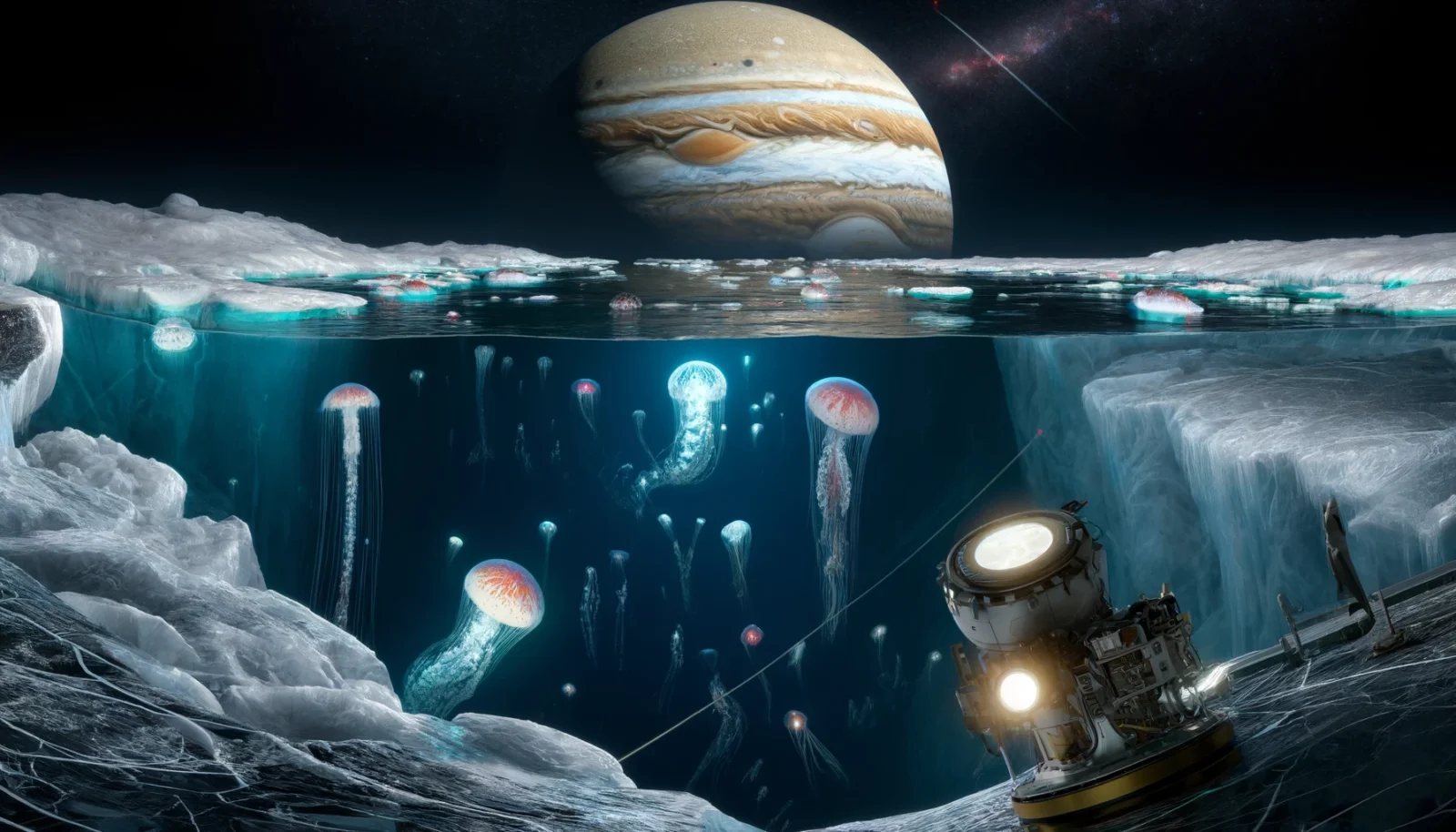
2030 (+/- 2 years)
Rationally predicted based on current trends.
Peak Oil Tipping Point: A New Era in Global Energy

Transition from peak oil consumption to a sustainable energy future. Now pushed back because of MAGA and their denial of reality. A time when heavy oil consumption transitions to a clean dominated renewable energy sources. My Strategy: Invest in DUG inverse oil ETF at 30 day lows through 2035. Invest in ICLN and CNRG solar ETFs at 30 day lows through 2035. Invest in NEE and ENPH renewable stocks at 30 day lows through 2035. Do not short large oil as they have the money to retool.
2030 (+/- 2 years)
Rationally predicted based on current trends.
The Rise of the Brain-Computer Interfaces (BCI)

My Strategy: Invest in ABT, MDT, BSX stocks at 30 day lows through breakthrough adoption, about 2029. Invest in the big boys at 5 day lows: NVDA, GOOGL, MSFT, and META. (Wildcard, Not public: Neurolink)
2032 (+/- 4 years)
Rationally predicted based on current trends.
Digital AI Filesystem Emerge

Digital AI filesystems will seamlessly integrate into our daily lives. An AI entity will assist people and organizations in organizing digital content. The efficient and innovate technology will be one of the elements that propels humanity to the next level.
2038: In 10 Years (+/- 3 years)
Rationally predicted based on current trends.
Eradicating Diabetes: A Gene Editing Revolution

Gene editing is moving from miracle to method. Single-gene diseases may be first, but each success teaches science how to tackle harder diseases like diabetes.
2039 (+/- 6 years)
Rationally predicted based on current trends.
Permanent Mars Colony

2040: 15 Years From Now (+/- 5 years)
Speculative. Informed by accelerated technological trends and empirical data.
MaaS Tipping Point

Imagined image: futuristic cityscape with self-driving electric vehicle (EV) taxis.
2045 (+/- 5 years)
Rationally predicted based on current trends.
Tipping Point Transition From Animal Meats

2080: 60 Years From Now (+/- 10 years)
A Unified Origin Story

A unified origin story does not erase culture — it anchors it. When humanity agrees on empirical beginnings, diversity flourishes on shared ground rather than fractured myth.
2090: 65 Years From Now (+/- 30 years)
Verified. Ratonally predicted. Timeline speculative.
1:1 Human-Android Ratio by 2090
My Strategy: None, too far out, but watching Optimus, a division of TSLA. Also watching: SFTBY, HMC, TM, SSNLF, HYMTF. Likely to start investing by 2030 after reevaluating leaders.
2100: 75 Years From Now
World Population: 10.5 Billion (+/- 1 Billion)

Concept of population with globe and toy people
2175: 150 Years From Now (+/- 50 Years)
Speculative. Informed by accelerated technological trends and empirical data.
Kardashev Type I: Planetary Civilization

image depicting the "Advanced Transportation Networks" aspect of a Type I civilization. It features a variety of clean-energy transportation systems within a bustling futuristic city, including electric vehicles, magnetic levitation trains, and aerial drones, centered around a hyperloop station.
2200: 175 Years From Now (+/- 50 years)
~7 Generations From Now (from 2020 CE)
Biological Immortality

A future where aging is no longer fate, but maintenance. Biological immortality does not mean invincibility. It means medicine may someday keep repair ahead of decay.
Reference Date: 2200 CE (+/- 50 years)
Secular Spirituality Settles

A future spirituality may become wiser not by giving up wonder, but by learning where science ends, where meaning begins, and how to honor both without confusing them.
2325: 300 Years From Now
Highly speculative. Rationally deduced with supporting empirical data.
Alien Communication Expected Date
radio telescope at sunset, 3d illustration
2450 (+/- 75 years)
Non-Surface Human Population Tipping Point

A glimpse into humanity's diverse future habitats: This collage showcases the innovative living conditions envisioned for the mid-24th century, including a floating city on the ocean, an underwater city beneath the waves, an underground city within Earth's depths, and a floating space station orbiting the planet. These advanced environments represent the next steps in our evolution towards a non-surface human population.
3100: 1,100 Years From Now (+/- 200 years)
Speculative. Informed by accelerated technological trends and empirical data.
Post Human Evolution

beautiful woman human robot artificial intelligence
3825: 1,800 Years From Now (+/- 200 years)
Mars Terraforming: Greening the Red Planet

4025: 2,000 Years From Now (+/- 1,000 Years)
Speculative. Rationally deduced with supporting empirical data.
Kardashev Type II: Stellar Civilization
Image depicting the extensive human expansion throughout the solar system for a Type II civilization in the year 4025. The scene includes sprawling colonies on Mars, vast under-sea bases on Europa, and intricate mining operations on asteroids, all interconnected by sleek space transport systems like space elevators and advanced propulsion ships. The architecture blends ultra-modern design with the natural environments of various celestial bodies, illustrating a symbiotic relationship between technology and space.
10,000 Years From Now (+/- 5,000 Years)
Speculative. Rationally predicted and supported by empirical data.
Kardashev Type III: Galactic Civilization
Image depicting the advanced energy management systems of a Type III civilization, set about 10,000 years in the future. The scene includes colossal structures like arrays of energy harvesters encircling multiple stars, with intricate networks of energy transmitters and receivers across the galaxy. The visualization captures technologies harnessing the rotational energy of the galaxy and gravitational forces from supermassive black holes, set against the backdrop of the beautifully illuminated Milky Way.
13,000 Years From Now
Verified. Empirically supported and rationally deduced.
New North Star
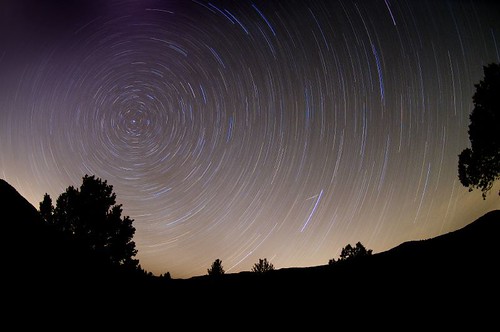
"<a href="https://www.flickr.com/photos/73303415@N00/501603747" target="_blank" rel="noopener noreferrer">1 hour North Star</a>" by <a href="https://www.flickr.com/photos/73303415@N00" target="_blank" rel="noopener noreferrer">Dennis Barnes</a> is licensed under <a href="https://creativecommons.org/licenses/by-nc-nd/2.0/" target="_blank" rel="noopener noreferrer">CC BY-NC-ND 2.0</a>
Within 100,000 Years From Now
Speculative. Ratonally predicted and supported by empirical data.
Next Global Ice Age
Aerial view of a big city with building roofs covered by snow. Clip. Flying above frozen city and a
1 Million Years From Now
Verified. Empirically supported and rationally deduced.
Brand New Constellations

Top view of astrologer hands
250 Million Years From Now
Speculative. Ratonally predicted.
New Pangaea Proxima Supercontinent
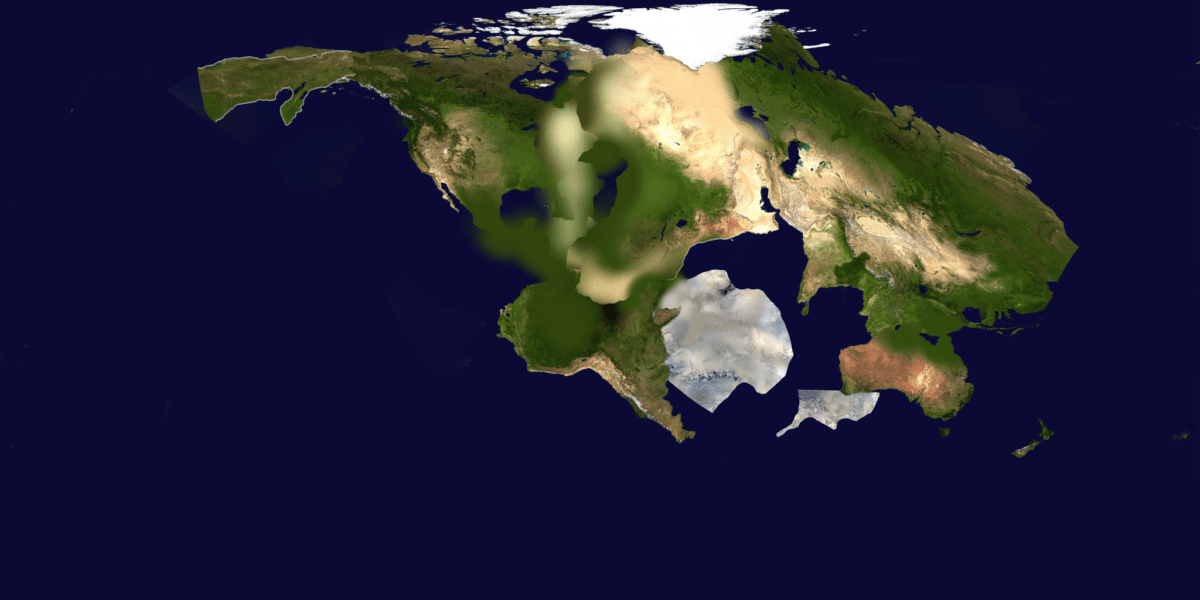
Owen is the best GG, CC BY-SA 4.0 <https://creativecommons.org/licenses/by-sa/4.0>, via Wikimedia Commons
4.5 Billion Years From Now
Verified. Ratonally predicted.
Milky Way-Andromeda Collision
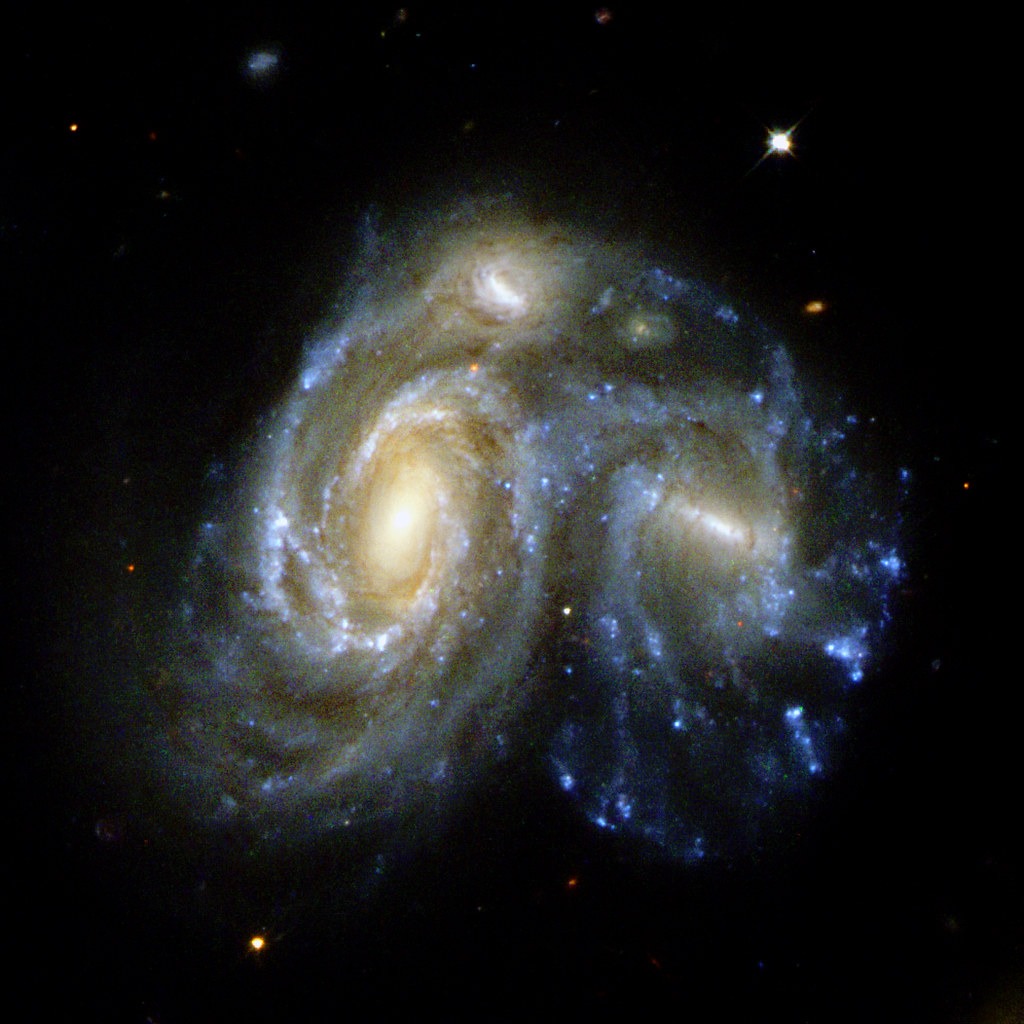
"<a href="https://www.flickr.com/photos/24354425@N03/45852509602" target="_blank" rel="noopener noreferrer">Colliding Galaxies, variant</a>" by <a href="https://www.flickr.com/photos/24354425@N03" target="_blank" rel="noopener noreferrer">sjrankin</a> is licensed under <a href="https://creativecommons.org/licenses/by-nc/2.0/" target="_blank" rel="noopener noreferrer">CC BY-NC 2.0</a>
5 Billion Years in the Future
Verified. Ratonally predicted.
Death of the Sun
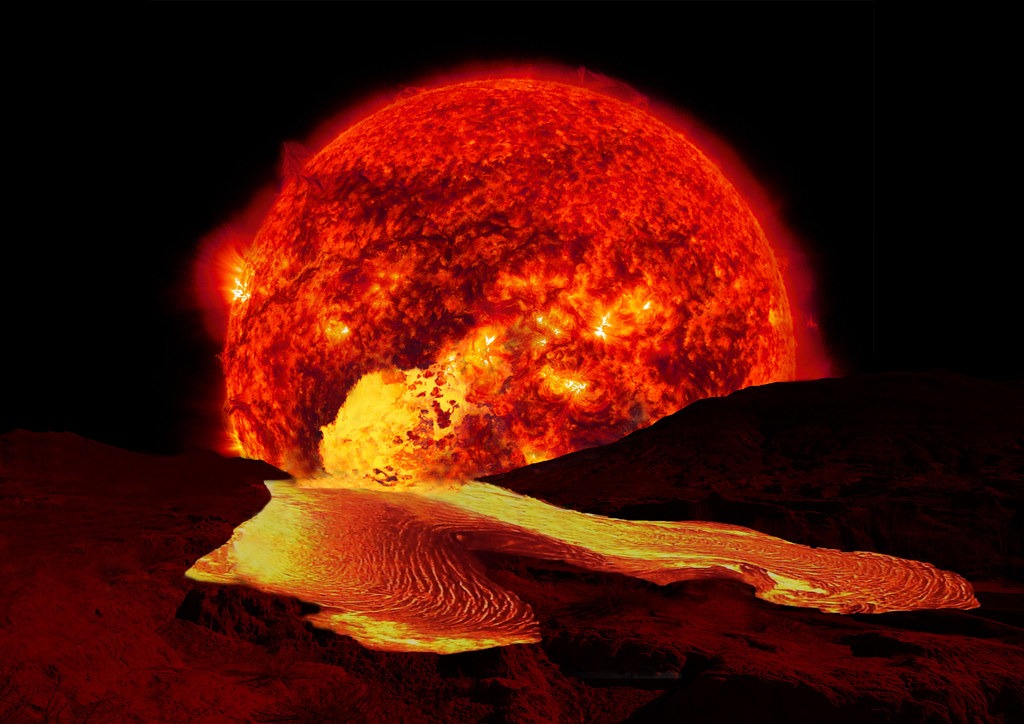
"<a href="https://www.flickr.com/photos/37413900@N04/13297090724" target="_blank" rel="noopener noreferrer">Red Giant Star</a>" by <a href="https://www.flickr.com/photos/37413900@N04" target="_blank" rel="noopener noreferrer">Maxwell Hamilton</a> is licensed under <a href="https://creativecommons.org/licenses/by/2.0/" target="_blank" rel="noopener noreferrer">CC BY 2.0</a>
7 Billion Years From Now
Verified. Ratonally predicted.
Formation of a New Solar System
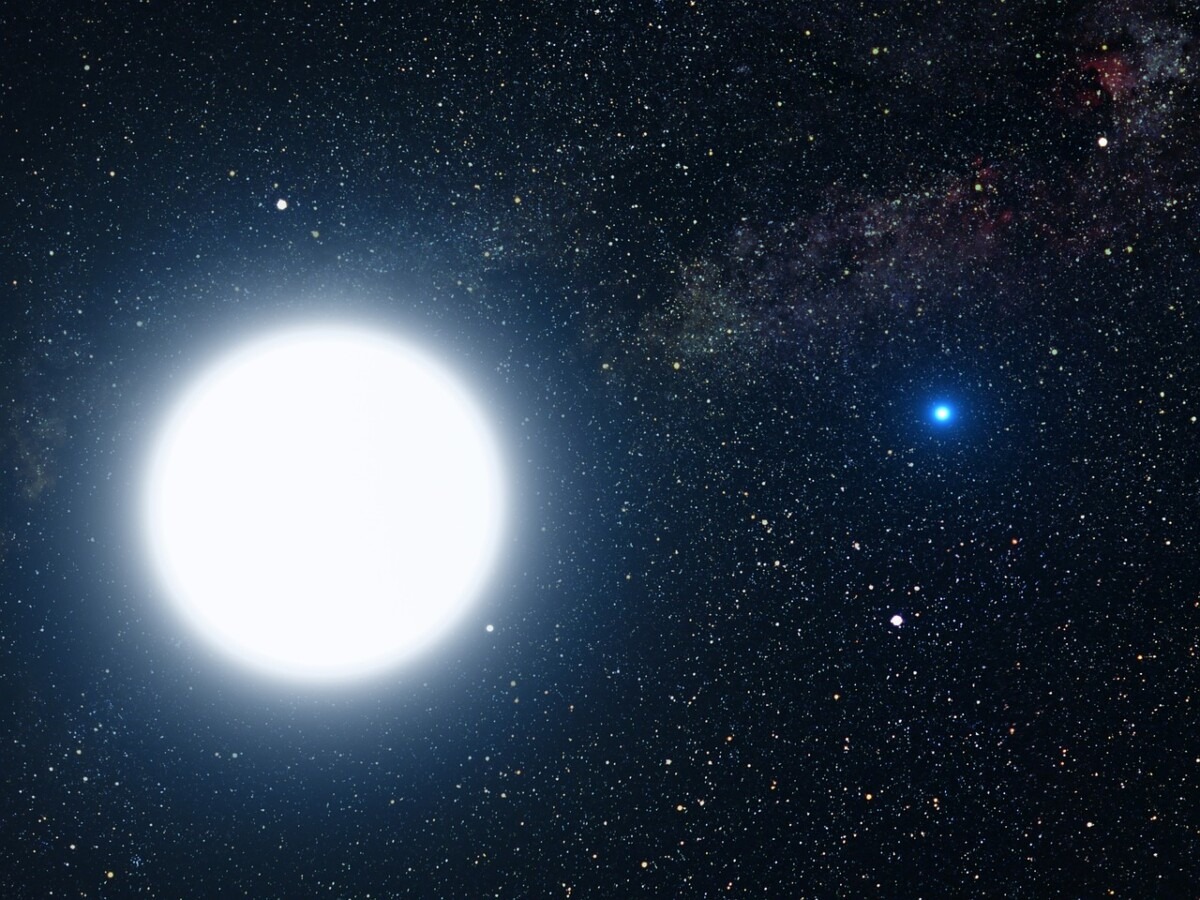
Photo by <a href="https://pixabay.com/users/WikiImages-1897/?utm_source=instant-images&utm_medium=referral" target="_blank" rel="noopener noreferrer">WikiImages</a> on <a href="https://pixabay.com" target="_blank" rel="noopener noreferrer">Pixabay</a>
50 Billion Years From Now
Speculative. Ratonally predicted.
Degradation of Earth’s Orbit
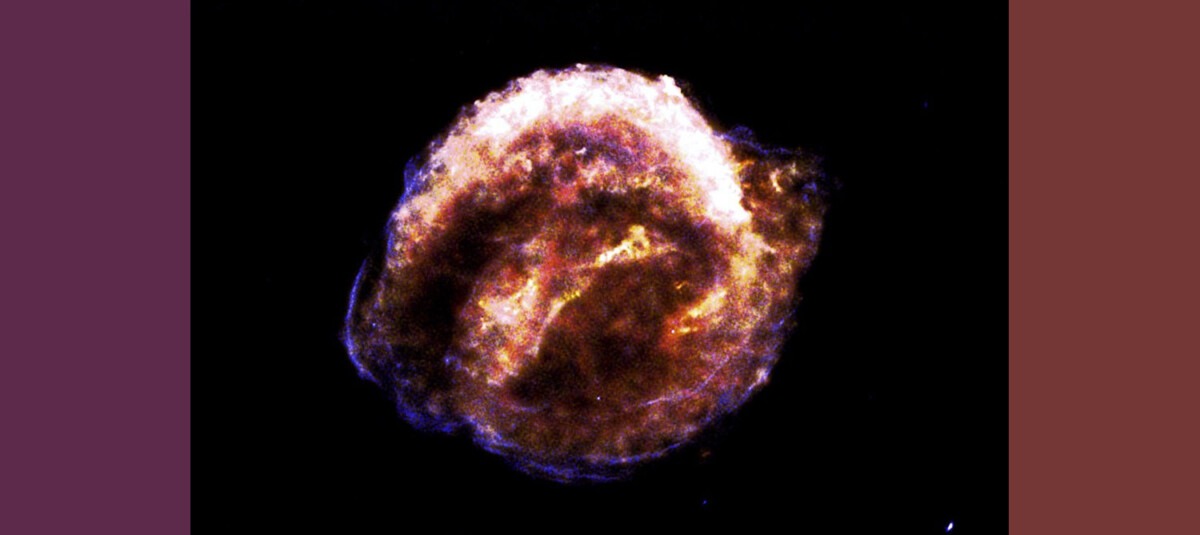
1 to 37 Quadrillion Years From Now
Highly speculative. Rationally deduced.
Black Dwarf Sun
Brown dwarfs (also called failed stars) are substellar objects that are not massive enough to sustain nuclear fusion of ordinary hydrogen into helium in their cores, unlike a main-sequence star. Instead, they have a mass between the most massive gas giant planets and the least massive stars, approximately 13 to 80 times that of Jupiter. However, they can fuse deuterium and the most massive ones (> 65 MJ) can fuse lithium.
Astronomers classify self-luminous objects by spectral class, a distinction intimately tied to the surface temperature, and brown dwarfs occupy types M, L, T, and Y. As brown dwarfs do not undergo stable hydrogen fusion, they cool down over time, progressively passing through later spectral types as they age.
Despite their name, to the naked eye, brown dwarfs would appear in different colors depending on their temperature. The warmest ones are possibly orange or red, while cooler brown dwarfs would likely appear magenta or black to the human eye. Brown dwarfs may be fully convective, with no layers or chemical differentiation by depth.
As brown dwarfs have relatively low surface temperatures, they are not very bright at visible wavelengths, emitting most of their light in the infrared. However, with the advent of more capable infrared detecting devices, thousands of brown dwarfs have been identified. The nearest known brown dwarfs are located in the Luhman 16 system, a binary of L- and T-type brown dwarfs about 6.5 light-years from the Sun. Luhman 16 is the third closest system to the Sun after Alpha Centauri and Barnard's Star.
Image created by Pablo Carlos Budassi in 2023 (pablocarlosbudassi.com)
1+ Googol Years From Now
Highly speculative. Rationally deduced.
Lambda Model: Heat Death of the Universe