
Weekly Insights for Thinkers

Science  Philosophy  Critical Thinking  History  Politics RW  AI  Physics  •  Evolution  Astronomy 30 Phil Book More…
Science  Phil  Cr. Thinking  History 

STORY

Microscope Invented = Microworld Discovered!

By Michael Alan Prestwood

Author and Natural Philosopher

Sun 12 Sep 2021
Published 4 years ago.
Updated 2 years ago.
Share :
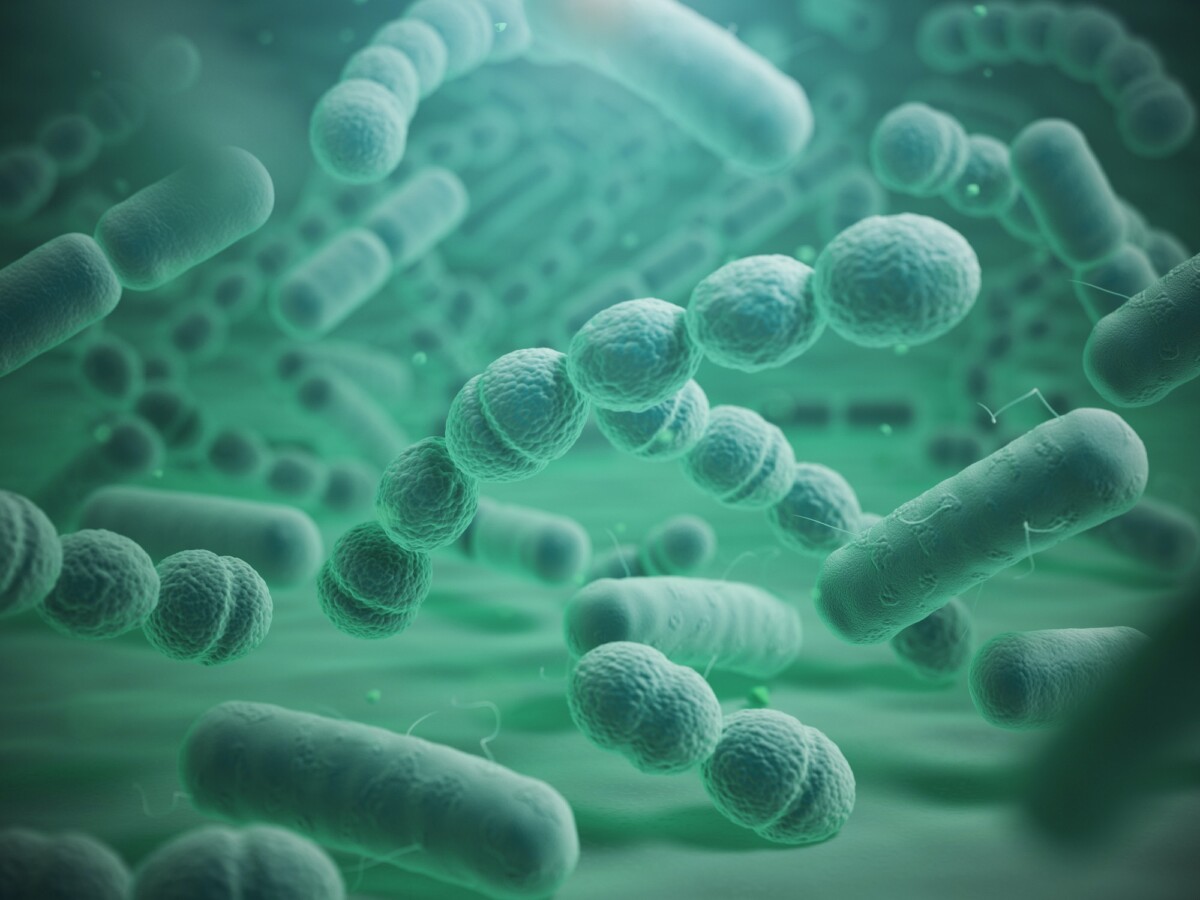
Various bacteria cells in microscope. Streptococcus pneumonia, p

Microscope Invented = Microworld Discovered!

1590 to 1640 CE

With the invention of the microscope, humanity became aware of the microworld which is defined as 1 to 1000 microns. A micron is equal to one thousands of a millimeter. A cell is about 10 microns wide. Paper is about 100 microns thick. The unaided human eye can see items as small as 50 microns, or about half the width of a piece of paper.

Scientists use three scales when talking about the biological world: the milliworld, microworld, and the nanoworld. The milliworld contains all visible items down to 1 millimeter and includes very small things such as ants, fleas, and grains of sand.

By 1640, the microscope was perfected to the point that allowed the introduction of the microworld to humanity. The microworld contains items with a diameter from 1 millimeter to 1 micrometer, or 1 micron. The microworld contains things like single celled organisms as well as the largest bacteria. By 1640, humanity started it’s introduction to trillions of organisms living everywhere including nearly everything you touch, in the ground, inside plants, and even inside humans. Humans host over 10,000 species of organisms in, on, and through the human body — known as the human microbiome. Every human no matter how clean you think you are is playing host to 10-100 trillion organisms. This fact gradually changed how every human on Earth views life.

The nanoworld which includes smaller bacteria as well as viruses, proteins, and molecules would have to wait for the invention of the electron microscope in 1931. 

Note: The micron and micrometer are the same size, but you use microns (μ) when measuring thickness, and micrometers (μm) when measuring the distance between things. So you can say a cell is 10 microns wide, or you can say the diameter of a cell is 10 micrometers. The term nanomicron, which would be equal to a nanometer, is not currently in regular use.

Michael Alan Prestwood
Author & Natural Philosopher

Prestwood writes on science-first philosophy, with particular attention to the convergence of disciplines. Drawing on his TST Framework, his work emphasizes rational inquiry grounded in empirical observation while engaging questions at the edges of established knowledge. With TouchstoneTruth positioned as a living touchstone, this work aims to contribute reliable analysis in an emerging AI era where the credibility of information is increasingly contested.

WWB Menu
7 Jan 2026
Essay of the Week
The Architecture of Change: Finding Stability in Flux
Story of the Week
Heraclitus
Quote of the Week
“Everything is in flux.”
Weekly Crossroads!
1. Science »
Will the night sky have stars nearly forever?
2. Philosophy »
What does existence before essence mean?
3. Critical Thinking »
Is cause and effect certain?
4. History!
Who were the Presocratic Philosophers?
WWB Menu
7 Jan 2026
Essay of the Week
The Architecture of Change: Finding Stability in Flux
Story of the Week
Heraclitus
Quote of the Week
“Everything is in flux.”
Weekly Crossroads!
1. Science »
Will the night sky have stars nearly forever?
2. Philosophy »
What does existence before essence mean?
3. Critical Thinking »
Is cause and effect certain?
4. History!
Who were the Presocratic Philosophers?
Scroll to Top