

Kardashev scale: Type I | Type II | Type III
(A framework introduced by the Soviet astronomer Nikolai Kardashev in 1964.)
Essentially 100% renewable and/or clean energy: I have expanded Type I from merely capturing Earth’s energy to producing an equivalent amount of energy, focusing on renewable and clean sources. The goal is to match the potential energy output from all sources but achieved entirely through renewable or clean energy methods. While the focus is on renewable and clean energy, allowances might exist for minimal uses of traditional fuels, such as preserving vintage cars for cultural purposes. The broadening of the definition from merely capturing to producing energy enables advances in technology. So, while the original definition focused only on known renewable energy sources and technology imagined at the time, this new approach enables potentially revolutionary methods such as advanced nuclear fusion, artificial photosynthesis, or other innovative means to generate power. This not only encompasses direct energy capture from natural sources but also the synthesis of new energy forms, making energy management more versatile and robust.
According to the original definition, this level of civilization can harness all the non-renewable energies like fossil fuels as well as all renewable sources like solar, wind, geothermal, and other natural energy sources. According to physicist Michio Kaku, achieving Type I status is a multi-millennial project that includes not only utilizing these energy resources but also theoretically controlling weather patterns and seismic activities. The original definition also proposed building cities on the ocean.
Reach: Homo sapiens expand to fully utilize Earth’s surface, including significant populations living underground and in orbit. Our reach extends to the Moon and Mars, where we occupy their surfaces and orbits. Agreements among diverse human groups facilitate genetic manipulation, allowing controlled evolution of Homo sapiens. This ensures that all genetic changes are consensual across all factions, giving us complete control over our evolutionary path.
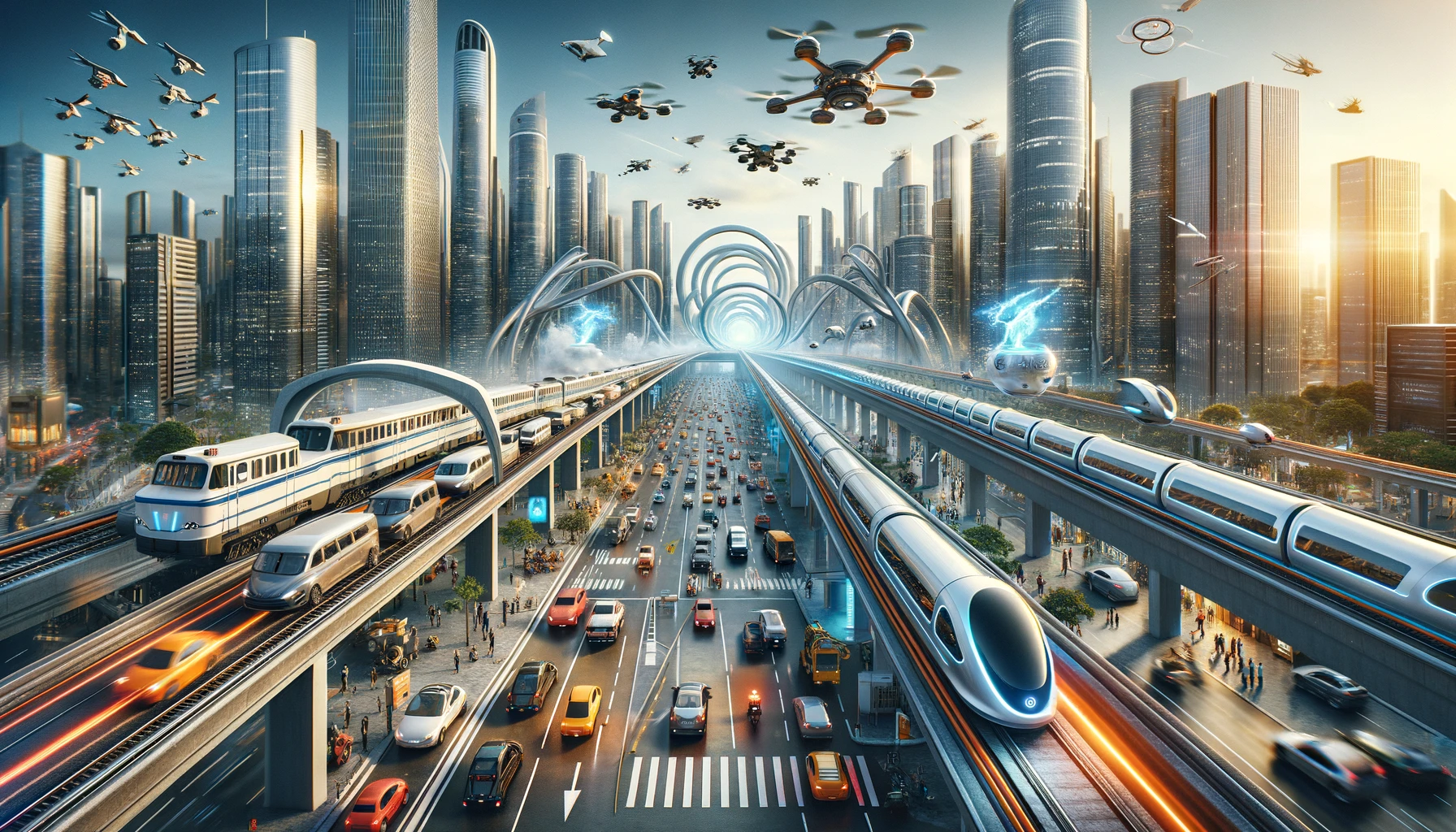
Effects: No matter how we get to Type I, energy worries no longer exist and the energy needs of individuals are essentially free. At this stage, we have so much energy that no one on Earth pays to move their personal vehicles or power their home. Perhaps businesses will pay a very small fee to run their businesses up to a certain point. Beyond that, energy would cost more, but the energy needed for most entrepreneurial innovation would be within reach. This would include the energy needed to build and use vehicles around the globe. These vehicles would likely be built and maintained by AI-controlled robots. While costing a bit more, this would include many types of projects including building cities on the ocean, vehicles moving to and from the moon and space stations, and to and from Mars.
Estimates for when humanity might achieve Type I status—or its equivalent—typically range from the next 100 to 200 years. Michio Kaku suggests that we might reach Type I status within the next few centuries. The progression towards this status is evident in our increasing global energy consumption and advances in renewable energy technologies.
