

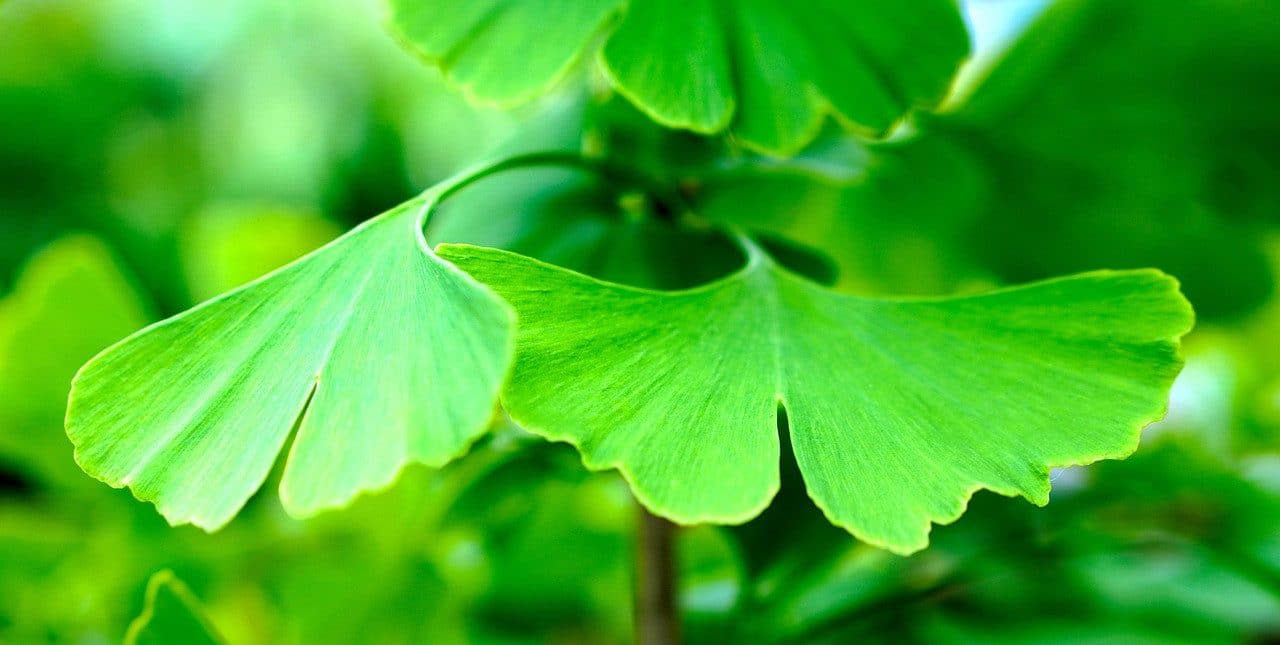
Thirty years ago, I planted a Ginkgo biloba tree simply because I liked that it was called a “living fossil.” That phrase carries weight. It suggests endurance. Survival. A design so successful it barely changed while the world transformed around it.
The fossil record shows that ginkgo-like trees were present at least 270 million years ago, during the Permian Period. They flourished across the Northern Hemisphere alongside dinosaurs and other ancient plant groups. Today, however, only one species survives: Ginkgo biloba.
“Living fossil” is an informal term. Scientifically, ginkgo is better described as a relict lineage — the last surviving member of a once far more diverse group. It is also considered a morphologically conservative lineage, meaning its overall body form has changed relatively little over long spans of evolutionary time.
But that doesn’t mean it stopped evolving. It adapted. It survived ice ages. It endured mass extinctions. It even survived the atomic bombing of Hiroshima — several ginkgo trees were among the first plants to regrow afterward.
When I look at the fan-shaped leaves each fall, turning brilliant gold before they drop almost all at once, I’m not looking at a frozen relic of the past. I’m looking at a survivor — a lineage that endured while countless others vanished.
The phrase “living fossil” is poetic.
The science calls it a relict lineage.
Either way, it’s a tree with deep time in its veins.

