Weekly Insights for Thinkers

Science  Philosophy  Critical Thinking  History  Politics RW  AI  Physics  •  Evolution  Astronomy 30 Phil Book More…
Science  Phil  Cr. Thinking  History 

FAQ

What is the difference between reason and logic?

By Michael Alan Prestwood

Author and Natural Philosopher

Sun 31 Mar 2024
Published 2 years ago.
Updated 1 month ago.
Reasoning
Share :

What is the difference between reason and logic?

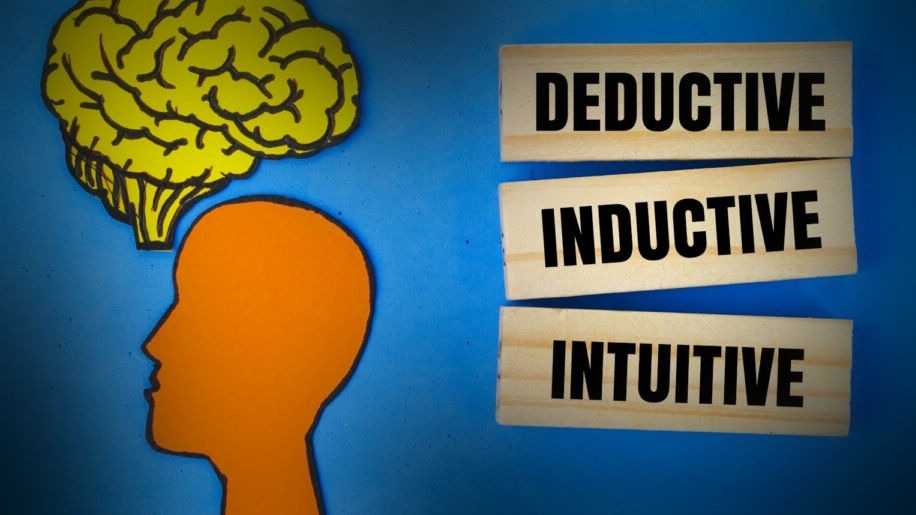
First, the dry answer. Reason is the general ability to think, analyze information, and form judgments. It’s a broader concept that encompasses various thinking processes including deductive, inductive, and abductive. Logic, on the other hand, is a specific set of rules or principles used for clear and structured thinking. A good place to focus on logic is with logical fallacies.

Now, imagine yourself in a grand kitchen, the heart of a bustling restaurant. That’s reason. It’s the chef, brimming with knowledge and creativity. She can whip up a gourmet meal from scratch, relying on experience and intuition to guide her. But sometimes, even the most skilled chefs need a recipe. That’s where logic comes in. It’s the trusted cookbook on the shelf, filled with clear instructions and time-tested techniques. Together, the chef and her recipe book create a masterpiece – a logical argument, a well-reasoned solution, or an insightful analysis. Reason provides the big-picture thinking, the ability to experiment and adapt. Logic offers the structure and rules, ensuring the final dish is not just delicious, but also follows sound culinary principles. So, the next time you’re faced with a problem or a puzzling situation, remember the chef and her cookbook – reason and logic, working together to create something truly remarkable. For a deeper exploration, take the 3-minute deep dive: “An Overview of Reason and Logic.”

Michael Alan Prestwood
Author & Natural Philosopher

Prestwood writes on science-first philosophy, with particular attention to the convergence of disciplines. Drawing on his TST Framework, his work emphasizes rational inquiry grounded in empirical observation while engaging questions at the edges of established knowledge. With TouchstoneTruth positioned as a living touchstone, this work aims to contribute reliable analysis in an emerging AI era where the credibility of information is increasingly contested.

WWB Menu
January 14, 2026
Essay of the Week
Eternal Recurrence: If You Had to Live This Year Forever
Story of the Week
Friedrich Nietzsche
Quote of the Week
Could you affirm your life so fully that you would will its eternal repetition?
Weekly Crossroads!
1. Science »
What does neuroscience say about “identity?”
2. Philosophy »
Did existential authenticity originate in the East?
3. Critical Thinking »
What’s the difference between intentional change and wishful thinking?
4. History!
What is the history of existentialism?

Comments

Join the Conversation! Currently logged out.
NEW BOOK! NOW AVAILABLE!!

30 Philosophers: A New Look at Timeless Ideas

by Michael Alan Prestwood
The story of the history of our best ideas!
WWB Menu
January 14, 2026
Essay of the Week
Eternal Recurrence: If You Had to Live This Year Forever
Story of the Week
Friedrich Nietzsche
Quote of the Week
Could you affirm your life so fully that you would will its eternal repetition?
Weekly Crossroads!
1. Science »
What does neuroscience say about “identity?”
2. Philosophy »
Did existential authenticity originate in the East?
3. Critical Thinking »
What’s the difference between intentional change and wishful thinking?
4. History!
What is the history of existentialism?
Scroll to Top