Weekly Insights for Thinkers

Science  Philosophy  Critical Thinking  History  Politics RW  AI  Physics  •  Evolution  Astronomy 30 Phil Book More…
Science  Phil  Cr. Thinking  History 

FAQ

What is fear-based ethics?

By Michael Alan Prestwood

Author and Natural Philosopher

Wed 20 Nov 2024
Published 1 year ago.
Updated 2 weeks ago.
Fear-based Ethics
Share :

What is fear-based ethics?

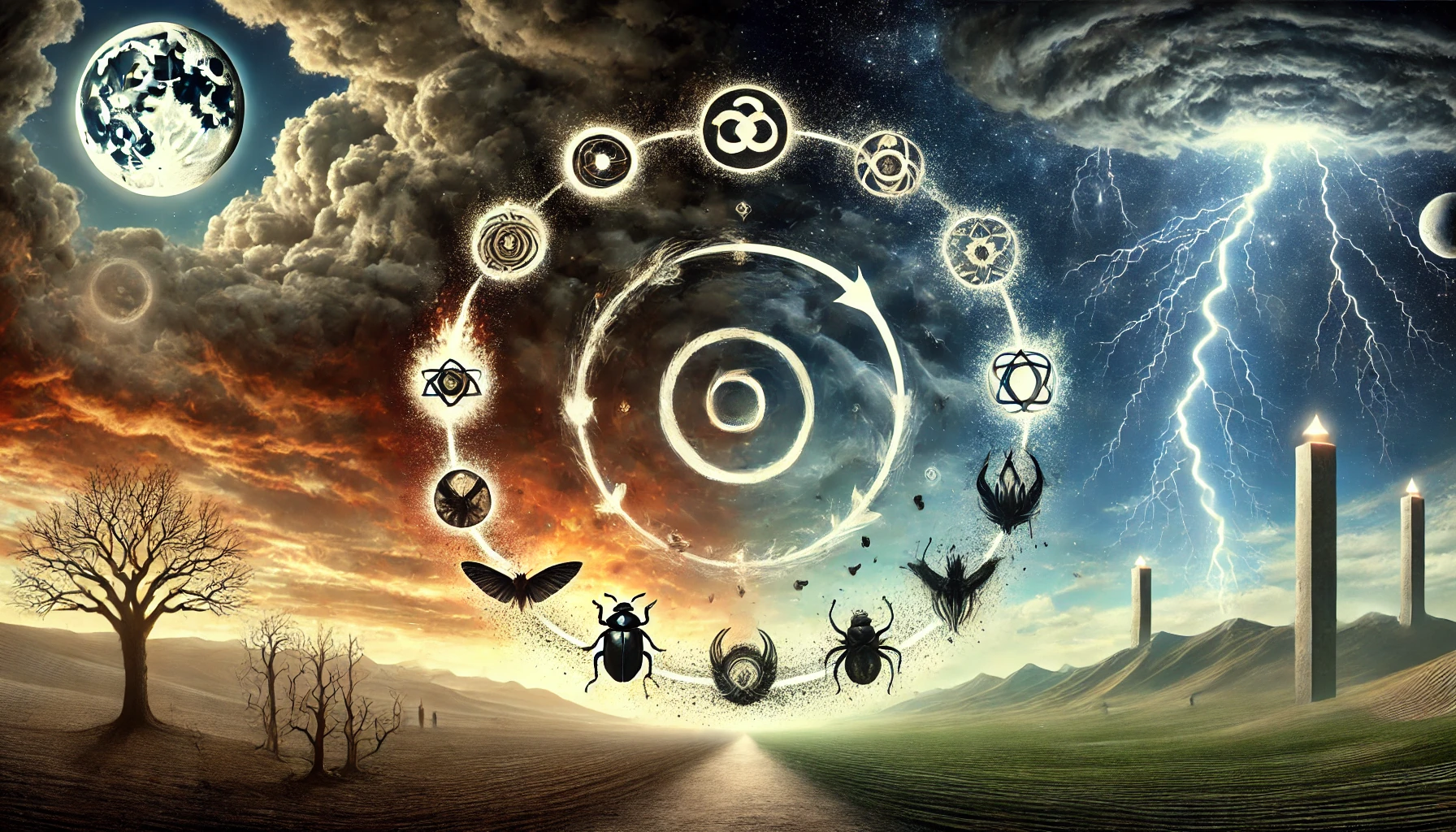
Fear-based ethics refers to moral systems that use the fear of consequences to guide behavior. Think of Karma or God’s wrath! Under these systems, actions are judged by punishment. With Divine Command Theory, good deeds are judged by God: you don’t murder someone simply because “God says murder is wrong.” With Karma, good acts in this life are done to avoid rebirth as something lowly, like a dung beetle, in the next.

In these systems, morality becomes less about values and more about consequences. One of the problems with this approach is that it doesn’t hold up when fear fades—when someone is no longer afraid of the consequences or loses faith. This emphasis on punishment creates a framework where ethical decisions rely heavily on fear, often leaving individuals morally adrift when fear or faith falters.

The solution to this dilemma is simple: focus on the reasons why these punishments were ever deemed necessary. For religious teachings, this means encouraging followers to strive for good karma or obey God’s words but also understanding the underlying wisdom in these moral commands.

This shift in focus moves the emphasis from punishment to the reasons one wouldn’t want to commit harmful acts in the first place. With an understanding of why an action is deemed wrong—avoiding harm, maintaining harmony, promoting empathy—one can build a more grounded moral compass based on genuine understanding, not fear.

Michael Alan Prestwood
Author & Natural Philosopher

Prestwood writes on science-first philosophy, with particular attention to the convergence of disciplines. Drawing on his TST Framework, his work emphasizes rational inquiry grounded in empirical observation while engaging questions at the edges of established knowledge. With TouchstoneTruth positioned as a living touchstone, this work aims to contribute reliable analysis in an emerging AI era where the credibility of information is increasingly contested.

WWB Menu
7 Jan 2026
Essay of the Week
The Architecture of Change: Finding Stability in Flux
Story of the Week
Heraclitus
Quote of the Week
“Everything is in flux.”
Weekly Crossroads!
1. Science »
Will the night sky have stars nearly forever?
2. Philosophy »
What does existence before essence mean?
3. Critical Thinking »
Is cause and effect certain?
4. History!
Who were the Presocratic Philosophers?

Comments

Join the Conversation! Currently logged out.
NEW BOOK! NOW AVAILABLE!!

30 Philosophers: A New Look at Timeless Ideas

by Michael Alan Prestwood
The story of the history of our best ideas!
WWB Menu
7 Jan 2026
Essay of the Week
The Architecture of Change: Finding Stability in Flux
Story of the Week
Heraclitus
Quote of the Week
“Everything is in flux.”
Weekly Crossroads!
1. Science »
Will the night sky have stars nearly forever?
2. Philosophy »
What does existence before essence mean?
3. Critical Thinking »
Is cause and effect certain?
4. History!
Who were the Presocratic Philosophers?
Scroll to Top