Weekly Insights for Thinkers

Science  Philosophy  Critical Thinking  History  Politics RW  AI  Physics  •  Evolution  Astronomy 30 Phil Book More…
Science  Phil  Cr. Think  Hist 

Big History Thresholds

Collective Learning Emerges

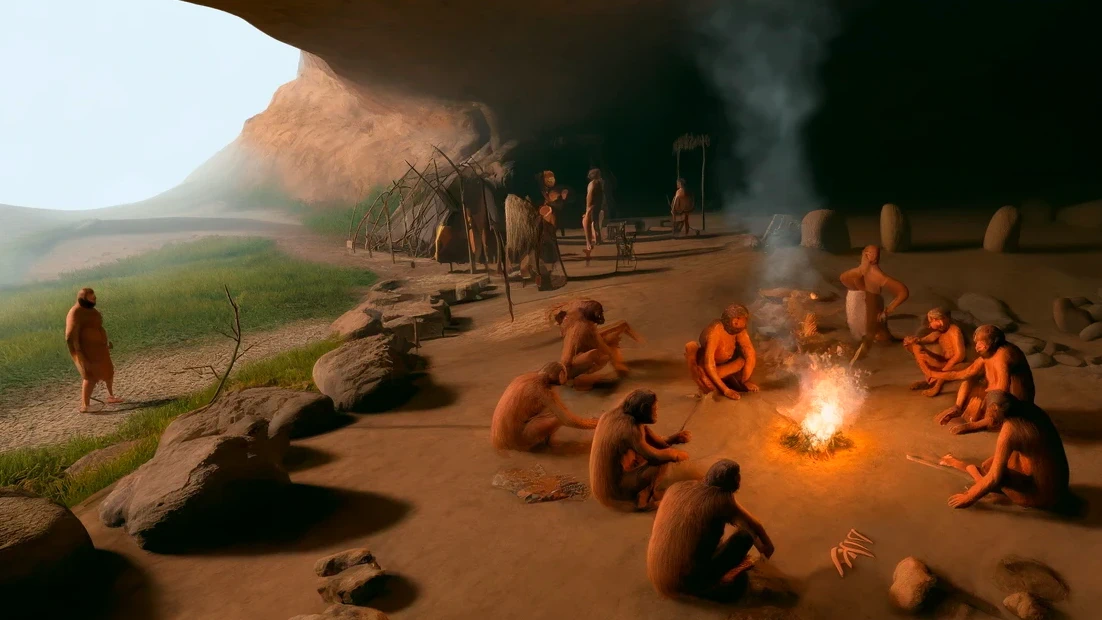
The dawn of collective learning can be traced back the oldest known stone tools, discovered at Lomekwi 3 in Kenya. The creation of these tools required more than just individual innovation; it involved the rudimentary form of collective learning, where knowledge of toolmaking was shared within groups. This early transmission of skills not only enhanced […]

Collective Learning Emerges Read More »
Mexico: Guilá Naquitz (Agrarian)

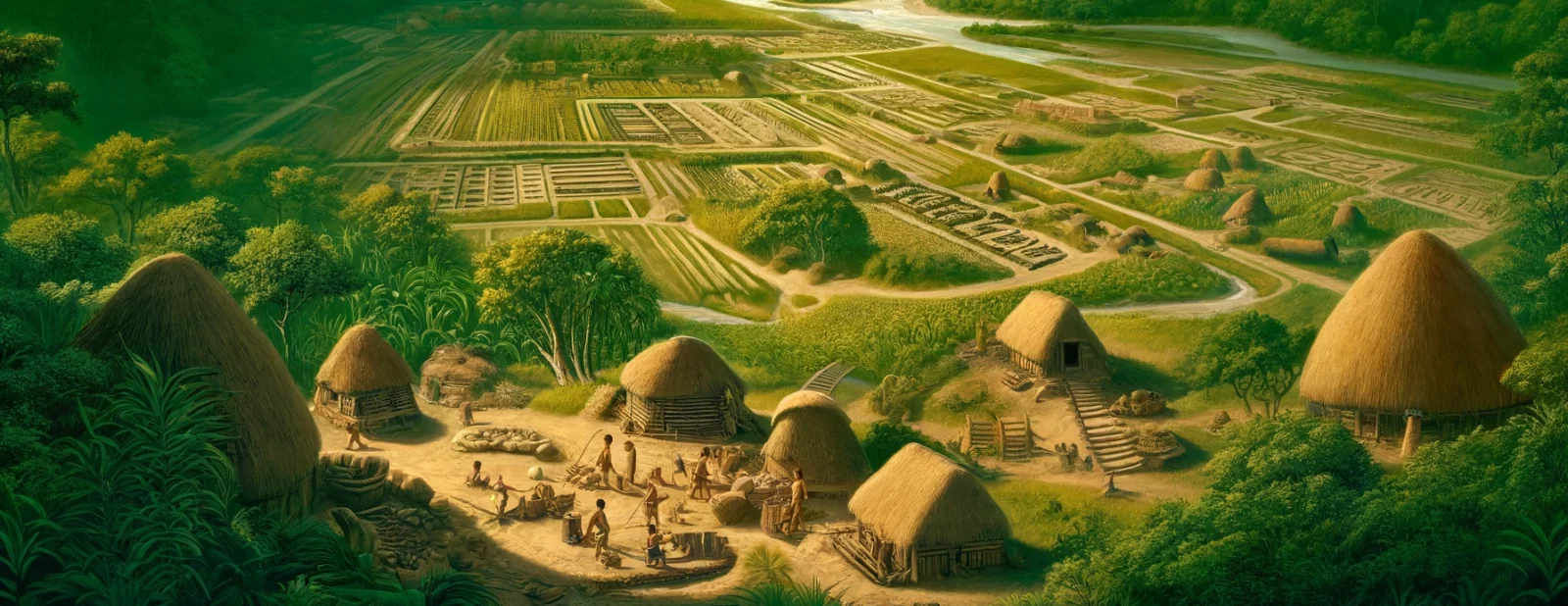
Earliest known agrarian society in the Americas zone: In Oaxaca, Mexico, the site of Guilá Naquitz provides evidence of early plant domestication, particularly of squash, around 8000 BCE, with subsequent developments including maize and beans. Imagined Image: An early agrarian society of Oaxaca, Mexico, circa 7900 BCE. It showcases small, temporary shelters, with indigenous people

Mexico: Guilá Naquitz (Agrarian) Read More »

Francis Bacon

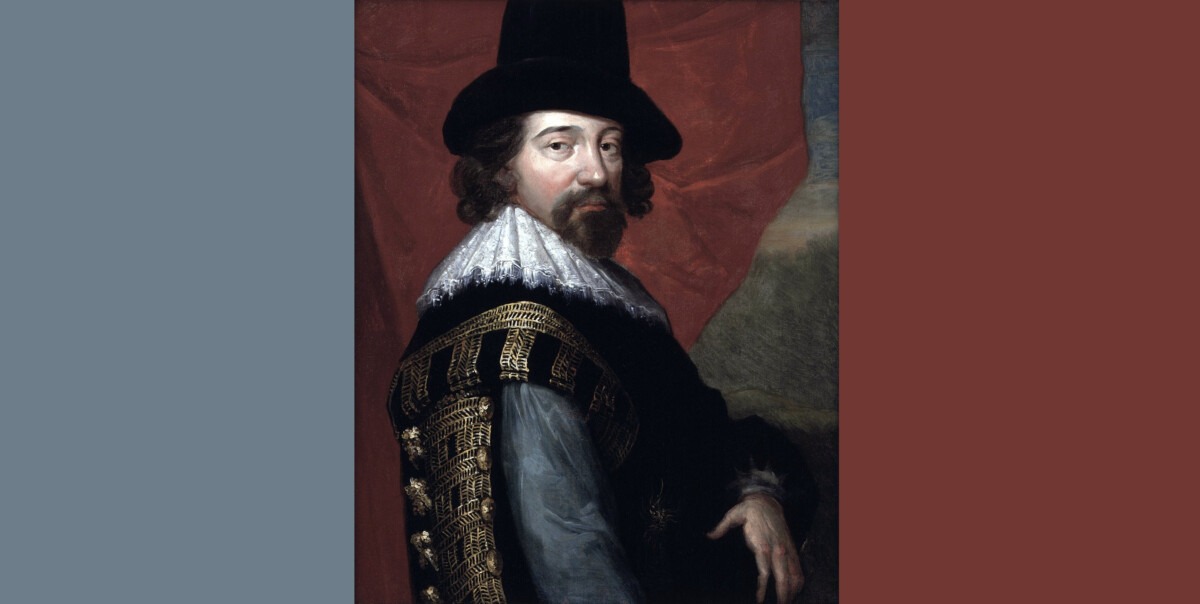
18 Generations Ago 30 Phil, Chapter 20: Francis Bacon and the Scientific Method Francis Bacon was born on January 22, 1561, in London to a prominent and influential family. The young Francis Bacon received a comprehensive education, attending the prestigious Trinity College, Cambridge, at the age of 12. Bacon is the Father of the Scientific

Francis Bacon Read More »

debris of a stellar explosion, 3d illustration

Interstellar Clouds: Organic Molecules

The synthesis of simple organic molecules such as formaldehyde (H₂CO), methanol (CH₃OH), and simple hydrocarbons in the dense molecular clouds of the interstellar medium occured once sufficient carbon was present. This process has been ongoing for billions of years but became more prevalent as the universe aged and more carbon became available. Big History Thresholds:

Interstellar Clouds: Organic Molecules Read More »

Big Bang Expansion

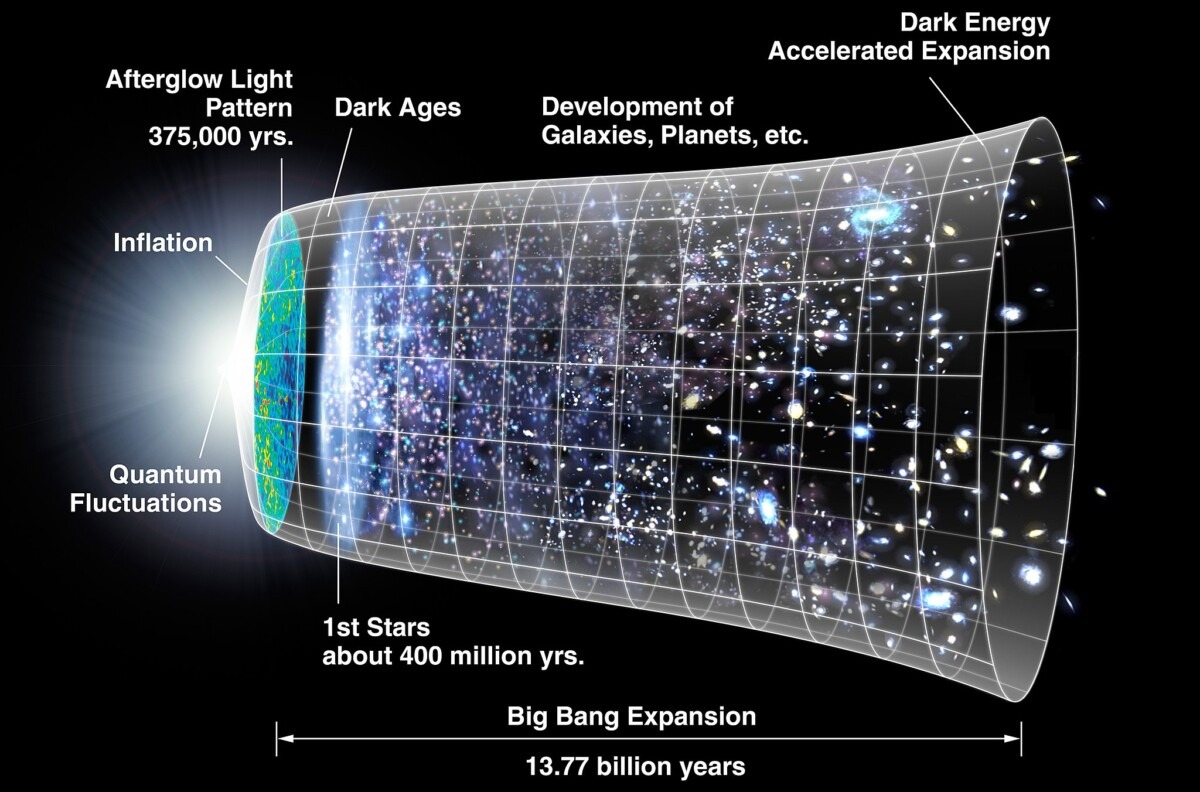
30 Phil, Chapter 1 Touchstone 1 of 80: Big Bang. Immediately following the state of the singularity, the universe entered a phase of rapid expansion and cooling, known as the Big Bang Expansion. This critical period signifies not an explosion in space but the very expansion of space itself, from an incomprehensibly dense point known

Big Bang Expansion Read More »

a group of orange and red objects floating in the air

First Life: Self-Replicating Molecules

The appearance of self-replicating molecules, such as RNA or similar nucleic acid analogues, signified a monumental leap towards life. These molecules had the ability to store genetic information and catalyze their own replication, laying the foundational mechanism for heredity and evolution by natural selection, driving the complexity forward towards the emergence of life as we

First Life: Self-Replicating Molecules Read More »

Epic sun surface flare prominence solar system

Birth of the Sun

4.6 billion years ago, a cloud of gas and dust collapsed under the force of its own gravity to form our solar system.With the Sun at its center, glowing, the planets had not yet formed. The Sun, a G-type Population 1 star, shines brightly with a surface temperature of about 9,400 degrees, 5,500 Kelvin, and

Birth of the Sun Read More »

Scroll to Top