Explore Science-first Philosophy

Big Picture

A higher view of evolution.

Collective Learning Emerges

The dawn of collective learning can be traced back the oldest known stone tools, discovered at Lomekwi 3 in Kenya. The creation of these tools required more than just individual innovation; it involved the rudimentary form of collective learning, where knowledge of toolmaking was shared within groups. This early transmission of skills not only enhanced […]

Collective Learning Emerges Read More »
Transcendental Intelligence Emerges

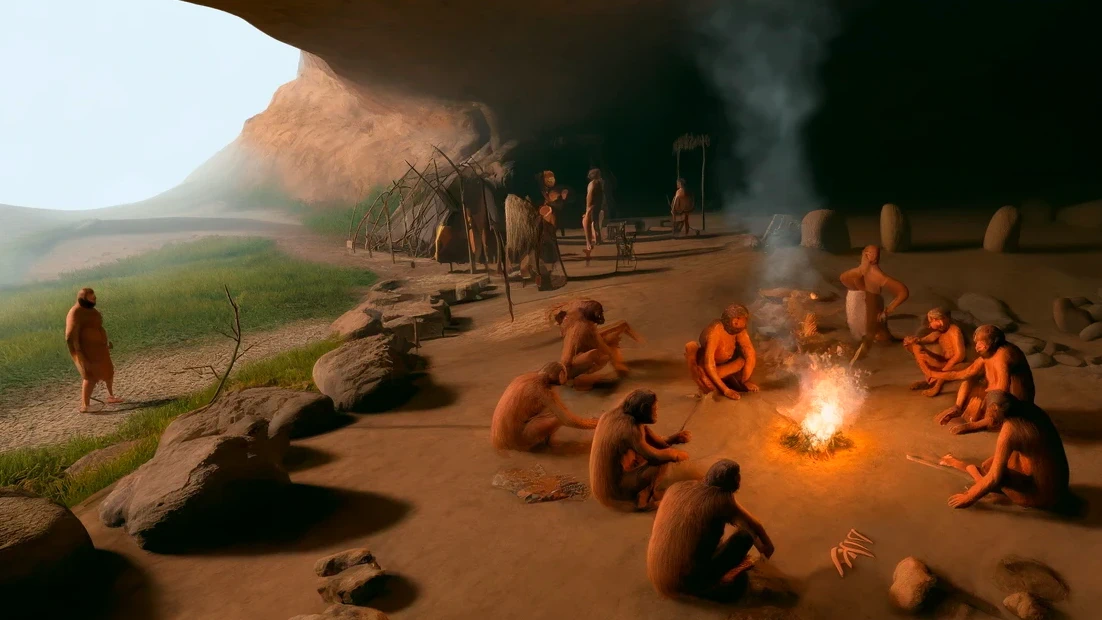
Transcendental Intelligence (TI) likely emerged around this time in species like Homo antecessor and Homo heidelbergensis. Species such as these mark a compelling case for the early development of TI: the ability to store information outside the mind and across generations. This would likely take the form of stories, art, or something like a symbolic

Transcendental Intelligence Emerges Read More »

Keratin Genes & the Rise of Scales in Fish

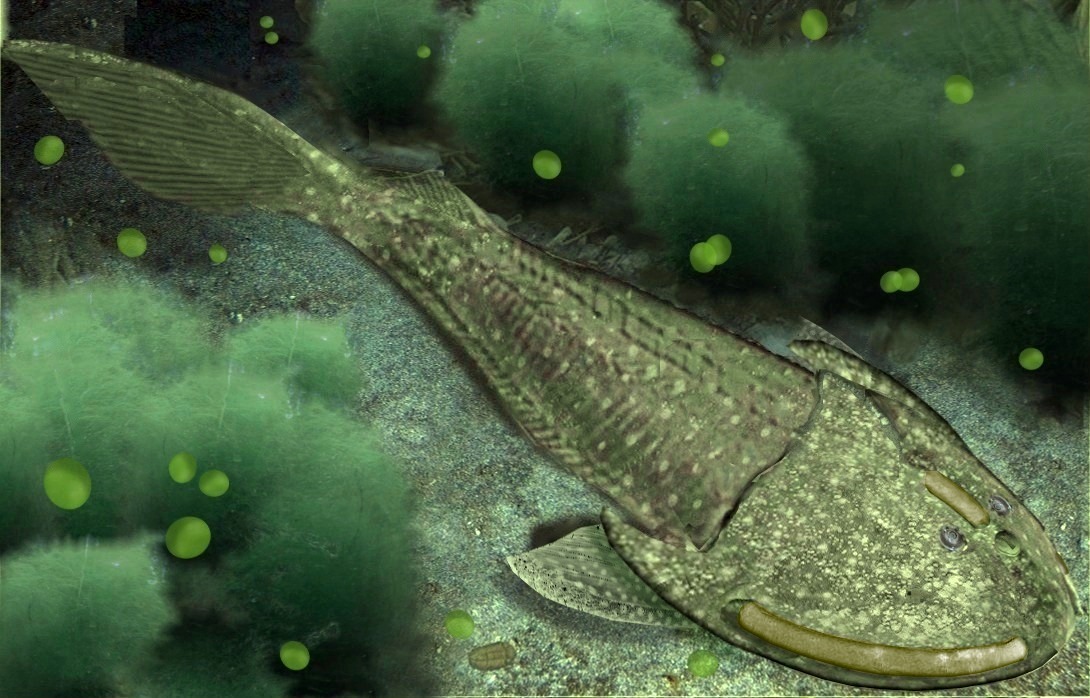
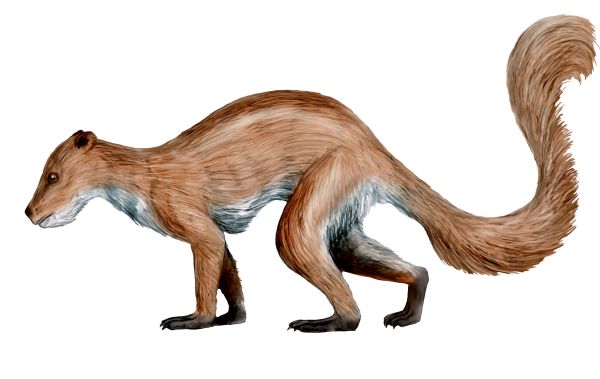
These early scales provided a vital protective layer, acting like underwater armor against predators, abrasions, and environmental threats. The keratin genes that led to scales are an interesting part of our story. When amphibians evolved onto land, scales near the tips of their evolving toes transformed into thicker protection and traction, eventually giving rise to

Keratin Genes & the Rise of Scales in Fish Read More »

Mexico: Guilá Naquitz (Agrarian)

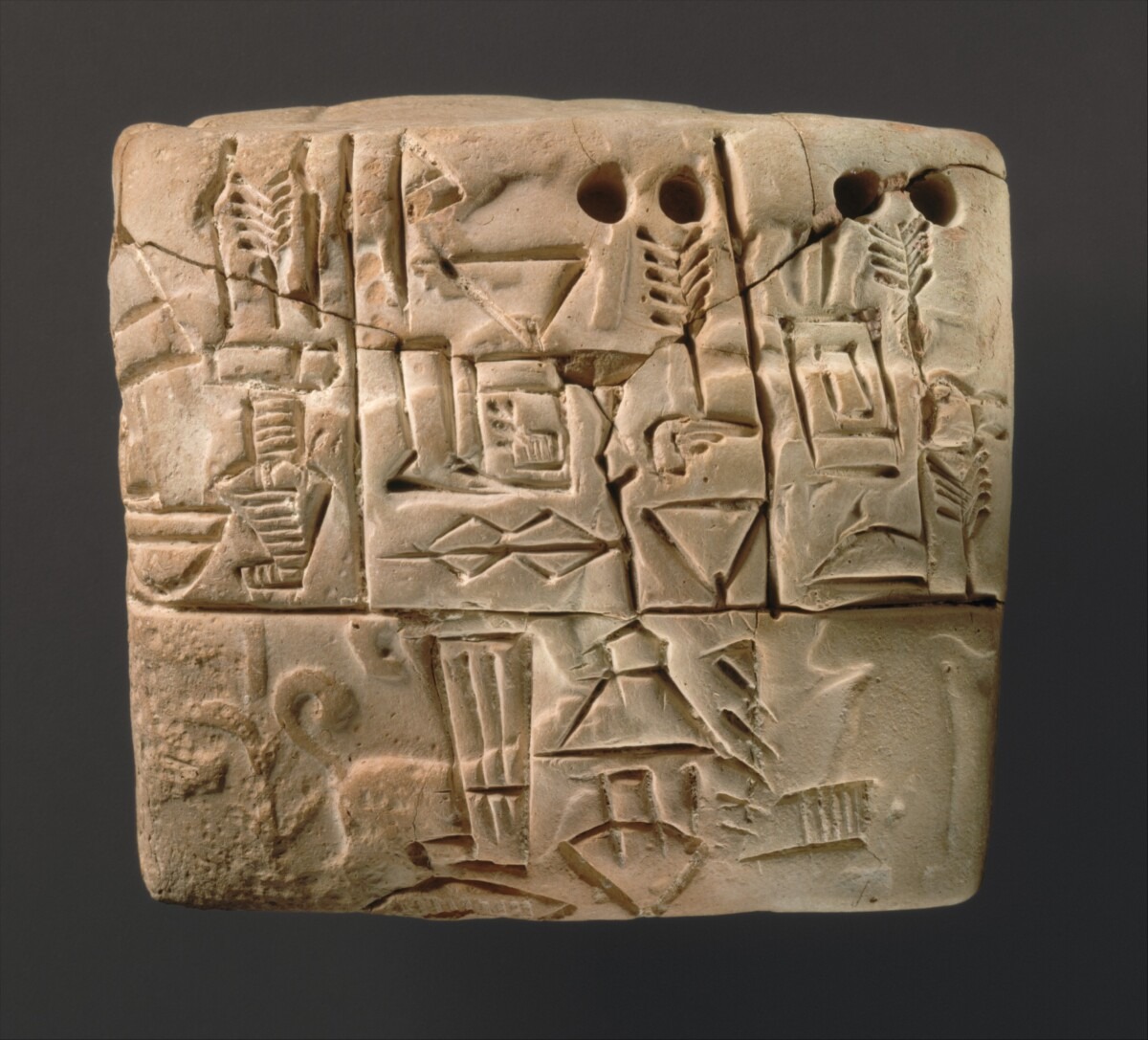
Earliest known agrarian society in the Americas zone: In Oaxaca, Mexico, the site of Guilá Naquitz provides evidence of early plant domestication, particularly of squash, around 8000 BCE, with subsequent developments including maize and beans. Imagined Image: An early agrarian society of Oaxaca, Mexico, circa 7900 BCE. It showcases small, temporary shelters, with indigenous people

Mexico: Guilá Naquitz (Agrarian) Read More »

Francis Bacon

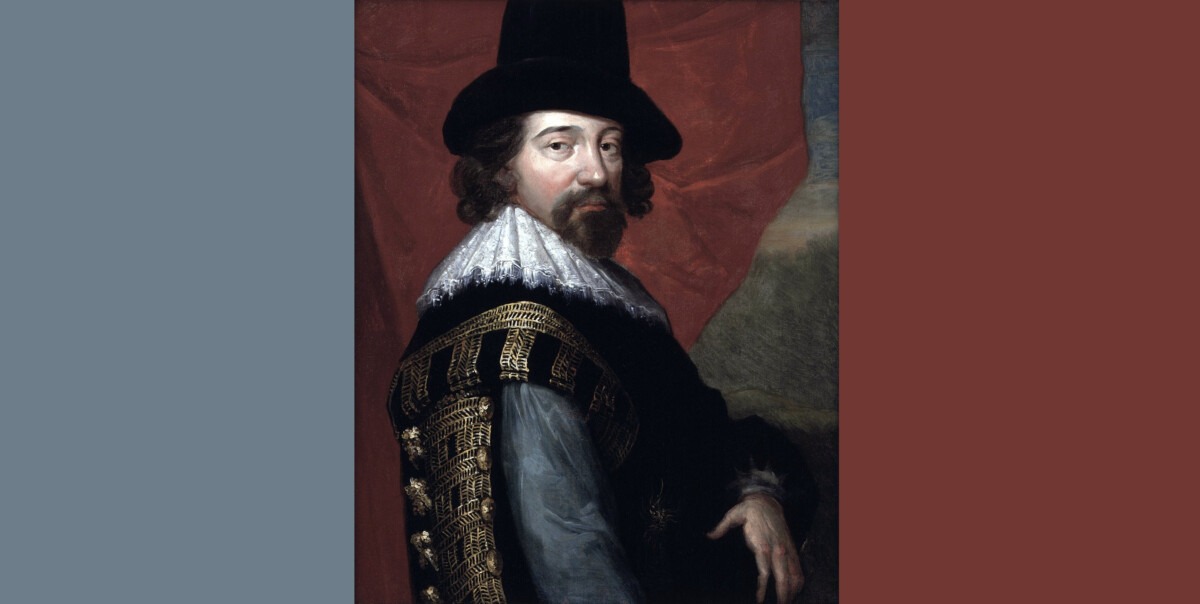
18 Generations Ago 30 Phil, Chapter 20: Francis Bacon and the Scientific Method Francis Bacon was born on January 22, 1561, in London to a prominent and influential family. The young Francis Bacon received a comprehensive education, attending the prestigious Trinity College, Cambridge, at the age of 12. Bacon is the Father of the Scientific

Francis Bacon Read More »

debris of a stellar explosion, 3d illustration

Interstellar Clouds: Organic Molecules

The synthesis of simple organic molecules such as formaldehyde (H₂CO), methanol (CH₃OH), and simple hydrocarbons in the dense molecular clouds of the interstellar medium occured once sufficient carbon was present. This process has been ongoing for billions of years but became more prevalent as the universe aged and more carbon became available. Big History Thresholds:

Interstellar Clouds: Organic Molecules Read More »

geometry, mathematics, volume

The Invention of Calculus

Invented by Newton in the 1660s (pub. 1687) and independently by Leibniz in the 1680s (pub. 1684). Both built on Galileo’s popularizing the idea of the infinitesimal. Calculus, the mathematical study of continuous change, introduced the concepts of differentiation and integration, providing tools to model and analyze motion, growth, and the infinitesimal. Newton, working primarily

The Invention of Calculus Read More »

Scroll to Top