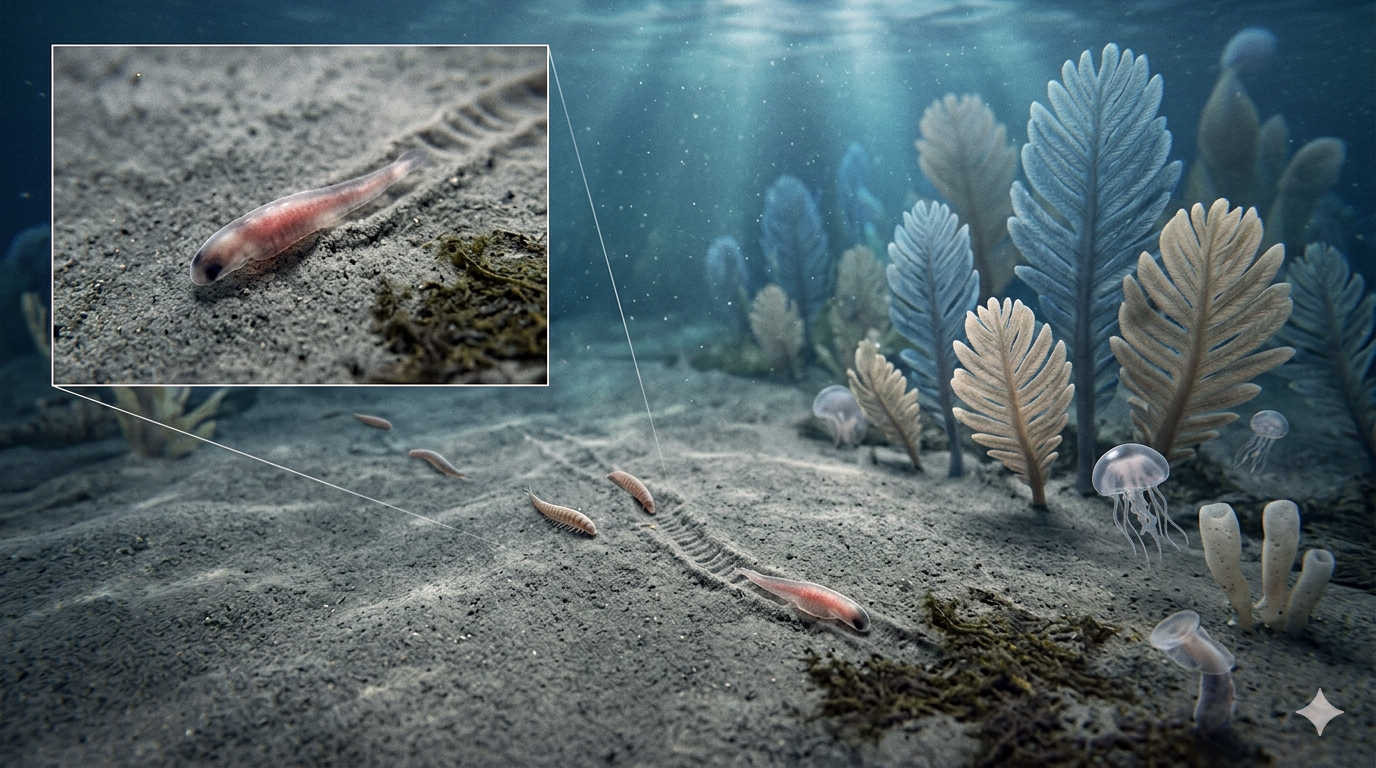
Bilaterian Split: The Origin of Agency
The animal evolution of the bilaterian body plan is directionality, which gave us both physical and mental agency.
Bilaterian Split: The Origin of Agency Read More »


The animal evolution of the bilaterian body plan is directionality, which gave us both physical and mental agency.
Bilaterian Split: The Origin of Agency Read More »

In more advanced forms, play becomes a complex tool for social bonding, emotional learning, and cognitive development. Carnivores like wolves and cats engage in cooperative games that refine group hunting skills, while elephants are known for their intricate, playful interactions that build emotional connections. Among primates, play takes on its most elaborate forms, fostering problem-solving,
Higher Play Evolves in Social Mammals Read More »

Play in its most basic form likely began as simple, physical interactions aimed at honing survival skills. Modern animals like squirrels, kangaroos, and hedgehogs still exhibit these foundational behaviors, engaging in chasing, pouncing, and wrestling. These actions help young animals develop coordination and reflexes while providing a safe way to practice life-essential tasks. Surprisingly, even
Early Play Evolves in Mammals Read More »

Laughter is older than language, older than humans, and probably older than the human-chimp split. Its first purpose was not comedy, but connection. In the breathy play sounds of ancient apes, we can hear the early roots of emotional intelligence, friendship, and social trust.
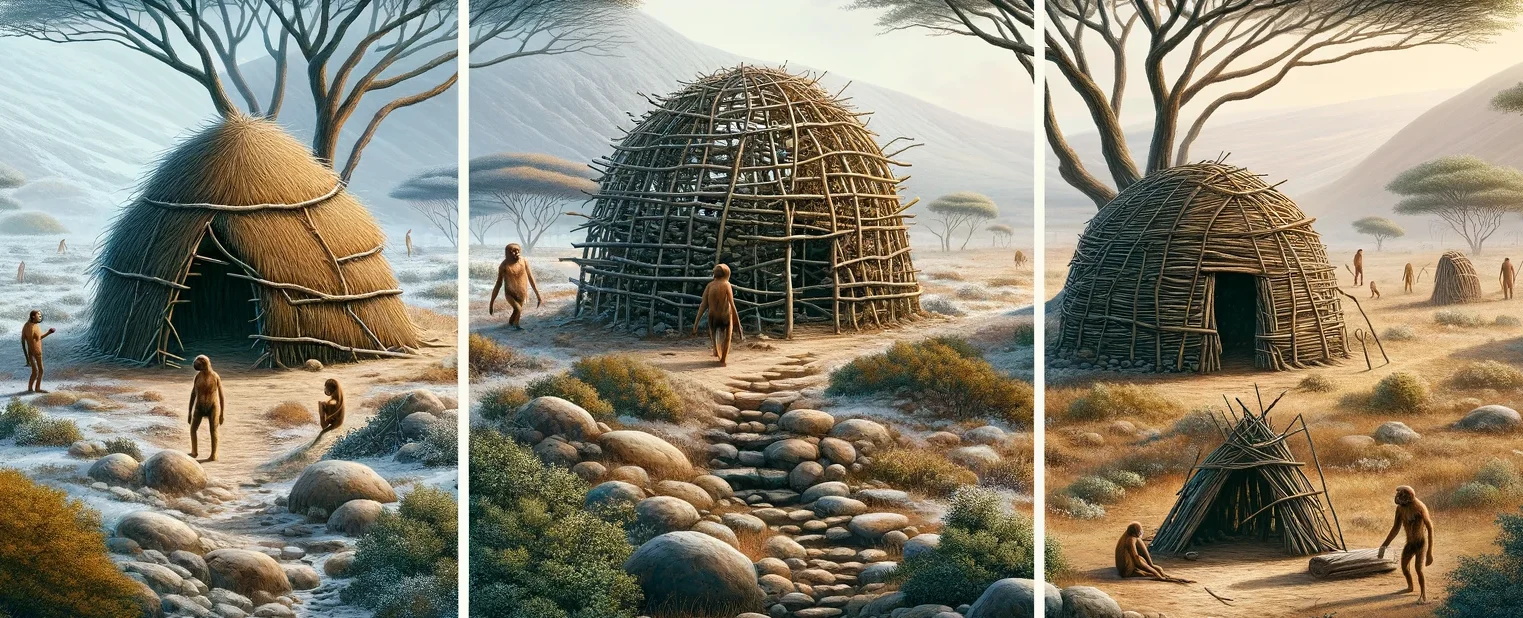
The origins of tent-like structures in human history remain shrouded in mystery, primarily due to the perishable materials involved and the lack of direct archaeological evidence. However, as Homo erectus appeared and spread into varied climates, their enhanced tool-making skills and control of fire likely necessitated and enabled the construction of more complex shelters. This
Emergence of Early Hominin Shelters Read More »

The earliest containers were likely simple natural resources that early hominins stumbled upon and adapted for use. Starting possibly with Homo habilis around 2.0 million years ago, these early humans may have utilized large leaves, shells, or naturally hollowed-out pieces of wood as rudimentary containers. This usage marks an innovative step in early human technology,
First Proto-Containers Read More »
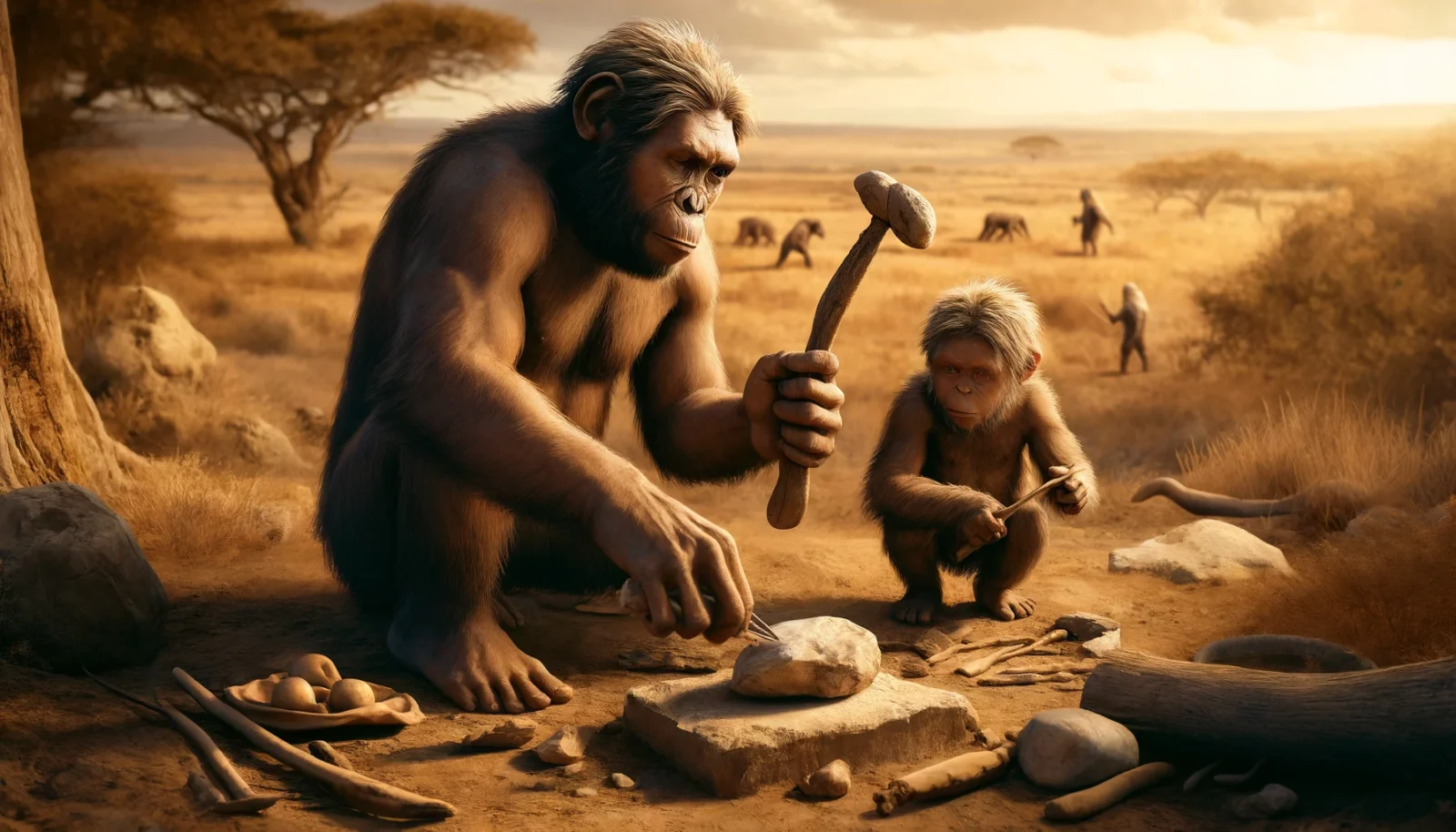
The dawn of collective learning can be traced back the oldest known stone tools, discovered at Lomekwi 3 in Kenya. The creation of these tools required more than just individual innovation; it involved the rudimentary form of collective learning, where knowledge of toolmaking was shared within groups. This early transmission of skills not only enhanced
Collective Learning Emerges Read More »
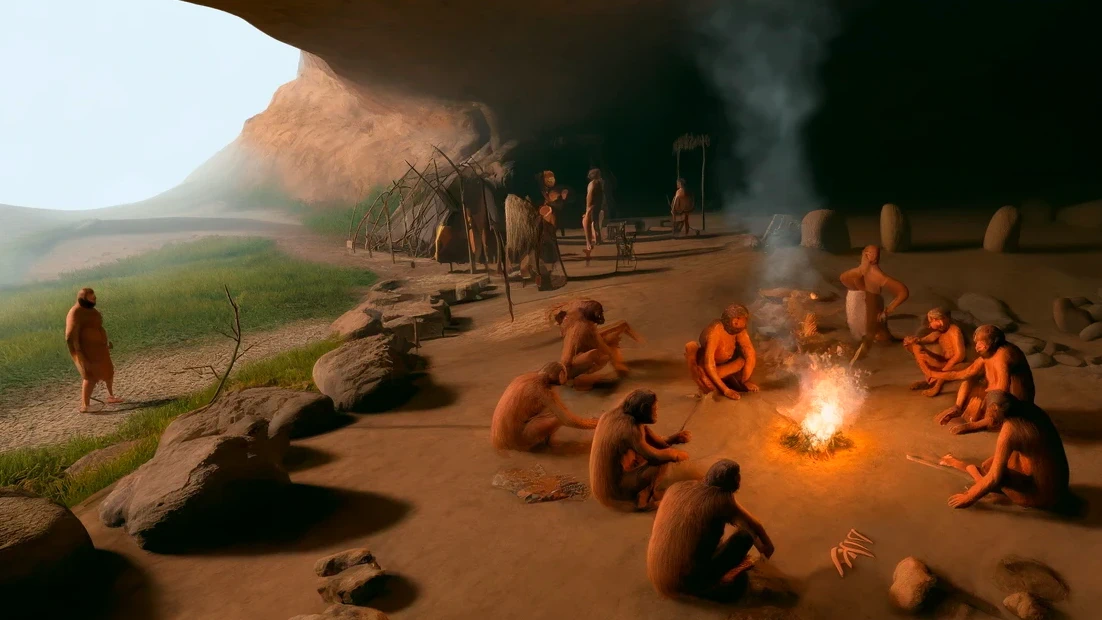
Transcendental Intelligence (TI) likely emerged around this time in species like Homo antecessor and Homo heidelbergensis. Species such as these mark a compelling case for the early development of TI: the ability to store information outside the mind and across generations. This would likely take the form of stories, art, or something like a symbolic
Transcendental Intelligence Emerges Read More »
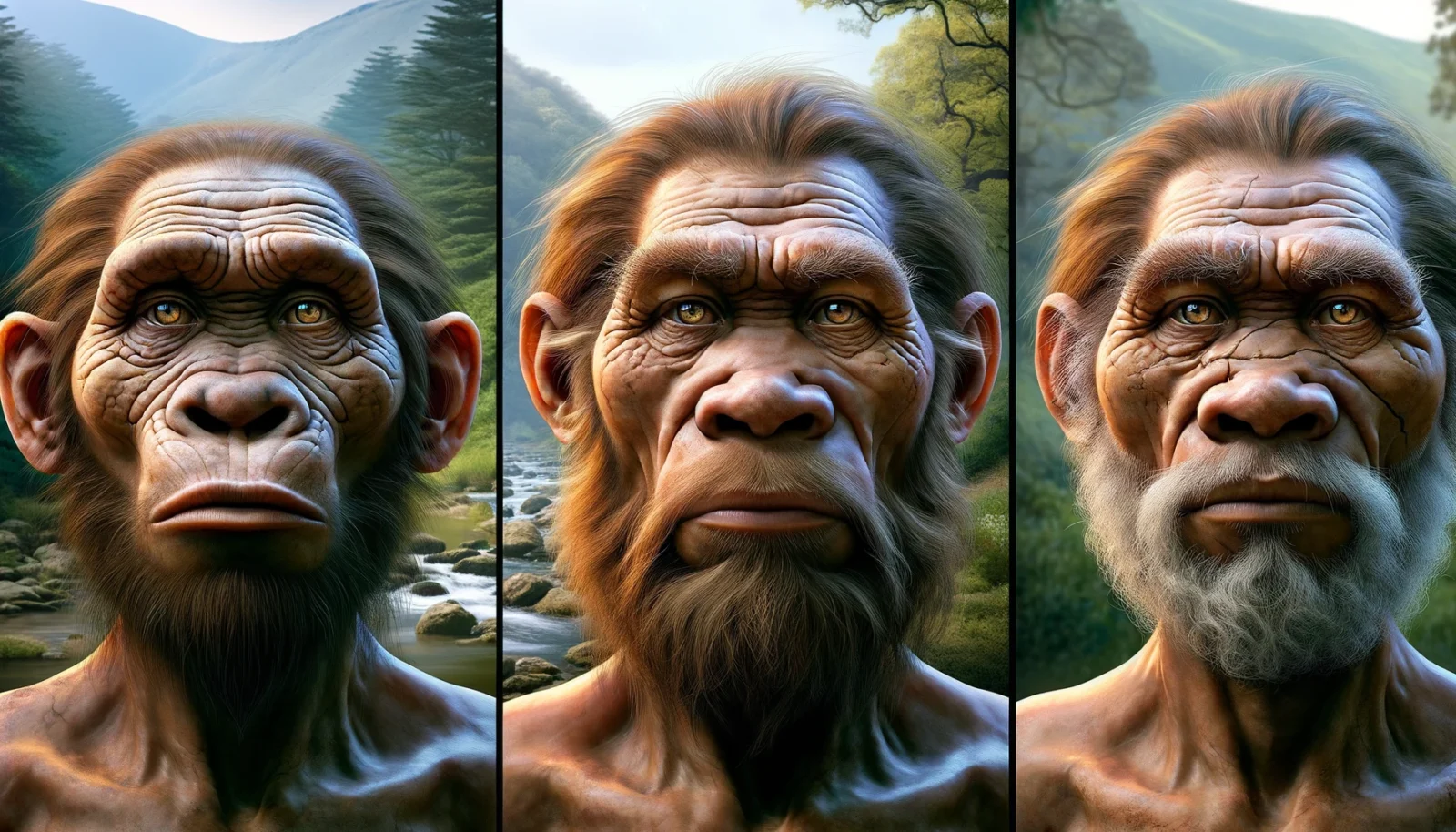
Full emotional intelligence (EI) likely emerged around this time in species such as Homo antecessor and Homo heidelbergensis. EI heralds the dawn of a new era where emotional intelligence began to take a recognizable shape. Analysis: With indications of complex social structures, more potential for language, and advanced tool-making abilities, these species navigated their world
Full Emotional Intelligence Emerges Read More »
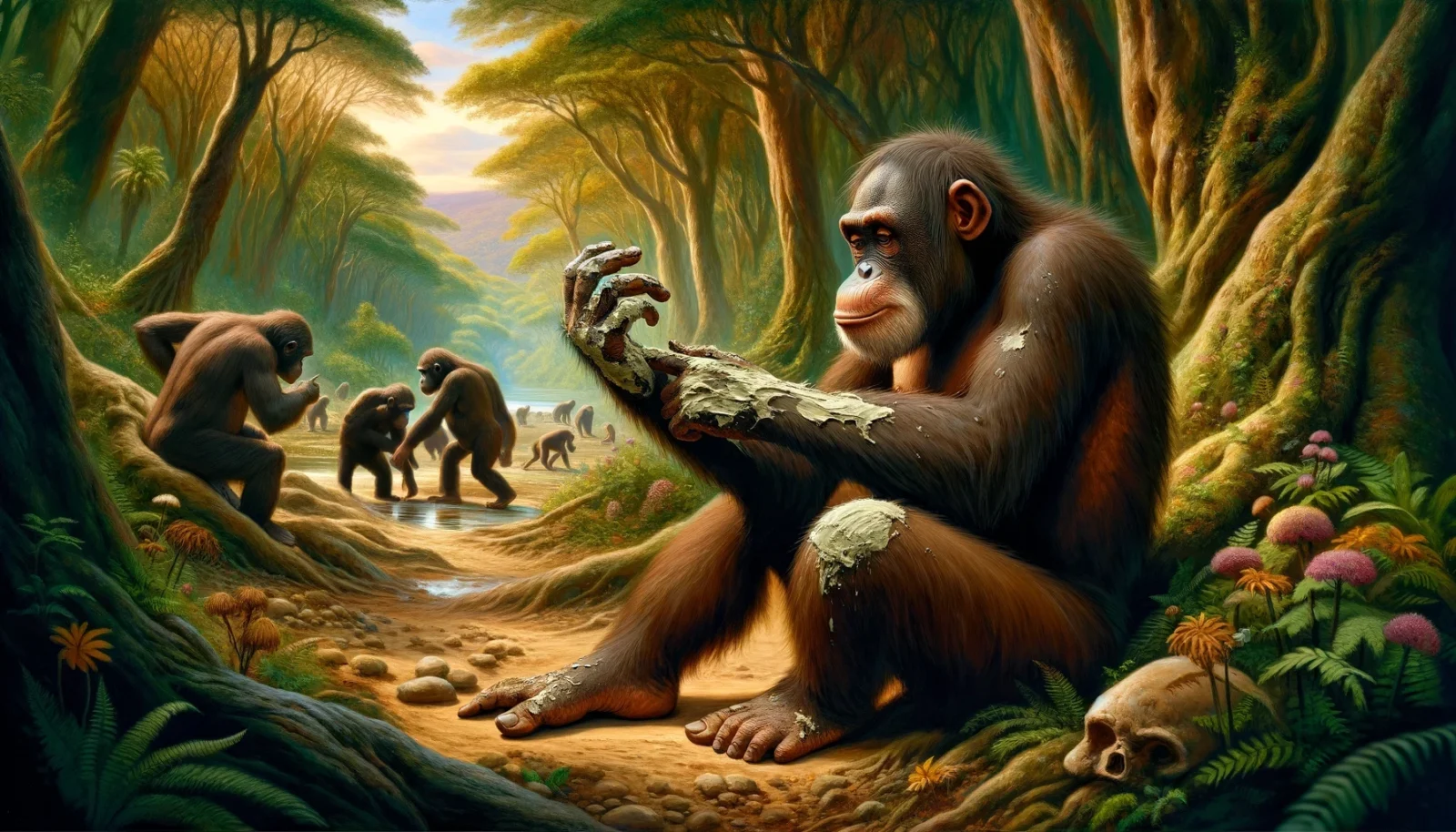
Long before doctors, early great apes were using simple treatments to feel better. This was not science, but it was the beginning of healing.
Great Apes: Medicine Emerges Read More »
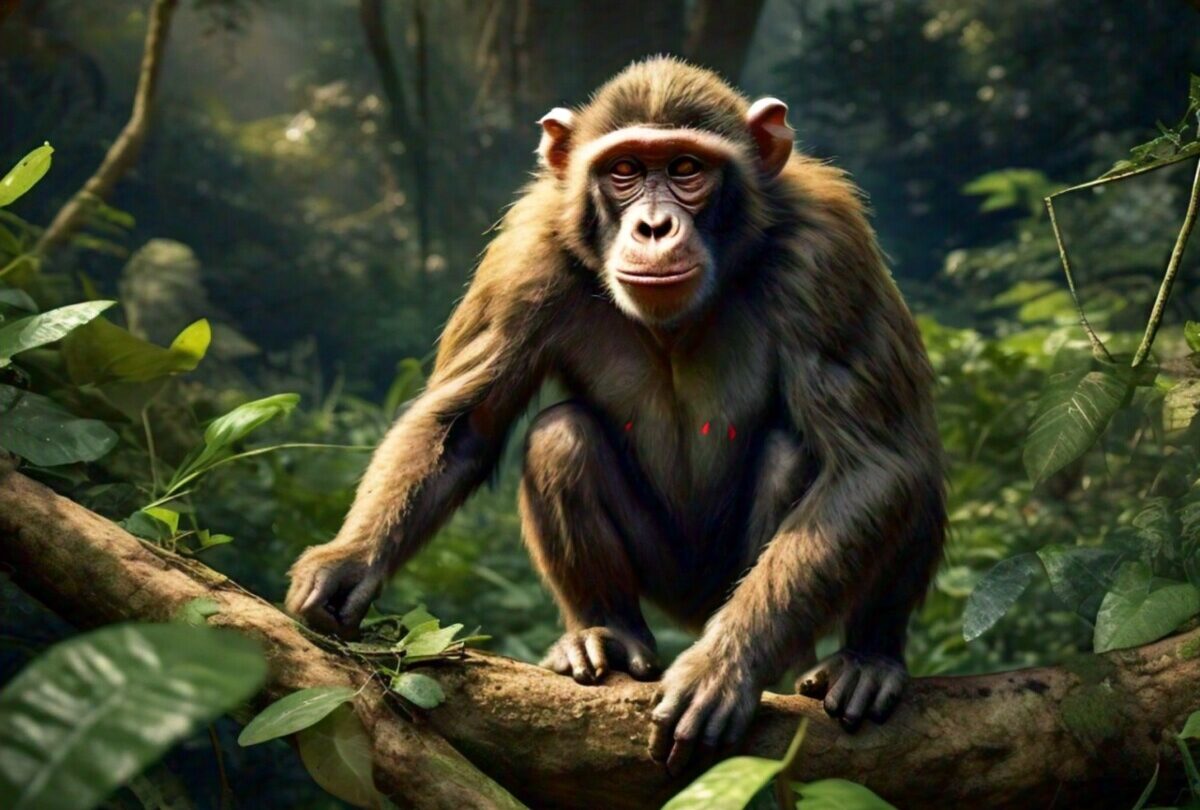
Kenyapithecus represents a lineage in which richer emotional intelligence took shape: reading others, calming reactions, forming bonds, and adjusting behavior in a more socially aware way.
Genus Kenyapithecus: EI Emerges Read More »
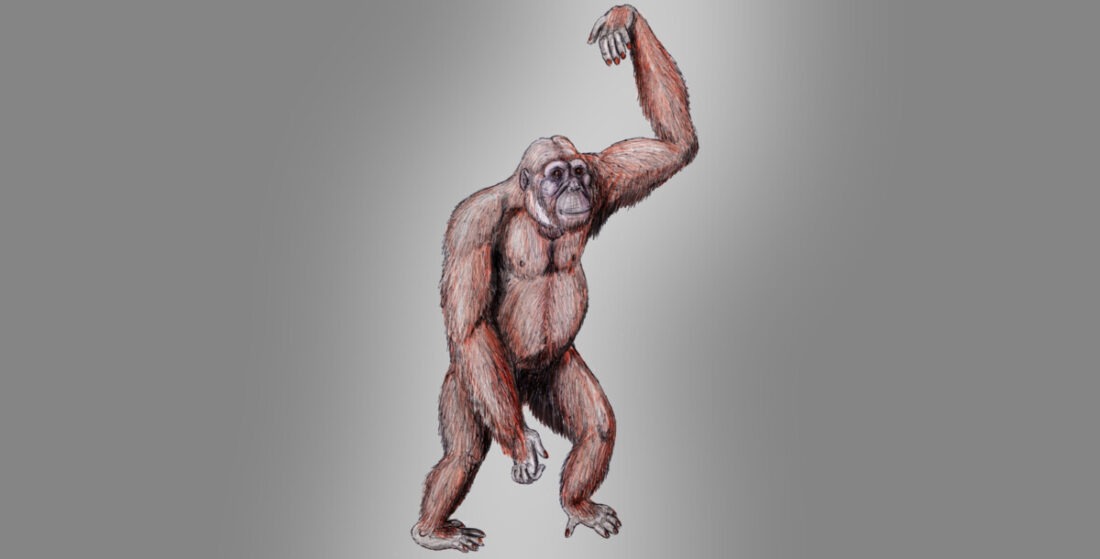
In early great apes like Dryopithecus, young apes learned survival behaviors by watching parents and group members. That’s cultural transmission. the passing of useful information.
Genus Dryopithecus: Cultural Transmission Emerges Read More »
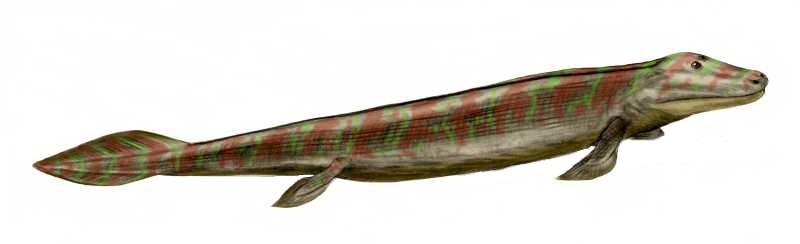
By about 375 million years ago, several animal lineages had evolved long-term memory to navigate a changing world, remembering feeding sites, water access, and safe routes between land and water. This likely included vertebrates like Tiktaalik.
Long-Term Memory Evolves: Tiktaalik Read More »
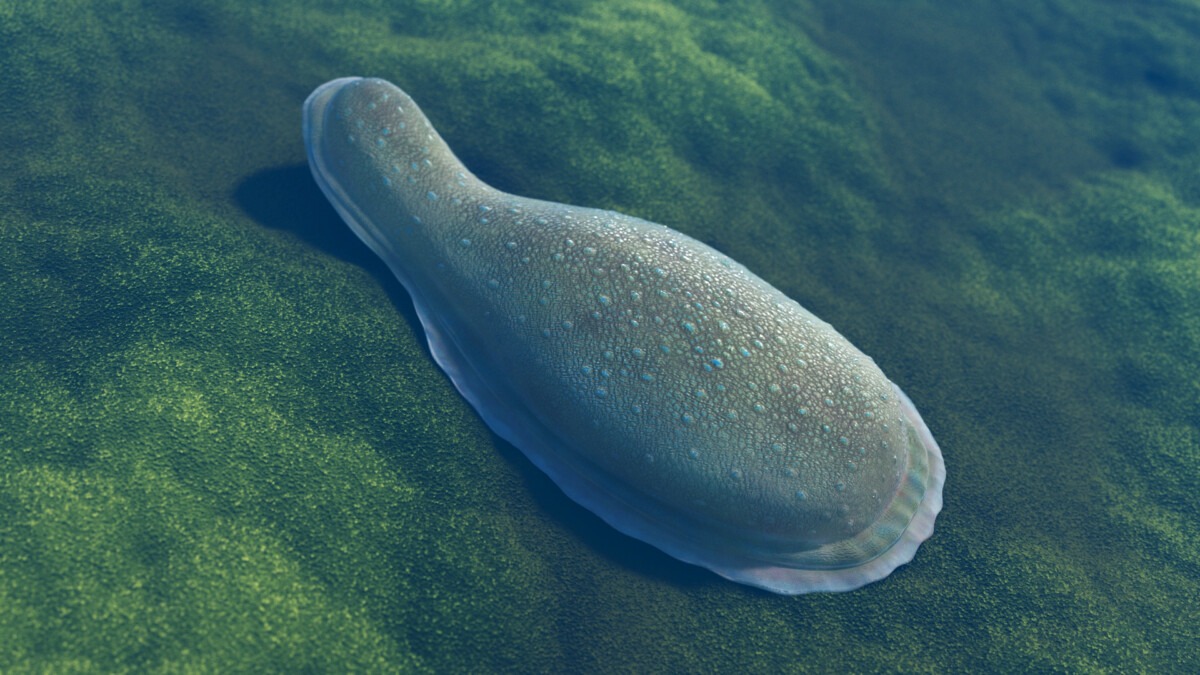
Chemoreception is older than animals and is found across life, including bacteria, fungi, and plants. Taste and smell evolved later in animals, after the bilaterian split, as early nerve nets and proto-nervous systems gradually gave rise to animal brains that benefited from more specialized information for navigating life. Animal-level chemoreception, the ability to detect chemical
Animal Chemoreception: Proto-Taste and Smell Emerge Read More »
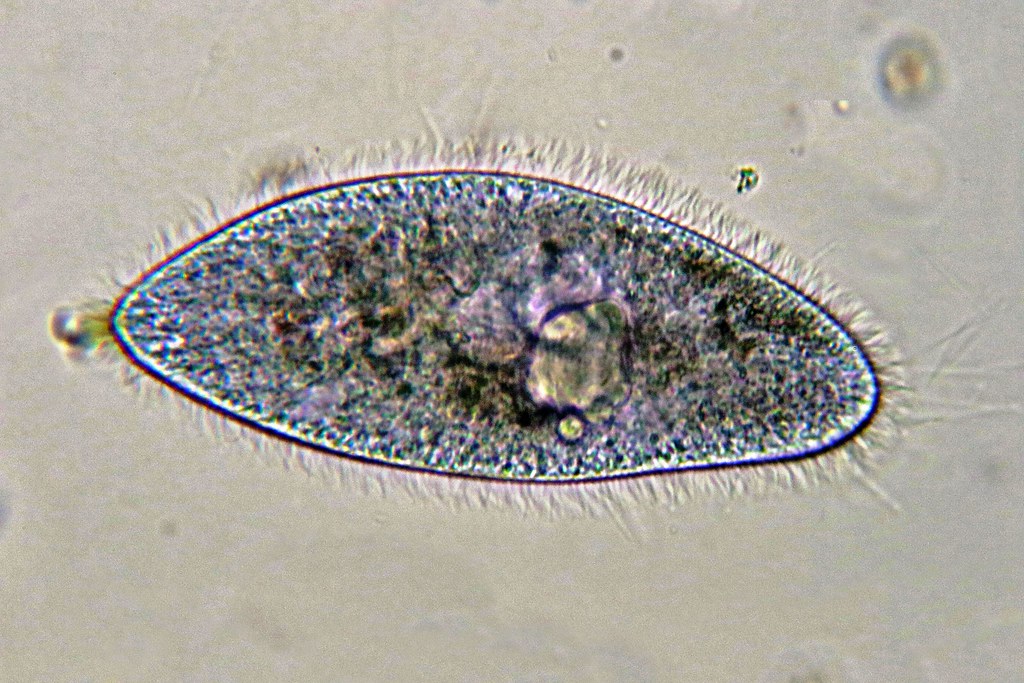
About 3.72 billion years ago, right after LUCA, when cells emerged, touch became the most ancient form of biological sensing: required to physically navigate reality.
Touch: Life Learns to Feel Force Read More »
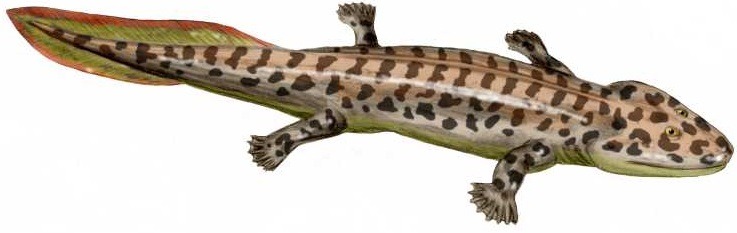
Hearing, which initially appeared in early fish, underwent a remarkable transformation as vertebrates transitioned to terrestrial life a bit after 400 million years ago. Early forms of hearing involved simple pressure-sensitive cells that could detect vibrations in water. As amphibians moved onto land, rudimentary hearing evolved into processing airborne sound. This transition further drove the
Land Hearing Emerges: Amphibians Read More »
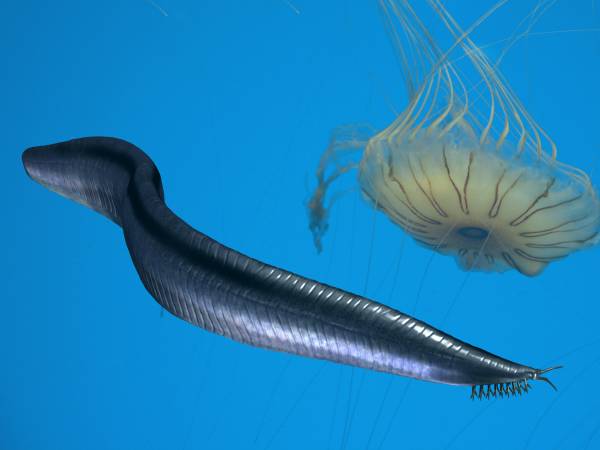
Vision evolved as early as 540 million years ago during the Cambrian explosion. The ability to see, alongside the development of hearing, provided organisms with the evolutionary advantage of sensing their environment from a distance. This sensory evolution necessitated the development of larger brains for the complex processing of visual data, marking a pivotal moment
Vision Emerges: The Pre-fish Chordates Read More »
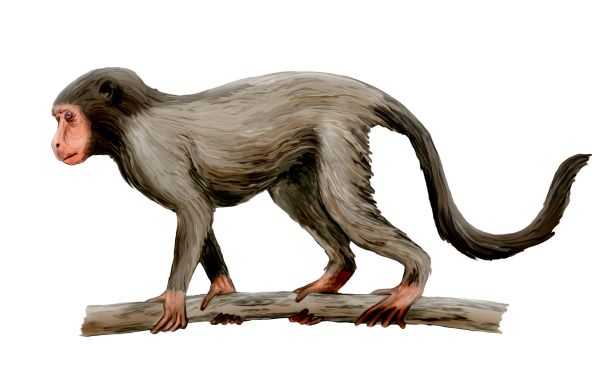
True Primate: Within mammals, only primates have binocular vision, grasping hands, and flat nails–instead of claws.
Early Intelligence Emerges: Aegyptopithecus zeuxis Read More »
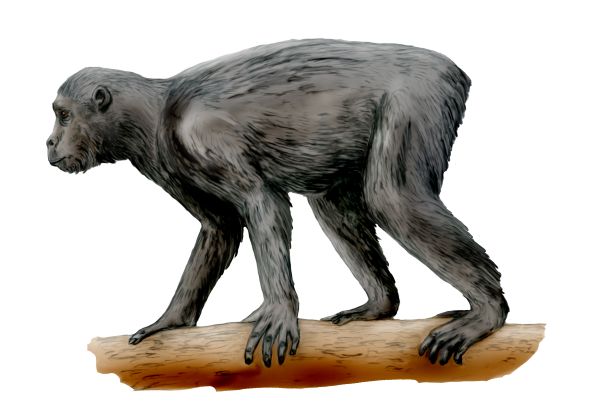
Great Apes LCA candidate: Proconsul, an inhabitant of the Miocene forests in East Africa, stands as a landmark in the evolutionary journey toward self-awareness.
Genus Proconsul (Self-Awareness Settles) Read More »

Emerging in the lush forests of the Eocene, Miacis represents an experimental moment in the evolution of cognitive abilities among mammals.
Early Self-Awareness: Miacis Read More »