
Early Self-Awareness: Miacis
Emerging in the lush forests of the Eocene, Miacis represents an experimental moment in the evolution of cognitive abilities among mammals.
Early Self-Awareness: Miacis Read More »


Emerging in the lush forests of the Eocene, Miacis represents an experimental moment in the evolution of cognitive abilities among mammals.
Early Self-Awareness: Miacis Read More »

The rise of Eomaia scansoria, an early placental mammal, marks a definitive leap towards “Complex Sentience” in the evolutionary saga leading to humans. It’s also plausible that it possessed a foundational level of self-awareness, or what can be termed as Proto Self-awareness. A rudimentary sense of self.
Complex Sentience Settles: Eomaia scansoria Read More »
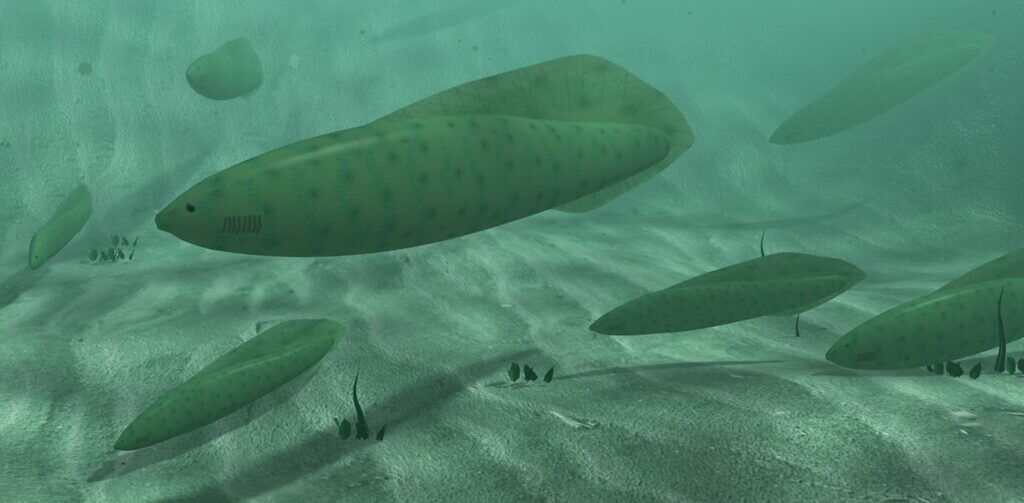
From no sentience or presentience to solidly “Simple Sentience,” early fish during this time represent our ancestral beings that started to suffer and feel the dichotomy of pleasure and pain. Haikouichthys (circa 520 Million Years Ago): Dwelling in the ancient seas of the Cambrian period, Haikouichthys is among the earliest forms of vertebrate life, showcasing fundamental advancements
Simple Sentience Settles: Haikouichthys Read More »
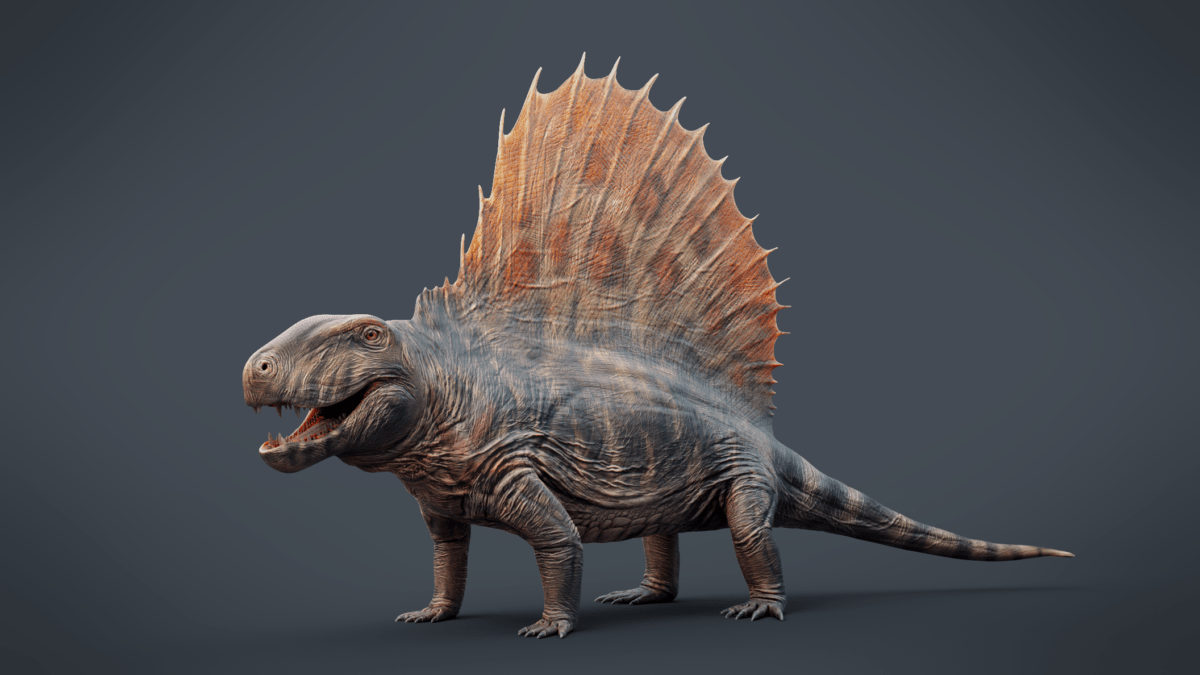
By about 280 million years ago, Dimetrodon was one of the best-known predators of the Early Permian. It stalked rivers and floodplains alongside caseid synapsids, large amphibians like Eryops, and a landscape of Calamites, Sigillaria, ferns, and early seed plants.
Early Complex Sentience Emerges: Dimetrodon Read More »

By the late Ediacaran, the animal world was already moving toward proto-nervous systems and the long road to brains.
Presentient Animals Emerge: The Ediacaran Prelude Read More »
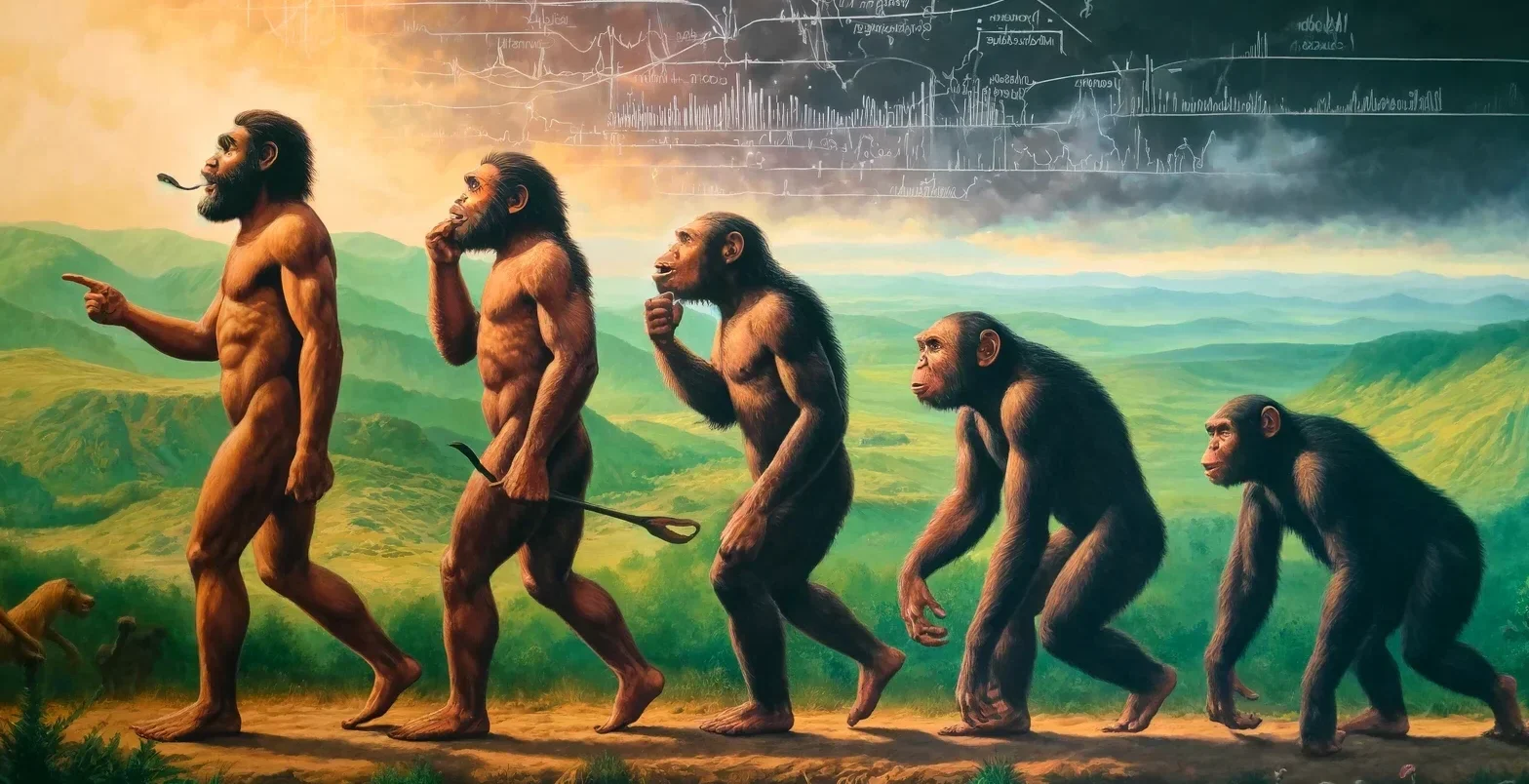
Around 700,000 years ago, the development of a human-like hyoid bone suggests early hominins may have begun transitioning from simple vocalizations to more structured speech. This period marks a critical evolutionary point for Homo heidelbergensis, whose anatomical adaptations for speech, coupled with advanced tool use and complex social structures, indicate possible use of rudimentary language.
Hyoid Bone: Speach Emerges Read More »
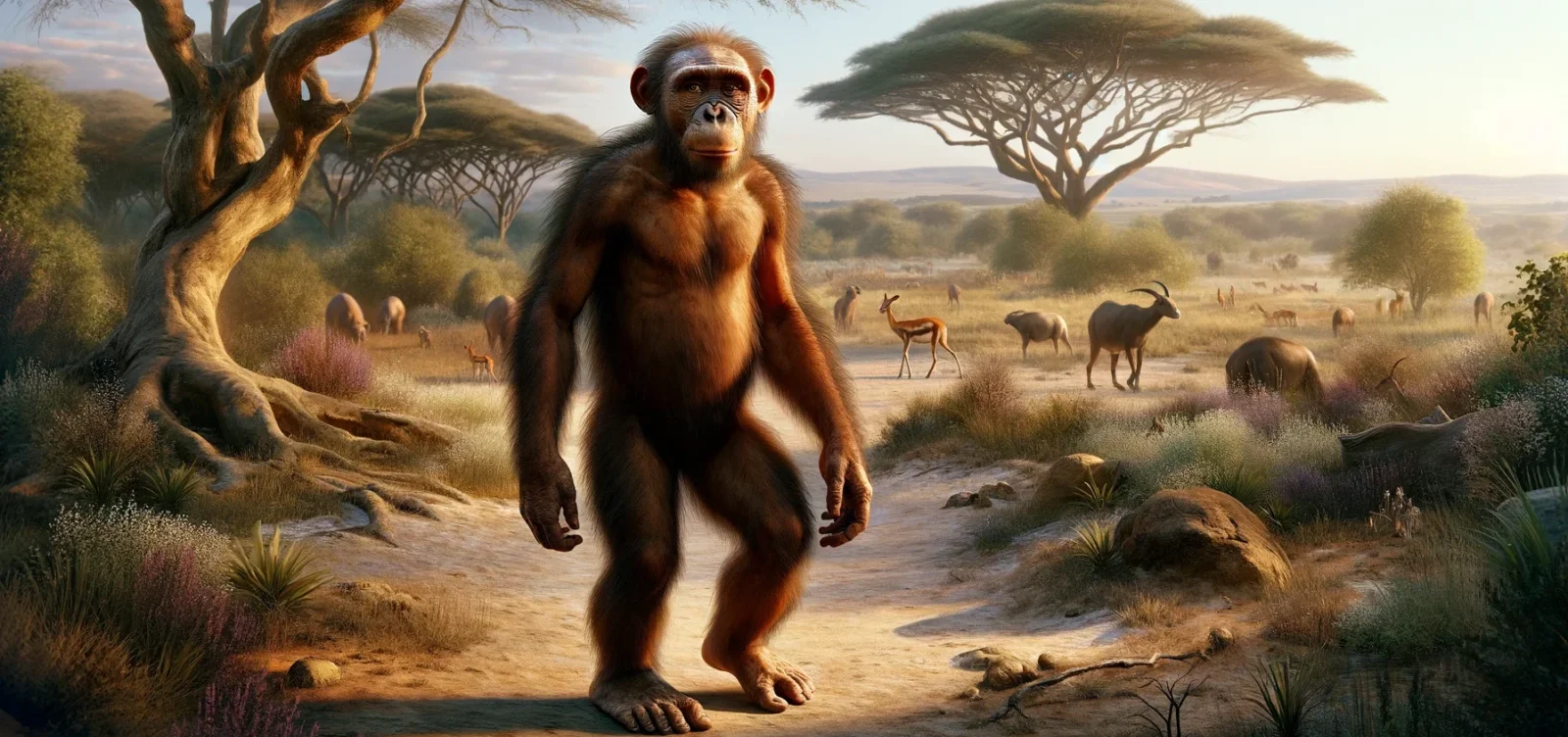
Homo habilis marks an early Philosophy of Mind turning point: intelligence was no longer just reaction, but planning. With toolmaking, foresight, and environmental manipulation, the mind began reaching beyond the present moment into imagined futures.
Homo habilis: Our Intelligence Settles. Read More »
16,000 Generations Ago True symbolic thought emerges before 430,000 BCE: The discovery in 2018 of Neanderthal art dating back to 68,000 years ago, proved symbolic thought in Neanderthals. It also indicates strongly that symbolic thought evolved in or before our common ancestor about 430,000 years ago. This must be true unless either they evolved it
Homo neanderthalensis: Verified True Symbolic Thought Read More »
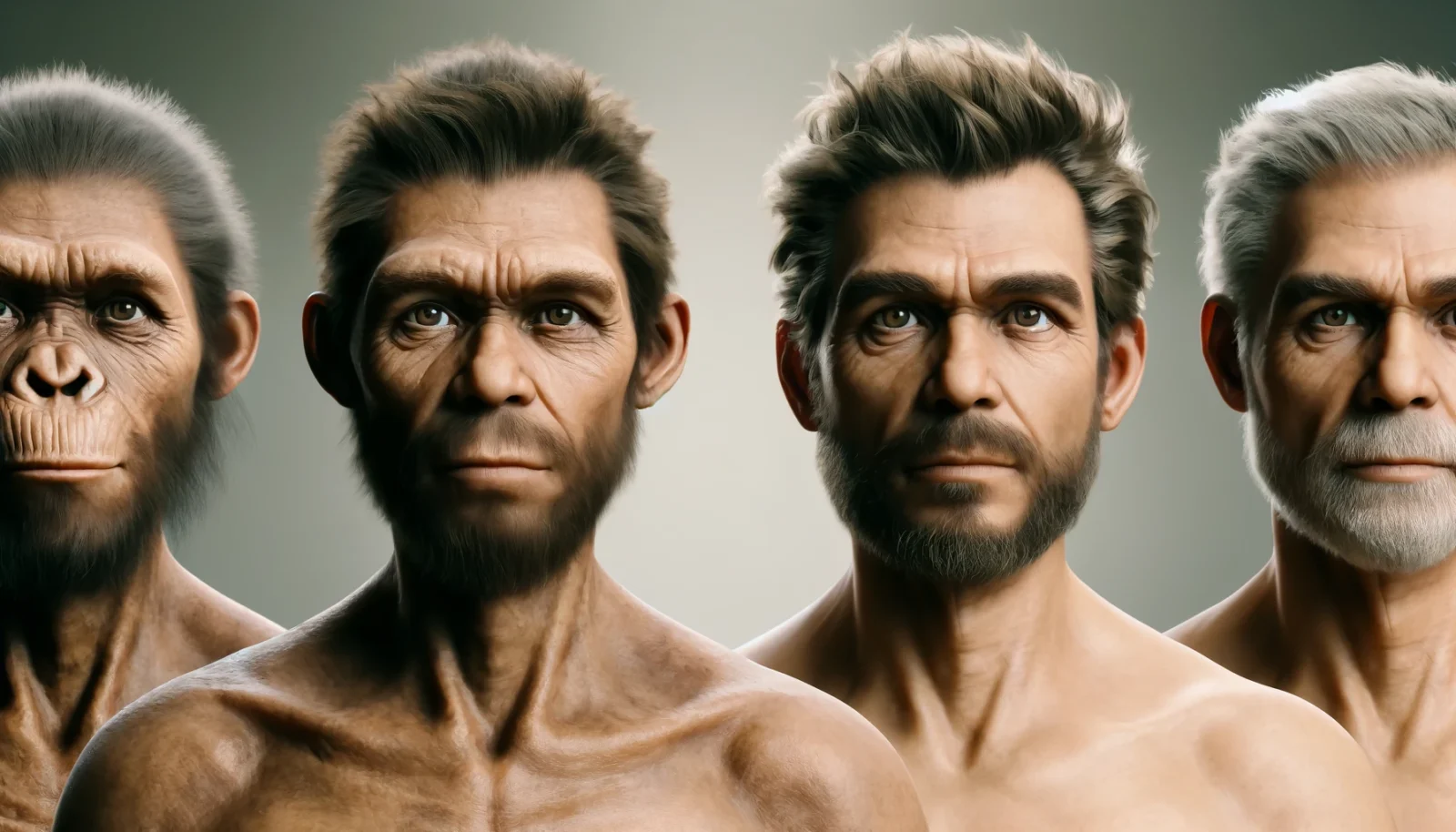
12,600 Generations Ago The first humans evolved in Africa about 315,000 BCE. These first humans had most of the traits we identify as human including looking and thinking much as we do. They used brain power, innovation, and teamwork. They spoke and controlled fire. Their lives were complex. Over the next 250,000 years they evolved
Homo Sapiens: Advanced Transcendental Intelligence Read More »