
Explore Science-first Philosophy

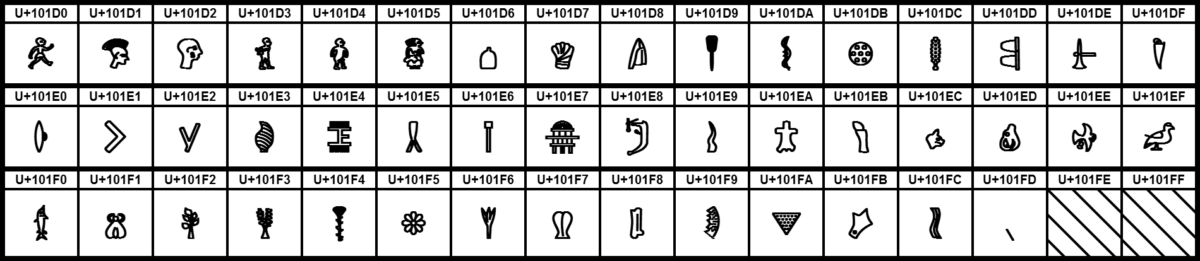
Cretan Hieroglyphic script: Greek Island

~ < 1 of audio

Author note. 

Explore voice = Exploratory style. Very punchy. Personal, and lively using “me,” “you,” “us,” and “I” freely.

I want you to feel me right there with you. We use “I” and “me” and “us” without apology. If the Explain voice is a bridge, the Explore voice is the hike we take across it. It is lively, reflective, and sometimes a bit raw. It is the sound of a shared exploration where I lead you by the hand, but we both discover the view at the same time.

This is where I get to think out loud. Not with definitions, we aren’t just looking at the facts; we are looking at how they feel and what they mean for our lives. I’m talking to you about what I’ve found and what I’m still figuring out. It is engaging because it is real, and it is reflective because it is honest.

The goal is real advice and enjoyable reading. I want to land on something you can actually use. It’s about being direct, being punchy, and making sure that by the time we reach the end of the page, we’ve both found something worth keeping.

And now the piece.

Cretan Hieroglyphic script: Greek Island

1900 BCE
from circa 1900 BCE to 1700 BCE

Earliest known writing in the European/Mediterranean zone. 

The earliest known writing system in the European/Mediterranean zone is the Cretan Hieroglyphic script from ancient Crete, part of the Minoan civilization. This script dates back to around 1900 BC to 1700 BC. Closely related and slightly later in development is Linear A, which emerged around 1800 BC and was also used by the Minoans.

These scripts were used primarily on the island of Crete and remain largely undeciphered, making it difficult to fully understand their content and purpose. Linear A, in particular, appears to have been used for administrative and religious purposes. Following these, the Mycenaean civilization developed Linear B, derived from Linear A, which has been deciphered as an early form of Greek and dates back to around 1450 BC. Linear B provides substantial insights into the administrative, economic, and daily activities of the Mycenaean Greeks.

That History Story, 

was first published on TST 2 years ago.

The flashcard inspired by it is this.

All this is part of the broader TST project.
These short pieces do the quiet work of verification, ensuring that ideas remain grounded in reliable scholarship rather than repetition or assumption.
TouchstoneTruth is designed for rereading and relistening, not for consumption in a single pass.

The end!

Scroll to Top