King Shuruppak
185 Generations Ago (from 2020 CE)
30 Phil, Chapter 2: Shuruppak and Paternal Wisdom
Sumerian civilization consisted of over 30 city-states, among which Ur and Shuruppak were among the more prominent. We know about King Shuruppak from the Sumerian King List, an ancient text where he appears as the last king before a great flood.
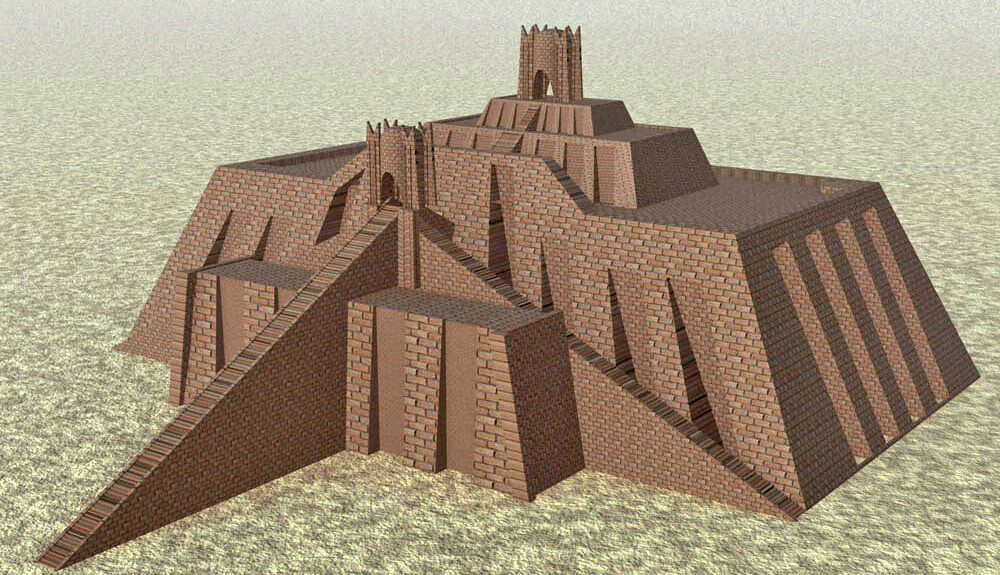
Pictured is the Ziggurat of Ur, about 70 miles from Shuruppak. The city of Shuruppak had a similar one.
Although Sumerian King list mixes historical kings with mythical figures, it places him at about 2600 BCE. King Shuruppak, circa 2625 BCE to 2550 BCE. Author of the “Instructions of Shuruppak.” It comes to us from around 2600 BCE, perhaps a century or so after the time of Gilgamesh. It is one of the oldest surviving works of literature in the world. This fatherly advice provides valuable insights into his views, and a glimpse into Sumerian philosophy, which is why he’s the first philosopher, the first chapter anchor, of “30 Philosophers.”
My favorite sayings:
- Be loyal and faithful to your friends, they are a source of support.
- Do not cheat or deceive others, for it is a breach of trust.
- Do not be envious of others, for it leads to bitterness.
- Be diligent in your work, for it brings success.
- You should not pass judgment when you drink beer.
References
- “Sumerian King List”: This ancient text lists King Shuruppak as the last ruler before a great flood. You can find translations of the list in The Sumerians by Samuel Noah Kramer.
- “Instructions of Shuruppak”: One of the earliest examples of wisdom literature. It is discussed in The Literature of Ancient Sumer by Jeremy Black and Graham Cunningham.
- Flood myth connection: The Sumerian flood myth parallels the Epic of Gilgamesh. The Epic of Gilgamesh translated by Andrew George explores these links.