
Phil • Cr. Think • Science • Hist •

The Philosophy Website

STORY

Early Sumer Civilization

☐ Read
☑ Read
You’ve read this 0 times.
You’ve listened to this 0 times.

By Michael Alan Prestwood

Fri 23 Jul 2021
Published 5 years ago.
Updated 4 months ago.
Related Stories
Share :

Early Sumer Civilization

6500 BCE
6500 through 1900 BCE

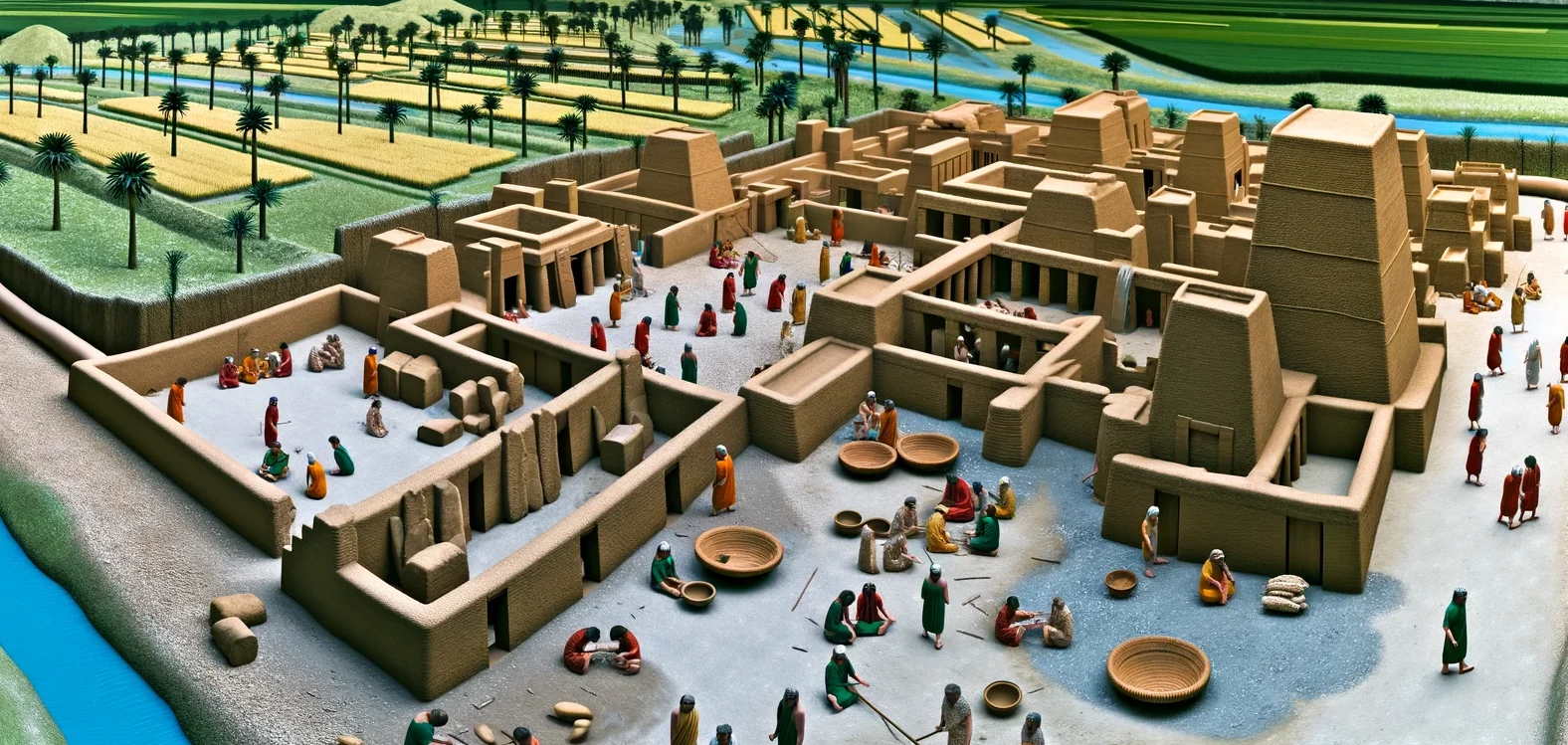
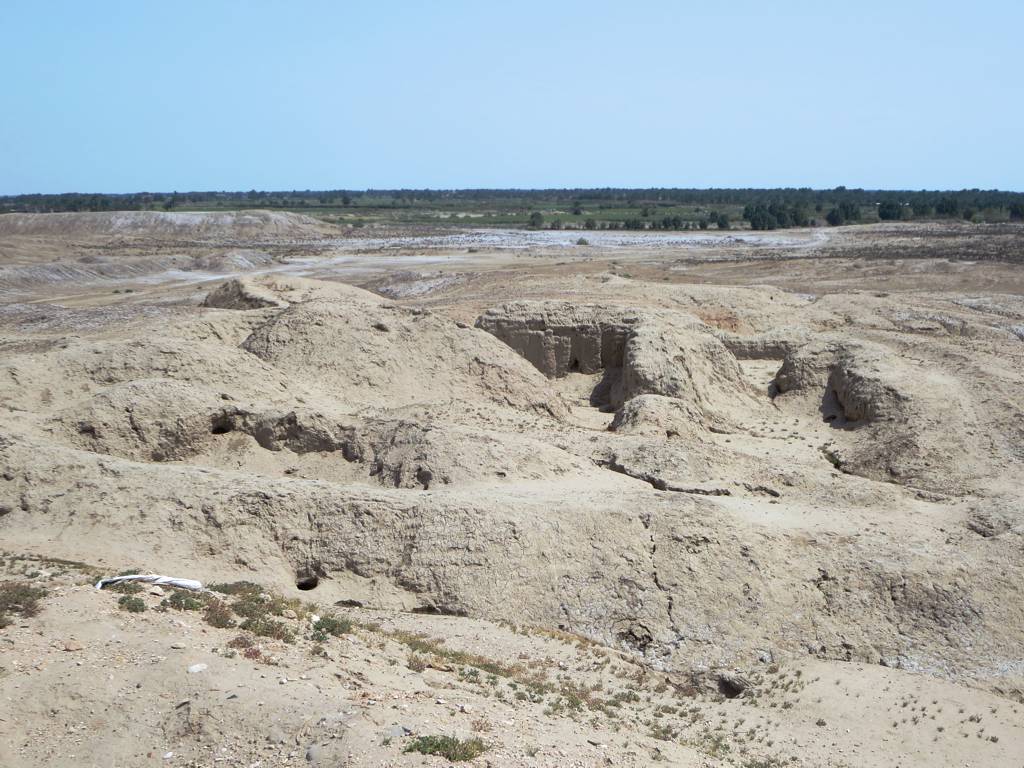
From 6500 to 4000 BCE, the Sumer civilization increased in social polarization. For example, central houses in the settlements became bigger. This early Sumer culture is characterized by large unwalled villages with multi-roomed rectangular mud-brick houses. The village featured public buildings including temples and centralized government. They had fine quality greenish colored pottery decorated with geometric designs in brown or black paint. Their known tools that survived the test of time included sickles made of hard fired clay, stone, and metal and the use of ploughs. Villages included craftspeople, potters, weavers and metalworkers, but the bulk of the population were farm workers.

The known Sumerian city-states written history goes back to before 2700 BCE, and starting about 2300 BCE the records are fairly complete.
— map / TST —

TST Tracker
✓ Reading recorded.
Michael Alan Prestwood
Author & Natural Philosopher
Prestwood writes on science-first philosophy, with particular attention to the convergence of disciplines. Drawing on his TST Framework, his work emphasizes rational inquiry grounded in empirical observation while engaging questions at the edges of established knowledge. With TouchstoneTruth positioned as a living touchstone, this work aims to contribute reliable, evolving analysis in an emerging AI era where the credibility of information is increasingly contested.
Email
Print
The Prestwood Column
Menu
August 2026
»COLUMN ARCHIVE
--COLUMN--
Column Research….
1. Timeline Story
Ethical Roadmap
2. Linked Quote
“The greatest weapon against stress is our ability to choose one thought over another.”
3. Science FAQ »
Did morality evolve?
4. Philosophy FAQ »
Is the Me Too movement consistent with TST Ethics?
5. Critical Thinking FAQ »
When should you stop following the crowd?
6. History FAQ!
What did the Nuremberg Trials clarify about moral agents?
Bonus Deep-Dive Article
TST Ethical Roadmap: A Process Model for Ethical Guidance and Moral Choice

Comments

Join the Conversation! Currently logged out.

Leave a Reply

NEW BOOK! NOW AVAILABLE!!

30 Philosophers: A New Look at Timeless Ideas

by Michael Alan Prestwood
The story of the history of our best ideas!
Scroll to Top