Weekly Insights for Thinkers

Book: 30 Philosophers

The Book Timeline: 30 Philosophers

Schemas

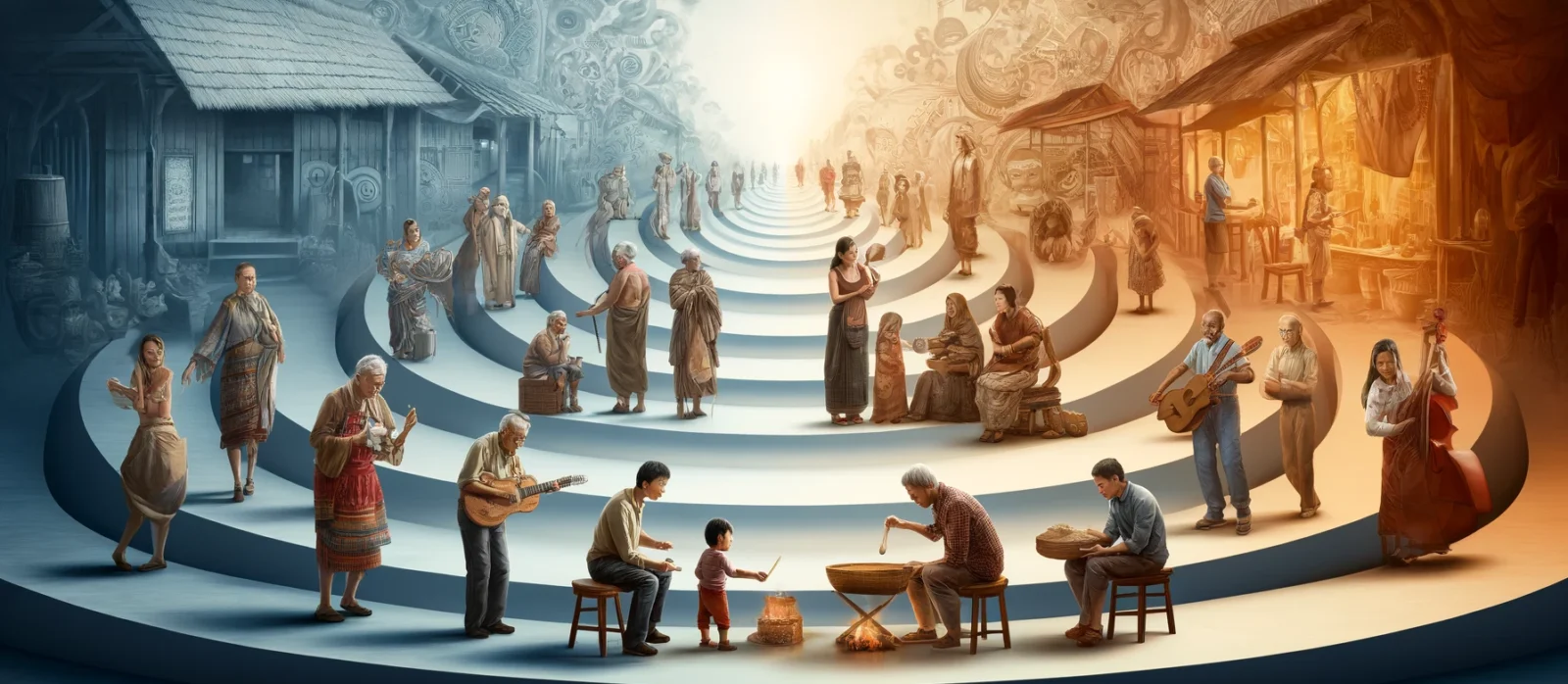
30 Phil, Chapter 5, Confucius, Touchstone 14: Schemas. A schema is a mental structure we employ to organize and interpret information. We classify things into schemas, which we can then modify by adding or removing elements. Schemas help us simplify life. Once things are categorized as normal or abnormal, we utilize our cognitive processes, such as […]

Schemas Read More »

Unknowable Dao

30 Phil, Chapter 4, Laozi, Touchstone 12: Unknowable Dao. The “unknowable Dao” is the skeptical belief that the true nature of reality is unknowable. The Unknowable Dao is a mysterious universal reality that transcends both language and thought; it encapsulates the ultimate reality and its inherent natural order. It’s the idea that the Dao cannot

Unknowable Dao Read More »

Yin and Yang

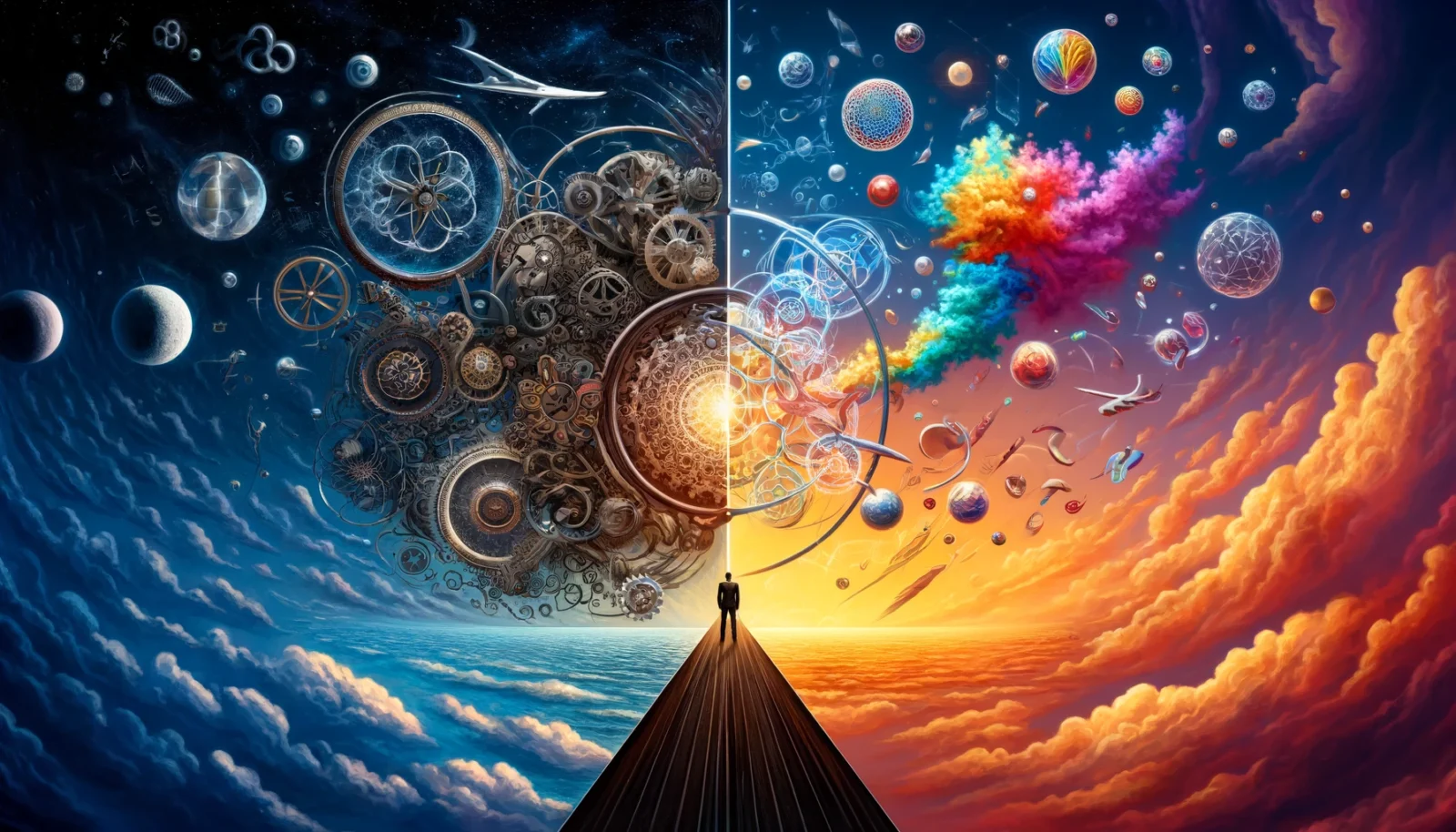
30 Phil, Chapter 4, Laozi, Touchstone 11: Yin and Yang. Yin and Yang represents the dualistic nature of reality and the energies that constitute it. It is opposite yet complementary forces striving for dynamic equilibrium, symbolizing balance, harmony, and the interplay of light and dark, active and passive, male and female. This harmony is crucial

Yin and Yang Read More »

Relativity Principle

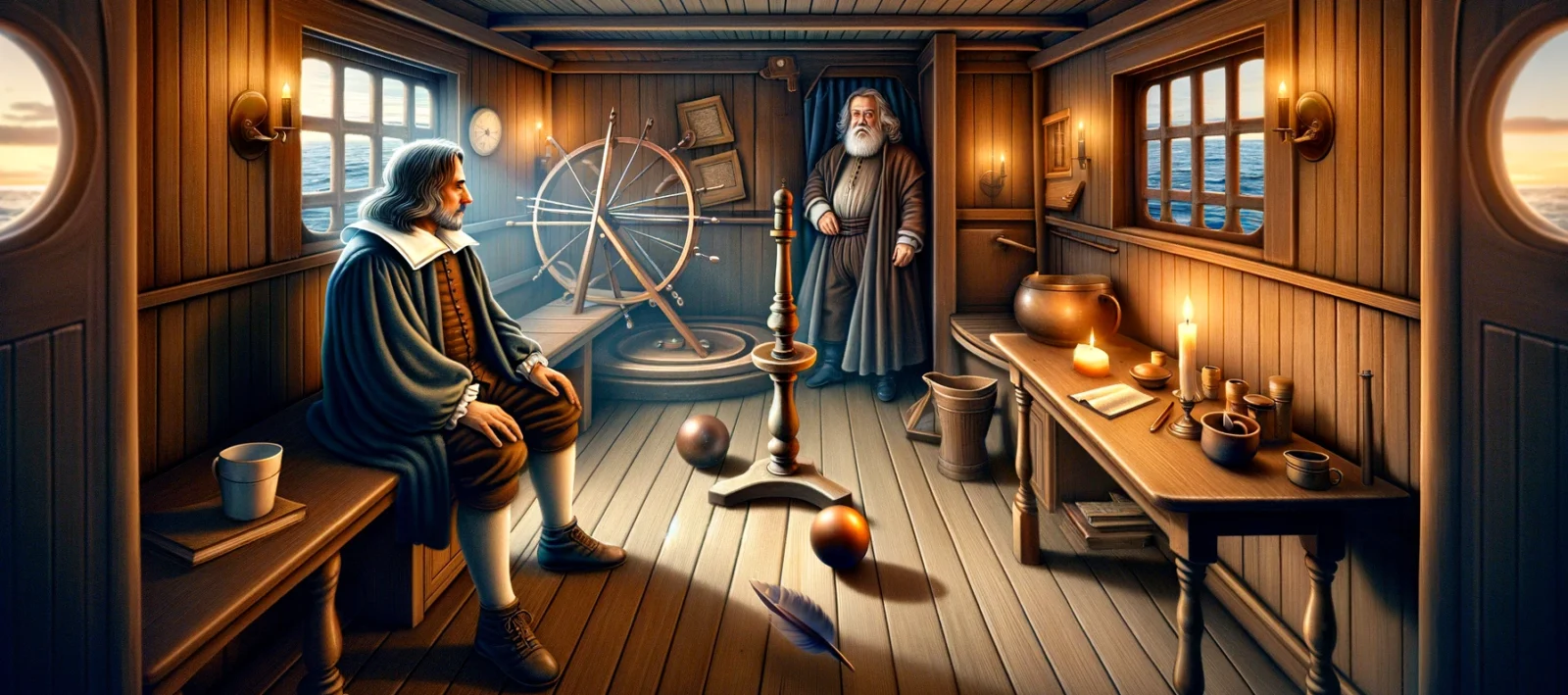
30 Phil, Chapter 21, Galileo, Touchstone 52: Relativity Principle. The Relativity Principle states that the laws of physics are the same for all observers in uniform motion relative to one another. This means that the passage of time, the length of objects, and the speed of light are the same for everyone, regardless of their

Relativity Principle Read More »

Holism

30 Phil, Chapter 3 Touchstone 8: Holism. Holism views things as a whole, emphasizing interconnectedness and interdependence, and values unity and synthesis. It is essential for fully understanding complex systems like living organisms and ecosystems. This notion of an underlying, unifying essence mirrors the intricacies of the natural world, where each element, though distinct, harmoniously contributes

Holism Read More »

Ontology

30 Phil, Chapter 3 Touchstone 7: Ontology. Ontology: When we’re alive, life feels endless, stretching beyond the horizon of our imagination. The realization that it must end is not easily accepted. We’re not just sentient beings; we are self-aware. For many, the notion that we cease to exist after death is unbearable. We can’t help

Ontology Read More »

Philosophy

30 Phil, Chapter 2 Touchstone 6: Philosophy. Philosophy is the systematic study of fundamental questions concerning existence, knowledge, values, and meaning. It’s a discipline guided by reason and the evaluation of evidence. A central question is “How should we live?” While there is a general agreement on overarching principles, as always, the devil is in the

Philosophy Read More »

Knowledge Framework

30 Phil, Chapter 2 Touchstone 5: Knowledge Framework. In philosophy, the study of knowledge is called epistemology. It’s important because knowledge describes reality, and understanding how we craft knowledge brings philosophical clarity. Each of us maintains a personal knowledge framework that arranges the knowledge we accumulate. You can think of it as a personalized dictionary. But

Knowledge Framework Read More »

Cultural Transmission

30 Phil, Chapter 1 Touchstone 4: Cultural Transmission. Cultural transmission, perhaps more than any other trait, sets humans apart from other animals. It’s the ability to pass behaviors, traditions, and knowledge to the next generation. Cultural transmission has likely been a feature of our direct-line hominin mind for millions of years. Returning to what we

Cultural Transmission Read More »

Evolution

30 Phil, Chapter 1 Touchstone 3: Evolution. In 1859, the naturalist Charles Darwin revolutionized the scientific world with his seminal publication, “On the Origin of Species.” In it he formulated his scientific theory of evolution by natural selection. The process by which new species arise is well-understood. It proposed that changes in species occur gradually over time. With each generation,

Evolution Read More »

Free Will

30 Phil, Chapter 1 Touchstone 2: Free Will. There are two basic types of Free Will. Determinism says everything that happens is set in stone and can’t be changed; in contrast, indeterminism says people and animals make choices. There are four basic types: scientific determinism, scientific indeterminism, fatalism, and providence.

Free Will Read More »

Collective Learning Emerges

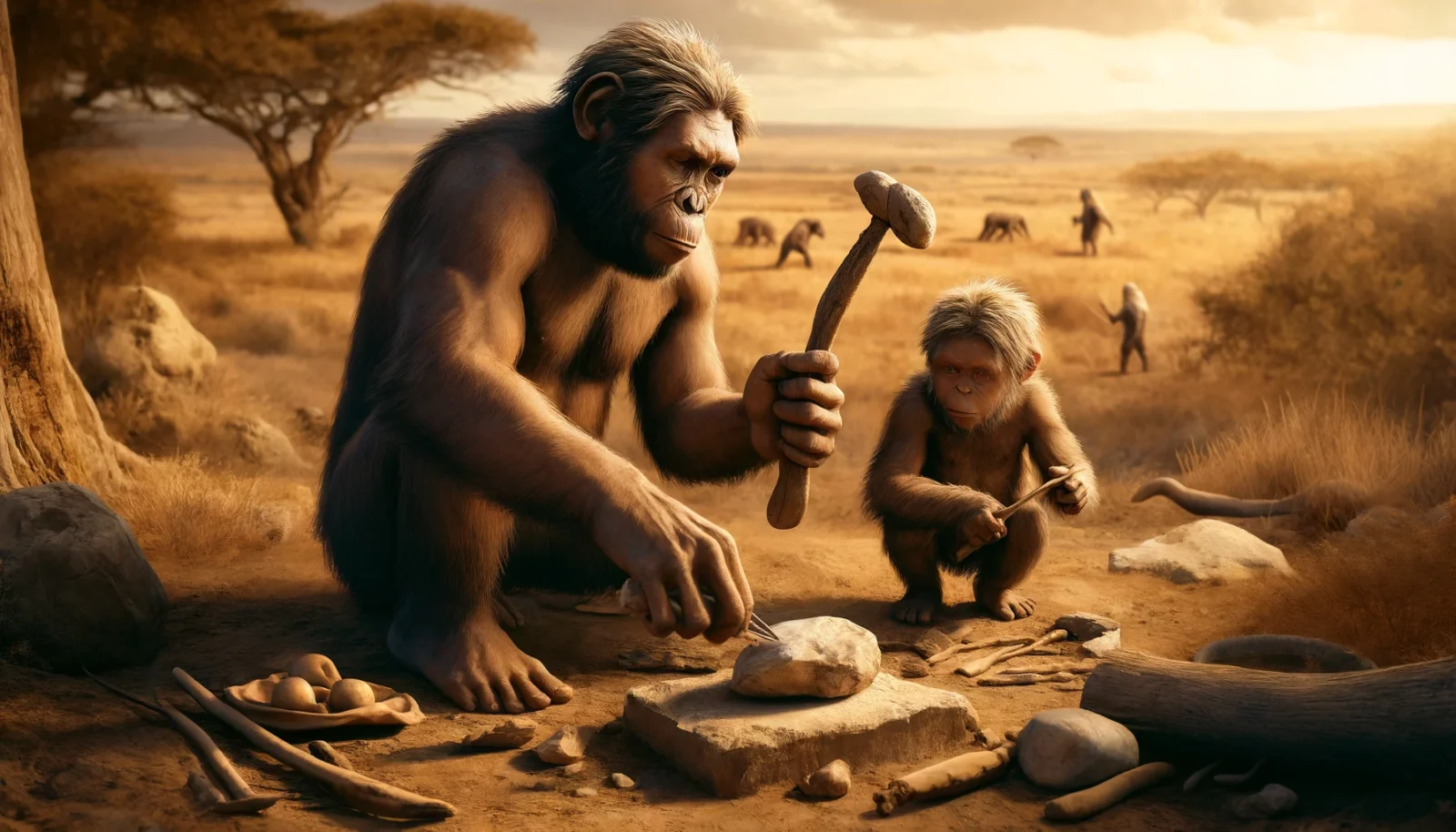
The dawn of collective learning can be traced back the oldest known stone tools, discovered at Lomekwi 3 in Kenya. The creation of these tools required more than just individual innovation; it involved the rudimentary form of collective learning, where knowledge of toolmaking was shared within groups. This early transmission of skills not only enhanced

Collective Learning Emerges Read More »

Neanderthal-Sapien LCA

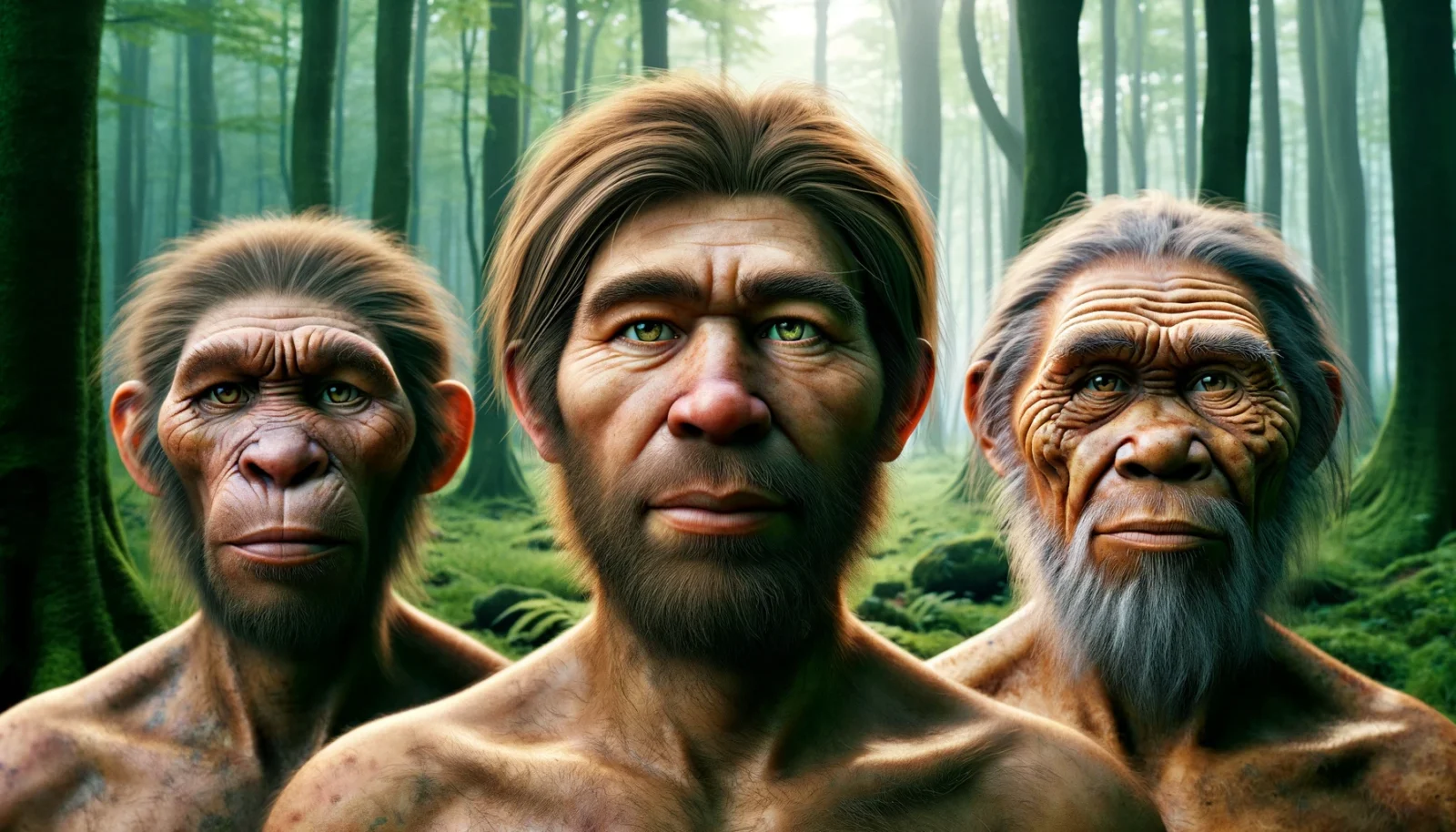
NSLCA: The Neanderthal-Sapien Last Common Ancestor was likely Homo heidelbergensis or Homo antecessor. Analysis: Before the discovery of Homo antecessor in the 1990s, Homo heidelbergensis was considered the primary candidate for the NSLCA due to its chronological and morphological position in the human lineage. The discovery of Homo antecessor, with its more modern-looking facial features, has

Neanderthal-Sapien LCA Read More »

Emergence of the Great Apes (Great Apes LCA)

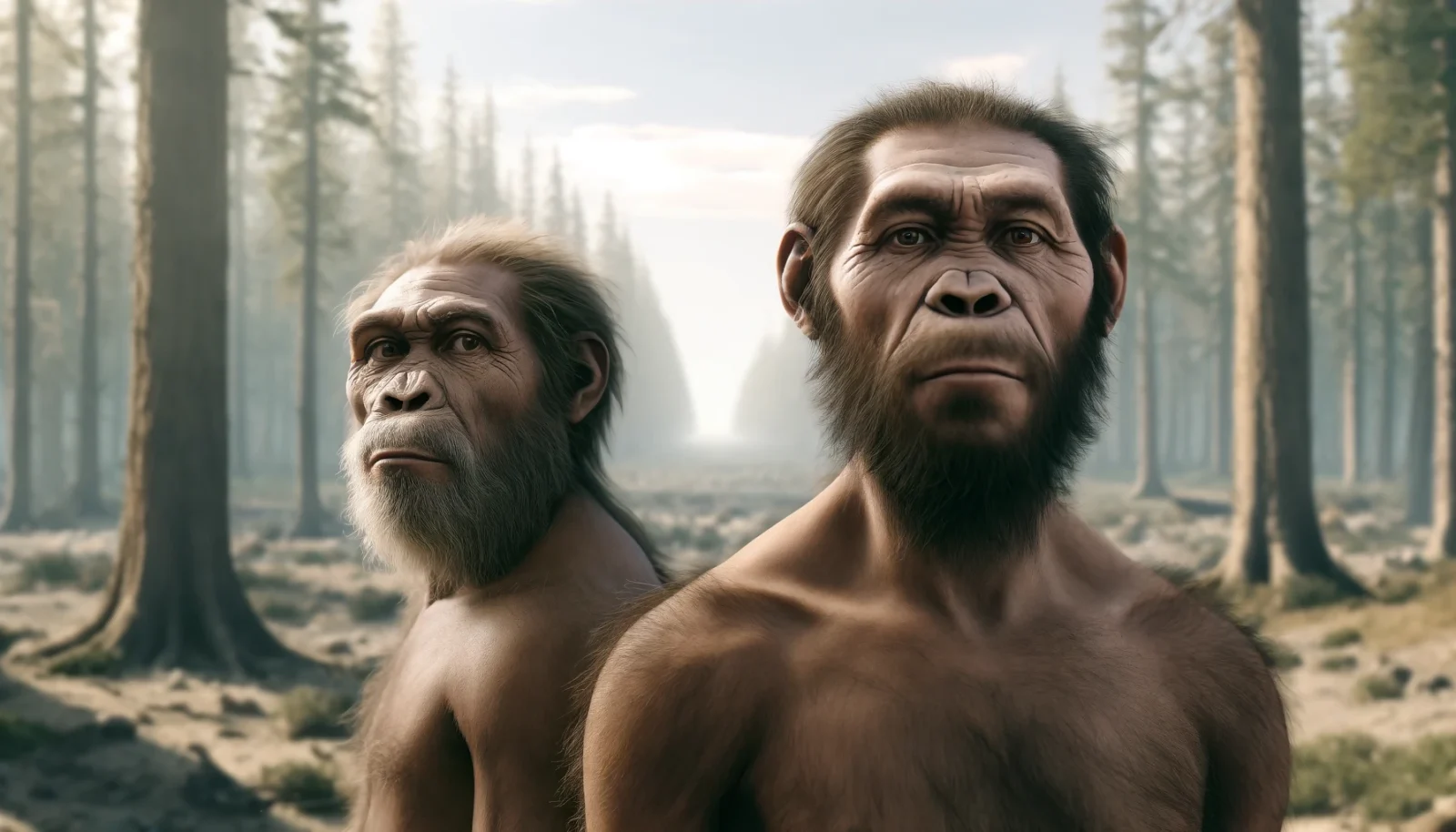
660,000 Generations Ago The Last Common Ancestor (LCA) of the Great Apes, a.k.a. the Hominidae family, marks a pivotal point in our evolutionary history, encompassing the origins of orangutans, gorillas, chimpanzees, and humans. This ancestor species, likely existing between 15 to 19 million years ago, represents the shared lineage from which all modern great apes

Emergence of the Great Apes (Great Apes LCA) Read More »

Indus Valley Script: Northwest India

Earliest undeciphered writing in the Asian zone.  The Indus Valley script, emerging around 2600 BCE in one of the world’s earliest urban civilizations, remains one of archaeology’s greatest puzzles. Found across a vast expanse from today’s northeast Afghanistan to Pakistan and northwest India, this script comprises over 400 unique symbols, ranging from geometric shapes to

Indus Valley Script: Northwest India Read More »

First Atmosphere: Hydrogen & Helium

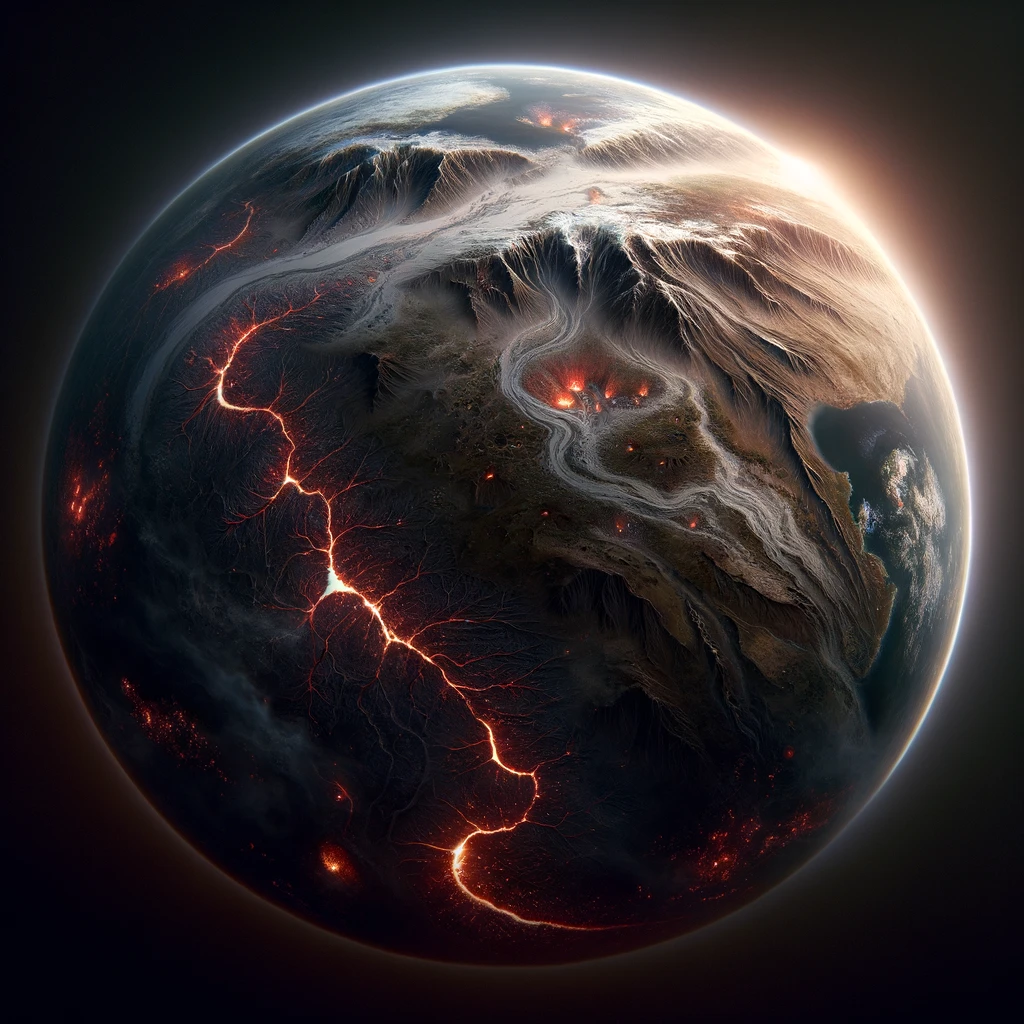
Likely white or grayish atmosphere: The first atmosphere developed first but was not directly involved in the development of life. The first atmosphere formed shortly after Earth’s formation around 4.5 billion years ago. This initial atmosphere was primarily composed of hydrogen and helium, the lightest and most abundant elements in the universe, which were captured from

First Atmosphere: Hydrogen & Helium Read More »

Scroll to Top