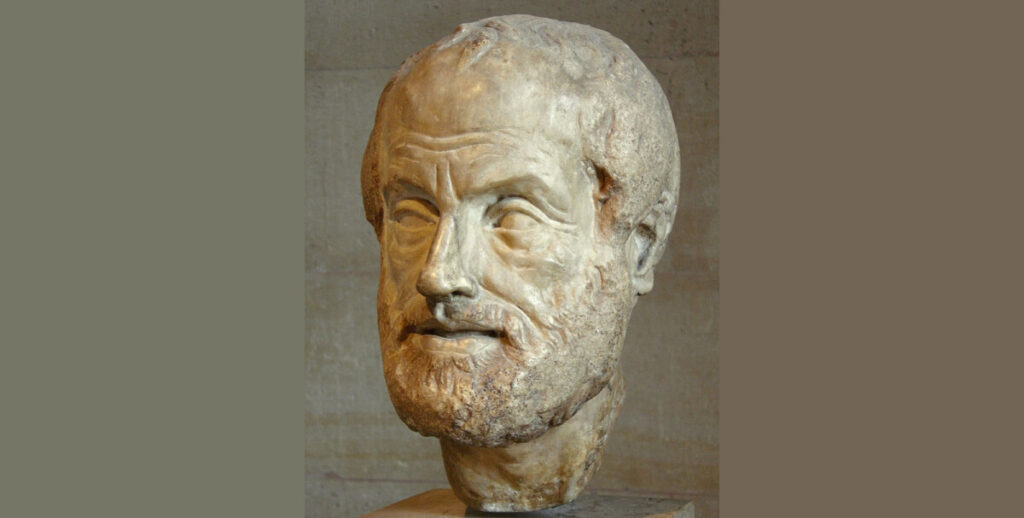
Aristotle
A strong mind can examine an idea without immediately believing or rejecting it. Understanding comes before judgment.


The Book Timeline: 30 Philosophers
A strong mind can examine an idea without immediately believing or rejecting it. Understanding comes before judgment.
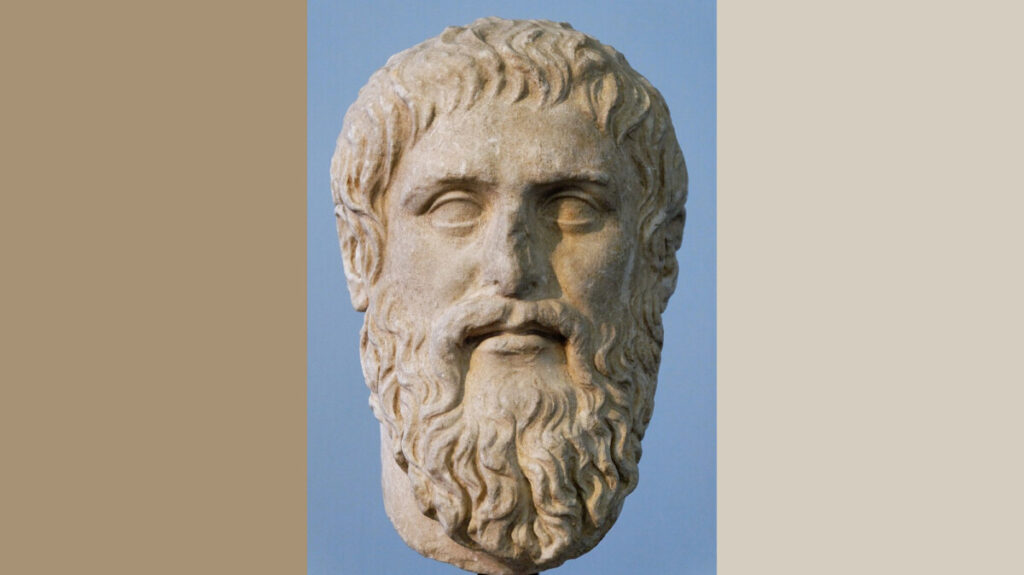
Plato reminds us that what we see is not always the whole story. Humans use abstract ideas, categories, and ideals to make sense of the changing world around us.
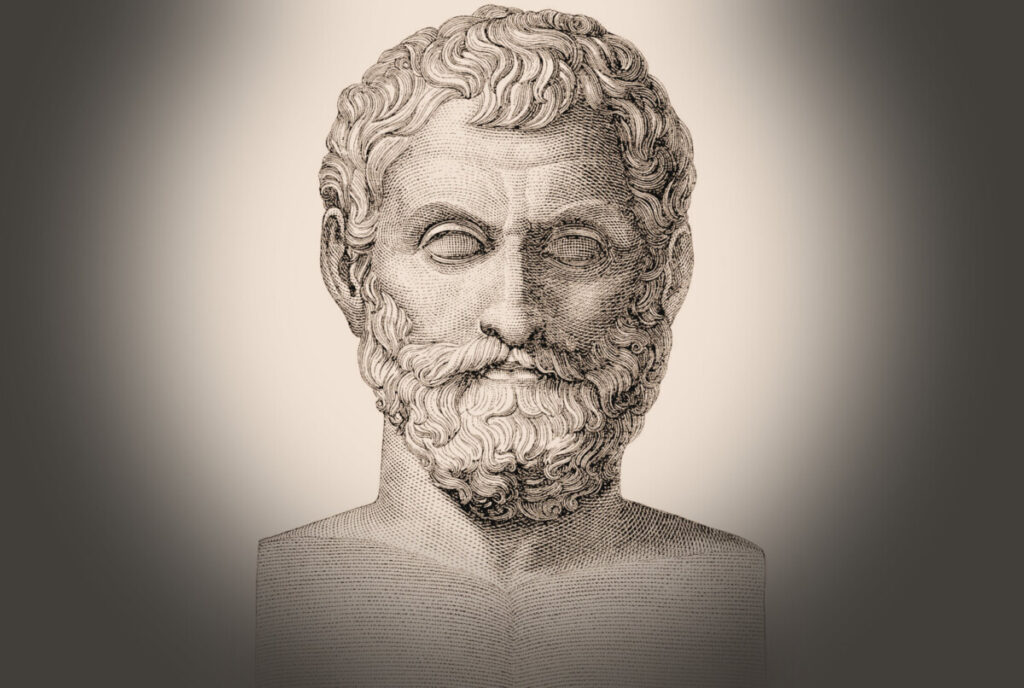
106 Generations Ago Thales of Miletus was a Greek philosopher, mathematician, and astronomer. Considered by many including Aristotle to be the first philosopher in the Greek tradition. He is also considered the father of science by many. Some of my favorite translated sayings are: Know thyself. A multitude of words is no proof of a
Thales of Miletus (624 – 546 BCE) Read More »

99 Generations Ago Socrates was a Greek philosopher and is frequently credited as the founder of Western philosophy. He left no writings, but his student Plato documented his philosophy. Some of my favorite translated sayings attributed to Socrates: Enjoy yourself — it’s later than you think. He who is not content with what they have
Socrates (469 – 399 BCE) Read More »
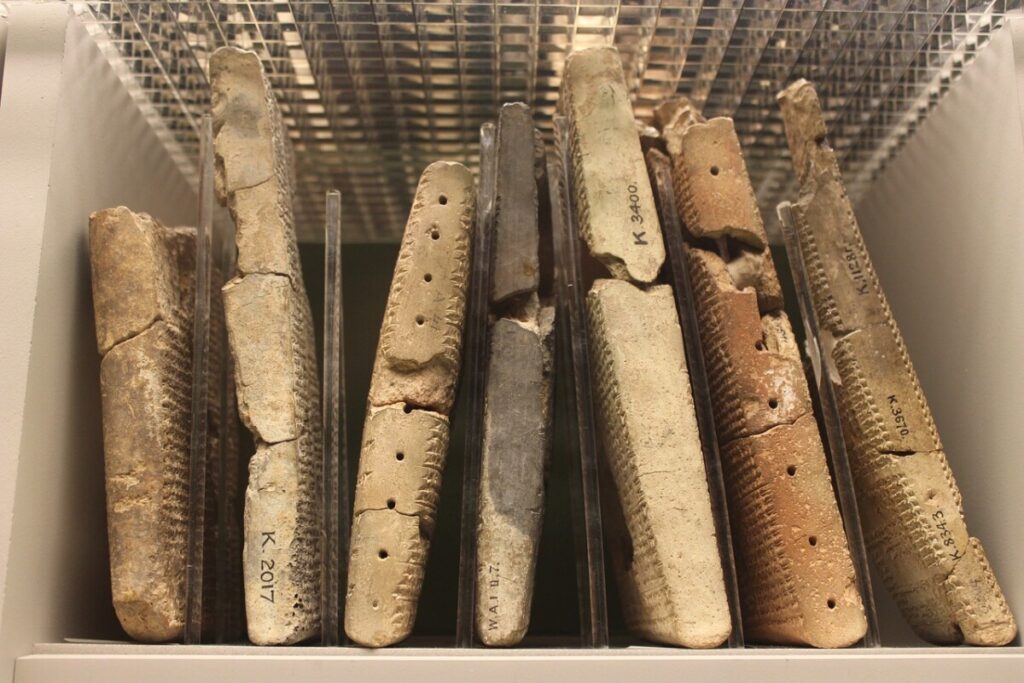
Earliest known writing in Africa/Middle East zone. Human DNA today is the same as 50,000 BCE. There is no doubt there were many dozens and perhaps thousands of civilizations prior to the Sumer civilization, but Sumer is the earliest known, or at least the earliest well known. The Sumer civilization first established between 6500 and
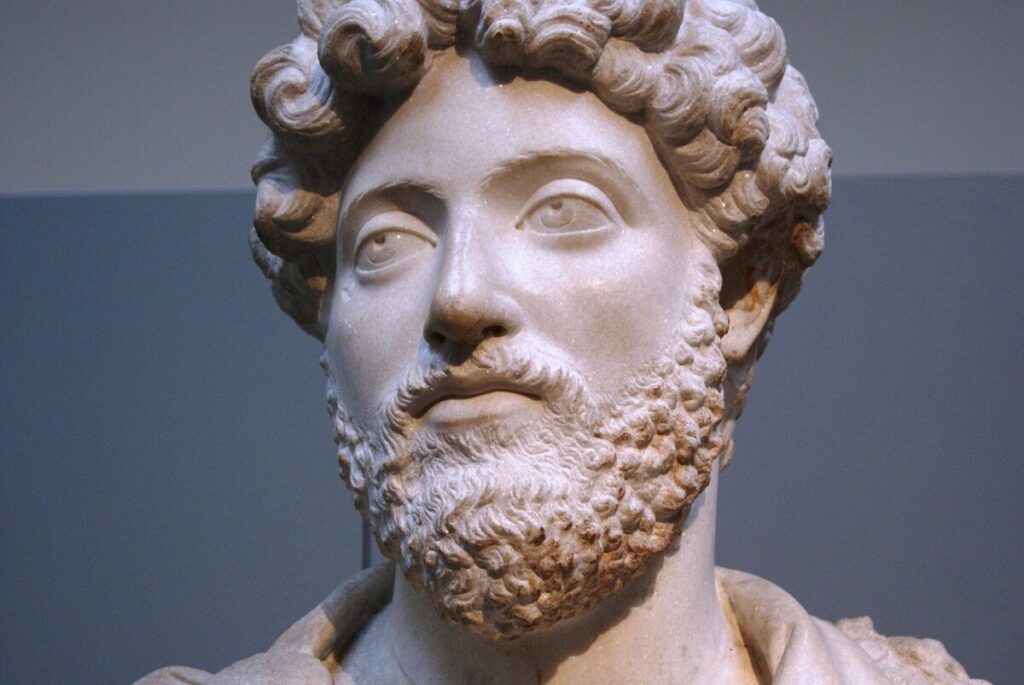
Stoicism is a philosophy of self-command centered on virtue while focusing your effort on what is yours to control.

Make goodness a normal part of your identity. Confucius taught that a better life begins when respect, duty, kindness, and self-discipline become normal habits.

About 3.75 billion years lived LUCA. Not first life, but the common ancestor of all life today. LUCA used DNA, had ribosomes, used ATP, and had translation machinery. It lived in high-temperature environments.
LUCA: Last Universal Common Ancestor Read More »
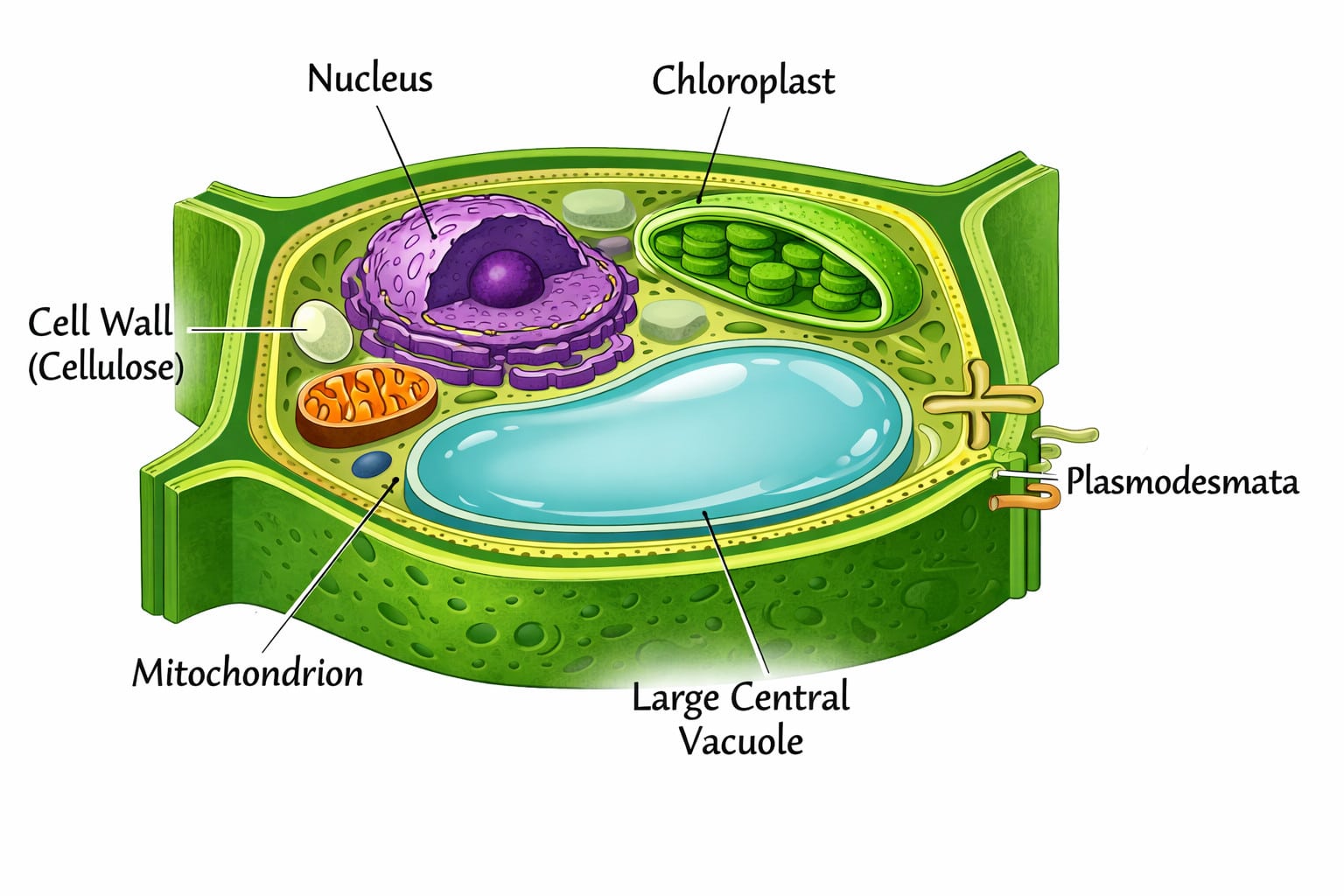
Around 1.65 billion years ago, major eukaryotic lineages diverged, setting the ancestral paths that would eventually lead to plants, fungi, and animals.
Plant Ancestors Split from Animal and Fungi Ancestors Read More »

Hinduism, one of the world’s oldest religions, emerged around 1100 BCE, several centuries after the Indus Valley Civilization collapsed. Hinduism has no known roots in the IVC, but it’s a topic to follow as we uncover clues. There was a several century gap from the collapse of the IVC to the rise of the early
Major Religion: Hinduism Read More »
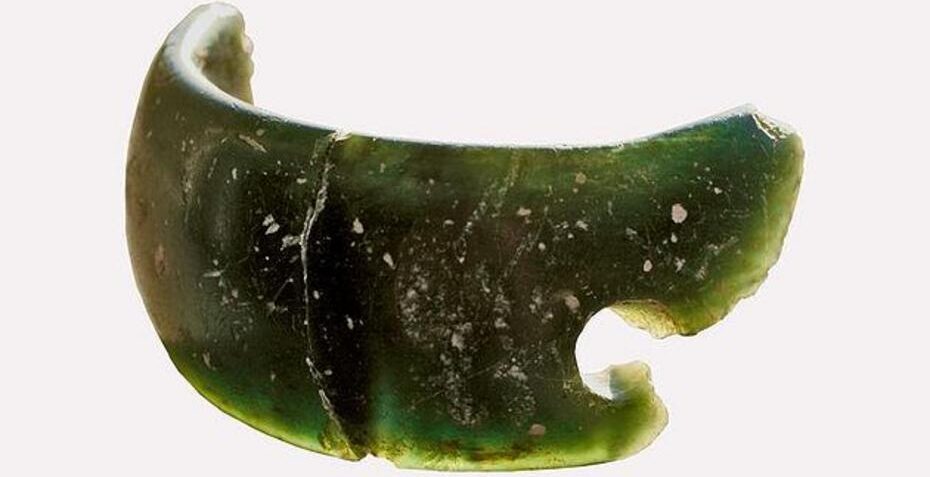
Denisovan: This bracelet dates from 70,000 to 40,000 BCE. It was discovered inside the Denisova Cave beside ancient human remains. The Denisova Cave is a cave located in Siberia, Russia. Other cave finds include woolly mammoth and woolly rhino bones. Scientists say there is evidence that the bracelet’s maker used a drill. This is the
Oldest Known Bracelet Read More »
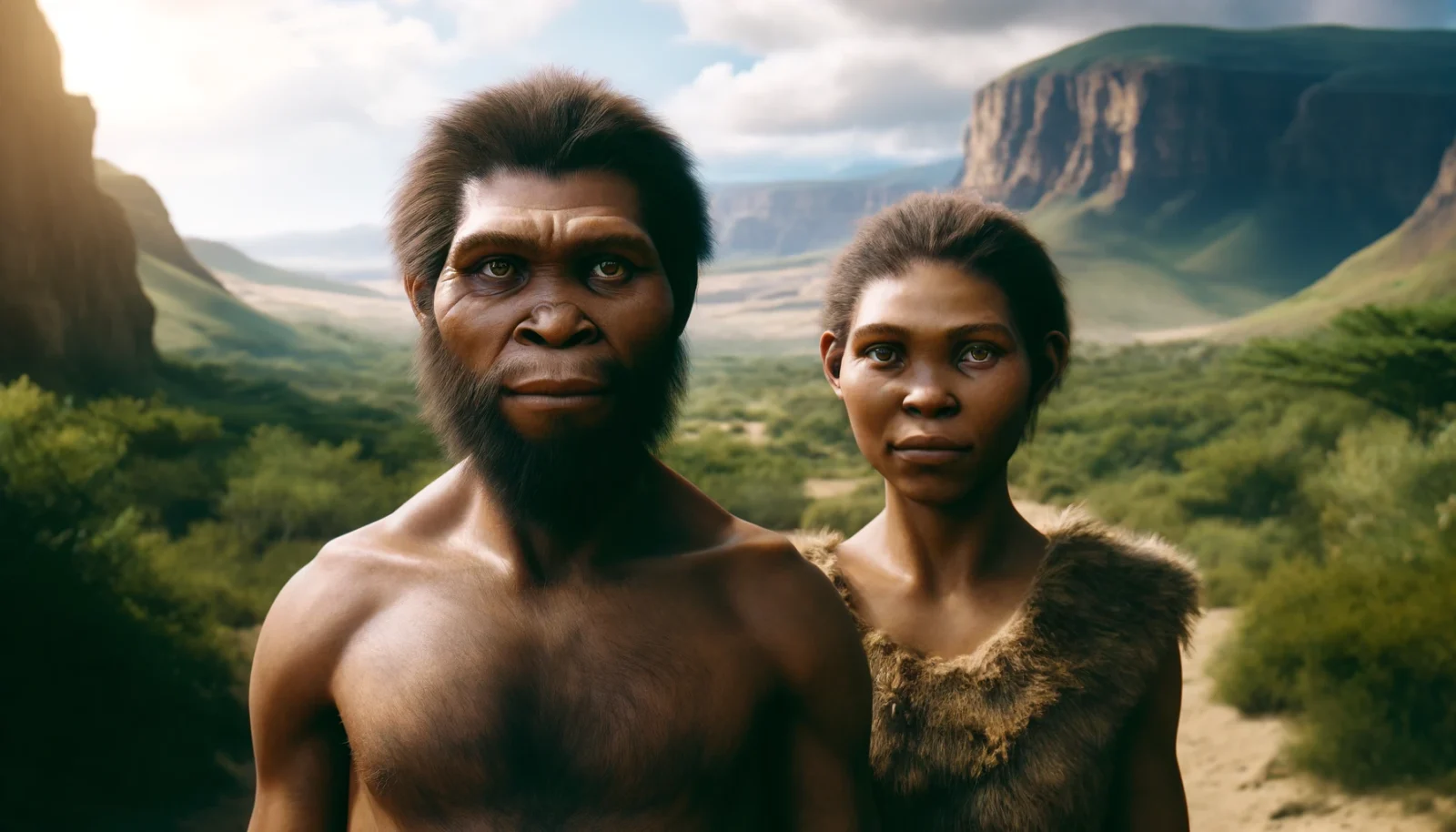
7,000 Generations Ago All humans today share a single grandma, circa 175,000 BCE. We know this because all humans alive today share our ancestor’s haplogroup L genes — from our X chromosome. She was one of many thousands of women living in eastern Africa. Many maternal lines survived for many generations but ultimately over time
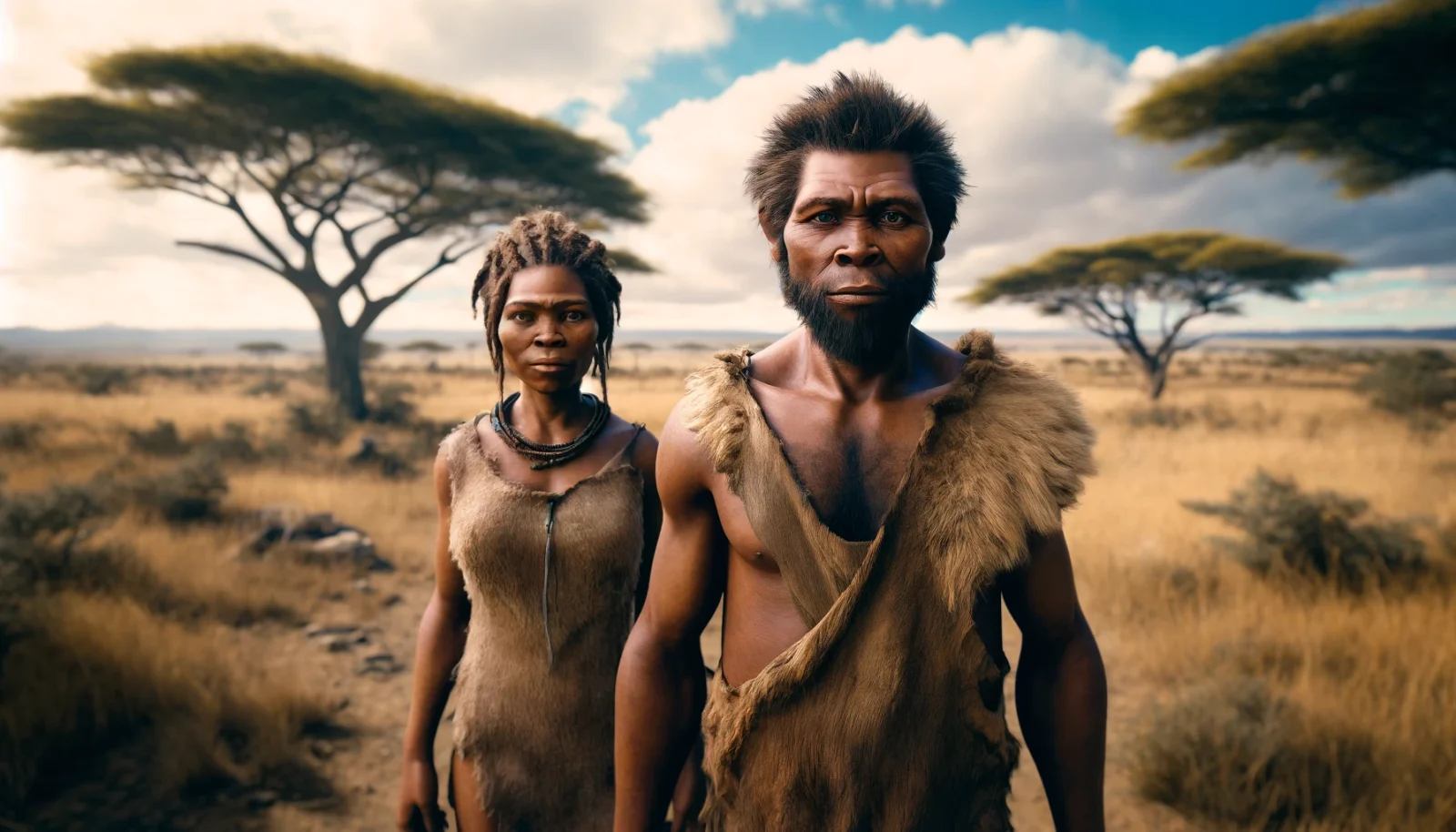
11,000 Generations Ago All humans today share a single grandpa, circa 275,000 BCE. We know this because all humans alive today share our ancestor’s haplogroup A genes — from our Y chromosome. He was one of many thousands of men living in eastern Africa. Many paternal lines survived for many generations but ultimately over time
Adam: Haplogroup A Read More »
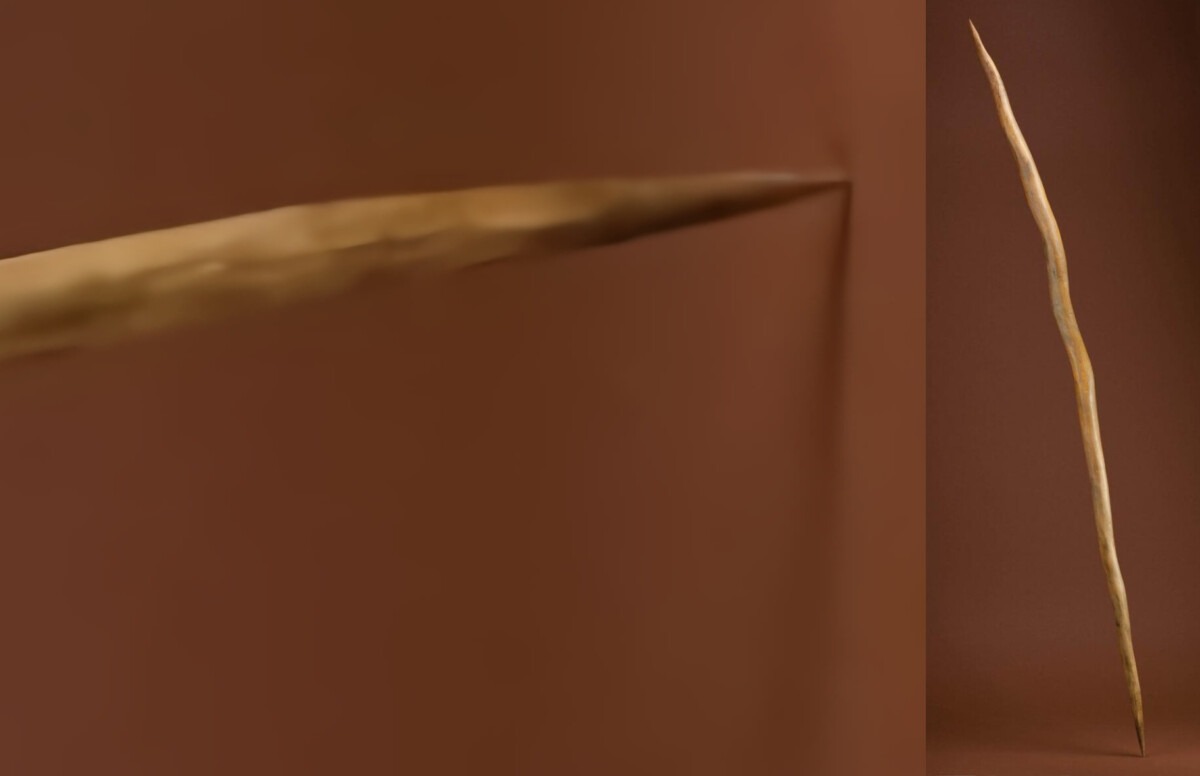
14,000 Generations Ago Homo heidelbergensis: Long spears made hunting large animals more safe. The oldest wooden spears found so far were found in Germany and dates to circa 400,000 BCE. In fact, they are currently the oldest known wooden artifacts. The find included 3 wooden spears, stone tools, and the butchered remains of more than
Oldest Surviving Spear Read More »
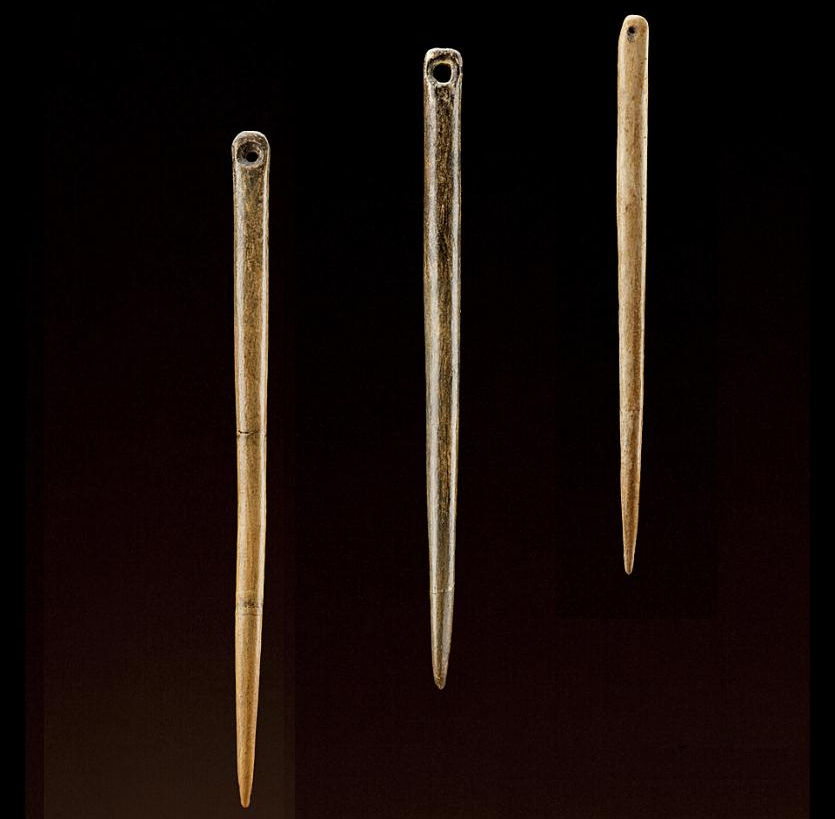
1,200 Generations Ago Humans used bone and ivory needles like these about 28,000 BCE to sew warm, closely fitted garments. These bone needles are from Xiaogushan, Liaoning Province, China, and are dated to about 28,000 to 21,000 BCE.
Advanced Sewing Needles Read More »

The Rigveda, Sanskrit for “praise knowledge”, is a collection of sacred texts of Hinduism first written down between 1700 and 1100 BCE. The sounds and texts of Rigveda have been orally transmitted since at least circa 2000 BCE. It discusses cosmology, praises deities, and covers philosophical questions including… 1.164.34: “What is the ultimate limit of
Rigveda Samhita, Veda Book 1 of 4 Read More »
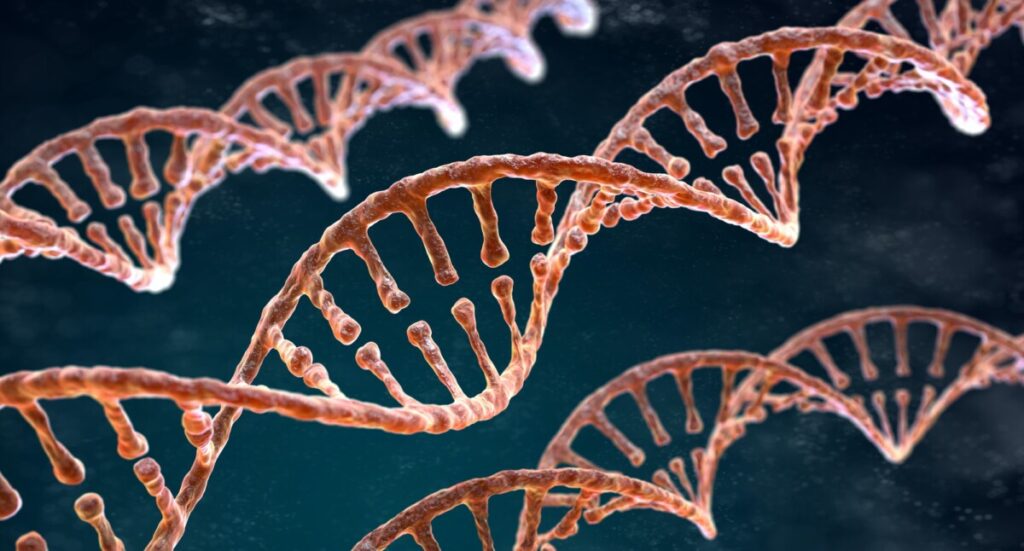
2,400 Generations Ago The modern human DNA evolved sometime between 71,000 and 51,000 BCE. Imagine that. A human baby born today, and a human baby born in 60,000 BCE have nearly indistinguishable DNA. There are differences but essentially humans are the same now as they were then. The popular website 23andme.com focuses on 23 changes in
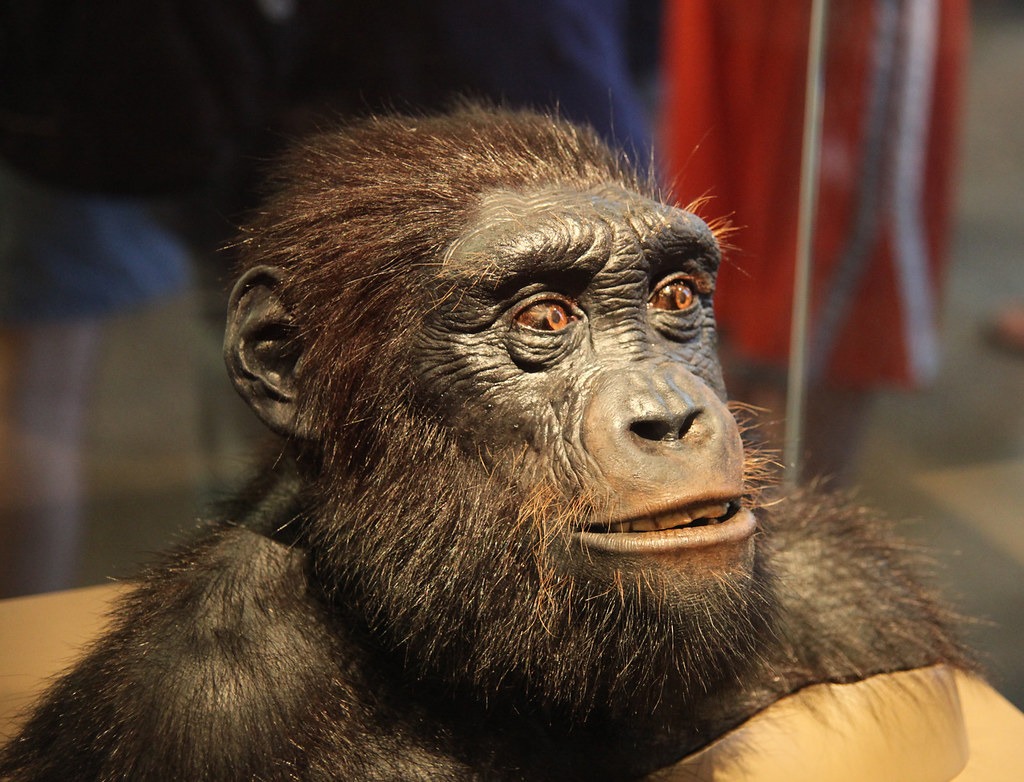
Humans did not evolve from chimpanzees. Humans, chimpanzees, and bonobos all descend from an earlier African ape whose lineage split around 7.5 million years ago.
Chimpanzees Branch Off (CHLCA) Read More »
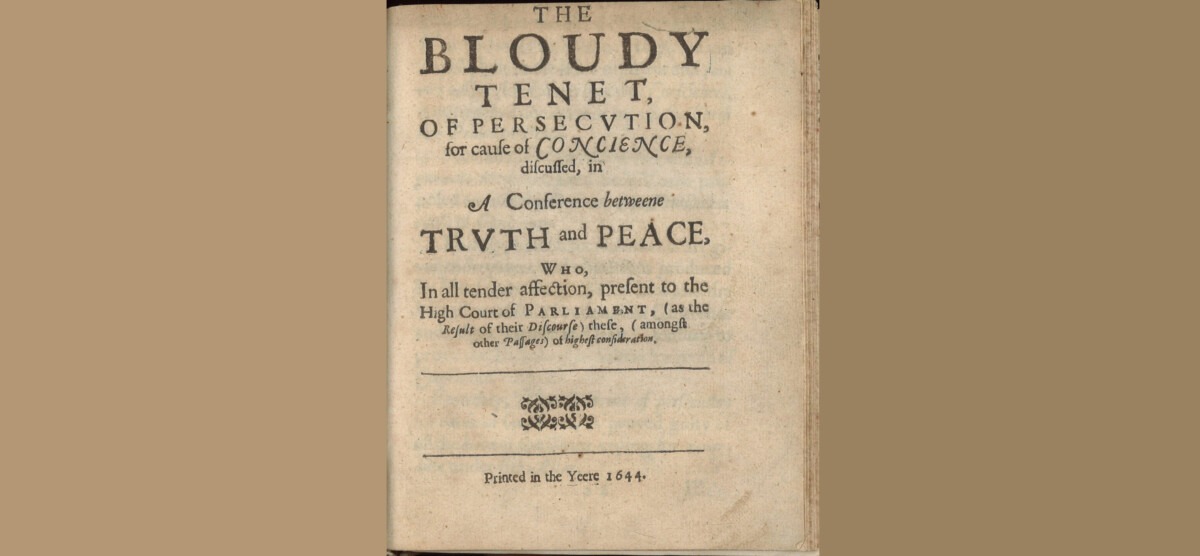
Roger Williams argued that government should protect freedom of conscience, not enforce religious belief. Separating church and state protects citizens from persecution while also protecting religion from political corruption.
Book: The Bloudy Tenent of Persecution Read More »