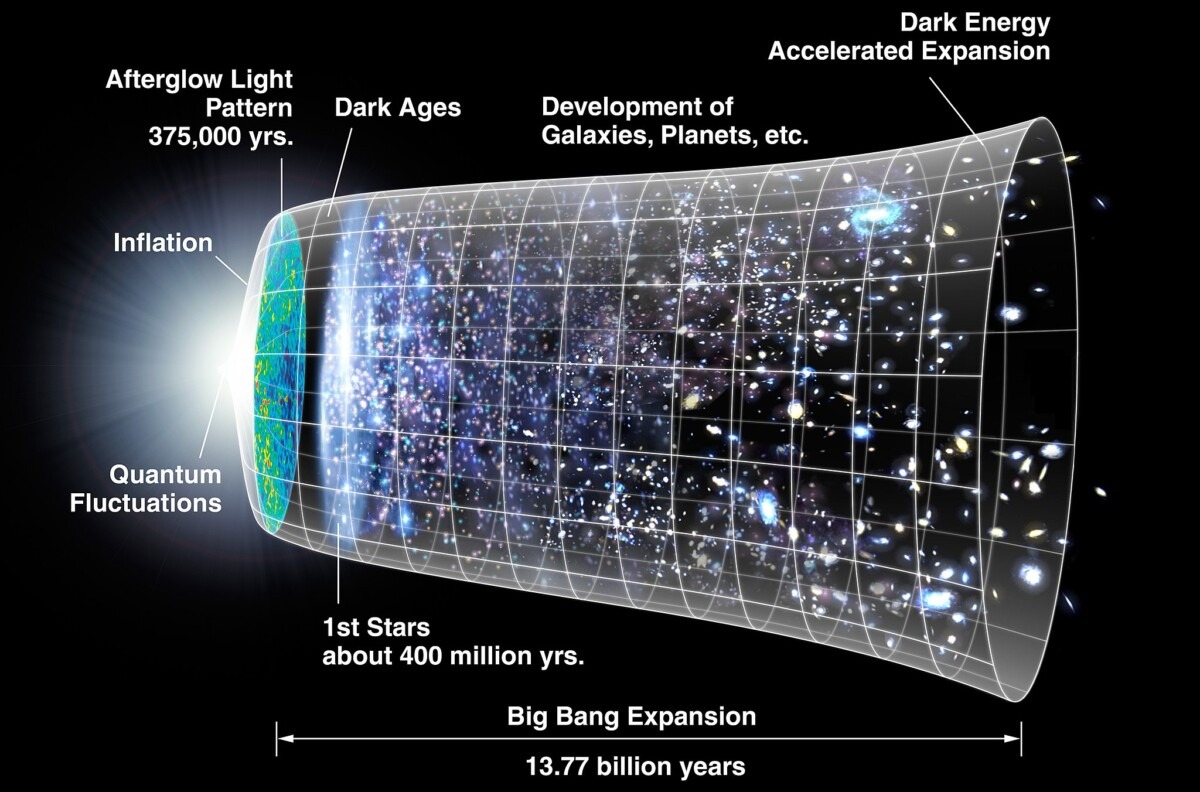
Big Bang Expansion
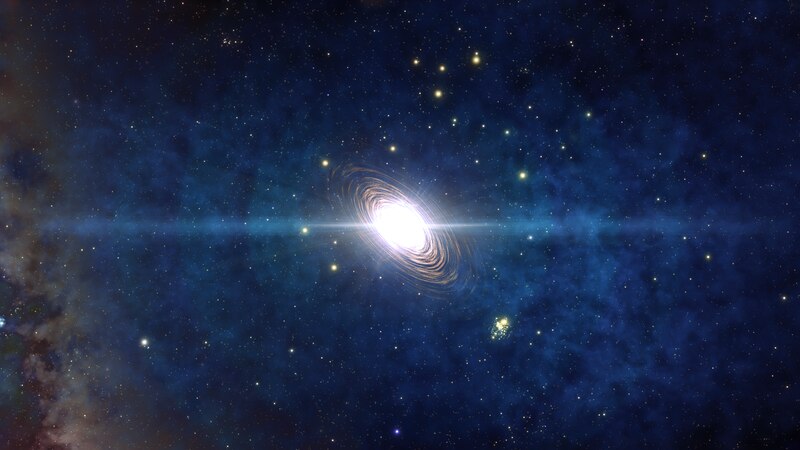
13.8 billion years ago, space itself began expanding and cooling, setting the stage for particles, atoms, stars, galaxies, planets, life, and us.
Big Bang Expansion Read More »


The Book Timeline: 30 Philosophers
13.8 billion years ago, space itself began expanding and cooling, setting the stage for particles, atoms, stars, galaxies, planets, life, and us.
Big Bang Expansion Read More »
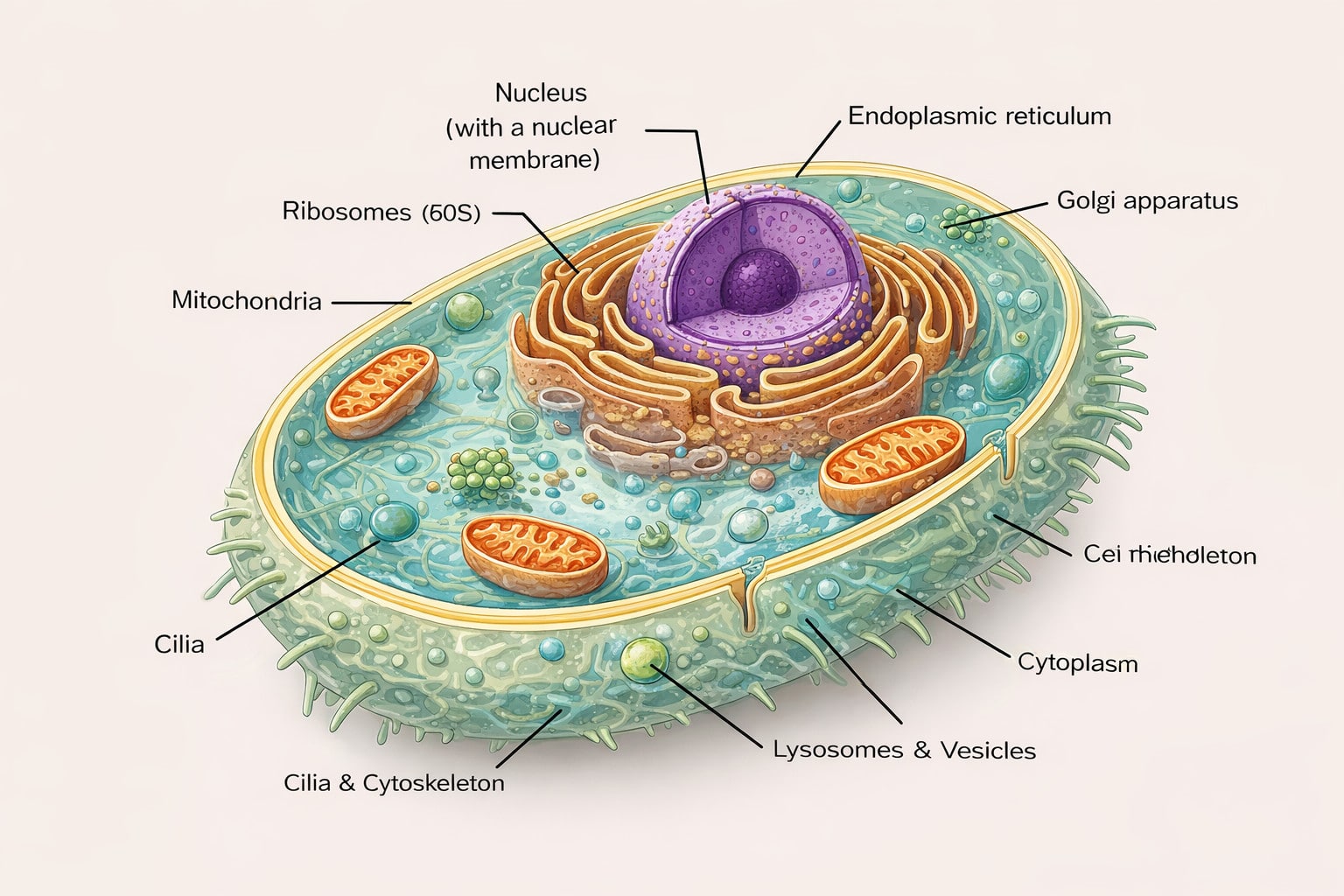
All life today are either Prokaryote or Eukaryote. Around 2 billion years ago, Eukaryotes evolved from Prokaryotes. The evolutionary leap to eukaryotes introduced cells with a nucleus and membrane-bound organelles, a complex architecture derived from prokaryotic predecessors through endosymbiosis. This process, crucial for eukaryotic evolution, involved the incorporation of prokaryotic cells into the cytoplasm of
The First True Eukaryotes Read More »

30 Phil, Chapter 17, Alhazen, Touchstone 42: Senses. How we perceive an external world starts to become clear about 1020 CE. Since Alhazen and his pioneering work around 1020 CE, we have made significant advancements in understanding our senses. Our direct impressions of the world. Prior to Alhazen, most people on Earth believed in strange
The Five Senses of Humans Read More »

In the vibrant intellectual climate of Ancient Greece, the 6th century BCE marks the embryonic stage of formal logic, attributed to the philosopher Thales of Miletus (around 624-546 BCE). Thales, recognized as the first of the Seven Sages of Greece, embarked on a quest that laid the foundational stones of logical thought. He shifted the
The Birth of Logic Read More »
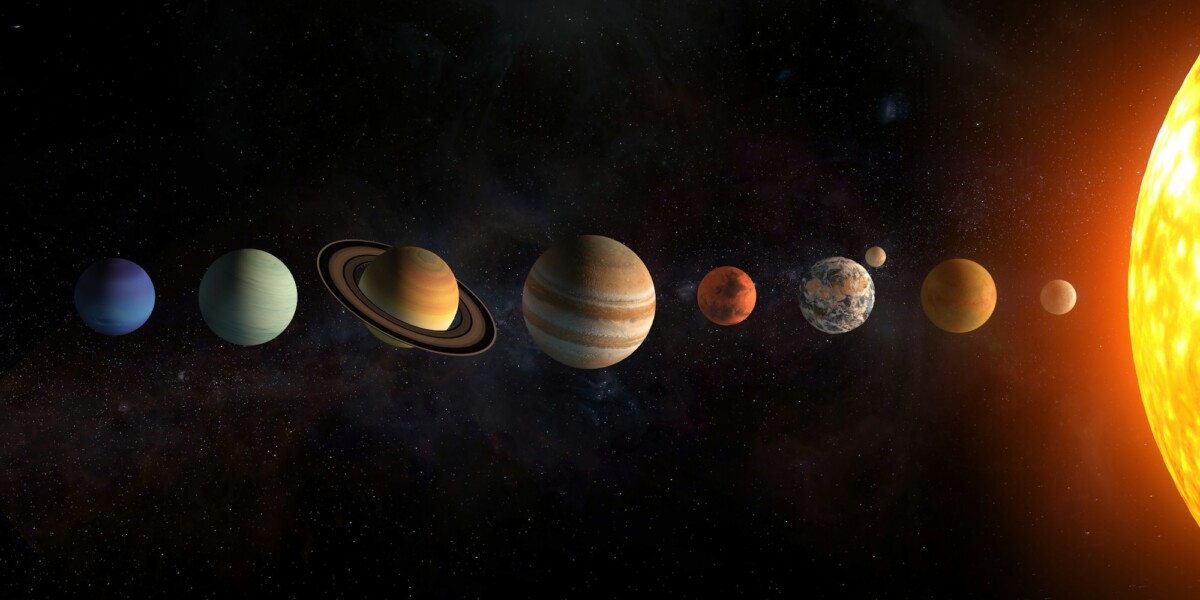
The Earth and the other planets formed 4.5 billion years ago from the same cosmic cloud—the primordial material which gave birth to the Sun. The dust and comets—the rocks—were composed largely of hydrogen, ice, carbon, and nitrogen.
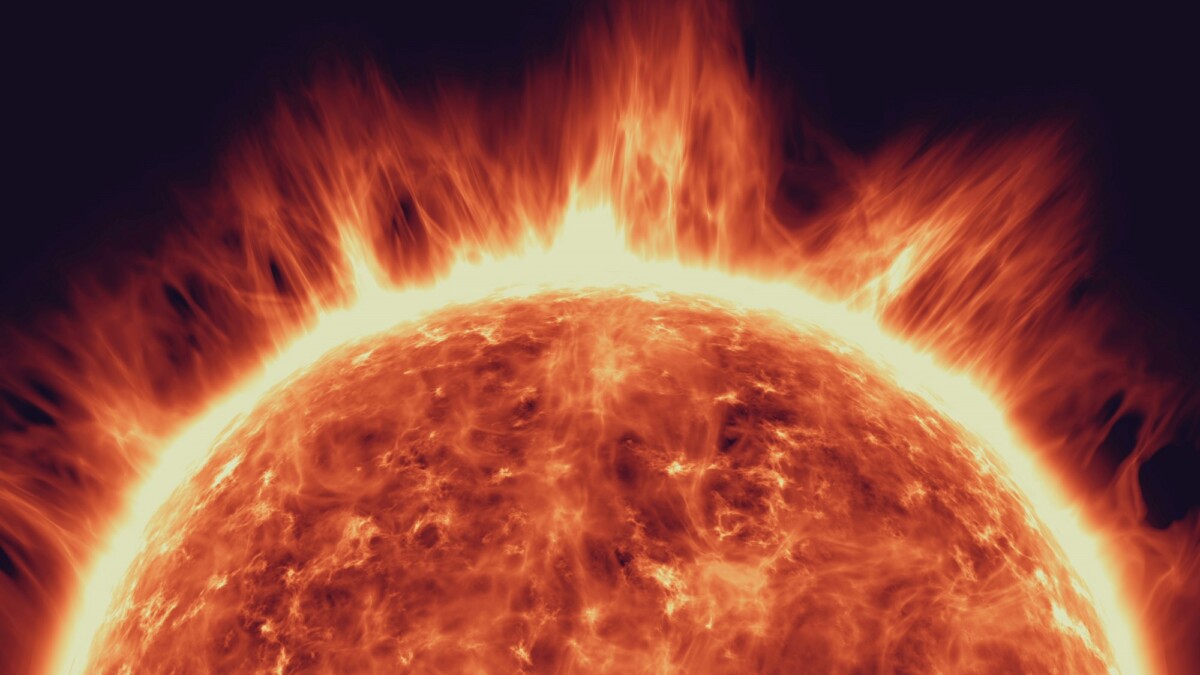
4.6 billion years ago, a cloud of gas and dust collapsed under the force of its own gravity to form our solar system.With the Sun at its center, glowing, the planets had not yet formed. The Sun, a G-type Population 1 star, shines brightly with a surface temperature of about 9,400 degrees, 5,500 Kelvin, and
Legacy: First 26 elements of the periodic table of elements. After a few hundred million years, gravity continued to play its part, drawing atoms into an intimate collapse, giving birth to the very first stars and galaxies. These first stars, known as Population III stars, were stellar giants: massive, hot, and short-lived; they burned for
Population III Stars: Heavier Elements Read More »

The image of the early universe that we see in the CMB reveals a time shrouded in darkness. During this era, the 17 known particles first started to combine to form the universe’s first atoms. Electrons, protons, and neutrons came together to create neutral hydrogen atoms, a process that allowed photons—or light—to traverse the cosmos
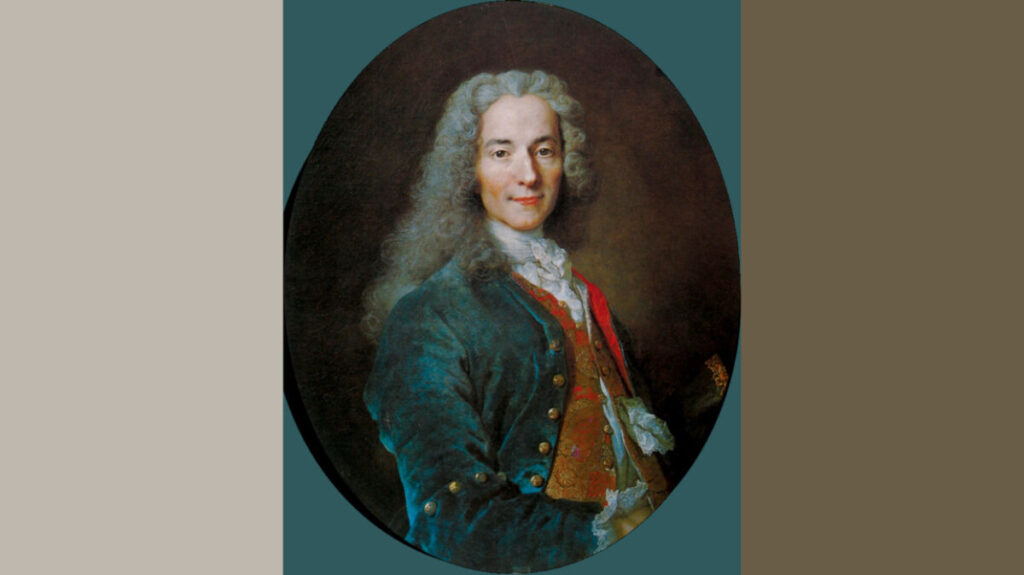
Free societies need people who can publicly challenge rulers, institutions, and accepted ideas without fear of censorship.
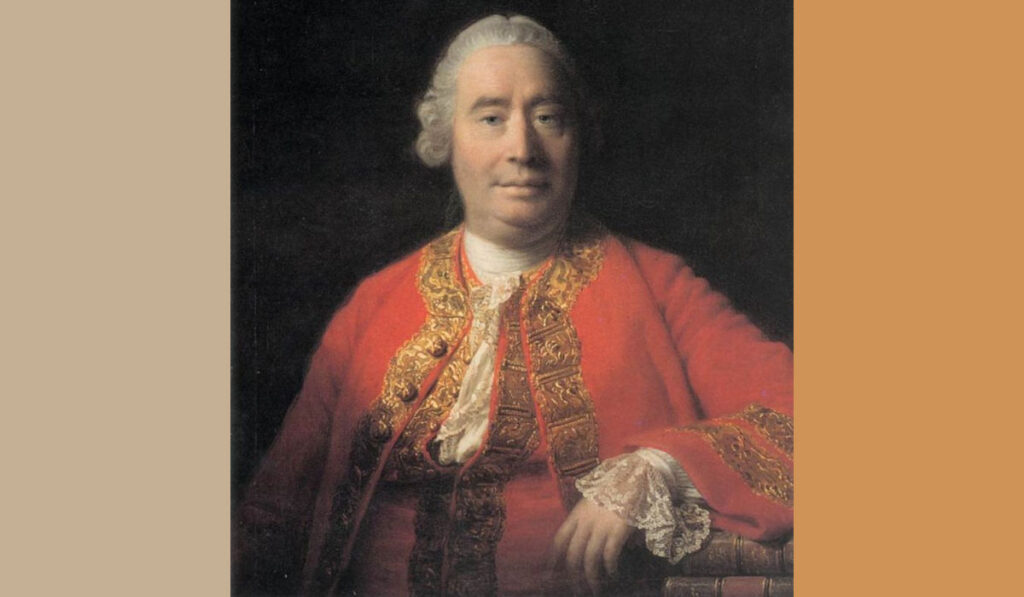
Hume is important to history because he taught us that belief should be earned. Let confidence rise with evidence, logic, testing, and lived experience.
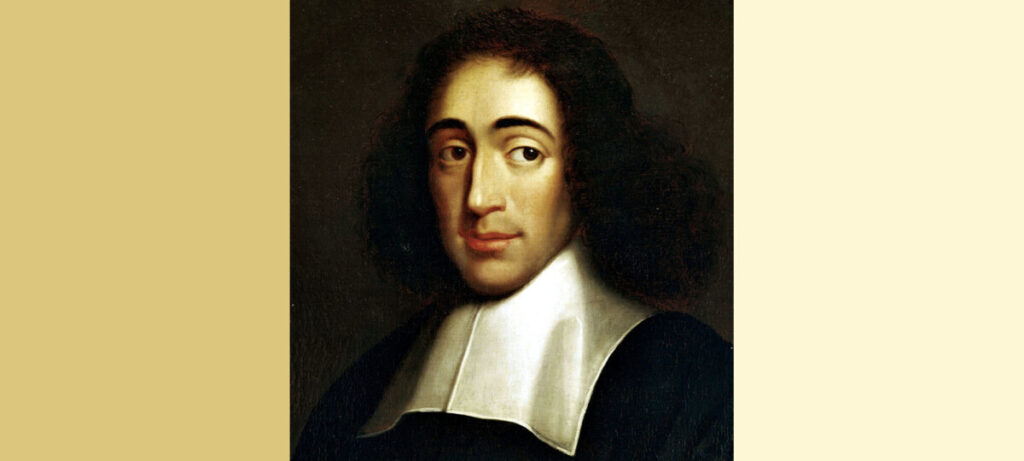
16 Generations Ago 30 Phil, Chapter 25: Spinoza and Monism The Dutch philosopher Spinoza was a lens grinder by profession, a proponent of Rationalism, and an early founder of Enlightenment. My favorite concept of Spinoza’s is that God is nature, and nature is God. For me, whenever I read God in prayers and such I
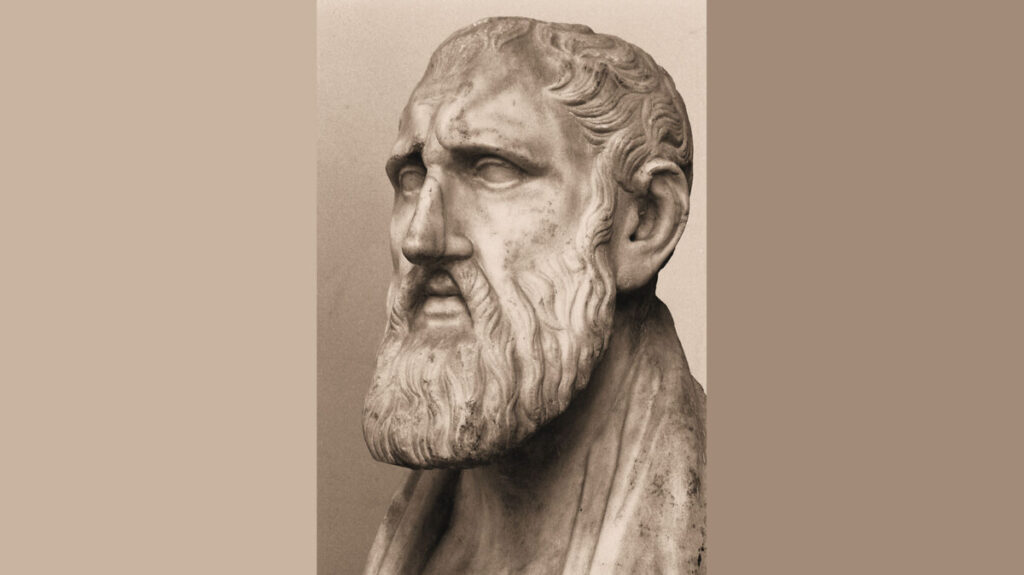
94 Generations Ago Zeno is considered the founder of the Stoic school of philosophy. When events occur in life, people react. Life is a series of events and immediate reactions. A stoic introduces a third middle step, a judge step. On their life journey, a stoic strives for a series of event-judge-react experiences. When you introduce
Zeno of Citium (334-262 BCE) Read More »
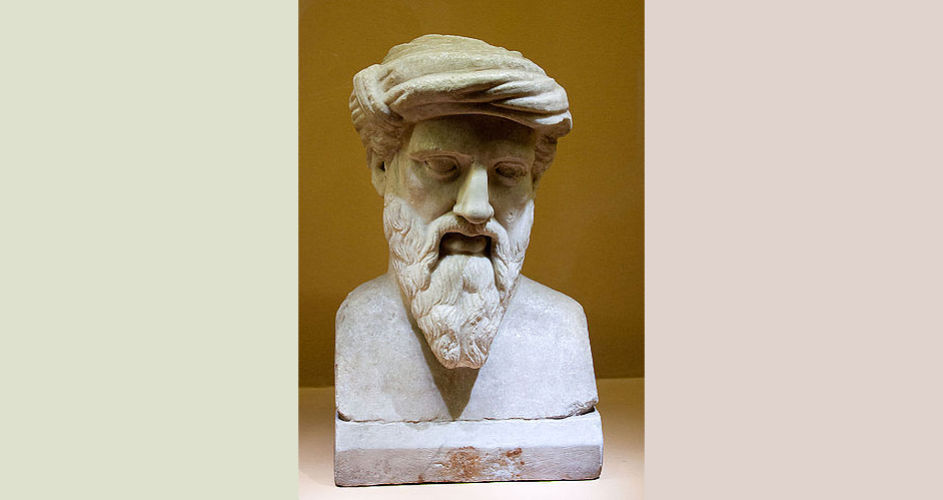
103 Generations Ago The Greek philosopher and mathematician Pythagoras was born in Ancient Greece on the island Samos which is about a mile off the coast of modern Turkey. History looks at Pythagoras as an educator and philosopher as well as a cult leader. He discovered the musical octave, used deductive reasoning, and embraced an
Pythagoras (570-495 BCE) Read More »
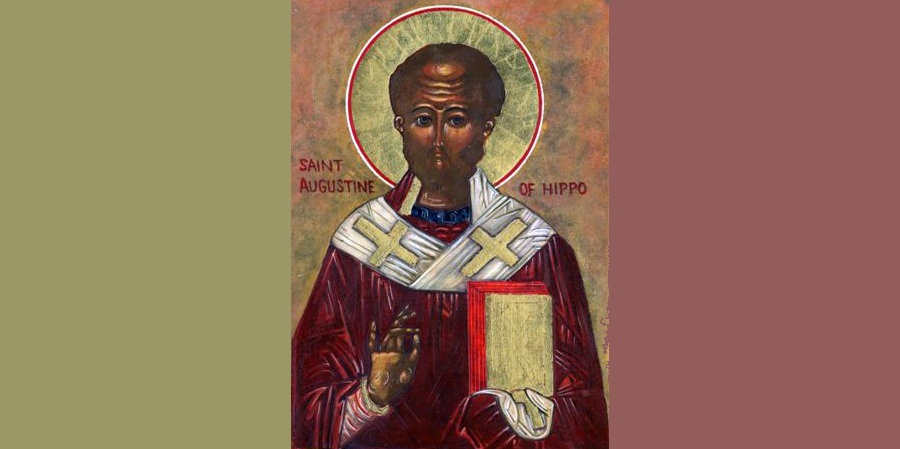
Life is full of hard choices. In situational ethics, clear-cut right and wrong tend to give way to reducing harm or choosing the lesser of two evils.
Augustine of Hippo Read More »
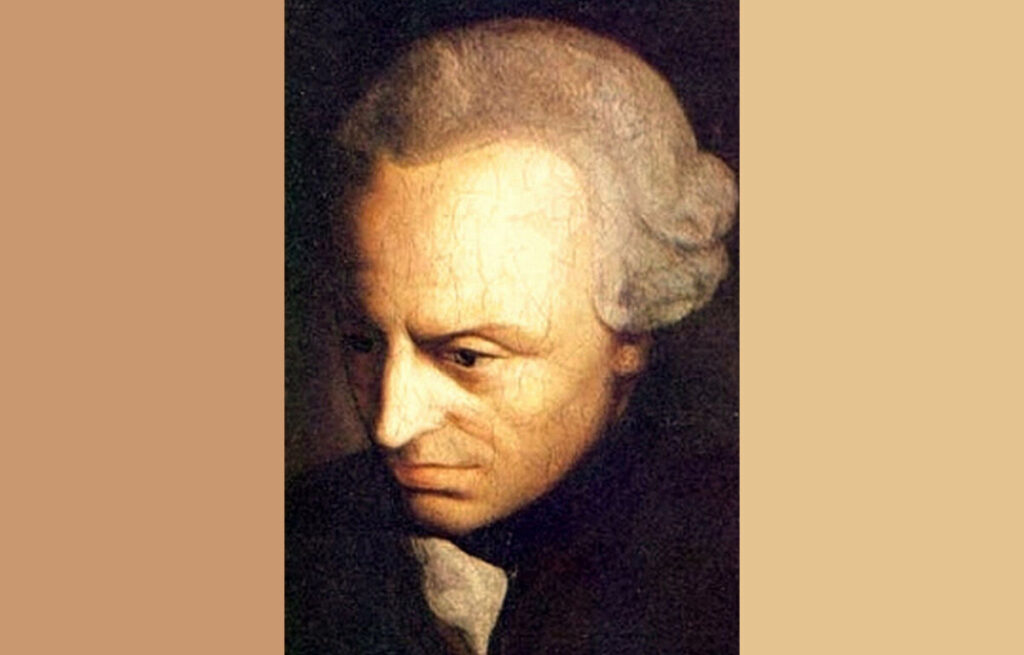
12 Generations Ago 30 Phil, Chapter 28: Kant and Kantianism The German philosopher Immanuel Kant (22 April 1724 – 12 February 1804) was a central figure of the Enlightenment which put reason as the tool of choice when discussing God, nature, and humanity. Some of my favorite translated quotes include: All our knowledge begins with
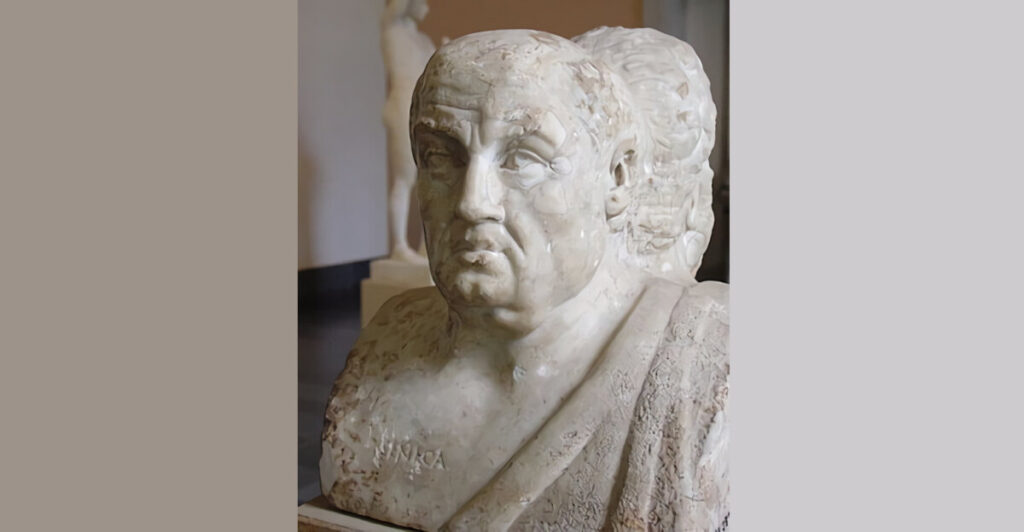
81 Generations Ago The stoic philosopher Lucius Annaeus Seneca the Younger has the distinction that more of his writings survived the test of time and is therefore a valuable primary source for stoic philosophy. Some of my favorite translated Seneca quotes: Luck is what happens when preparation meets opportunity. All cruelty springs from weakness. Religion is
Seneca the Younger (4 BCE – 65 CE) Read More »
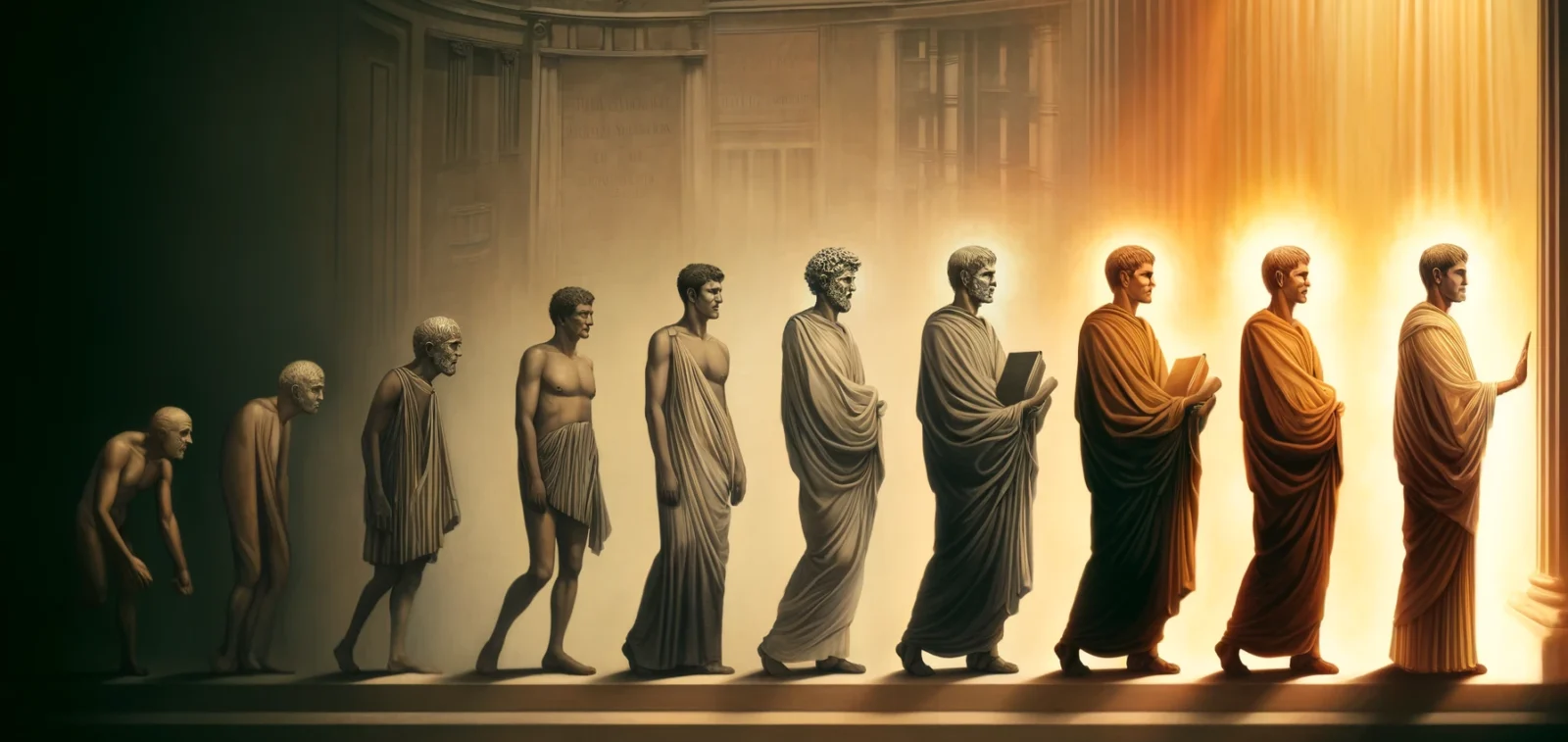
Epictetus taught that freedom begins by distinguishing what is within your control from what is not.
Epictetus (50-135 CE) Read More »
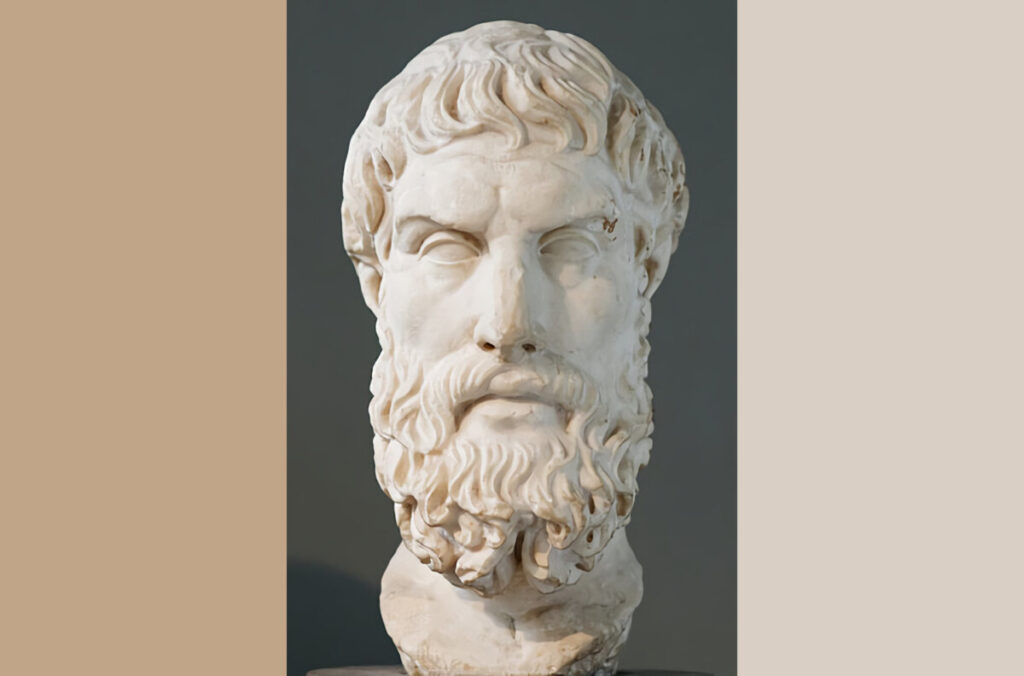
Live better by building a life of care, friendship, and shared dignity. Epicureanism reminds us that flourishing is not a solo project. The people around you shape your peace, your joy, and your moral life.
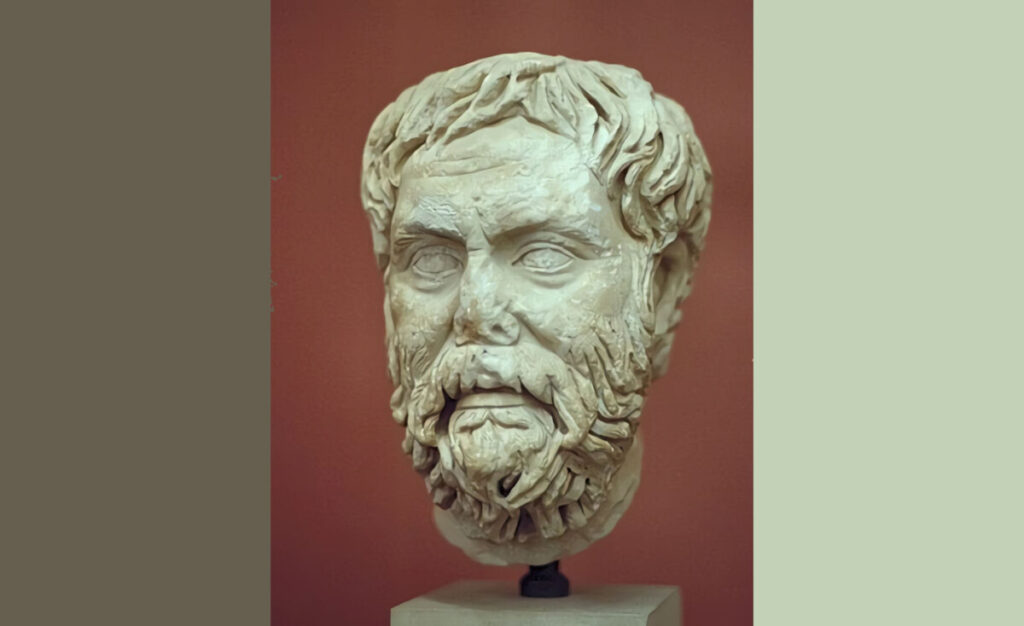
95 Generations Ago 30 Phil, Chapter 10: Pyrrho of Elis and Skepticism Pyrrho, the skeptic, believed no one knows anything. Everything can be questioned. The best approach is to keep an open mind. Like Socrates, Pyrrho himself left no writings. We know of his teachings through his students and later writers. Phrases that best represent
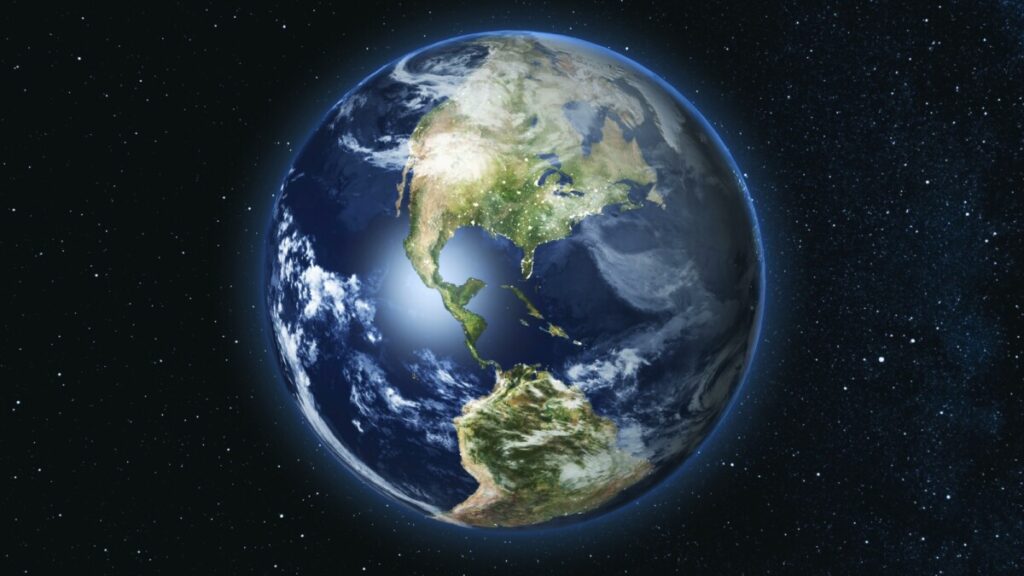
The Greeks knew the Earth is spherical. For example, Pythagoras (570-495 BCE), Aristotle (384-322 BCE), and Euclid (circa 450 BCE) wrote about the Earth as a sphere. Eratosthenes (276-194 BCE) even calculated the circumference of the Earth to within 1%. He also wrote about the idea that India could be reached by sailing westward from