

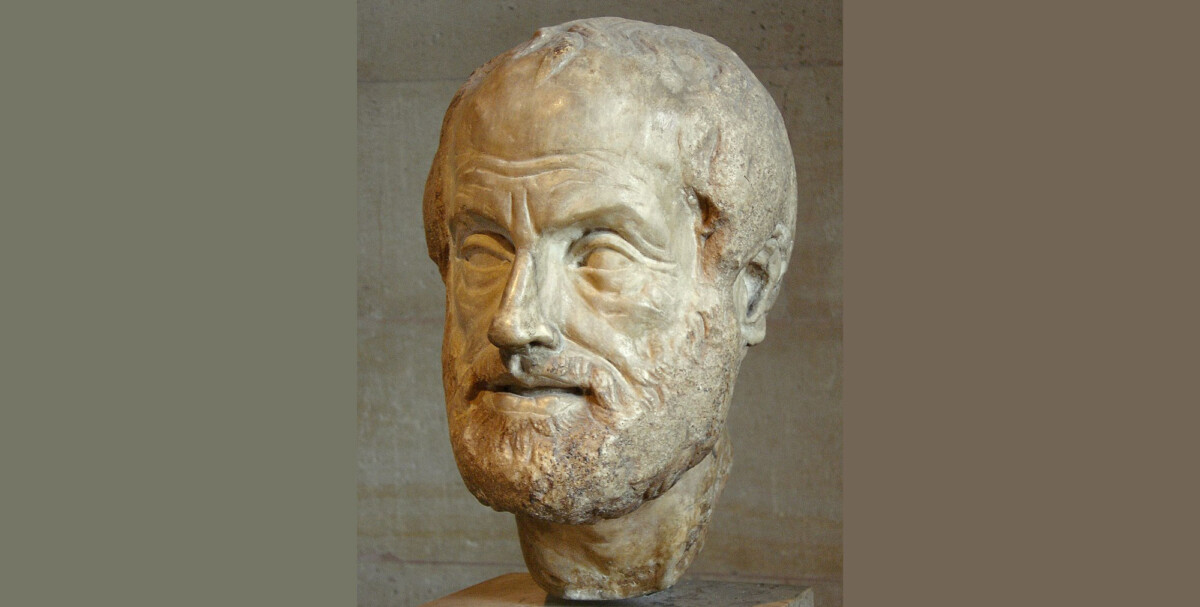
30 Philosophers, Chapter 9: Aristotle and Empiricism.
Aristotle was the greatest Greek philosopher and covered nearly all subjects from physics to government. His Aristotelian philosophy characterized by deductive logic and an analytic inductive method paved the way for natural philosophy over the next two millennia.
The trio of Socrates, Plato, and Aristotle helped define and bifurcate Western philosophy. Socrates centered philosophy on questioning and the examined life. Plato carried that inquiry toward rationalism: truths reached through reason. Aristotle pushed in another direction, grounding knowledge more firmly in observation and the study of nature.
The three were also entangled in life events. Two of my favorite parallels are what happened after their mentors died and how they responded to political authority. After Socrates was executed in 399 BCE, Plato left Athens and traveled through parts of the Mediterranean world before returning to Athens and establishing the Academy. After Plato died in 347 BCE, Aristotle likewise left Athens, traveling through Asia Minor, he later moved to Macedonia to tutor the young Alexander the Great. He then returned to Athens and established his own school, the Lyceum.
The end of Socrates and Aristotle have an eerie parallel. Socrates was accused of impiety and corrupting the youth, convicted by an Athenian jury, and executed by drinking hemlock. More than seventy years later, after the death of Alexander the Great triggered an anti-Macedonian backlash in Athens, Aristotle also faced an accusation of impiety. Rather than risk following his philosophical grandfather to the same fate, Aristotle left Athens for Chalcis, reportedly saying he would not allow Athens to “sin twice against philosophy.” He died there the following year, in 322 BCE, apparently from a stomach illness.

