Weekly Insights for Thinkers

All

Master Timeline

Opposable Thumb Emerges

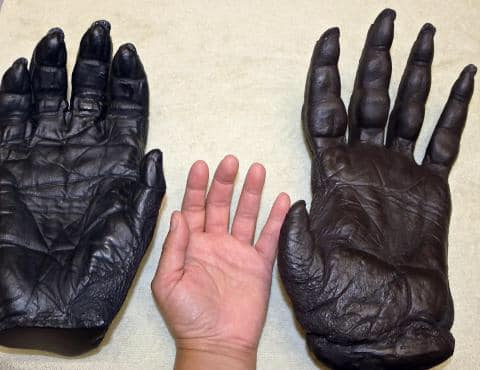
Around 60 million years ago, the early ancestors of primates began to develop a crucial adaptation: the opposable thumb. This evolutionary milestone marked the beginning of increased dexterity and the ability to grasp objects more effectively. Living in the dense canopies of prehistoric forests, these early primates used their newly opposable thumbs to navigate their […]

Opposable Thumb Emerges Read More »
Human Thumb Evolves

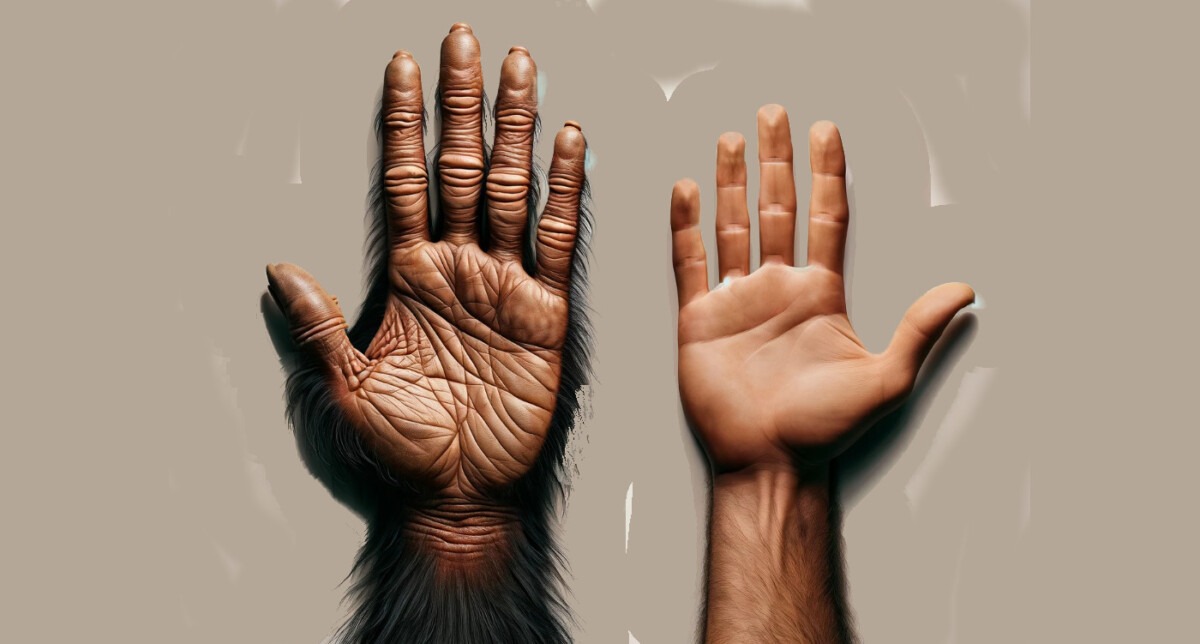
Slightly greater range of movement and precision: Around 2 to 3 million years ago, the evolution of the human thumb reached a pivotal point. Early hominins, such as Australopithecus and later Homo habilis, exhibited a thumb that was more similar to that of modern humans. This thumb was capable of a greater range of movement

Human Thumb Evolves Read More »

Ape Thumb Evolves

Likely between 25 and 30 million years ago, the evolution of the apes brought about further refinement of the opposable thumb. This period saw the divergence of the lineages that would lead to modern “lesser” apes like gibbons as well as later “great” apes, including orangutans, gorillas, and chimpanzees. The ape thumb evolved to become

Ape Thumb Evolves Read More »

Protozoa Discovered: Microbiology Founded

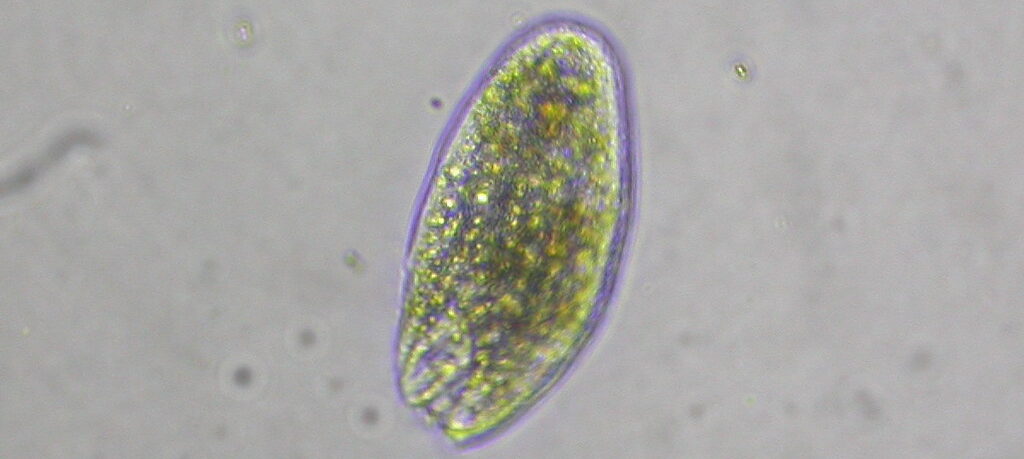
Although protozoa evolved from eukaryotes about 2 billion years ago, it was 1674 that humanity saw them for the first time. That’s when Antonie van Leeuwenhoek, using his meticulously crafted microscopes, discovered protozoa—the first microscopic observation of single-celled organisms. His detailed observations and descriptions of what he called “animalcules” in a drop of pond water

Protozoa Discovered: Microbiology Founded Read More »

Electromagnetic Radiation Theory

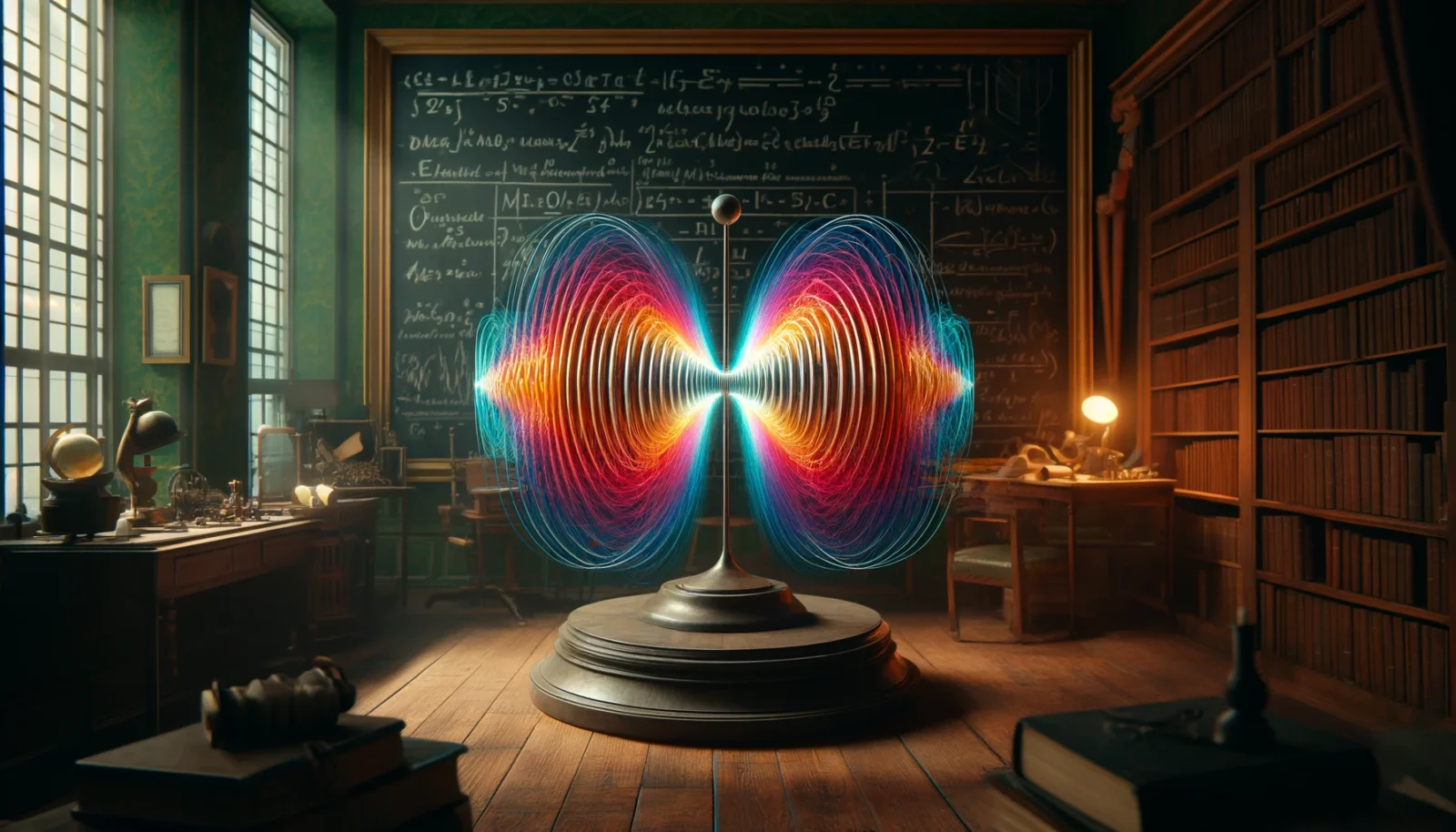
James Clerk Maxwell predicted electromagnetic waves, but he did not perform experiments to prove their existence. His prediction was based on his work on the classical theory of electromagnetic radiation, which unified electricity, magnetism, and light as different manifestations of the same phenomenon. Maxwell’s equations for electromagnetism predicted the existence of waves of oscillating electric

Electromagnetic Radiation Theory Read More »

Olduvai Gorge Site: A Glimpse into Early Organizational Behavior

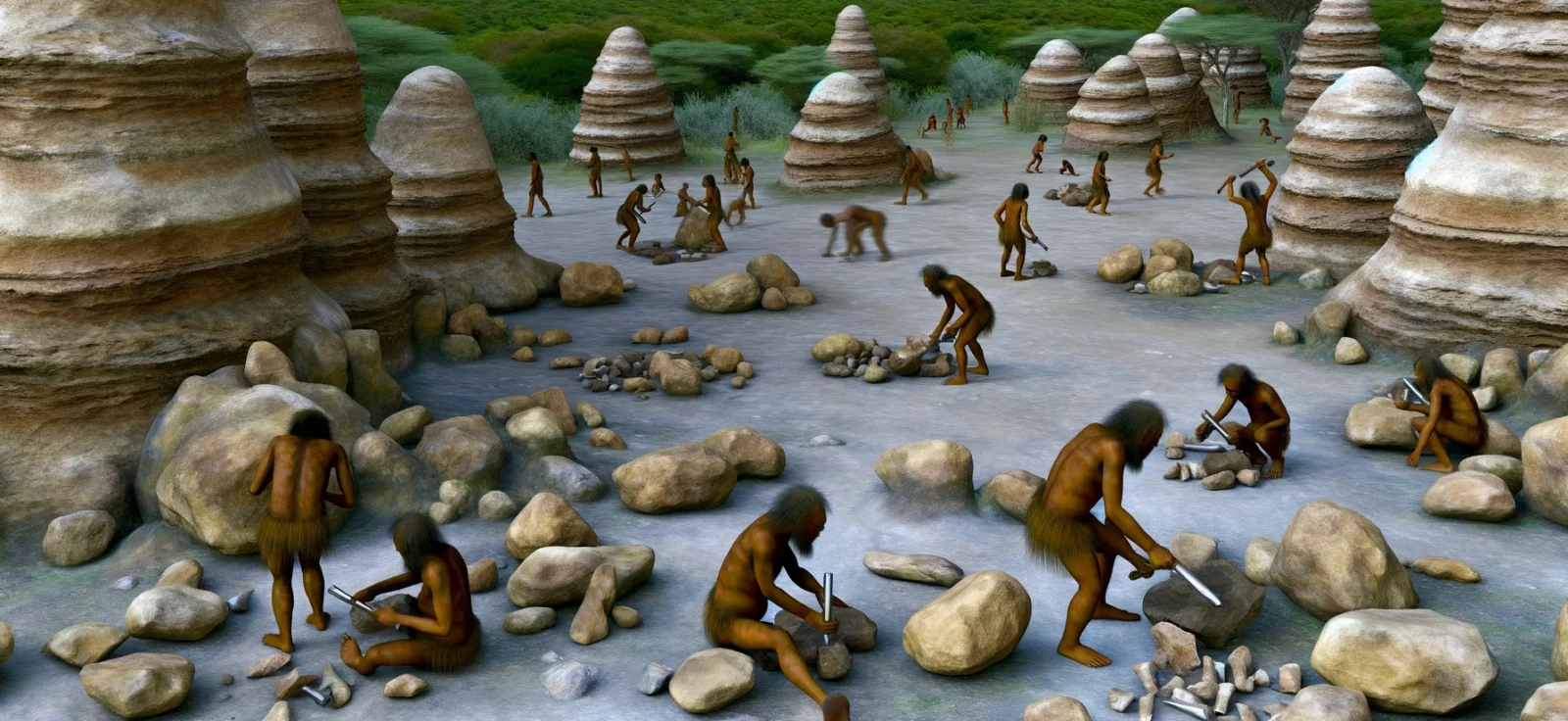
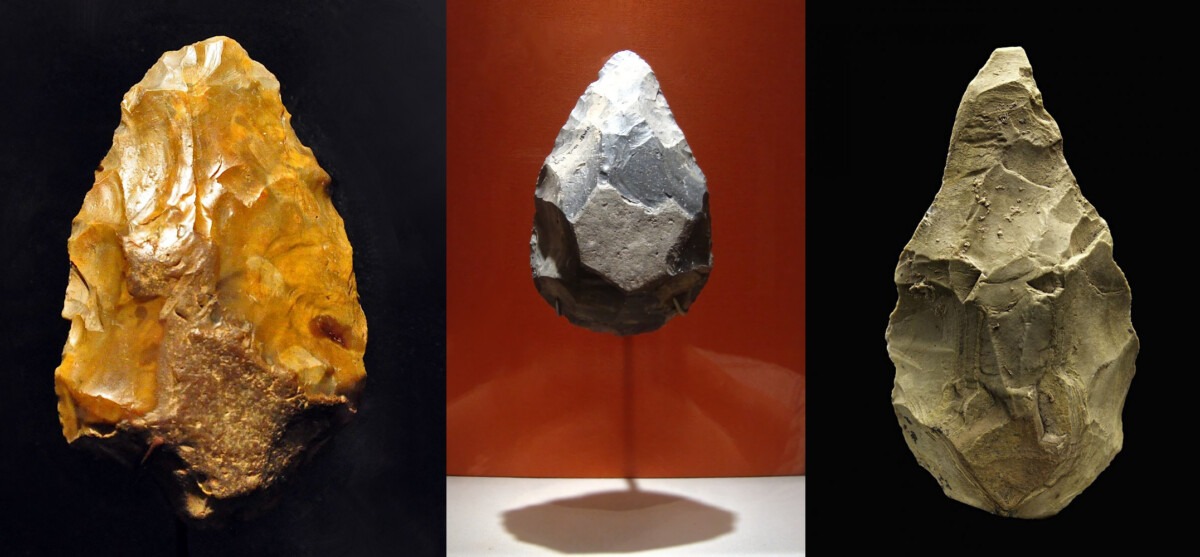
The Olduvai Gorge in Tanzania stands as a testament to early human ingenuity and foresight, illustrating a rudimentary form of organizational behavior that predates modern civilization. Utilized extensively over two million years, the site functioned akin to a “factory,” where early humans systematically crafted a variety of stone tools. They strategically selected specific locations that

Olduvai Gorge Site: A Glimpse into Early Organizational Behavior Read More »

Space Station Closed-Loop Life Support

By 2025-6, closed-loop life support systems will be deployed for real-world application aboard the International Space Station (ISS). These systems are designed to recycle and regenerate life-supporting resources like air and water, reducing the need for resupply missions and improving the sustainability of long-duration space missions. This initiative marks a significant advancement in space habitation

Space Station Closed-Loop Life Support Read More »

Ancient Spears 350,000 Years Ago

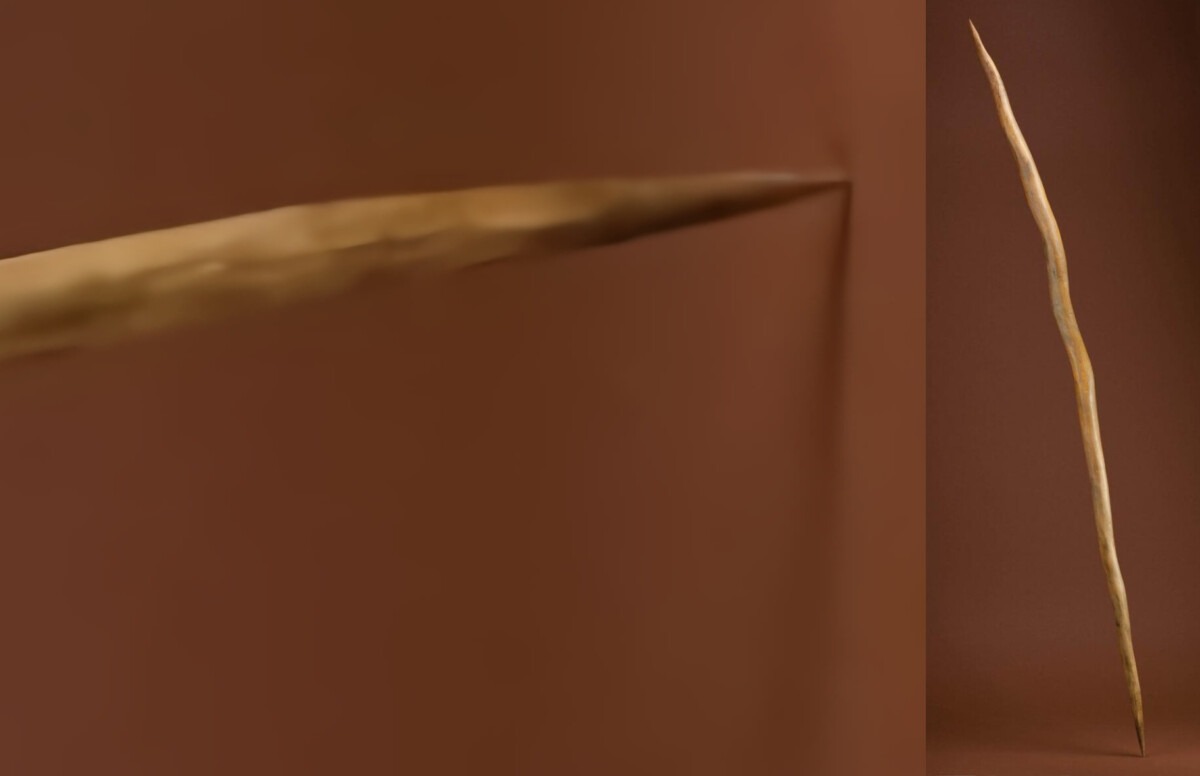
“By 350,000 years ago, early humans crafted javelin-quality spears.” This revelation about ancient spears is profoundly enlightening as it demonstrates the advanced cognitive abilities and social cooperation among early humans. Crafting spears of this quality involves not only selecting the right materials and understanding the physics of balancing and sharpening but also strategic planning for

Ancient Spears 350,000 Years Ago Read More »

Oort Cloud

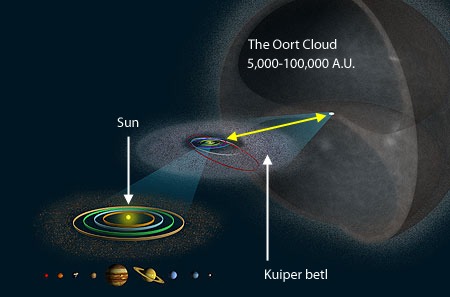
Rationally predicted, unconfirmed: The Oort Cloud is a theoretical vast sphere of icy objects believed to surround our solar system at distances ranging from about 2,000 to 100,000 astronomical units from the Sun. Conceived by the Dutch astronomer Jan Oort in 1950, this distant cloud is thought to be the source of long-period comets that

Oort Cloud Read More »

Black Holes Proposed

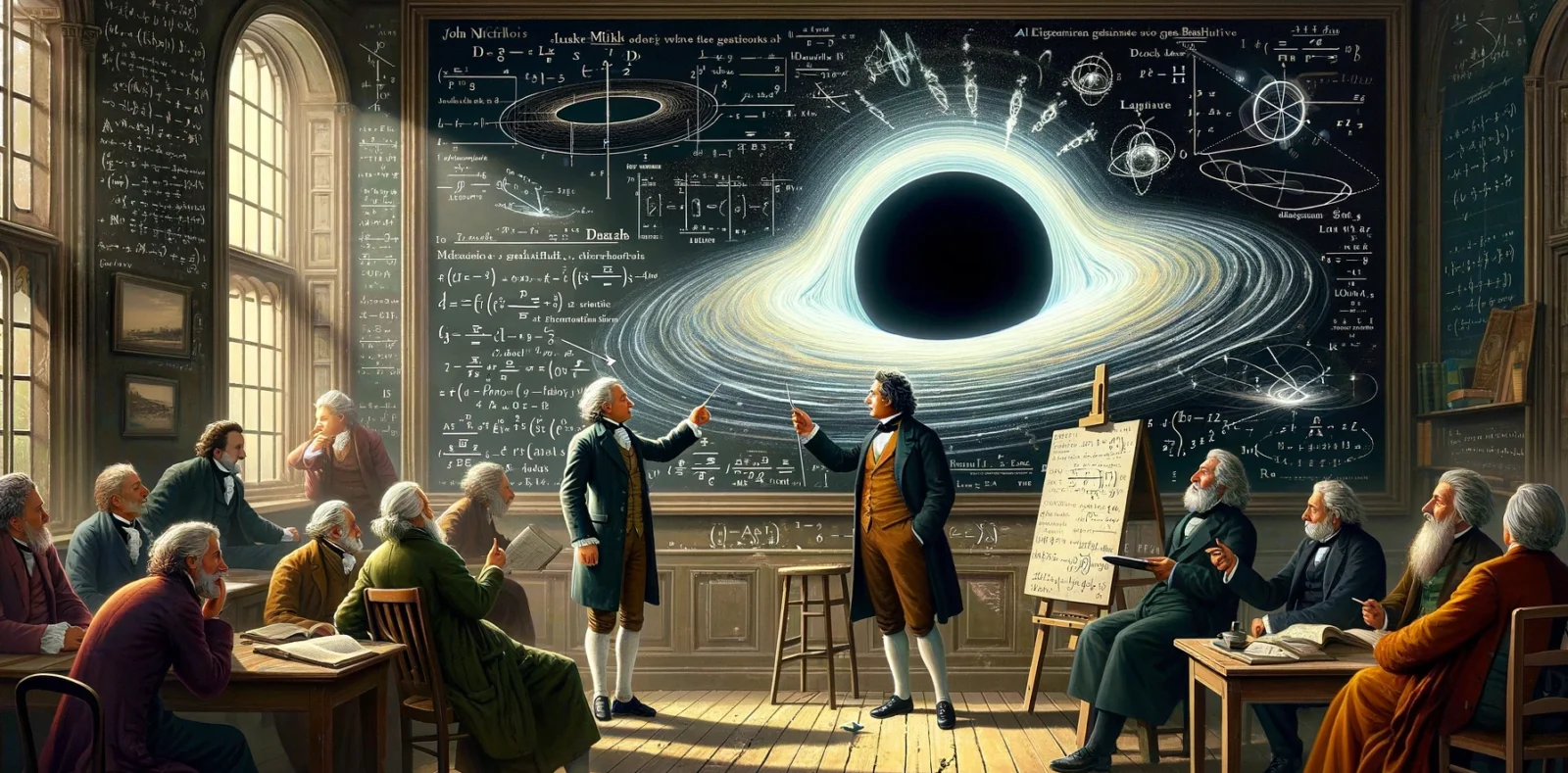
While black holes were first proposed in the 18th century, they were not seriously proposed until 1916 with Albert Einstein’s General Relativity. The concept of a “black hole” has its roots in the 18th century when John Michell and Pierre-Simon Laplace independently speculated about the existence of “dark stars” — celestial bodies whose gravity is

Black Holes Proposed Read More »

Black Holes Confirmed

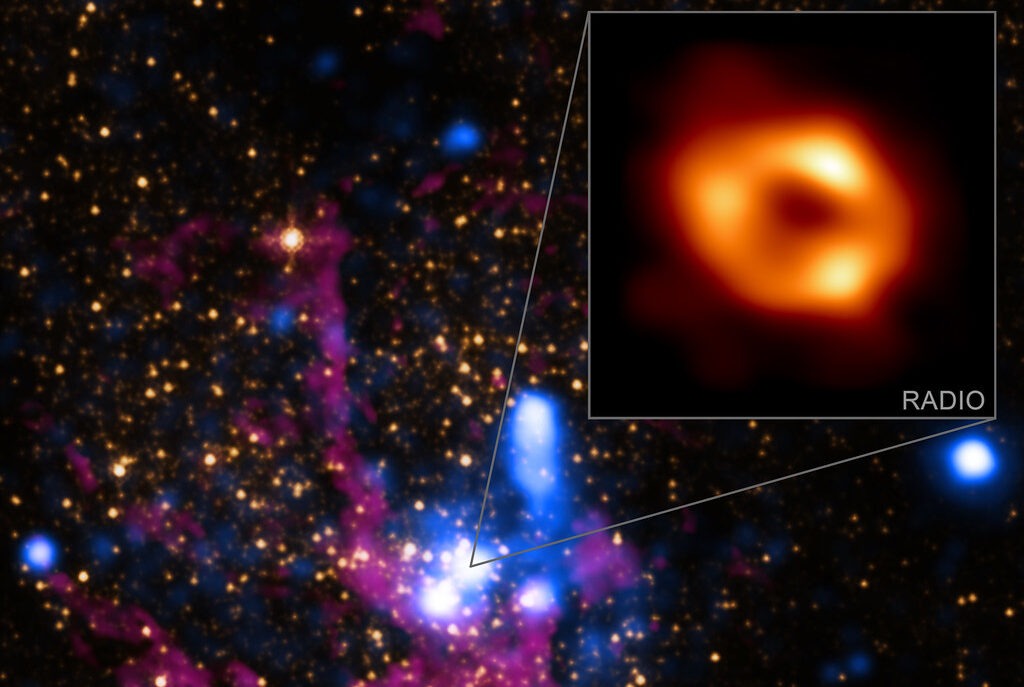
The first image of a black hole was captured in 2019 by the Event Horizon Telescope (EHT) collaboration. Before that, the first observational evidence was discovered in 1964 with the detection of the X-ray source Cygnus X-1, which was later interpreted as material accreting onto a black hole from a companion star. In 1971, Cygnus

Black Holes Confirmed Read More »

General Relativity

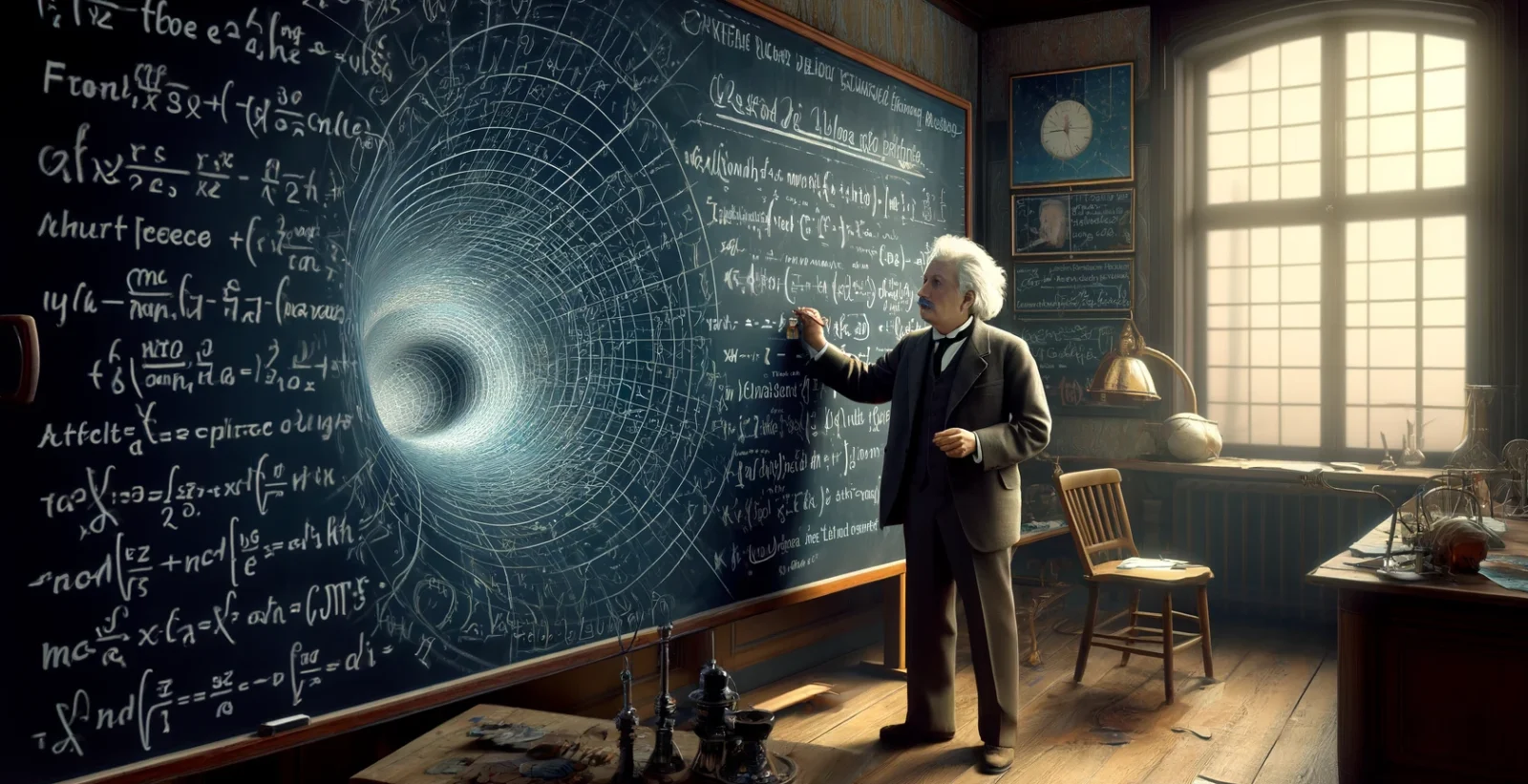
General Relativity incorporated gravity into the mix. It describes gravity not as a force, but as the curvature of spacetime caused by massive objects. According to General Relativity, the curvature of spacetime around an object like the Earth causes objects to fall towards its center, which we experience as gravity.  In November 1915, Einstein expanded

General Relativity Read More »

Relativity Principle

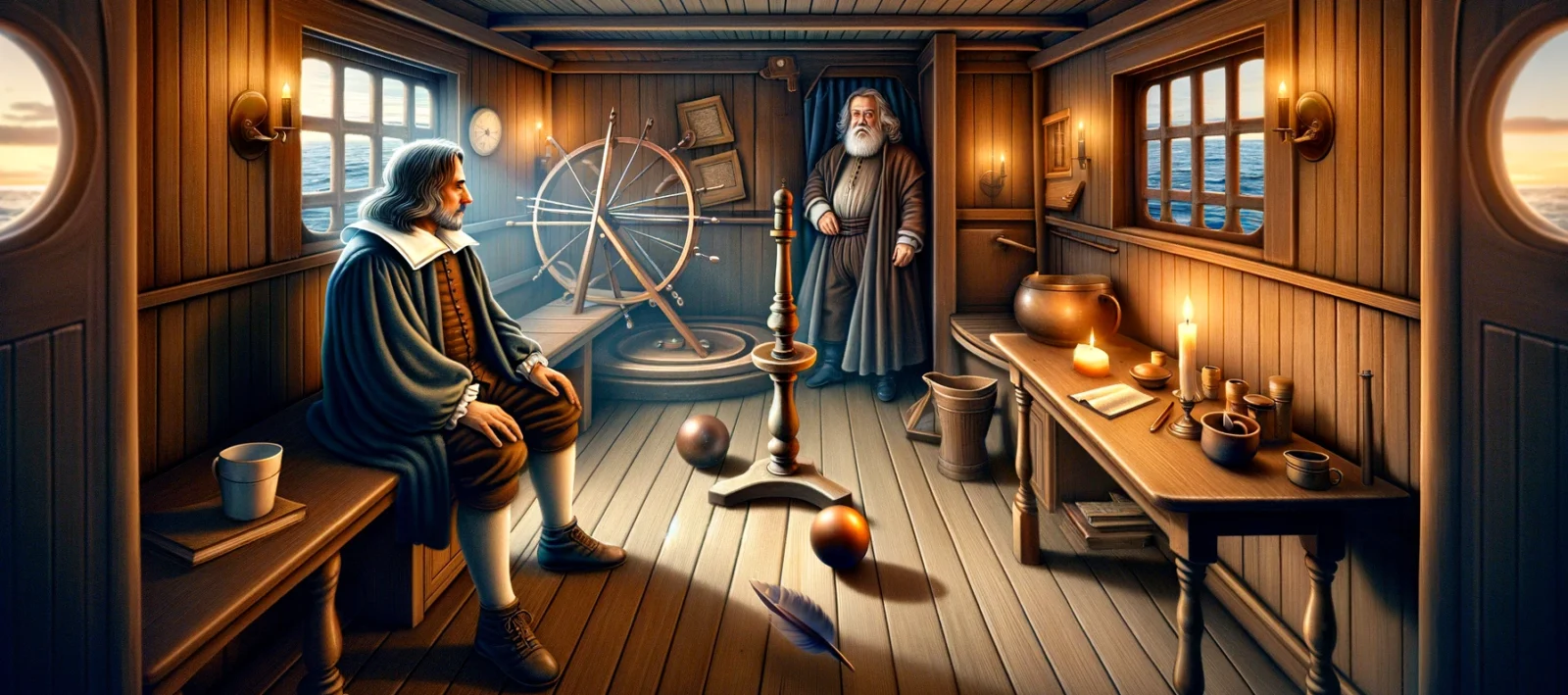
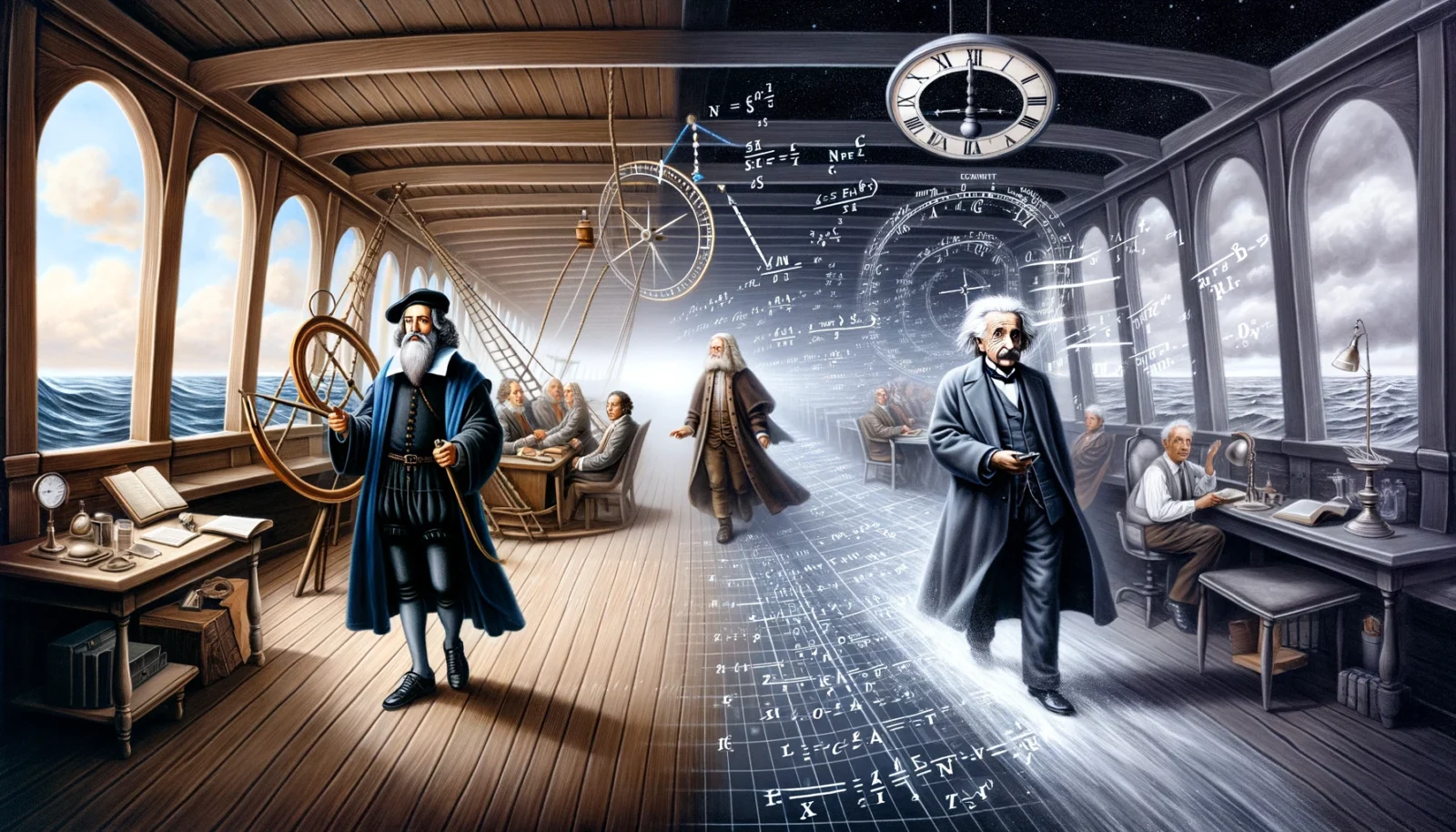
30 Phil, Chapter 21, Galileo, Touchstone 52: Relativity Principle. The Relativity Principle states that the laws of physics are the same for all observers in uniform motion relative to one another. This means that the passage of time, the length of objects, and the speed of light are the same for everyone, regardless of their

Relativity Principle Read More »

Special Relativity

Special Relativity explains the relationship between space, time, mass, and energy. It shows that time and space are not separate entities but are connected as a single entity called spacetime. Additionally, it introduced the famous equation E=mc², which demonstrates that mass is engergy, energy is mass. They are equivalent and can be converted into each

Special Relativity Read More »

Cosmic Microwave Background (CMB)

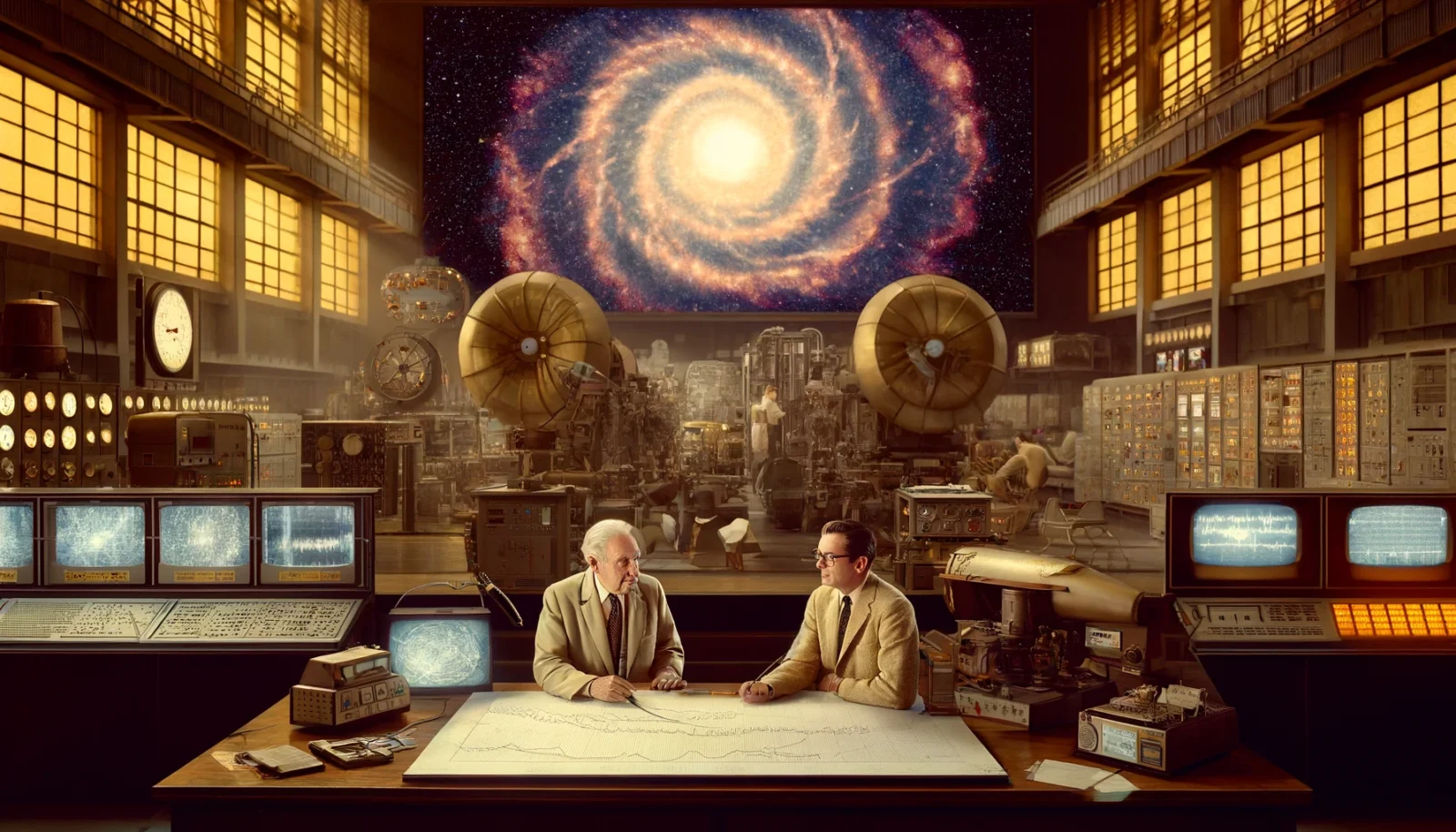
In 1965, Arno Penzias and Robert Wilson, two radio astronomers at Bell Telephone Laboratories, stumbled upon a mysterious and persistent background noise that pervaded their radio telescope. After much investigation and the elimination of potential terrestrial and instrumental sources, they concluded that this noise was cosmic in origin. Their findings, published on May 20, 1965,

Cosmic Microwave Background (CMB) Read More »

Scroll to Top