Explore Science-first Philosophy

All

Master Timeline

Hand Axe

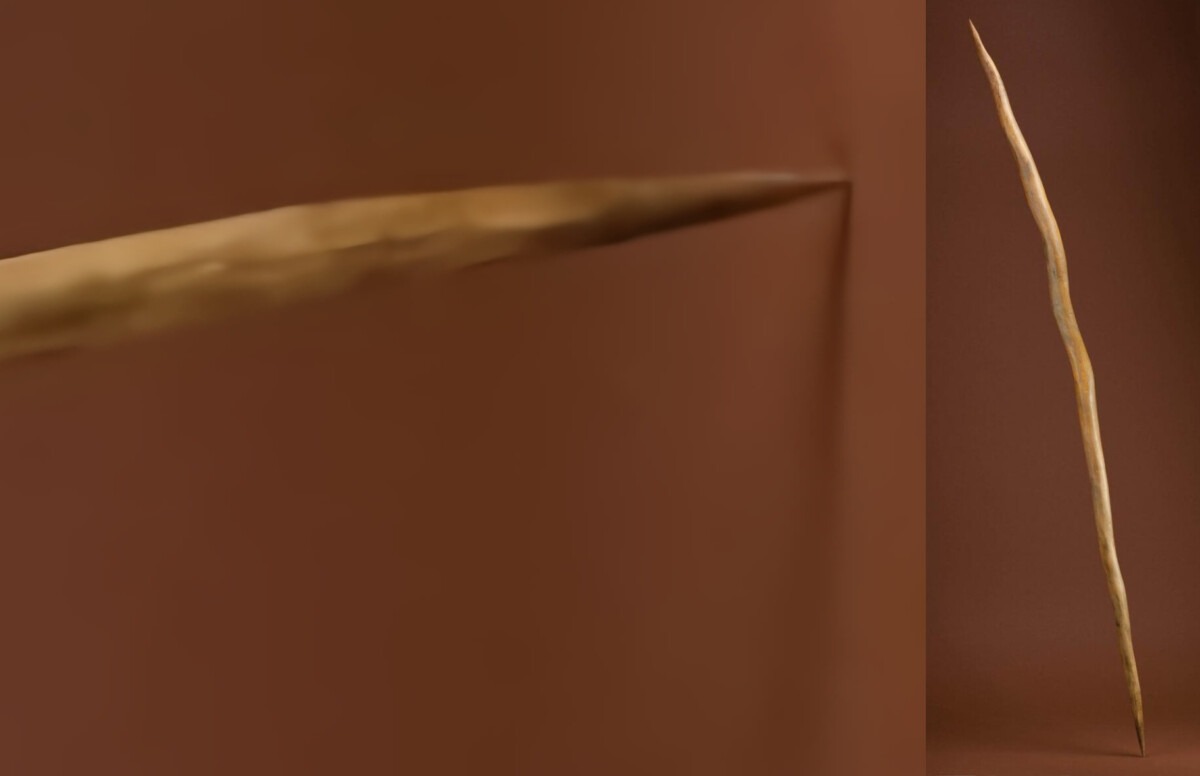
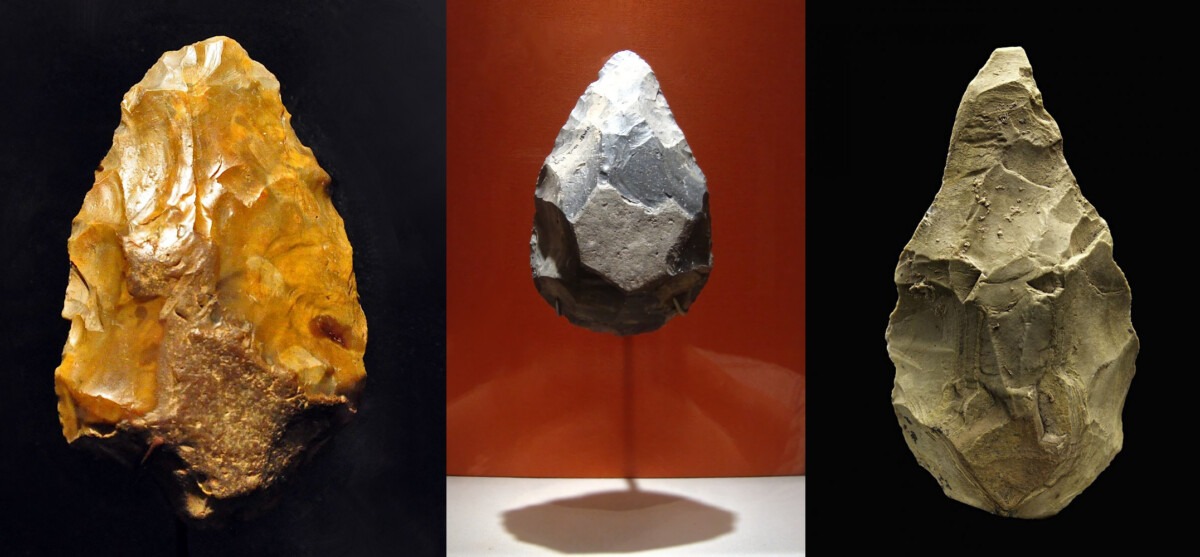
70,400 Generations Ago (from 2020 CE) By about 1.76 million BCE, early humans began to create hand axes. They would strike really large flakes, then continue to shape them around the edges. On the right, the hand axe pictured dates to circa 1.1 million BCE. It was found at Isampur, India.  

Hand Axe Read More »

Trevethy Quoit a Portal Dolmen in Cornwall

Neolithic Revolution

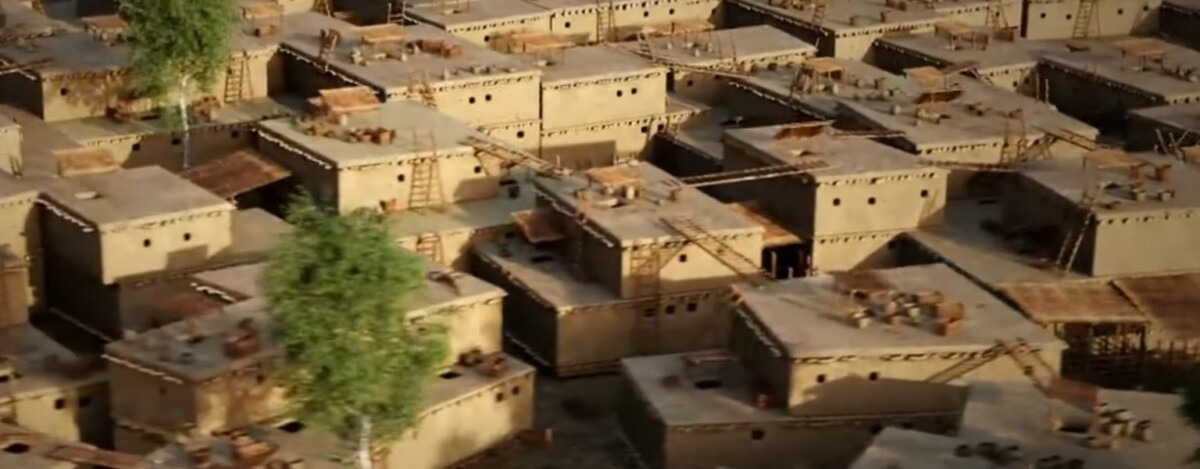
468 Generations Ago (from 2020 CE) The Neolithic Revolution is the earliest known Agricultural Revolution. It is very likely that humans practiced forms of agriculture earlier. How much earlier? Well, without evidence, we are guessing. For convenience, anthropologists label humans as hunter-gatherers prior to the Neolithic Revolution. The fact is that the current theory states

Neolithic Revolution Read More »

Successful Out of Africa Migration

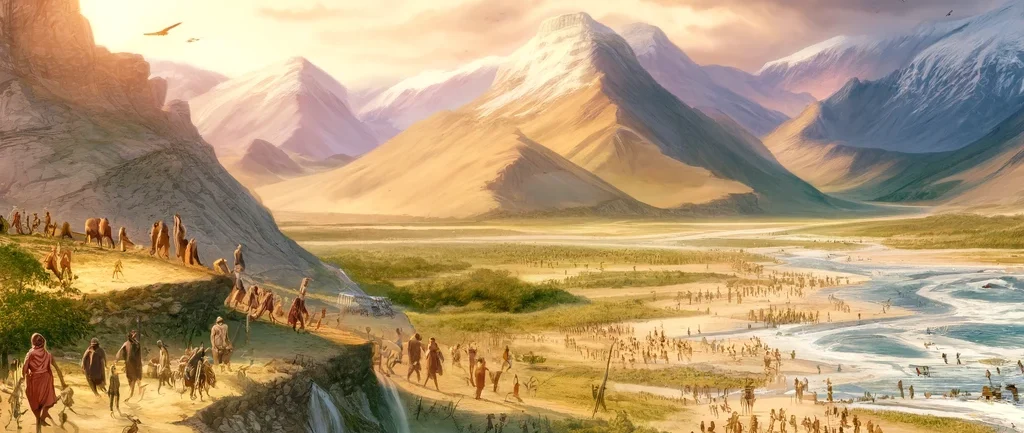
Through minor DNA changes, we know which early humans have descendants alive today. This successful “out of Africa” migration, the Southern Dispersal, took place around 70,000 to 50,000 BCE. Our ancestors proceeded to colonize all the continents and larger islands, arriving in… Eurasia circa 60,000 BCE Australia circa 65,000 BCE South America circa 30,000 BCE

Successful Out of Africa Migration Read More »

Plate Tectonics

By dating rocks and fossils scientists can document the movement of the continents over time.  To confirm and refine this science, geologists study rocks, paleontologists study fossils, and anthropologists study human societies, cultures, and relics. The location and dating of rocks, fossils, and relics allow us to understand the distant past. Cynognathus, circa 242 million

Plate Tectonics Read More »

© N. Tamura (CC BY-SA)

Purgatorius — Earliest known proto-primate.

Within mammals, only primates have binocular vision, grasping hands, and flat nails–instead of claws. Purgatorius might have had all three earning it the earliest known proto-primate label. It lived in Eastern Montana about 66 million years ago during the very last years of the Cretaceous period. It lived through the K-T extinction event and the extinction

Purgatorius — Earliest known proto-primate. Read More »

Scroll to Top