Explore Science-first Philosophy

All

Master Timeline

micro organisms cells background

Oldest Known Fossil-Microorganisms

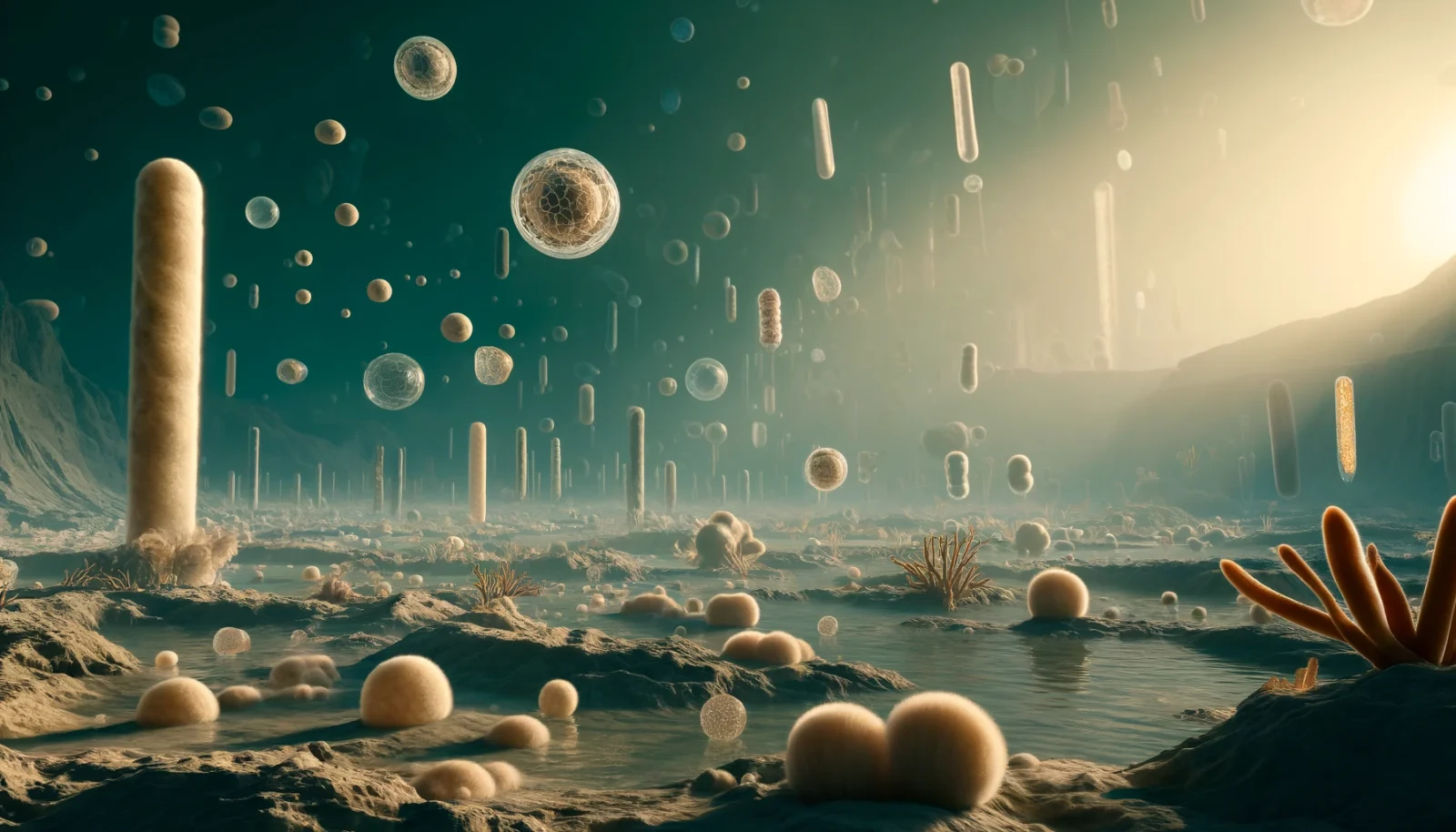
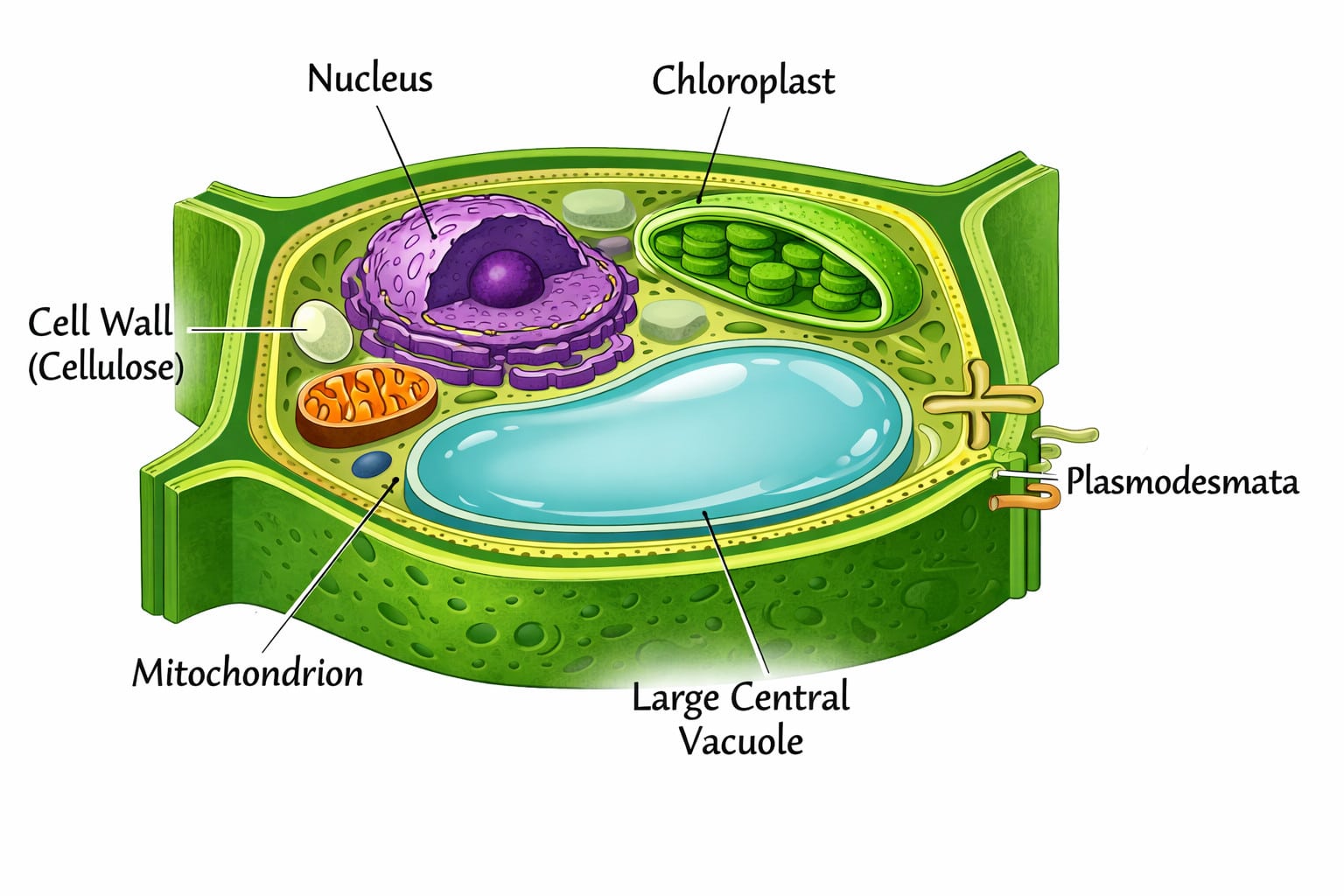
The earliest known life on Earth are fossilized microorganisms found in hydrothermal vent precipitates. Currently dated to about 3.42 billion BCE. These microorganisms were prokaryote cells. Single celled organisms with no nucleus and had early simple DNA. More complex DNA in a nucleus evolved about 1.5 billion years later in Eukaryotic cells, circa 2 billion

Oldest Known Fossil-Microorganisms Read More »

pathogen virus background

Electron Microscope = Nanoworld Discovered!

Starting in 1931 with the invention of the electron microscope, the nanoworld became visible to us. The nanoworld contains items as small in diameter as 1 micrometer (1 micron) to a diameter 1,000 times smaller, a diameter of 1 nanometer. The nanoworld includes the smallest single celled organisms, the smallest bacteria as well as viruses,

Electron Microscope = Nanoworld Discovered! Read More »

Early Sumer Civilization

From 6500 to 4000 BCE, the Sumer civilization increased in social polarization. For example, central houses in the settlements became bigger. This early Sumer culture is characterized by large unwalled villages with multi-roomed rectangular mud-brick houses. The village featured public buildings including temples and centralized government. They had fine quality greenish colored pottery decorated with

Early Sumer Civilization Read More »

Eve: Haplogroup L

7,000 Generations Ago All humans today share a single grandma, circa 175,000 BCE. We know this because all humans alive today share our ancestor’s haplogroup L genes — from our X chromosome. She was one of many thousands of women living in eastern Africa. Many maternal lines survived for many generations but ultimately over time

Eve: Haplogroup L Read More »

Oldest Modern Human-like Footprints

60,800 Generations Ago Species: Likely Homo erectus, our direct ancestor. The footprints found in Ileret, Kenya represent the oldest undisputed evidence of hominins walking upright in an efficient manner characteristic of modern humans. Our style of upright walking, which Homo erectus appears to have shared, is energy-efficient and adapted for long distances. It involves a

Oldest Modern Human-like Footprints Read More »

Genus: Sahelanthropus (Walking Upright)

260,000 Generations Ago CHLCA candidate: Often considered one of the earliest potential hominins, Sahelanthropus tchadensis, best known from the “Toumai” skull found in Chad, exhibits features that suggest bipedalism but remains debated due to limited fossil evidence. With two human anatomical traits, small canine teeth, and a spinal cord hole in the cranium further forward

Genus: Sahelanthropus (Walking Upright) Read More »

Scroll to Top