Explore Science-first Philosophy

Law

The Law & Liberty Timeline

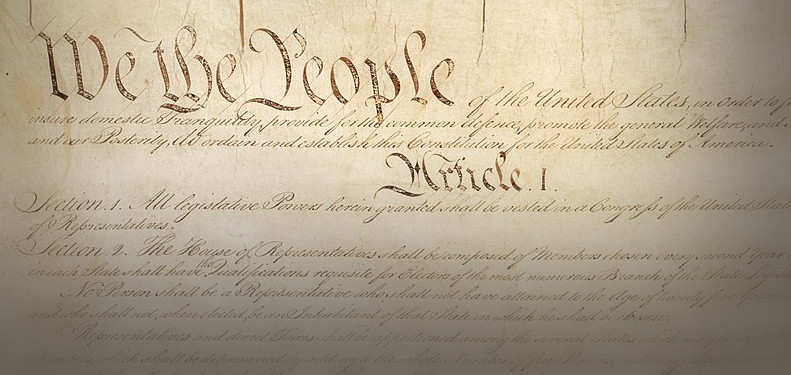
The Constitution of the United States

The Constitution is a merger uniting the original 13 states with different cultures and laws. Under America’s first constitution, the Articles of Confederation, the states acted together only for specific purposes. The final Constitution of 1887 united all the states as members of a whole, vesting the power of the people in a Federal government.

The Constitution of the United States Read More »

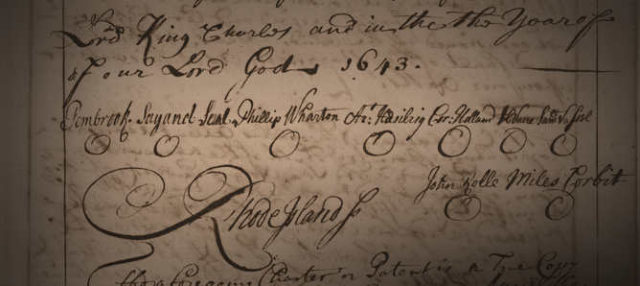
Patent for Providence Plantations, Roger Williams

The first TRUE democracy in America. From the charter largely drafted by Roger Williams who was influenced by his mentor Sir Edward Coke who relied heavily on the Magna Carta in legal proceedings. From Roger Williams’ 1643/4 charter: …full Power and Authority to rule themselves…by such a Form of Civil Government, as by voluntary consent

Patent for Providence Plantations, Roger Williams Read More »

Magna Carta

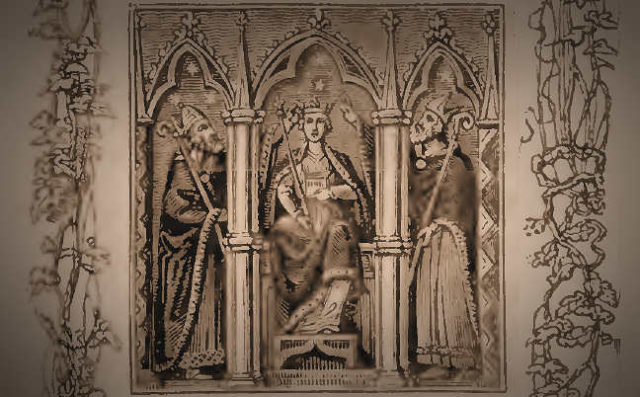
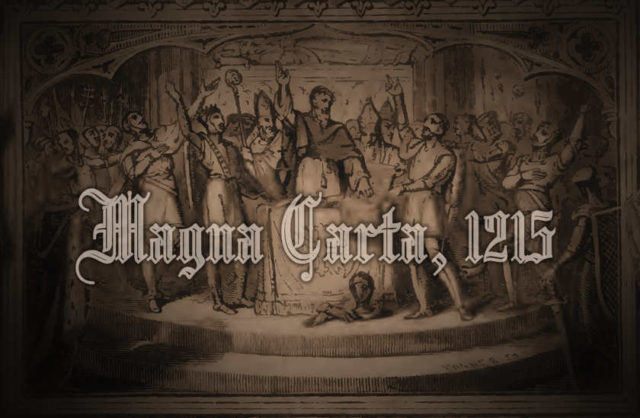
The Magna Carta in 1215 established the following principles: everyone is subject to the law, even the King, individuals have rights, everyone has the right to justice, and everyone has the right to a fair trial. The Magna Carta recognized individual responsibility in all, including the King, and it established that the law “should” be

Magna Carta Read More »

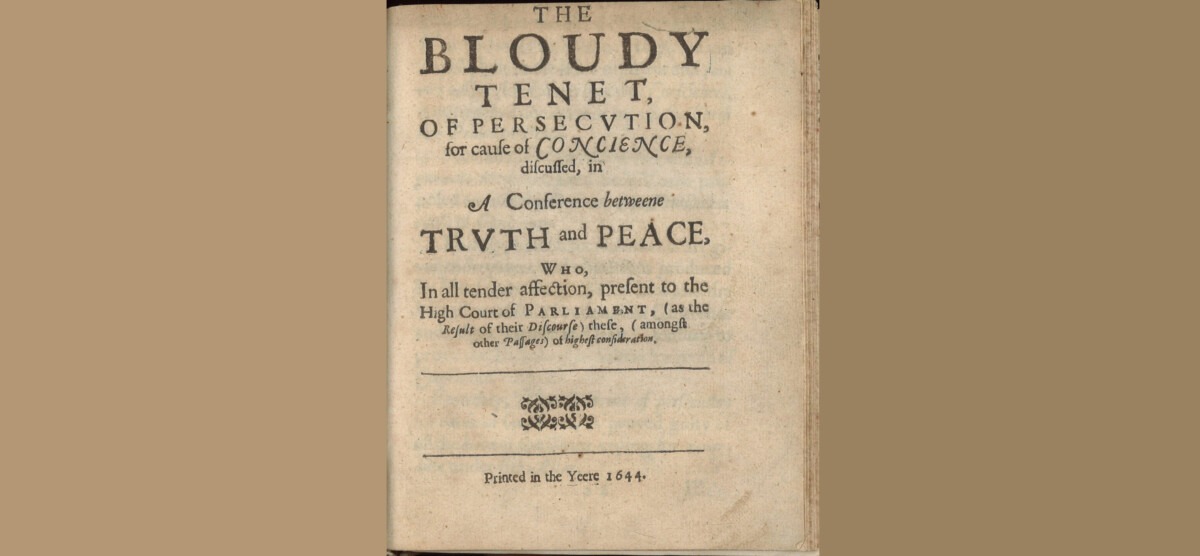
Book: The Bloudy Tenent of Persecution

In 1644, Williams published The Bloudy Tenent of Persecution. Historians consider it his most famous work. He wrote Bloudy after arriving in London in midsummer 1643. It was on sale by July 15, 1644. It is a fierce attack on religious and political intolerance in both Old England and New. He advocated for free thought and belief because

Book: The Bloudy Tenent of Persecution Read More »

Founder, Colony of Rhode Island and Providence Plantations

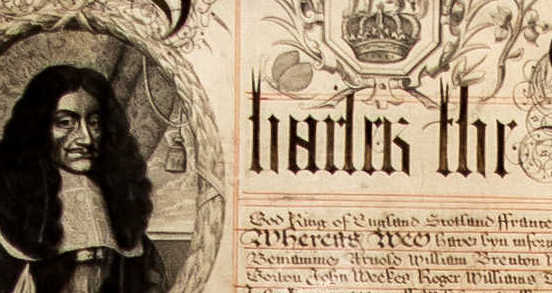
In July 1663, King Charles II granted a Royal Charter to the Colony of Rhode Island and Providence Plantations uniting Providence, Warwick, Newport and Portsmouth. It became the State of Rhode Island after the Revolutionary War. John Clarke, who stayed behind after Roger returned in 1654, worked hard and deserves much of the credit.

Founder, Colony of Rhode Island and Providence Plantations Read More »

Scroll to Top