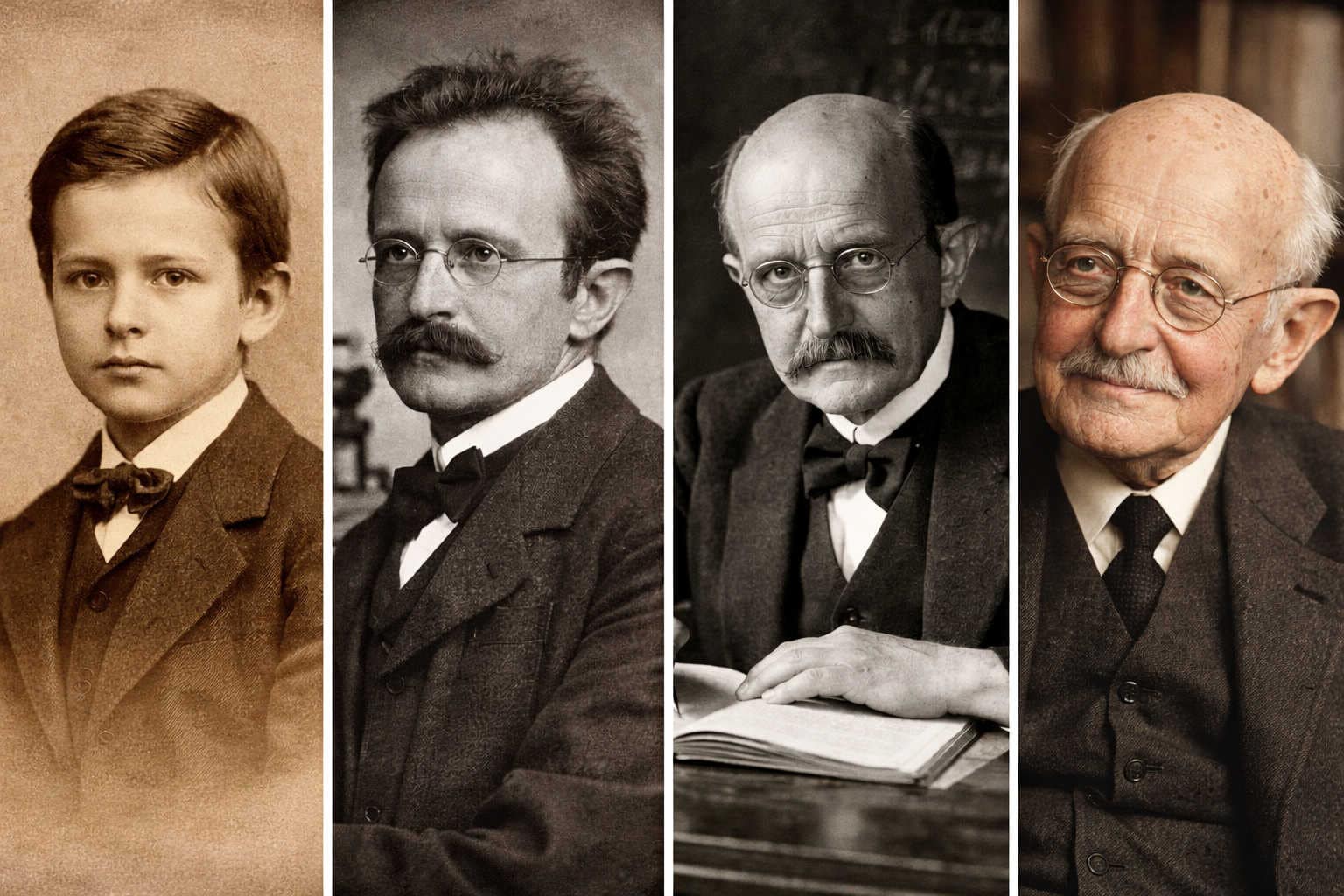
Max Planck
Planck discovered limits by following the math honestly—even when it contradicted intuition.


Planck discovered limits by following the math honestly—even when it contradicted intuition.

30 Phil, Chapter 21, Galileo, Touchstone 52: Relativity Principle. The Relativity Principle states that the laws of physics are the same for all observers in uniform motion relative to one another. This means that the passage of time, the length of objects, and the speed of light are the same for everyone, regardless of their
Relativity Principle Read More »
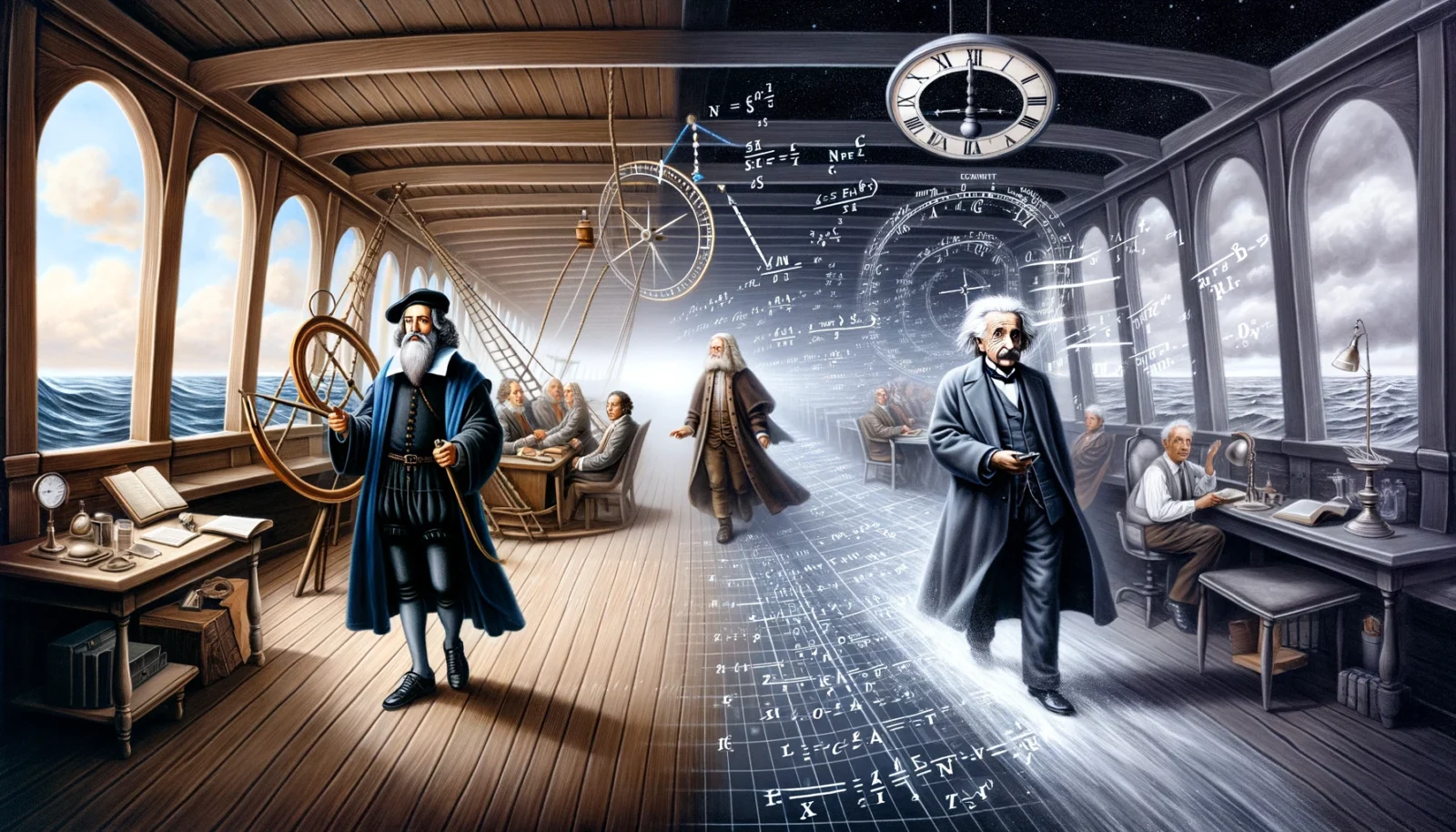
Special Relativity explains the relationship between space, time, mass, and energy. It shows that time and space are not separate entities but are connected as a single entity called spacetime. Additionally, it introduced the famous equation E=mc², which demonstrates that mass is engergy, energy is mass. They are equivalent and can be converted into each
Special Relativity Read More »
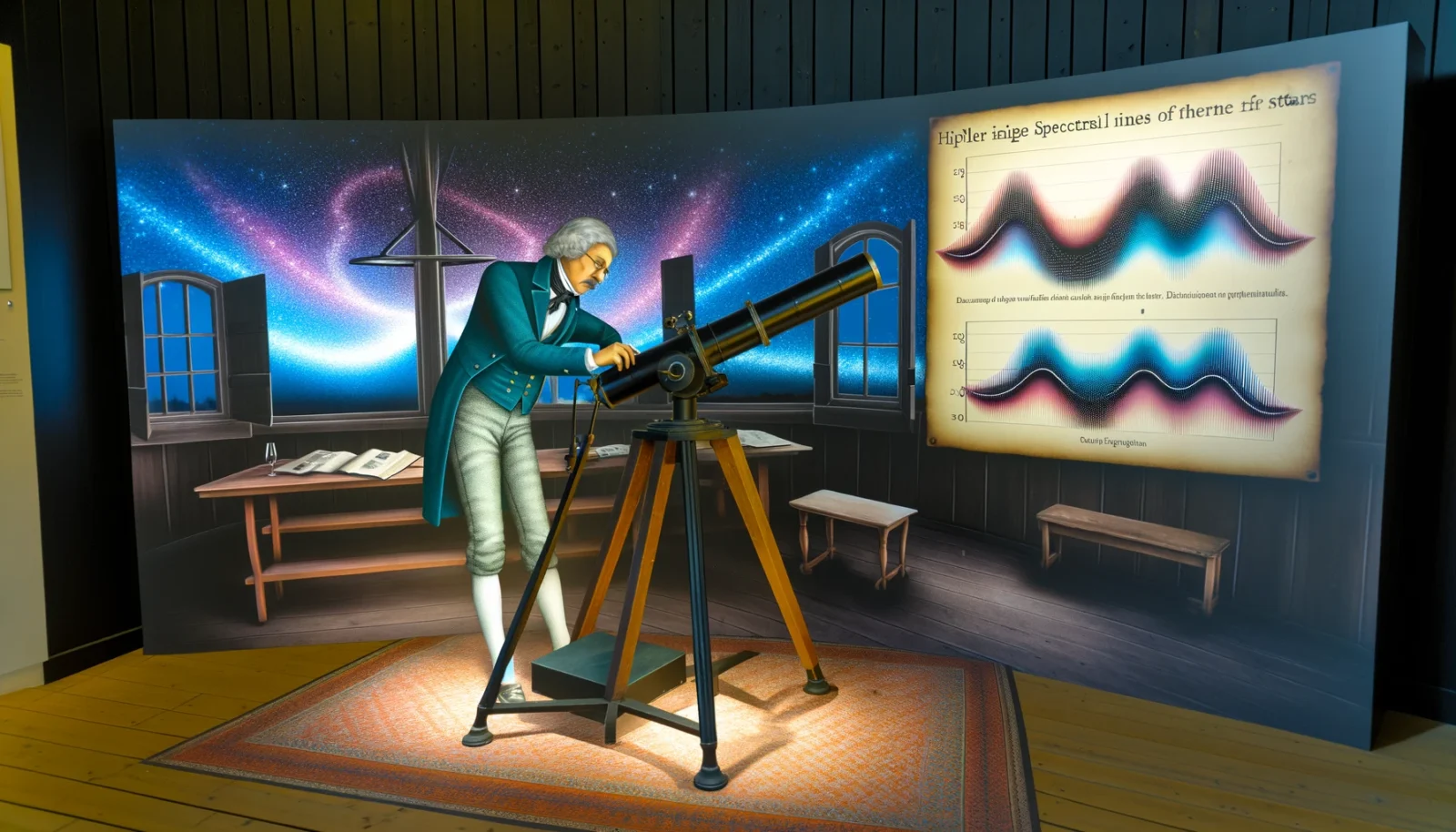
In 1848, French physicist Hippolyte Fizeau observed that the spectral lines of stars were shifted from their expected positions. This discovery showed that light, like sound, experiences a Doppler effect. When stars move toward us, their light shifts toward blue; when they move away, it shifts toward red. This insight became foundational for modern astronomy,
Doppler Effect Observed for Stars Read More »

The Doppler effect is the apparent difference between the frequency at which sound or light waves leave a source and that at which they reach an observer, caused by relative motion of the observer and the wave source. The Doppler effect for sound was first described by the Austrian physicist Christian Doppler in 1842. He
Doppler Effect for Sound and Light Read More »
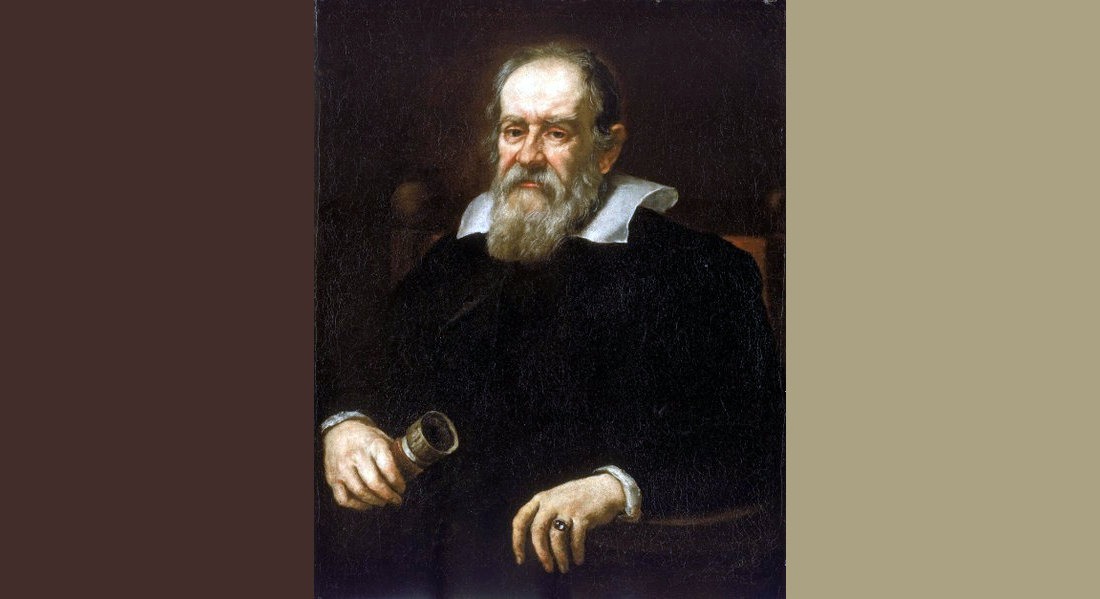
18 Generations Ago 30 Phil, Chapter 21: Galileo and the Scientific Revolution Galileo Galilei, more of a scientist than a traditional philosopher, forever altered our understanding of nature. He was born on February 15, 1564. Galileo was a great scientist in his time. His “way,” his method, of performing science helped push us toward our
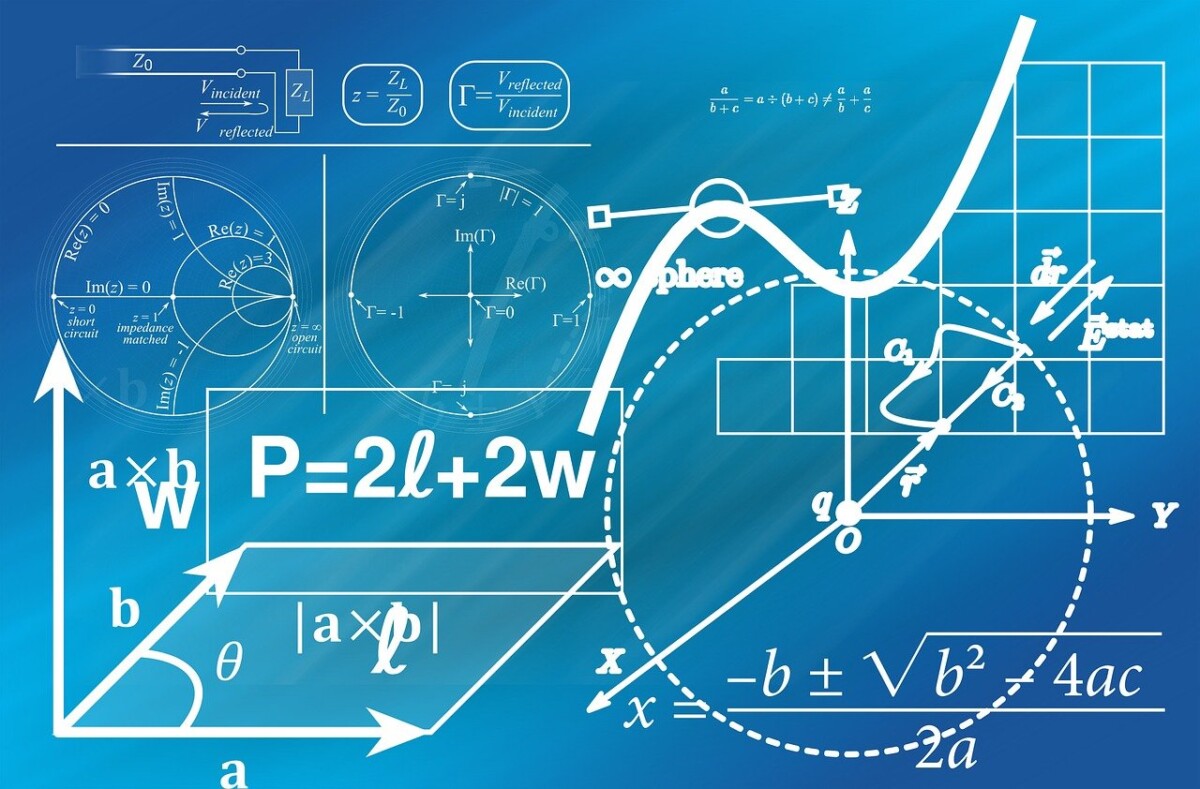
Invented by Newton in the 1660s (pub. 1687) and independently by Leibniz in the 1680s (pub. 1684). Both built on Galileo’s popularizing the idea of the infinitesimal. Calculus, the mathematical study of continuous change, introduced the concepts of differentiation and integration, providing tools to model and analyze motion, growth, and the infinitesimal. Newton, working primarily
The Invention of Calculus Read More »
We are still within the speculative first second. The Electroweak Era ends around 10−12 seconds after the Big Bang. Following inflation, the universe continued to expand and cool, allowing the electromagnetic and weak nuclear forces to separate. Particles continued to form and annihilate in a hot, dense environment, but as the universe cooled further, the
The Plank Era occurred in the first part of the first millisecond after the singularity. Current estimated put it at up to 10−43 seconds after the Big Bang. The term “era” is used for this micro-duration as a sort of tip of the hat to Einstein’s Relativity. It reflects a conceptual approach to time that

A 30 Philosophers touchstone: Chapter 1, “Origin Story.” The universe began as an infinitely dense, unimaginably hot, and minuscule point known as a singularity. In a breathtaking instant, this singularity expanded and cooled, giving rise to the fabric of space, time, and matter, with all the laws of physics taking shape in that moment. The