
Explore Science-first Philosophy

“The” Human DNA

~ < 1 of audio

Author note. 

Explore voice = Exploratory style. Very punchy. Personal, and lively using “me,” “you,” “us,” and “I” freely.

I want you to feel me right there with you. We use “I” and “me” and “us” without apology. If the Explain voice is a bridge, the Explore voice is the hike we take across it. It is lively, reflective, and sometimes a bit raw. It is the sound of a shared exploration where I lead you by the hand, but we both discover the view at the same time.

This is where I get to think out loud. Not with definitions, we aren’t just looking at the facts; we are looking at how they feel and what they mean for our lives. I’m talking to you about what I’ve found and what I’m still figuring out. It is engaging because it is real, and it is reflective because it is honest.

The goal is real advice and enjoyable reading. I want to land on something you can actually use. It’s about being direct, being punchy, and making sure that by the time we reach the end of the page, we’ve both found something worth keeping.

And now the piece.

“The” Human DNA

70,000 BCE
2,800 Generations Ago
2,400 Generations Ago

The modern human DNA evolved sometime between 71,000 and 51,000 BCE. Imagine that. A human baby born today, and a human baby born in 60,000 BCE have nearly indistinguishable DNA. There are differences but essentially humans are the same now as they were then. The popular website 23andme.com focuses on 23 changes in DNA that signify your ancestors recent migration. 23andMe.com, ancestry.com, and many others identify differences for their customers. Finally, the medical community is currently in an intense wave of identifying genetic differences that lead to medical problems with the idea of early diagnosis, prevention, and through the use of mRNA correction.

Through mtDNA sequencing, we currently believe the most recent common ancestor of all the Eurasian, American, Australian, Papua New Guinean, and African lineages dates to between 73,000 and 57,000 years ago.
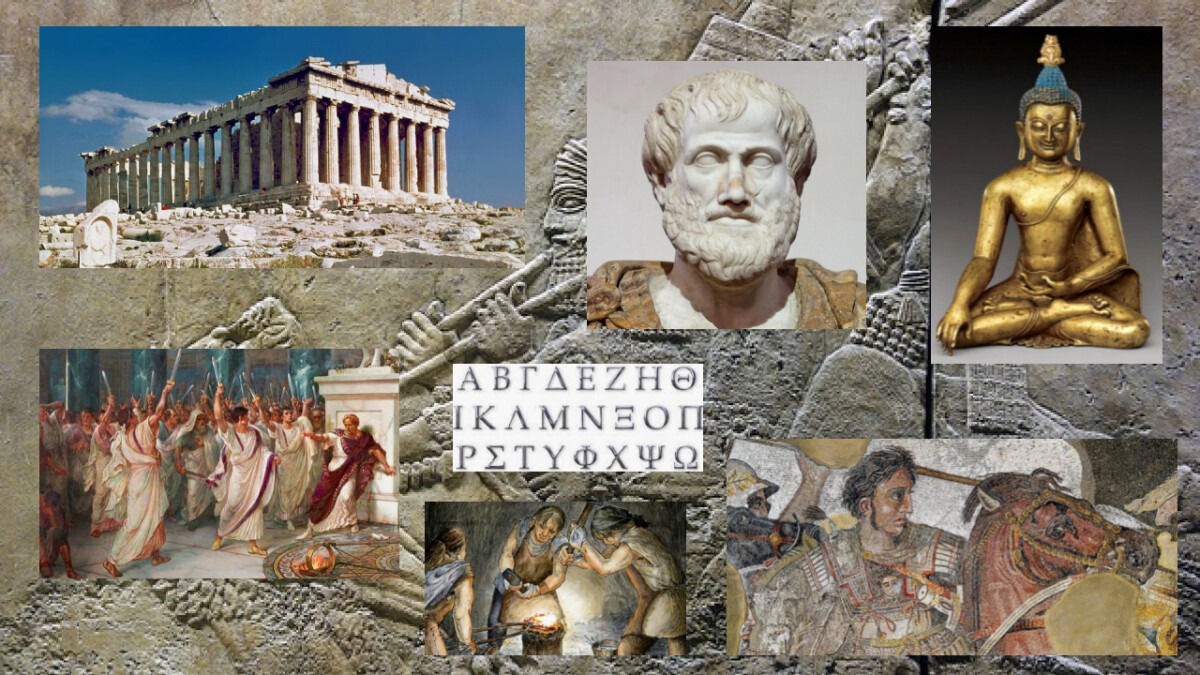

That History Story, 

was first published on TST 5 years ago.

The flashcard inspired by it is this.

All this is part of the broader TST project.
Tidbits make it possible to build slowly and honestly, without losing track of where an idea came from.
TouchstoneTruth is an experiment in whether ideas can remain alive without losing accountability.

The end!

Scroll to Top