19th Amendment
Granted women the right to vote, but not Native Americans.


Master Timeline
Prohibition started with the 18th Amendment and lasted for just 14 years until the 21st Amendment repealed it in 1933.
Granted African American men the right to vote, but not Native Americans nor women, by declaring that the “right of citizens of the United States to vote shall not be denied or abridged by the United States or by any state on account of race, color, or previous condition of servitude.”

Abolished slavery in the United States. Lincoln’s Emancipation Proclamation nearly three years earlier and the Civil War which started nearly five years earlier paved the path forward on this issue.
One state cannot sue another. US courts cannot hear cases nor make decisions against a state if it is sued by a someone who lives in another state or country. 12th Amendment: Procedure to elect a president and VP, then updated in 20th Amendment.
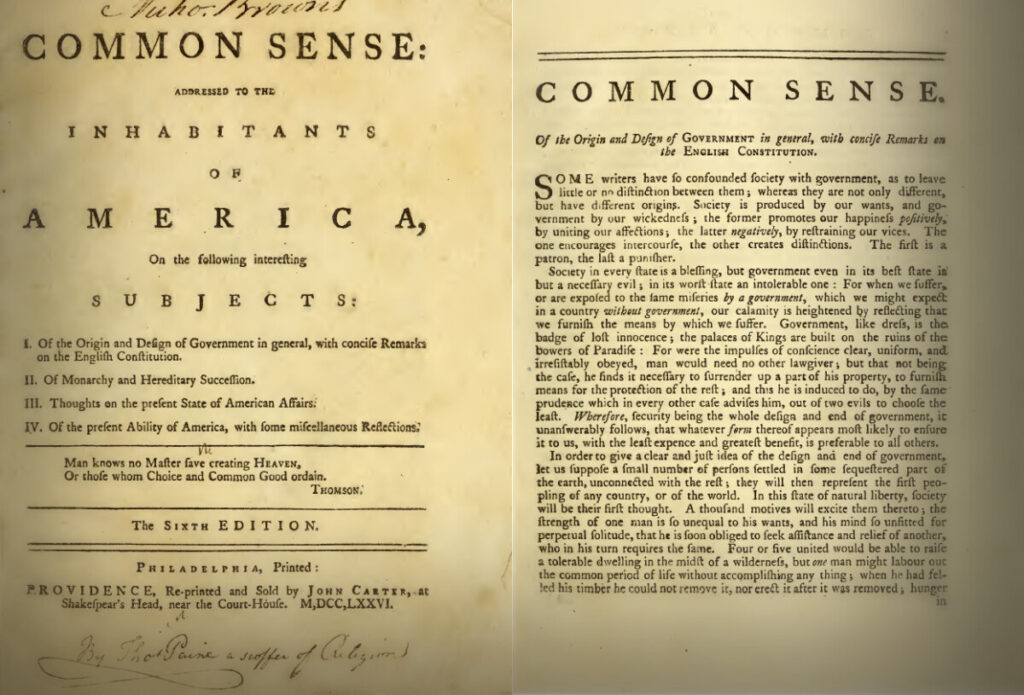
Common Sense is a pamphlet published by Thomas Paine in early 1776 advocating independence for the thirteen colonies from England. It was sold and distributed widely and read aloud at taverns and meeting places. Per capita, it had the largest sale and circulation of any book published in American history. the distinction between kings and
Common Sense by Thomas Paine Read More »
The 14th Amendment was passed after the Civil War in 1866 and ratified by the states in 1868. It provided all citizens with “equal protection under the laws.” The 14th Amendment bans states from depriving citizens of life, liberty, or property without “due process of law” making the Constitution including the Bill of Rights the
The Supreme Court ruled that the Bill of Rights does not apply to the states because the Federal government does not have jurisdiction. “[the Constitution was created] by the people of the United States…not for the government of the individual states.” –Decision written by Chief Justice John Marshall, 1833. This was the law of the
Barron v. Baltimore Read More »
The 1689 English Bill of Rights was a precursor to our Bill of Rights and is referred to in our law. For example, it is referred to in Scalia’s Heller opinion. The bill outlined specific constitutional and civil rights and ultimately gave Parliament power over the monarchy. The monarchy cannot rule without consent of the
English Bill of Rights Read More »
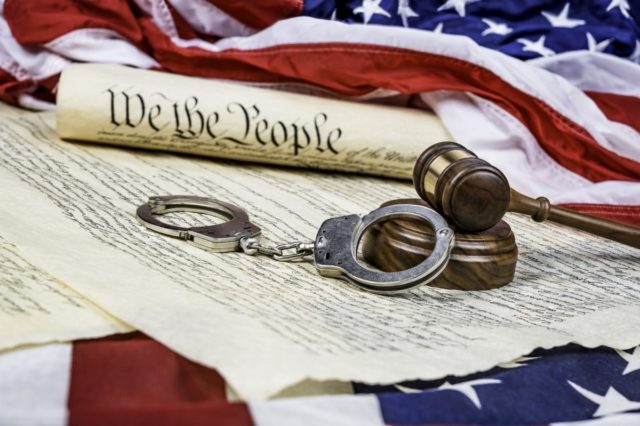
The Bill of Rights was written two years after the signing of the Constitution and ratified by three-fourths of the states in 1791. Massachusetts, Connecticut, and Georgia refused. In 1939, the three decliners symbolically sent their approvals to Congress. Amendments: 1st: Freedom of speech, press, of and from religion, assembly, and the right to petition
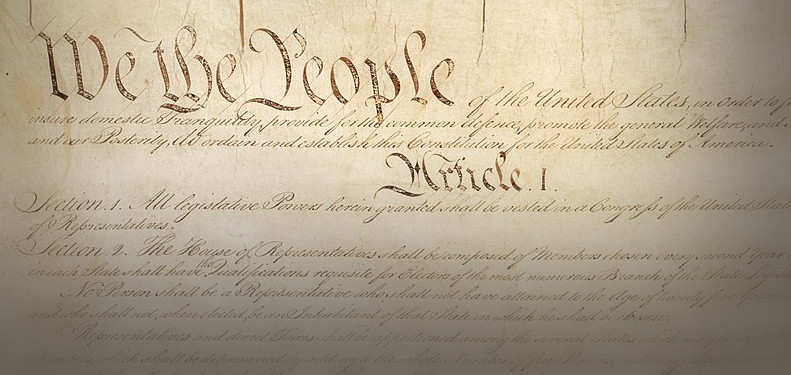
The Constitution is a merger uniting the original 13 states with different cultures and laws. Under America’s first constitution, the Articles of Confederation, the states acted together only for specific purposes. The final Constitution of 1887 united all the states as members of a whole, vesting the power of the people in a Federal government.
The Constitution of the United States Read More »
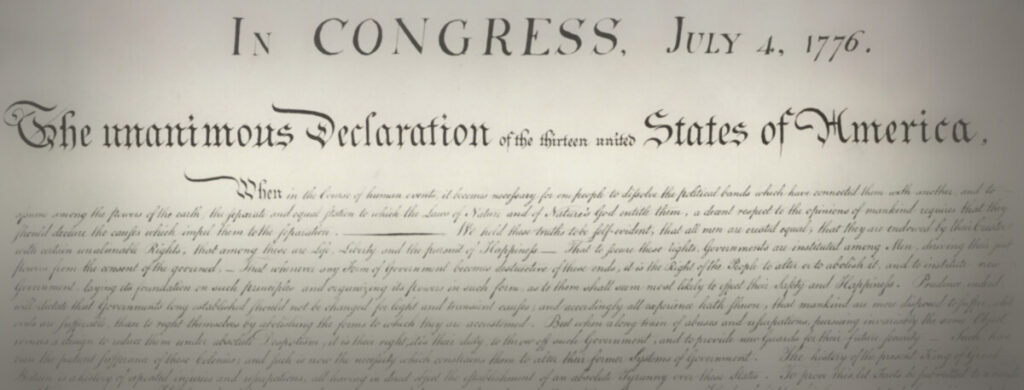
The Declaration of Independence expresses the ideals on which the United States was founded and the reasons for separation from Great Britain. The right to life, liberty, and the pursuit of happiness (among others). People have a say in their government.
Declaration of Independence Read More »
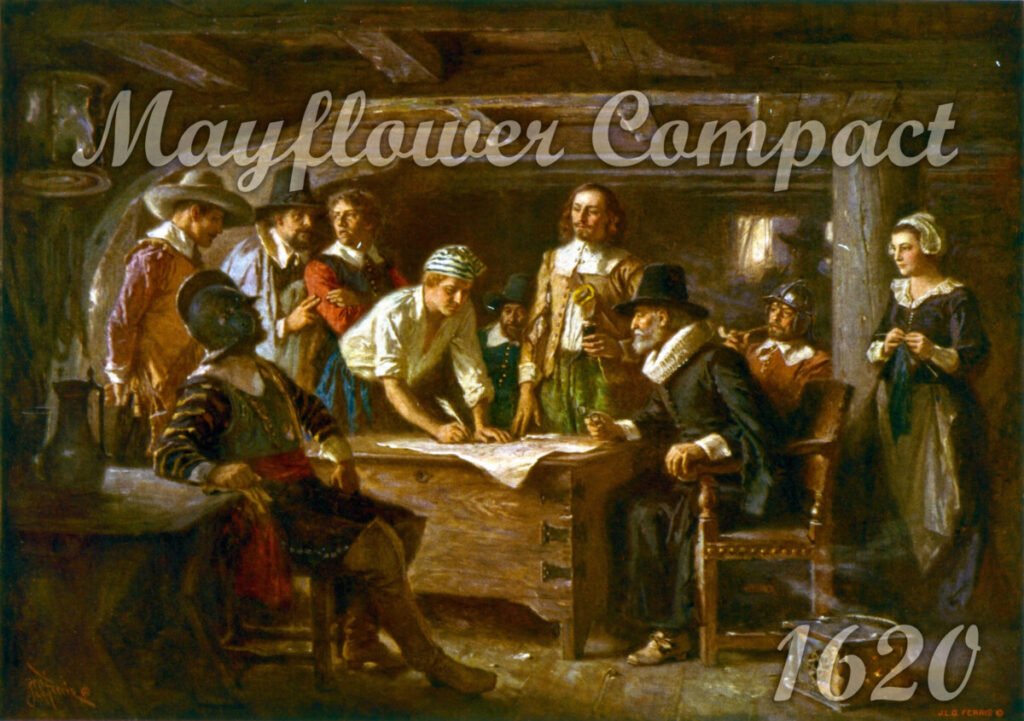
The Mayflower Compact set out rules for self-governance for the English settlers who traveled to Colonial America aboard the Mayflower ship in 1620. Of the 102 passengers aboard the Mayflower only 41 were Pilgrims. It was this minority body that established the rules for which they tried to force on all. The majority of passengers
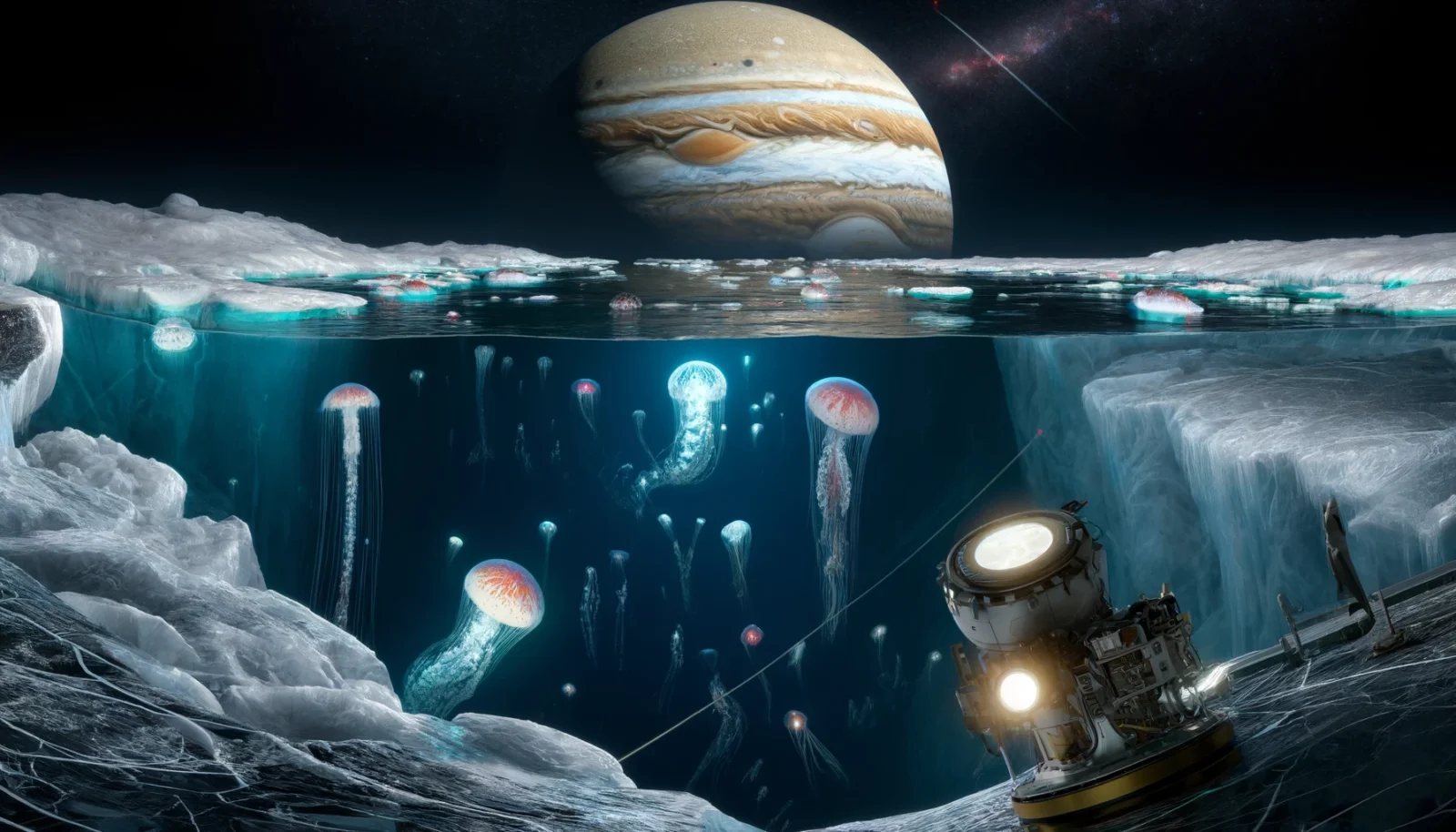
In 2030, NASA’s Europa Clipper arrives at Jupiter, ready to embark on an unprecedented exploration of Europa, one of the most intriguing moons in our solar system. This mighty spacecraft, equipped with an arsenal of cutting-edge instruments, will perform a series of daring flybys, meticulously mapping Europa’s icy crust and peering deep into its subsurface
Europa’s Vast Ocean Unveiled: Diving Deep into an Ocean World of Jupiter Read More »

A shared empirical origin story can provide a stable foundation for global cooperation without eliminating cultural diversity.
A Unified Origin Story Read More »

1 Generation From Now (from 2020 CE) By 2045 or so, we’ll reach a tipping point where 60% of the meat consumed is plant-based and lab-grown meats. By this date, the quality will exceed animal farming and be cheaper. The key to this tipping point is that the quality will be more consistent, taste as
Tipping Point Transition From Animal Meats Read More »

3 Generations From Now (from 2020 CE) This estimate aligns with the medium-variant projection from major demographic studies like those conducted by the United Nations, which predict that the population could be between approximately 9.3 billion and 11.3 billion by the end of the century.
World Population: 10.5 Billion (+/- 1 Billion) Read More »

<1 Generation From Now (from 2020 CE) This is the self-driving EV taxi tipping point. The year EV taxis outnumber individually owned vehicles world wide. While individually owned vehicles will likely be a part of society forever, nearly everyone owning at least one is unsustainable over the long-term. A key point in this journey into the
MaaS Tipping Point Read More »