Chapter 1 Quote Attribution Clarification
What we now call holism was once expressed as Logos in the West and the Dao in the East.
Chapter 1 Quote Attribution Clarification Read More »


What we now call holism was once expressed as Logos in the West and the Dao in the East.
Chapter 1 Quote Attribution Clarification Read More »

The Library of Ashurbanipal, established during the reign of Ashurbanipal (668–627 BCE), the last great king of the Neo-Assyrian Empire, is one of the most significant collections of ancient texts. Located in Nineveh, the capital of Assyria, this library housed thousands of clay tablets inscribed with cuneiform script, covering a wide range of subjects including
Library of Ashurbanipal Read More »

Gilgamesh is the legendary figure whose exploits are immortalized in the “Epic of Gilgamesh.” Gilgamesh’s reign as king is shrouded in myth and history. The epic describes his journey from a tyrannical ruler to a wise and beloved king, highlighting his quest for immortality and the profound friendship with Enkidu, a wild man created by
Gilgamesh, circa 2700 BCE Read More »

Bernard of Chartres, a prominent 12th-century French philosopher, lived around 1070 to 1130. He is best known for his influential teaching that emphasized the continuity of knowledge through the ages. Bernard is famously credited with the phrase, “We are like dwarfs on the shoulders of giants,” highlighting the idea that contemporary scholars build upon the
Bernard of Chartres (circa 1070 – 1130) Read More »
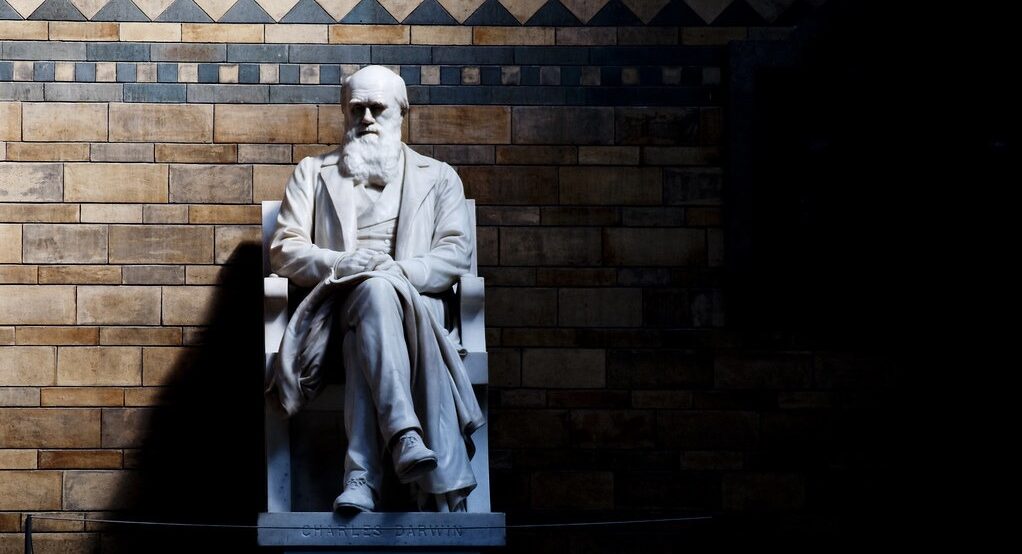
Charles Darwin, born on February 12, 1809, and passing on April 19, 1882, was an English naturalist whose groundbreaking work laid the foundation for the theory of evolution. His voyage on the HMS Beagle and the subsequent observations he made led him to formulate his theory of natural selection, published in his seminal work “On
Charles Darwin (1809-1882) Read More »

Democritus, known as the “Laughing Philosopher” for his emphasis on cheerfulness, lived from around 460 BCE to 370 BCE. Hailing from Abdera in Thrace, he was a pre-Socratic Greek philosopher and a central figure in the development of atomic theory. Democritus proposed that everything in the universe is composed of tiny, indivisible particles called atoms,
Democritus (460 BCE – circa 370 BCE) Read More »
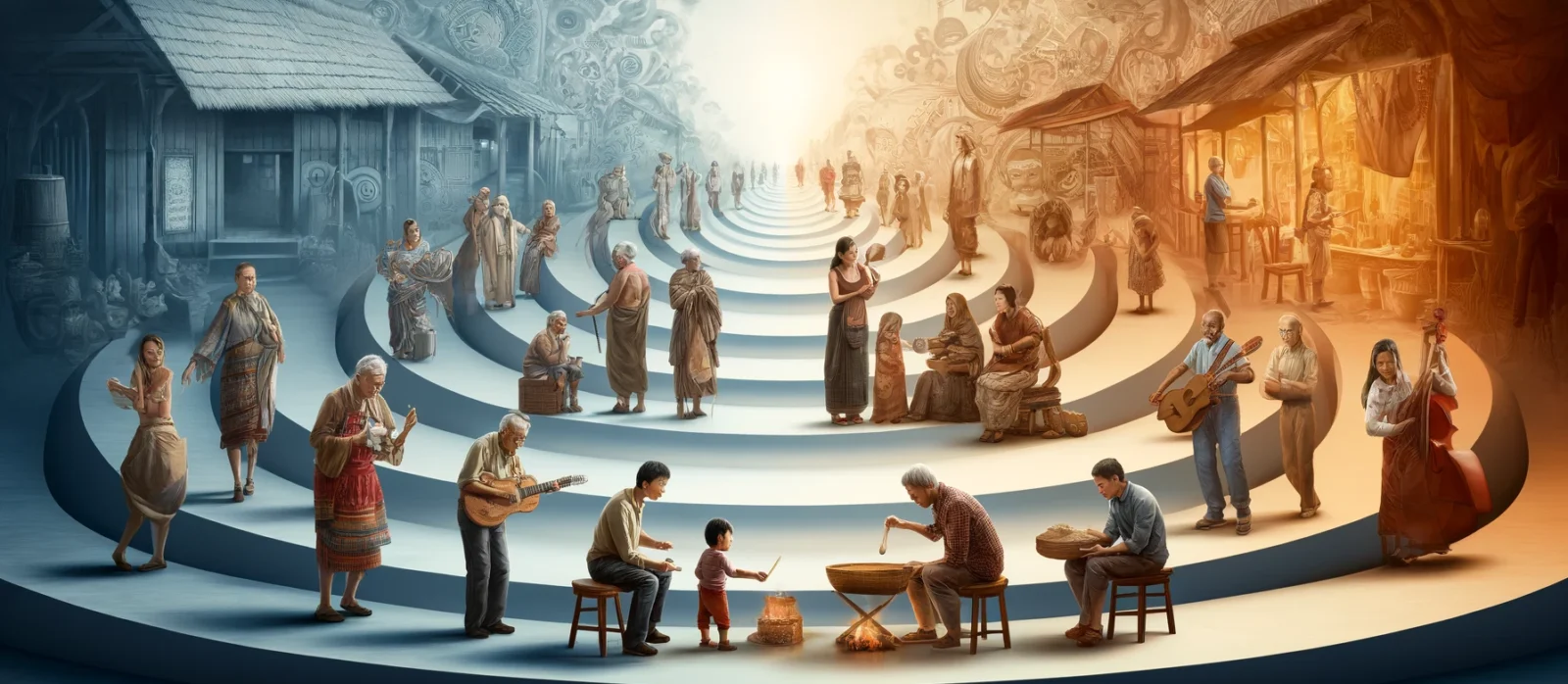
30 Phil, Chapter 1 Touchstone 4: Cultural Transmission. Cultural transmission, perhaps more than any other trait, sets humans apart from other animals. It’s the ability to pass behaviors, traditions, and knowledge to the next generation. Cultural transmission has likely been a feature of our direct-line hominin mind for millions of years. Returning to what we
Cultural Transmission Read More »

30 Phil, Chapter 1 Touchstone 3: Evolution. In 1859, the naturalist Charles Darwin revolutionized the scientific world with his seminal publication, “On the Origin of Species.” In it he formulated his scientific theory of evolution by natural selection. The process by which new species arise is well-understood. It proposed that changes in species occur gradually over time. With each generation,
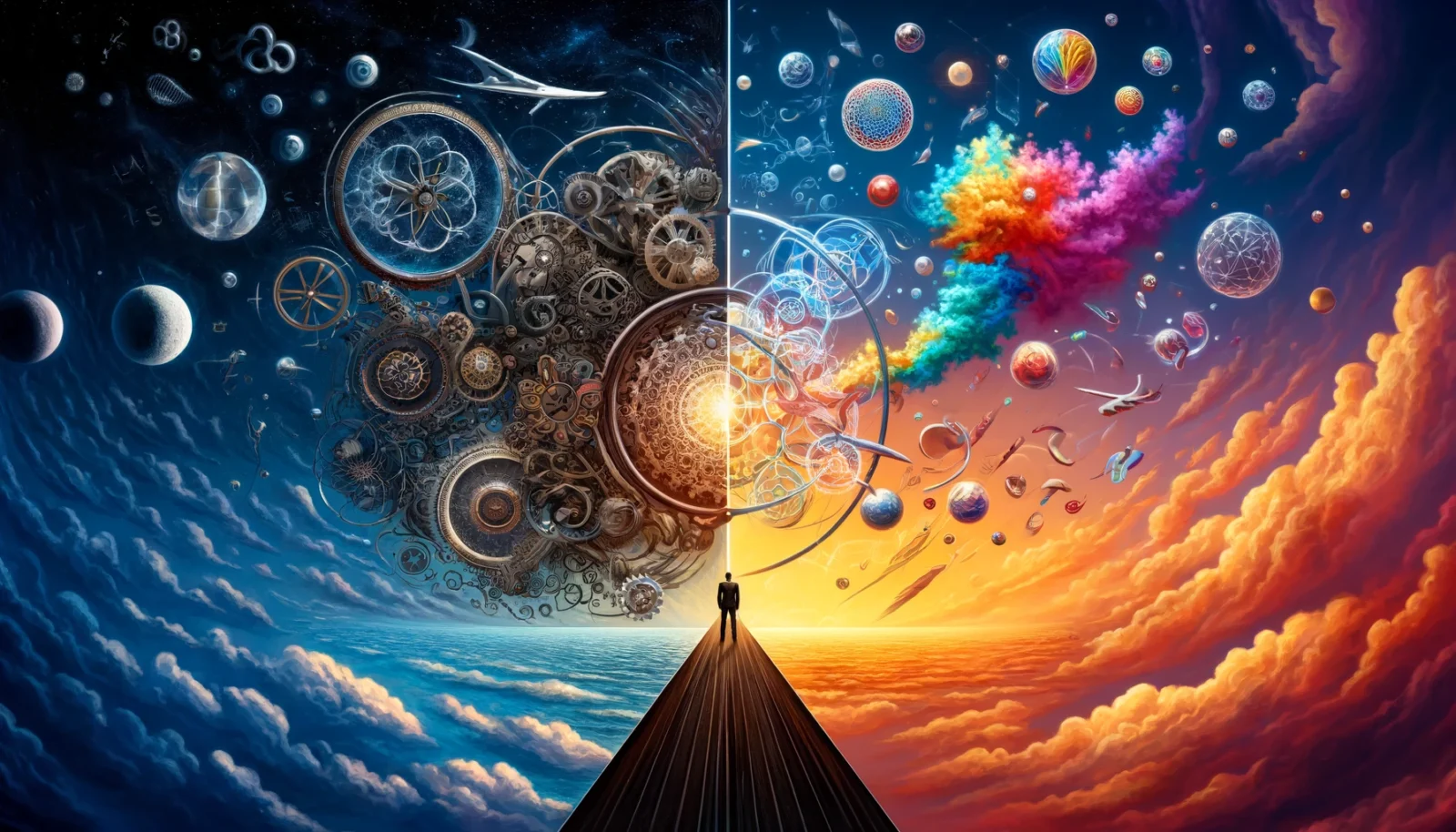
30 Phil, Chapter 1 Touchstone 2: Free Will. There are two basic types of Free Will. Determinism says everything that happens is set in stone and can’t be changed; in contrast, indeterminism says people and animals make choices. There are four basic types: scientific determinism, scientific indeterminism, fatalism, and providence.
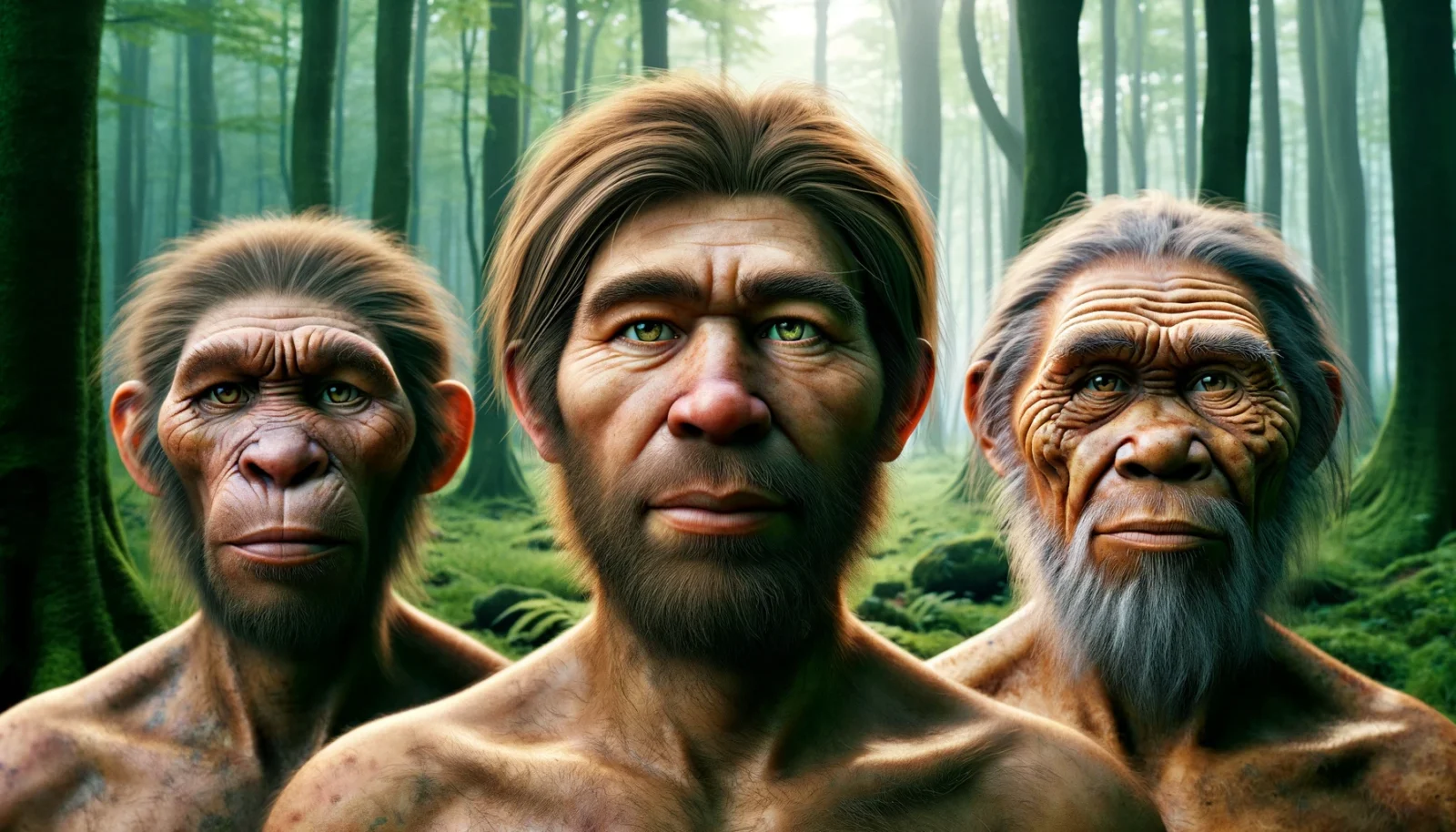
NSLCA: The Neanderthal-Sapien Last Common Ancestor was likely Homo heidelbergensis or Homo antecessor. Analysis: Before the discovery of Homo antecessor in the 1990s, Homo heidelbergensis was considered the primary candidate for the NSLCA due to its chronological and morphological position in the human lineage. The discovery of Homo antecessor, with its more modern-looking facial features, has
Neanderthal-Sapien LCA Read More »
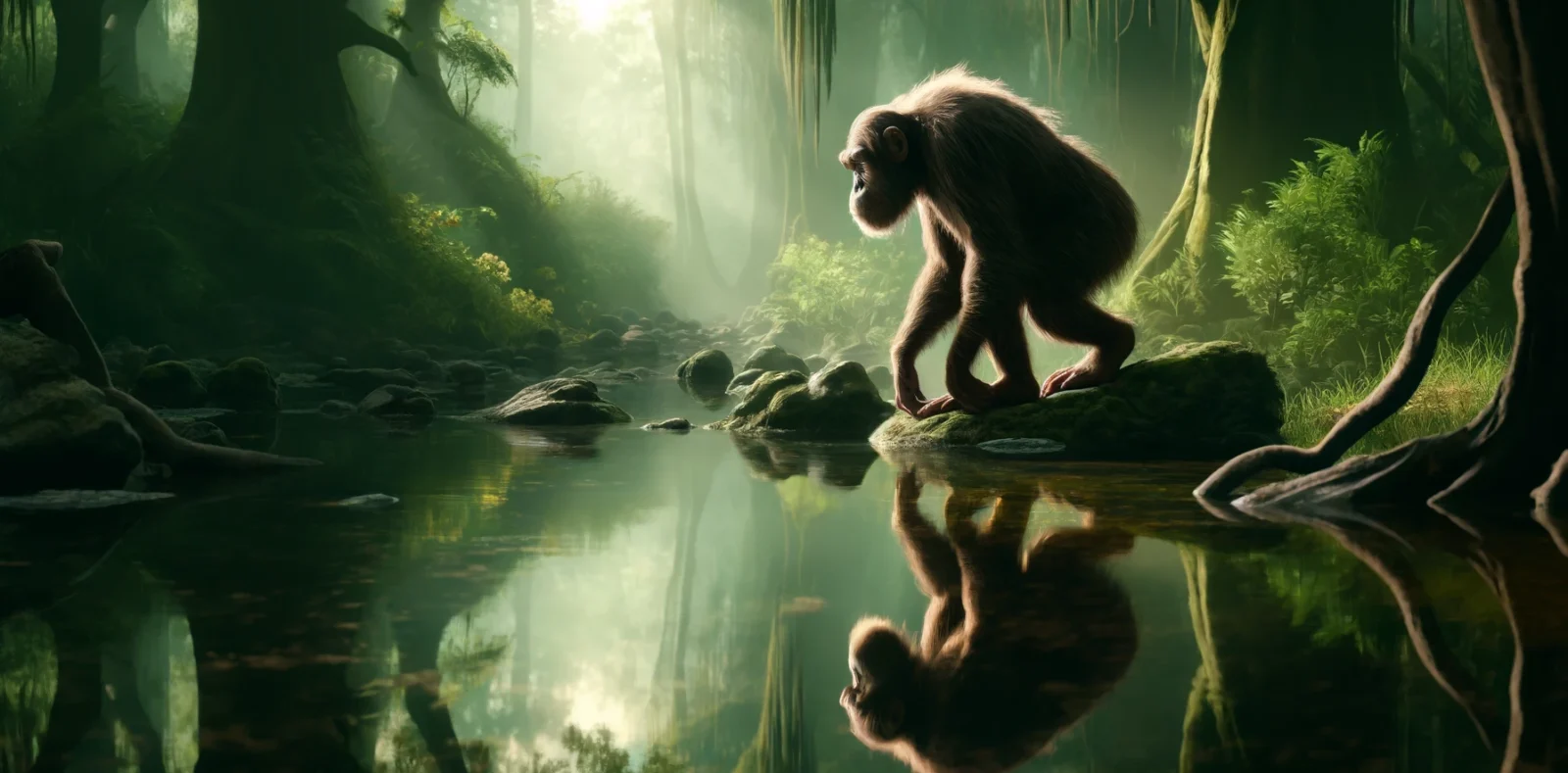
660,000 Generations Ago The Last Common Ancestor (LCA) of the Great Apes, a.k.a. the Hominidae family, marks a pivotal point in our evolutionary history, encompassing the origins of orangutans, gorillas, chimpanzees, and humans. This ancestor species, likely existing between 15 to 19 million years ago, represents the shared lineage from which all modern great apes
Emergence of the Great Apes (Great Apes LCA) Read More »
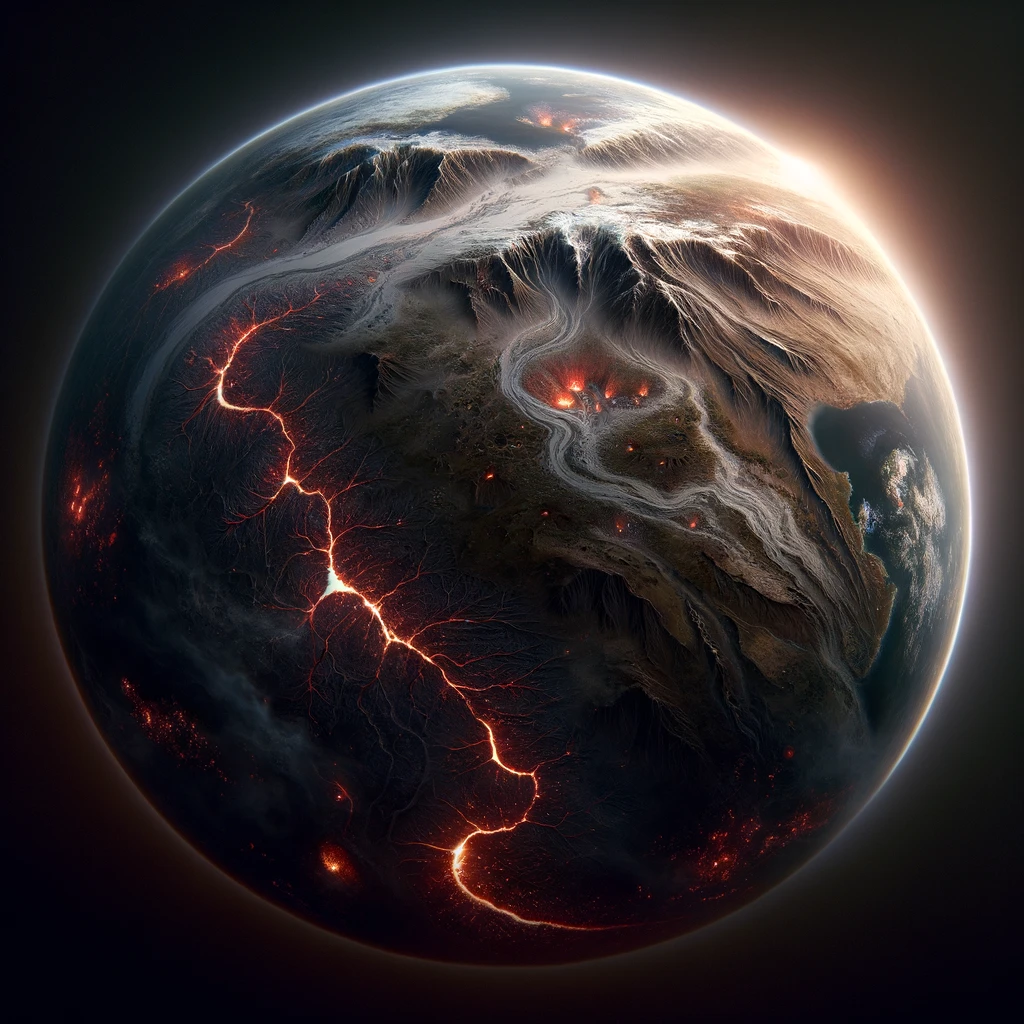
Likely white or grayish atmosphere: The first atmosphere developed first but was not directly involved in the development of life. The first atmosphere formed shortly after Earth’s formation around 4.5 billion years ago. This initial atmosphere was primarily composed of hydrogen and helium, the lightest and most abundant elements in the universe, which were captured from
First Atmosphere: Hydrogen & Helium Read More »
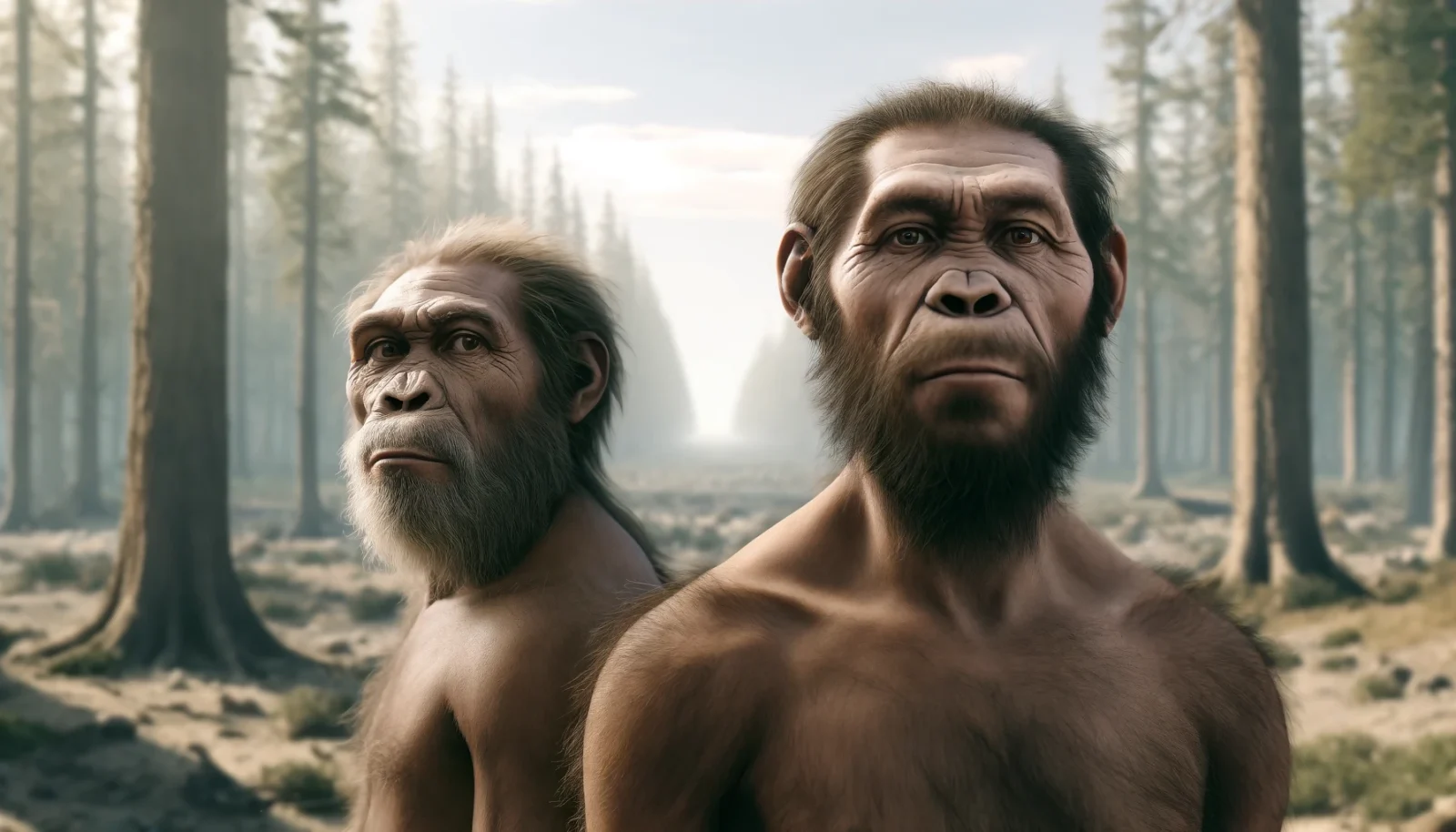
Homo heidelbergensis was the likely neanderthal-sapiens last common ancestor.
Homo heidelbergensis Read More »

Blue eyes emerging stands out as a striking example of a genetic mutation that spread across populations. Traced back to a single individual living between 6,000 and 8,000 BCE in the region near the Black Sea. The mutation involved is a specific change in the OCA2 gene, which alters the way melanin is produced in
Phenotype Variation: Blue Eyes Read More »
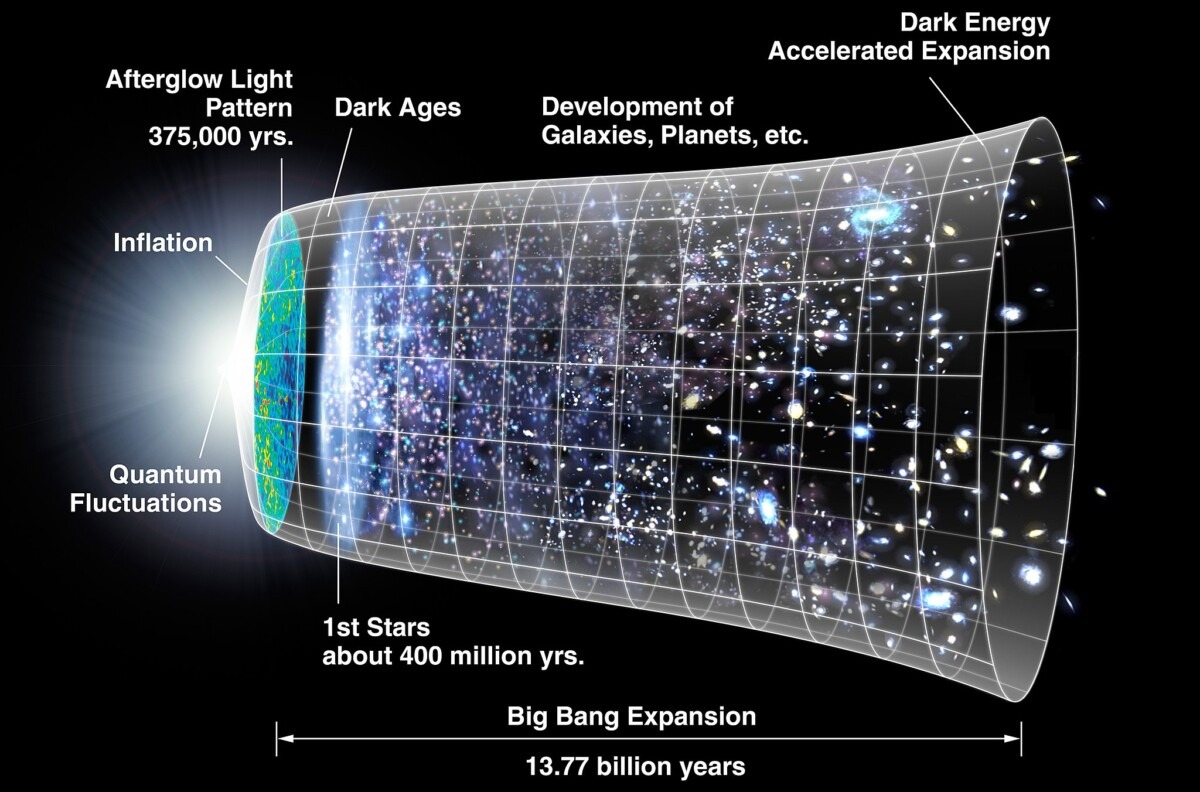
30 Phil, Chapter 1 Touchstone 1 of 80: Big Bang. Immediately following the state of the singularity, the universe entered a phase of rapid expansion and cooling, known as the Big Bang Expansion. This critical period signifies not an explosion in space but the very expansion of space itself, from an incomprehensibly dense point known
Big Bang Expansion Read More »

All life today are either Prokaryote or Eukaryote. Around 2 billion years ago, Eukaryotes evolved from Prokaryotes. The evolutionary leap to eukaryotes introduced cells with a nucleus and membrane-bound organelles, a complex architecture derived from prokaryotic predecessors through endosymbiosis. This process, crucial for eukaryotic evolution, involved the incorporation of prokaryotic cells into the cytoplasm of
The First True Eukaryotes Read More »
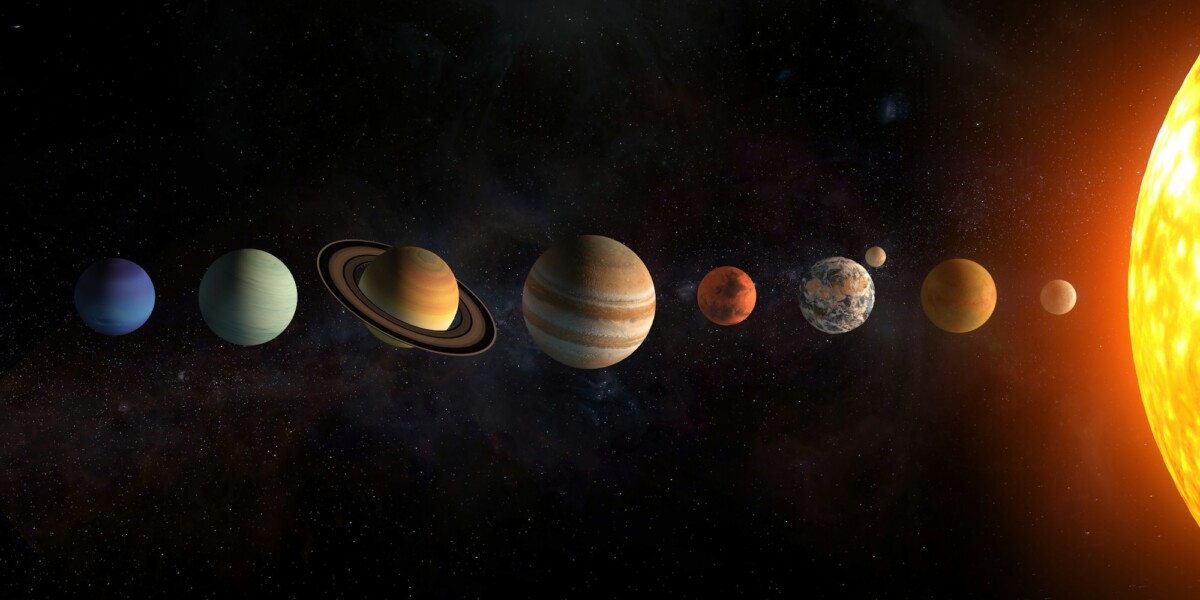
The Earth and the other planets formed 4.5 billion years ago from the same cosmic cloud—the primordial material which gave birth to the Sun. The dust and comets—the rocks—were composed largely of hydrogen, ice, carbon, and nitrogen.
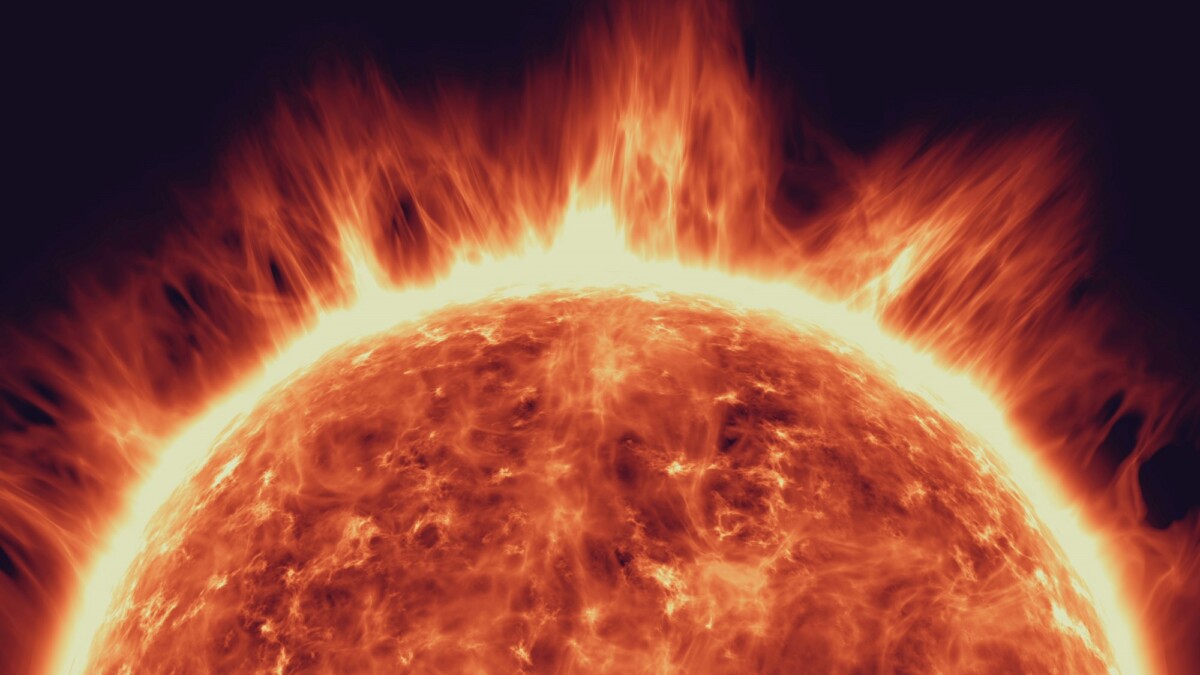
4.6 billion years ago, a cloud of gas and dust collapsed under the force of its own gravity to form our solar system.With the Sun at its center, glowing, the planets had not yet formed. The Sun, a G-type Population 1 star, shines brightly with a surface temperature of about 9,400 degrees, 5,500 Kelvin, and
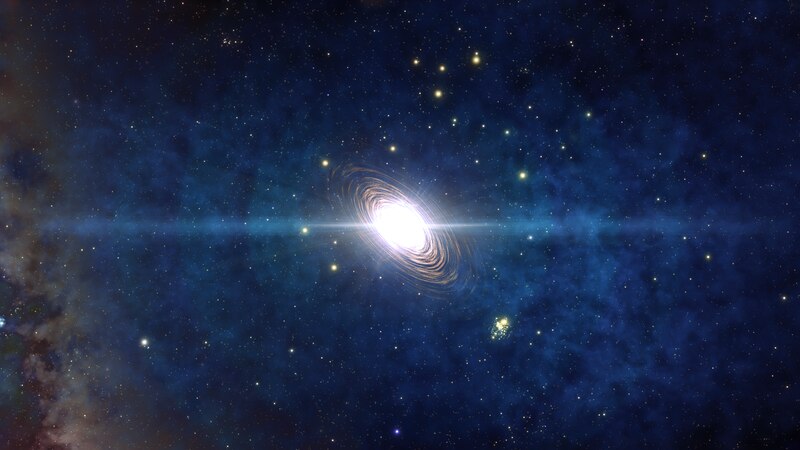
Legacy: First 26 elements of the periodic table of elements. After a few hundred million years, gravity continued to play its part, drawing atoms into an intimate collapse, giving birth to the very first stars and galaxies. These first stars, known as Population III stars, were stellar giants: massive, hot, and short-lived; they burned for
Population III Stars: Heavier Elements Read More »

The image of the early universe that we see in the CMB reveals a time shrouded in darkness. During this era, the 17 known particles first started to combine to form the universe’s first atoms. Electrons, protons, and neutrons came together to create neutral hydrogen atoms, a process that allowed photons—or light—to traverse the cosmos