
Democritus (460 BCE – circa 370 BCE)
Democritus introduced a radical idea: reality is composed of invisible atoms moving through empty space.
Democritus (460 BCE – circa 370 BCE) Read More »


Democritus introduced a radical idea: reality is composed of invisible atoms moving through empty space.
Democritus (460 BCE – circa 370 BCE) Read More »

30 Phil, Chapter 17: The Time Trail game is a way to engage in spacetime reflection of your life. Time Trail is a new look at chronoception. It explores spacetime, your inner voice, and prelinguistic thoughts and challenges your intellect, senses, perception, and the very nature of reality. There are two versions: one that focuses on
Time Trail Game: Mindful Time Travel Read More »

30 Phil, Chapter 17, Alhazen, Touchstone 43: Perception. Perception is the process by which your brain interprets sensory information. While senses give you direct information, your perception gives you indirect understanding.
Touchstone: Perception Read More »
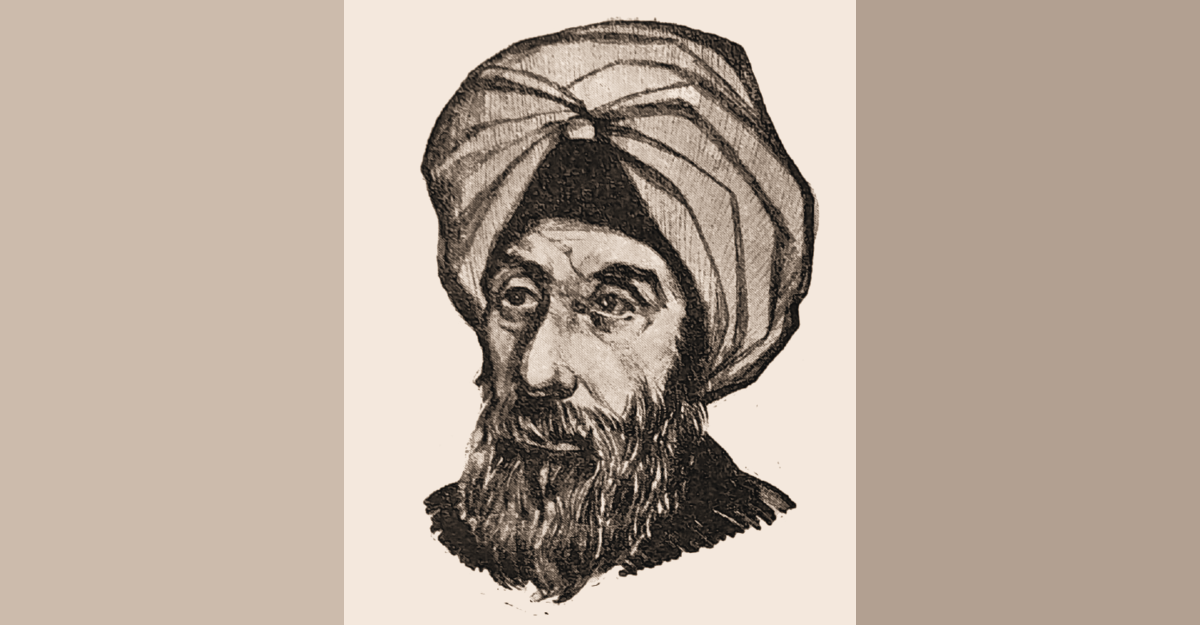
42 Generations Ago 30 Phil, Chapter 17: Alhazen and the Senses Alhazen was born in Basra around 965 CE, a city located in present-day Iraq. In his 30s, Alhazen faced the challenge of his life. He was “commissioned” to produce a solution for regulating the unpredictable and deadly flooding of the Nile. As he delved

30 Phil, Chapter 17, Alhazen, Touchstone 42: Senses. How we perceive an external world starts to become clear about 1020 CE. Since Alhazen and his pioneering work around 1020 CE, we have made significant advancements in understanding our senses. Our direct impressions of the world. Prior to Alhazen, most people on Earth believed in strange
The Five Senses of Humans Read More »
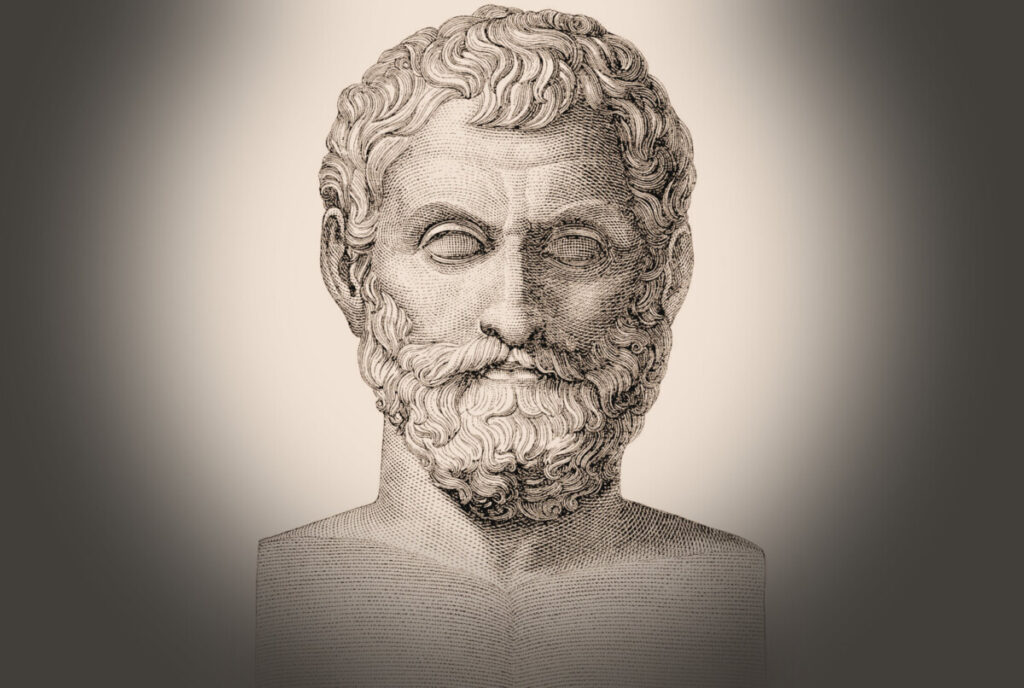
Think like Thales: before reaching for tradition, authority, or speculation, look to reality and ask what nature itself is telling you.