Explore Science-first Philosophy

Asia

Fuxi (伏羲)

If Fuxi existed as one person, that person likely lived sometime between 8000 and 7000 BCE. Fuxi is a legendary figure in Chinese mythology, considered one of the Three Sovereigns. He is credited with creating humanity, inventing writing, and teaching people to fish and hunt. Fuxi’s contributions laid the foundation for early Chinese civilization and culture, […]

Fuxi (伏羲) Read More »

Nüwa (女娲)

If Nüwa existed as one person, that person likely lived sometime between 8000 and 7000 BCE. Nüwa is a mother goddess in Chinese mythology, often associated with Fuxi. She is credited with creating mankind and repairing the pillar of heaven, symbolizing the restoration of order in the universe. Nüwa’s story highlights themes of creation, nurturing,

Nüwa (女娲) Read More »

Shennong (神农)

If Shennong existed as one person, that person likely lived sometime around 2800 BCE. Shennong, also known as the Divine Farmer, is another of the Three Sovereigns. He is said to have taught the Chinese people agriculture and herbal medicine. Shennong’s contributions emphasize the relationship between humans and nature, the importance of agriculture for societal

Shennong (神农) Read More »

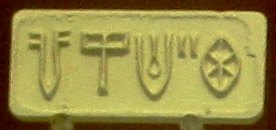
Indus Valley Script: Northwest India

Earliest undeciphered writing in the Asian zone.  The Indus Valley script, emerging around 2600 BCE in one of the world’s earliest urban civilizations, remains one of archaeology’s greatest puzzles. Found across a vast expanse from today’s northeast Afghanistan to Pakistan and northwest India, this script comprises over 400 unique symbols, ranging from geometric shapes to

Indus Valley Script: Northwest India Read More »

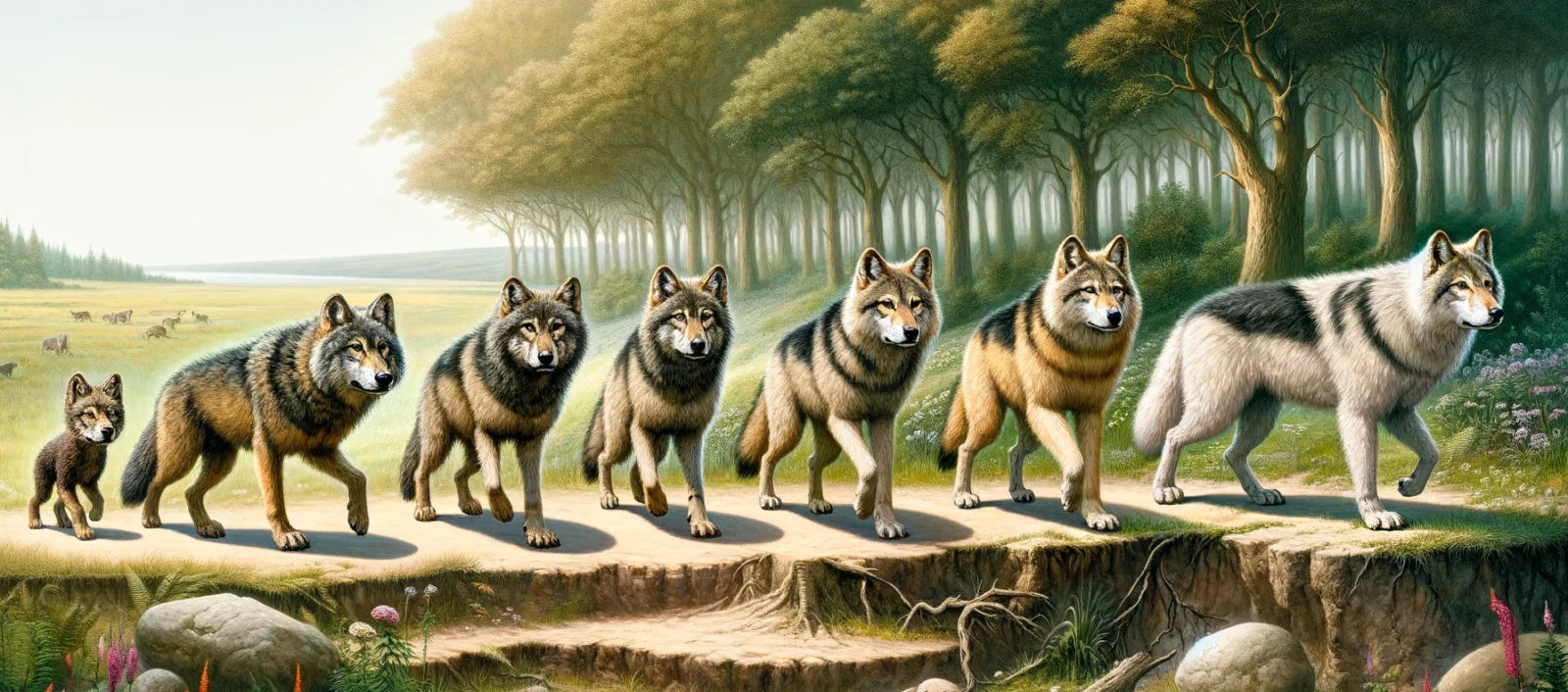
Wolf-to-dog: same species, dogs are a subspecies

Earliest Known Domesticated Animal: Dogs

Eastern Asia and Europe: The domestication of dogs marks one of the most remarkable and earliest examples of animal domestication by humans. This significant event occurred approximately 20,000 years ago, with some studies suggesting an even earlier date. The process began when wolves, drawn by the waste and remnants of hunting left by human groups,

Earliest Known Domesticated Animal: Dogs Read More »

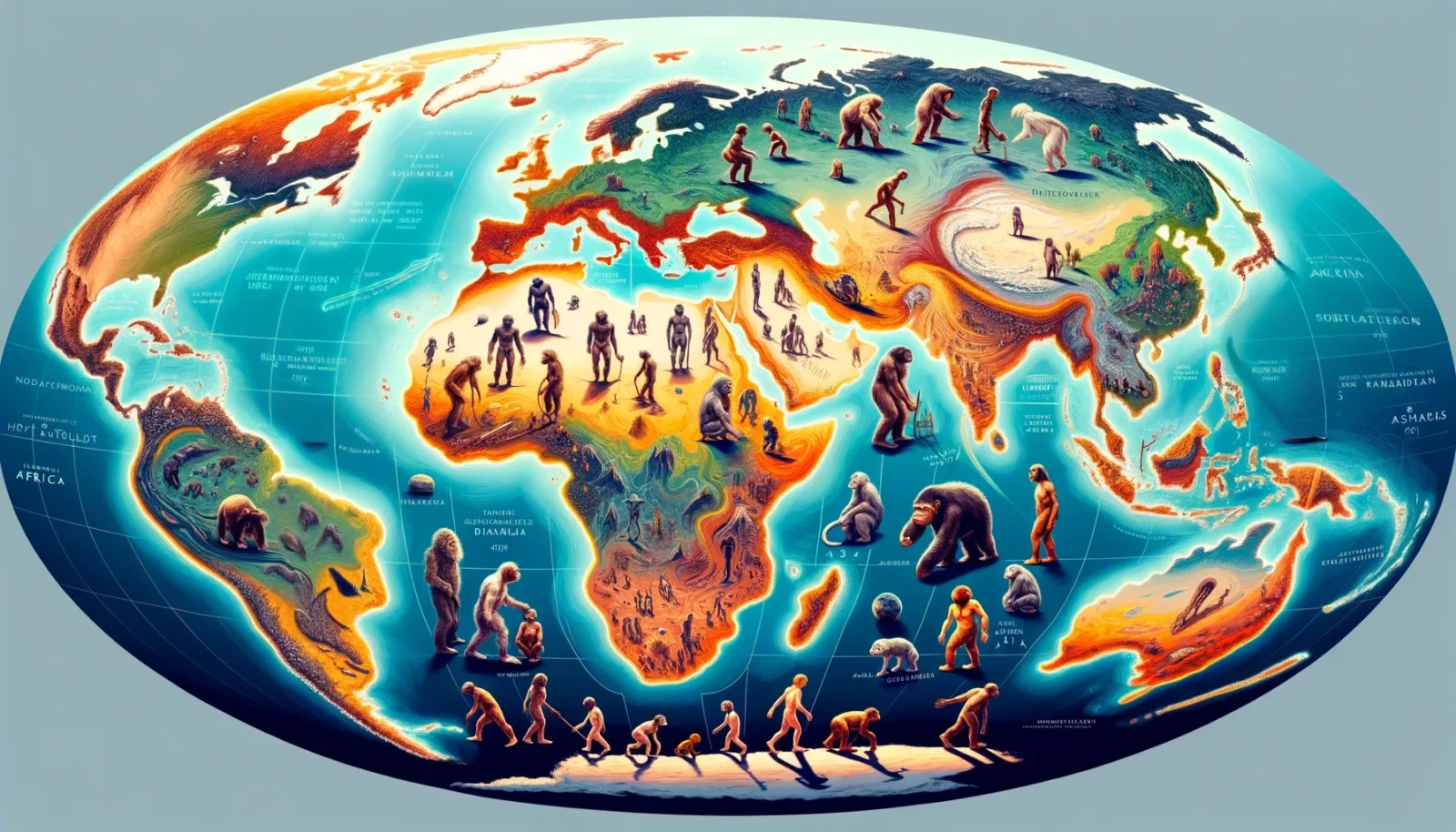
Hominin World Population: 2 Million (maybe)

When Homo sapiens first emerged, their population in Africa was likely just a few hundred thousand, while the total hominin population, including other species like Neanderthals and Homo heidelbergensis, may have ranged from 1.1 to 2.1 million. During this period, Homo sapiens were primarily found in Africa, while other hominins occupied broader ranges across Eurasia,

Hominin World Population: 2 Million (maybe) Read More »

World Population: 1.5 Million

Cognitive Revolution By 70,000 BCE. Population range: 500,000 to 2.5 million. Given the uncertainties and lack of direct data, the following are speculative estimates. Africa-Middle East: 50-60% or 600,000 to 1 million people Africa, being the origin of modern humans, likely had the highest population density at this time, particularly in Sub-Saharan regions which were

World Population: 1.5 Million Read More »

World Population: 15 Million

Stone Copper Age Chalcolithic Period: 3,000 BCE – 500 BCE. Africa-Middle East: 36% or 5 million people Early civilizations include Egypt and Mesopotamia with a relatively higher population density. Asia: 36% or 5 million people Early civilizations include Indus Valley and ancient China. They saw early urban development and agriculture which supported larger populations. Europe-Mediterranean:

World Population: 15 Million Read More »

China: Jiahu Settlement (Agrarian)

Earliest known agrarian society in the Asia zone: Located in Henan, China, Jiahu is one of the earliest sites showing comprehensive signs of early agriculture, including rice cultivation. The community also showed advanced practices like winemaking, music, and possibly writing, indicating a highly developed early agrarian society. Imagined image: This panoramic image presents the Jiahu Settlement

China: Jiahu Settlement (Agrarian) Read More »

Scroll to Top