Explore Science-first Philosophy

Europe/Mediterranean

Sunghir Burial Site

The Sungir Burial Site, dating back to around 30,000 BCE, offers a remarkable glimpse into the lives of Upper Paleolithic humans in what is now Russia. The people of Sungir were part of a sophisticated hunter-gatherer society, living in the cold climate of the Russian Plain. They were highly skilled artisans and craftsmen, evidenced by

Sunghir Burial Site Read More »

Vinor Circular Building: a roundel

Europe, Czech Republic: The Vinor Circular Building, discovered in Vinoř, Prague, is a remarkable archaeological site dating back to approximately 900 years before the common Biblical creation date. This Neolithic structure, known as a roundel, consists of three concentric trenches forming a large circular enclosure with multiple entrances. With an internal diameter of about 55

Vinor Circular Building: a roundel Read More »

Czeck: Dolní Věstonice Community

The Dolní Věstonice people thrived in a harsh Ice Age landscape. They built sturdy huts from mammoth bones, crafted intricate art, and developed symbolic expression. They honored their dead with elaborate burials and likely held spiritual beliefs. With early ceramics and resourceful hunting practices, they demonstrated remarkable adaptability and creativity, leaving behind a lasting legacy

Czeck: Dolní Věstonice Community Read More »

Ukraine: Mezhyrich Community

The Mezhyrich community thrived in Ukraine, living in huts built from mammoth bones. These resourceful people used mammoth skulls, tusks, and bones to construct shelters covered with animal skins. They engaged in daily activities such as cooking, tool-making, and socializing, showcasing a harmonious, bustling life. The nearby rivers provided resources and sustenance, while their sophisticated

Ukraine: Mezhyrich Community Read More »

Printing Press Invented

The story of the printing press is the story of cultural transmission. Invented in 1440 in Germany by Johannes Gutenberg, it revolutionized book production by introducing movable type. It replaced hand-copying, prone to errors, with movable metal type, allowing mass production of books for the first time in human history. Over the next few centuries,

Printing Press Invented Read More »

Terra Amata Site, France

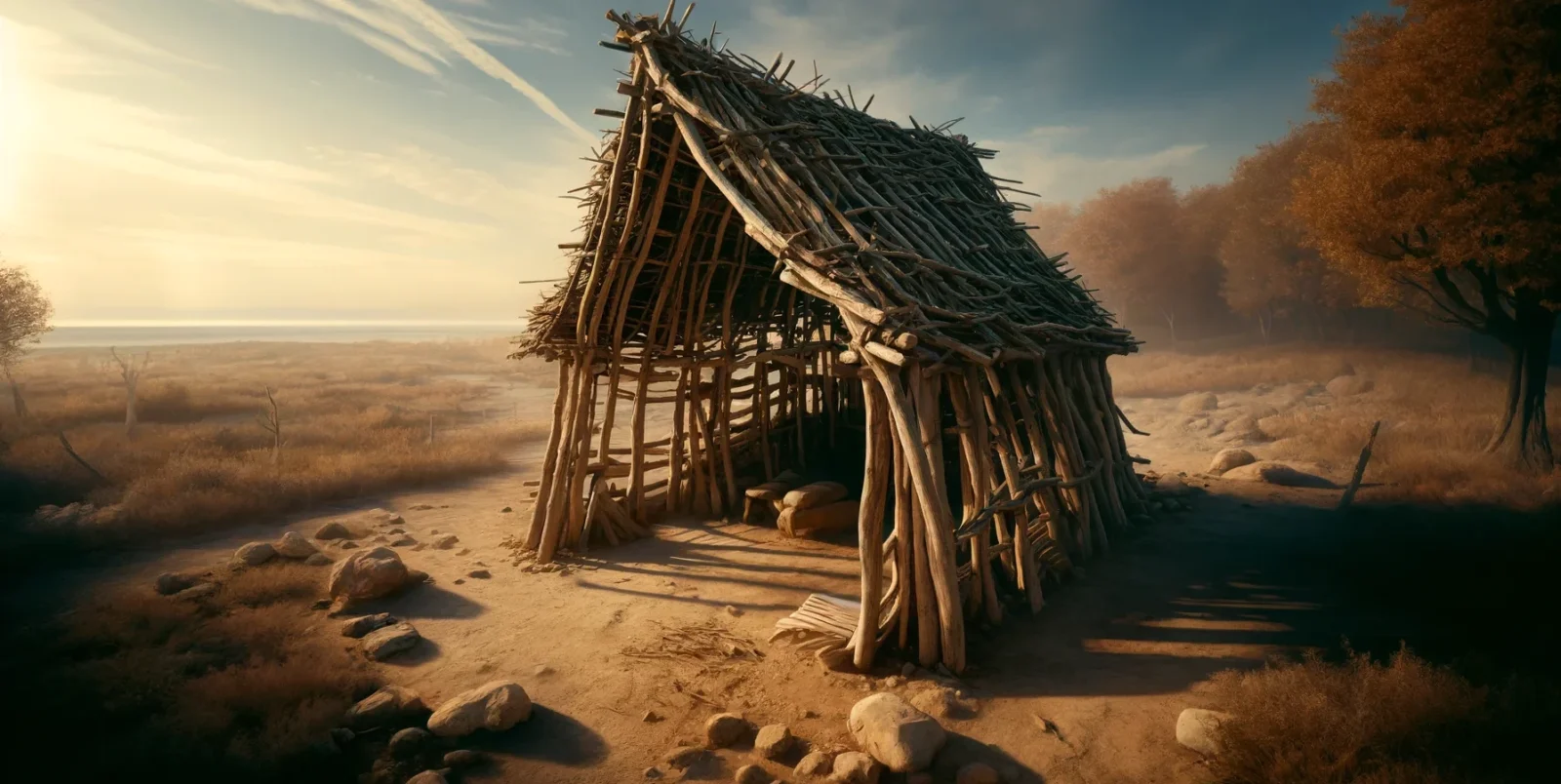
Discovered in the 1990s, this 400,000-year-old Homo heidelbergensis structure in France is believed to be a primitive hut or shelter made from wooden posts and branches. The structure is thought to have been built by Homo heidelbergensis. The shelter is estimated to be around 4-5 meters (13-16 feet) wide and 6-7 meters (20-23 feet) long.

Terra Amata Site, France Read More »

Full Emotional Intelligence Emerges

Full emotional intelligence (EI) likely emerged around this time in species such as Homo antecessor and Homo heidelbergensis. EI heralds the dawn of a new era where emotional intelligence began to take a recognizable shape. Analysis: With indications of complex social structures, more potential for language, and advanced tool-making abilities, these species navigated their world

Full Emotional Intelligence Emerges Read More »

Upper Paleolithic Cave Art with Symbols

Earliest known symbol use in the Europe/Mediterranean zone.  Dating back to around 40,000 BCE, the Upper Paleolithic cave art found across Europe presents a compelling narrative of early human communication and symbolic expression. Sites like Lascaux in France and Altamira in Spain feature elaborate depictions of animals, human figures, and abstract symbols that recur with

Upper Paleolithic Cave Art with Symbols Read More »

Hominin World Population: 2 Million (maybe)

When Homo sapiens first emerged, their population in Africa was likely just a few hundred thousand, while the total hominin population, including other species like Neanderthals and Homo heidelbergensis, may have ranged from 1.1 to 2.1 million. During this period, Homo sapiens were primarily found in Africa, while other hominins occupied broader ranges across Eurasia,

Hominin World Population: 2 Million (maybe) Read More »

World Population: 1.5 Million

Cognitive Revolution By 70,000 BCE. Population range: 500,000 to 2.5 million. Given the uncertainties and lack of direct data, the following are speculative estimates. Africa-Middle East: 50-60% or 600,000 to 1 million people Africa, being the origin of modern humans, likely had the highest population density at this time, particularly in Sub-Saharan regions which were

World Population: 1.5 Million Read More »

World Population: 15 Million

Stone Copper Age Chalcolithic Period: 3,000 BCE – 500 BCE. Africa-Middle East: 36% or 5 million people Early civilizations include Egypt and Mesopotamia with a relatively higher population density. Asia: 36% or 5 million people Early civilizations include Indus Valley and ancient China. They saw early urban development and agriculture which supported larger populations. Europe-Mediterranean:

World Population: 15 Million Read More »

Greece: Sesklo Culture (Agrarian)

Earliest known agrarian society in the Europe/Mediterranean zone: The Sesklo culture in Greece is recognized for its early adoption of agriculture, including the cultivation of cereals and legumes, and domestication of animals. This Neolithic culture is noted for its distinctive pottery and advanced housing architecture, reflecting significant societal organization. Imagined image: The Sesklo Culture village around

Greece: Sesklo Culture (Agrarian) Read More »

Francis Bacon

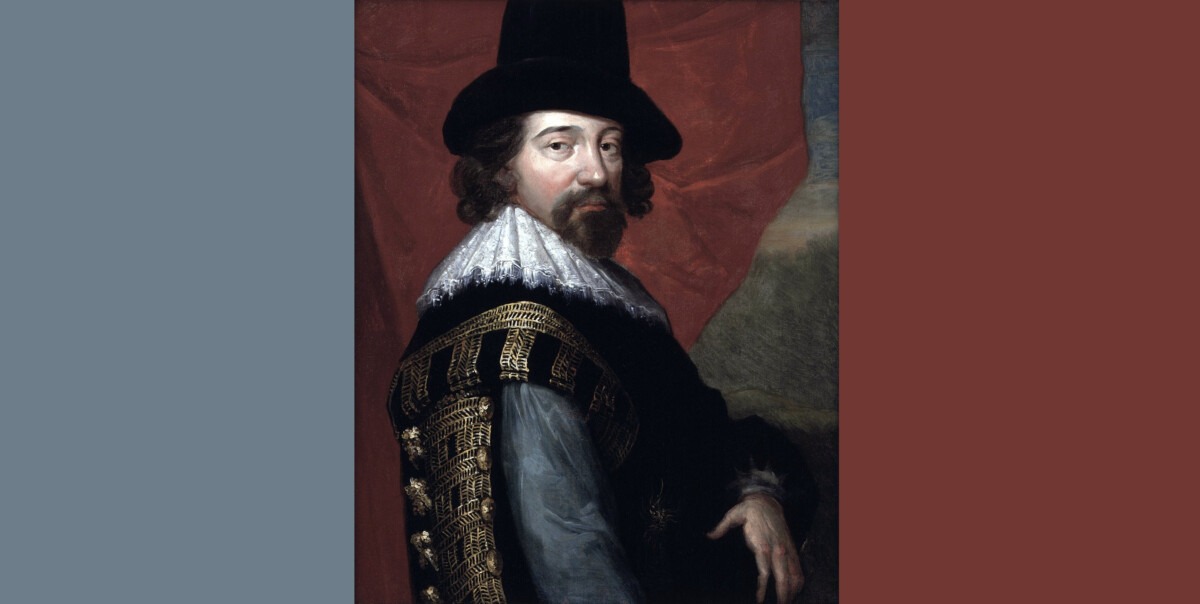
18 Generations Ago 30 Phil, Chapter 20: Francis Bacon and the Scientific Method Francis Bacon was born on January 22, 1561, in London to a prominent and influential family. The young Francis Bacon received a comprehensive education, attending the prestigious Trinity College, Cambridge, at the age of 12. Bacon is the Father of the Scientific

Francis Bacon Read More »

Bone Flute

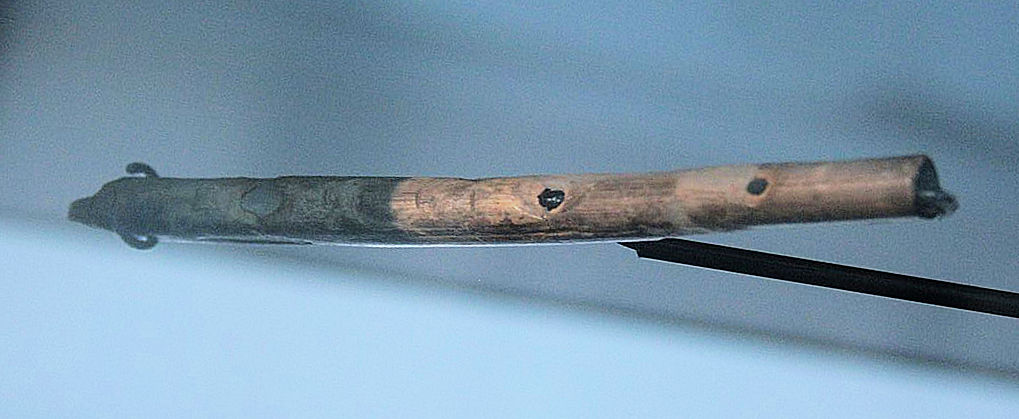
1,600 Generations Ago The oldest undisputed musical instrument is the Hohle Fels Flute discovered in the Hohle Fels cave in Germany’s Swabian Alb in 2008. The flute is made from a vulture’s wing bone perforated with five finger holes.

Bone Flute Read More »

Scroll to Top