Weekly Insights for Thinkers

People

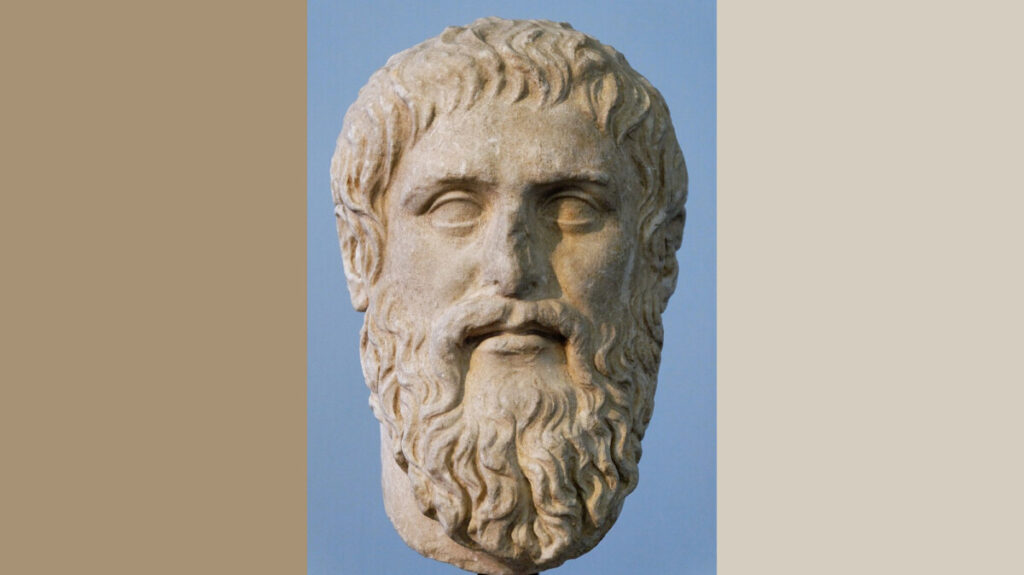
Aristotle

96 Generations Ago 30 Phil, Chapter 9: Aristotle and Empiricism Aristotle was the greatest Greek philosopher and covered nearly all subjects including physics, biology, zoology, metaphysics, logic, ethics, aesthetics, poetry, theatre, music, rhetoric, psychology, linguistics, economics, politics, meteorology, geology, and government. His Aristotelian philosophy characterized by deductive logic and an analytic inductive method. Some of […]
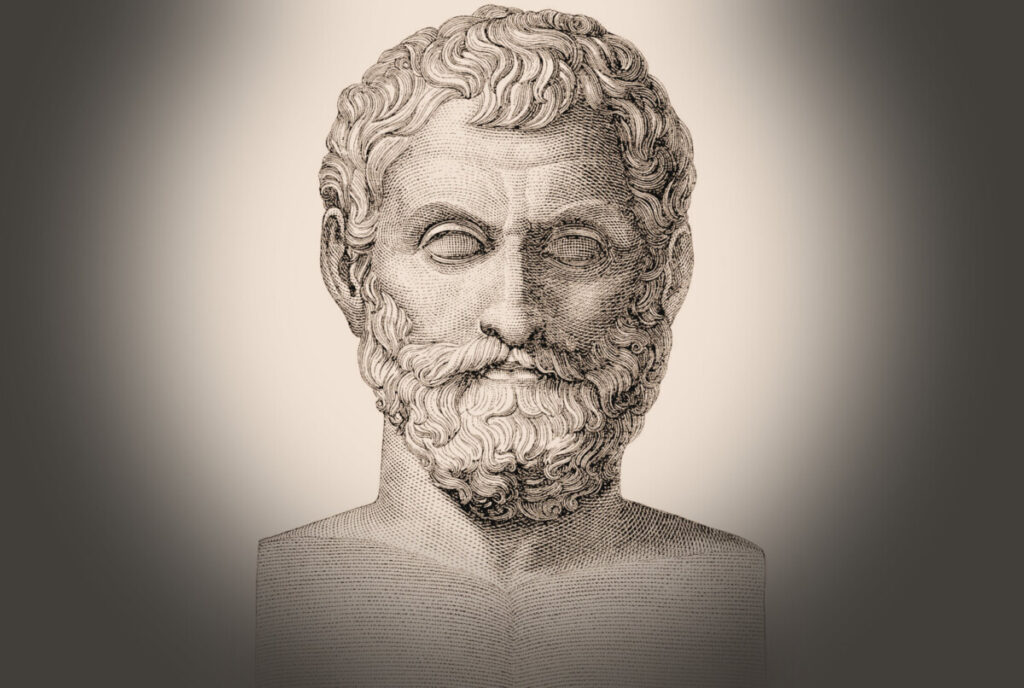
Aristotle Read More »

Plato

98 Generations Ago 30 Phil, Chapter 8: Plato and Rationalism Plato was a Greek philosopher born in Athens. He was a student of Socrates and a teacher of Aristotle. Plato’s Theory of Forms asserts that the reality is only a shadow, or image, of the true reality of the Realm of Forms — abstract, perfect,

Plato Read More »

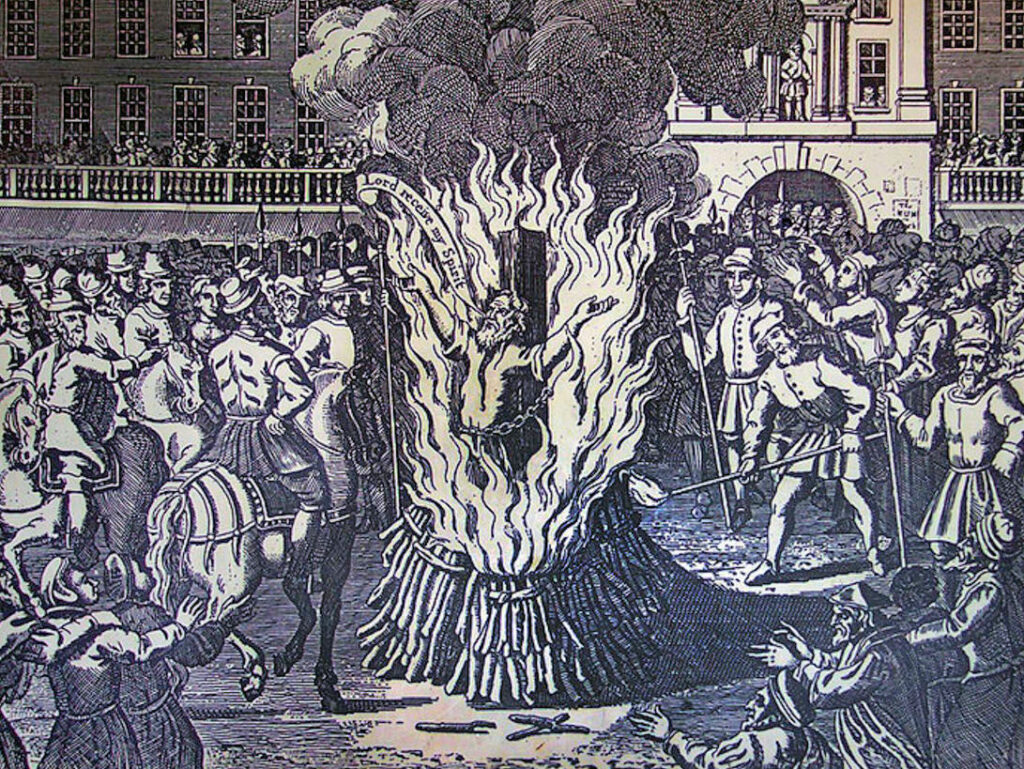
Socrates (469 – 399 BCE)

99 Generations Ago Socrates was a Greek philosopher and is frequently credited as the founder of Western philosophy. He left no writings, but his student Plato documented his philosophy. Some of my favorite translated sayings attributed to Socrates: Enjoy yourself — it’s later than you think. He who is not content with what they have

Socrates (469 – 399 BCE) Read More »

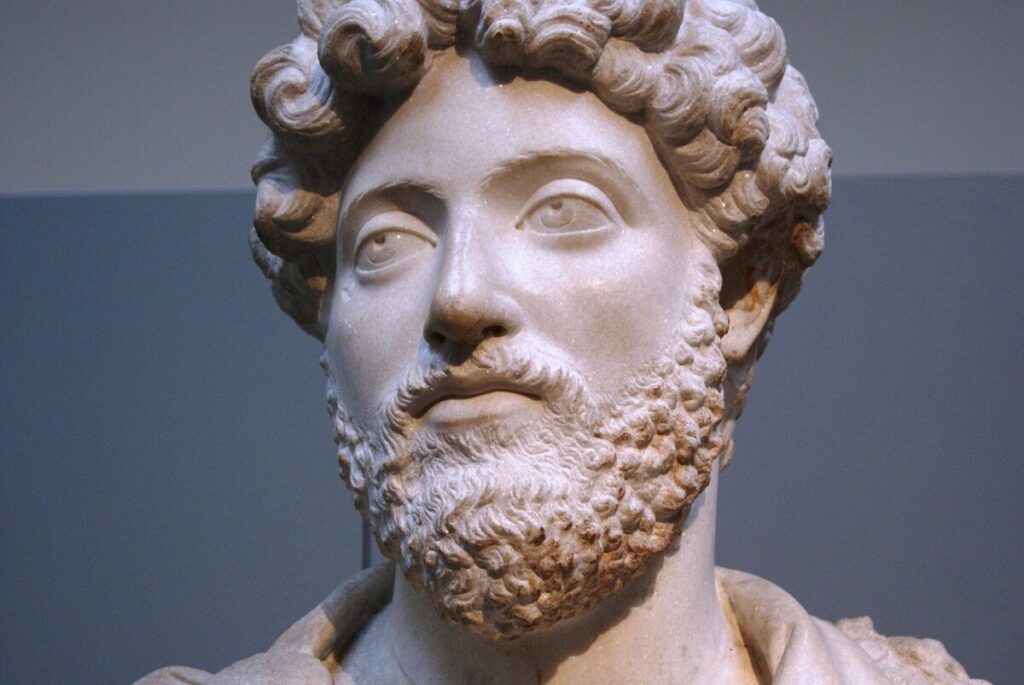
Marcus Aurelius

76 Generations Ago 30 Phil, Chapter 13: Marcus Aurelius and Stoicism Some of my favorite translated meditations include: Learn to be indifferent to what makes no difference. The happiness of your life depends upon the quality of your thoughts.

Marcus Aurelius Read More »

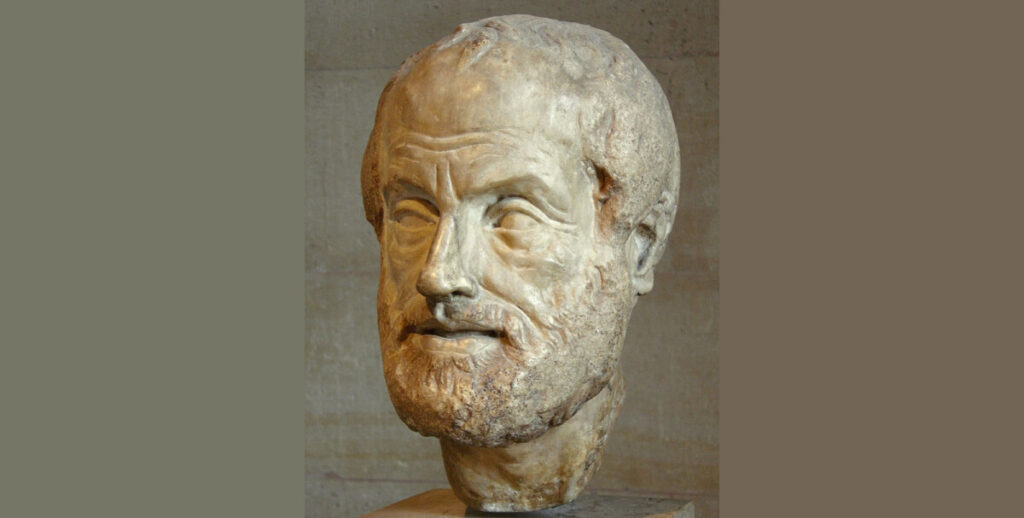
Confucius

103 Generations Ago 30 Phil, Chapter 5: Confucius and Confucianism Confucius is remembered for his practical applied philosophy. His sayings are a reflection of many centuries of common sense sayings making his philosophy deeply Chinese. My favorite sayings: The man who knows he can, and the man who knows he cannot, are both correct. Real

Confucius Read More »

Scroll to Top