Explore Science-first Philosophy

Philosophy

Natural philosophy includes dividing ideas into empirical, rational, and irrational as well as understanding their philosophical context. Philosophical context includes understanding the timing of discoveries and rediscoveries as well as the philosophers behind them and their publications.

Non-Self or Anatman and Self or Atman

30 Phil, Chapter 6, Buddhism, Touchstone 15: Illusion: Self and Non-self. The Buddhist terms of Atman and Anatman relate to the idea of “Self,” or “Atman,” your eternal soul and the Buddhist doctrine of “Non-Self,” or “Anātman.” To understand non-self, you have to understand the concept of “emptiness,” which refers to the idea that nothing lasts

Non-Self or Anatman and Self or Atman Read More »

Schemas

30 Phil, Chapter 5, Confucius, Touchstone 14: Schemas. A schema is a mental structure we employ to organize and interpret information. We classify things into schemas, which we can then modify by adding or removing elements. Schemas help us simplify life. Once things are categorized as normal or abnormal, we utilize our cognitive processes, such as

Schemas Read More »

Yin and Yang

30 Phil, Chapter 4, Laozi, Touchstone 11: Yin and Yang. Yin and Yang represents the dualistic nature of reality and the energies that constitute it. It is opposite yet complementary forces striving for dynamic equilibrium, symbolizing balance, harmony, and the interplay of light and dark, active and passive, male and female. This harmony is crucial

Yin and Yang Read More »

Ziran, Authenticity, or Authentic Self

30 Phil, Chapter 4, Laozi, Touchstone 10: Authenticity. Ziran is often translates to “of its own.” Living in accordance with Ziran means you embrace naturalness. You welcome the spontaneous aspects of existence. With Ziran, you flow with nature while embracing your true self and innate tendencies, your authentic self. Living in accordance with Ziran is you

Ziran, Authenticity, or Authentic Self Read More »

Protozoa Discovered: Microbiology Founded

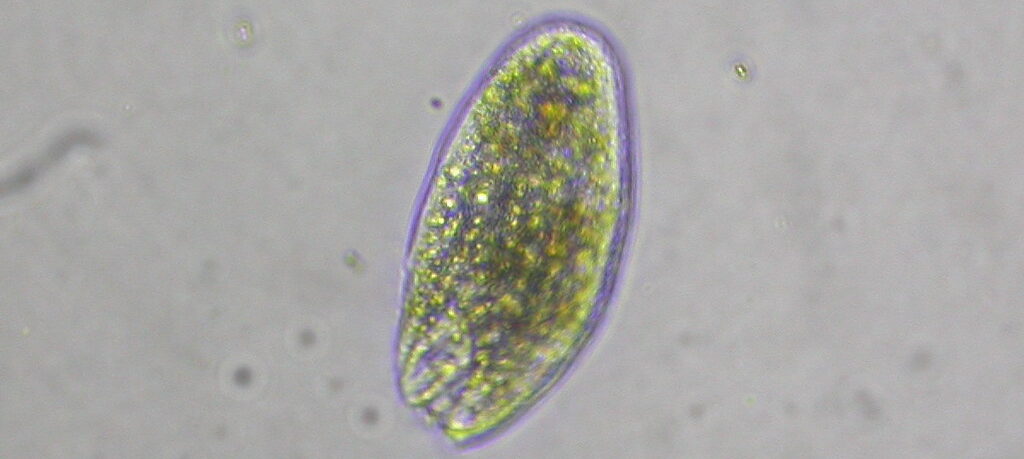
Although protozoa evolved from eukaryotes about 2 billion years ago, it was 1674 that humanity saw them for the first time. That’s when Antonie van Leeuwenhoek, using his meticulously crafted microscopes, discovered protozoa—the first microscopic observation of single-celled organisms. His detailed observations and descriptions of what he called “animalcules” in a drop of pond water

Protozoa Discovered: Microbiology Founded Read More »

Electromagnetic Radiation Theory

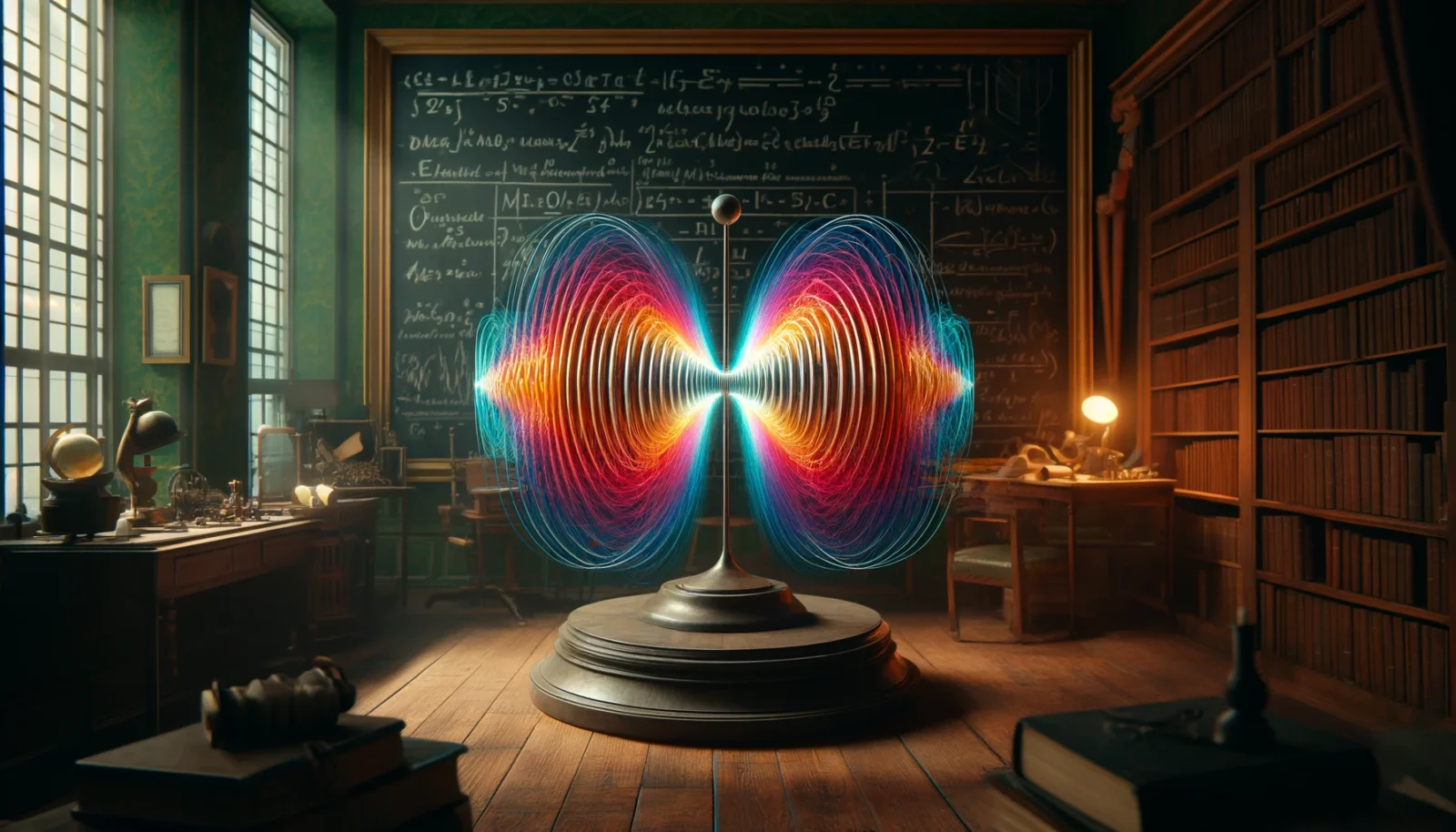
James Clerk Maxwell predicted electromagnetic waves, but he did not perform experiments to prove their existence. His prediction was based on his work on the classical theory of electromagnetic radiation, which unified electricity, magnetism, and light as different manifestations of the same phenomenon. Maxwell’s equations for electromagnetism predicted the existence of waves of oscillating electric

Electromagnetic Radiation Theory Read More »

Olduvai Gorge Site: A Glimpse into Early Organizational Behavior

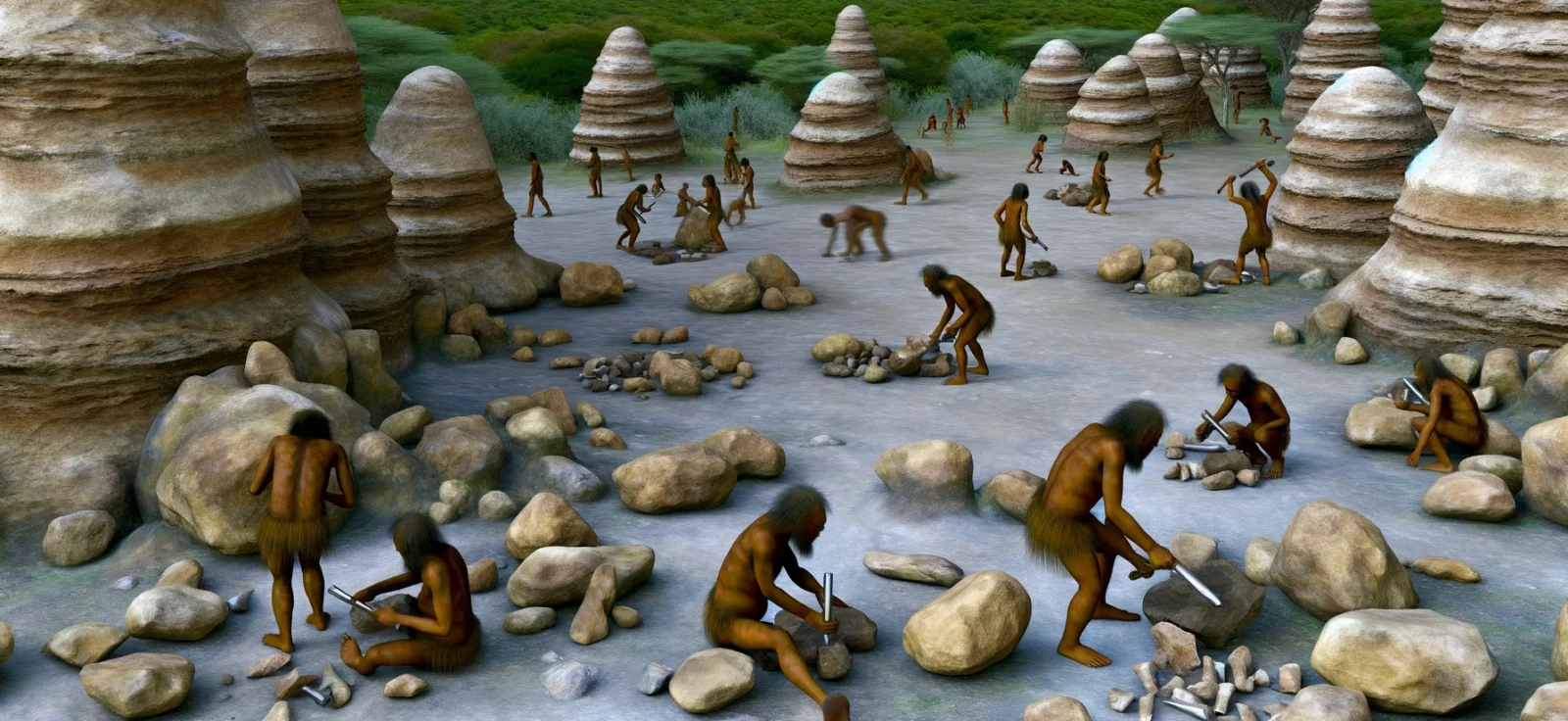
The Olduvai Gorge in Tanzania stands as a testament to early human ingenuity and foresight, illustrating a rudimentary form of organizational behavior that predates modern civilization. Utilized extensively over two million years, the site functioned akin to a “factory,” where early humans systematically crafted a variety of stone tools. They strategically selected specific locations that

Olduvai Gorge Site: A Glimpse into Early Organizational Behavior Read More »

Ancient Spears 350,000 Years Ago

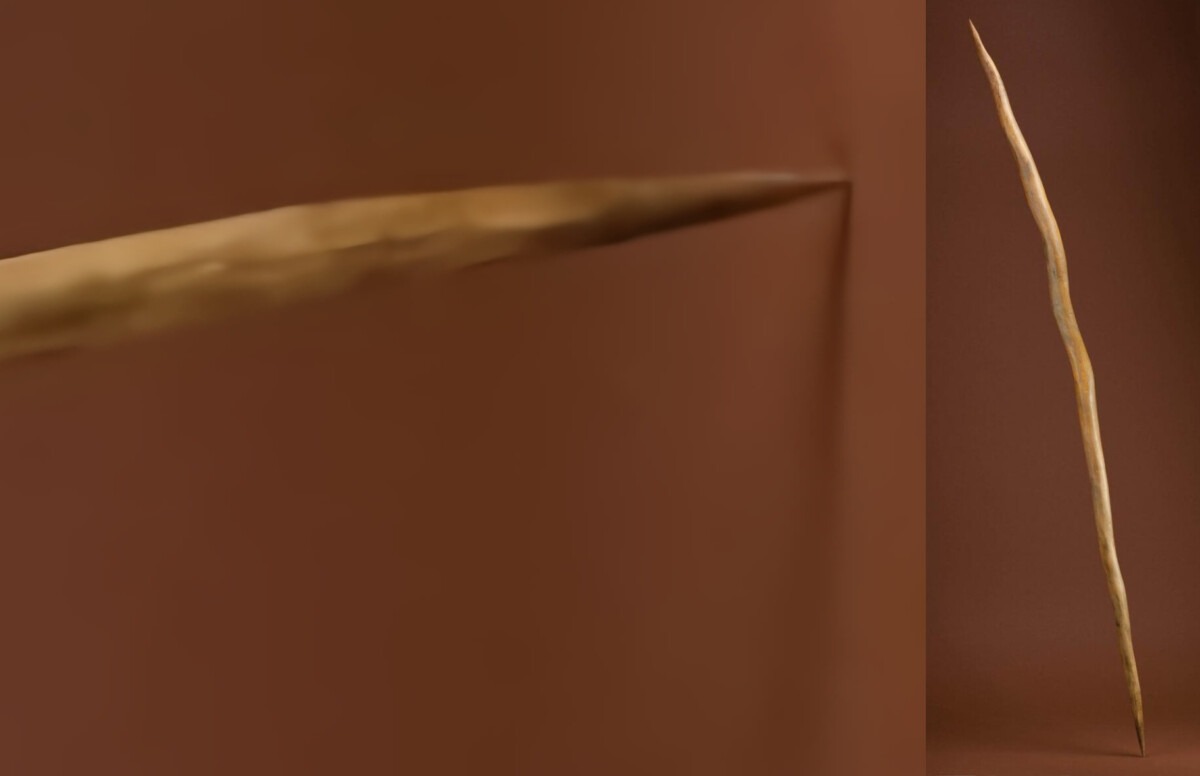
“By 350,000 years ago, early humans crafted javelin-quality spears.” This revelation about ancient spears is profoundly enlightening as it demonstrates the advanced cognitive abilities and social cooperation among early humans. Crafting spears of this quality involves not only selecting the right materials and understanding the physics of balancing and sharpening but also strategic planning for

Ancient Spears 350,000 Years Ago Read More »

Hand Axes 1.7 Million Years Ago

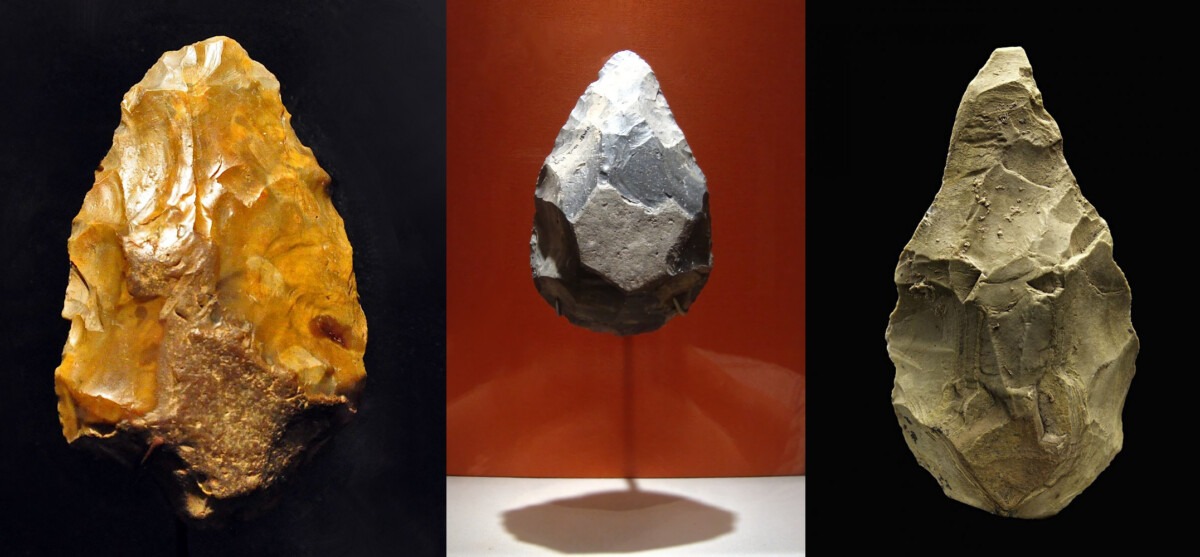
“By 1.76 million years ago, early humans began to create hand axes.” This seemingly simple statement about hand axes is mind-opening and philosophically significant for a few reasons. It highlights the ingenuity of early humans. Crafting tools from stone requires planning, foresight, and understanding of cause and effect. It also represents a critical leap in

Hand Axes 1.7 Million Years Ago Read More »

Oort Cloud

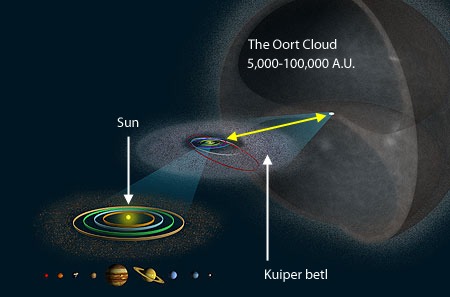
Rationally predicted, unconfirmed: The Oort Cloud is a theoretical vast sphere of icy objects believed to surround our solar system at distances ranging from about 2,000 to 100,000 astronomical units from the Sun. Conceived by the Dutch astronomer Jan Oort in 1950, this distant cloud is thought to be the source of long-period comets that

Oort Cloud Read More »

Black Holes Proposed

While black holes were first proposed in the 18th century, they were not seriously proposed until 1916 with Albert Einstein’s General Relativity. The concept of a “black hole” has its roots in the 18th century when John Michell and Pierre-Simon Laplace independently speculated about the existence of “dark stars” — celestial bodies whose gravity is

Black Holes Proposed Read More »

General Relativity

General Relativity incorporated gravity into the mix. It describes gravity not as a force, but as the curvature of spacetime caused by massive objects. According to General Relativity, the curvature of spacetime around an object like the Earth causes objects to fall towards its center, which we experience as gravity.  In November 1915, Einstein expanded

General Relativity Read More »

Scroll to Top