

Journalism is one of the Truth Hammers because most of public life happens beyond our direct view. We need people to gather facts, check sources, compare accounts, and bring events into the open. Good journalism does not make a claim true by repeating it. It helps test whether the claim holds up in public.
This timeline represents some of the known, or at least accepted, events in journalism including language, writing, and printing. It’s purpose is to bring some sense of perspective to the known evolution of humans documenting their existence on Earth. This timeline is intended to help me personally with the big picture. I’ll update it as I learn new things and as new things are discovered. I hope you enjoy it and that it helps you too!
Lebombo bone: First Lunar Phase Counter
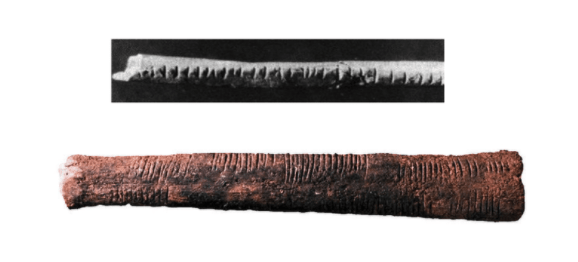
The Lebombo Bone was potentially used as a lunar phase counter or a simple tally stick. The series of notches may represent a lunar calendar, which would imply that early humans were tracking lunar phases for either ritualistic purposes or as a practical method for keeping time, possibly related to menstrual cycles or seasonal changes.
42,200 BCE
44,200 to 43,000 years old according to 24 radiocarbon tests
Neolithic Symbols: China

Potential earliest writing in Asian zone: the Oracle Bone Script is oldest confirmed symbols. Scientists are still going through a process to verify whether they are proto-writing or a writing system. If we can discover some intermediate links, we can firm up these symbols as early writing.
7000 BCE
7000-6001 BCE
Dispilio Tablet: European Proto-Writing

This ancient wooden tablet, etched with intricate symbols, dates back over 7,000 years, making it one of the oldest examples of proto-writing ever found.
circa 5,260 BCE
7,260 Years Ago
Cuneiform Writing
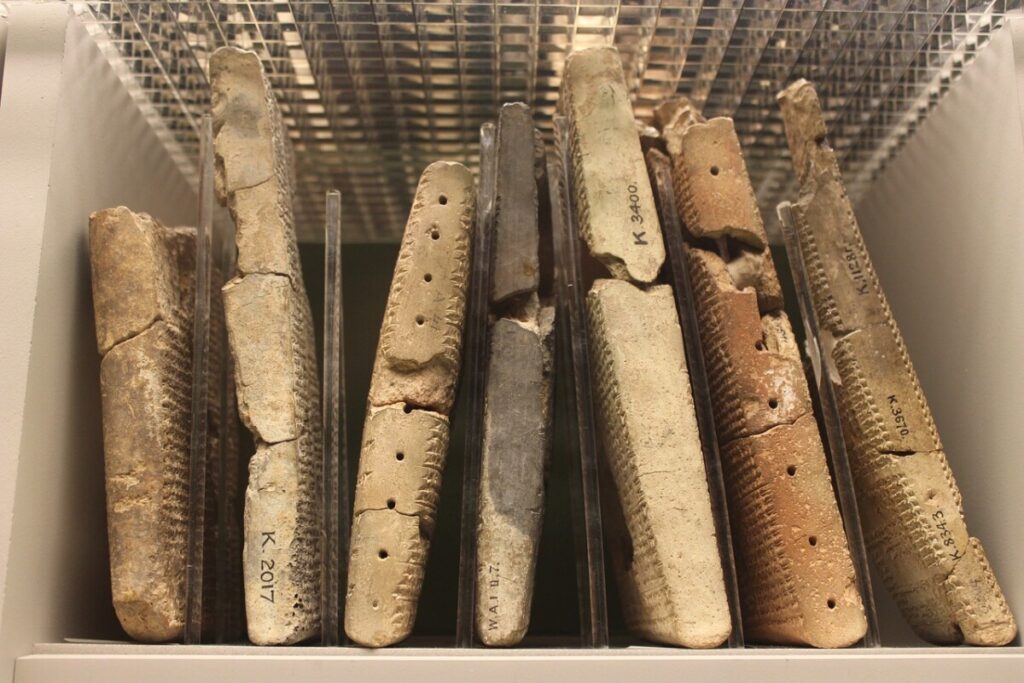
3400 BCE
3400 BCE to 100 CE (end of use for scholarly work)
Indus Valley Script: Northwest India
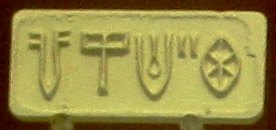
"<a href="https://commons.wikimedia.org/w/index.php?curid=5243844" target="_blank" rel="noopener noreferrer">File:Indus seal impression.jpg</a>" by <a href="https://commons.wikimedia.org/wiki/File:IndusValleySeals.JPG" target="_blank" rel="noopener noreferrer">PHGCOM IndusValleySeals.JPG</a> is licensed under <a href="http://creativecommons.org/licenses/by-sa/3.0/" target="_blank" rel="noopener noreferrer">CC BY-SA 3.0</a>
circa 2600 BCE
Oldest Known Library: Ebla
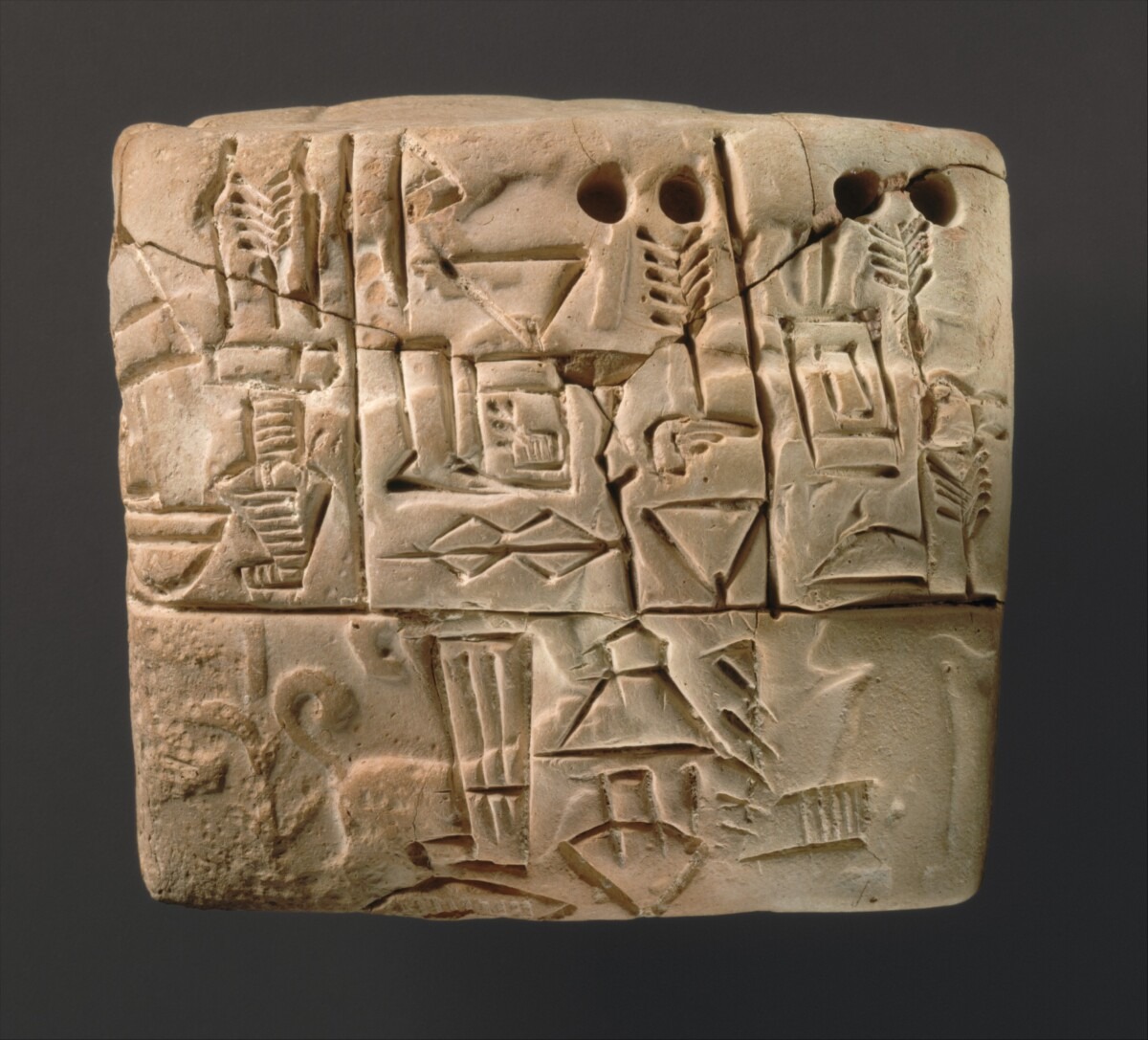
"<a href="https://commons.wikimedia.org/w/index.php?curid=57854047" target="_blank" rel="noopener noreferrer"><div class='fn'> Proto-Cuneiform tablet: administrative account of barley distribution with cylinder seal impression of a male figure, hunting dogs, and boars. Probably from the city of Uruk.</div></a>" by null is licensed under <a href="https://creativecommons.org/publicdomain/zero/1.0/deed.en/" target="_blank" rel="noopener noreferrer">CC CC0 1.0</a>
2350 BCE
2500 BCE to 2250 BCE
Cretan Hieroglyphic script: Greek Island
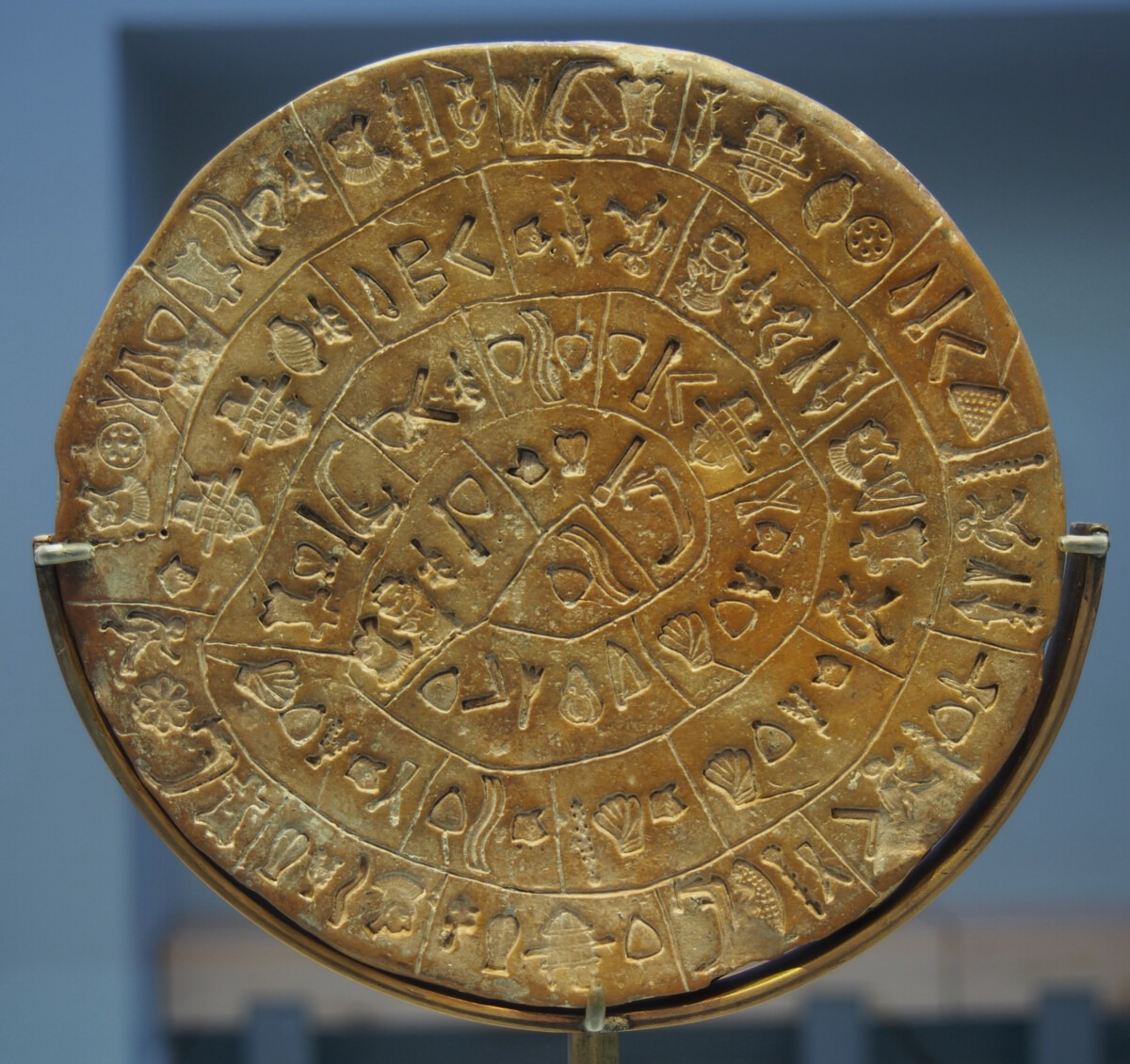
"<a href="https://commons.wikimedia.org/w/index.php?curid=141943738" target="_blank" rel="noopener noreferrer">Phaistos Disc - Side B - 6381 - crop1</a>" by <a href="https://commons.wikimedia.org/wiki/User:C_messier" target="_blank" rel="noopener noreferrer">C messier, edit by Bammesk</a> is licensed under <a href="https://creativecommons.org/licenses/by-sa/4.0/" target="_blank" rel="noopener noreferrer">CC BY-SA 4.0</a>
1900 BCE
from circa 1900 BCE to 1700 BCE
Proto-Sinaitic script
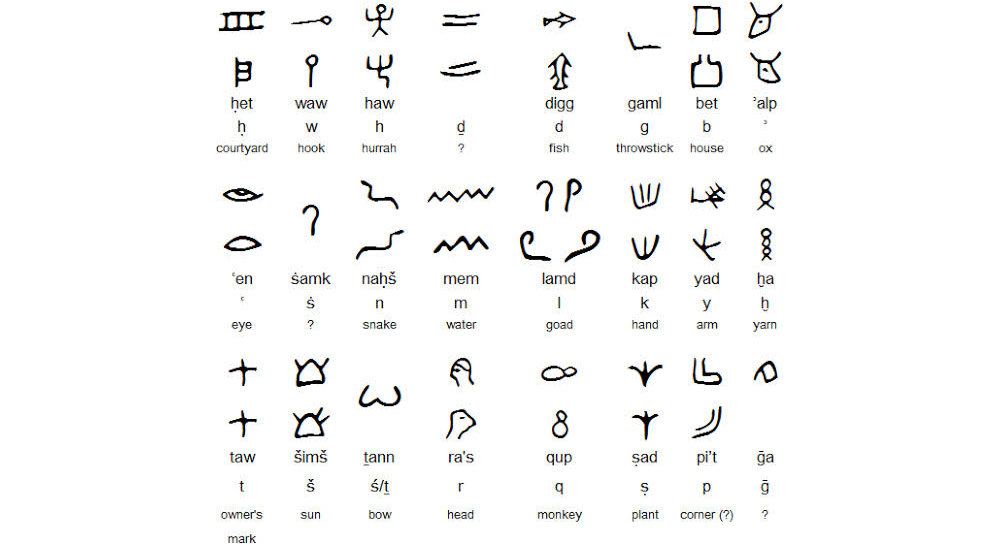
Used roughly between 1900 and 1500 BCE in the Sinai Peninsula by Canaanite-speaking peoples who adapted Egyptian hieroglyphs into the world’s first alphabetic script.
From about 1900 to 1500 BCE
155 Generations Ago
Phoenician Alphabet
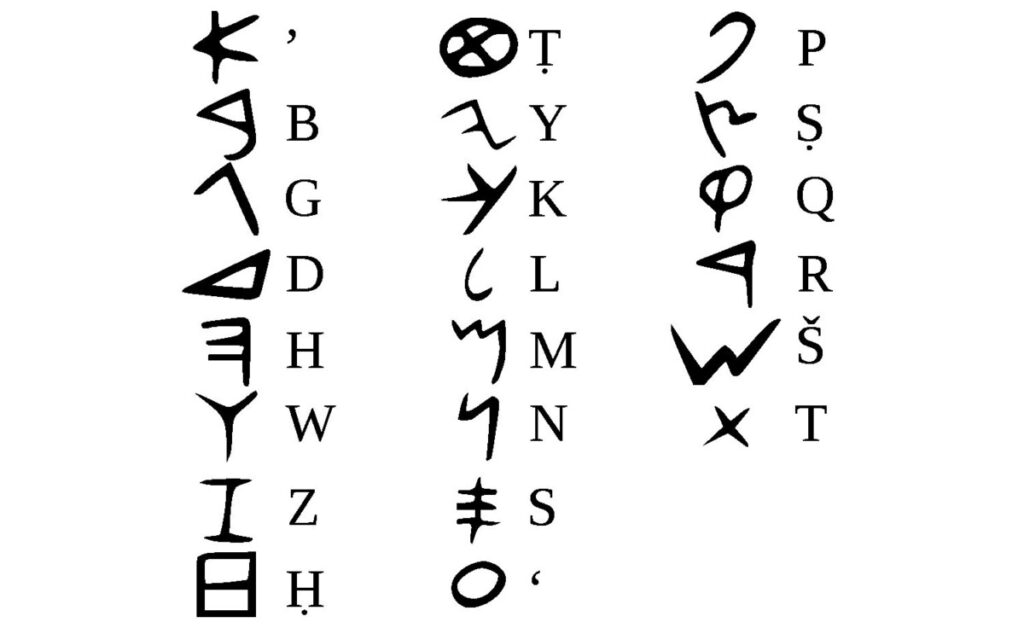
1300 BCE
1500-1100 BCE
Oracle Bone Script: China

1250 BCE
Olmec Hieroglyphs: Mexico

900 BCE
From before 900 BCE to 400 BCE.
Word-Spacing
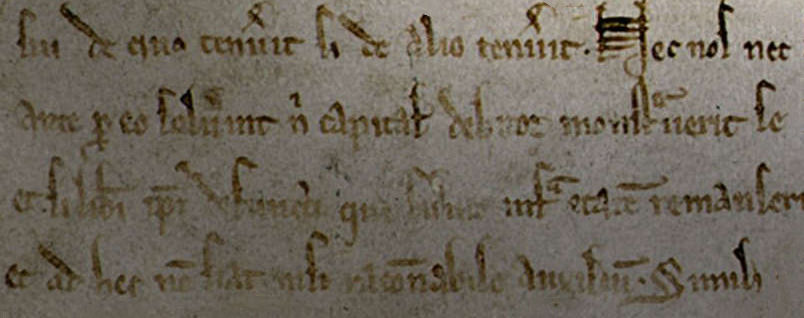
Use grammar to strengthen clarity, not to suffocate communication. Before about 1,000 CE, we didn't even have spaces!
1000 CE
Upper and Lowercase Starts

On the Revolutions of the Celestial Spheres by Nicolaus Copernicus, 1543. By this groundbreaking book, the widespread adoption of modern punctuation had evolved.
1300 CE
Printing Press Invented

The printing press gave journalism reach, making public scrutiny possible at a larger scale.
1440
Germany
Fourth Estate

The Fourth Estate emphasizes freedom of the press and has a role in challenging authority.
The force of public opinion.
The fourth emerged in the 18th & 19th centuries.
Journalism

Journalism tests public claims by gathering facts, checking sources, and bringing events into the open.
Storytelling for the people.
Modern journalism started in the early 1700s.
R. G. Collingwood
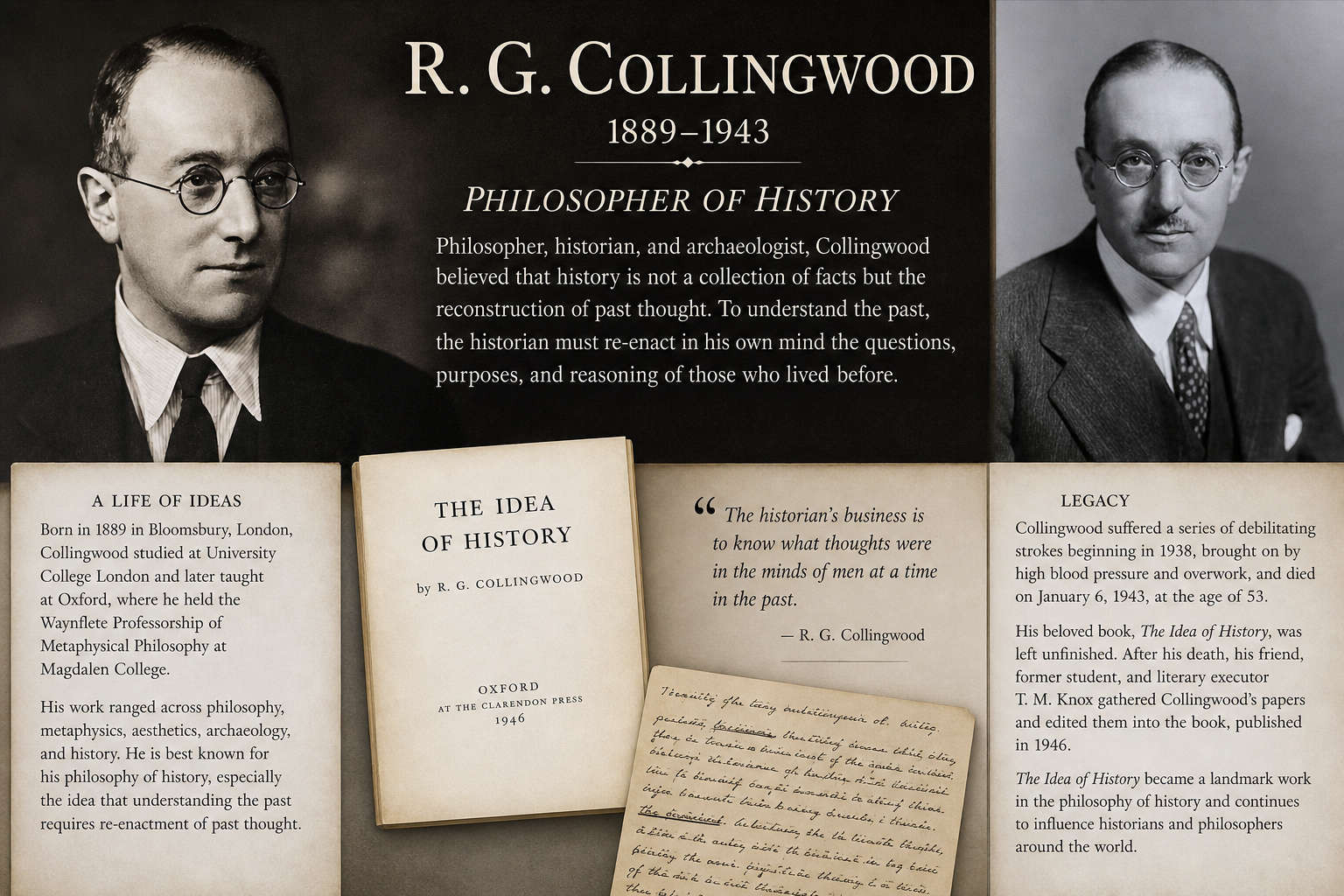
Collingwood married Ethel Winifred Graham in 1918, and they had a son and a daughter. Late in life, after years of declining health, he married Kathleen Frances Edwardes in 1942, with whom he had another daughter.
1889
Book: The Idea of History
Collingwood married Ethel Winifred Graham in 1918, and they had a son and a daughter. Late in life, after years of declining health, he married Kathleen Frances Edwardes in 1942, with whom he had another daughter.
1946
Published posthumously.