
Explore Science-first Philosophy

STORY

John Locke

By Michael Alan Prestwood

Wed 10 Apr 2024
Published 2 years ago.
Updated 2 months ago.
Natural Rights
Related Stories
Share :

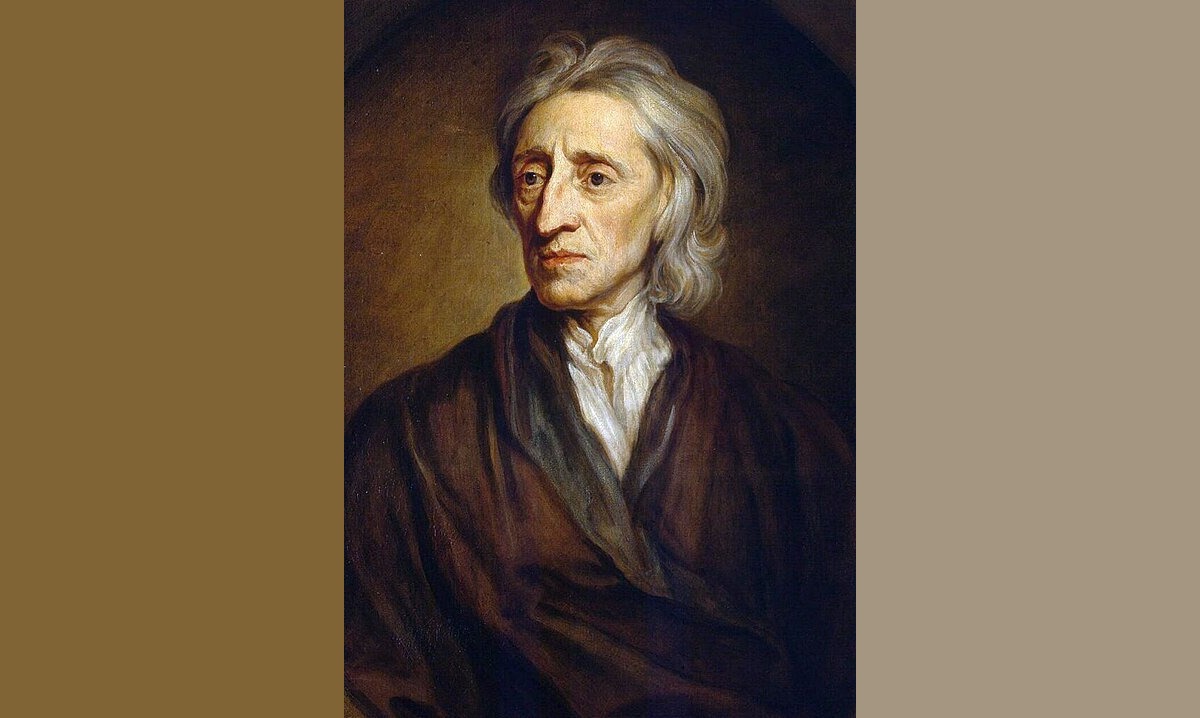
John Locke

born 1632
1632 to 1704
16 Generations Ago

30 Phil, Chapter 24: Locke and Natural Rights
John was born on August 29, 1632 into a Puritan family in England. During his life, John Locke was focused on empiricism. He goes on to become a key figure in the empiricist revolution, with a dedication to the doctrine that experience is how knowledge is acquired. One of his popular ideas he published under his name was “tabula rasa,” in his work “An Essay Concerning Human Understanding.” Locke’s “tabula rasa” translates to blank slate, and this idea is central to individual rights and freedoms. 

— map / TST —

Michael Alan Prestwood
Author & Natural Philosopher
Prestwood writes on science-first philosophy, with particular attention to the convergence of disciplines. Drawing on his TST Framework, his work emphasizes rational inquiry grounded in empirical observation while engaging questions at the edges of established knowledge. With TouchstoneTruth positioned as a living touchstone, this work aims to contribute reliable, evolving analysis in an emerging AI era where the credibility of information is increasingly contested.
Email
Print
This Week @ TST
April 1, 2026
»Column Archive
WWB Research….
1. Story of the Week
The Dawn of Empirical Spirituality
2. Quote of the Week
“It is wrong always, everywhere, and for anyone, to believe anything upon insufficient evidence.”
3. Science FAQ »
Is science tainted by bias?
4. Philosophy FAQ »
How do knowledge frameworks help transform information into wisdom?
5. Critical Thinking FAQ »
Are personal spiritual experiences believable?
6. History FAQ!
Did the Buddha believe in Mount Meru and the six realms of existence?
Bonus Deep-Dive Article
TST Theory of Justification: What to Believe
Scroll to Top