Explore Science-first Philosophy

FAQ

Is the idea of ownership a real thing?

Thu 7 May 2026
Published 14 hours ago.
Updated 1 week ago.
Related FAQs
Is Terrance Howard correct when he says 1×1=2?
What is Confucianism?
Can humans breathe the air of other planets?
Will AI change writing prose?
Why do people confuse rule-following with moral reasoning?
What is the preservation bias?
Share :
Email
Print

Is the idea of ownership a real thing?

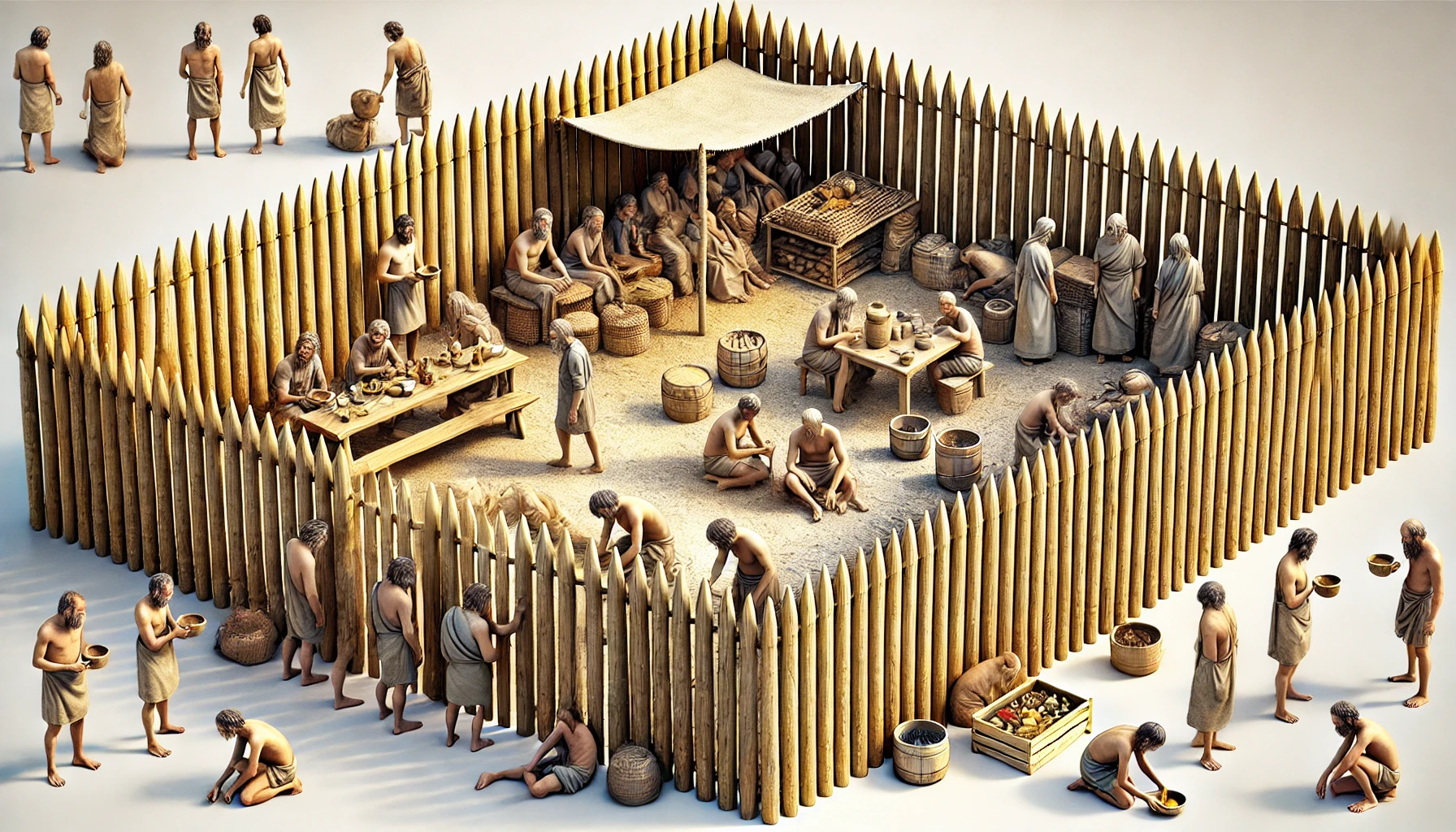
The idea of ownership is not a real thing, or at least not a real natural thing. It is a social construct, one of the illusions of life. The key insight with ownership is to understand they are agreements among people that do not naturally exist. Societies create rules and norms around ownership to manage resources and relationships. These concepts vary across cultures and change over time, highlighting their constructed nature rather than any inherent reality.

Philosophically, ownership delves into the nature of property, rights, and responsibilities. It invites us to ponder what it means to own something, the legitimacy of claims, and the moral implications. Concepts like “possession is nine-tenths of the law” highlight the practical aspects of ownership, where control often equates to entitlement. This exploration reveals how ownership shapes our identities and societal structures, emphasizing its profound influence on human behavior and thought. Understanding these ideas can help us navigate our interactions and relationships more thoughtfully.

The underlying wisdom here is to realize that ownership is not natural, but it does have roots in nature. The origins of ownership likely trace back to early human survival instincts. Just as a gazelle claims its life while evading predators, early humans asserted ownership over tools, food, and territory to survive. In the wild, a predator takes ownership of its meal by capturing prey, while scavengers like hyenas often challenge this claim. Similarly, early humans had to protect their resources from others, leading to conflict. This primal need for security and resource management evolved into complex societal rules and norms about ownership, reflecting our innate drive to protect what we deem essential.

— map / TST —

Michael Alan Prestwood
Author & Natural Philosopher
Prestwood writes on science-first philosophy, with particular attention to the convergence of disciplines. Drawing on his TST Framework, his work emphasizes rational inquiry grounded in empirical observation while engaging questions at the edges of established knowledge. With TouchstoneTruth positioned as a living touchstone, this work aims to contribute reliable, evolving analysis in an emerging AI era where the credibility of information is increasingly contested.
This month @ TST
Column Menu
May 2026
»COLUMN ARCHIVE
--COLUMN--
Column Research….
1. Timeline Story
Book: The Idea of History
2. Linked Quote
“The historian without his facts is rootless…the facts without their historian are…meaningless.”
3. Science FAQ »
Is science tainted by bias?
4. Philosophy FAQ »
Debating History: Should We Say “Dark Ages” or “Middle Ages?”
5. Critical Thinking FAQ »
What is the preservation bias?
6. History FAQ!
Did Einstein’s driver really give one of his early talks?
Bonus Deep-Dive Article
TST Philosophy of History: Empirical Narrative Realism

Comments

Join the Conversation! Currently logged out.
NEW BOOK! NOW AVAILABLE!!

30 Philosophers: A New Look at Timeless Ideas

by Michael Alan Prestwood
The story of the history of our best ideas!
Scroll to Top