Weekly Insights for Thinkers

All

Master Timeline

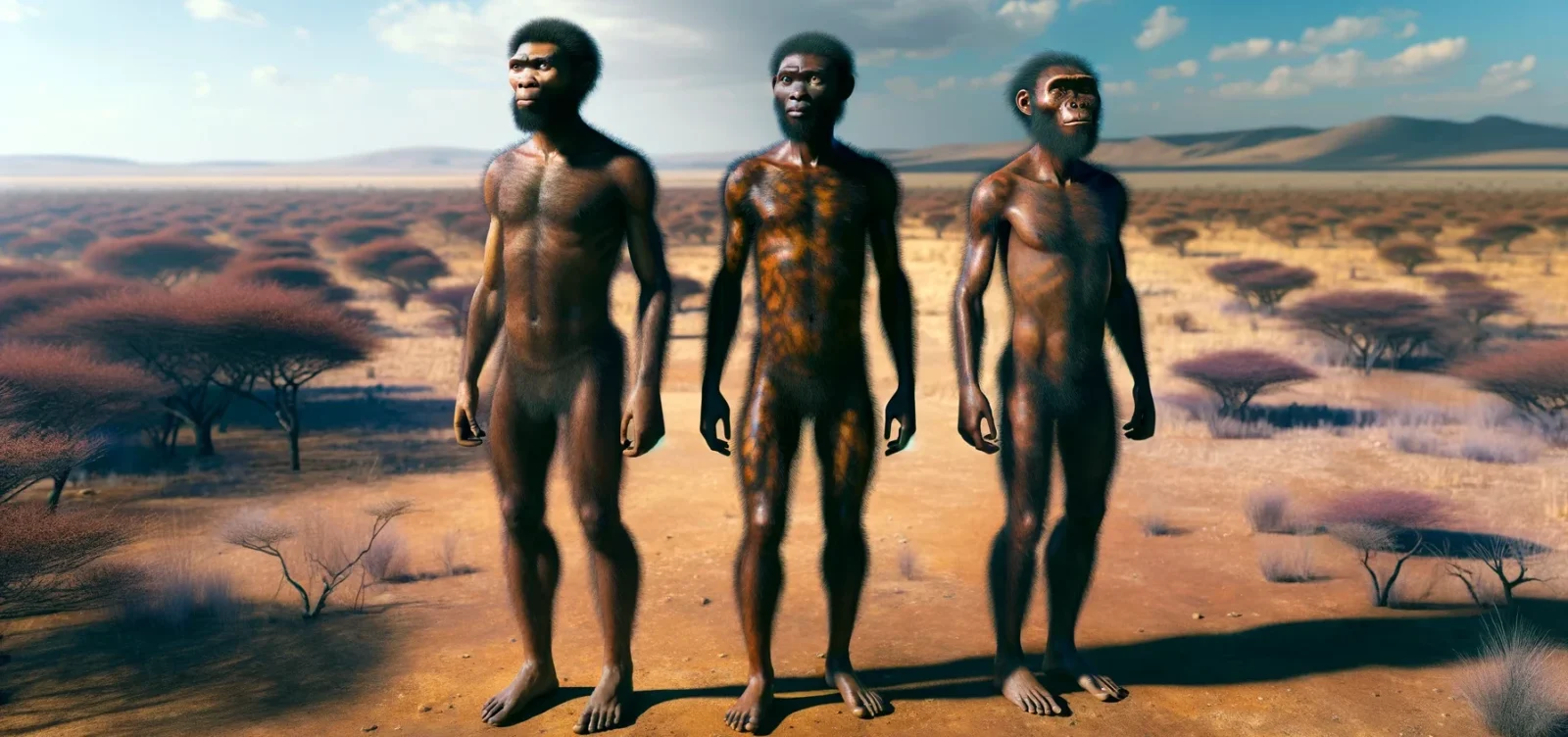
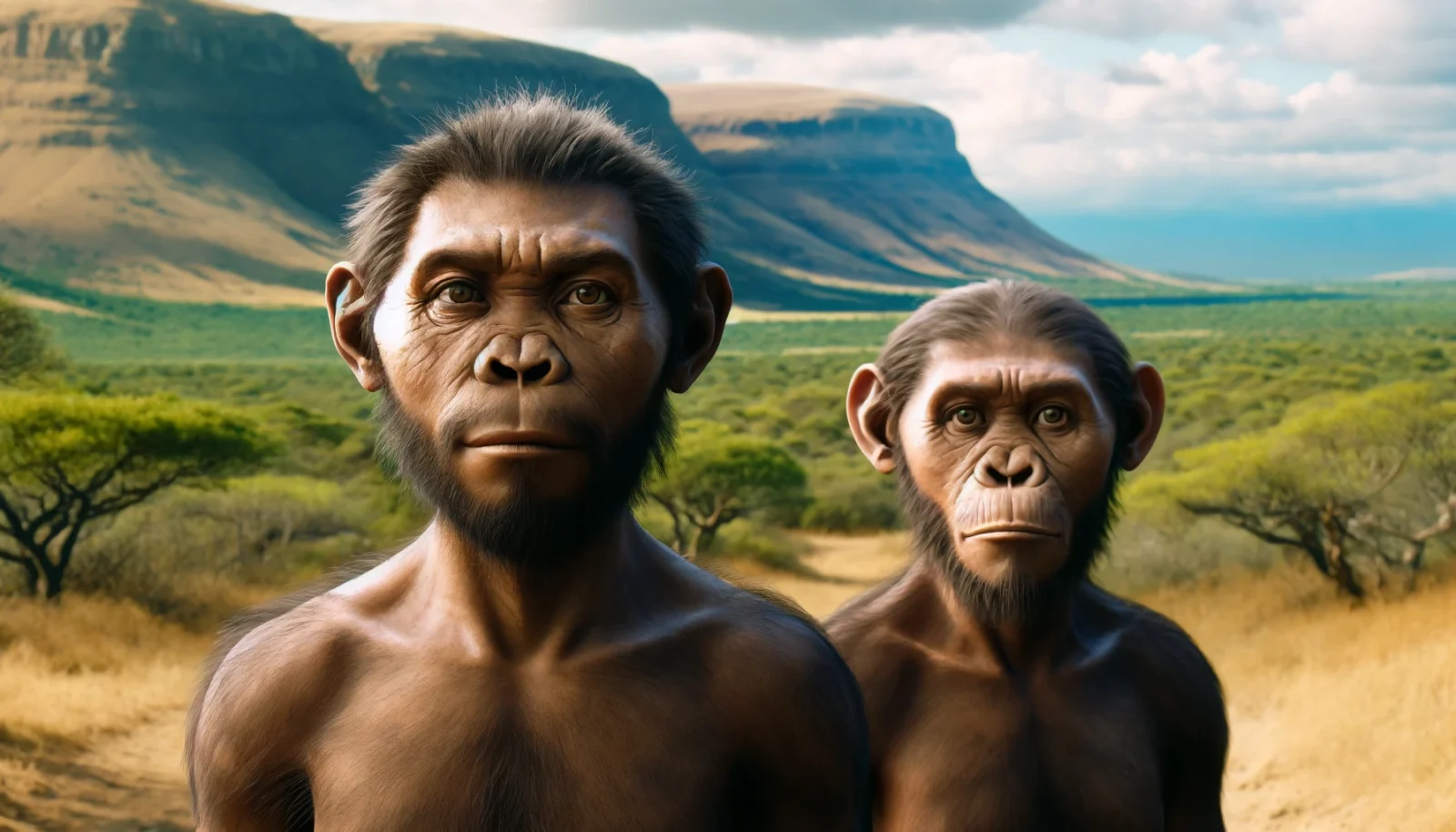
Homo naledi: A Likely Hybrid

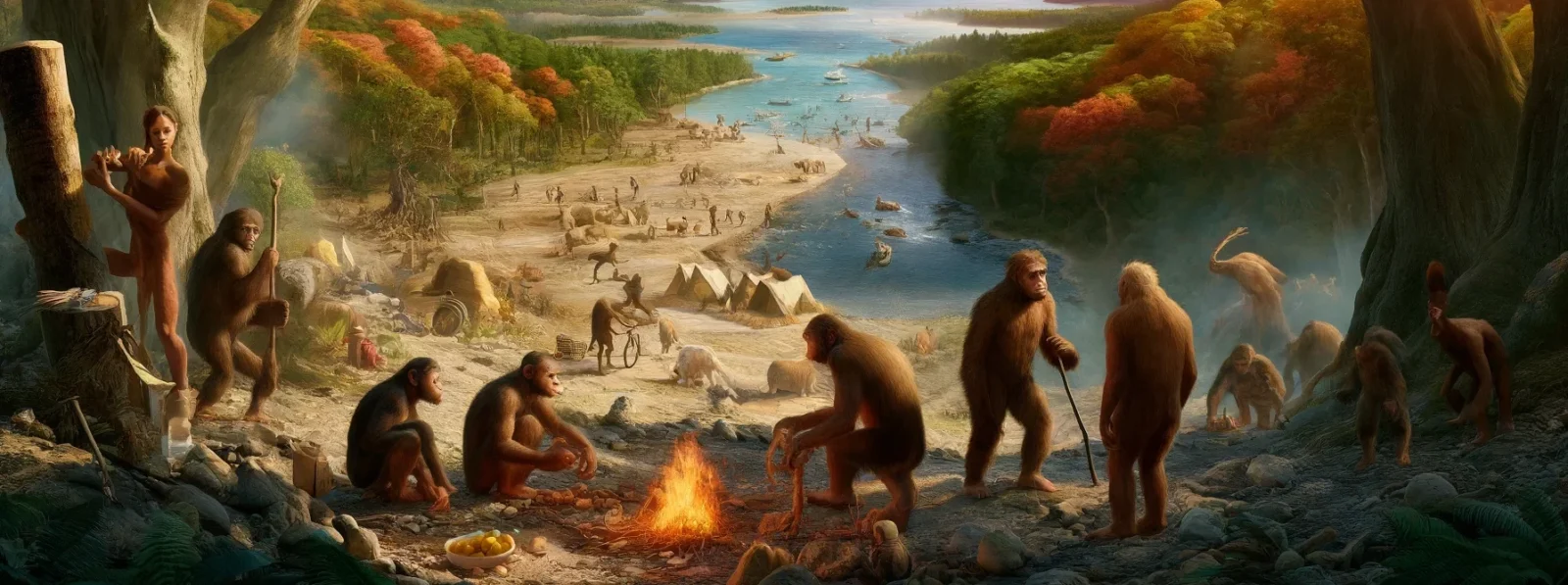
Speculative branch of humans. Maybe a long lost hybrid: In the evolving tapestry of human history, the emergence of Homo naledi represents a captivating mystery that challenges traditional narratives of linear progression. Positioned within the intricate web of human evolution, Homo naledi could exemplify a complex branch woven from ancient threads. Imagine a scenario where […]

Homo naledi: A Likely Hybrid Read More »

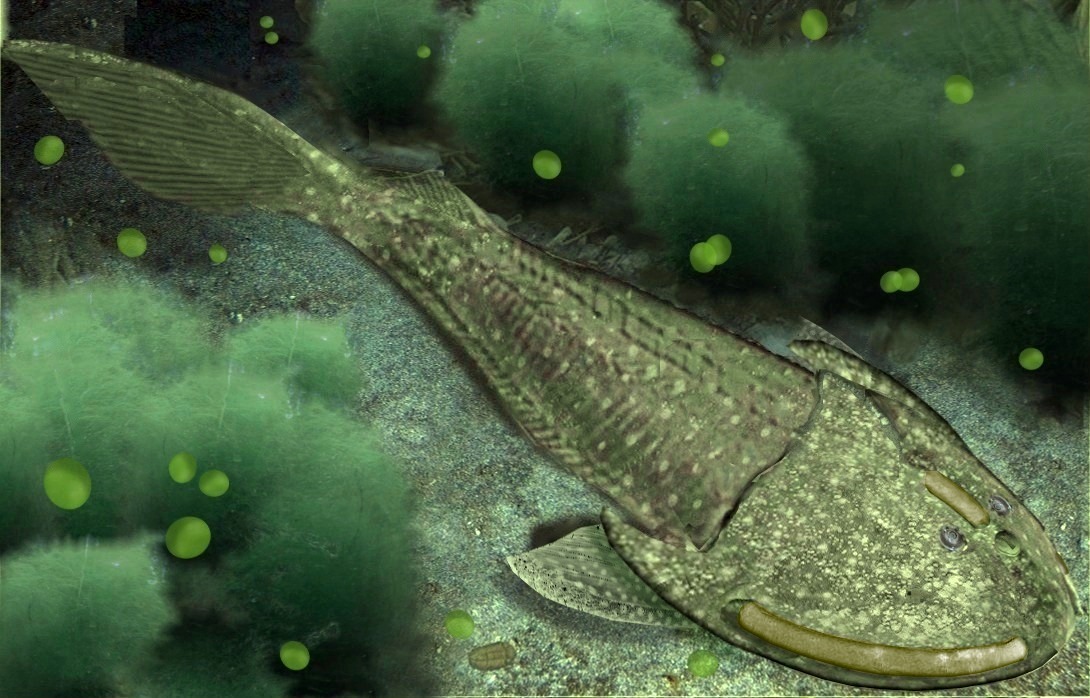
Keratin Genes & the Rise of Scales in Fish

These early scales provided a vital protective layer, acting like underwater armor against predators, abrasions, and environmental threats. The keratin genes that led to scales are an interesting part of our story. When amphibians evolved onto land, scales near the tips of their evolving toes transformed into thicker protection and traction, eventually giving rise to

Keratin Genes & the Rise of Scales in Fish Read More »

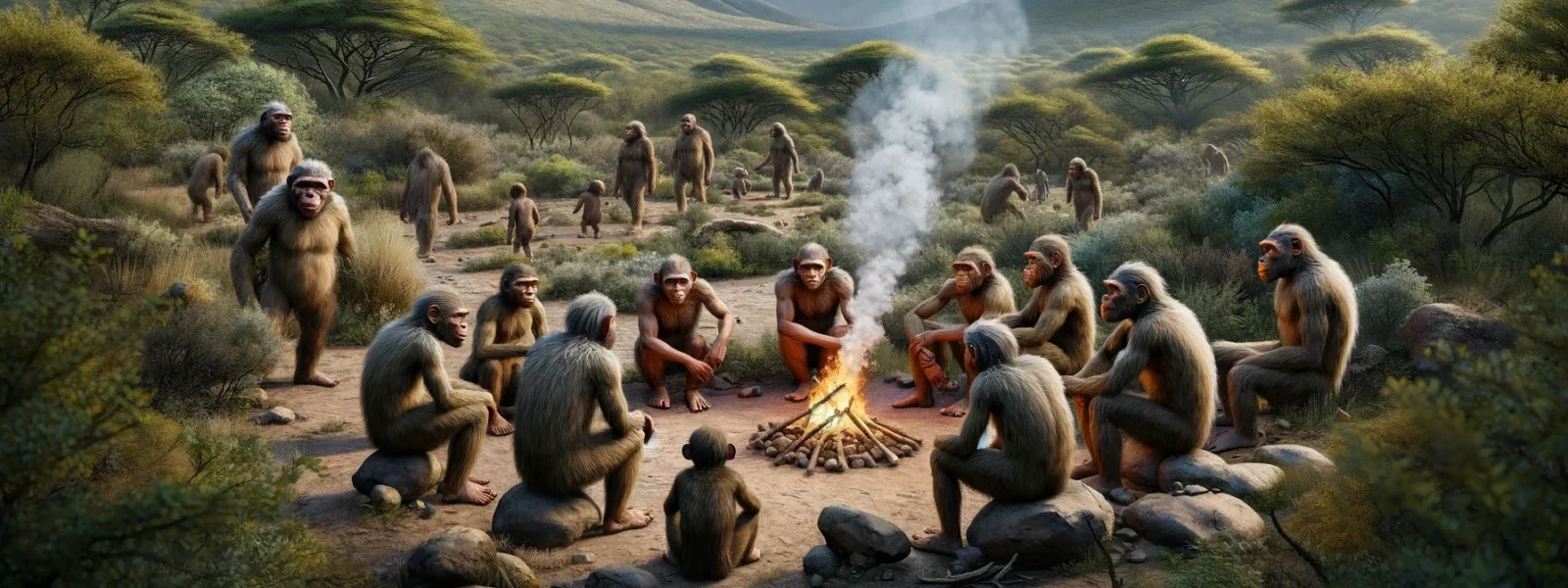
Extinction: Homo naledi

Discovered in 2013 and first dated in 2017, Homo naledi and humans coexisted in South and East Africa from our emergence around 315,000 years ago until their extinction about 236,000 years ago. It is possible that we share a common ancestor with them, but research is pending. Homo naledi lived in South Africa from 335,000 to

Extinction: Homo naledi Read More »

Extinction: Homo Erectus

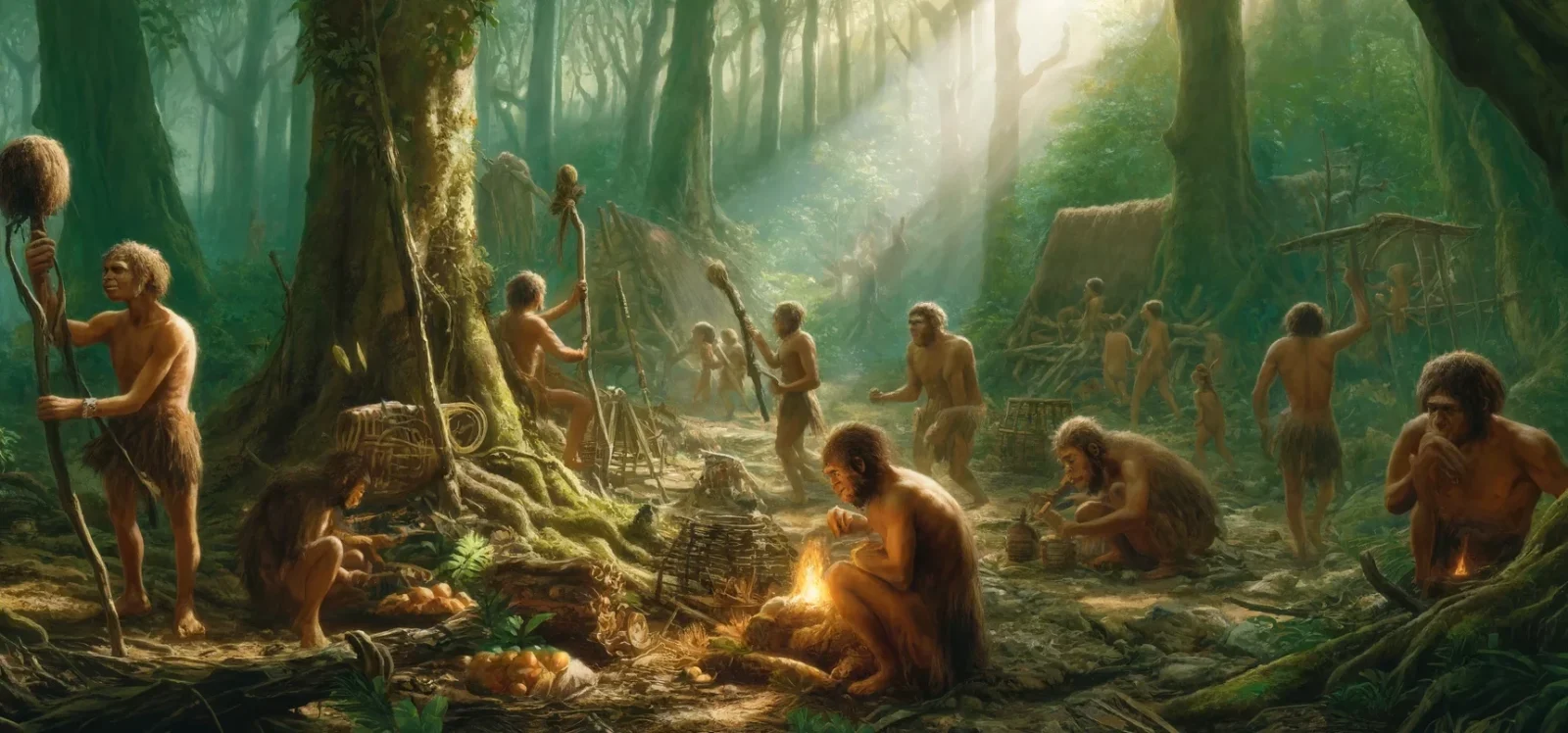
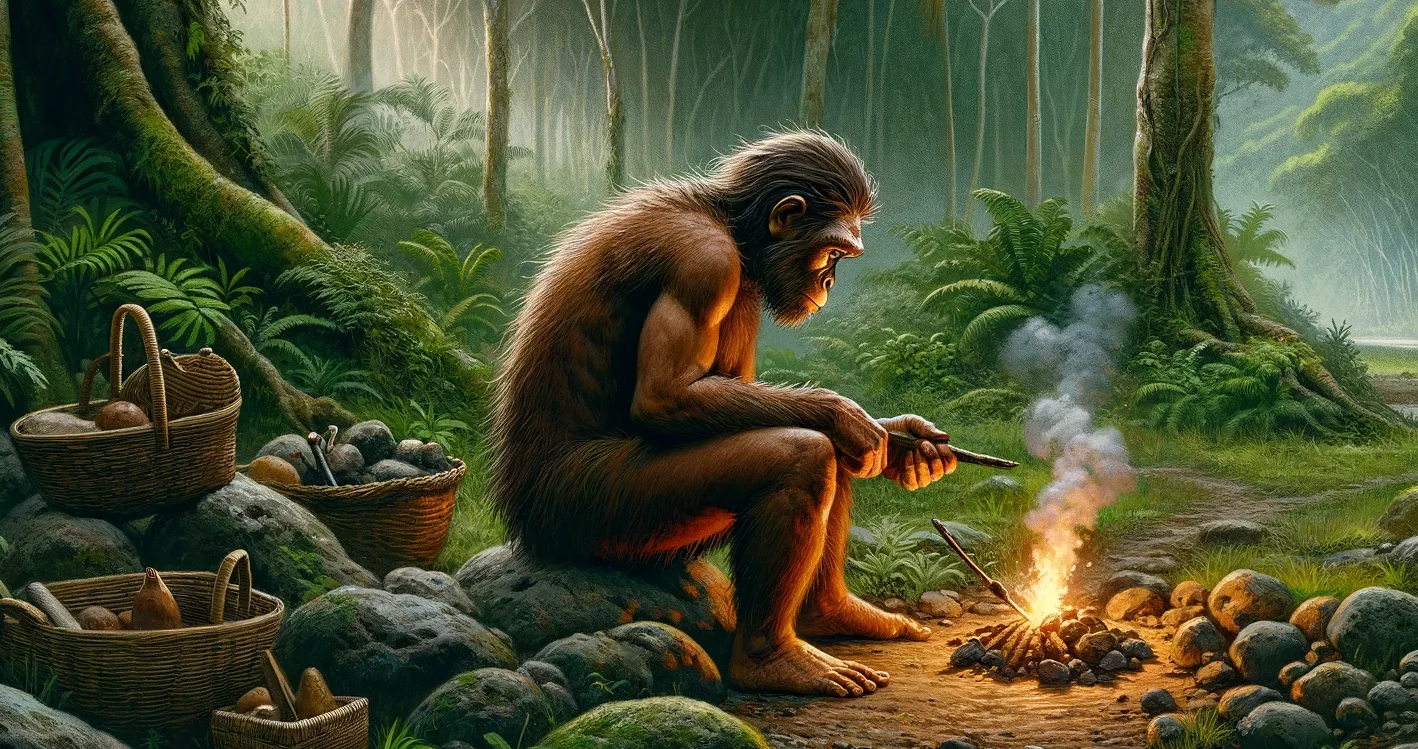
Homo erectus and humans last coexisted in Javanese in Asia around 50,000 years ago. Imagined image above: A late-stage Homo erectus individual in Java, Indonesia, focused on crafting a tool from volcanic rock near a simple fire, set within the lush tropical rainforest. This visualization aims to capture the essence and appearance of Homo erectus

Extinction: Homo Erectus Read More »

Extinction: Denisovans

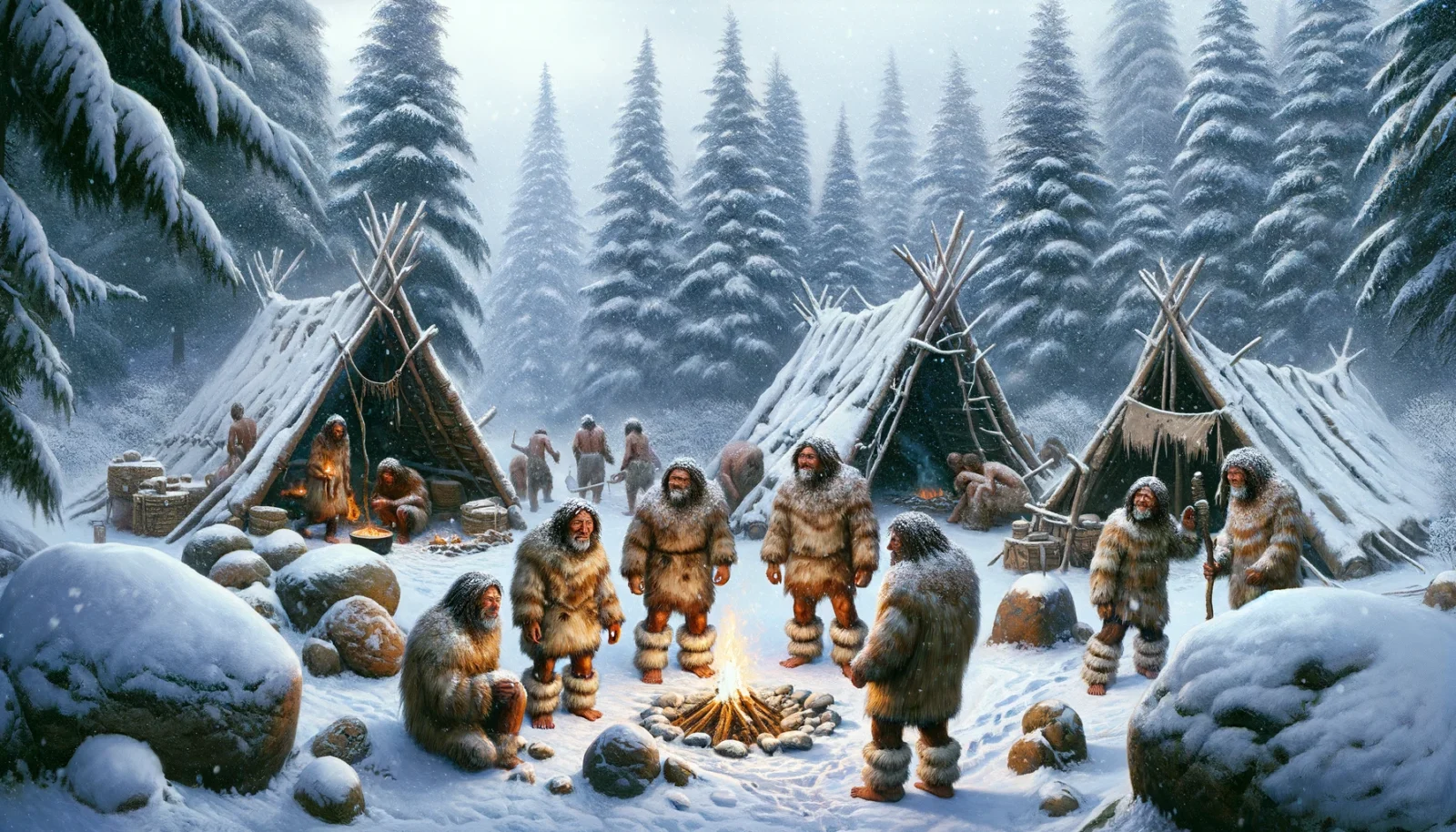
Denisovans and humans coexisted in Siberia from about 194,000 to around 40,000 years ago. While their exact cause of extinction remains debated, competition with modern humans and climate change are thought to be contributing factors. Imagined image: Set in Siberia around 45,000 years ago, a group of Denisovans is depicted in their winter camp, surrounded

Extinction: Denisovans Read More »

Extinction: Neanderthals

Homo neanderthalensis: Neanderthals and humans coexisted in Europe and Asia until around 40,000 years ago. While their exact cause of extinction remains debated, competition with modern humans and climate change are thought to be contributing factors. Imagined image: Left is a neanderthal, right a human. Just as human looks vary widely, Neanderthals did too. This

Extinction: Neanderthals Read More »

Upper Paleolithic Cave Art with Symbols

Earliest known symbol use in the Europe/Mediterranean zone.  Dating back to around 40,000 BCE, the Upper Paleolithic cave art found across Europe presents a compelling narrative of early human communication and symbolic expression. Sites like Lascaux in France and Altamira in Spain feature elaborate depictions of animals, human figures, and abstract symbols that recur with

Upper Paleolithic Cave Art with Symbols Read More »

Olmec Hieroglyphs: Mexico

Earliest known writing in the Americas zone.  The Olmec civilization flourished in what is now the southeastern part of Mexico from around 1500 BC to about 400 BC. The Olmecs are often referred to as the “Mother Culture” of Mesoamerica, influencing later civilizations like the Maya and the Aztecs. The Cascajal Block artifact, dated to

Olmec Hieroglyphs: Mexico Read More »

Indus Valley Script: Northwest India

Earliest undeciphered writing in the Asian zone.  The Indus Valley script, emerging around 2600 BCE in one of the world’s earliest urban civilizations, remains one of archaeology’s greatest puzzles. Found across a vast expanse from today’s northeast Afghanistan to Pakistan and northwest India, this script comprises over 400 unique symbols, ranging from geometric shapes to

Indus Valley Script: Northwest India Read More »

Oracle Bone Script: China

Earliest deciphered writing in Asian zone: Indus Valley writing, undeciphered, predates this to circa 2600 BCE. The earliest known writing system in Asia is typically considered to be the Oracle Bone Script from ancient China. This script was used during the Shang Dynasty around 1200 BCE, but evidence suggests it may have developed as early

Oracle Bone Script: China Read More »

Hominin World Population: 2 Million (speculative)

Other than humans, today’s smartest primates—chimpanzees, bonobos, gorillas, and orangutans—have a combined wild population of approximately 400,000 to 700,000. This number persists despite their near-complete inability to expand beyond their current ideal environments, a restriction not faced by any human species since before Homo habilis. Moreover, this is in spite of the extreme pressures exerted

Hominin World Population: 2 Million (speculative) Read More »

Scroll to Top