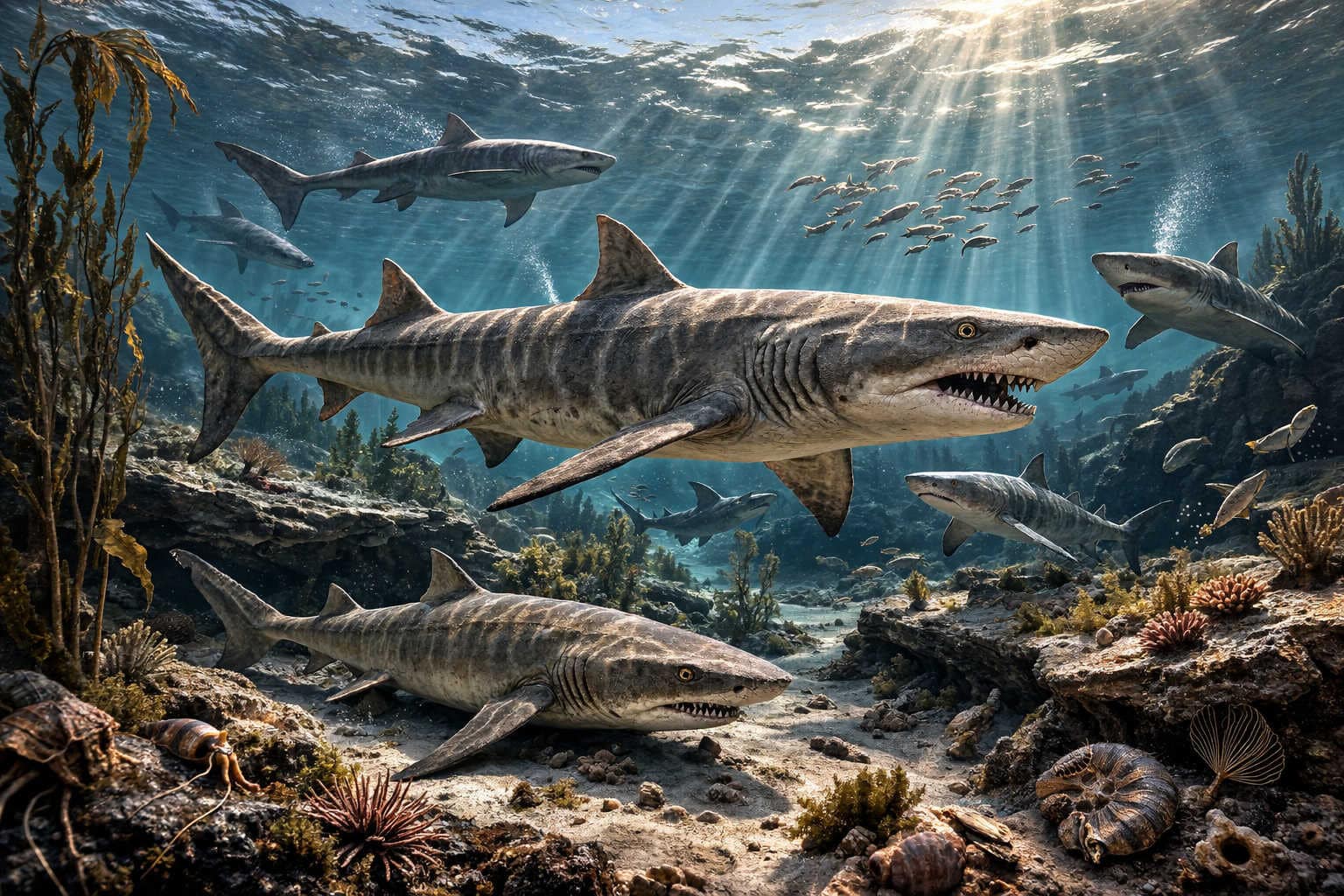
Stem Selachians: Modern Sharks LCA
The shark body plan stabilized early. By 300 million years ago, the streamlined, hydrodynamic silhouette that defines sharks today was already established.
Stem Selachians: Modern Sharks LCA Read More »


Master Timeline
The shark body plan stabilized early. By 300 million years ago, the streamlined, hydrodynamic silhouette that defines sharks today was already established.
Stem Selachians: Modern Sharks LCA Read More »

To live better, remember that your beliefs are maps, not reality itself. Hold them with humility, and you leave room to grow, listen, and change.
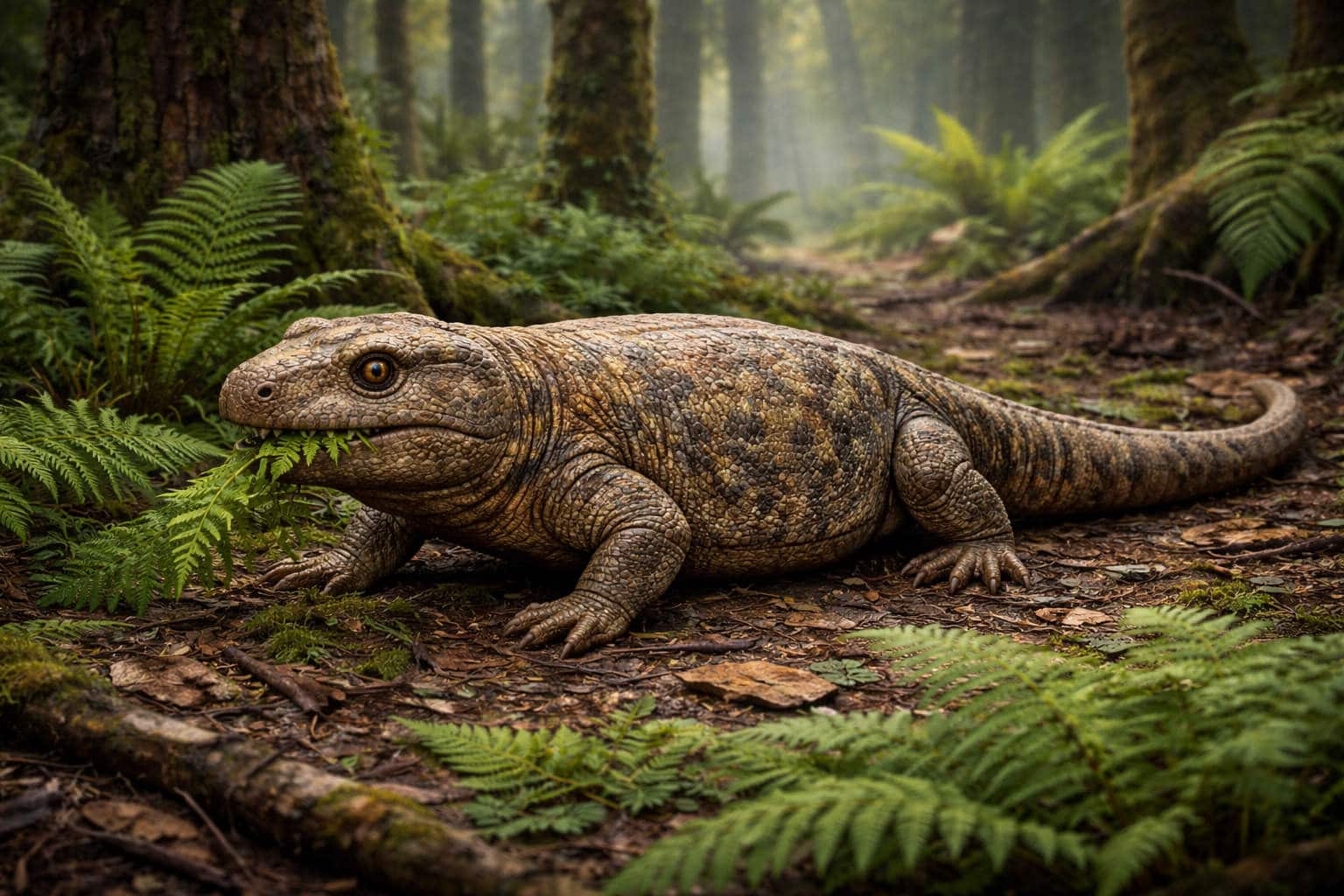
By 307 million years ago, land herbivory had already begun in early reptiles known as microsaurs.
First Land Herbivore: Tyrannoroter heberti Read More »

His core idea is that authority depends on perceived legitimacy, not moral agreement.
Max Weber (1864–1920) Read More »
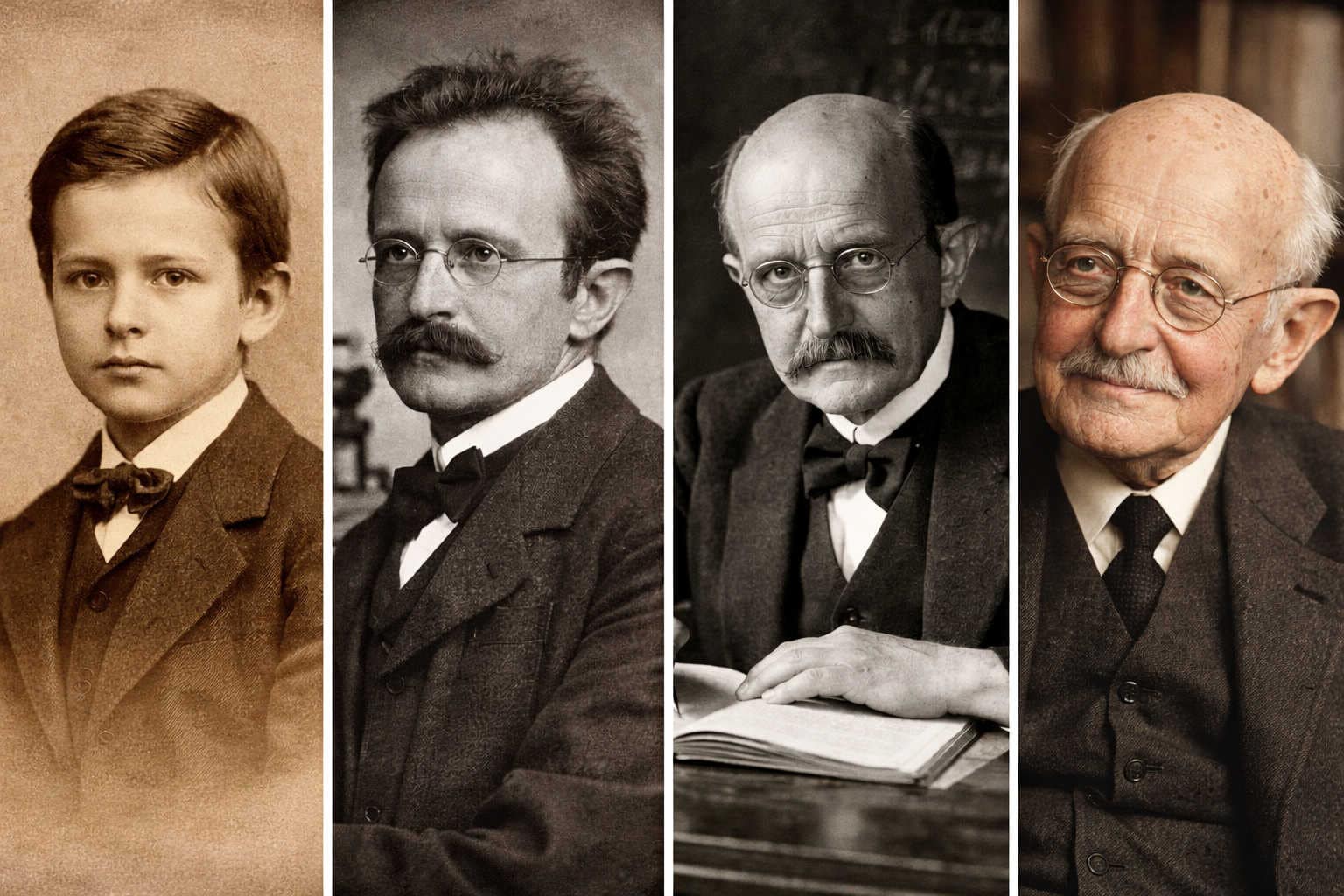
Planck discovered limits by following the math honestly—even when it contradicted intuition.
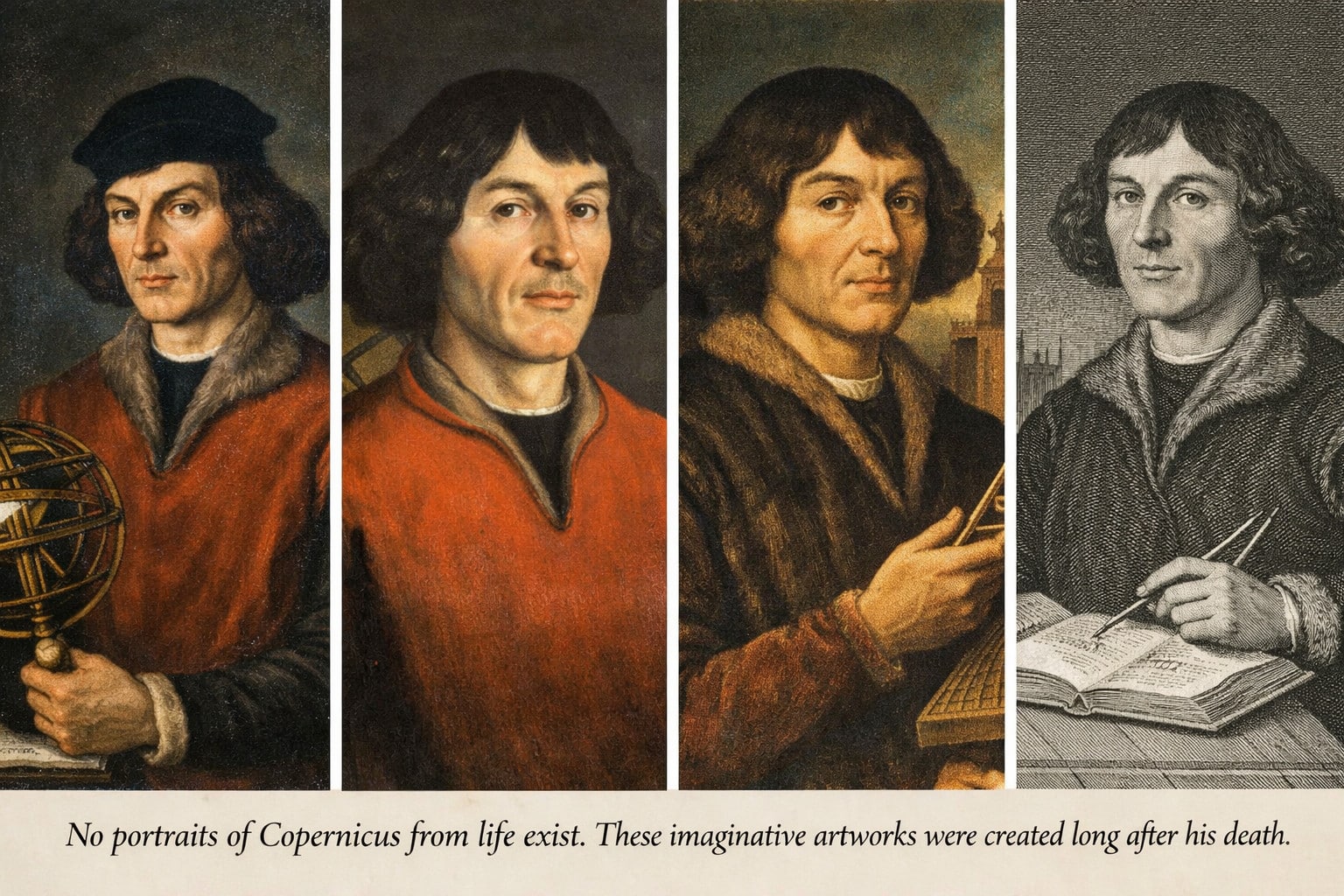
Nicolaus Copernicus lived quietly, worked carefully, and changed the universe without ever seeing the revolution he began.
Nicolas Copernicus Read More »
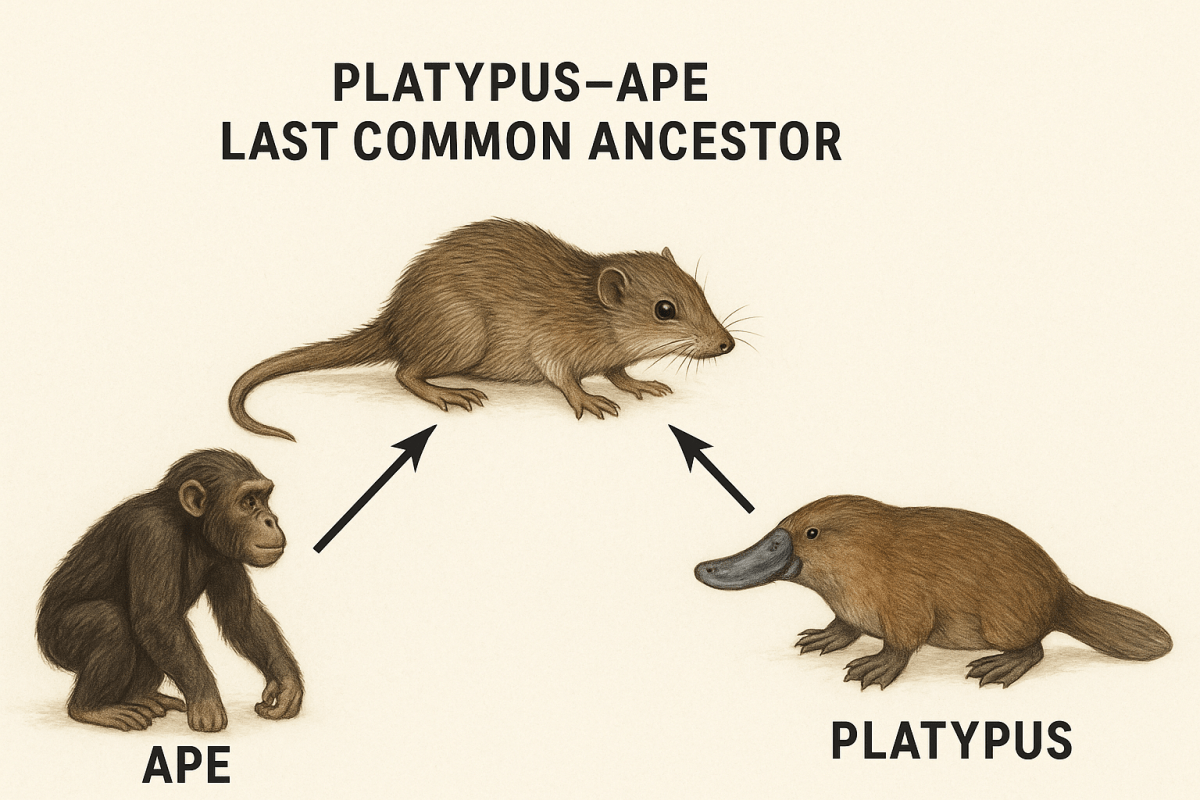
Not yet a “full” mammal, the last common ancestor between us and the platypus lived around 225 million years ago.
Platypus–Ape Common Ancestor Read More »

Proto-play emerged in animals as brains got more complex about 300 million years ago. Something like enjoyment or satisfaction evolved as animals mimicked survival-like skills.

Eoraptor reminds us that classification is not always neat at the beginning of a lineage. Early dinosaurs can be hard to classify because of a mix of traits.
Eoraptor lunensis. Read More »

In more advanced forms, play becomes a complex tool for social bonding, emotional learning, and cognitive development. Carnivores like wolves and cats engage in cooperative games that refine group hunting skills, while elephants are known for their intricate, playful interactions that build emotional connections. Among primates, play takes on its most elaborate forms, fostering problem-solving,
Higher Play Evolves in Social Mammals Read More »

Play in its most basic form likely began as simple, physical interactions aimed at honing survival skills. Modern animals like squirrels, kangaroos, and hedgehogs still exhibit these foundational behaviors, engaging in chasing, pouncing, and wrestling. These actions help young animals develop coordination and reflexes while providing a safe way to practice life-essential tasks. Surprisingly, even
Early Play Evolves in Mammals Read More »

Around 1.5 billion years ago, red and green algae diverged, establishing two major photosynthetic lineages from which all modern plants ultimately descend.
Red-Green Algae Ancestors Split Read More »

A river can redirect evolution. When the Congo River separated ancestral Pan populations, isolation turned one family line into two closely related but distinct ape species.
Chimpanzee-Bonobo Split Read More »

Location: Divje Babe Cave, Slovenia Attribution: Possibly Neanderthal Material: Bear femur Discovered in the 1990s, this flute-like artifact features holes resembling those used for producing music. If confirmed as a flute, it would suggest that Neanderthals possessed musical traditions. However, some scholars argue these holes might be from animal activity. The Divje Babe flute continues

A French philosopher and novelist, Camus wrestled with the absurdity of existence, the tension between humanity’s search for meaning and the indifferent, silent universe. In my writing, Camus aligns closely with the idea of embracing the wild horse—acknowledging life’s meaninglessness yet choosing to live fully and authentically in spite of it. His notion of rebellion

Norwegian philosopher, Zapffe is known for extending Schopenhauer’s dark existentialism and framing human consciousness as an evolutionary misstep. He believed that human self-awareness leads to suffering because it far exceeds what is necessary for survival. In my writing, I caution against limiting ourselves to Zapffe’s fatalistic views. His four strategies for coping with this burden—isolation,

Schopenhauer: Blind Will and Human Suffering shows how one philosopher took Kant’s boundary between appearance and reality and filled it with a darker force — a restless Will beneath life itself, one that helps explain why human self-awareness so often deepens suffering instead of easing it.
Arthur Schopenhauer Read More »

Kierkegaard explored themes of anxiety, freedom, and the burden of choice. Living before psychology was a formal discipline, he wrote about angst, an existential anxiety arising from human freedom. His concept of the leap of faith emphasized making decisions authentically, even when faced with uncertainty. For Kierkegaard, anxiety wasn’t to be feared but embraced, as
Søren Aabye Kierkegaard Read More »

Neanderthals made rope by 48,000 BCE indicating the raw cognitive abilities likely evolved on our common ancestor 440,000 years ago.

Homo habilis, one of the earliest known human ancestors, emerged around 2.3 million years ago with a brain size significantly larger than modern chimpanzees. By around 1.8 million years ago, they became the first species known to use toothpicks for dental hygiene, alongside their advanced tool use for specific tasks like skinning animals and cutting
Earliest Known Toothpicks Read More »