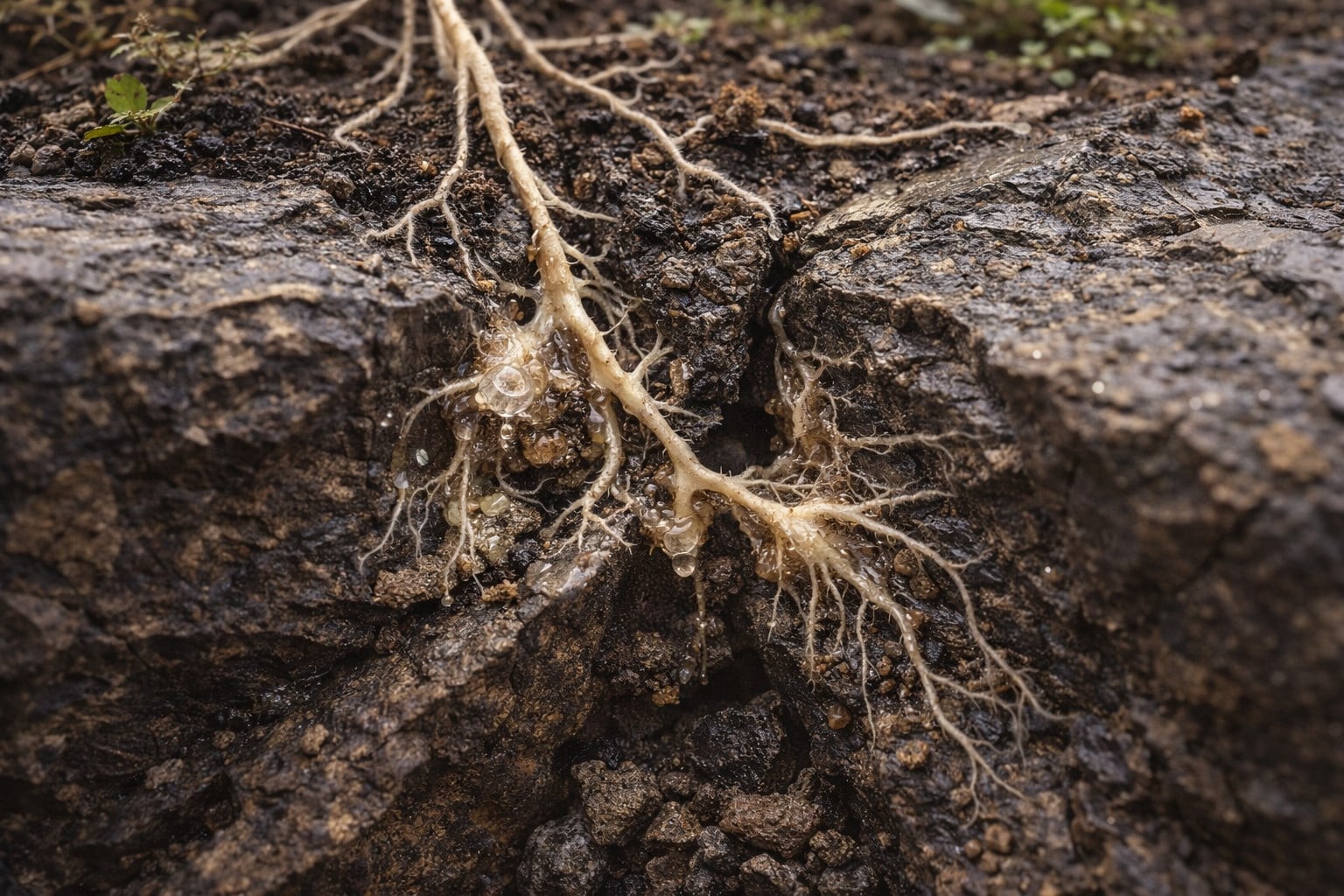
Hyphae break rock
About 480 million years ago, hyphae began to make land habitable.


Master Timeline
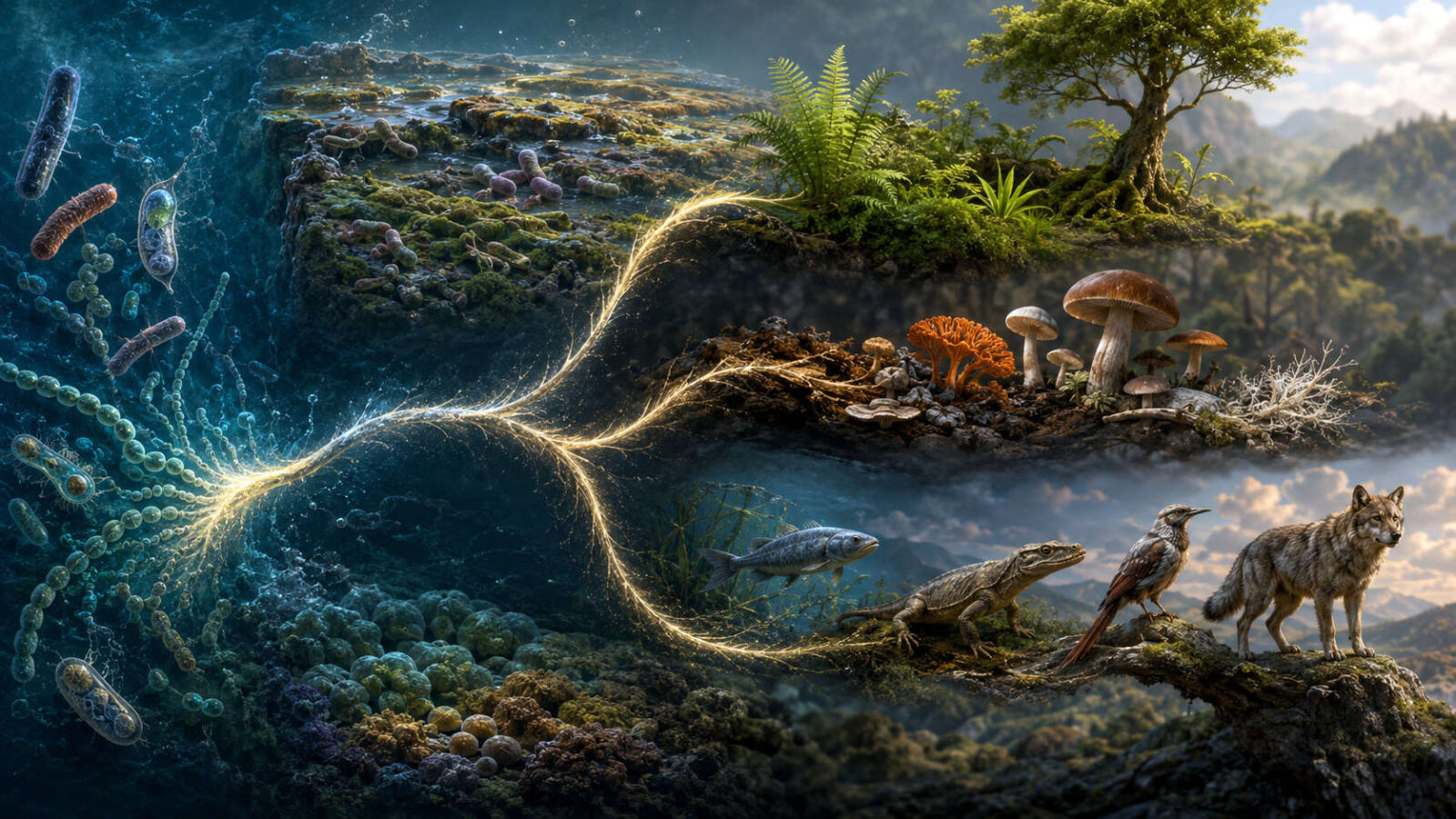
After the “Great Oxidation Event,” all life, including the bacterial world settled into modern lineages, the foundational “Ecological Cast” of all major life today.
Bacteria Diversify: Major modern phyla Read More »
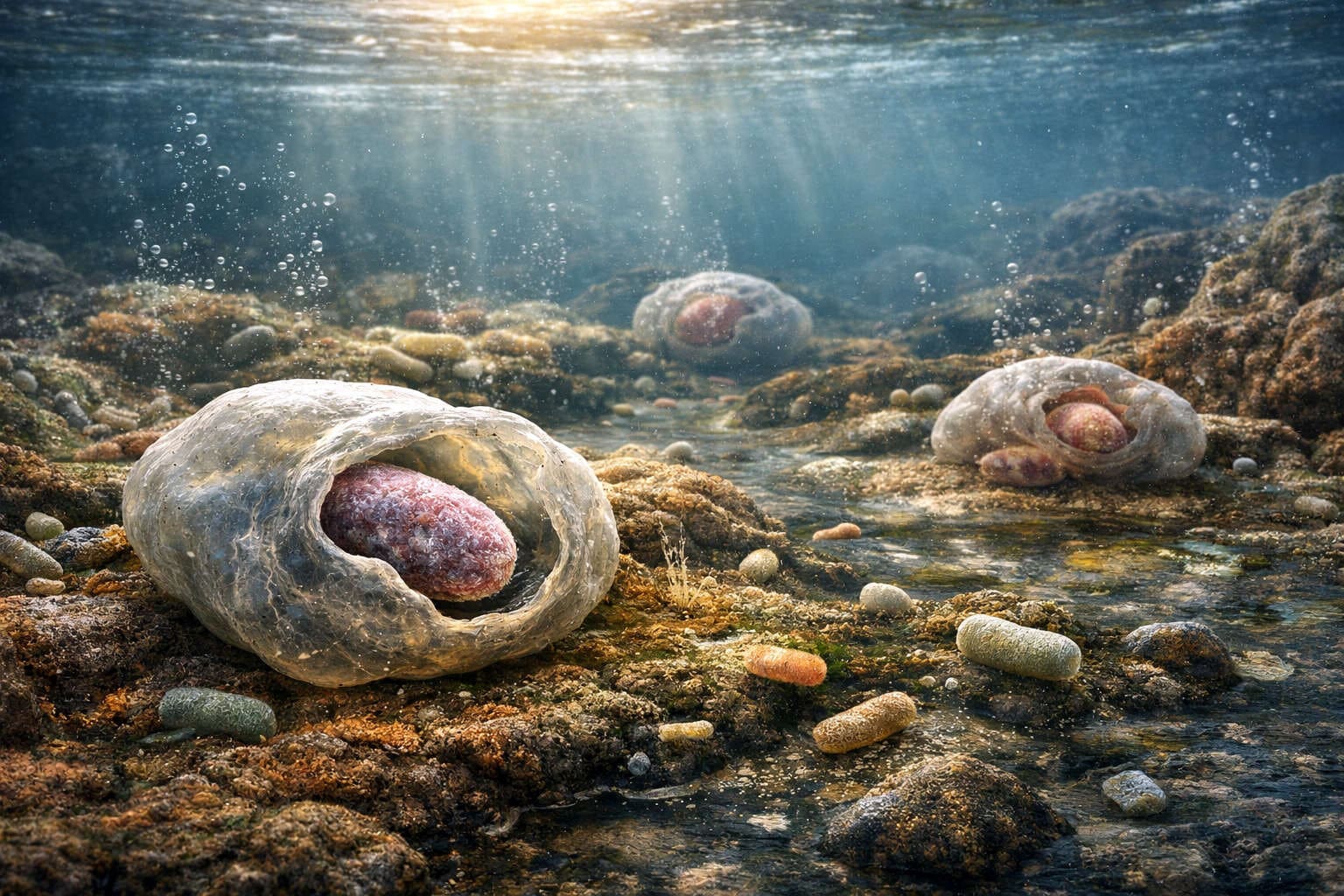
About 2 billion years ago, bacteria are added to cells and that group leads to eukaryotes. You are a walking chimera ecosystem made of an Archaea host and trillions of Bacterial power-plants.
Bacterial Endosymbiosis: Origin of Eukaryotes Read More »
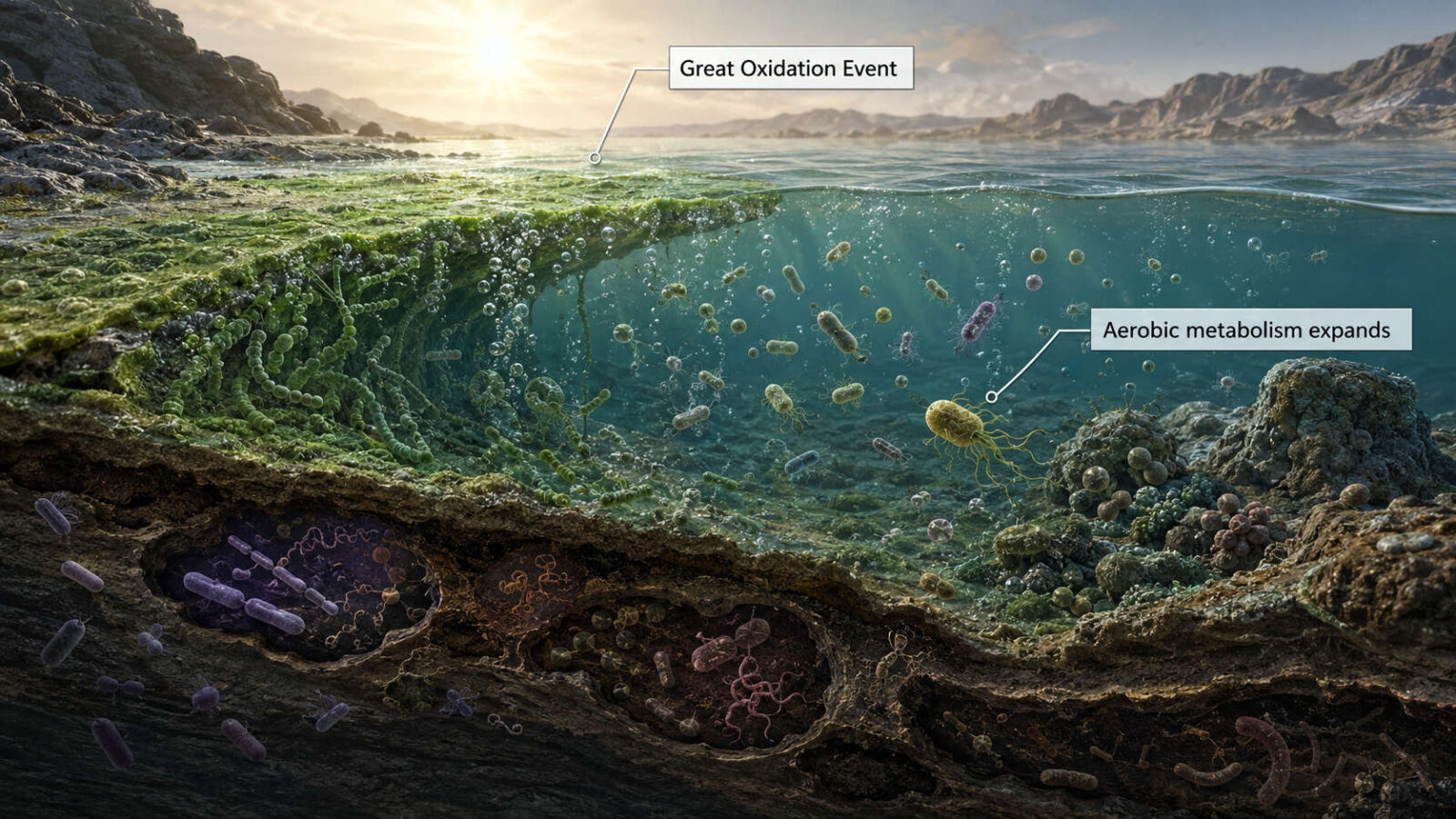
Cyanobacteria caused the oxygen crisis. Aerobic bacteria were among the survivors that learned how to use the poison.
Bacteria Aerobic metabolism expands Read More »
About 3 billion years ago, bacteria started experimenting with photosynthesis.
Bacteria Photosynthesis begins Read More »
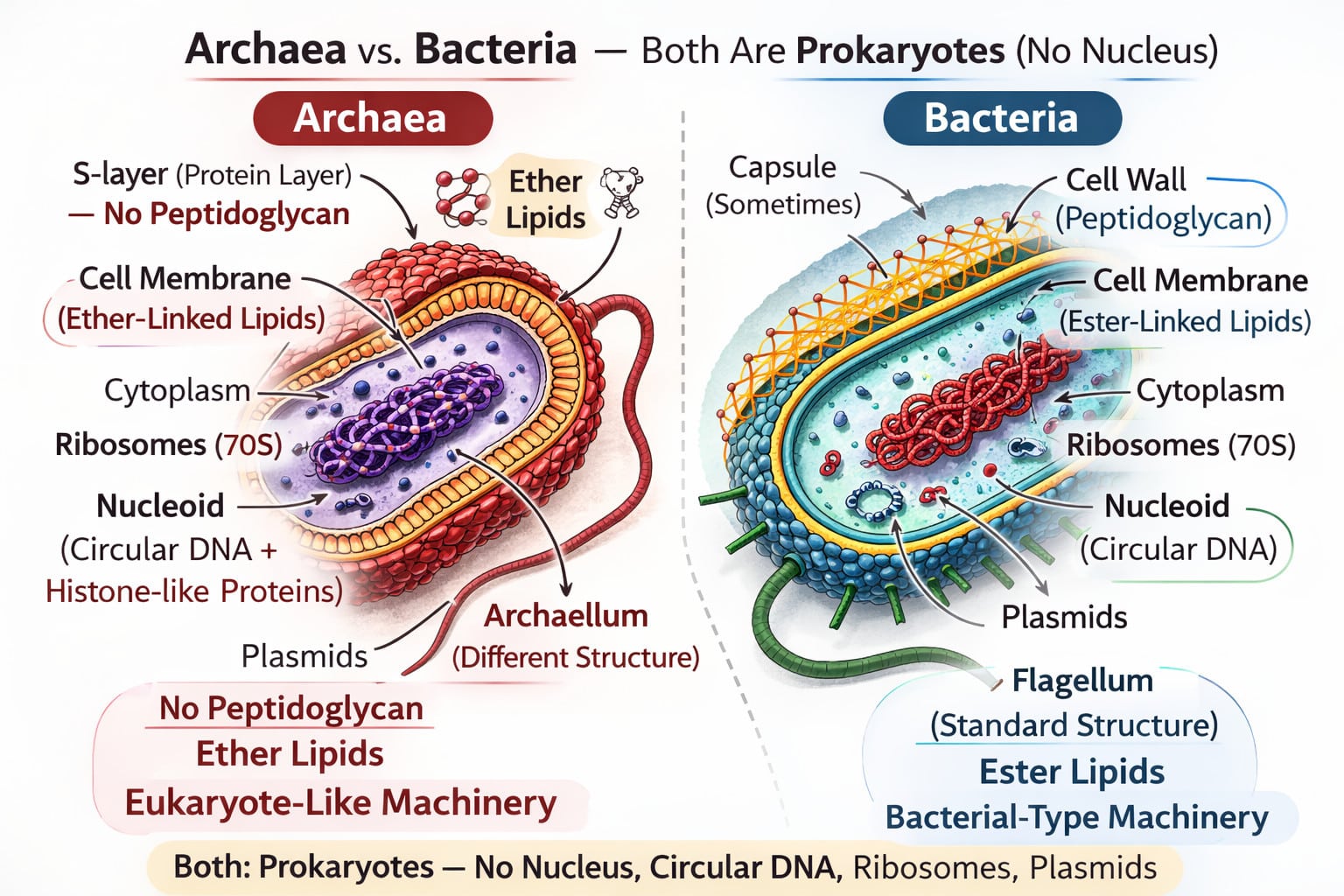
Shortly after LUCA, about 3.7 billion years ago, the first bacteria emerged.
First True Bacteria Read More »
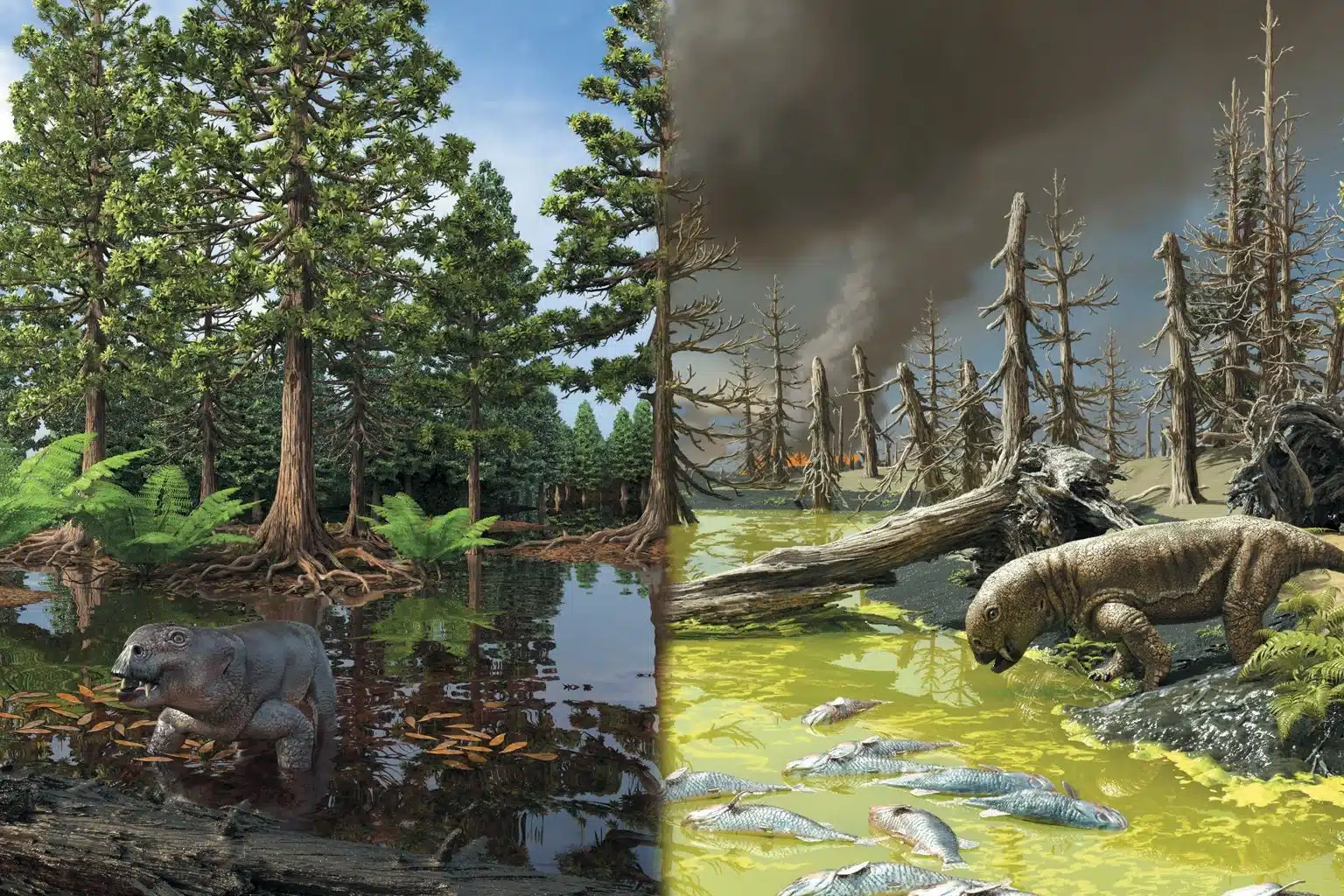
At 252 million years ago, the greatest extinction ends the world as known, fungi begin again.
Fungal Survivors of Extinction Read More »
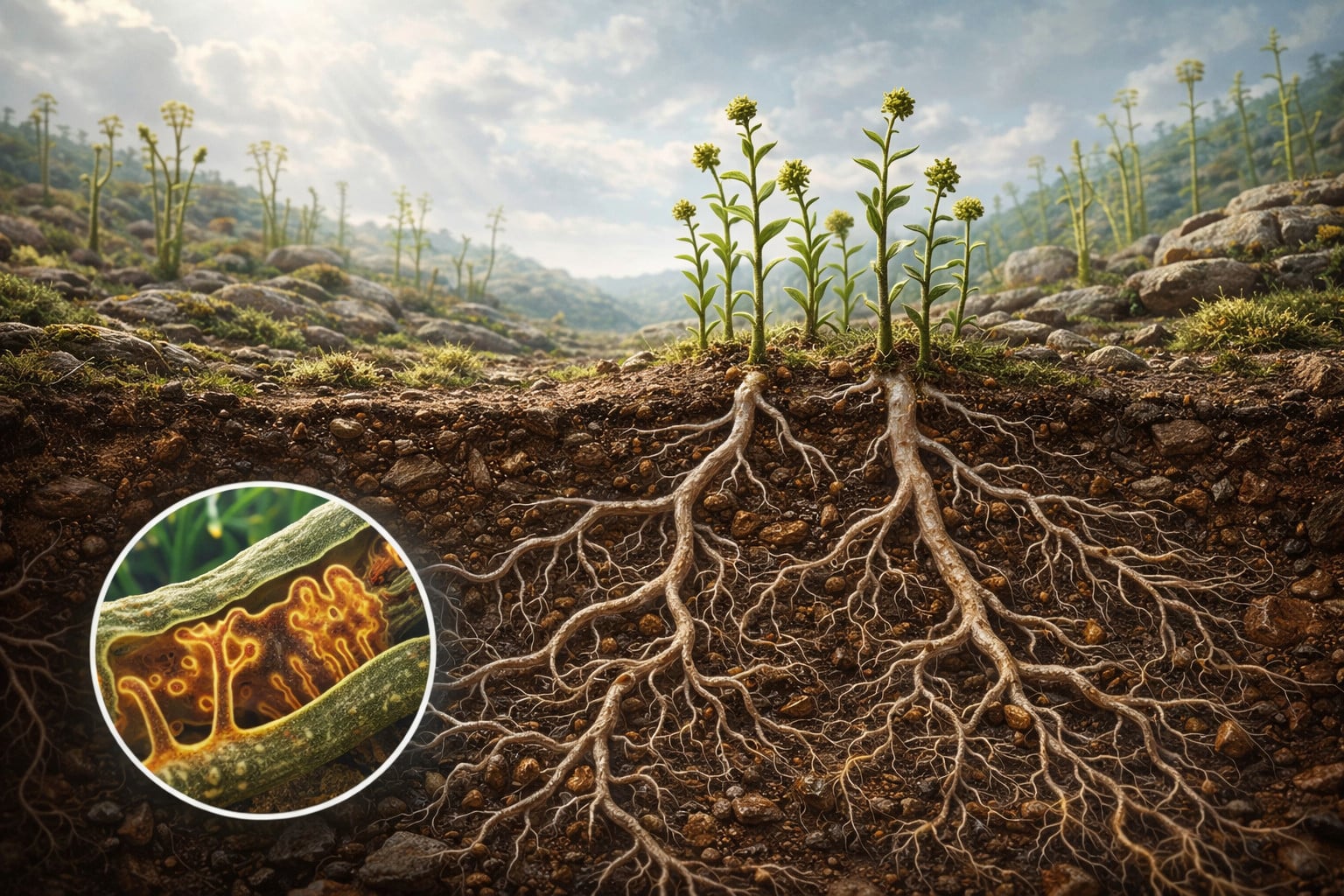
About 450 million years ago, fungi and plants have a rich dirt root alliance. Plants gave sugars, fungi gave phosphorus and minerals.
Fungal Underground Alliance Read More »
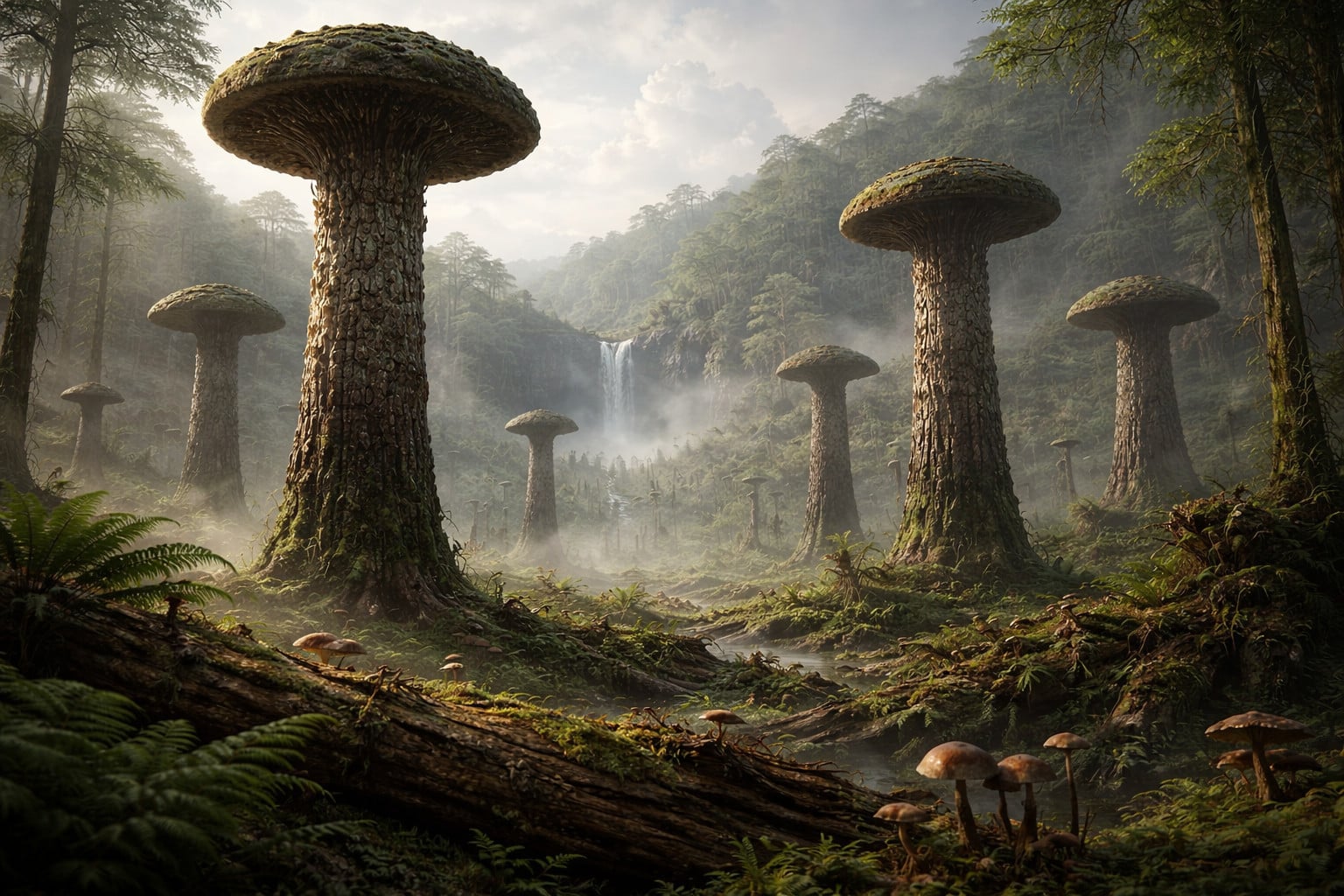
About 420 million years ago, fungi stood taller than trees.
Fungal Giants of the Devonian Read More »
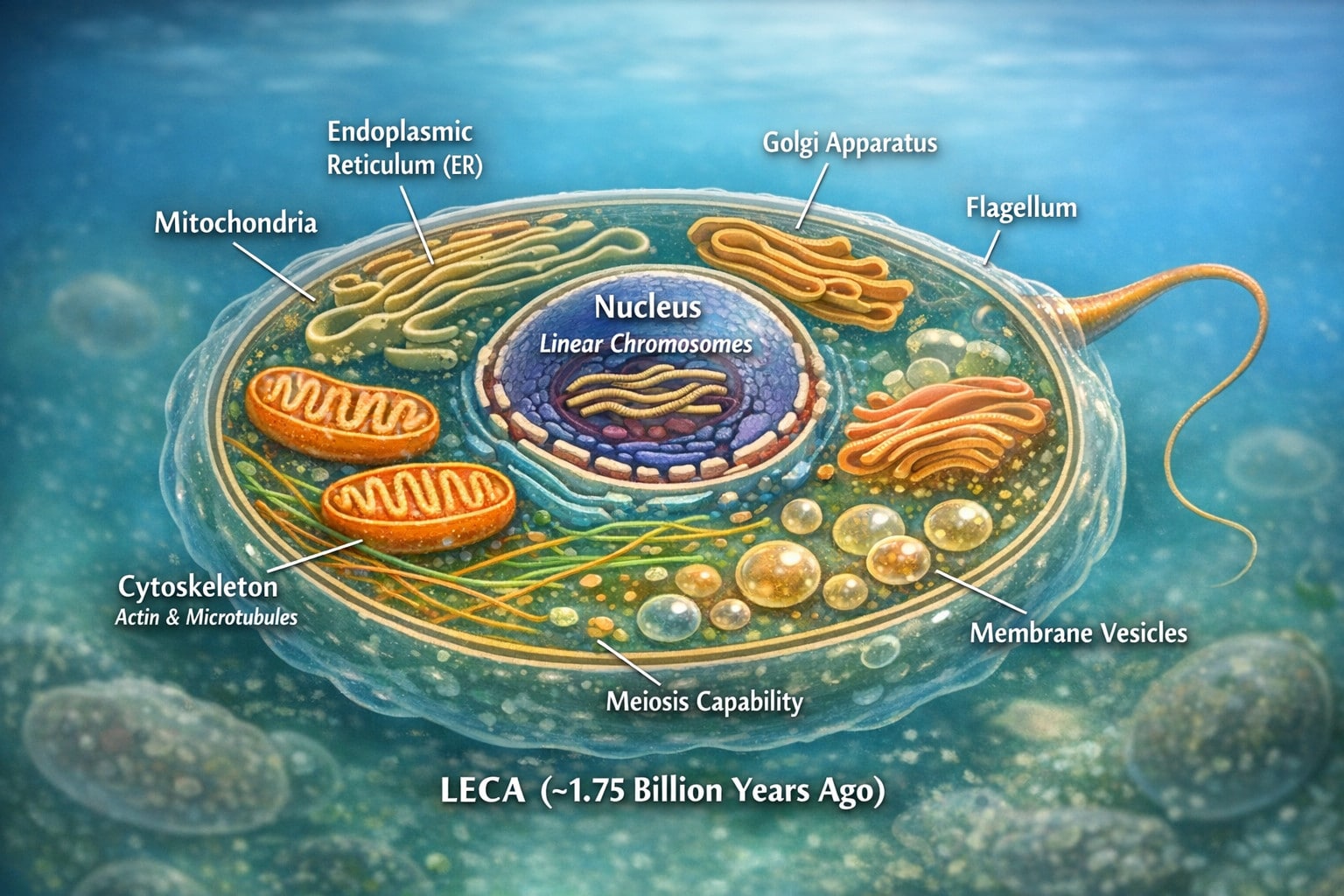
LECA is the Last Eukaryotic Common Ancestor. LECA reproduced sexually pushing the mixing of DNA back before 1.75 billion years ago.
LECA: Likely Sexual Reproduction Read More »
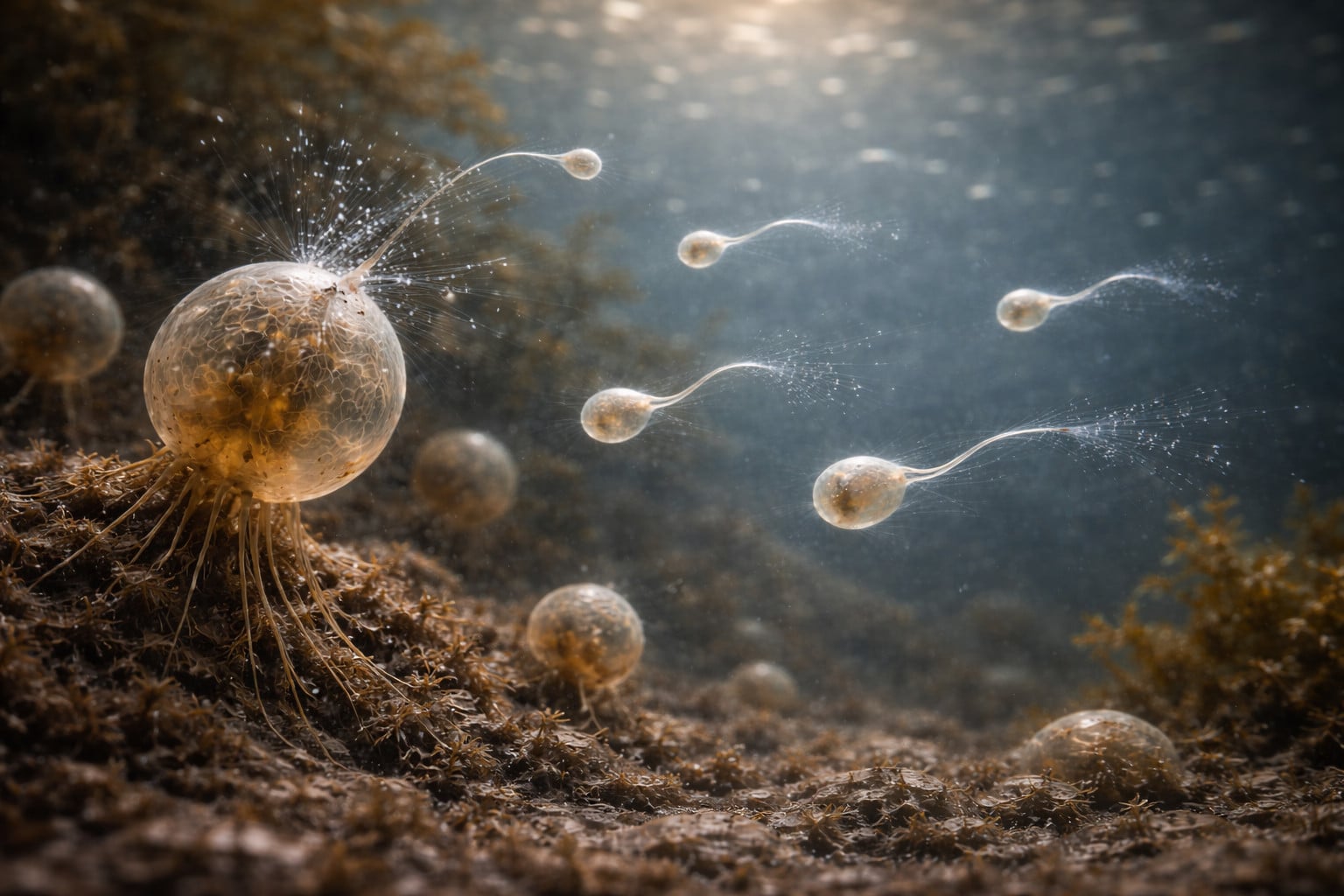
About 600 million years ago, chytrids live in moist and watery environments. They are living fossils in the sense they reproduce with sperm-like cells that can swim to a new area.
First True Fungi: Chytrids (and living fossils) Read More »
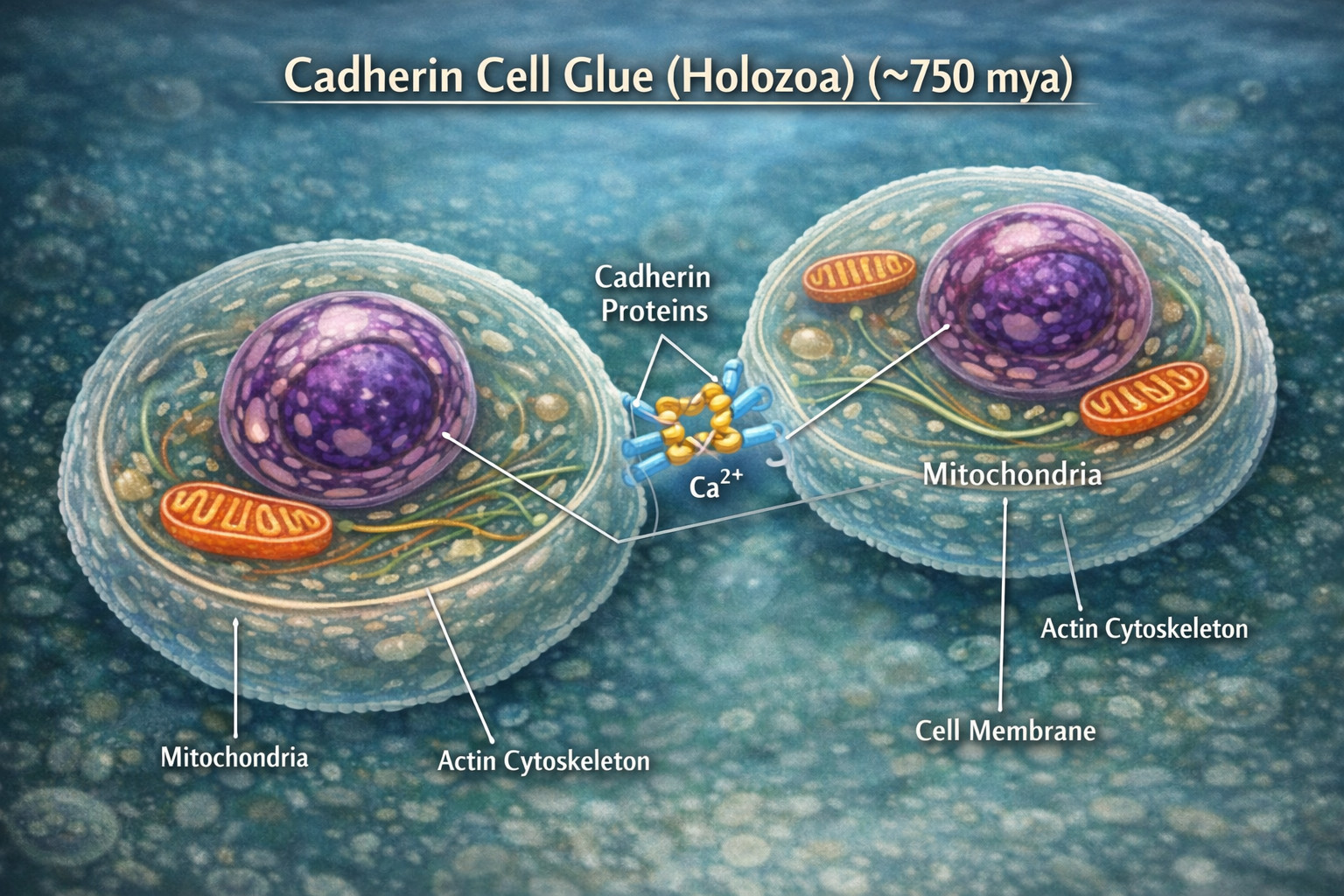
About 750 million years ago, our animal ancestors were part of a group called the Holozoa. They evolved specialized velcro-like cell glue called Cadherins.
Animal Ancestors Split Off: Cadherin Cell Glue (Holozoa) Read More »
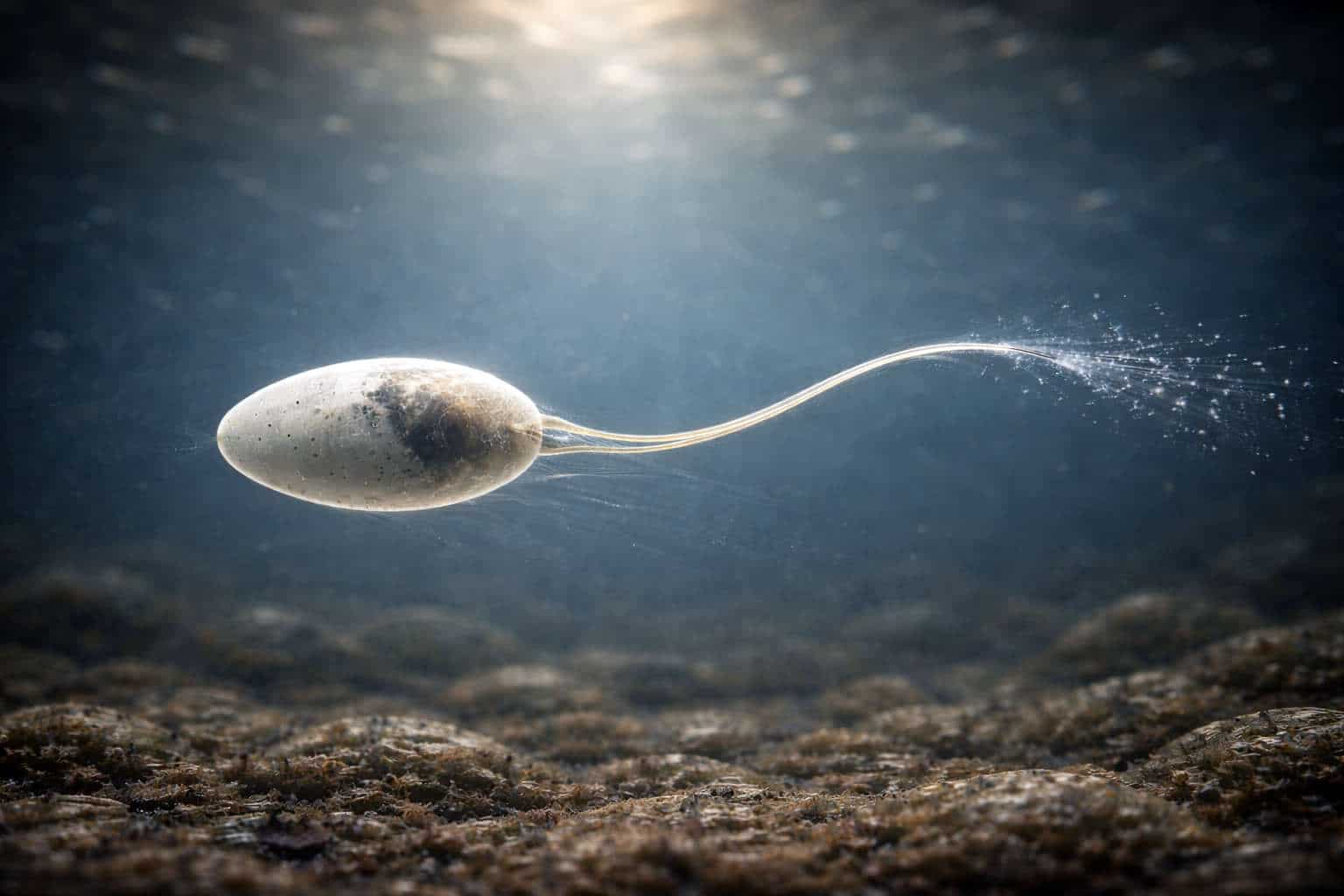
About 1.15 billion years ago, our animial-fungi ancestor evolve a true posterior flagellum. Single-celled animal sperm has a lineage back to this ancestor.
Opisthokonts: True Posterior Flagellum Read More »
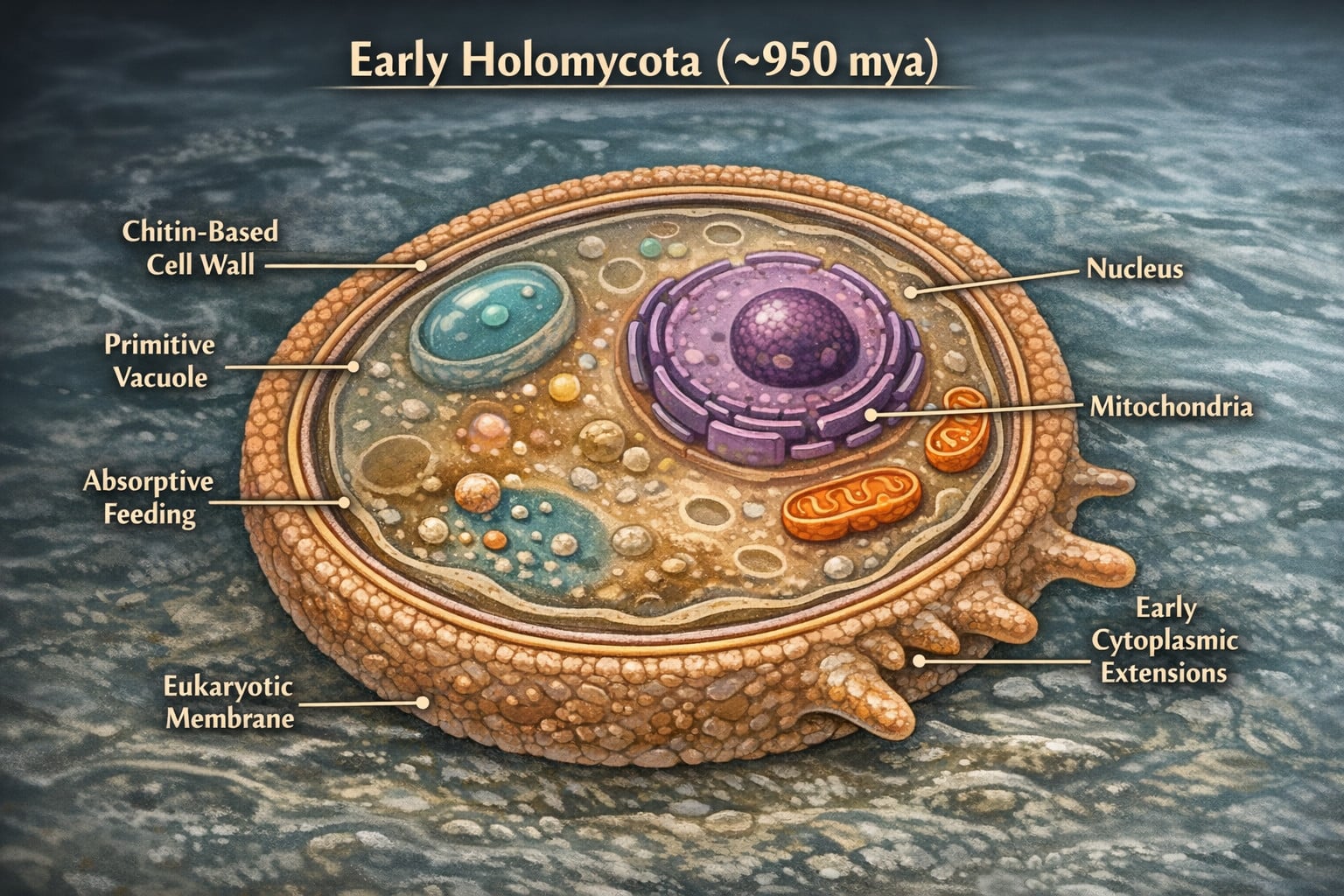
About 950 million years ago, fungi ancestors evolve into multiple early-diverging lineages with flagellated spores: chytrid-like forms.
Fungi Ancestors Split Off: (aquatic Holomycota) Read More »
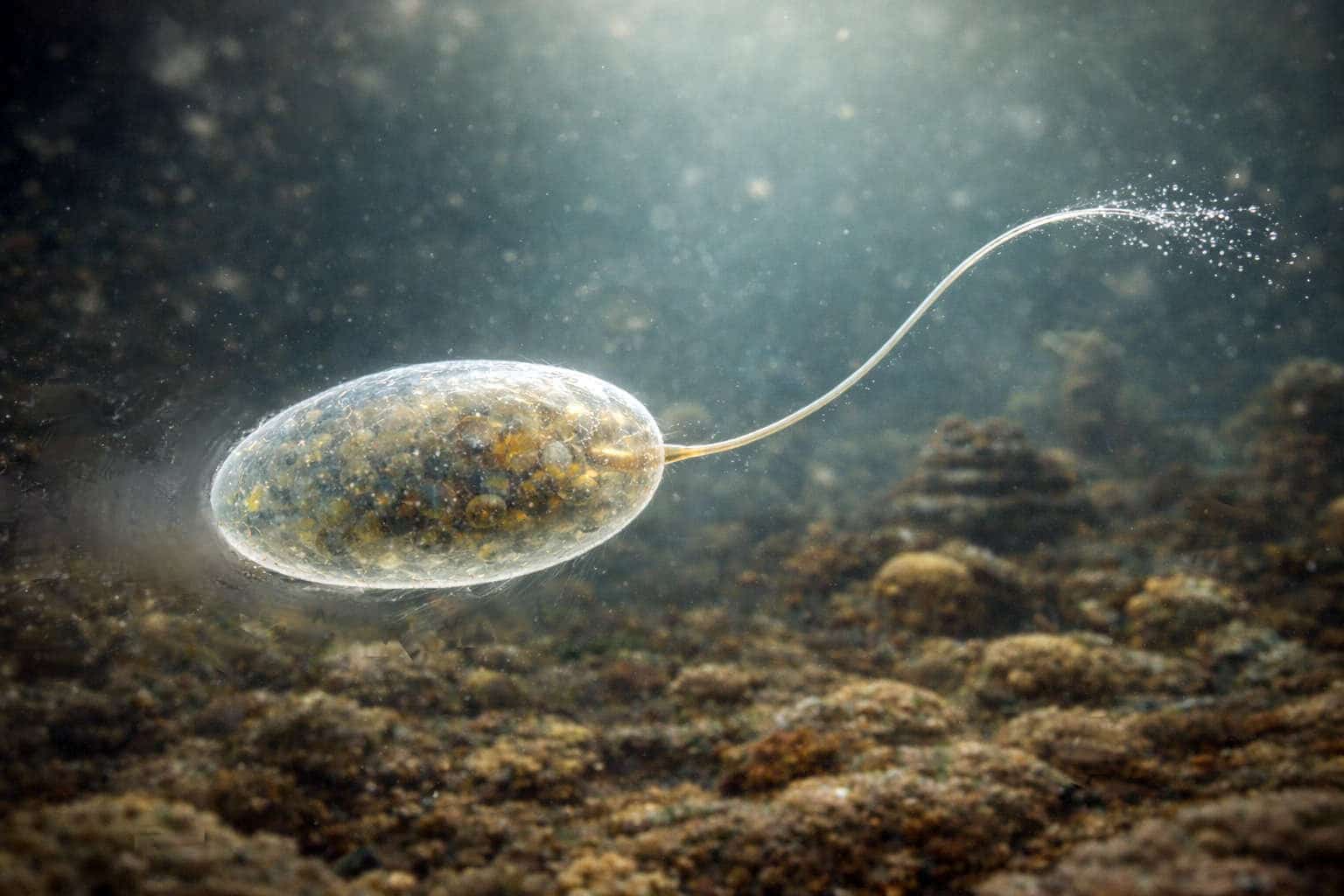
About 1.3 billion years ago, our animal-fungi ancestor stopped using two pulling flagella and narrowed it down to a single motor.
Unikonts: Single-Motor flagella Reform Read More »
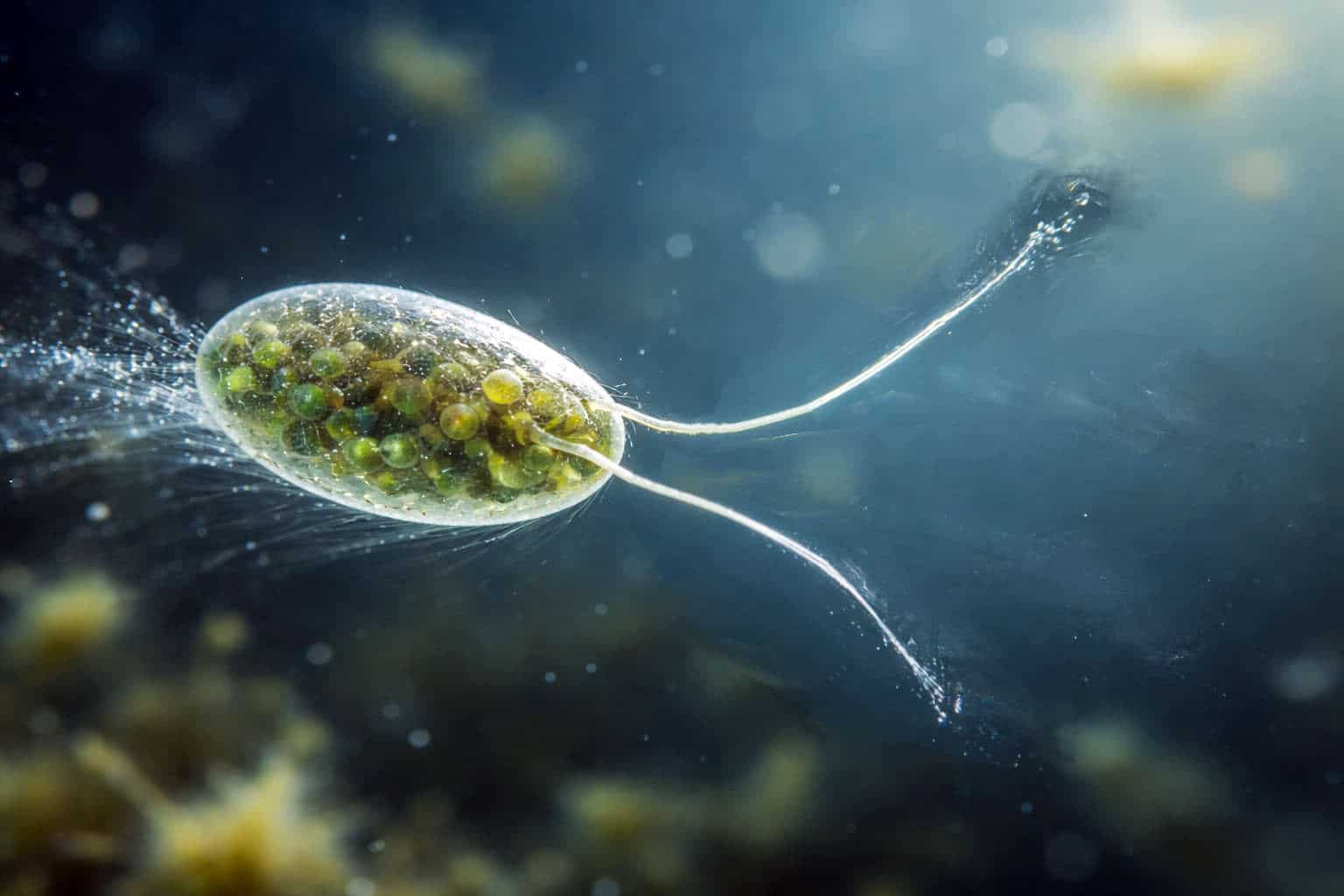
About 1.55 billion years ago, bikonts evolved two flagella to pull themselves forward. These tiny rowboats led to all plants and is not an animal-fungi ancestor.
Bikonts: Plant Ancestors Split Off Again (Front-Pull Pioneers) Read More »
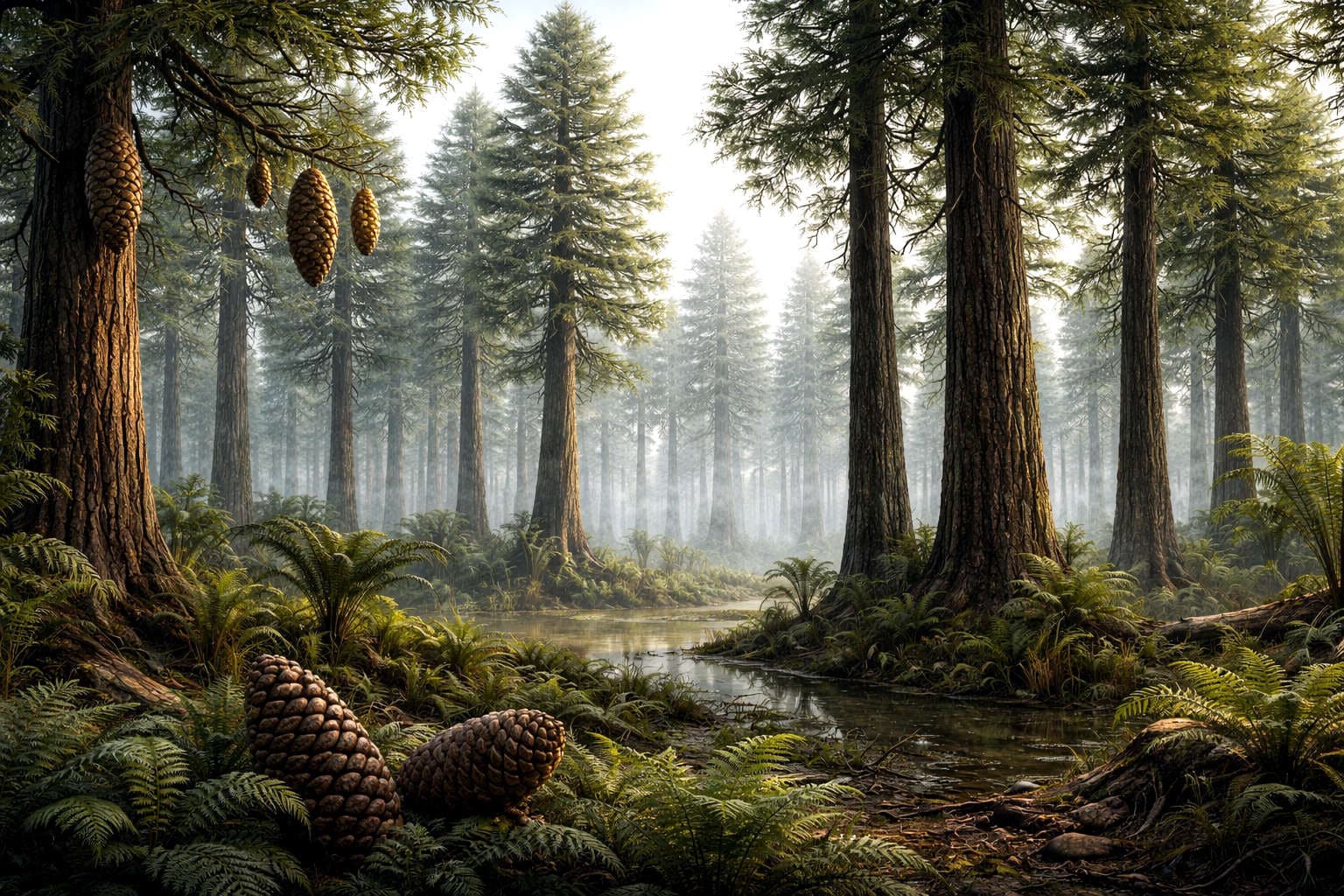
Conifers branched about 300 million years ago with their seed-bearing cones (woody or modified), enabling them to thrive on dry land.
Conifers branch off Read More »
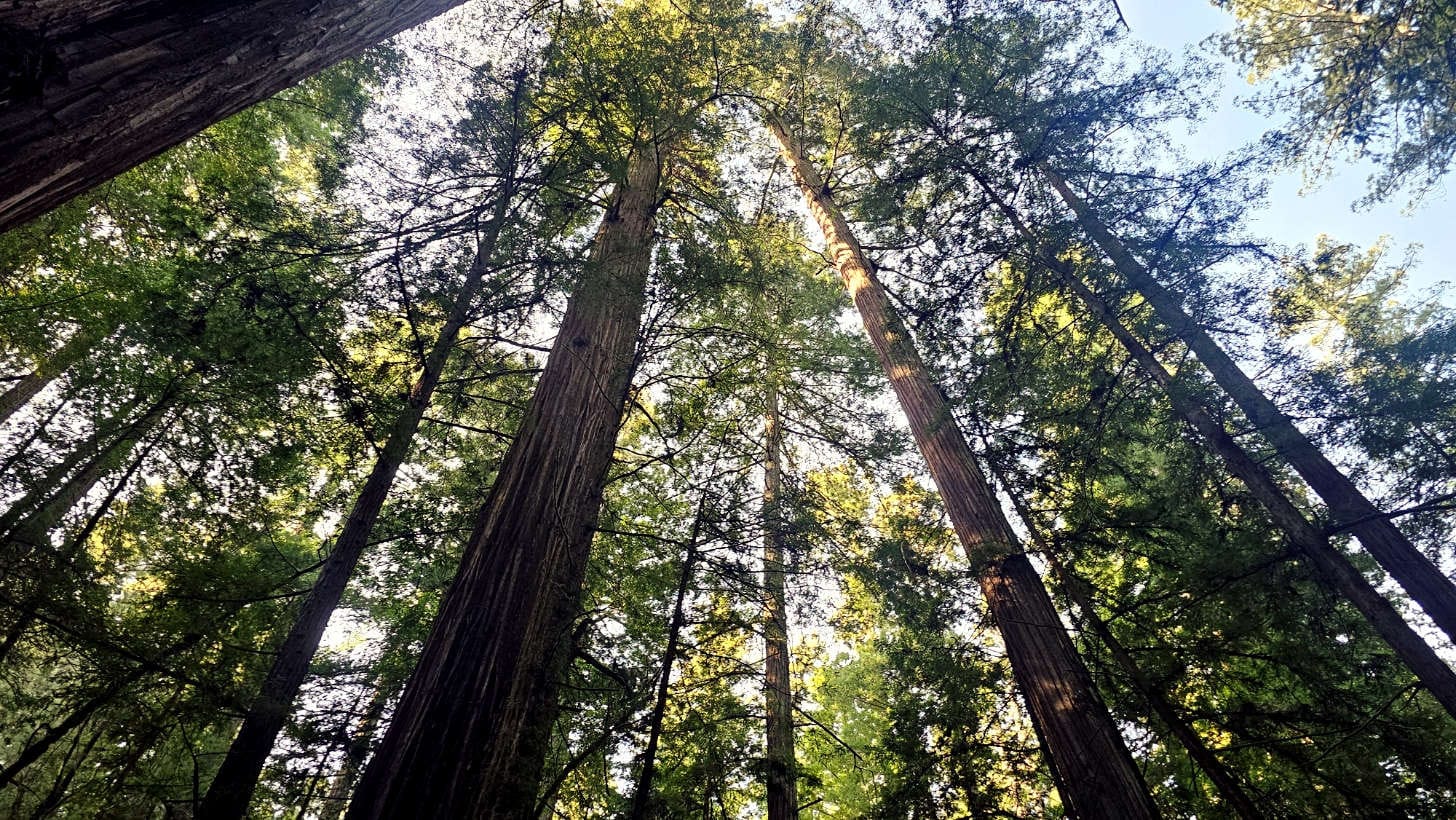
The modern coast redwood species is about 25 million years old, but its lineage reaches back roughly 100 million years into the age of dinosaurs.
Redwood Lineage Emerges Read More »
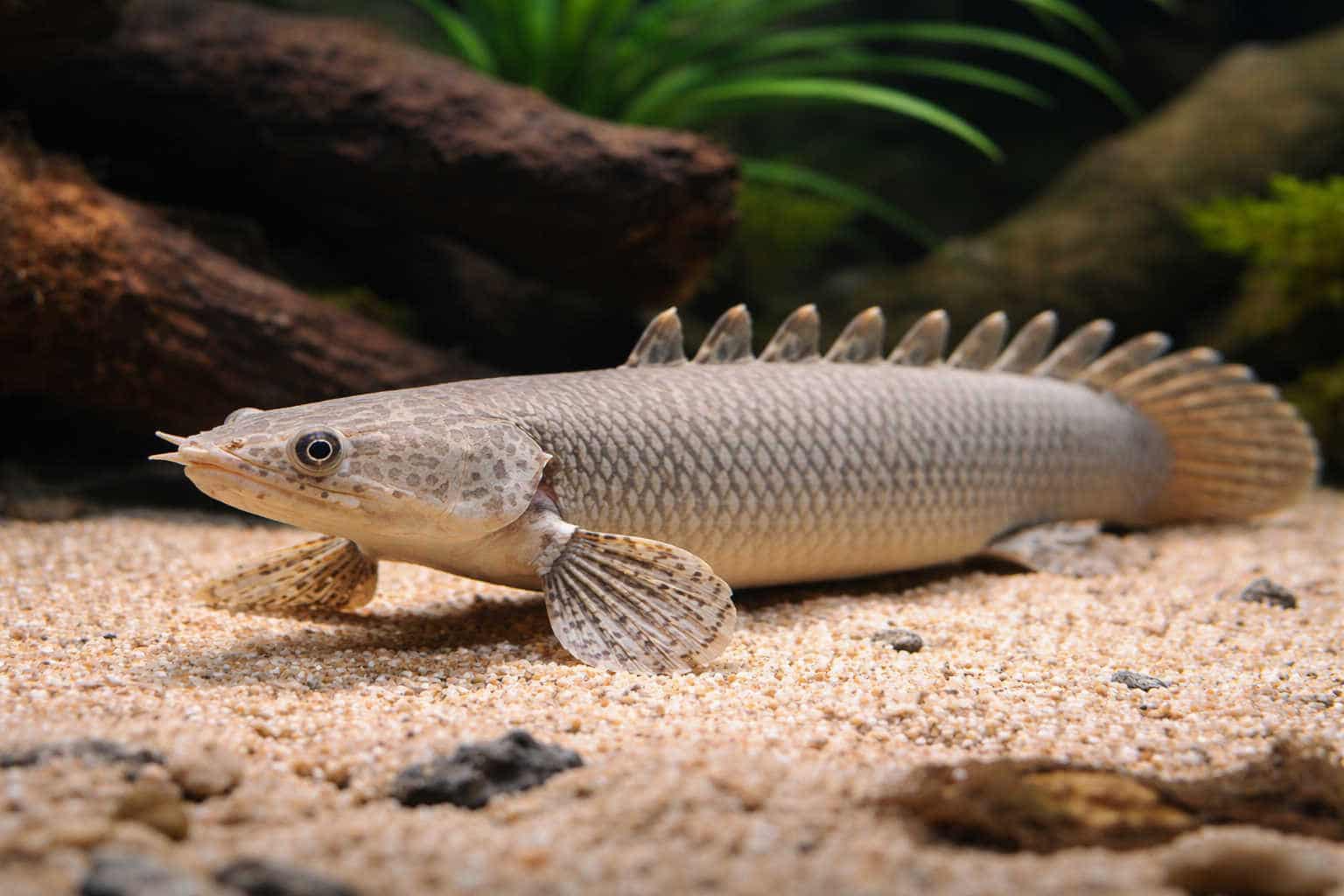
The Senegal bichir represents an early branch of ray-finned fish, preserving traits that trace back nearly 380 million years.
The Senegal Bichir: A Living Fossil Read More »
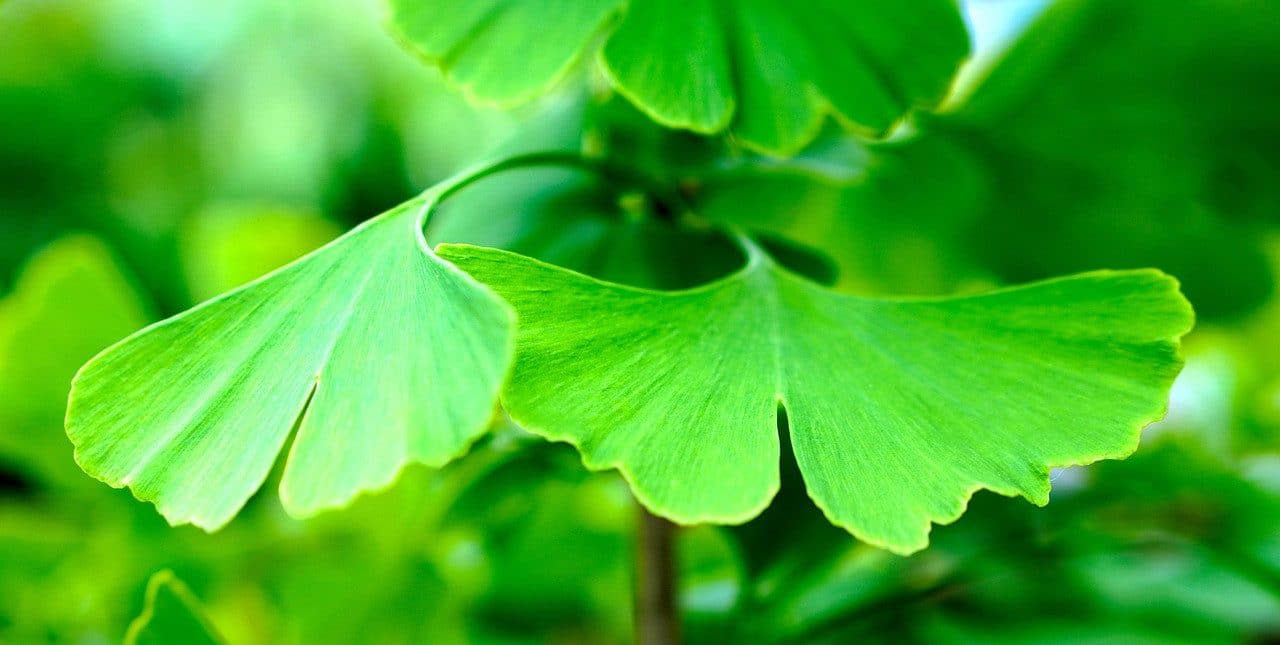
A lineage can survive for hundreds of millions of years while remaining morphologically recognizable. Living fossil is poetic, but scientifically the ginkgo represents a relict lineage and a morphologically conservative lineage.
Ginkgo biloba — A Living Fossil in My Backyard Read More »