Weekly Insights for Thinkers

Big-Bang-Timeline

The Big Bang Timeline

Closeup shot of a colorful plasma ball on a black background

Nucleosynthesis Period

Leaving the highly speculative first second, and skipping to a few minutes later, the Nucleosynthesis period accurred about 3 to 20 minutes after the Big Bang. During this period, the universe had cooled enough for protons and neutrons to come together to form simple nuclei, but not yet atoms, as the universe remained too hot […]

Nucleosynthesis Period Read More »
big bang, black hole, supermassive star, galaxy, cosmos, physical, science fiction wallpaper.

Electroweak Era

We are still within the speculative first second. The Electroweak Era ends around 10−12 seconds after the Big Bang. Following inflation, the universe continued to expand and cool, allowing the electromagnetic and weak nuclear forces to separate. Particles continued to form and annihilate in a hot, dense environment, but as the universe cooled further, the

Electroweak Era Read More »

Person shining a light at the sky and making the stars rapidly move in circles - fantasy concept

Inflationary Epoch

The Inflationary Epoch was from about 10−36 seconds to 10−32 or so seconds. Notice the duration label change from “era” to “epoch” and from a narrow time to a range. However, also note that we are still within the first millisecond of the Big Bang. This was a period of extremely rapid expansion driven by

Inflationary Epoch Read More »

Science physics formula e=mc2, Theory of relativity composed with colored and carved stones

Grand Unification Era

The speculative Grand Unification Era ends around 10−36 seconds after the Big Bang. During this era, the strong force is believed to have separated from the other three fundamental forces. The universe was still incredibly hot and dense, and it’s during this period that the first subatomic particles, including quarks and leptons, could have begun

Grand Unification Era Read More »

Electrostatic plasma sphere in the dark. Tesla coil - physics experiment

Planck Era

The Plank Era occurred in the first part of the first millisecond after the singularity. Current estimated put it at up to 10−43 seconds after the Big Bang. The term “era” is used for this micro-duration as a sort of tip of the hat to Einstein’s Relativity. It reflects a conceptual approach to time that

Planck Era Read More »

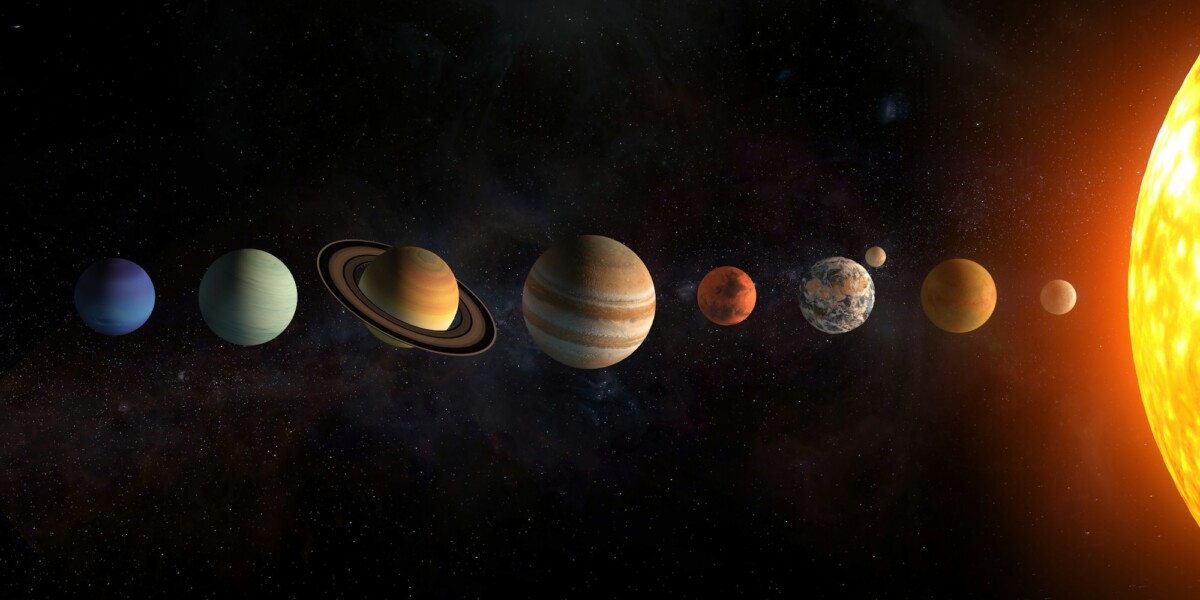
Solar system planets set. The Sun and planets in a row on univer

Earth is Born

The Earth and the other planets formed 4.5 billion years ago from the same cosmic cloud—the primordial material which gave birth to the Sun. The dust and comets—the rocks—were composed largely of hydrogen, ice, carbon, and nitrogen.

Earth is Born Read More »

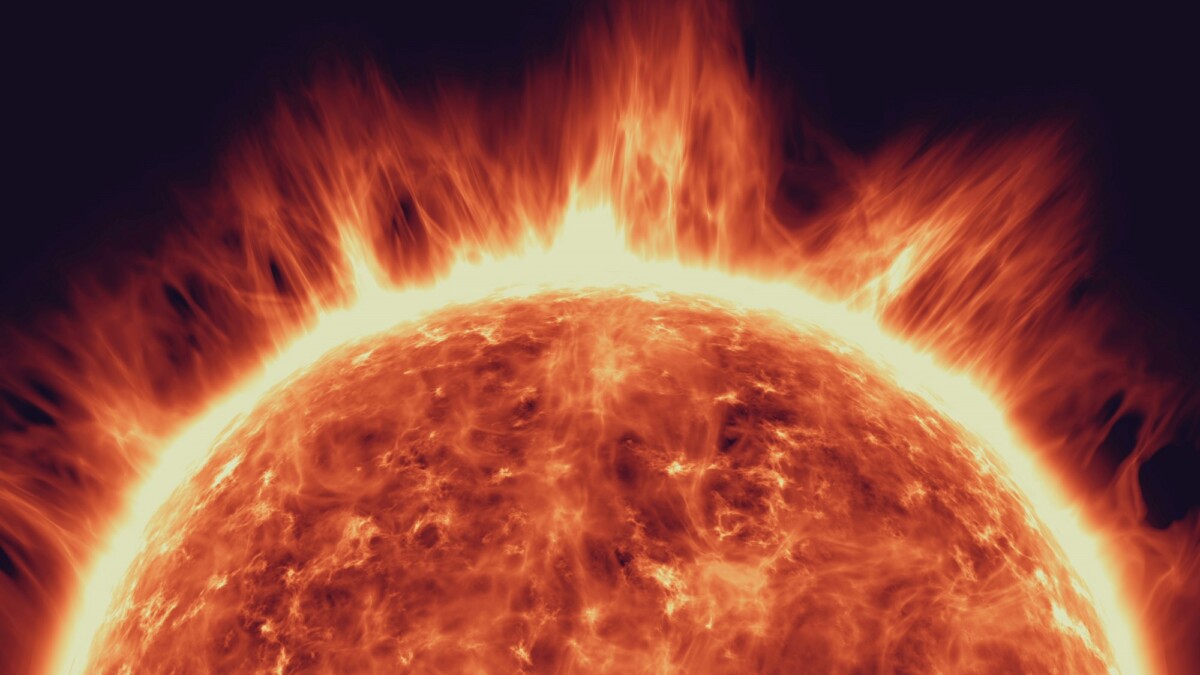
Epic sun surface flare prominence solar system

Birth of the Sun

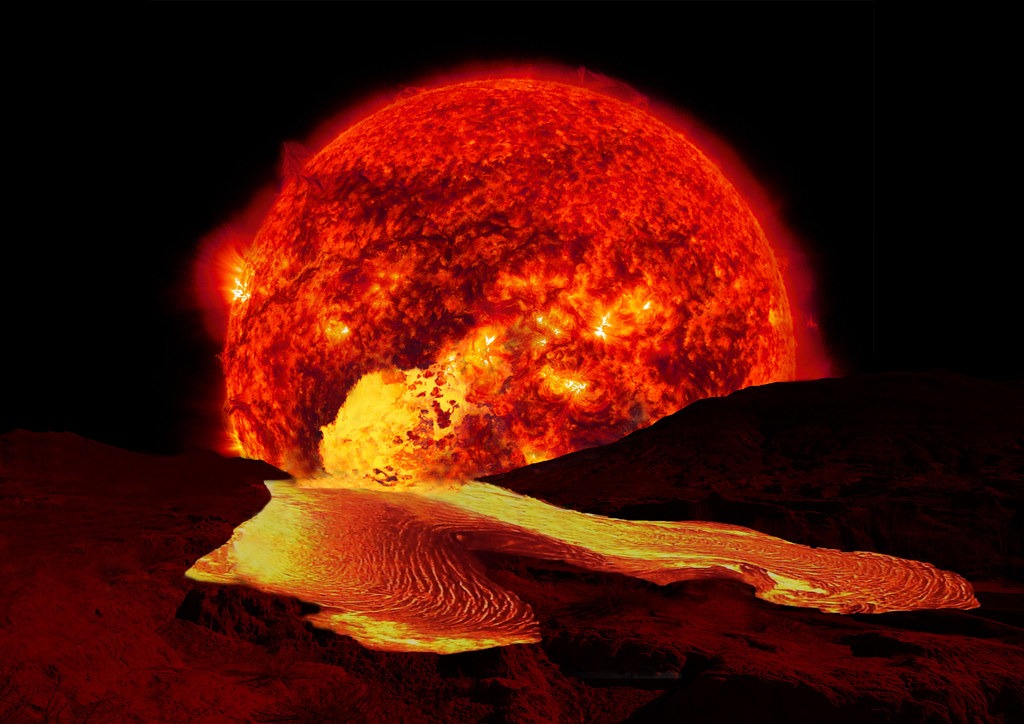
4.6 billion years ago, a cloud of gas and dust collapsed under the force of its own gravity to form our solar system.With the Sun at its center, glowing, the planets had not yet formed. The Sun, a G-type Population 1 star, shines brightly with a surface temperature of about 9,400 degrees, 5,500 Kelvin, and

Birth of the Sun Read More »

Cosmos Stars Cluster Structure Stunning Astrophotography Dramatic Celestial Wallpaper. Bright blue n

Population II Stars: Heavy Element Synthesis

Legacy: Began enriching the interstellar medium with heavier elements, including carbon, necessary for organic chemistry From the ashes of Population III stars, celestial giants, rose a new generation of stars, the Population II stars. These stars contained a higher proportion of the heavier elements, granting them a longer lifespan, and likely the company of planets.

Population II Stars: Heavy Element Synthesis Read More »

Molecules or atom isolated on blue background

First Atoms

The image of the early universe that we see in the CMB reveals a time shrouded in darkness. During this era, the 17 known particles first started to combine to form the universe’s first atoms. Electrons, protons, and neutrons came together to create neutral hydrogen atoms, a process that allowed photons—or light—to traverse the cosmos

First Atoms Read More »

galaxy, cosmos, physical, science fiction wallpaper. Deep space.

RCW 86 Supernova

This supernova was observed by Chinese astronomers in 185 CE. The Chinese kept meticulous astronomical records for centuries, including observations of what modern scientists interpret as supernovae. Chinese astronomical records from 185 AD describe the appearance of a “guest star” in the constellation now known as Circinus. This guest star matches the expected location and

RCW 86 Supernova Read More »

Death of the Sun

The death of our Sun is estimated to occur in about 5 billion years. Around this point, life on Earth will become uninhabitable. There will likely be life here right up until there’s not. Most humans will have left the planet many millions of years prior to this point. Also, the merging of the Andromeda

Death of the Sun Read More »

natdrj, CC BY 4.0 , via Wikimedia Commons

Singularity

A 30 Philosophers touchstone: Chapter 1, “Origin Story.” The universe began as an infinitely dense, unimaginably hot, and minuscule point known as a singularity. In a breathtaking instant, this singularity expanded and cooled, giving rise to the fabric of space, time, and matter, with all the laws of physics taking shape in that moment. The

Singularity Read More »

Plate Tectonics

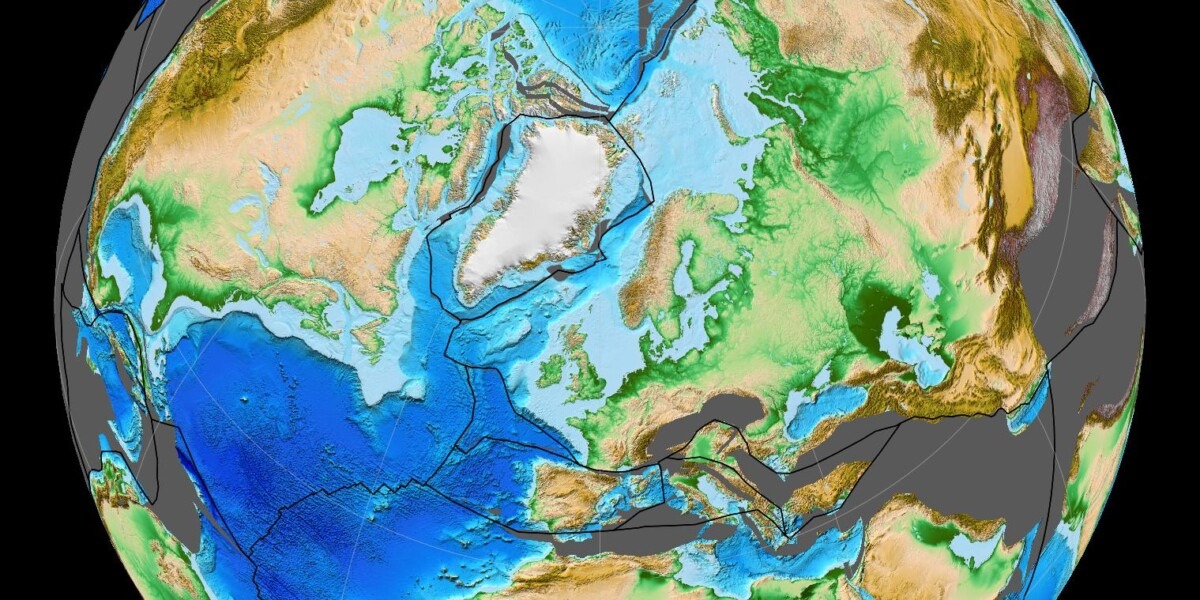
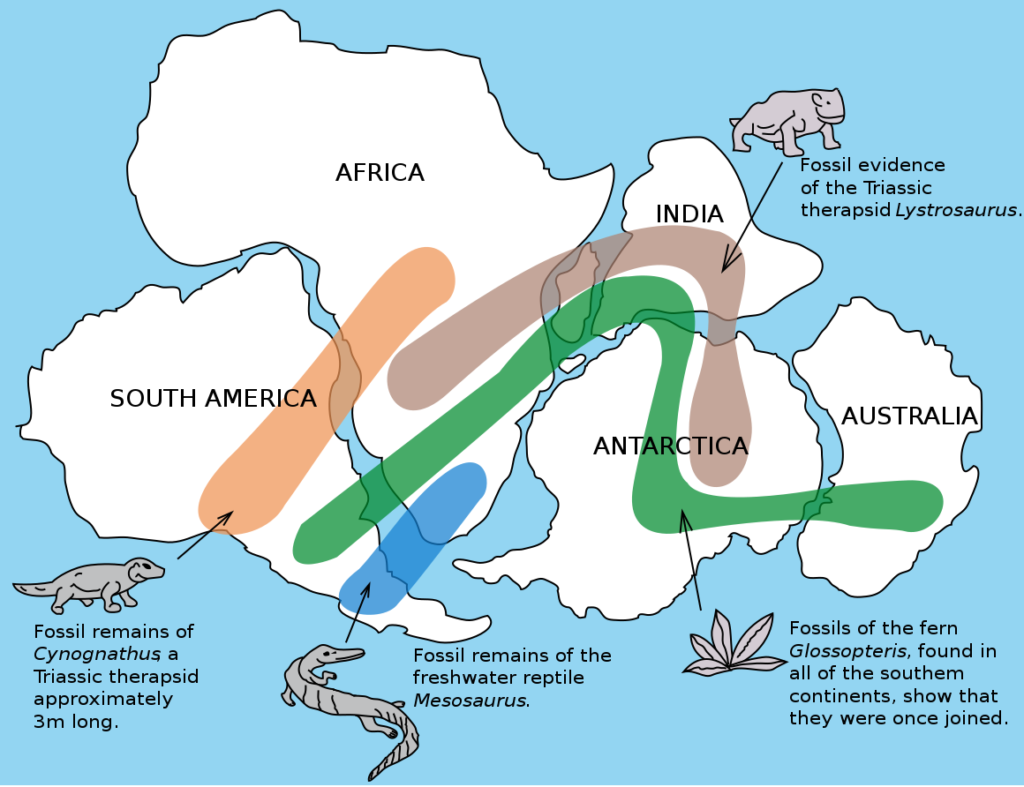
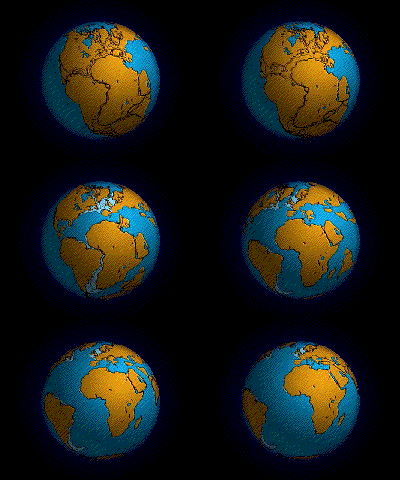
By dating rocks and fossils scientists can document the movement of the continents over time.  To confirm and refine this science, geologists study rocks, paleontologists study fossils, and anthropologists study human societies, cultures, and relics. The location and dating of rocks, fossils, and relics allow us to understand the distant past. Cynognathus, circa 242 million

Plate Tectonics Read More »

Scroll to Top