
XX/XY Sex System Emerges: A Tale of Mammalian Evolution
Around 240 million years ago, the XX/XY sex-determination system emerged in a common ancestor of mammals.
XX/XY Sex System Emerges: A Tale of Mammalian Evolution Read More »


Around 240 million years ago, the XX/XY sex-determination system emerged in a common ancestor of mammals.
XX/XY Sex System Emerges: A Tale of Mammalian Evolution Read More »

About 545 million years ago, veins evolved. The digestive tract evolved more than 25 million years before this. Digestion breaks down food efficiently. Veins transport nutrients.
True Circulatory Systems: Blood Veins Read More »

All mammals, birds, and reptiles communicate on a spectrum shaped by evolution. Great ape communication goes back about 15 million years.
Animal Vocabulary: Thousands of Words (The Great Apes) Read More »

By about 125 million years ago, early mammals were doing more than making a few simple sounds. Their signaling systems expanded into the dozens.
Animal Vocabulary: Dozens of Words Read More »

Asilisaurus shows that the bird-line archosaurs were already evolving dinosaur-like bodies before true dinosaurs appeared.
Bird-line Archosaurs: Asilisaurus kongwe (within Ornithodira) Read More »

One of the last bird-line archosaurs before true dinosaurs is the Nyasasaurus parringtoni, which lived during the Middle Triassic period, around 243 million years ago. Discovered in Tanzania, Nyasasaurus represents a key transitional form, showcasing features that are both dinosaurian and pre-dinosaurian, highlighting the evolutionary path leading to more well-known dinosaurs of the Late Triassic
Bird-line Archosaur: Nyasasaurus parringtoni Read More »

Before dinosauromorphs like Asilisaurus, the evolutionary lineage would include earlier archosaurs. One such early archosaur is Marasuchus lilloensis, which lived around 240 million years ago. Marasuchus exhibits several primitive features that are on the evolutionary path towards dinosaurs. Kingdom: Animalia > Phylum: Chordata > Class: Reptilia > Order: Dinosauriformes 30 to 40 cm (12 to
Marasuchus lilloensis Read More »

Pollen evolved about 350 million years ago, by 130 million years ago, flowers improved pollination by attracting partners like bees.

Around 60 million years ago, the early ancestors of primates began to develop a crucial adaptation: the opposable thumb. This evolutionary milestone marked the beginning of increased dexterity.
Opposable Thumb Emerges Read More »
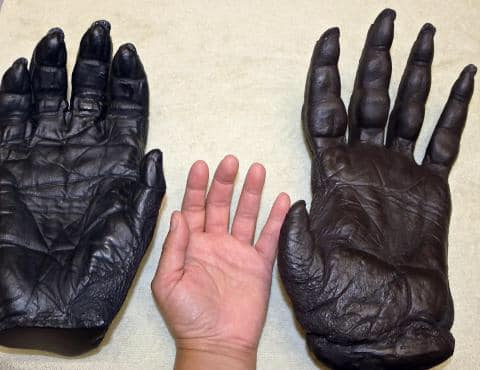
Likely between 25 and 30 million years ago, the evolution of the apes brought about further refinement of the opposable thumb. This period saw the divergence of the lineages that would lead to modern “lesser” apes like gibbons as well as later “great” apes, including orangutans, gorillas, and chimpanzees. The ape thumb evolved to become
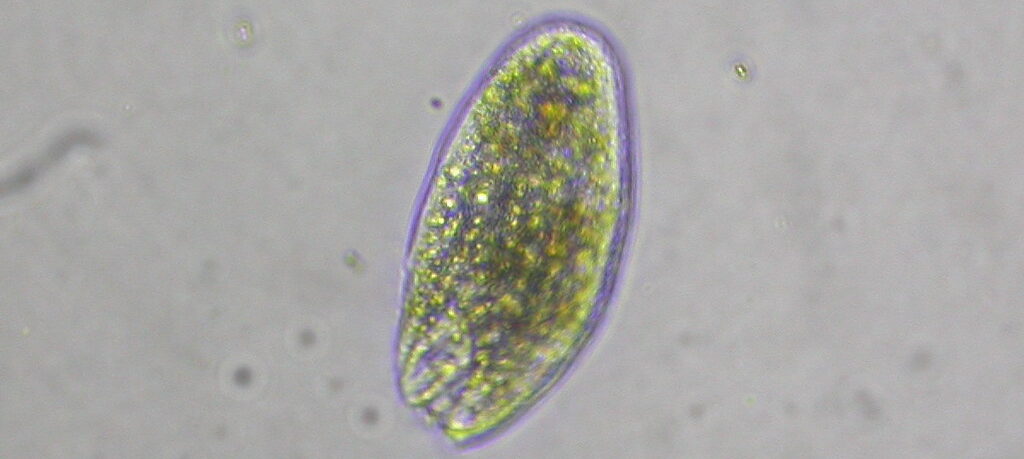
About 2 billion years ago, eukaryotic cells are defined by a membrane-bound nucleus and internal organelles. Their emergence created the structural foundation for complex life.

About 252 million years ago, needle-like leaves had become a defining adaptation of conifers, enabling survival and expansion in dry environments.
Pine Needles Evolve Read More »

About 145 million years ago, broad angiosperm leaves with reticulate venation evolved during the rise of flowering plants.
Modern Trees: Modern Leaves Read More »

Ginkgo represents an ancient seed-plant lineage going back 270 million years ago.
Ginkgo biloba-like Trees: True Leaves Read More »
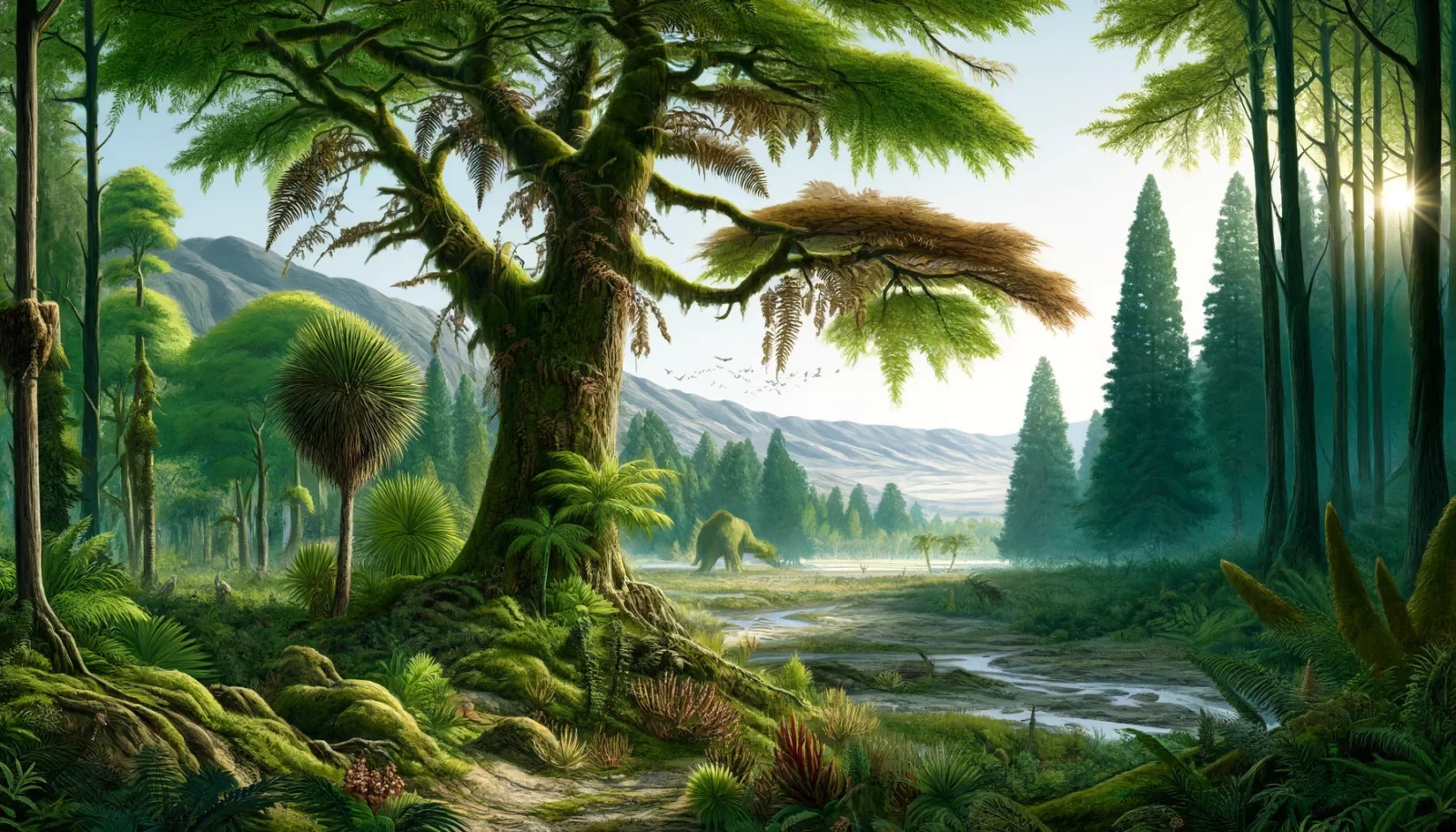
About 385 million years ago is when trees started to emerge, distinguished by their secondary growth wood and deep roots.
First True Trees: Spore Reproduction Read More »

30 Phil, Chapter 1 Touchstone 3: Evolution. In 1859, the naturalist Charles Darwin revolutionized the scientific world with his seminal publication, “On the Origin of Species.” In it he formulated his scientific theory of evolution by natural selection. The process by which new species arise is well-understood. It proposed that changes in species occur gradually over time. With each generation,
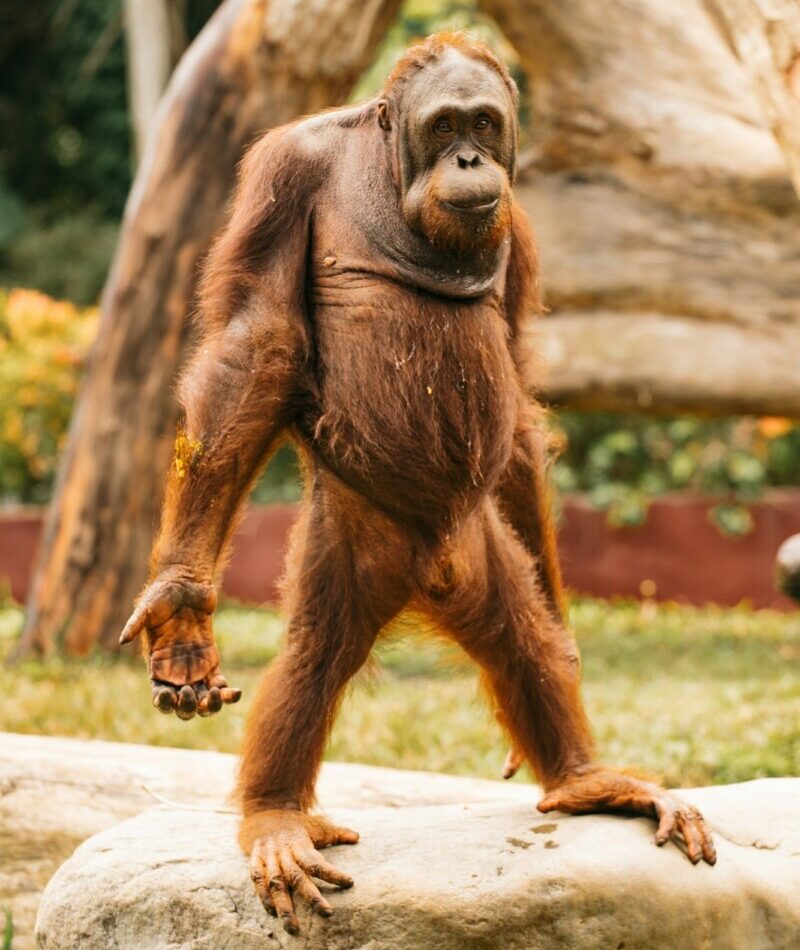
Our last comman ancestor of all known great apes lived about 16.5 mya. The orangatan branch split off about 12 mya. After that split the orangatan branch split several more tiimes. The modern orangatan species, the last split of this branch, emerged about 400,000 years ago.
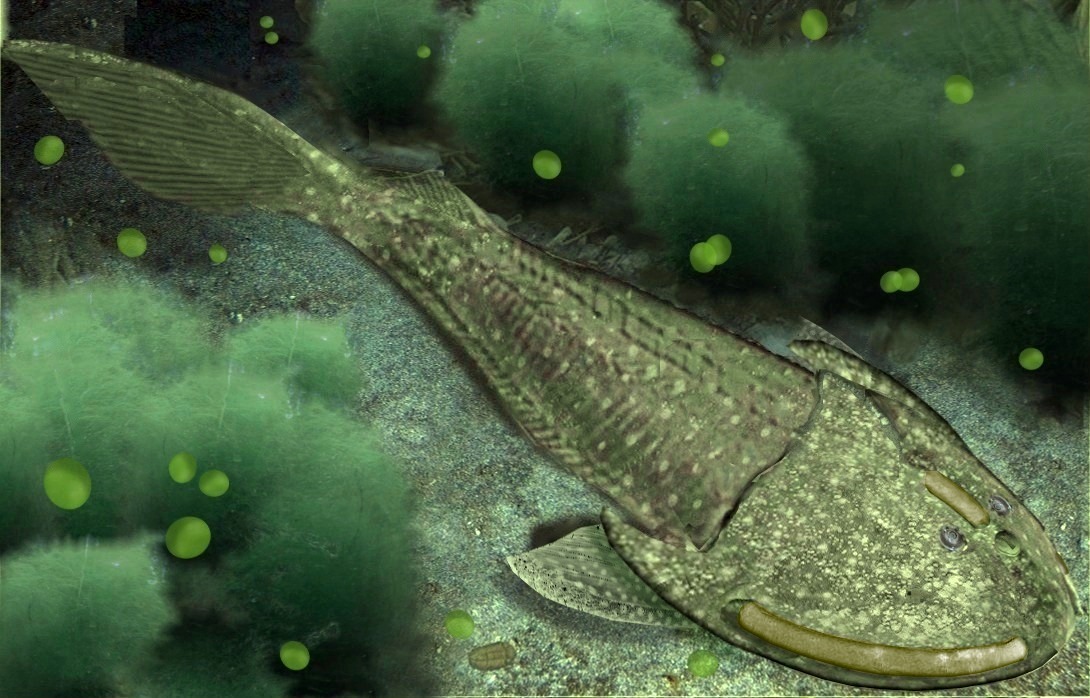
These early scales provided a vital protective layer, acting like underwater armor against predators, abrasions, and environmental threats. The keratin genes that led to scales are an interesting part of our story. When amphibians evolved onto land, scales near the tips of their evolving toes transformed into thicker protection and traction, eventually giving rise to
Keratin Genes & the Rise of Scales in Fish Read More »

About 2.4 billion years ago, Cyanobacteria “hacked” the sun to split water, releasing oxygen as a byproduct and triggering the first global environmental catastrophe and subsequent biological reset.
Great Oxidation Event: Third Atmosphere Read More »

The process of salination likely began soon after the oceans formed but took hundreds of millions of years to reach the salinity levels similar to what we see today. The oceans were likely significantly salty by about 3.5 billion years ago. Salinity increased primarily through the weathering of rocks and the leaching of minerals (including
Second Oceans: From Fresh to Salty Read More »