
The Sentinelese people on North Sentinel Island
The Sentinelese show that the modern human brain was fully evolved by at least 50,000 years ago.
The Sentinelese people on North Sentinel Island Read More »


The history of the Oceana, Australasia, and the Polor Regions.
The Sentinelese show that the modern human brain was fully evolved by at least 50,000 years ago.
The Sentinelese people on North Sentinel Island Read More »
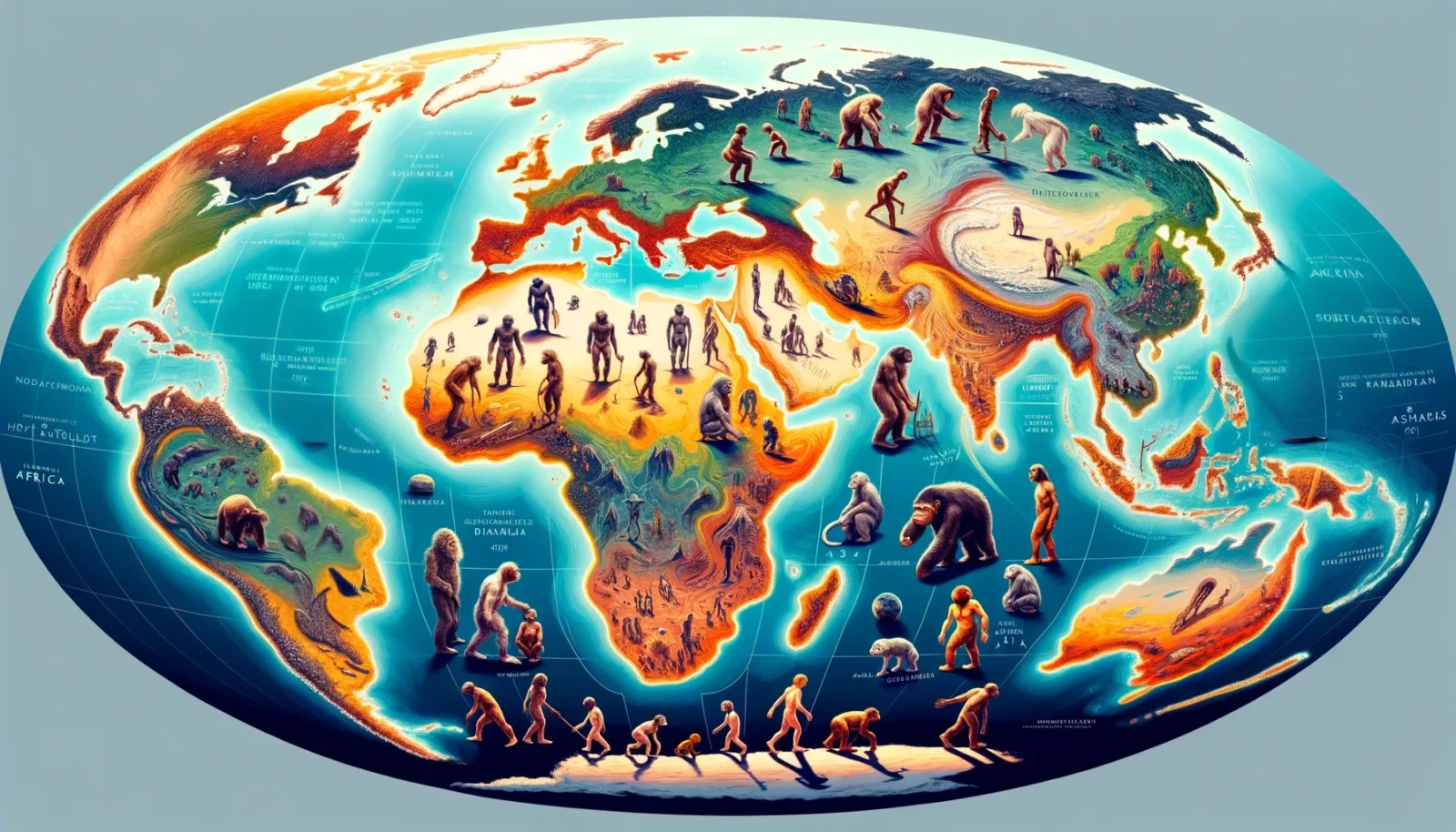
Cognitive Revolution By 70,000 BCE. Population range: 500,000 to 2.5 million. Given the uncertainties and lack of direct data, the following are speculative estimates. Africa-Middle East: 50-60% or 600,000 to 1 million people Africa, being the origin of modern humans, likely had the highest population density at this time, particularly in Sub-Saharan regions which were
World Population: 1.5 Million Read More »
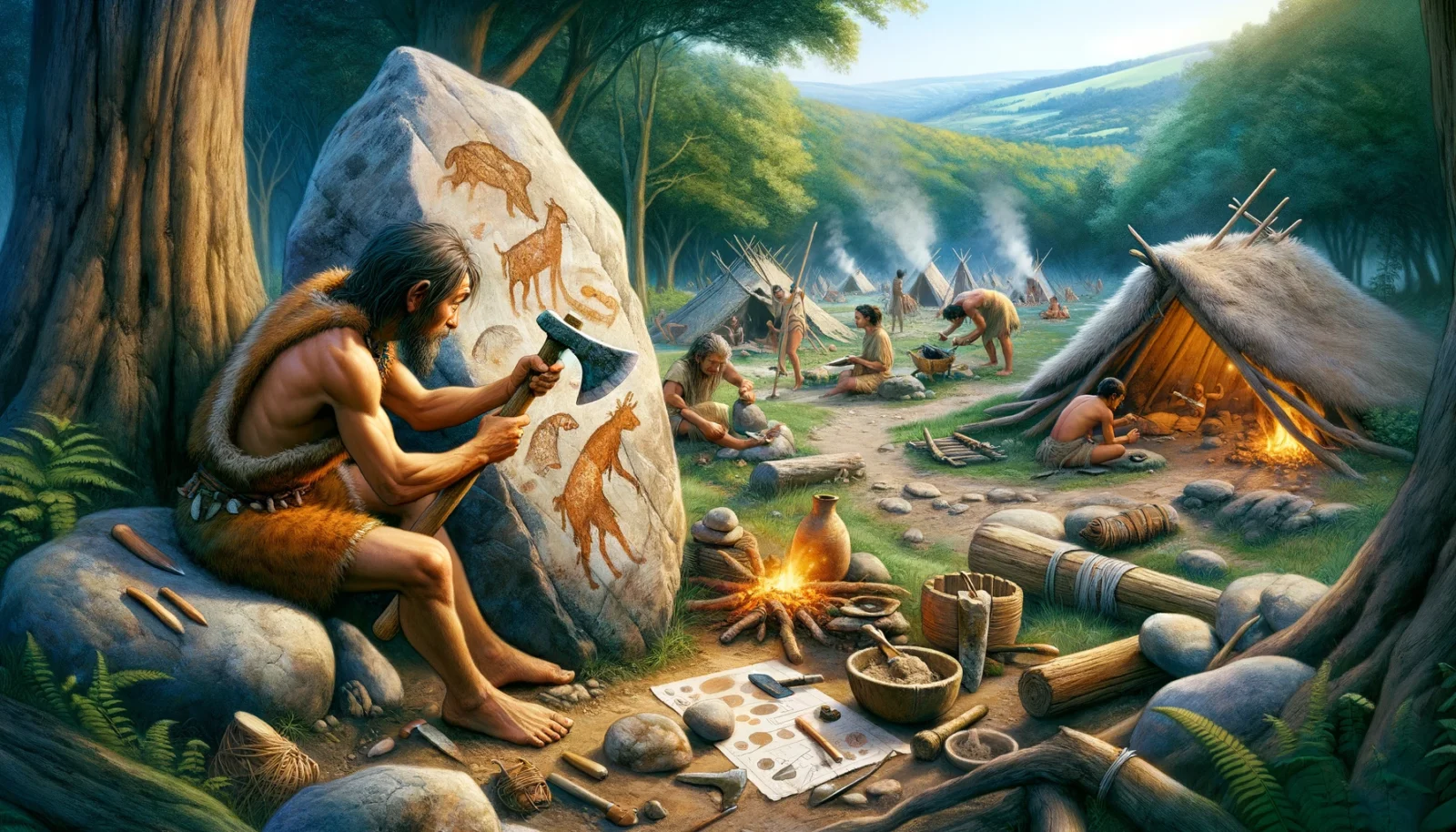
Late Stone Age Mesolithic Period: 10,000 BCE – 6000 BCE. Africa-Middle East: 30% or 1.2 million peopleg Asia: 40% or 1.6 million people Europe-Mediterranean: 15% or 600 thousand people The Americas: 10% or 400 thousand people Oceana-Australasia: 5% or 200 thousand people
World Population: 4 Million Read More »

Stone Copper Age Chalcolithic Period: 3,000 BCE – 500 BCE. Africa-Middle East: 36% or 5 million people Early civilizations include Egypt and Mesopotamia with a relatively higher population density. Asia: 36% or 5 million people Early civilizations include Indus Valley and ancient China. They saw early urban development and agriculture which supported larger populations. Europe-Mediterranean:
World Population: 15 Million Read More »
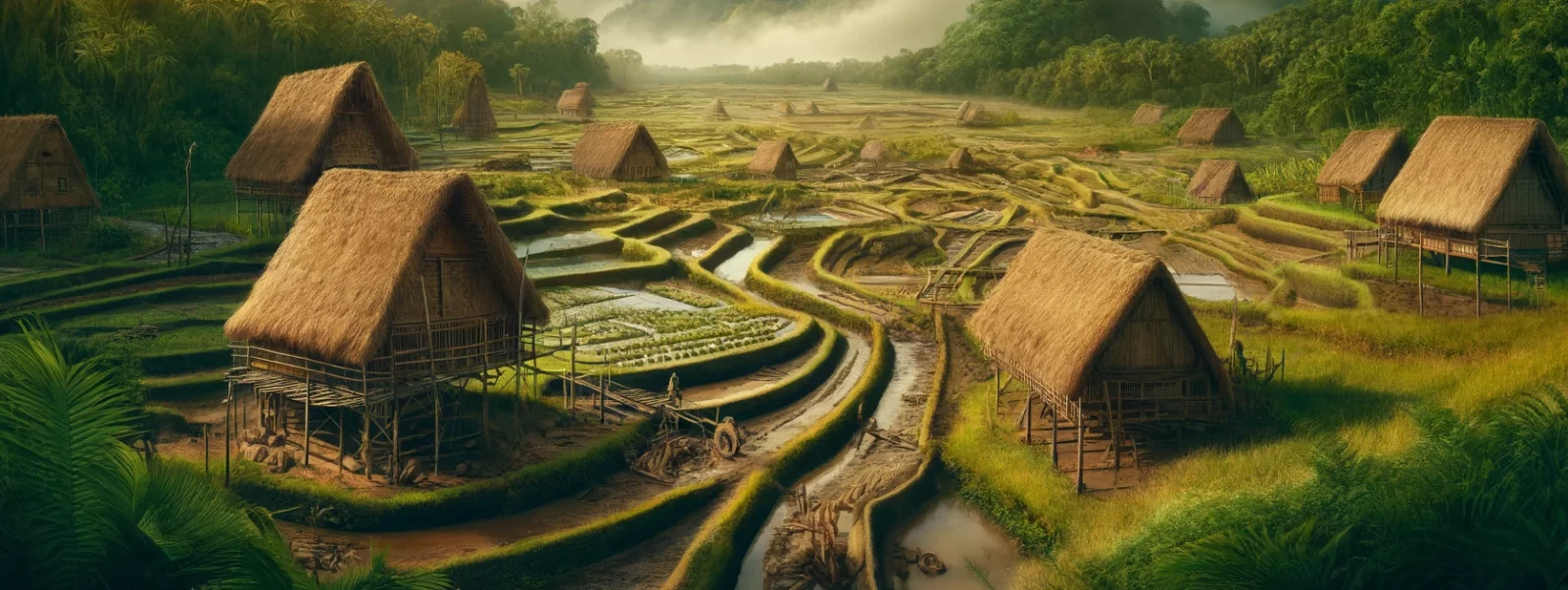
Earliest known agrarian society in the Oceana-Australasia zone: Kuk Swamp in the Highlands of Papua New Guinea provides evidence of early agricultural innovation, including ditched drainage systems for taro cultivation. This represents one of the earliest known instances of agriculture in Oceania, showing complex environmental management by its inhabitants. Imagined image: The Kuk Early Agricultural Site
New Guinea: Kuk Early Agricultural Site (Agrarian) Read More »

The Māori, Polynesian navigators and explorers, reached the shores of Aotearoa, now known as New Zealand, around 1300 CE. Braving the vast Pacific aboard large, ocean-going waka (canoes), they established communities that would flourish into a distinctive culture deeply connected to the land and sea. The Māori developed a rich oral tradition, weaving tales of
The Māori Settlement of New Zealand: Earliest Known Read More »
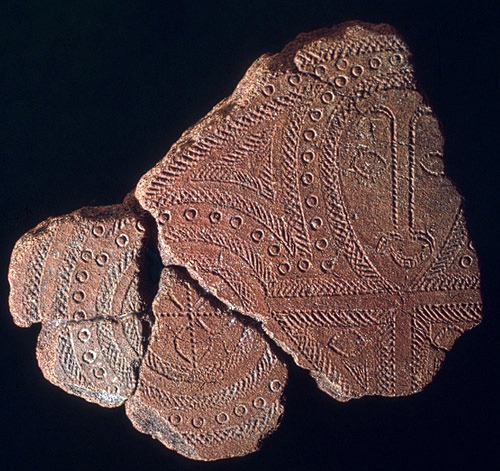
The Lapita culture, named after a site in New Caledonia, was an Austronesian people known for their intricate pottery and advanced navigation skills. Around 1500 BCE, they began spreading eastwards across the vast Pacific, reaching as far as Tonga and Samoa. The Lapita are considered the ancestors of many modern Pacific Islanders, including Polynesians, Micronesians,
The Lapita Culture Read More »
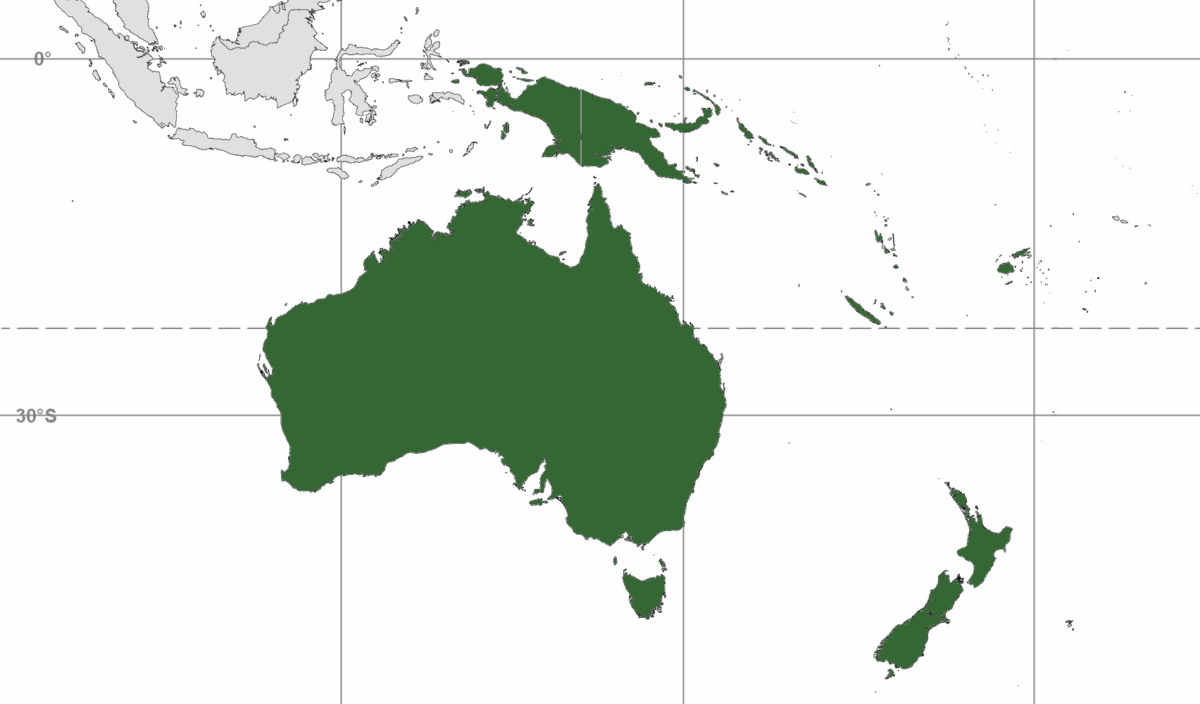
2,600 Generations Ago (from 2020 CE) Long before the sails of European explorers dotted the horizon, the Australian continent witnessed the arrival of its first human inhabitants. Archaeological evidence, such as ancient tools and cave art, suggests that people arrived in Australia at least 65,000 years ago, marking one of the earliest known human migrations
The Settlement of Australia Read More »