Explore Science-first Philosophy

Nature

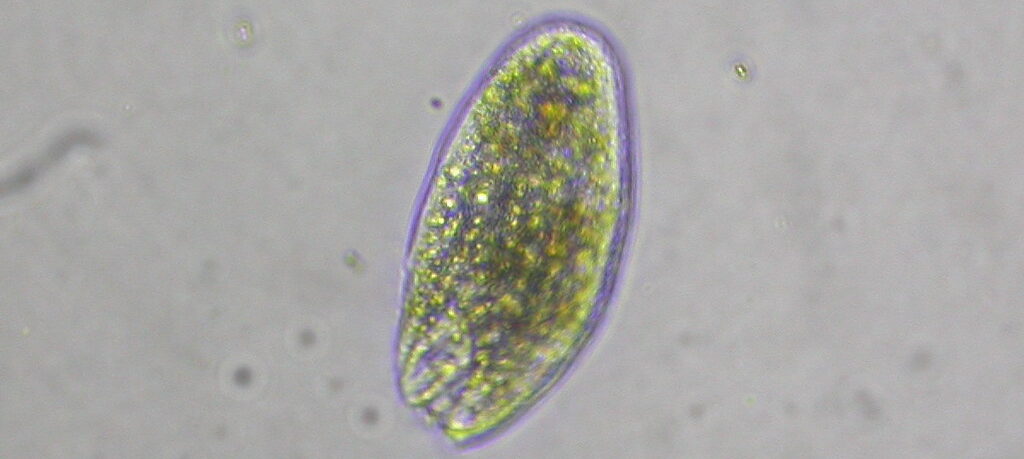
Protozoa Discovered: Microbiology Founded

Although protozoa evolved from eukaryotes about 2 billion years ago, it was 1674 that humanity saw them for the first time. That’s when Antonie van Leeuwenhoek, using his meticulously crafted microscopes, discovered protozoa—the first microscopic observation of single-celled organisms. His detailed observations and descriptions of what he called “animalcules” in a drop of pond water

Protozoa Discovered: Microbiology Founded Read More »

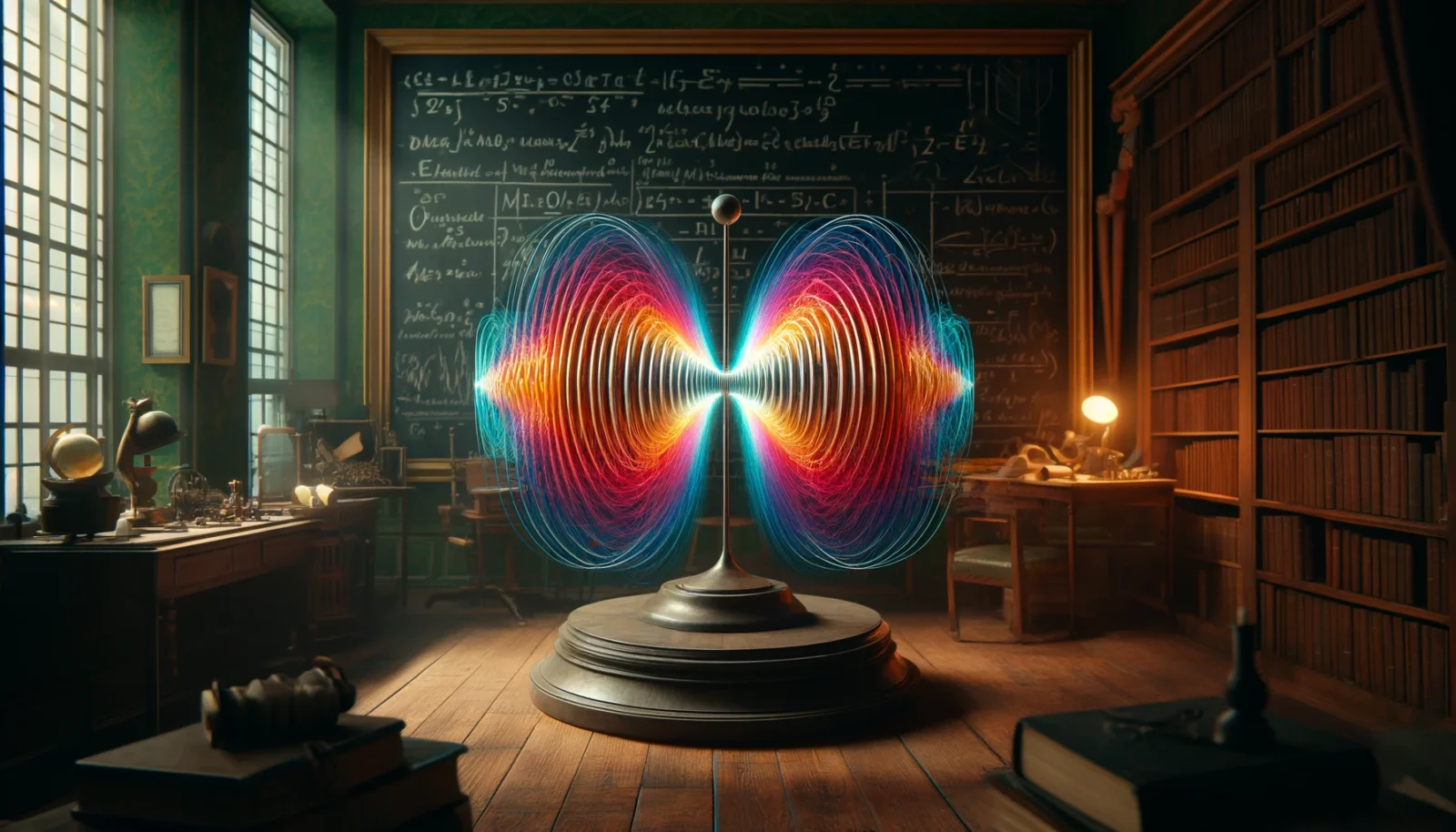
Electromagnetic Radiation Theory

James Clerk Maxwell predicted electromagnetic waves, but he did not perform experiments to prove their existence. His prediction was based on his work on the classical theory of electromagnetic radiation, which unified electricity, magnetism, and light as different manifestations of the same phenomenon. Maxwell’s equations for electromagnetism predicted the existence of waves of oscillating electric

Electromagnetic Radiation Theory Read More »

Evolution

30 Phil, Chapter 1 Touchstone 3: Evolution. In 1859, the naturalist Charles Darwin revolutionized the scientific world with his seminal publication, “On the Origin of Species.” In it he formulated his scientific theory of evolution by natural selection. The process by which new species arise is well-understood. It proposed that changes in species occur gradually over time. With each generation,

Evolution Read More »

Scroll to Top