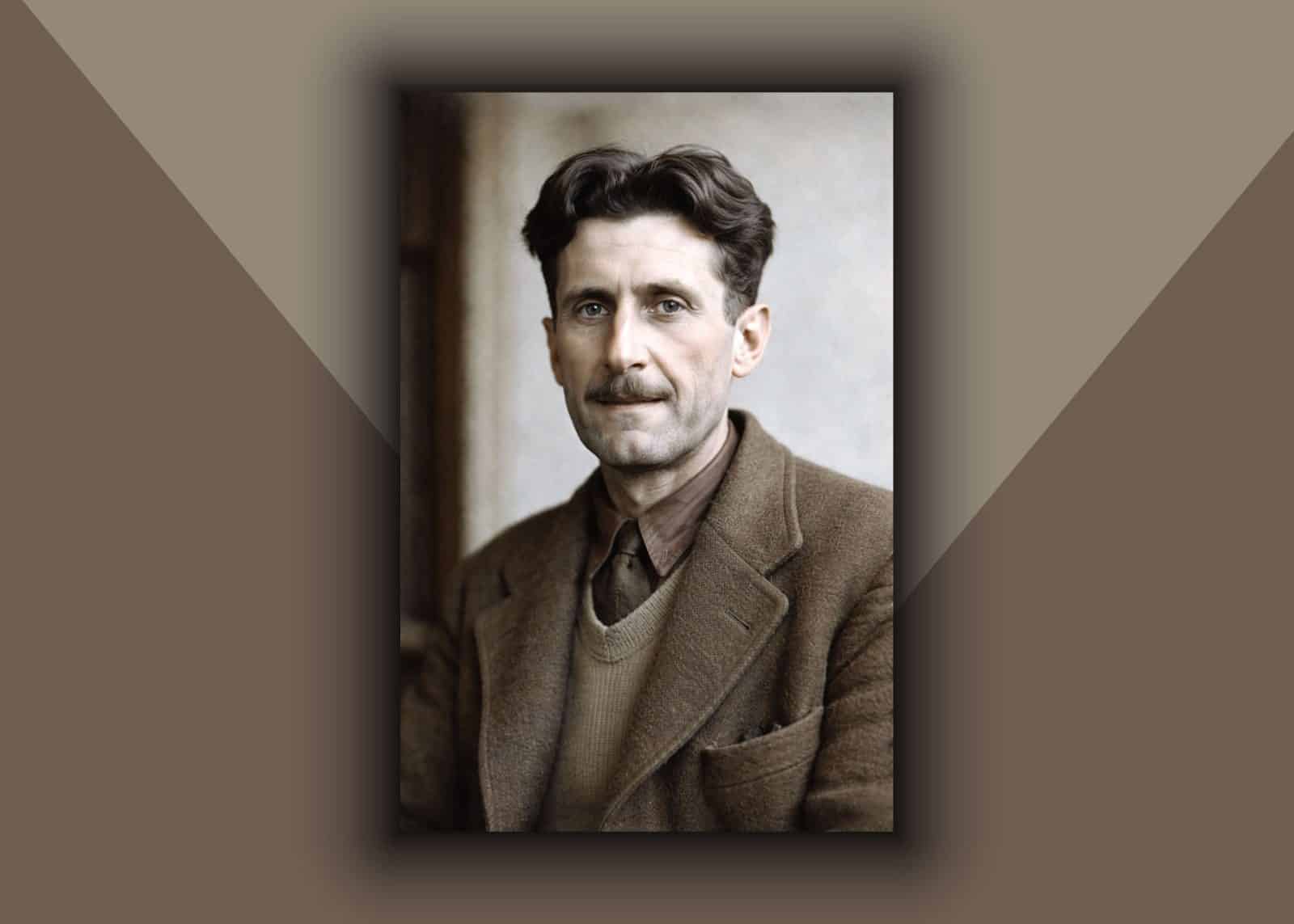
George Orwell
George Orwell wrote about how corruption starts when language is twisted, facts are manipulated, and authority demands loyalty over reality.


Philosophers includes people in natural philosophy including scientists, thinkers, and religious scholars focusing on the empirical or rational.
George Orwell wrote about how corruption starts when language is twisted, facts are manipulated, and authority demands loyalty over reality.

His core idea is that authority depends on perceived legitimacy, not moral agreement.
Max Weber (1864–1920) Read More »
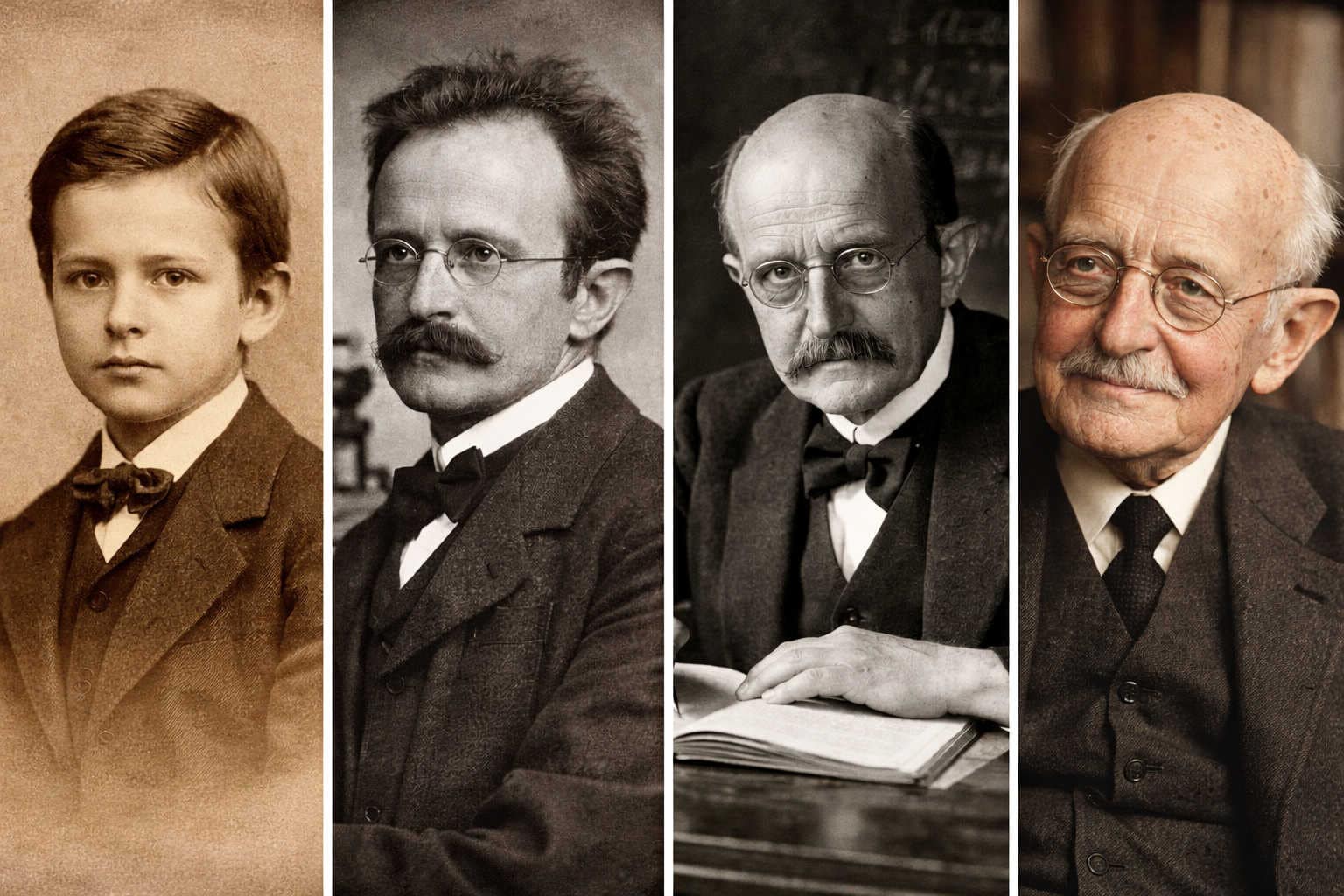
Planck discovered limits by following the math honestly—even when it contradicted intuition.
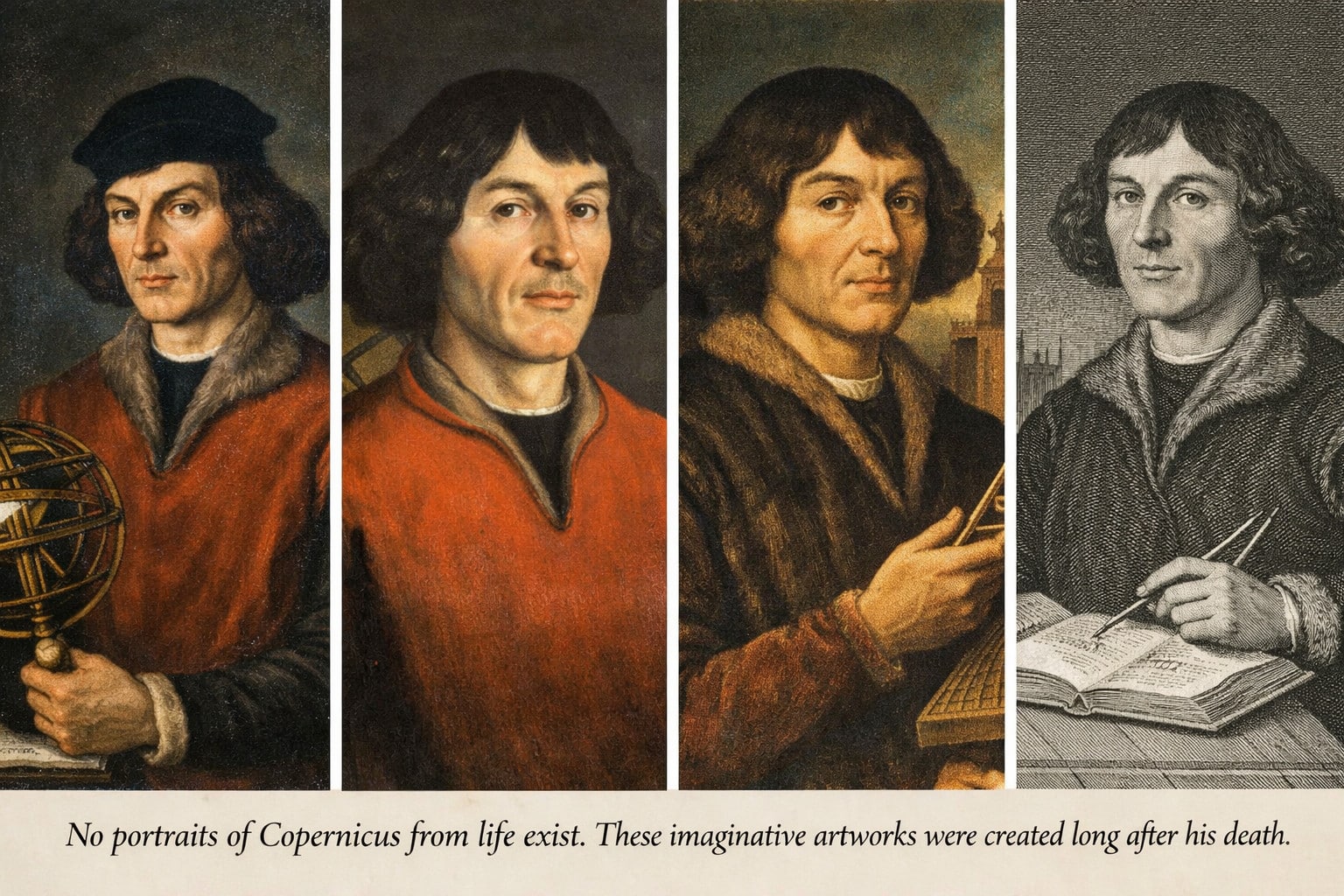
Nicolaus Copernicus lived quietly, worked carefully, and changed the universe without ever seeing the revolution he began.
Nicolas Copernicus Read More »

A French philosopher and novelist, Camus wrestled with the absurdity of existence, the tension between humanity’s search for meaning and the indifferent, silent universe. In my writing, Camus aligns closely with the idea of embracing the wild horse—acknowledging life’s meaninglessness yet choosing to live fully and authentically in spite of it. His notion of rebellion

Norwegian philosopher, Zapffe is known for extending Schopenhauer’s dark existentialism and framing human consciousness as an evolutionary misstep. He believed that human self-awareness leads to suffering because it far exceeds what is necessary for survival. In my writing, I caution against limiting ourselves to Zapffe’s fatalistic views. His four strategies for coping with this burden—isolation,

Schopenhauer: Blind Will and Human Suffering shows how one philosopher took Kant’s boundary between appearance and reality and filled it with a darker force — a restless Will beneath life itself, one that helps explain why human self-awareness so often deepens suffering instead of easing it.
Arthur Schopenhauer Read More »

Kierkegaard explored themes of anxiety, freedom, and the burden of choice. Living before psychology was a formal discipline, he wrote about angst, an existential anxiety arising from human freedom. His concept of the leap of faith emphasized making decisions authentically, even when faced with uncertainty. For Kierkegaard, anxiety wasn’t to be feared but embraced, as
Søren Aabye Kierkegaard Read More »

By 450 BCE, some were trying to convince humanity of the true nature of the solar system. They understood and promoted the idea that the moon was not a deity but a physical body. Anaxagoras was one of the earliest known proponents of this view. He deduced that the moon is made of solid rock
Anaxagoras (circa 500-428 BCE) Read More »

105 Generations Ago Chuang Tzu, or in modern pinyin, “Zhuangzi,” is a cornerstone of Daoist philosophy. His collection of essays and stories delves into themes of spontaneity, relativity, and the natural order. The famous Butterfly Dream, which questions the boundaries between dreaming and waking states, epitomizes his exploration of transformation and reality. Chuang Tzu championed
Chuang Tzu (369-286 BCE) Read More »

If Fuxi existed as one person, that person likely lived sometime between 8000 and 7000 BCE. Fuxi is a legendary figure in Chinese mythology, considered one of the Three Sovereigns. He is credited with creating humanity, inventing writing, and teaching people to fish and hunt. Fuxi’s contributions laid the foundation for early Chinese civilization and culture,

If Nüwa existed as one person, that person likely lived sometime between 8000 and 7000 BCE. Nüwa is a mother goddess in Chinese mythology, often associated with Fuxi. She is credited with creating mankind and repairing the pillar of heaven, symbolizing the restoration of order in the universe. Nüwa’s story highlights themes of creation, nurturing,

If Shennong existed as one person, that person likely lived sometime around 2800 BCE. Shennong, also known as the Divine Farmer, is another of the Three Sovereigns. He is said to have taught the Chinese people agriculture and herbal medicine. Shennong’s contributions emphasize the relationship between humans and nature, the importance of agriculture for societal

The Yellow Emperor, or Huangdi, is a legendary figure in Chinese history, traditionally credited with foundational contributions to Chinese civilization. He is associated with the development of the concept of Yin and Yang, the dualistic nature of reality, and balance, which profoundly influenced Chinese philosophy, medicine, and cosmology. Attributed to his era are the Huangdi
The Yellow Emperor (Huangdi) Read More »

Gilgamesh is the legendary figure whose exploits are immortalized in the “Epic of Gilgamesh.” Gilgamesh’s reign as king is shrouded in myth and history. The epic describes his journey from a tyrannical ruler to a wise and beloved king, highlighting his quest for immortality and the profound friendship with Enkidu, a wild man created by
Gilgamesh, circa 2700 BCE Read More »

Bernard of Chartres, a prominent 12th-century French philosopher, lived around 1070 to 1130. He is best known for his influential teaching that emphasized the continuity of knowledge through the ages. Bernard is famously credited with the phrase, “We are like dwarfs on the shoulders of giants,” highlighting the idea that contemporary scholars build upon the
Bernard of Chartres (circa 1070 – 1130) Read More »

Alfred Russel Wallace lived from January 8, 1823, to November 7, 1913. He is best known for independently proposing the theory of evolution by natural selection, prompting Charles Darwin to publish his own findings. Wallace’s work as a biologist, anthropologist, and geographer took him to the Amazon and the Malay Archipelago, where he identified the
Alfred Russel Wallace (1823-1913) Read More »
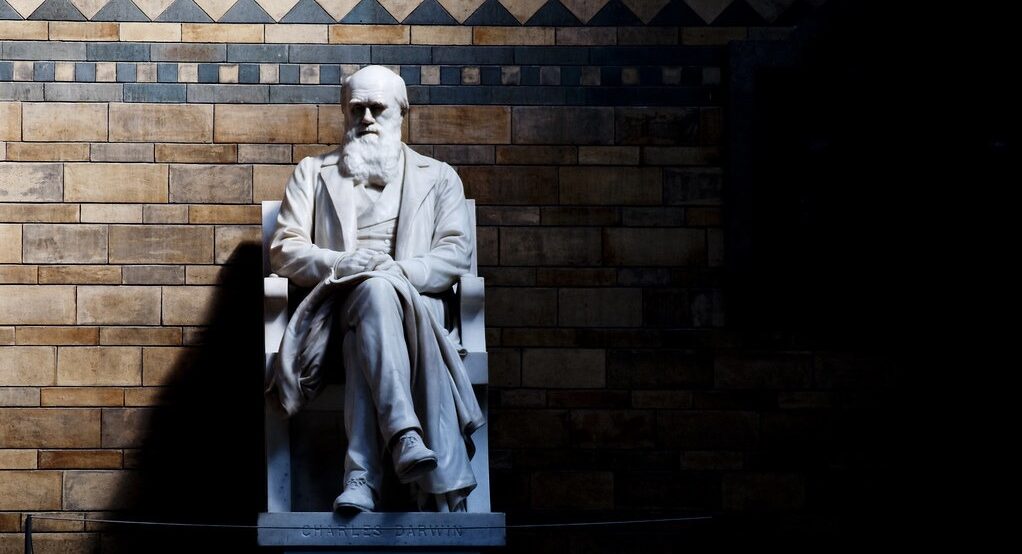
Charles Darwin, born on February 12, 1809, and passing on April 19, 1882, was an English naturalist whose groundbreaking work laid the foundation for the theory of evolution. His voyage on the HMS Beagle and the subsequent observations he made led him to formulate his theory of natural selection, published in his seminal work “On
Charles Darwin (1809-1882) Read More »

Democritus introduced a radical idea: reality is composed of invisible atoms moving through empty space.
Democritus (460 BCE – circa 370 BCE) Read More »
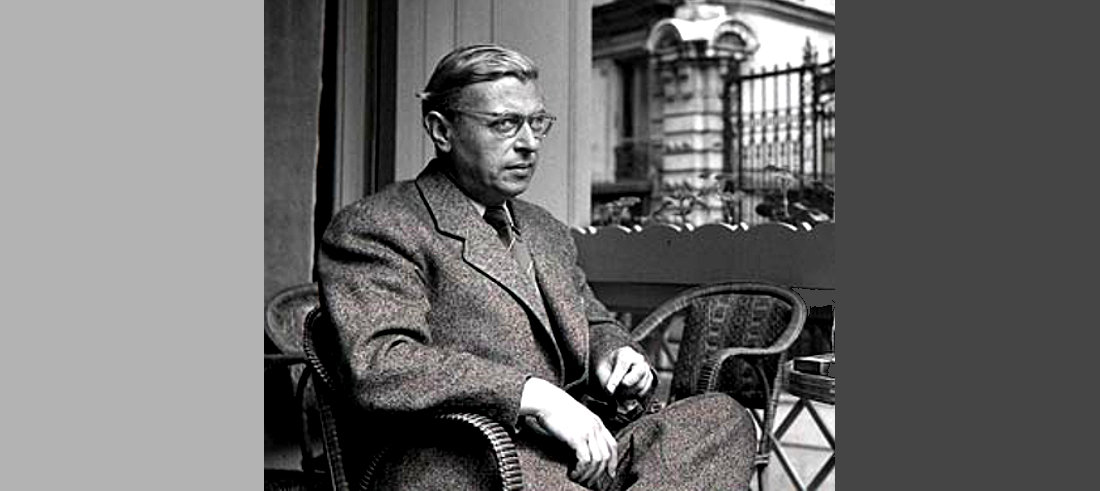
5 Generations Ago 30 Phil, Chapter 31: Sartre and Existentialism Jean-Paul Sartre arrived in the Material World on June 21, 1905. Born in Paris to a modest family. Sartre, the chain-smoking existentialist who frequented Parisian cafes, is most remembered as an activist writer and for his idea of “bad faith.”