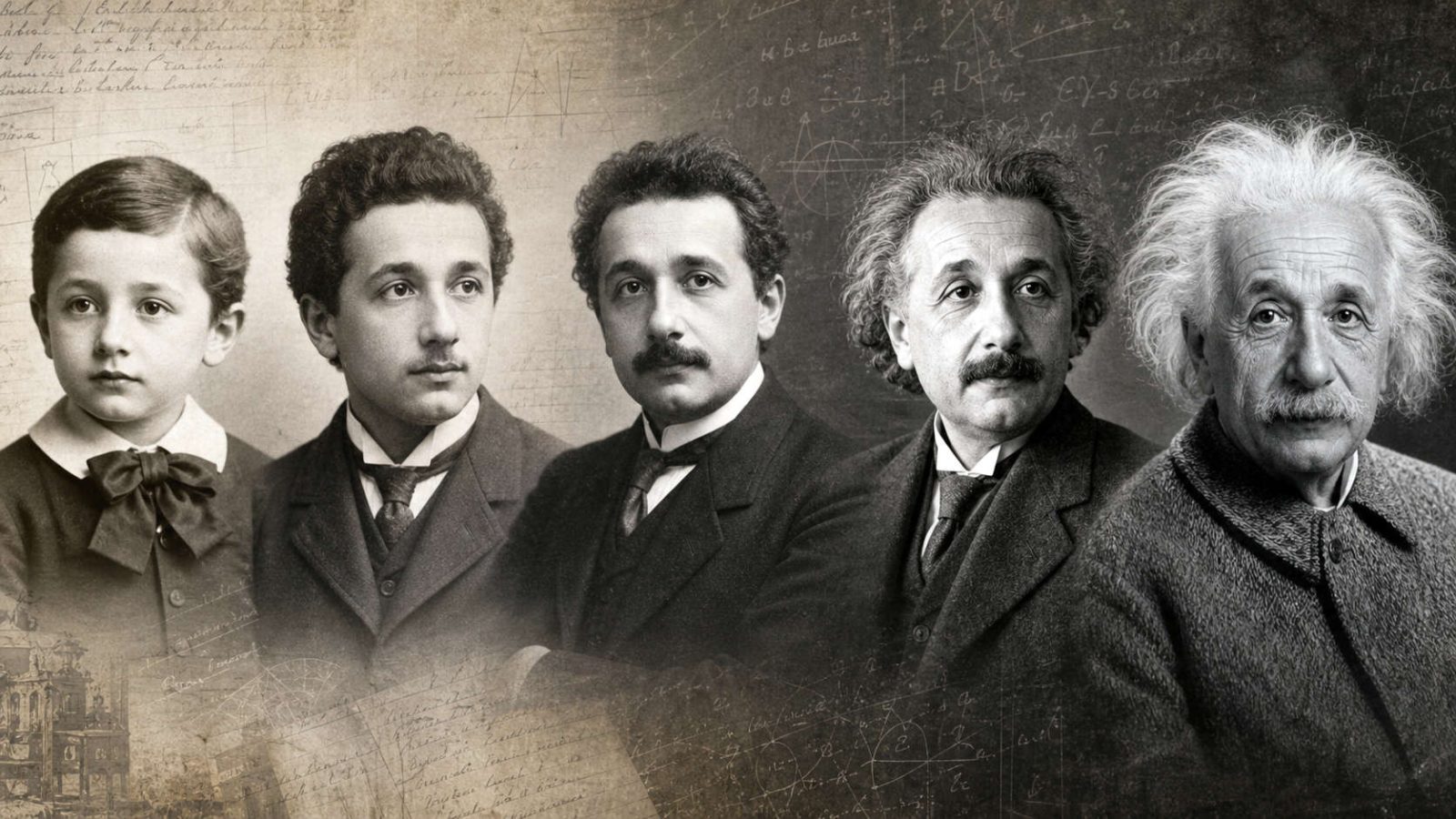
Albert Einstein (1879 to 1955)
Einstein taught us that mass and energy are two forms of the same thing and that gravity is better understood as the curvature of spacetime that guides motion.
Albert Einstein (1879 to 1955) Read More »


Einstein taught us that mass and energy are two forms of the same thing and that gravity is better understood as the curvature of spacetime that guides motion.
Albert Einstein (1879 to 1955) Read More »
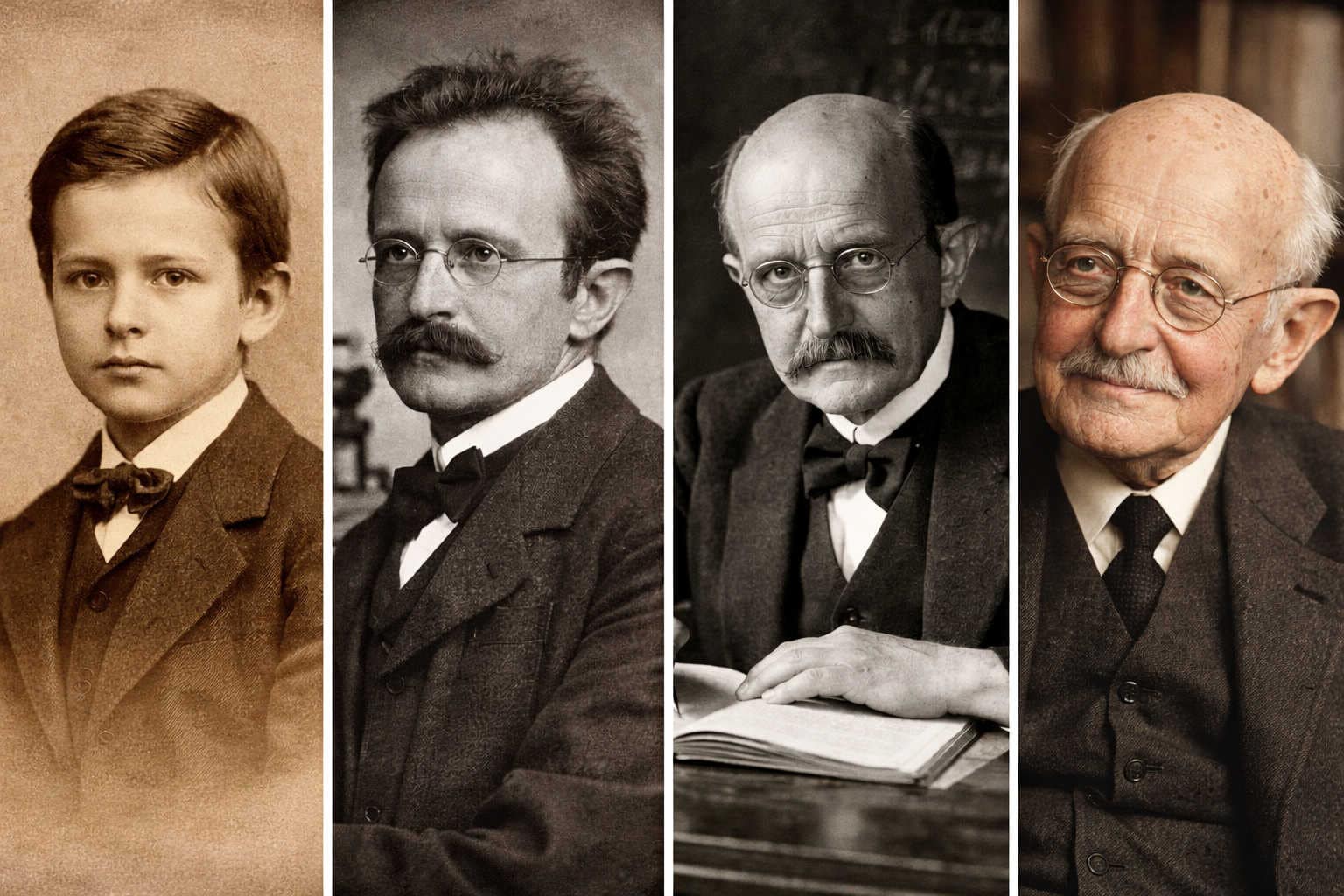
Planck discovered limits by following the math honestly—even when it contradicted intuition.
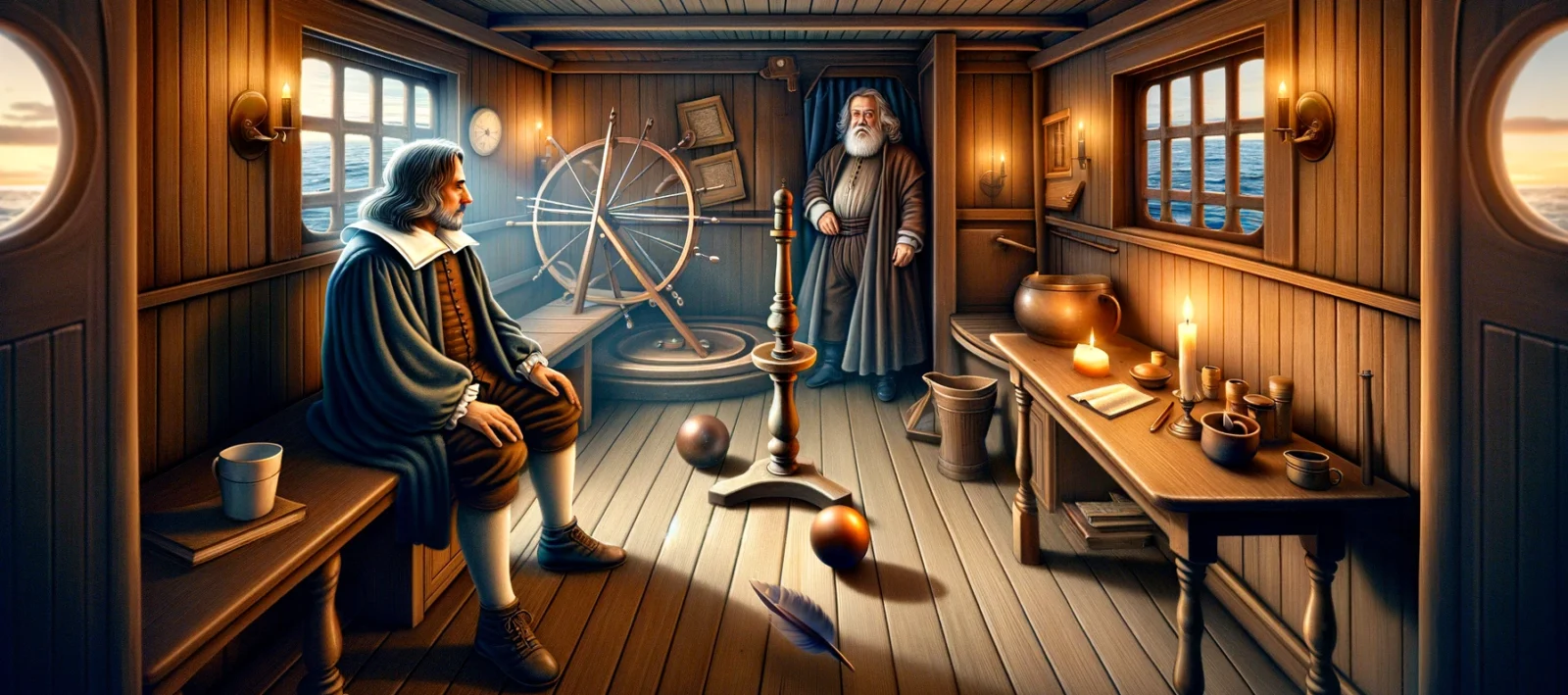
The laws of physics work the same for all observers moving at a constant speed. There is no absolute state of rest.
Relativity Principle Read More »
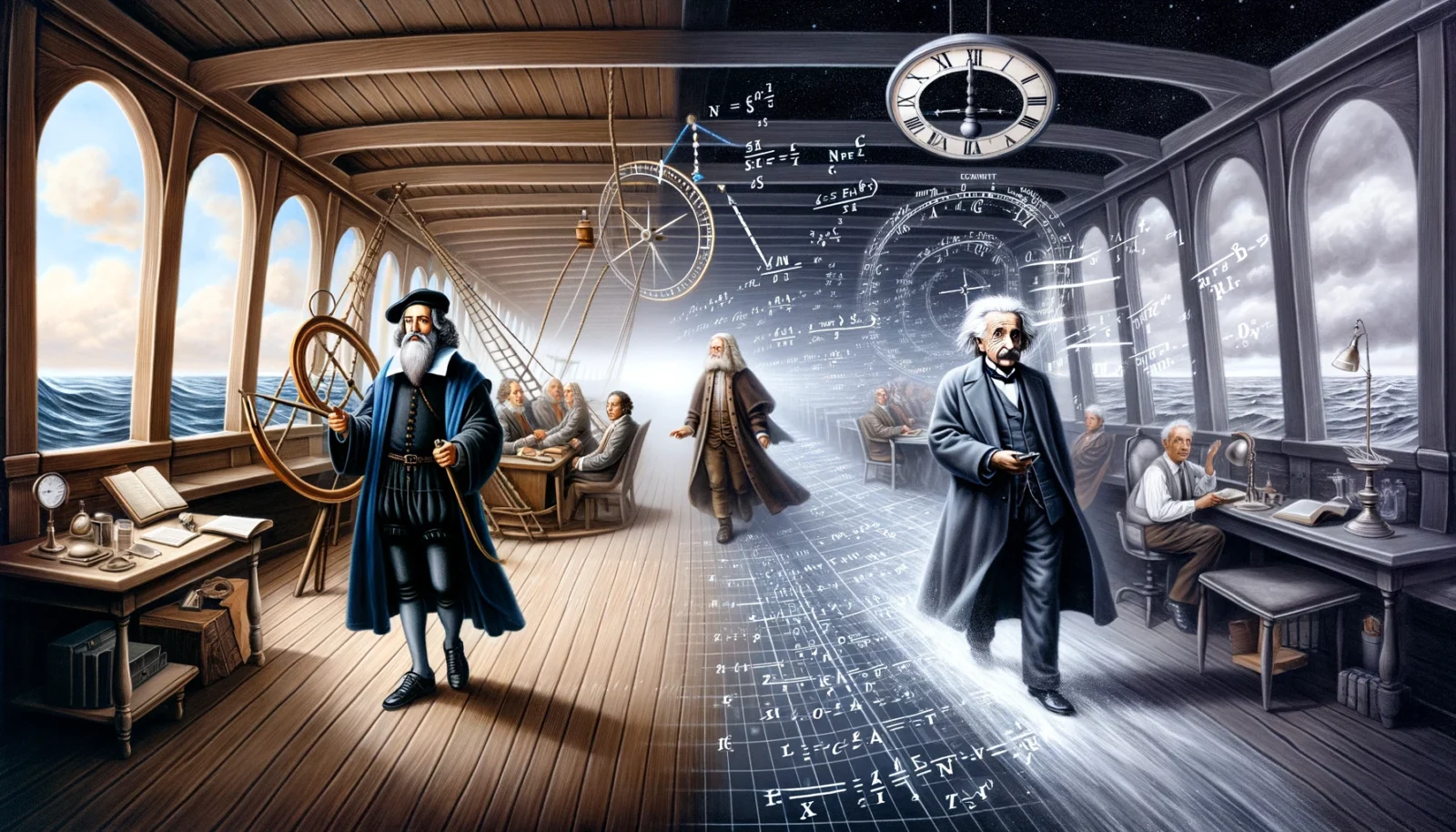
Special Relativity explains the relationship between space, time, mass, and energy. It shows that time and space are not separate entities but are connected as a single entity called spacetime. Additionally, it introduced the famous equation E=mc², which demonstrates that mass is engergy, energy is mass. They are equivalent and can be converted into each
Special Relativity Read More »
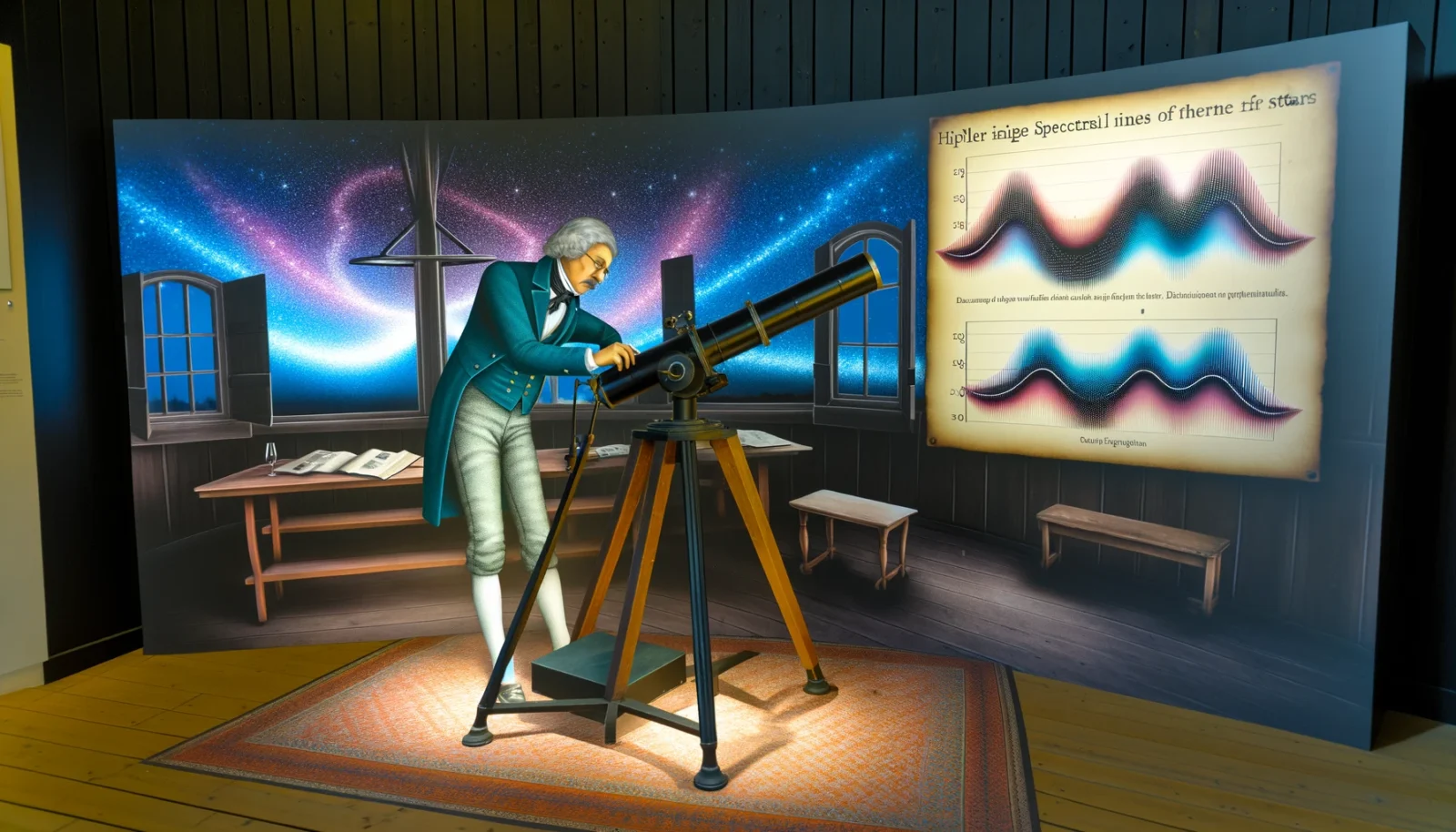
In 1842, the Doppler effect was proposed by Christian Doppler. First confirmed for sound in 1845, then for light in 1848.
Doppler Effect Observed for Stars Read More »
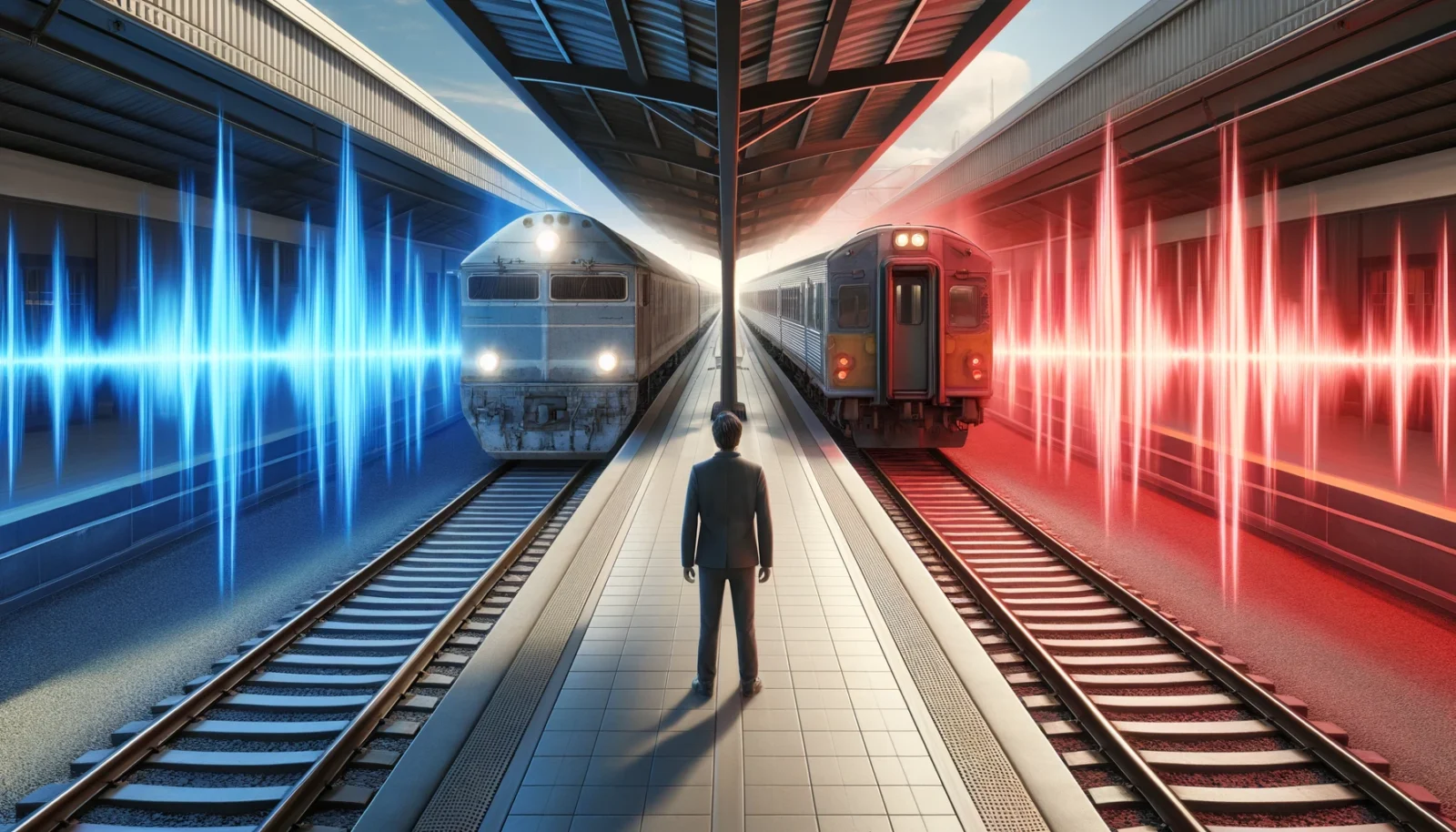
In 1842, Christian Doppler wrote about the doppler effect in stars. It was first confirmed with sound in 1845, then with light in 1848. The big moment came in 1868 when, for the first time, we could tell which stars were coming and going.
Doppler Effect for Sound and Light Read More »
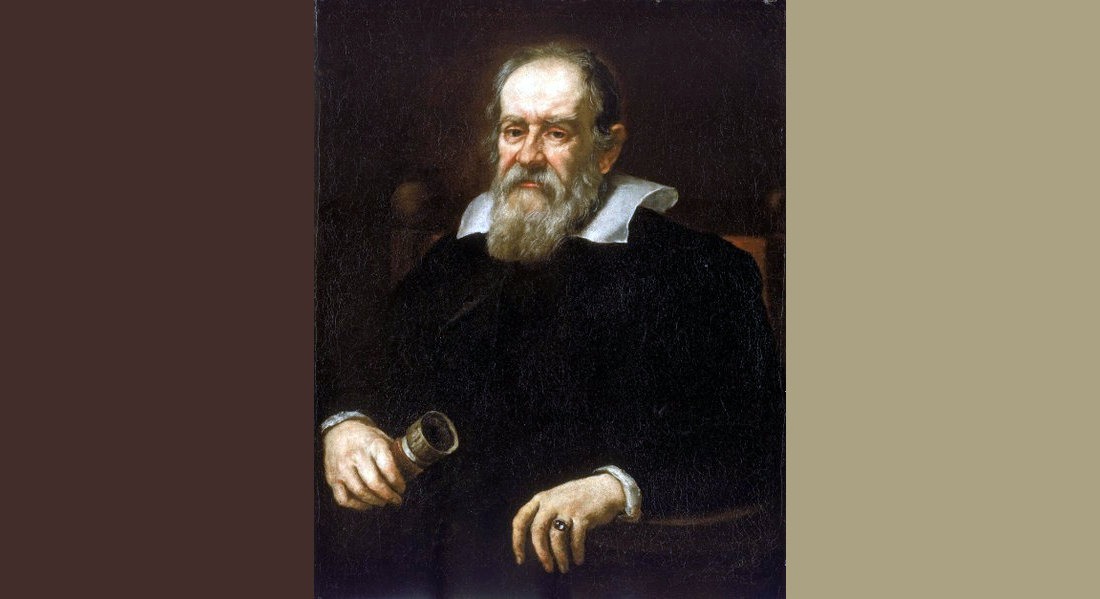
Galileo, the Father of Modern Physics, showed that careful observation and math could overturn ancient certainty.
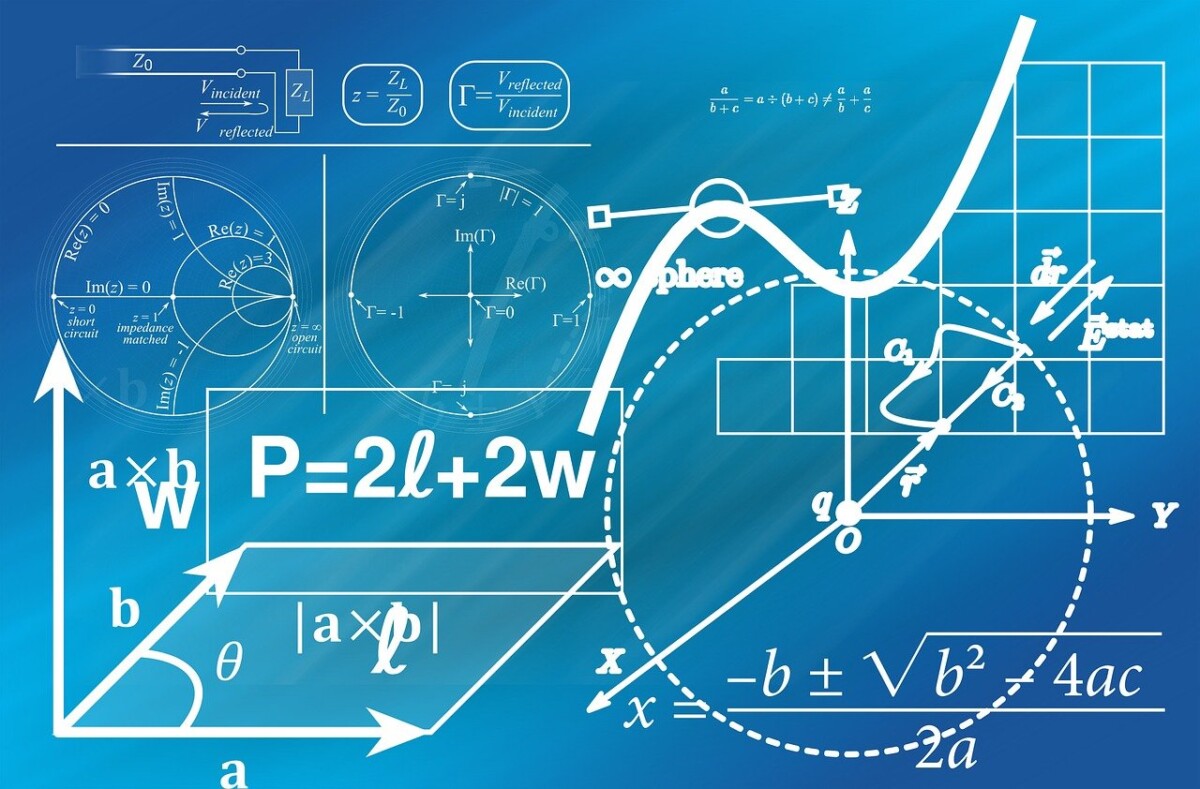
Invented by Newton in the 1660s (pub. 1687) and independently by Leibniz in the 1680s (pub. 1684). Both built on Galileo’s popularizing the idea of the infinitesimal. Calculus, the mathematical study of continuous change, introduced the concepts of differentiation and integration, providing tools to model and analyze motion, growth, and the infinitesimal. Newton, working primarily
The Invention of Calculus Read More »
In the first fraction of a second, the universe cooled enough for the electromagnetic and weak forces to split, setting the stage for stable particles.
The Plank Era occurred in the first part of the first millisecond after the singularity. Current estimated put it at up to 10−43 seconds after the Big Bang. The term “era” is used for this micro-duration as a sort of tip of the hat to Einstein’s Relativity. It reflects a conceptual approach to time that

When we trace the universe backward, our equations point to an unimaginably hot, dense beginning — not a confirmed object, but the mysterious edge where current physics breaks down.